From over 100,000 films, discover the handful you'll love.
Free or premium access to the world's largest documentary library.
1954 films(Page 27 of 41)
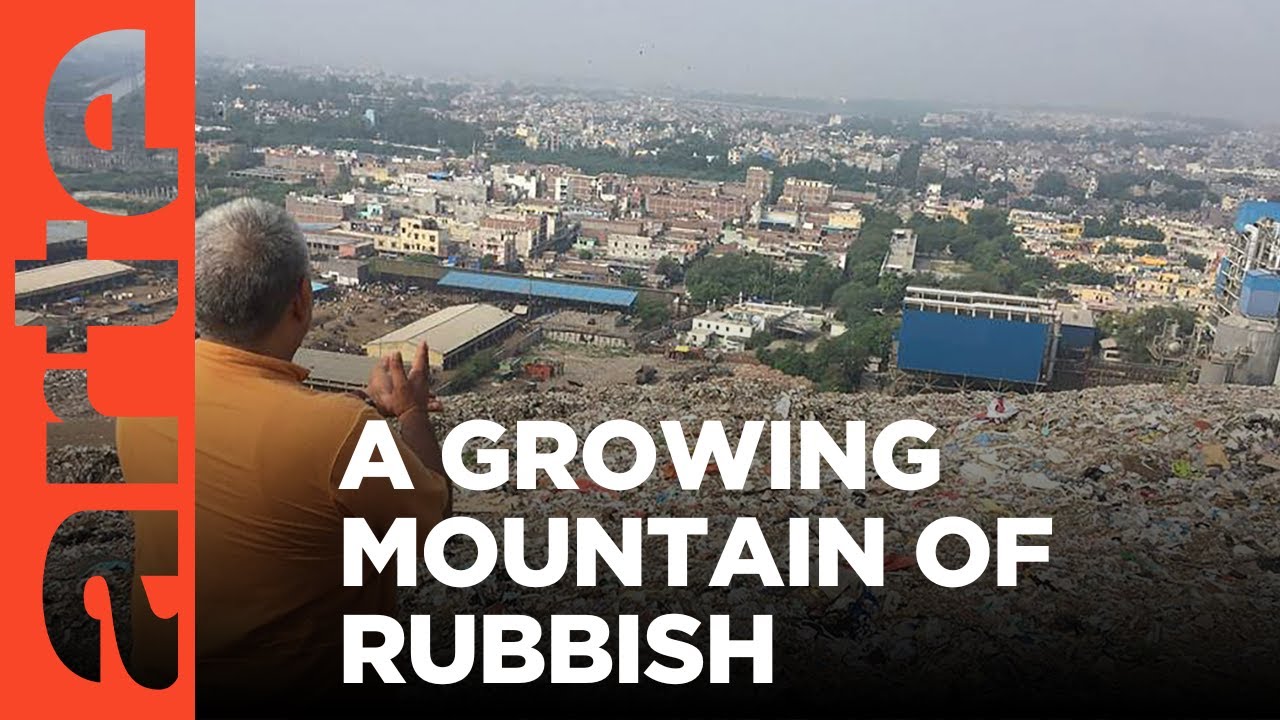
Ghazipur landfill in New Delhi, originally set to close in 2002, continues to expand, impacting the health and livelihoods of nearby residents.
Nine young female activists, aged 12 to 24, confront climate change, advocating for immediate action against political inaction and environmental degradation.
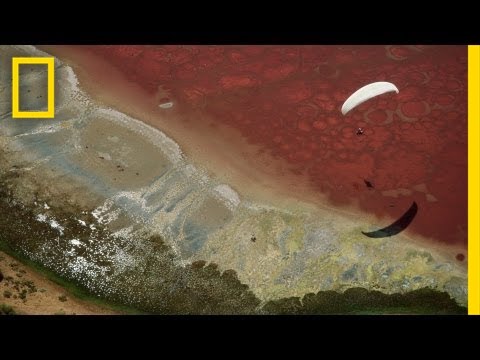
George Steinmetz showcases his aerial photography skills by exploring remote and inhospitable locations around the globe using a paraglider.
Only three of Germany's 709 members of parliament are under 30, prompting young candidates like Kassem Taher Saleh and Wiebke Winter to run for office.
The last decade is measured as the hottest globally, driven by rising carbon dioxide levels.
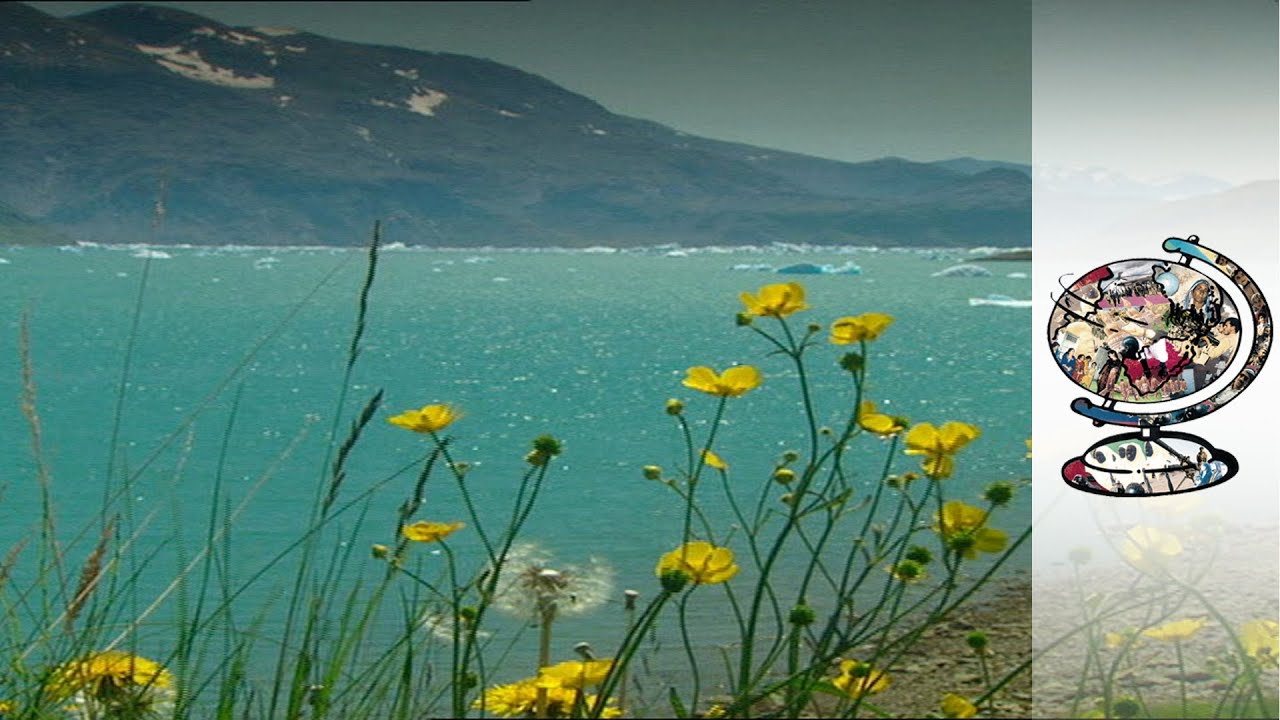
Greenland's glaciers are melting at an accelerated rate, potentially raising global sea levels by 20 feet if they completely disappear.
In Qaanaaq, Greenland, hunters maintain ancient narwhal hunting traditions while facing the challenges of a harsh Arctic environment and communal life.
Greenland's ice melts rapidly, raising sea levels and impacting the global environment.
Emerging Explorer Gregg Treinish connects outdoor enthusiasts with scientists to gather vital data from remote locations for conservation efforts.
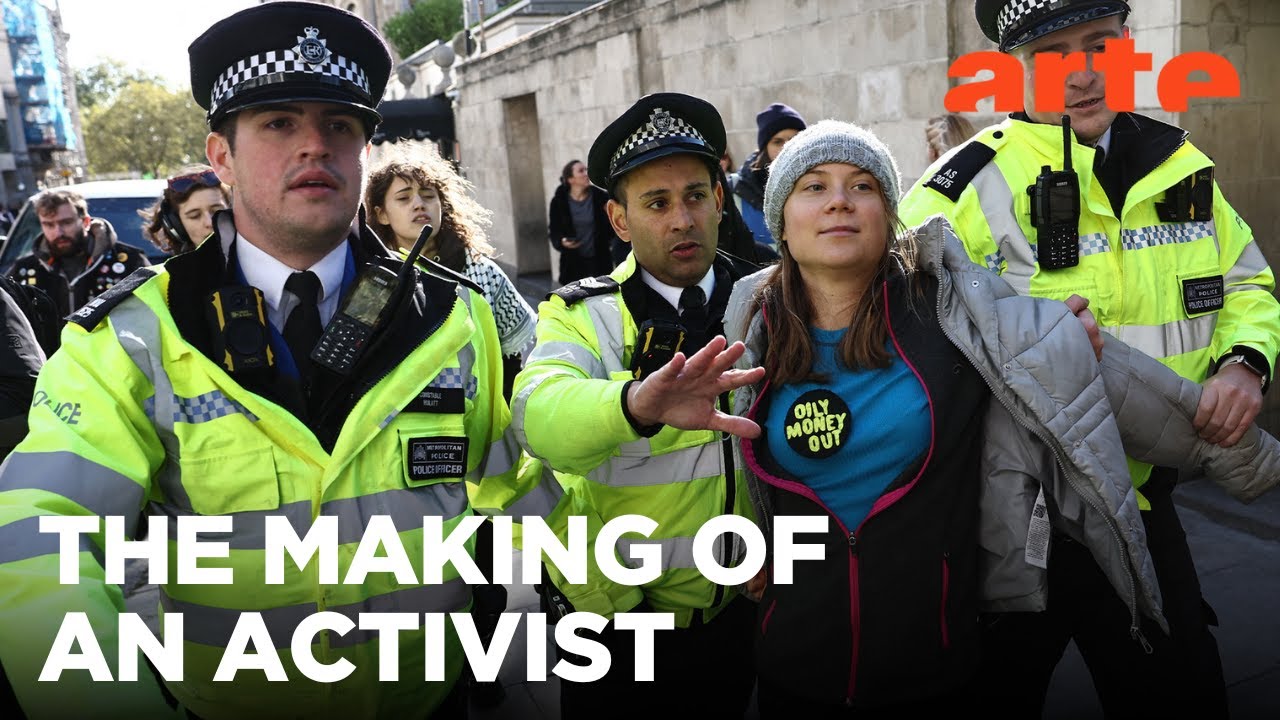
Greta Thunberg's evolution from a 15-year-old climate activist to a global icon is examined through interviews and archival footage, highlighting her impact on activism.
Three ice caps visible from a farm in southern Iceland are shrinking, reflecting the emotional impact of climate anxiety on local residents.
Local forest communities in Guatemala implement sustainable forestry initiatives to protect the Maya Biosphere Reserve and support indigenous livelihoods.
Half Dome's granite dome measures over 3 billion cubic feet, equivalent to the size of 1,000 football stadiums.
More than 50 treehouses in Hambach Forest serve as a base for activists opposing the expansion of RWE's lignite mining operations.
Bonaire's National Marine Park, established in 1977, protects coastal waters up to 60 meters deep, supporting some of the healthiest coral reefs in the Caribbean.
In the Pacific Northwest, ancient geologic landmarks reveal the impact of over 7,000 years of catastrophic floods, reshaping the region's landscape and ecology.
Toba supervolcano's massive eruption 74,000 years ago significantly impacted human evolution and the environment, as explored through scientific reconstructions.
Controlled patchwork fires help reduce combustible matter and encourage the growth of food plants like bush tomatoes and green grass for kangaroos.
British colonialism significantly increases diabetes rates in India and South Asia.
National performance in environmental sustainability is analyzed through the lens of the latest IPCC report, highlighting the urgent need for action by 2025.
Extreme heat, as experienced in a simulated New York City subway environment, significantly impacts the human body's ability to regulate temperature and maintain cardiovascular function.
Three billion people rely on the ocean for food, yet human activities like overfishing and pollution threaten its health and future.
Kenya faces rising lakes in the Rift Valley while drought areas in the Northeast suffer.
Artificial light is erasing stars, disrupting wildlife, and impacting human health, highlighting the urgent need to address light pollution in urban areas.
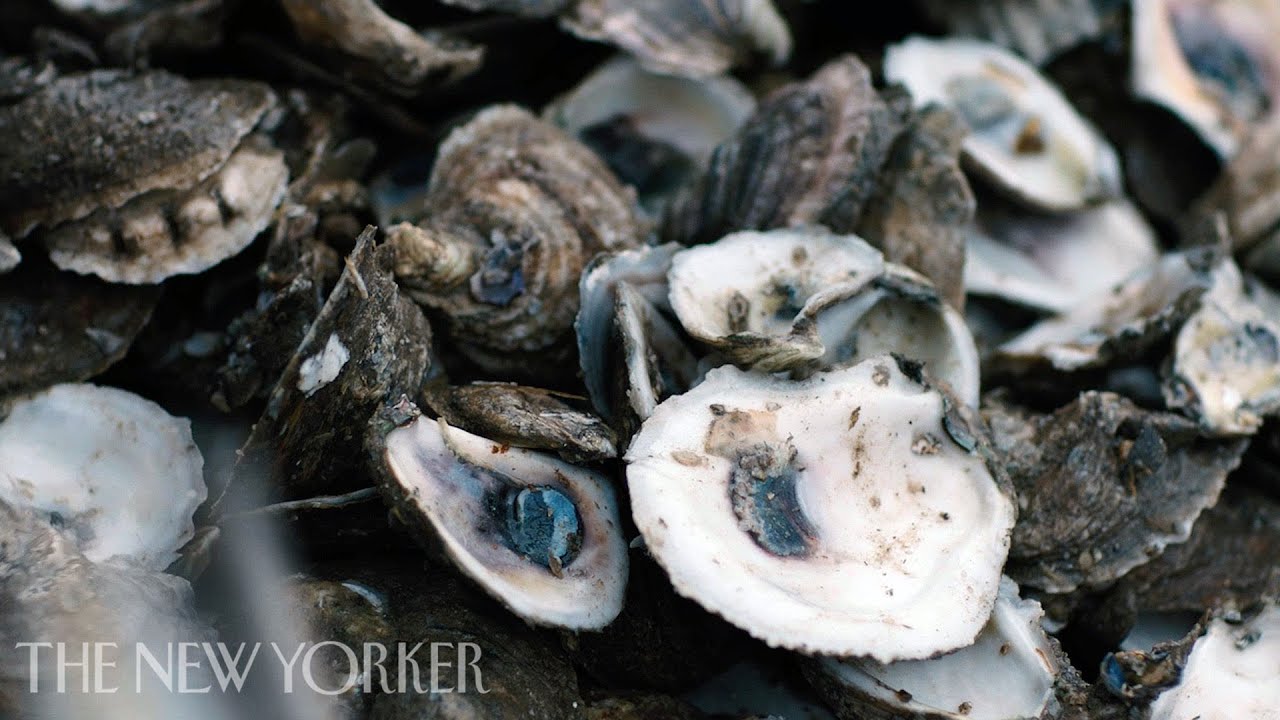
Oysters were a primary food source for Native Americans in Louisiana long before commercial harvesting began, with traditional methods using sails to pull dredges.
In the Cambrian period, the emergence of terrestrial plants significantly altered Earth's climate and contributed to the first mass extinction event.
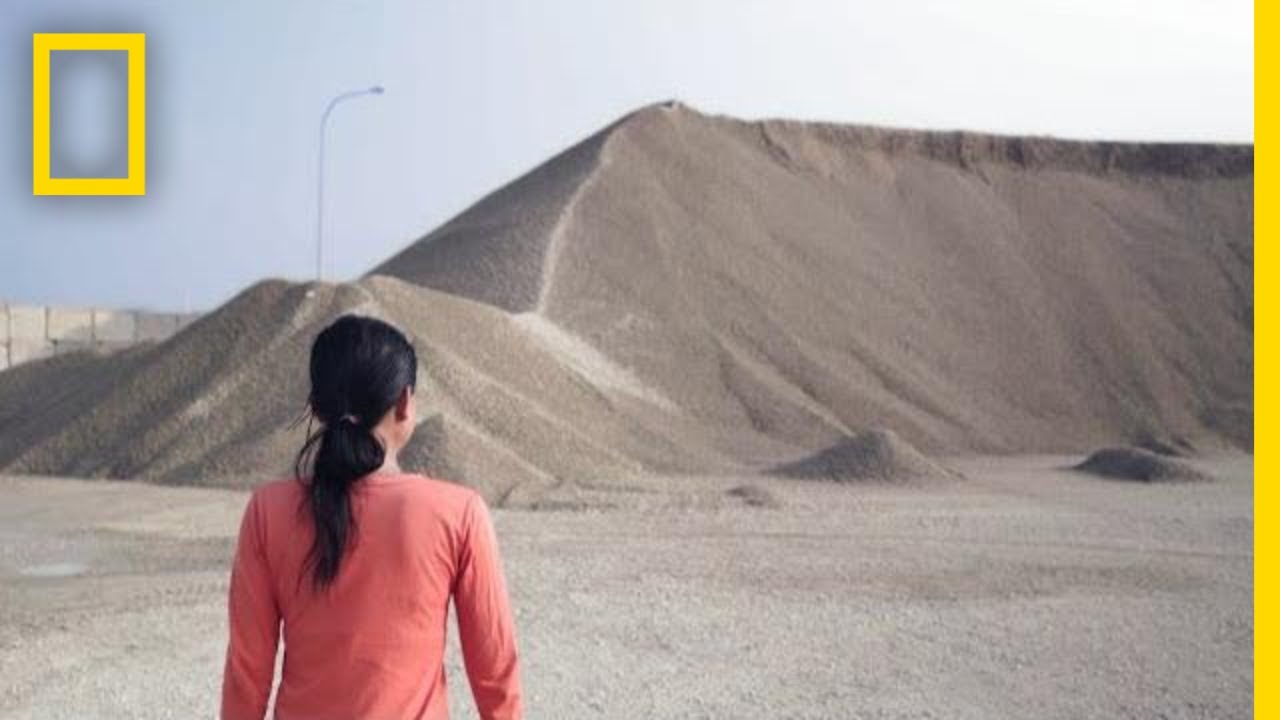
Sand dredging in Cambodia's mangrove forests, driven by Singapore's demand for land expansion, threatens the home and livelihood of islander Phalla Vy.
Solar Flares pose serious threats to Earth through high-energy radiation and magnetic disturbances.
Long-jawed proboscideans evolved into modern elephants, mammoths, and mastodons as climate changes prompted adaptations like the flexible trunk for better survival.
Over 600 million years ago, Earth experienced two significant glaciation events known as Snowball Earth, which left evidence of ice coverage on every continent.
By the year 2100, the range for valley fever fungus is predicted to expand as far as Kansas and North Dakota due to climate change.
Large-scale tree planting programs face challenges, as seen in Israel's Yatir Forest.
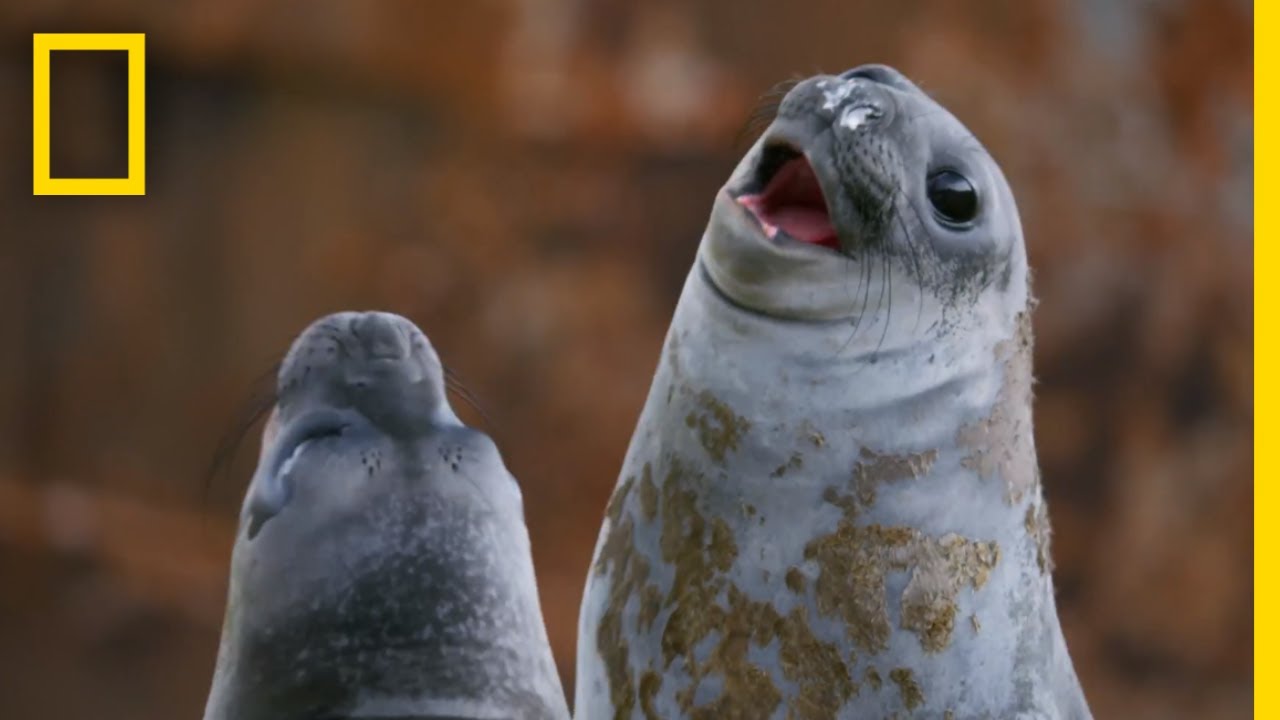
Bertie Gregory and his team explore South Georgia Island, highlighting the recovery of fur seals from 400 to over 3 million after its whaling past.
The Huaorani live in Yasuni National Park, showcasing their culture in this Spanish video.
Hurricane Florence dropped 10 trillion gallons of rain on North and South Carolina in its first five days, causing widespread flooding and power outages.
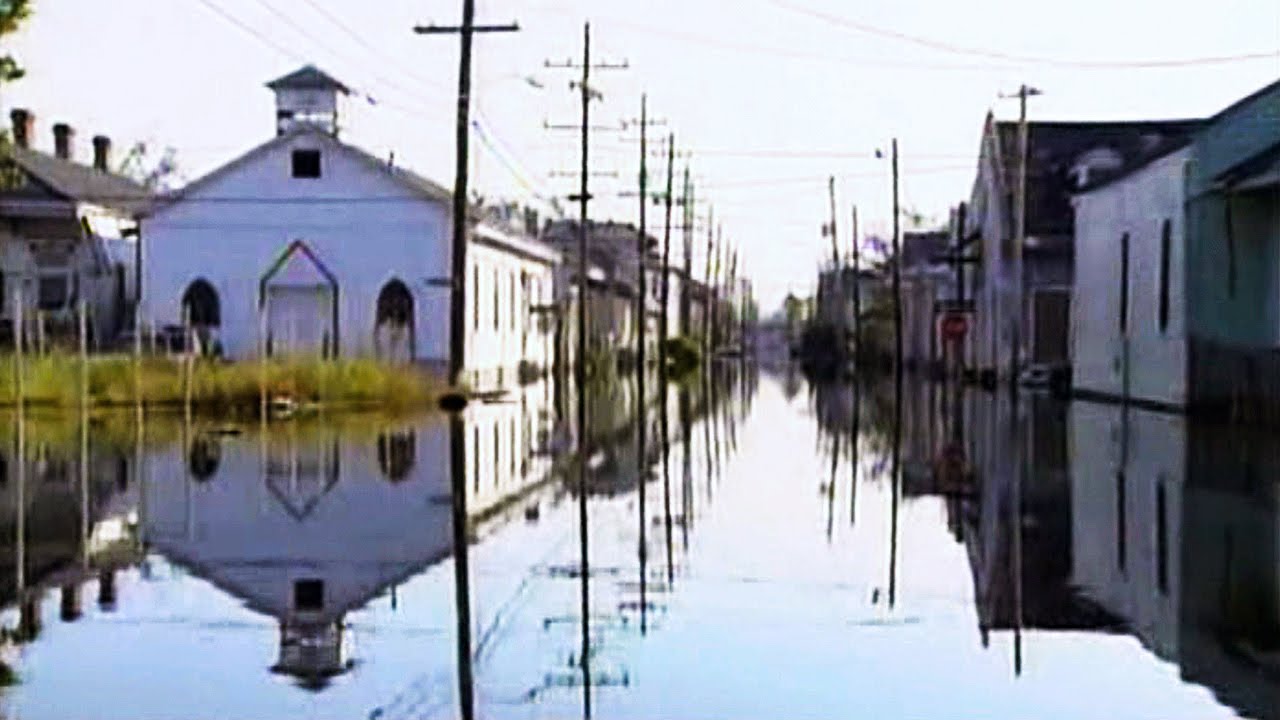
Katrina rapidly intensified from a category 1 to a category 5 hurricane, gaining the power equivalent to 100 atomic bombs before striking the Gulf Coast.
A truckload of people escapes the Superdome after Hurricane Katrina, as poet Shelton Alexander documents the chaos and challenges faced by evacuees.
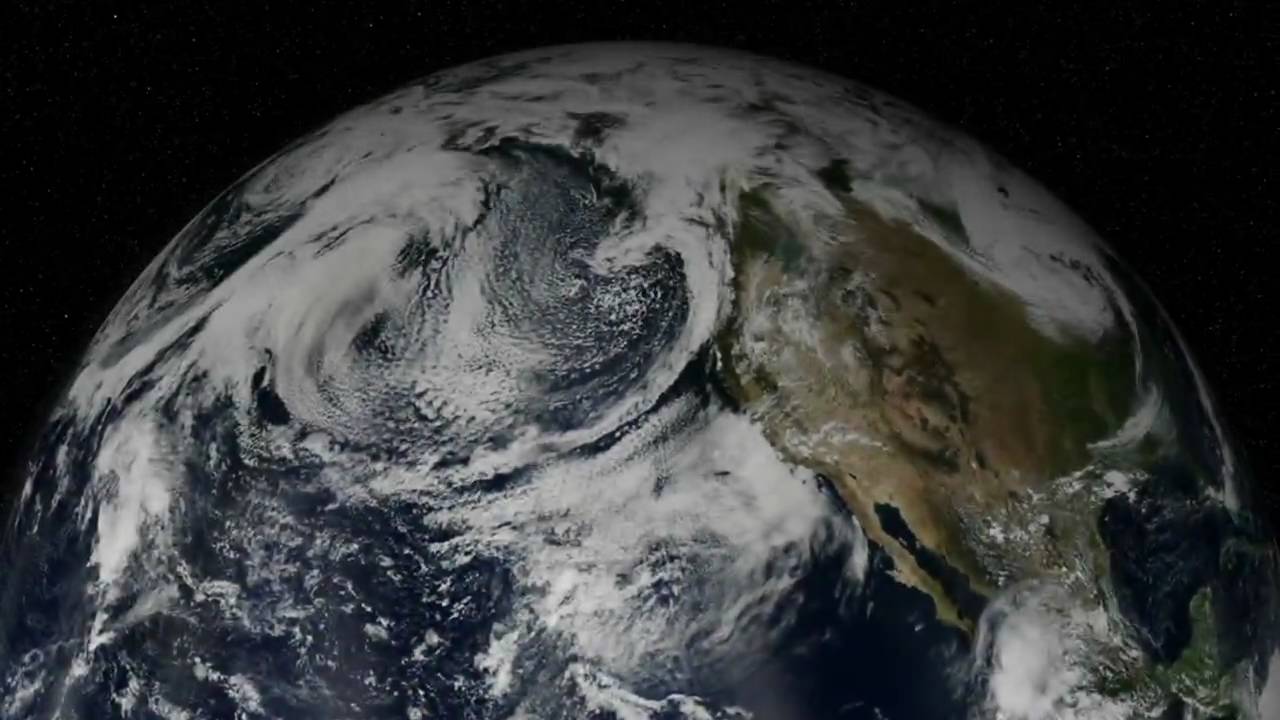
Hurricane Otis, which devastated the Mexican coast in 2023, exemplifies the increasing intensity of storms linked to climate change and the role of satellite imagery in public awareness.
Young climate activist Noga Levy-Rapoport led a protest in London that attracted 5,000 participants, demanding urgent action on climate change from global leaders.
Two experienced climbers scale the Crystal Pillar in Canada, demonstrating their skills against the backdrop of this impressive natural formation.
Since the mid-1990s, the average temperature in Southern Greenland has risen by nearly 2 degrees Celsius, leading to longer growing seasons for farmers.
In the Mustang District of Nepal, the Gurung family navigates the challenges of climate change by splitting their livelihoods to secure a sustainable future.
In India, coal mines face frequent explosions, highlighting energy independence issues.
In 2024, India faced its longest heatwave on record, with temperatures exceeding 50°C in New Delhi and reaching 56°C in Nagpur.
Bertie Gregory shares his experiences filming wildlife in extreme environments, including encounters with lions in Zambia and hammerhead sharks in Costa Rica.
Justin Schmidt has been stung by insects at least 1,000 times to study the pain levels of various stinging species.
Ji Wook-cheol advocates for restoring Korea's seagrass forests after personal tragedy.
Josh Jespersen advocates for public lands and environmental stewardship in Colorado, addressing climate change and the bark beetle crisis with organizations like Western Resource Advocates.