From over 100,000 films, discover the handful you'll love.
Free or premium access to the world's largest documentary library.
1964 films(Page 22 of 41)
Record heat waves hit Spain, Siberia, and India, with England surpassing Caribbean temperatures.
The Salton Sea, once a thriving resort, is now a toxic ghost town plagued by pollution.
Forty-five carbon reduction projects in China, worth an estimated one billion euros, are under suspicion for fraud by German authorities.
Cyclone Bhola killed between 250,000 and 500,000 people in 1970, prompting Bangladesh to invest heavily in disaster management and early warning systems.
Resale companies Oxfam and Vinted hosted a catwalk show at London Fashion Week 2024, reflecting the growing influence of secondhand fashion.
Netflix and Meta purchased over a quarter million tons of carbon offsets from the Northern Kenya Rangelands Carbon project by 2022.
30 percent of Napa County was consumed during the 2020 fire season, affecting businesses in California's wine-growing region.
Severe drought conditions in Mesopotamia played a crucial role in the collapse of the Akkadian Empire, highlighting the impact of climate on ancient civilizations.
European farms have decreased by roughly a third since 2005, prompting widespread protests from farmers demanding systemic changes to agriculture.
Groundbreaking technology captures carbon dioxide to produce carbon-neutral fuel, demonstrating potential applications in locations like Beijing and the Sahara Desert.
Vegan food interest rises as its health benefits and environmental impacts are examined.
One billion people live within 10 kilometers of the coast, facing the threat of rising sea levels that have increased by more than 20 centimeters since 1880.
Every year, heatwaves are happening more frequently, affecting communities worldwide.
Dr. Emma Liu's team uses a drone to sample gases from Villarrica volcano's lava lake.
Snowfall in Western New York reached record levels during one of the strongest storms ever recorded, illustrating the effects of El Nino and La Nina.
Half of the global population experiences water scarcity during at least some parts of the year, prompting a search for innovative solutions.
40% of Europe's imported gas came from Russia before the invasion, prompting protests as activists demand a faster shift to clean energy.
Seven million deaths each year are attributed to air pollution, yet many megacities are seeing a five percent improvement in air quality.
An 8-meter-high mushroom fossil, discovered on the Arabian Peninsula, dates back 500 million years and illustrates the ancient power of fungi.
Climate change calculations rely on scientific data and models that assess the impact of human activity and natural processes on global temperatures.
Billions of pads and tampons end up in the environment each year, contributing to significant plastic pollution linked to menstrual product stigma.
Lindsey Blake from the University of Sheffield discusses the vital role of soil in food production.
The Brazilian Amazon faces land-grabbing and deforestation issues under Lula's new policies.
Geothermal energy, utilizing technology from the oil and gas industry, offers a sustainable resource while presenting challenges such as earthquake risks from fracking.
Luxury lifestyles of billionaires, including private jets and mega-yachts, contribute significantly to carbon emissions and climate change, raising questions about accountability and solutions.
Eight million tons of plastic waste end up in the ocean each year, yet many major food companies fail to meet their sustainability commitments.
Australia made 80 percent of its electricity from coal just two decades ago, and today that share is still around 50 percent.
A medieval canal built to channel water into the city center for over three miles becomes a source of disaster as climate shifts lead to devastating floods.
155 miles north of the Arctic Circle, the Ocean Endeavour faces icebergs that can make passage to Ilulissat, Greenland, extremely dangerous.
Residents of Feldheim pay just 12 cents per kilowatt hour for electricity, significantly lower than the nearly 36 cents paid in Berlin.
In the Amazon rainforest, environmentalists and indigenous communities work together to implement sustainable practices that combat deforestation and promote conservation.
Kunlé Adeyemi designs a floating system to help Makoko adapt to rising sea levels.
Cooling buildings accounts for 10% of global electricity consumption, contributing to rising temperatures and greenhouse gas emissions.
Air conditioning and refrigeration systems account for about 20% of total electricity used in buildings, with the U.S. consuming as much as the entire continent of Africa.
Small-scale hydropower technologies, including vortex power plants, hydrokinetic turbines, and osmotic power, offer renewable energy solutions with reduced environmental impact.
Vehicle sales in India surged from less than 50,000 in the 1980s to almost three million in 2020, contributing to severe urban congestion and pollution.
James Lovelock proposes AI solutions to save the human race from climate change threats.
Barcelona has over 350 climate shelters, providing refuge for residents during extreme heat and ensuring 98% of the population is within a ten-minute walk.
Nearly 15 percent of global greenhouse gas emissions come from crop and livestock production, raising concerns about the environmental impact of meat consumption.
Over 300 vultures now inhabit Bulgaria, with the first wild vulture chick born in 50 years, as conservationists work to restore the ecosystem.
Over a million people were evacuated in India before Cyclone Phailin made landfall in 2013, thanks to improved weather prediction systems.
Zoom's user base surged from 30 million in 2019 to nearly 500 million in 2020, reducing the need for business travel and its associated carbon emissions.
Human composting and alternative eco-friendly burial methods are emerging as sustainable solutions to the environmental impacts of traditional burials and cremations.
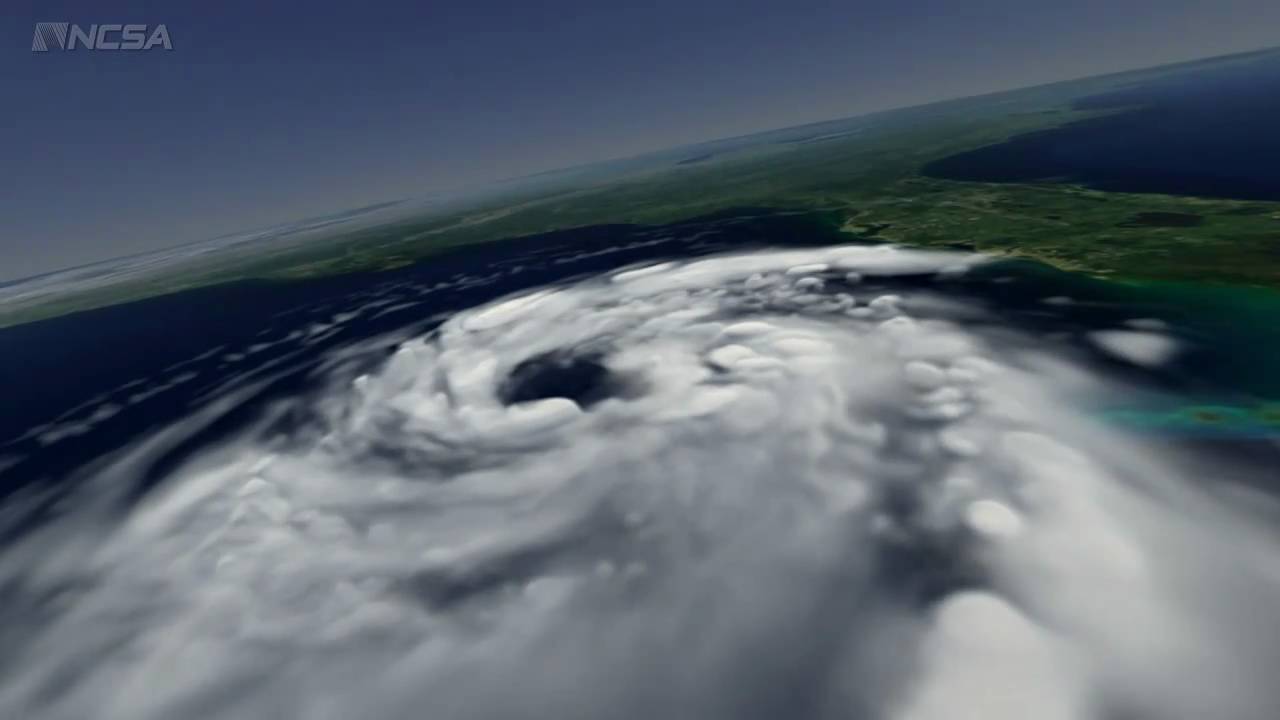
Hurricane Katrina's peak intensity in 2005 is visualized through a computer simulation created by the Advanced Visualization Lab at the University of Illinois.
Louisiana's housing recovery challenges after Hurricane Katrina influenced disaster response strategies for future emergencies across the United States.
A third of all food produced worldwide is wasted, prompting Kiyo Dörrer to eat only food waste for a week to address this issue.
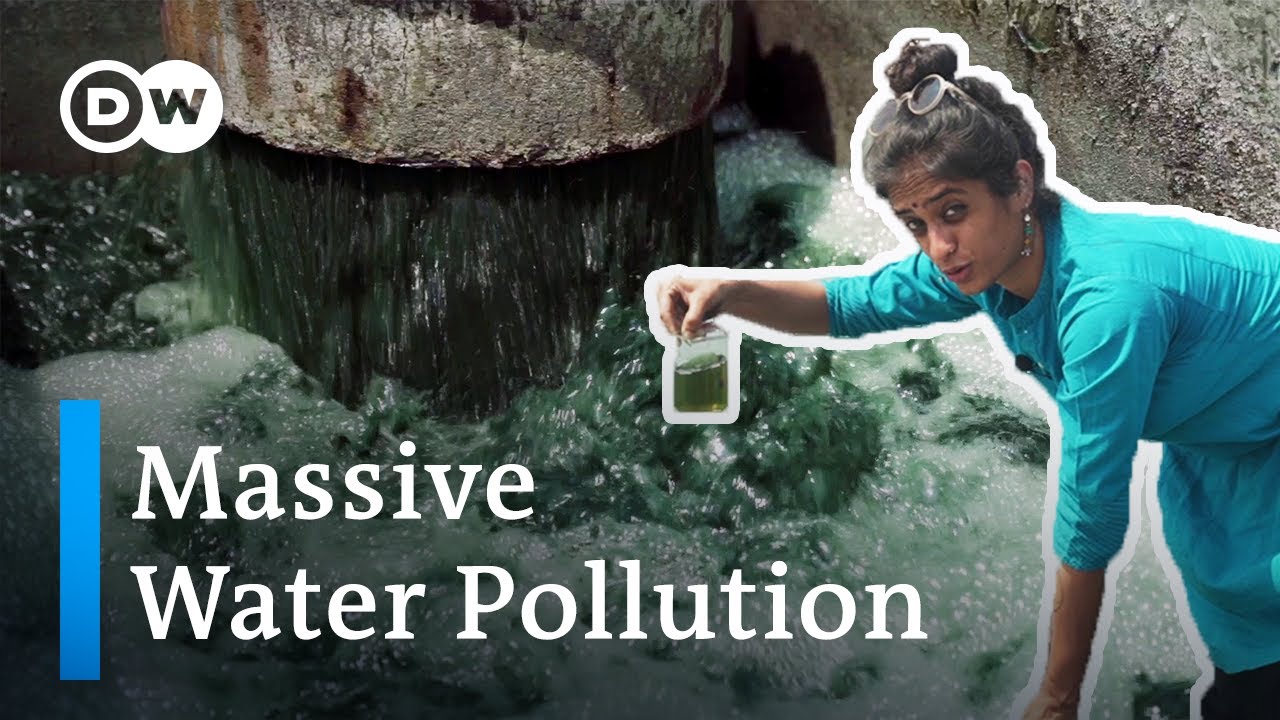
250 billion rupees, or nearly 3 billion euros, is generated annually by Tirupur's textile industry, which heavily pollutes the Noyyal River.
Glaciologists climb Chhota Shigri in India to measure its rapid melting and climate impact.