From over 100,000 films, discover the handful you'll love.
Free or premium access to the world's largest documentary library.
1954 films(Page 25 of 41)
Hemp cultivation began 12,000 years ago in China, providing food, oil, and textiles before facing decades of prohibition and misinformation.
Today, Panama's urban development threatens wildlife and disrupts natural habitats.
Political inaction on climate change is examined through the lens of global institutions and the challenges faced by both developed and developing nations.
Steel production contributes over 7% to climate change, prompting exploration of solutions like hydrogen and carbon capture to create greener alternatives.
Around two thirds of the floodplains along Germany’s 79 major rivers can no longer store excess water due to human alterations to their landscapes.
Since 1990, Sweden has reduced its net greenhouse gas emissions by 80 percent while doubling its economy, becoming a leader in climate action.
The Green New Deal aims to tackle climate change and economic inequality in America and the UK.
Over 1,000 villages in Uttarakhand, India, are abandoned as residents leave due to changing monsoon patterns and the impacts of climate change.
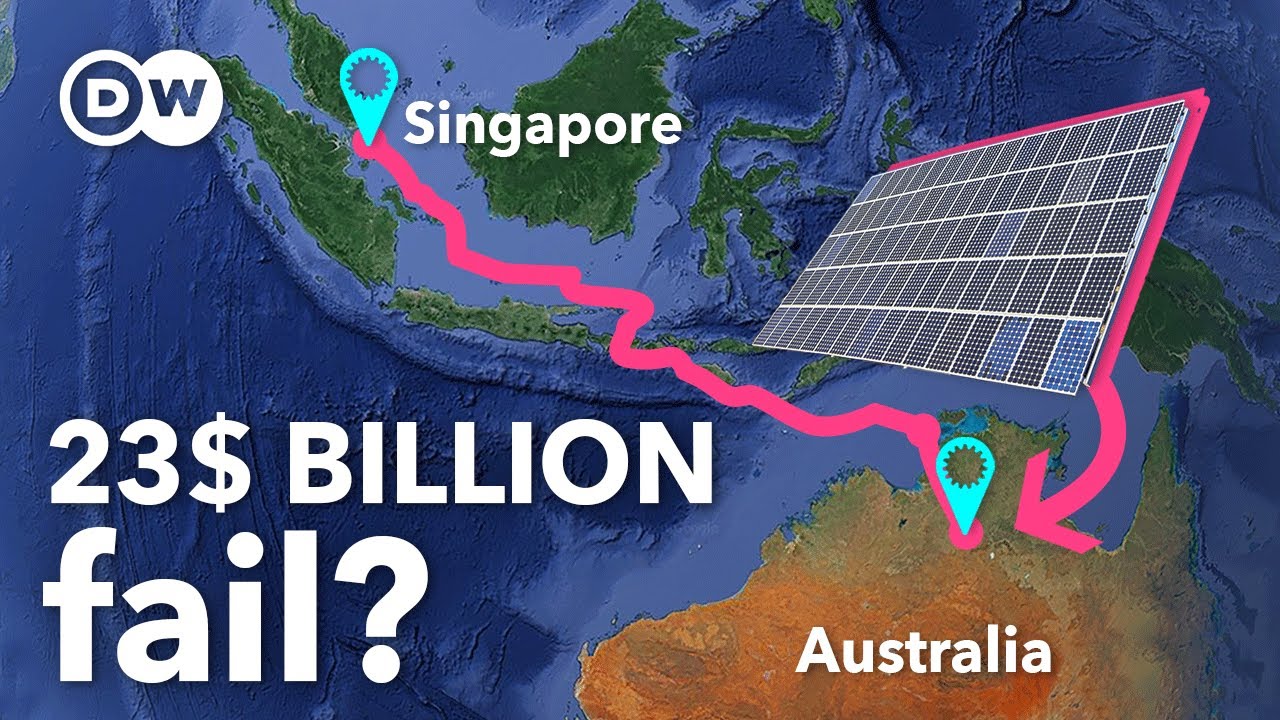
In 2018, David Griffin proposed generating solar power in northern Australia to sell to Singapore, which relies heavily on fossil fuels for energy.
Half of all industrial greenhouse gas emissions since the industrial revolution come from the fossil fuel industry, raising questions about the role of natural gas.
Around 150 grams of sulfur are found in the human body, yet its toxic emissions from fossil fuels contribute to millions of deaths each year.
By 2050, suitable land for coffee production could shrink by half due to climate change, threatening the livelihoods of 125 million people worldwide.
The human body cannot survive without water, raising concerns for 2050's water availability.
The 2018 Winter Olympics in Pyeongchang face challenges from climate change and declining popularity.
Connections between rocket engines and hummingbird wings illustrate the intricate relationships between space, nature, and technology.
Human beings and their interconnection with the planet are explored through visual imagery from 50 years of productions.
Glacier Bay, Katmai National Monument, and Mount McKinley National Park are showcased through stunning visuals of Alaska's diverse landscapes and natural beauty.
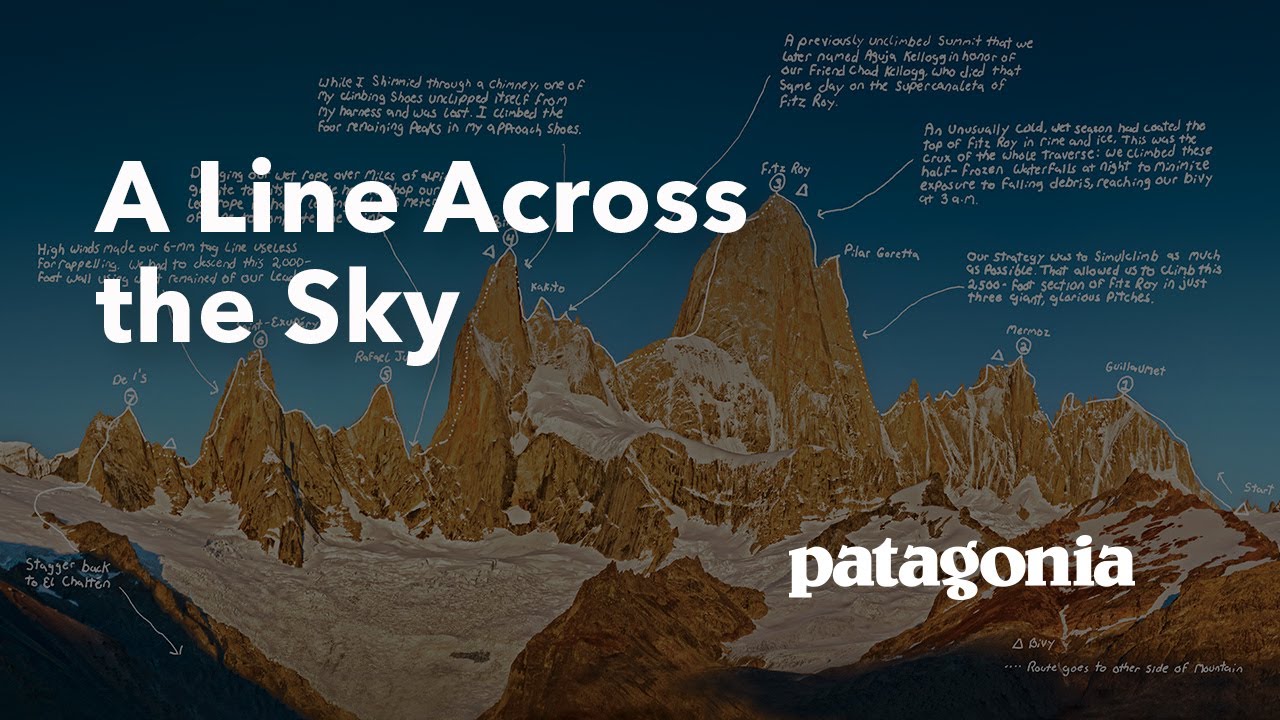
Climbers tackle the unique challenges of Patagonia's Fitz Roy skyline and unpredictable weather.
Endangered species like the snow leopard and polar bear face urgent threats from climate change and habitat loss, highlighting the need for wildlife conservation.
Residents of Longyearbyen, Norway, confront extreme cold, months of darkness, and avalanche risks in one of the world's harshest living environments.
Seventy-eight men died after being stranded for 54 hours on pack ice in March 1914 while hunting seals off the coast of Newfoundland.
The narrator shares an embarrassing moment with President Obama about future plans after serving.
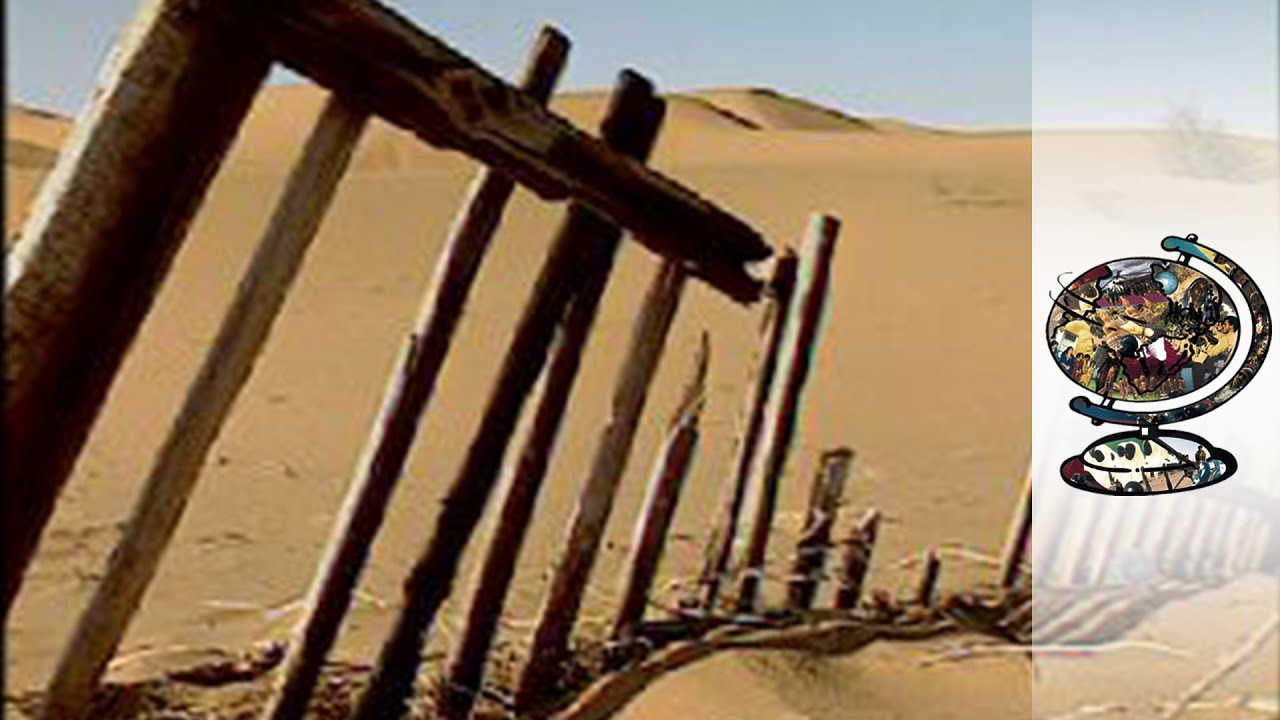
A family in northern China survives on just one and a half buckets of water per day after four years of drought, forcing them to abandon farming.
Seneca Lake reaches a depth of over 600 feet, as local residents voice concerns about a proposal to store natural gas beneath its surface.
A vegan and a butcher engage in a debate about animal rights and climate change, examining the ethics of meat consumption in 2021.
Emus can run at speeds of 50 km per hour, adapting to the open plains of Australia as the climate shifts from jungle to temperate.
Rising sea levels are already causing population displacement, especially in Japan.
Fifty contestants compete in the Miss Earth USA pageant, where environmental advocacy and personal challenges intersect in Orlando, Florida.
In 2020, renewable energy sources in the United States surpassed coal in energy production for the first time, highlighting a significant shift in the energy landscape.
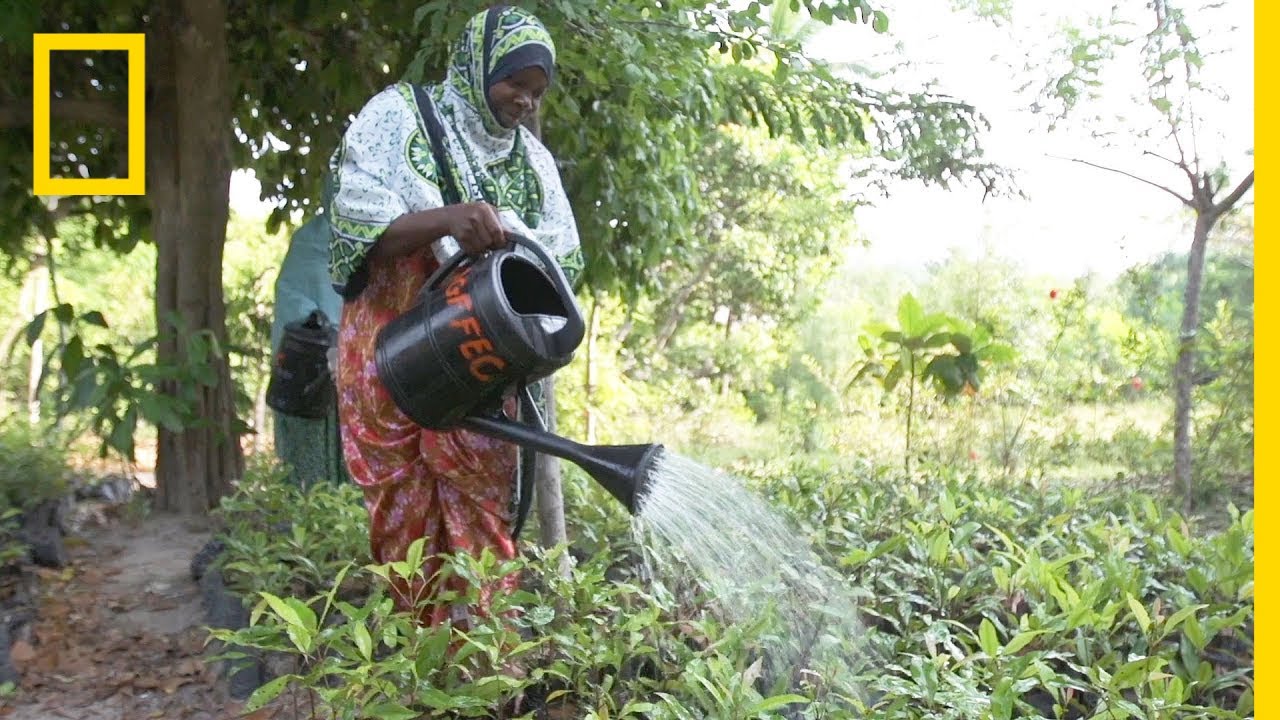
In one year, local residents grew 100,000 seedlings on Kokota, a tiny islet in the Zanzibar archipelago, to combat deforestation and climate change.
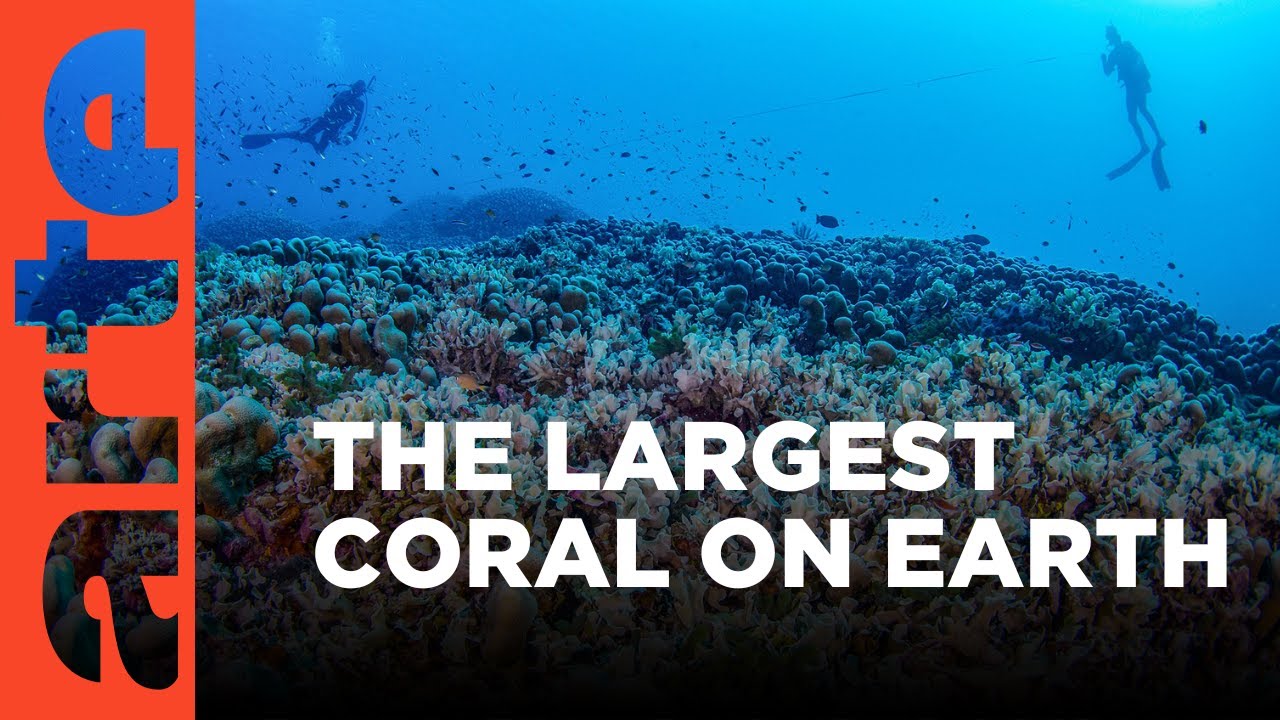
In October 2024, photographer and marine biologist Manu San Félix documents the discovery of the largest coral ever found in the South Pacific.
Up to 40,000 king penguins gather on South Georgia's beaches during the Antarctic summer to breed and raise their young.
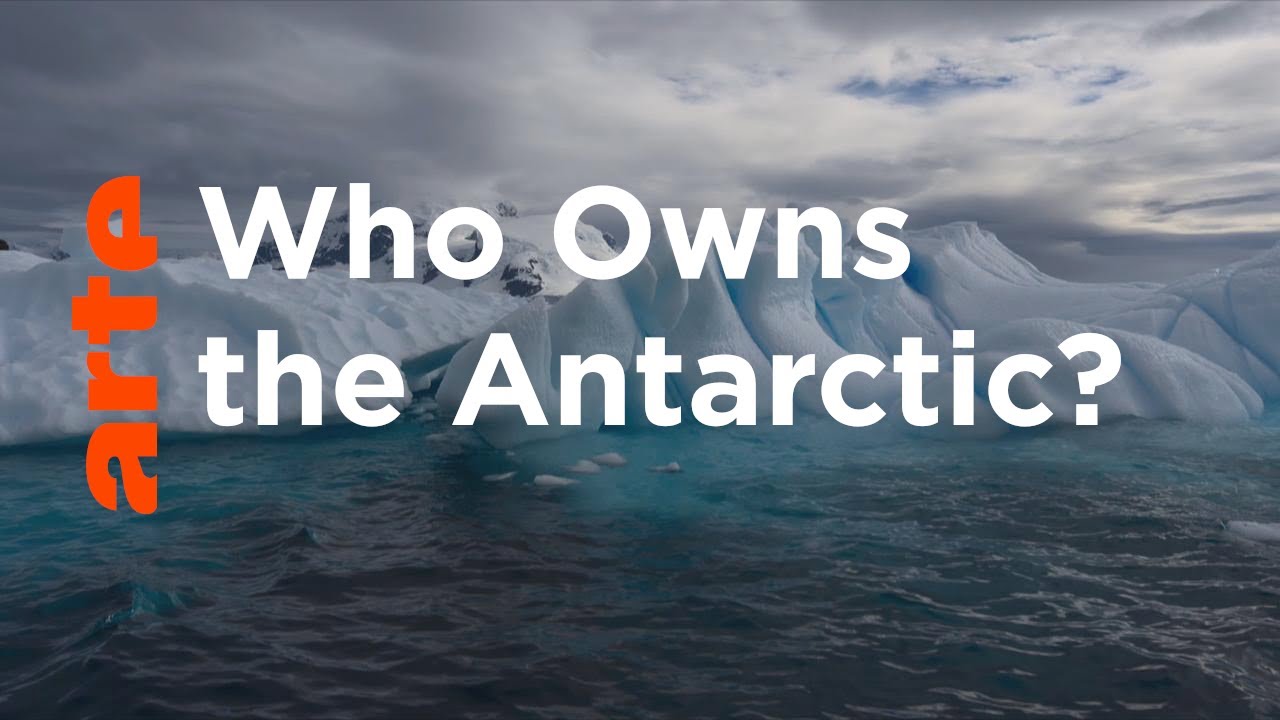
Antarctica's unique governance under international law faces challenges from geopolitical interests of nations like the United States, Russia, and China amid climate change threats.
In Silicon Valley, billionaires invest in luxury bunkers while individuals like Jim Couturier prepare for apocalyptic scenarios amid cultural stigma surrounding preppers.
Bren Smith, a former fisherman, advocates for regenerative ocean farming as a sustainable solution to food production and climate change challenges.
Creative conservationist Asher Jay uses her art to advocate for the protection of wildlife, addressing issues like blood ivory and endangered big cats.
This Spanish video details Australia's human history and its ecological impact since 50,000 years ago.
The Himba, a nomadic ethnic group in Namibia, adapt their lifestyle to the arid environment while facing challenges similar to those of nomadic communities in Australia.
Residents of the Sundarbans work to protect their mangrove forest and coexist with Bengal tigers.
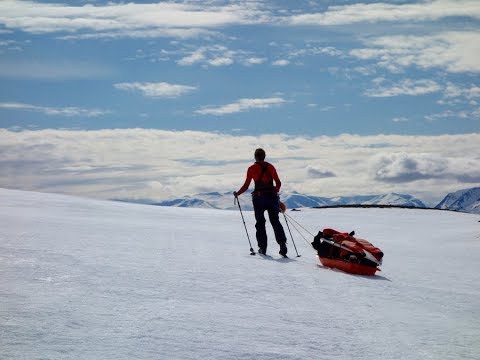
French Polar Explorer Vincent Colliard and Surfer Léa Brassy undertake a week-long ski expedition in Northern Iceland, seeking remote waves to surf.
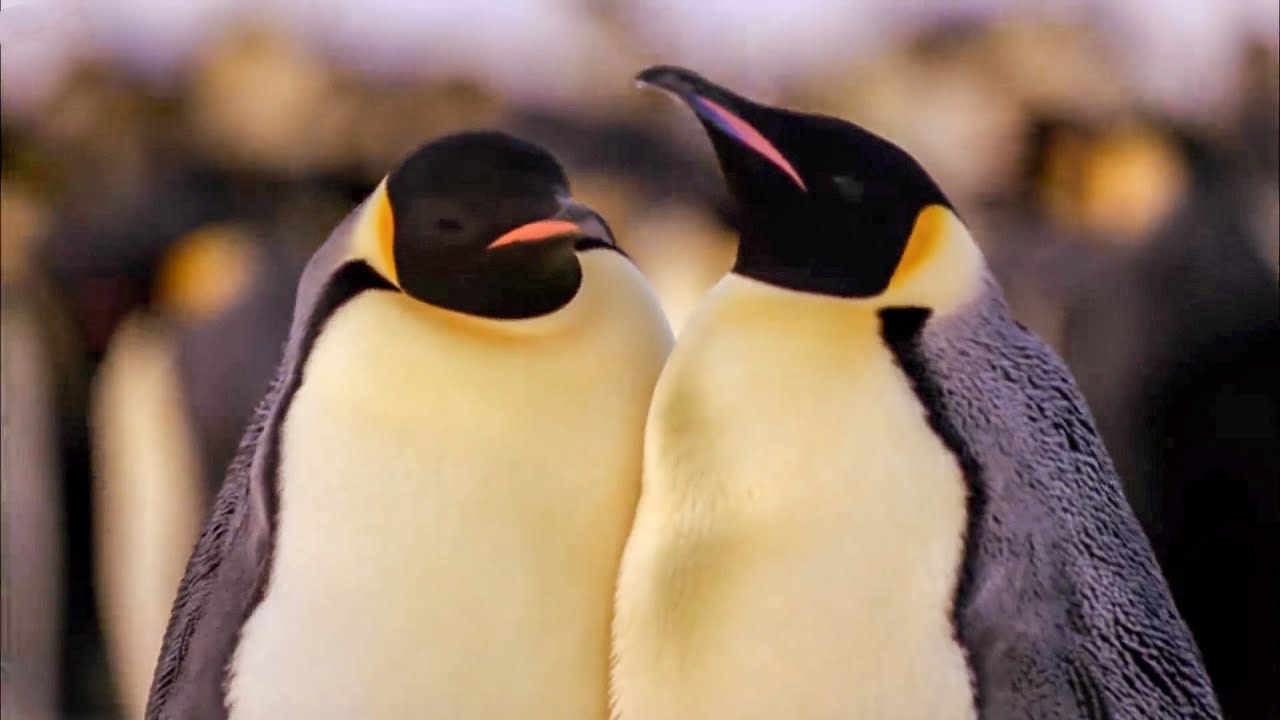
This compilation highlights five memorable moments featuring Emperor penguins, Weddell seals, and orcas in Antarctica's harsh environment.
David Attenborough returns to Madagascar to explore the legacy of the extinct elephant bird and assess the island's changing wildlife landscape.
Polar bears are showcased in a collection of memorable moments from the extensive BBC Earth library, highlighting their behavior and habitat.
Bhutan's forests, covering 70% of its territory, absorb three times more carbon dioxide than the country emits, but climate change threatens this balance.
Rapid global biodiversity decline is examined through case studies from the Amazon rainforest and Great Barrier Reef, highlighting threats and conservation efforts by organizations like the World Wildlife Fund.
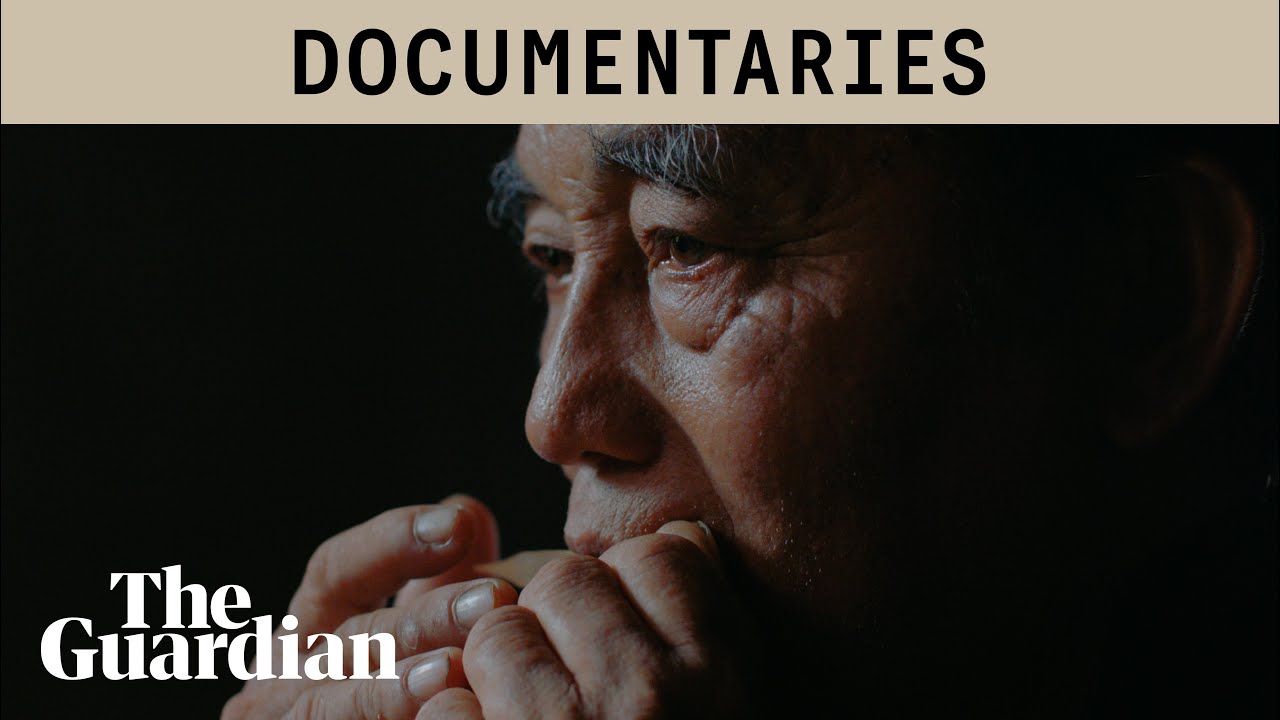
In northern Laos, the Hmong people's whistled language faces extinction as urbanization threatens their cultural heritage, highlighted through the stories of three villagers.
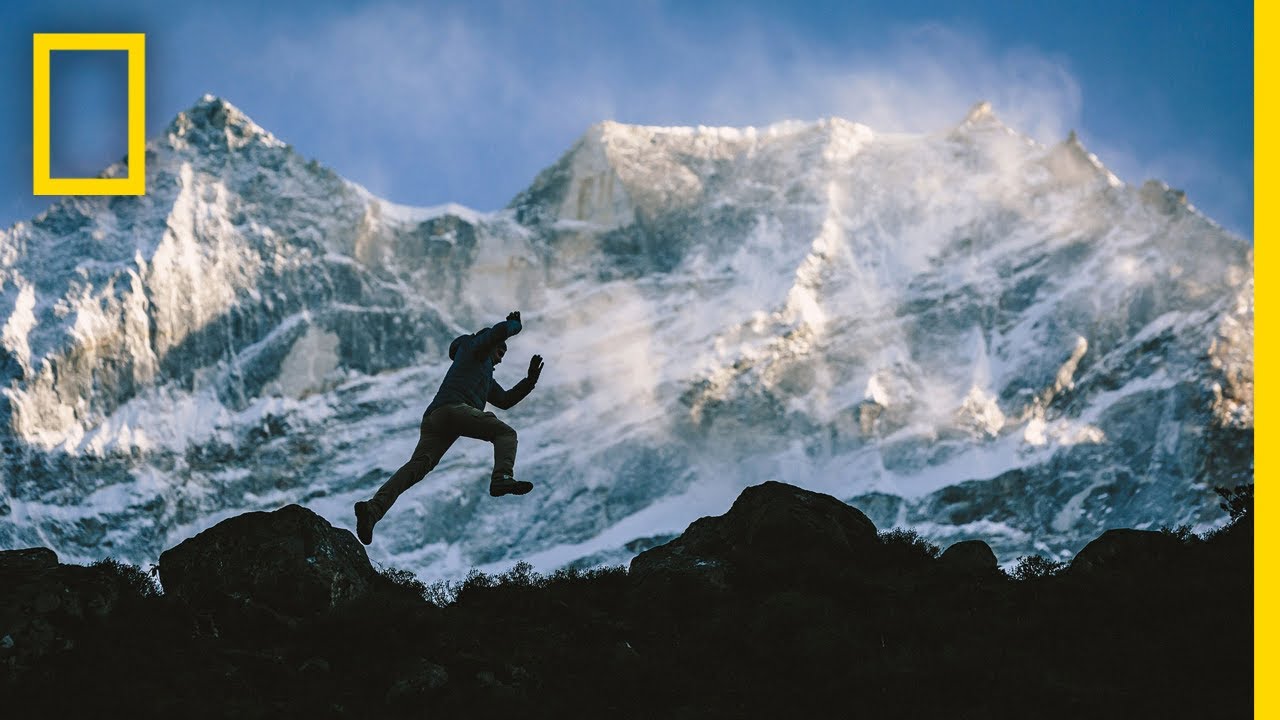
Apa Sherpa, a world-record holder for summiting Mount Everest 21 times, aims to improve educational opportunities for the Sherpa people through the Apa Sherpa Foundation.
Longer droughts lead to higher risks of catastrophic forest fires in California and beyond.