
Adaptation to climate
Synopsis
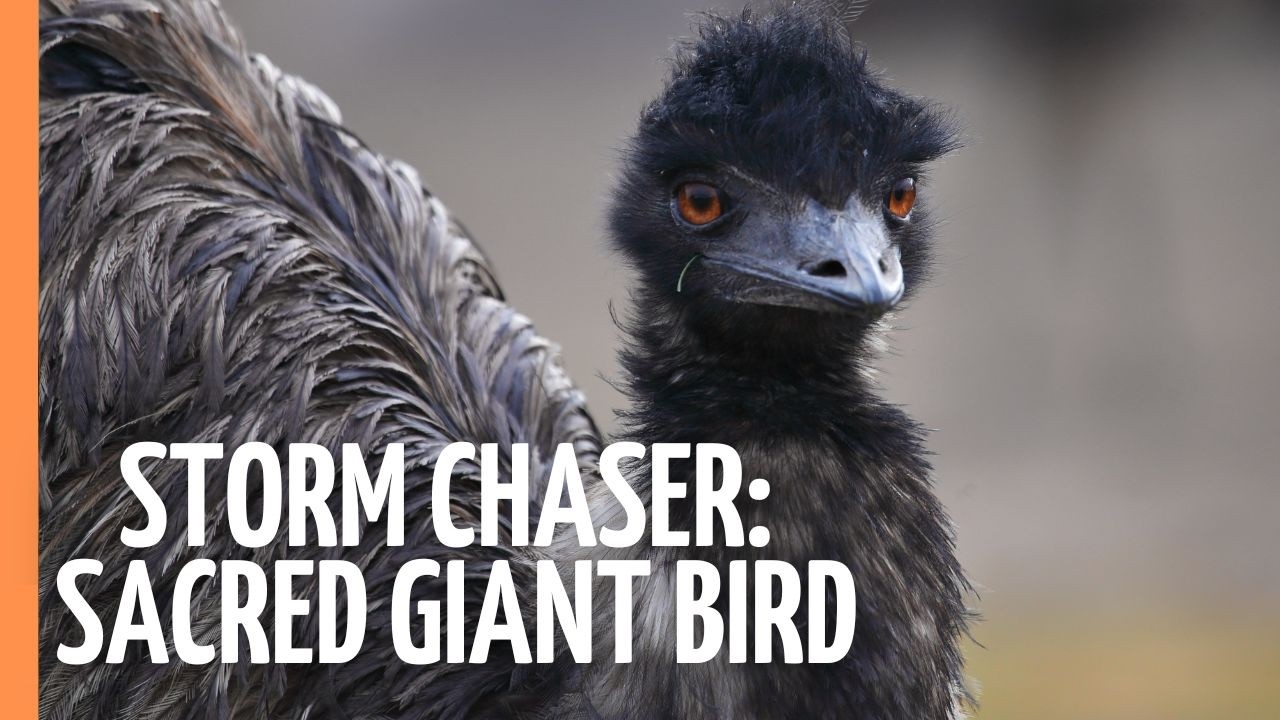
Emus can run at speeds of 50 km per hour, adapting to the open plains of Australia as the climate shifts from jungle to temperate.
Synopsis
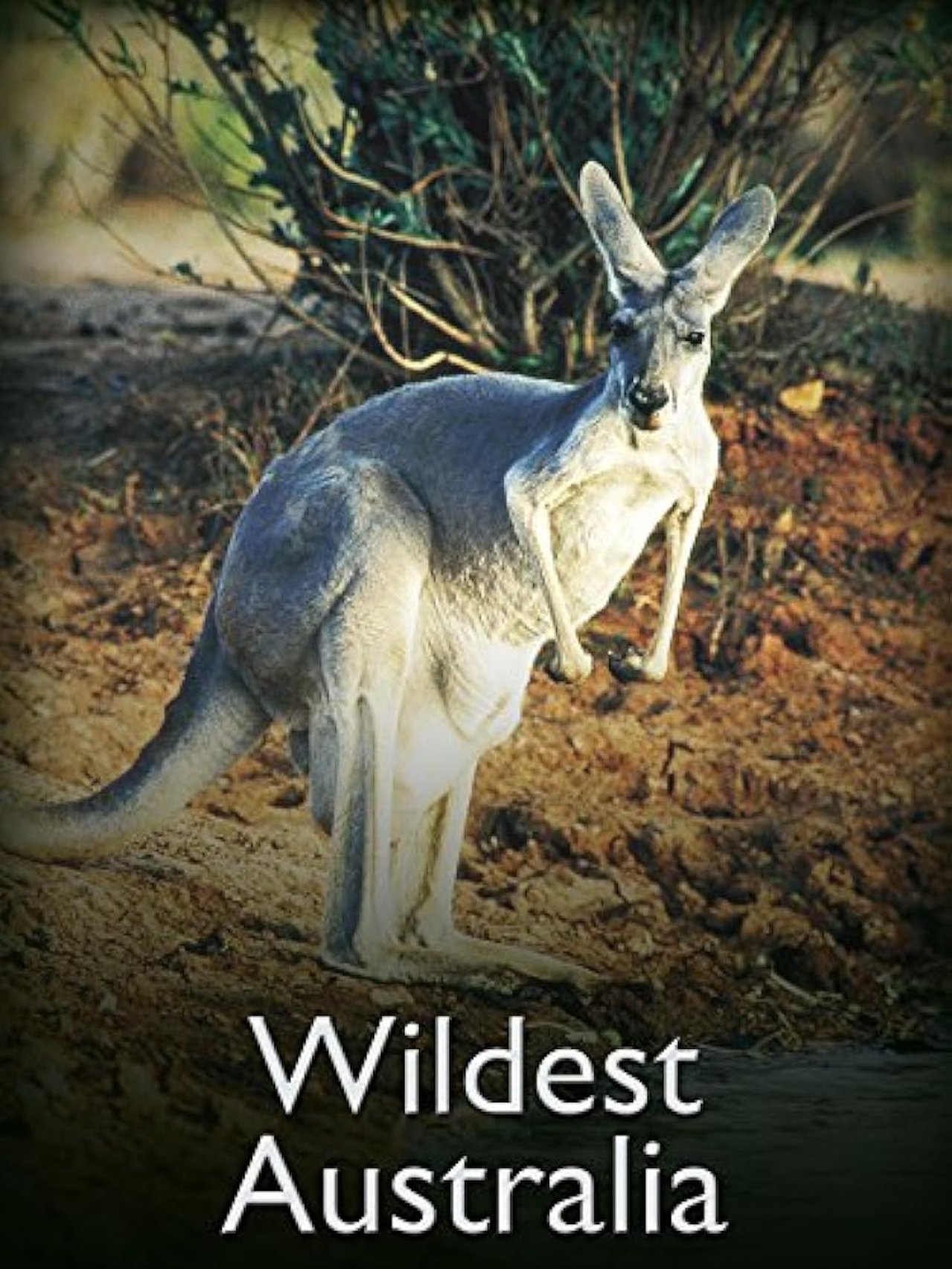
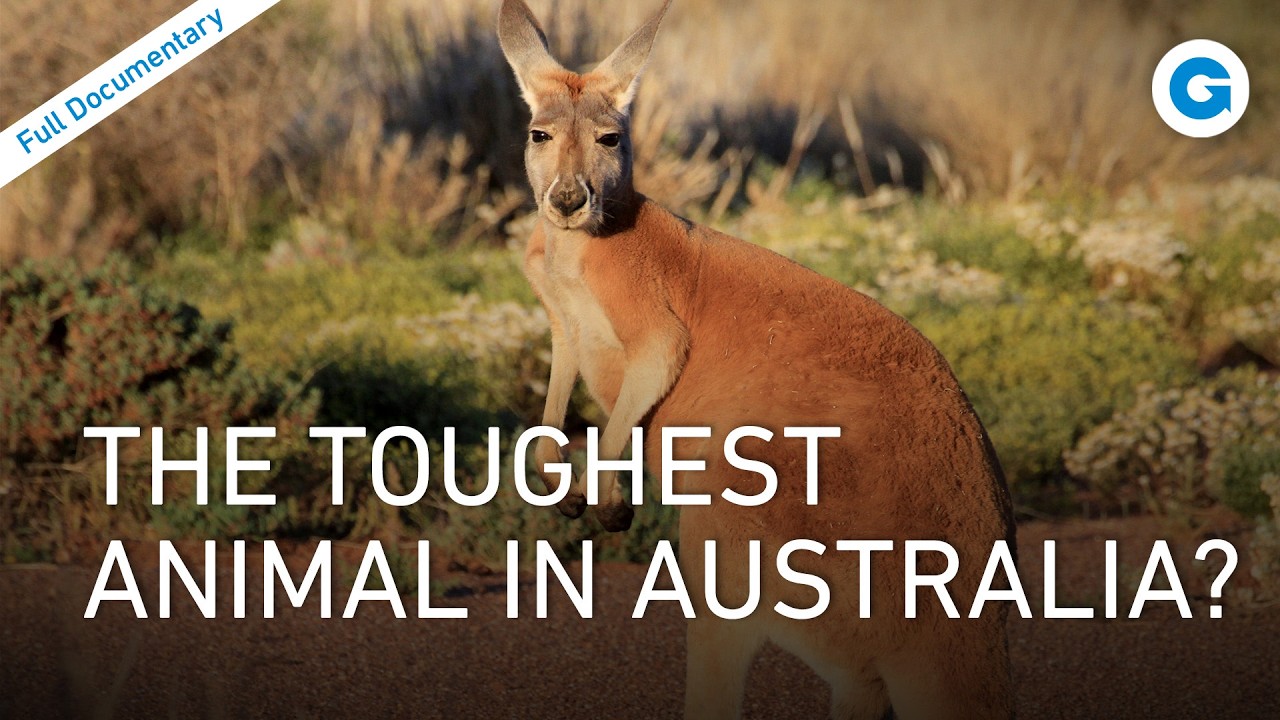
Australia's vast open plains emerge as the continent shifts northward across the Indian Ocean. The documentary details how species like the emu adapt to this changing environment. Males take on the responsibility of incubating eggs for two months, enduring a period of semilethargy. Meanwhile, kangaroos evolve to thrive in the open, using their pouches for protection while fleeing predators. The arrival of colonists introduces new challenges for native species, such as the stick nest rat, which faces extinction due to habitat loss.
Deep Dive
Why Watch
- See how emus adapt their breeding habits for survival.
- Find out why kangaroos thrive in open plains.
- Meet the stick nest rat and its unique survival strategy.
Did You Know
- Emus can run at speeds of 50 km per hour.
- Male emus do not eat, drink, or defecate during the 2-month incubation period.
- The stick nest rat is a small rodent that constructs large nests for protection.
- The arrival of humans in Australia has put the stick nest rat in serious danger of extinction.
Perfect For
Frequently Asked Questions
What adaptations do emus have for breeding?
During the breeding season, male emus prepare a nest and incubate the eggs for about 2 months without eating or drinking, relying on fat reserves accumulated beforehand.
How fast can emus run?
Emus can run at speeds of up to 50 km per hour.
What is the diet of the stick nest rat?
The stick nest rat primarily feeds on leaves and fruits and constructs large nests for protection.
What are people saying?
Play More Like This






Where else to watch









Related Films
Is this your film?
If you made this film or hold the rights to it, we'd like to talk. We can license it and pay you a share of what it earns.
Comments