From over 100,000 films, discover the handful you'll love.
Free or premium access to the world's largest documentary library.
81 films(Page 1 of 2)
Yakuza membership has plummeted from 180,000 to under 30,000 due to new laws and an aging population, raising questions about loyalty and the challenges of leaving a life of crime.
A young artist experiences vivid hallucinatory messages from nature after contracting a deadly bacterial infection, prompting reflections on biodiversity and extinction.
Thylacines, once believed extinct since 1936, spark renewed hope as Neil Waters leads a two-year search fueled by a passionate civilian movement.
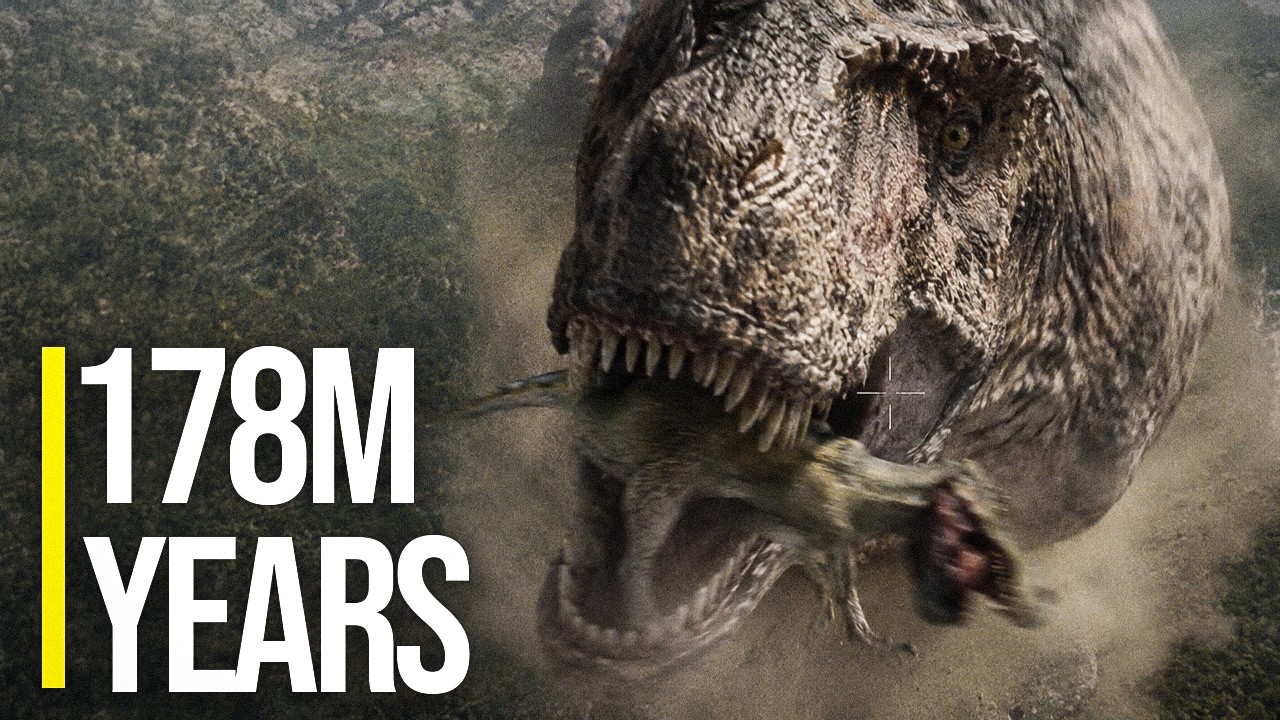
Paleontologist Steve Brusatte addresses key questions about dinosaurs, including their diet, extinction, and hypothetical battles between species.
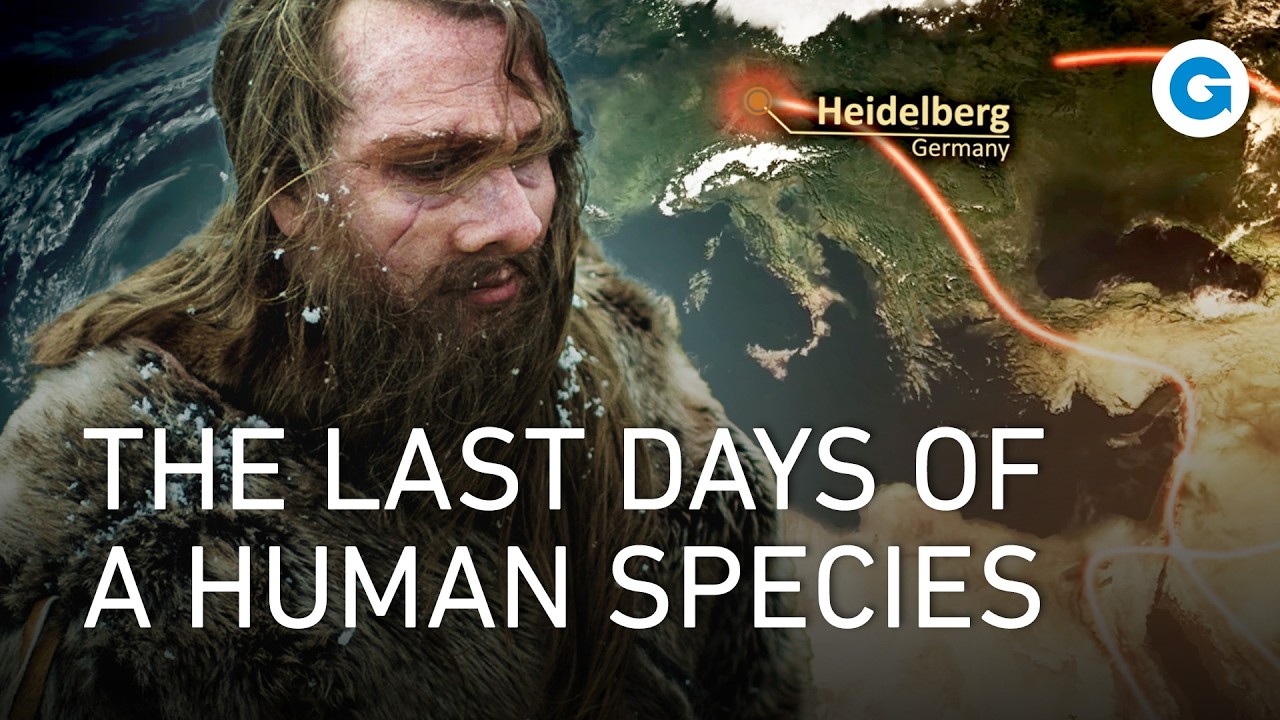
Homo erectus, an ancient human species known for its tool-making and fire use, raises questions about its extinction and similarities to Neanderthals and Homo sapiens.
In July 1994, 21 fragments of the comet Shoemaker Levy 9 collided with Jupiter, releasing energy equivalent to 6 million megatons of TNT.
Eight astronauts with over 1,000 days in space discuss the challenges of leaving Earth and the need for a potential colony on another planet.
Pangolins can eat millions of ants in a year, yet they are now the most illegally trafficked mammals, driven by demand for their scales.
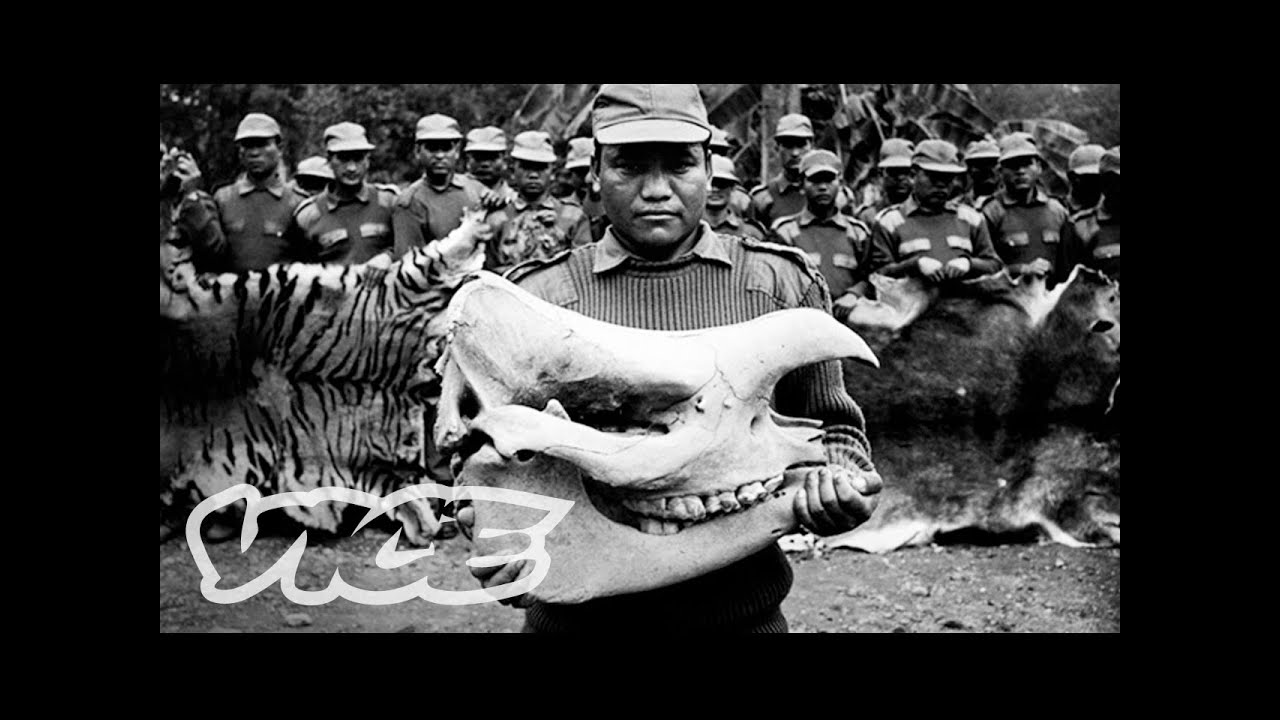
Patrick Brown's decade-long project highlights the illegal trade of endangered animals in Asia, culminating in his book, Trading to Extinction.
More than half of all life on Earth was extinguished during the mass extinction event that eliminated the dinosaurs 65 million years ago.
In South Africa, Professor Lee Berger and his son discover two-million-year-old fossils of an unknown species of ape-like creatures.
Five major extinction events have shaped Earth's history, raising concerns about the potential for a sixth mass extinction driven by human activity.
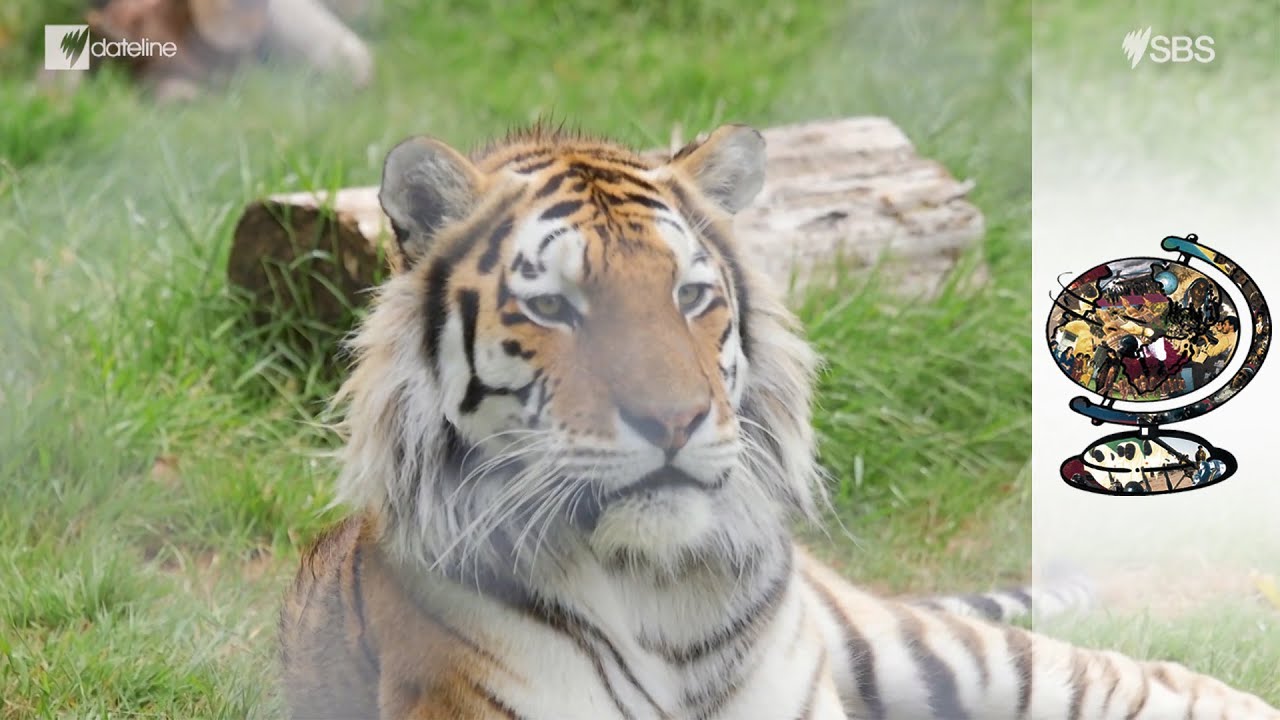
A 3-year-old tigress in Madhya Pradesh has lost two sisters to poachers and faces ongoing threats in her struggle for survival.
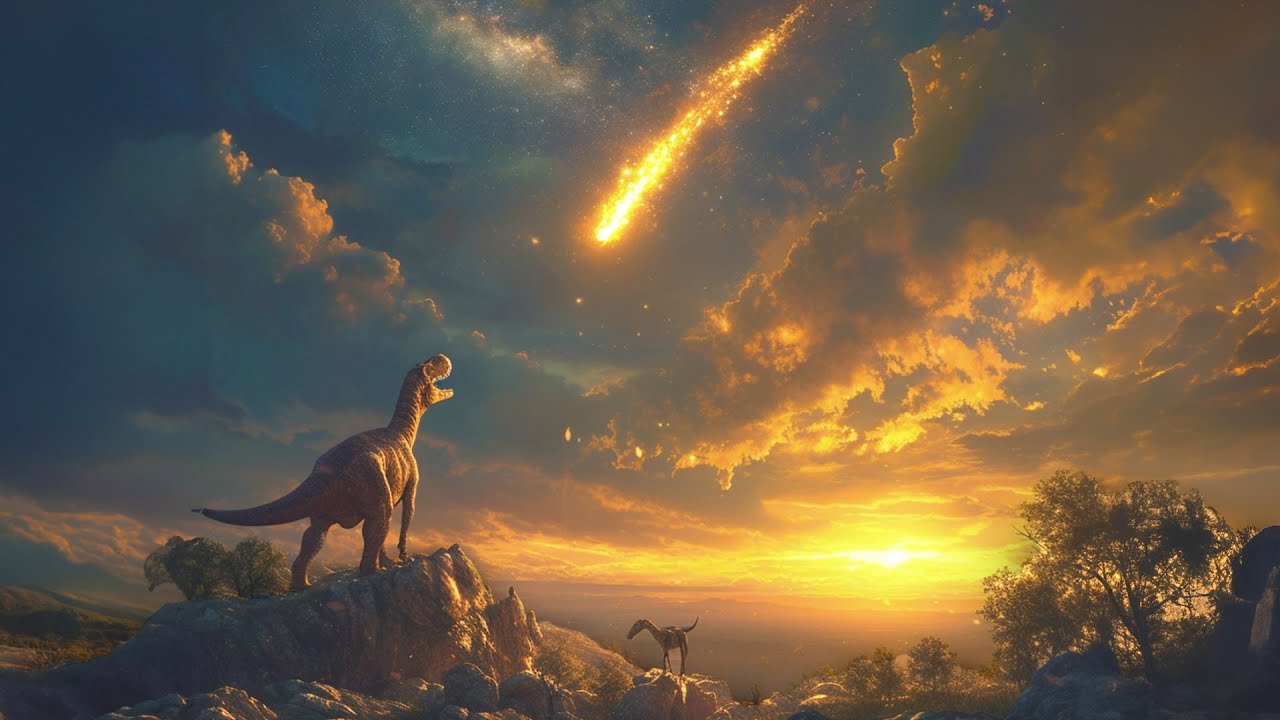
A catastrophic asteroid strike 65 million years ago led to the extinction of dinosaurs, reshaping Earth's biodiversity and paving the way for human evolution.
Paleontologist Dick Mol investigates the mass extinction of Ice Age giants like mammoths and cave bears, exploring human impact versus climate change.
In Siberia's frozen tundra, paleontologist Dick Maul and his team investigate Ice Age creatures like the woolly mammoth and musk ox, exploring their extinction and ancient human interactions.
Indri lemurs can leap up to 10 metres in a single bound, but their rainforest habitat in Madagascar is rapidly shrinking due to human encroachment.
650 million years ago, Earth was locked in ice for 25 million years, nearly wiping out all life and setting the stage for complex organisms to evolve.
A recent UN report stated that one million species are threatened with extinction, including 60% of all large mammals and a significant number of plants.
The Hudson Bay population of polar bears has declined by 16 percent in the past two decades, primarily due to the effects of global warming.
Neanderthals were physically superior but became extinct, revealing their complex relationship with modern humans.
Alan Rabinowitz, known as the "Indiana Jones of wildlife protection," dedicates his efforts to safeguarding the endangered jaguar population across its natural habitats.
Since 1996, thousands of dinosaur fossils unearthed in China have revealed that many species were covered in feathers and some could fly.
Australia and New Zealand's unique ecosystems feature ancient species like sperm whales in Kaikōura Canyon and longfin eels that migrate thousands of kilometers.
12,000 chamois now thrive in the Tatra Mountains, a significant recovery from just 200 at the turn of the millennium due to strict conservation efforts.
Herpetologist Nathaniel Maury tracks rare reptiles and amphibians in Sri Lanka's wild spaces, emphasizing the urgent need for conservation of these species.
Only 7,000 cheetahs remain in the wild, a drastic decline from 100,000 a century ago, largely due to human hunting and habitat destruction.
Jacqueline Ripart searches for Genghis Khan's horses in Kyrgyzstan's Tien Chan mountains.
A female rhino named Ratu was rescued in 2005 after drought forced her from the forest into a nearby village, marking the start of a breeding program.
Poaching and wildlife trafficking are driven by international cartels and fueled by demand for animal products in Asia, threatening the survival of endangered species.
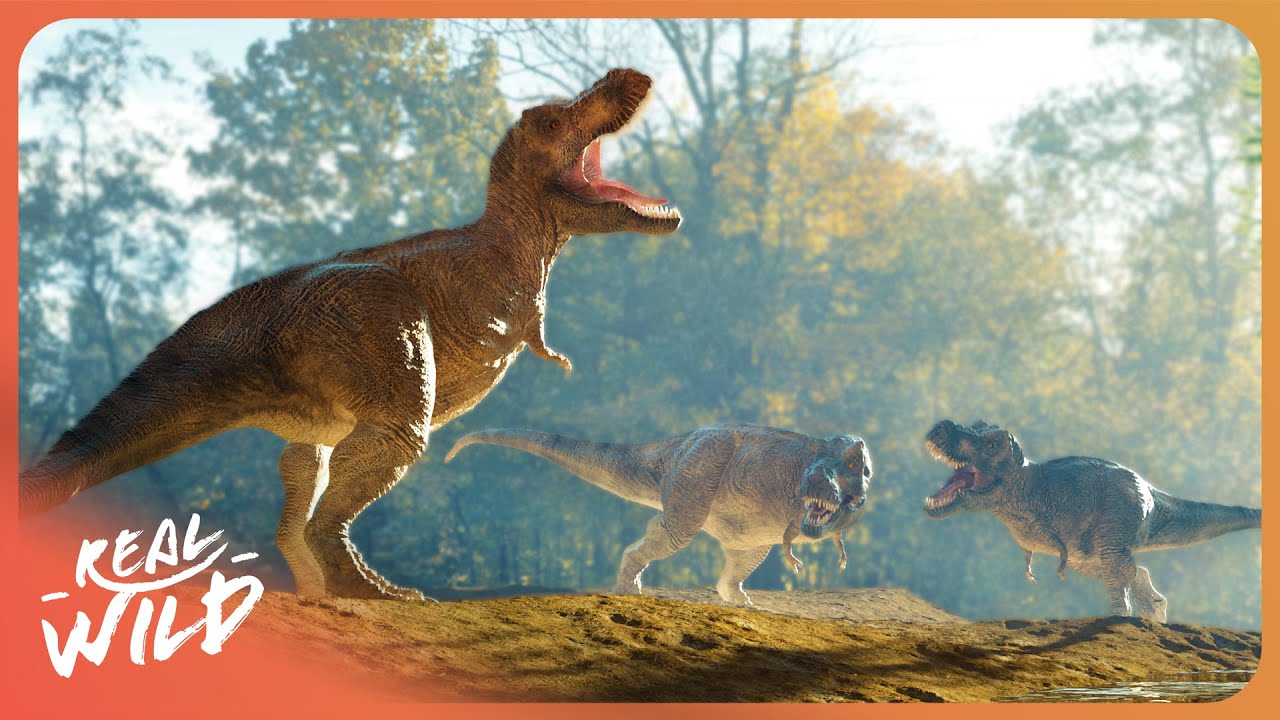
Dinosaurs, which first appeared over 255 million years ago, dominated diverse ecosystems for more than 180 million years, shaping the prehistoric Earth.
Only 7,000 cheetahs remain in the wild today, down from around 100,000 a century ago, as they face threats from predators and habitat loss.
Paleontologists from McGill University and the Tier team investigate fossil sites in Saskatchewan and Alberta to understand the mass extinction that killed the dinosaurs.
The Beluga Sturgeon faces extinction due to demand for their unfertilised eggs as caviar.
Orangutans face imminent extinction due to the destructive palm oil industry, which devastates their rainforest habitat and contributes significantly to carbon emissions.
Neanderthals lived for 300,000 years, but they vanished from the Earth around 24,000 years ago, leaving behind clues in caves along the Mediterranean coast.
24,000 years ago, Neanderthals thrived in Gibraltar, a stronghold where their population persisted longer than anywhere else in Europe.
Dartmoor Zoo, home to 152 species, faces existential threats from the pandemic as financial struggles intensify amid growing criticism of zoos' conservation efforts.
A three-year-old tigress named Ahimsa has recently taken possession of her own territory in Madhya Pradesh, India, amid ongoing threats from poachers.
One Morrocoy tortoise escapes captivity and faces a 300,000 square kilometer struggle for survival across the Llanos of Venezuela.
European bluefin tuna, vital to the Mediterranean ecosystem, face imminent collapse due to overfishing practices that target them during spawning.
A giant asteroid hits Earth, causing darkness and extinction across the planet.
Fenuahu, a remote sanctuary in New Zealand, is the site of urgent conservation efforts to save the critically endangered Kakapo parrot from a deadly fungal outbreak.
99% of all species that ever existed have been wiped out in a series of global catastrophes that nearly stopped evolution on Earth.
650 million years ago, Earth experienced a deep freeze that encased the planet in ice, pushing life to the brink of extinction.
A male Wilson's bird of paradise meticulously cleans his display area, hoping to attract a female in a fierce competition for mating.
Cavan, a 35-year-old Asian bull elephant, was relocated to a sanctuary in Cambodia after decades of confinement and psychological distress in Islamabad zoo.
Each triceratops egg measured almost a foot long, with slim chances of survival in a world dominated by dinosaurs 64 million years ago.