From over 100,000 films, discover the handful you'll love.
Free or premium access to the world's largest documentary library.
81 films(Page 2 of 2)
Emus can run at speeds of 50 km per hour, adapting to the open plains of Australia as the climate shifts from jungle to temperate.
In the 1960s, the Baptist Church of the Golden Triangle collaborated with the Thai government to sterilize many ARA women, leading to pain and regret.
Creative conservationist Asher Jay uses her art to advocate for the protection of wildlife, addressing issues like blood ivory and endangered big cats.
Investors are increasingly interested in biodiversity funds amid extinction threats.
These baby black-footed ferrets receive critical conservation efforts after near extinction.
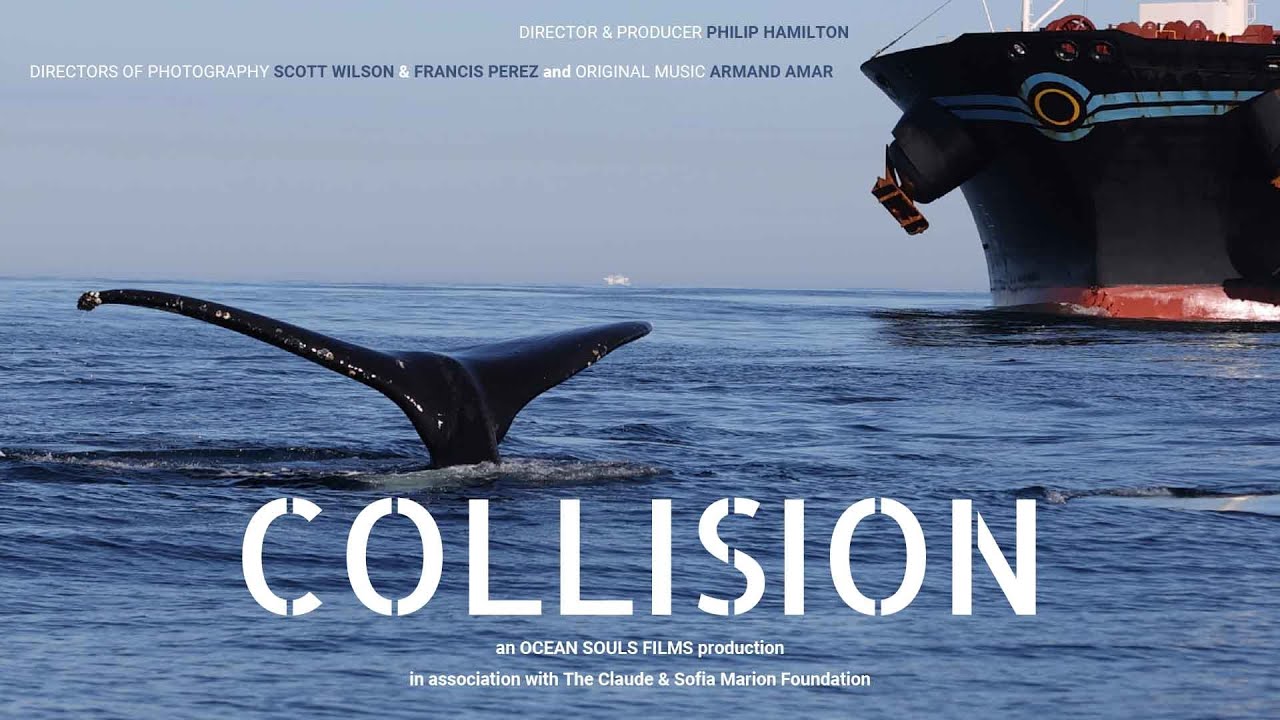
The total global fleet of merchant shipping has reached 53,000 ships, increasing the risk of fatal strikes on whales in the ocean.
Colossal Biosciences in Dallas aims to resurrect the Woolly Mammoth and other extinct species.
A trillion miles and a thousand years from home, the Doctor confronts the Daleks, who declare, "we do not release prisoners."
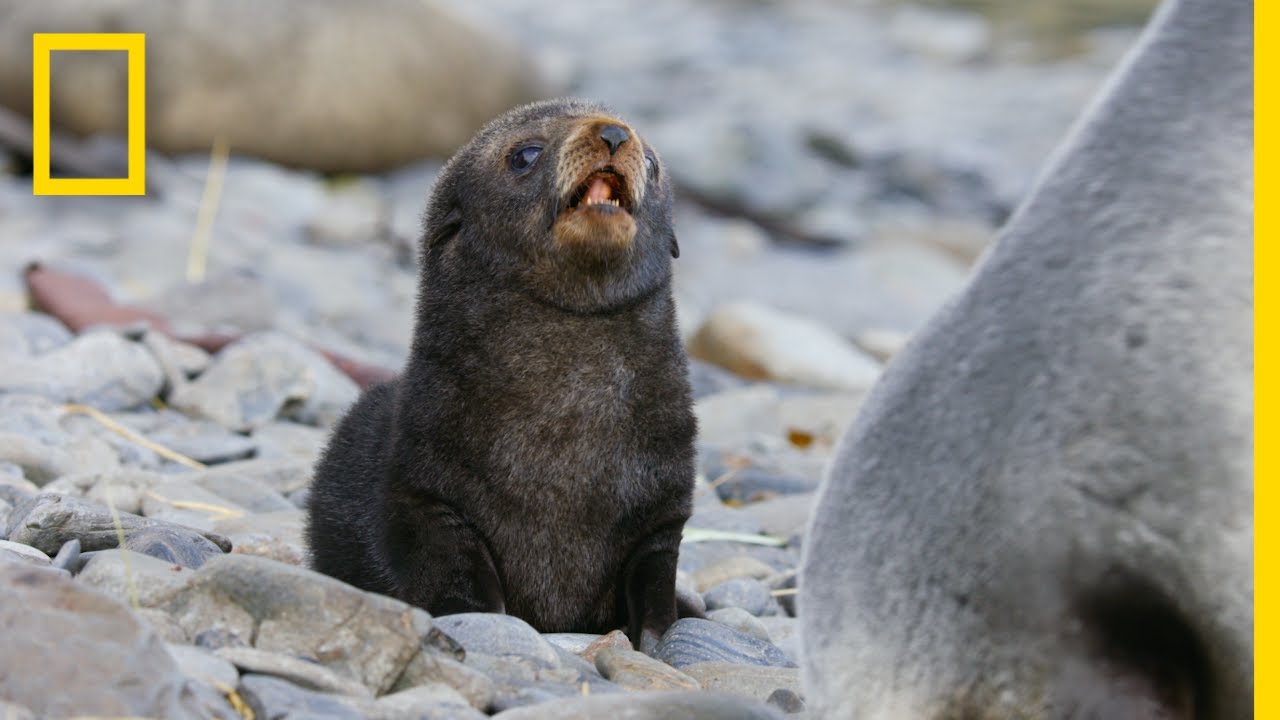
Over 3 million Antarctic fur seals now inhabit South Georgia Island, rebounding from a population of just 400 individuals due to past hunting.
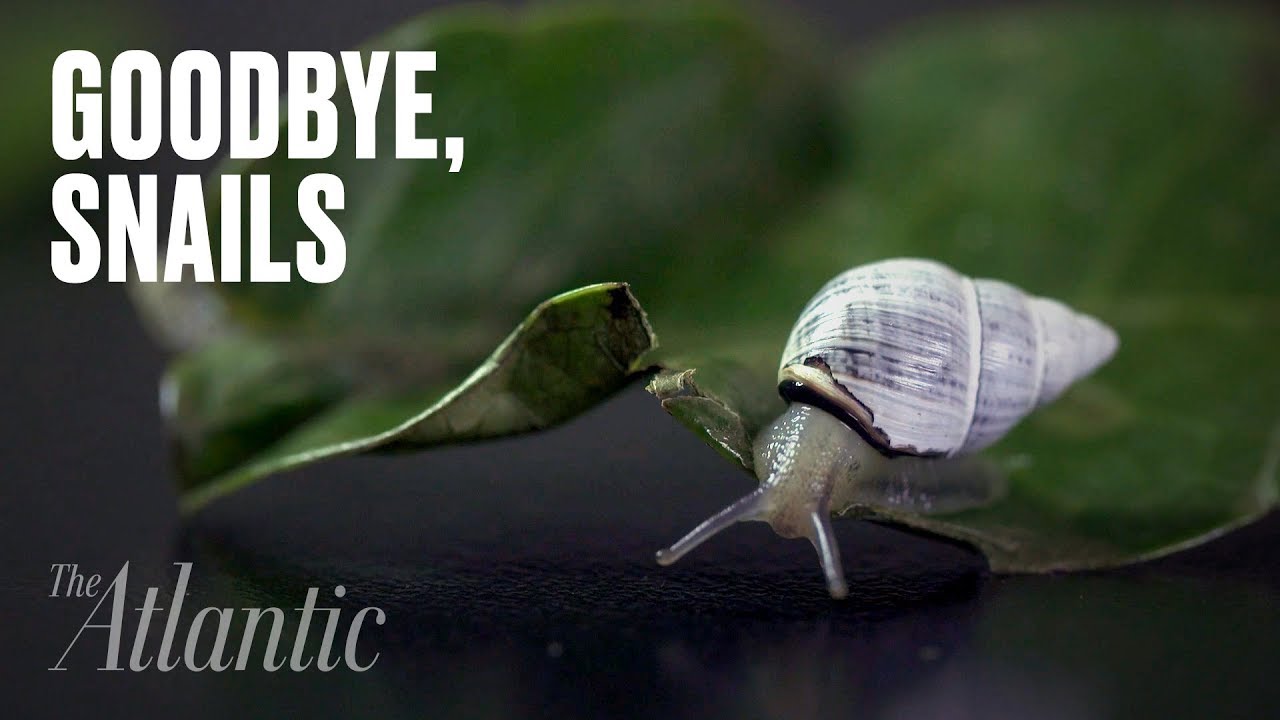
Three thousand individual snails from 38 species are housed in chambers, all either extinct in the wild or close to extinction.
99% of Oceanic Whitetip sharks have declined since the 1970s, putting them on the verge of extinction due to overfishing and habitat loss.
Dinosaurs evolve into birds while facing survival challenges in this docu series.
Twenty-five new Kakapo chicks have increased the global population to 86, as conservationist Allan Munn seeks a mate for the legendary Richard Henry.
345 orphaned orangutans are cared for at a center in Borneo, many of them rescued after their mothers were killed by poachers.
Nobel Laureate Martin Chalfie and Nat Geo Explorer Beth Shapiro analyze the factors influencing species survival and extinction.
Six pangolins are rescued from a market in Nigeria, where poaching has surged due to rising demand for their scales and meat.
China's pandas appear to struggle with reproduction, prompting unique solutions like Viagra.
Karen, a northern white rhino, undergoes a critical experiment led by Frank Goretz and an international team to prevent her species from going extinct.
Southern Right Whales return to the Valdes Peninsula in Argentina to breed and give birth, a vital habitat for their survival after years of hunting.
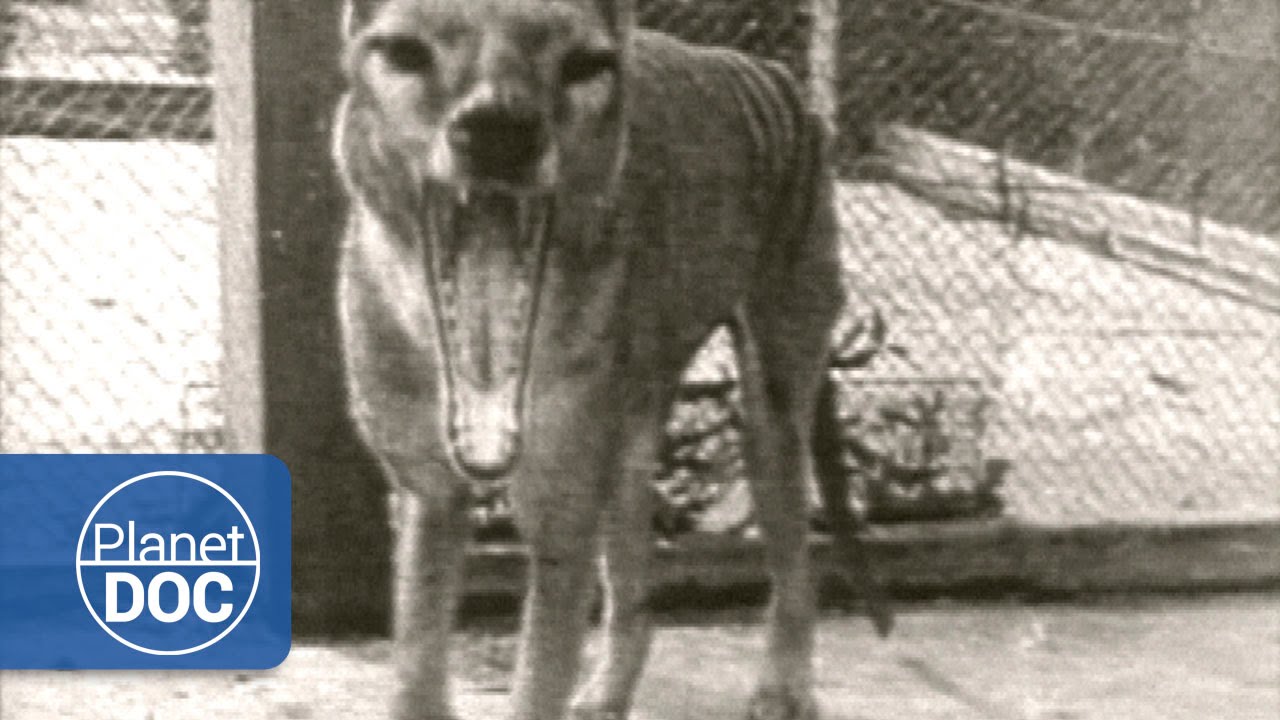
The thylacine, also known as Tasmanian tiger, was last seen in 1930 and is now extinct.
Toxodon, an extinct mammal that thrived in isolation for millions of years, played a crucial role in shaping Charles Darwin's theories on evolution.
Australia's koalas face extinction; a zoo starts a genome bank to save them from Chlamydia.
Wild salmon, once abundant in the Americas, now face extinction in the West due to genetic decline.
The emergence of man as a complex species changes the planet forever through intelligence and power.
Over 150 rangers have died protecting gorillas in Virunga National Park, where poaching and illegal charcoal production threaten wildlife.
Canine teeth of saber-tooth cats measured nearly a foot long, allowing them to quickly dispatch prey and engage in fierce battles with each other.
A population estimate of over 29,000 bladderwort plants has been achieved after successful reintroduction efforts in South Lancashire.
Martha, the last passenger pigeon, died at 1:00 p.m. on September 1, 1914, marking a definitive moment in the history of extinction.
Colossal Biosciences aims to bring back the woolly mammoth as part of a larger effort to restore ecosystems impacted by human activity.
Evidence and theories are presented regarding the role of human activity and climate change in the extinction of mammoths and other Ice Age giants.
Languages are disappearing at an alarming rate, with over 40% facing extinction, as communities abandon their native tongues for dominant languages like Mandarin.
Neanderthals, who thrived in Eurasia for over 300,000 years as skilled toolmakers and hunters, faced decline potentially due to competition with early humans.
Seals in Antarctica are going blind from ultraviolet rays as glaciers melt rapidly, threatening global coastlines and local wildlife.