From over 100,000 films, discover the handful you'll love.
Free or premium access to the world's largest documentary library.
27 films
By the end of 1860, Philip Slater had classified 30 distinct lemur species from Madagascar, leading to theories about ancient land connections.
An earthquake measuring 8.9 struck off the coast of Sumatra on December 26, 2004, triggering a tsunami that reached heights of 30 meters.
239 people were aboard Malaysia Airlines Flight MH370 when it vanished from radar on March 8, 2014, prompting the largest investigation in aviation history.
Over half a million terns gather on a remote atol in the Indian Ocean during the dry season, where fledglings learn to fly and hunt for food.
A golden mole, no bigger than a pingpong ball, uses its superb hearing to locate prey beneath the sand in a unique hunting method.
In 2009, over 200 pirate attacks occurred in the Indian Ocean, affecting various vessels, including oil tankers and tuna boats.
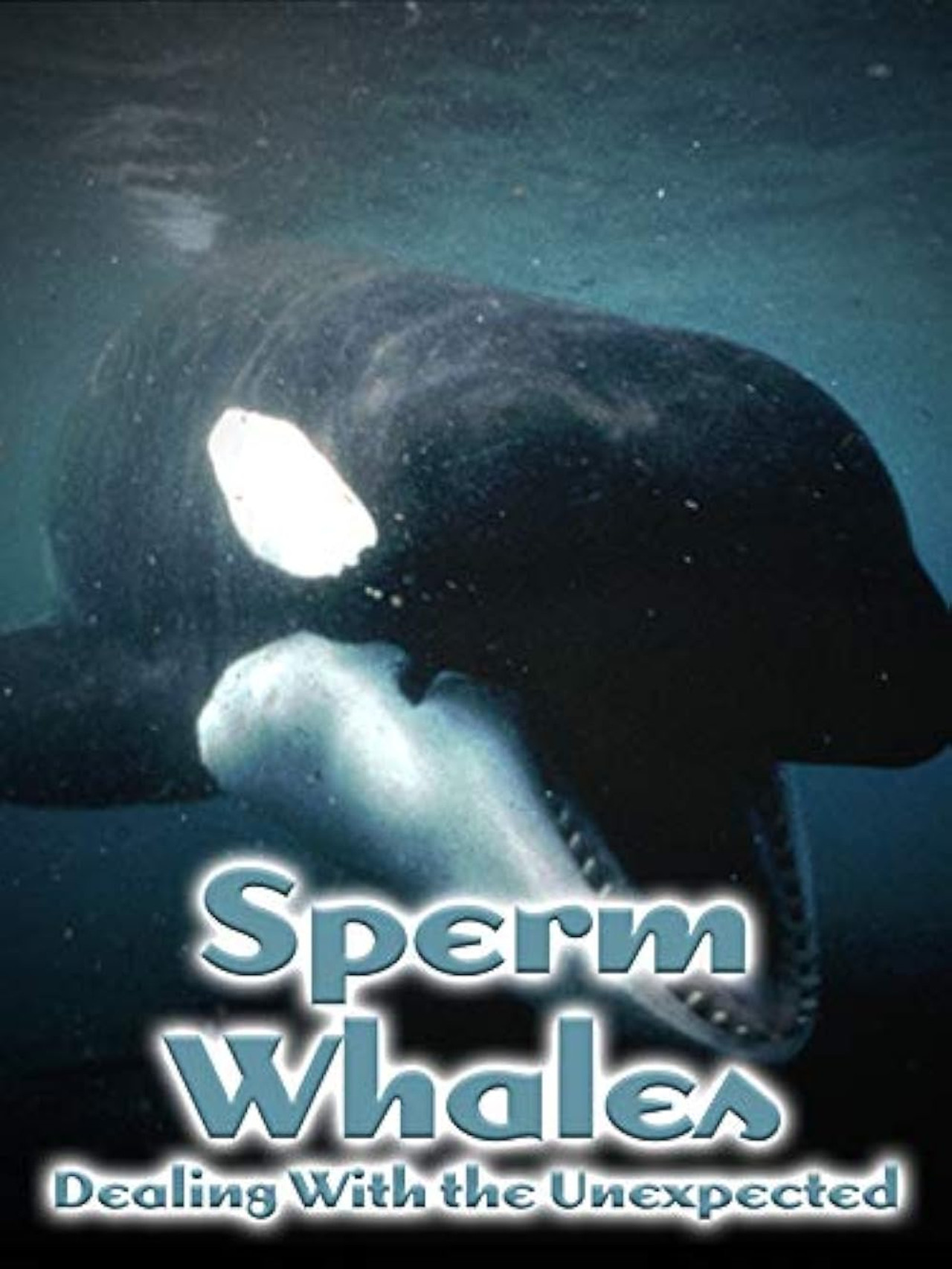
Around the Crozet Islands, a family of Sperm Whales navigates environmental changes and human interactions, revealing their complex lives and challenges.
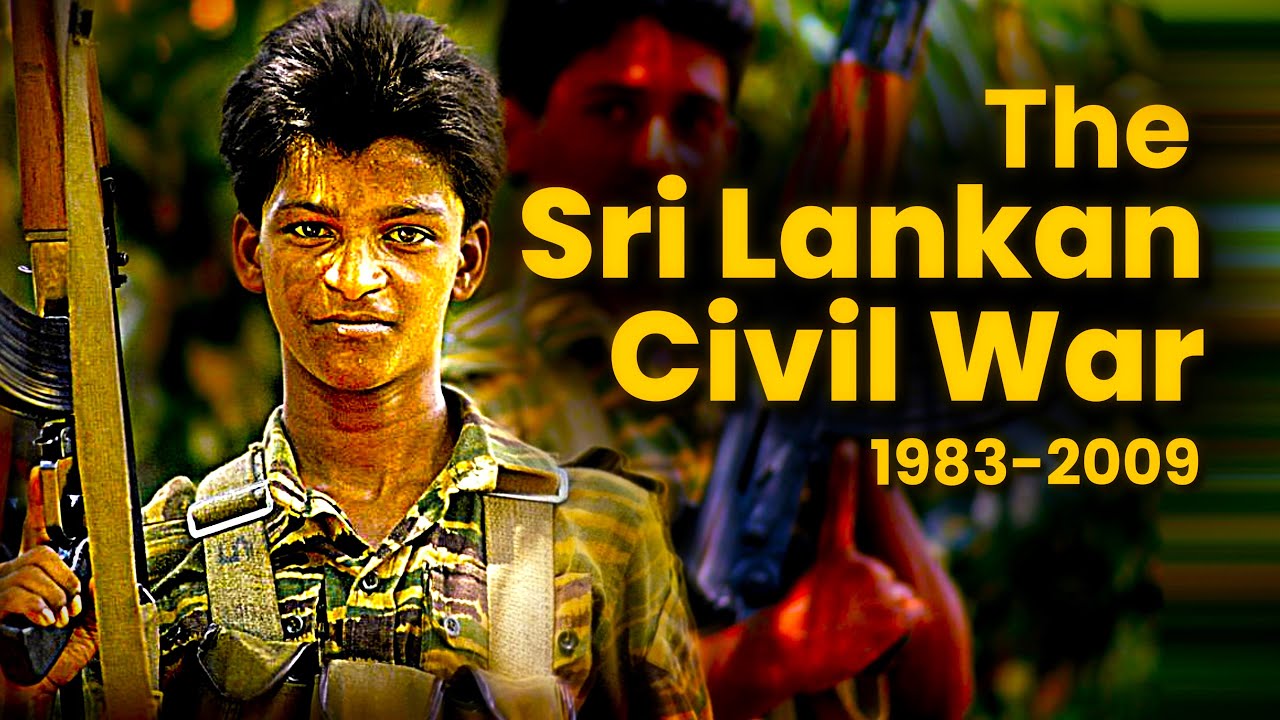
By 1995, three-quarters of Sri Lanka's Tamil population had either immigrated or been displaced due to the ongoing civil war.
Every day, 144 trains depart from Chennai Egmore station, including the Rameswaram Express, which takes about 12 hours to reach its pilgrimage destination.
In oceans and rivers worldwide, diverse aquatic species must master swimming skills to survive against environmental challenges and predators.
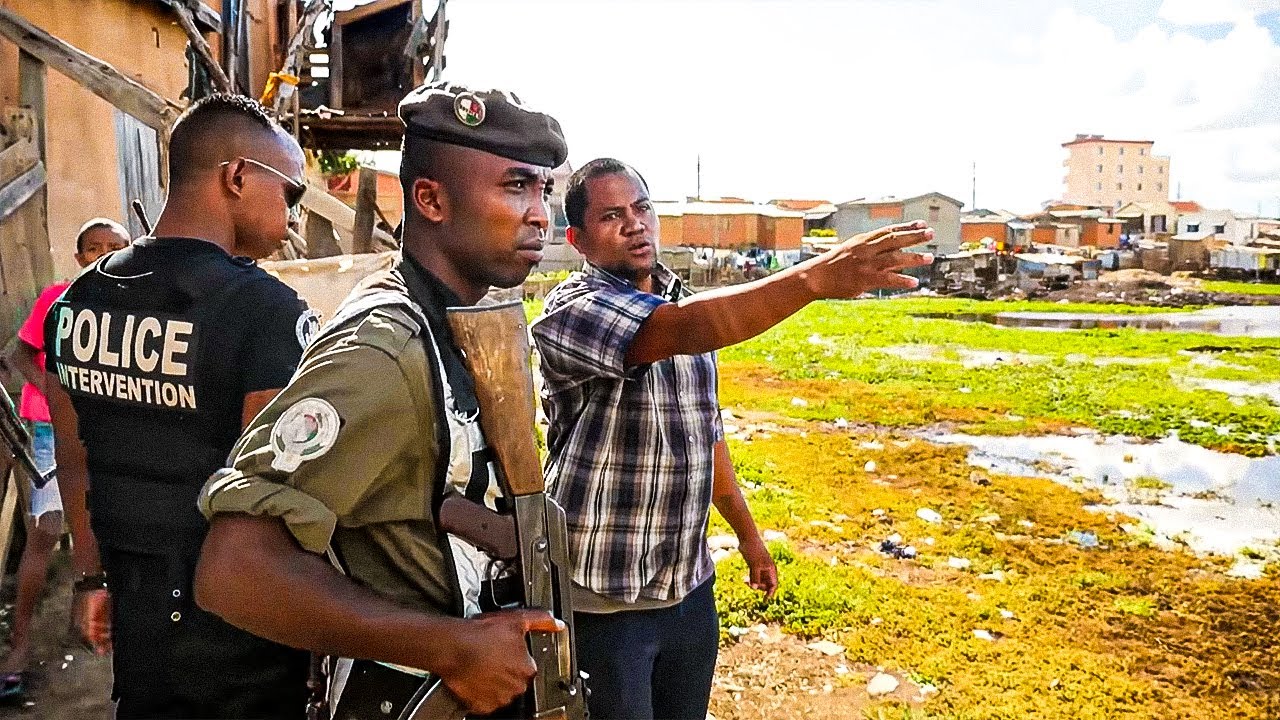
3,000 rosewood logs have been seized in Madagascar in recent weeks as illegal logging threatens the country's forests and the livelihoods of local communities.
A tsunami triggered by the second most powerful earthquake in recorded history on December 26, 2004, killed more than 250,000 people across multiple countries.
A 9.1 magnitude earthquake off the coast of Sumatra triggered a tsunami that killed approximately 250,000 people across 14 countries on December 26, 2004.
A truck carrying a ton of salt takes 26 hours to travel just 58 kilometers on the treacherous roads of Madagascar during the rainy season.
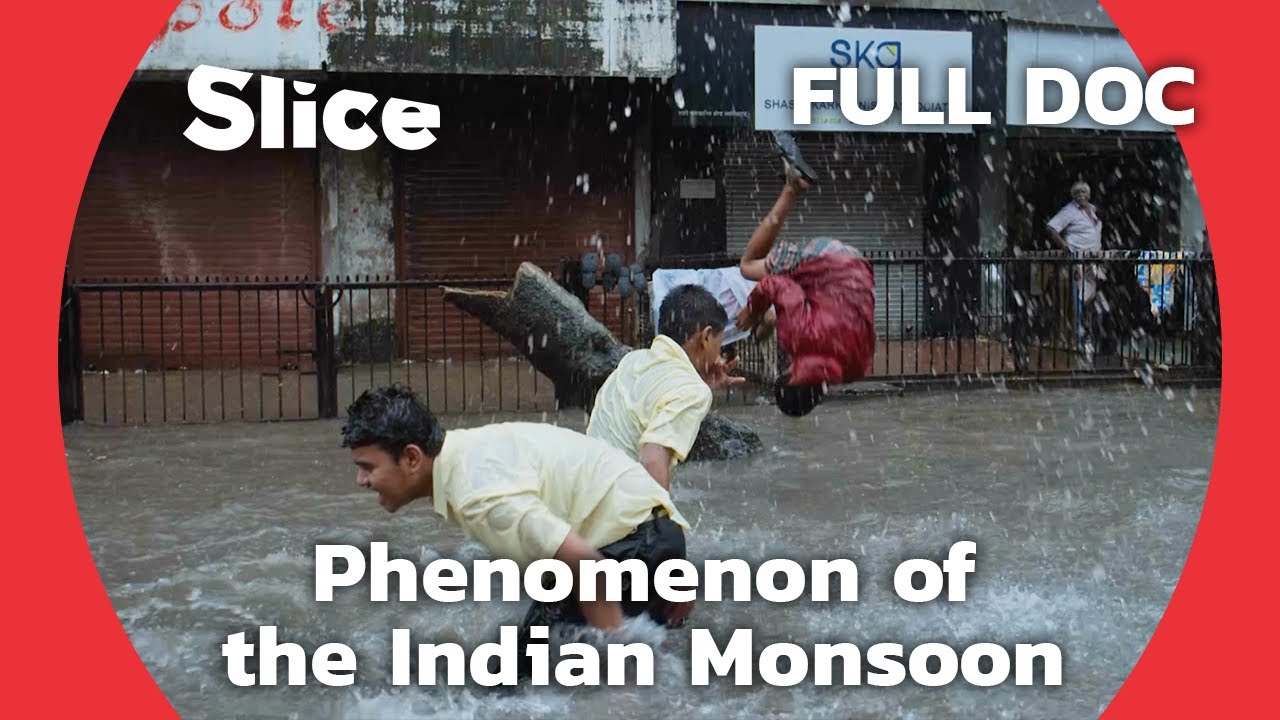
75% of India's annual rainfall occurs during the monsoon season, which runs from June to September and is vital for agriculture and water supply.
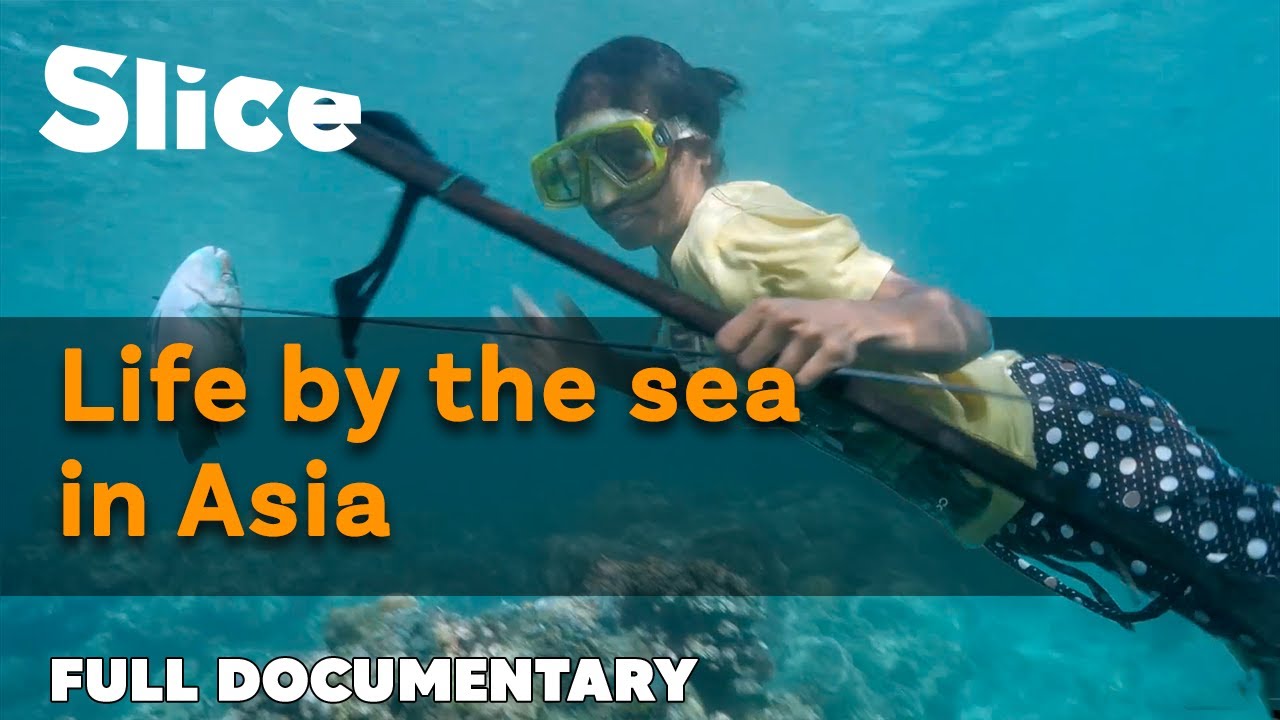
1,800 kilometers of lagoons and natural lakes in Kerala provide the Malayalis with a vital means of livelihood and cultural expression.
Réunion's blood alcohol limit is 0.05, and officers enforce a zero-tolerance policy for drunk driving, leading to immediate arrests for offenders.
Madagascar's ring-tailed lemurs, living in family groups of one to two dozen, face habitat loss and inbreeding as their environment rapidly disappears.
Only 18 men returned from Ferdinand Magellan's expedition, which set sail in 1519 with five vessels and 239 crew members, completing the first circumnavigation of the globe.
The Boxing Day Tsunami of 2004 left 228,000 people dead across 13 countries, prompting a massive forensic effort to identify over 5,000 victims in Thailand.
A group of botanists travels hundreds of kilometers across Madagascar to study the reproductive cycle of the baobab tree, a symbol of fertility on the island.
Over half a million terns crowd onto a remote atol in the Indian Ocean during the dry season, as their chicks learn to fly and hunt for food.
Emus can run at speeds of 50 km per hour, adapting to the open plains of Australia as the climate shifts from jungle to temperate.
The Cape Floral Kingdom occupies only 0.04 percent of the planet's land surface but contains more endemic species than the larger floral kingdoms.
Three hours of fishing off the coast of Mozambique yields a bountiful catch for the Vahukas, who share the fish among their families.
600 nautical miles from the Somali coastline, the Seychelles faces a growing threat from Somali pirates that could collapse its fragile economy.
Dr. Muhammad Ali reports that tide levels in the Maldives are now three to four times higher than they were a century ago, threatening the nation's survival.