From over 100,000 films, discover the handful you'll love.
Free or premium access to the world's largest documentary library.
1954 films(Page 13 of 41)
The Mediterranean Sea, home to diverse marine life and historical artifacts, faces severe ecological threats from pollution and human activity, yet conservation efforts are underway.
In the Brazilian rainforest, the Ashaninka people, led by Benki and Moises Piyako, utilize the Internet to combat illegal logging and promote environmental sustainability.
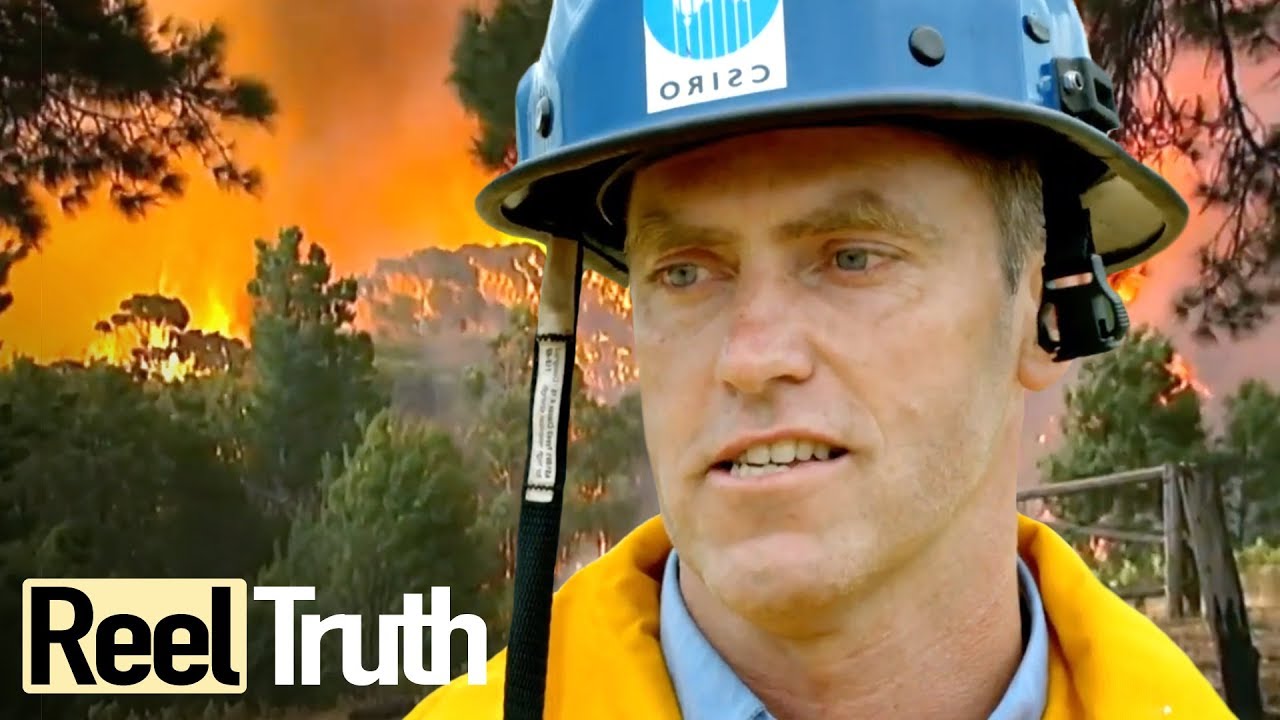
During Australia's worst wildfire season in a decade, Kate Humble and Simon Reeve report on the challenges faced by the Rural Firefighting Service in New South Wales.
The Ganges River, measuring 1,550 miles, supports 400 million people and is considered sacred by one billion Hindus, despite facing severe pollution.
650 million years ago, Earth experienced a deep freeze that encased the planet in ice, pushing life to the brink of extinction.
A volcanic threat may be looming over an Australian city as the Pacific Ring of Fire remains one of the most powerful natural forces on the planet.
One day of severe cold weather could cost the UK economy as much as 500 million pounds, making accurate forecasts essential for preparedness.
A tornado in Moore, Oklahoma, killed 24 people, injured 377, and caused over $2 billion in property damage.
At 27, Ana Rafaela D’Amico leads the fight against illegal activities threatening the Campos Amazonicos National Park in Brazil, achieving notable conservation successes.
Asia's rainforests and jungles, rich in biodiversity, face significant threats, prompting wildlife to adapt and survive in a rapidly changing environment.
1,500 staff members at the Met Office in Exeter work year-round to provide critical weather forecasts that affect daily life across the UK.
The Arctic hosts a diverse range of wildlife uniquely adapted to its polar environment, highlighting the fragile interdependence between species and their habitats.
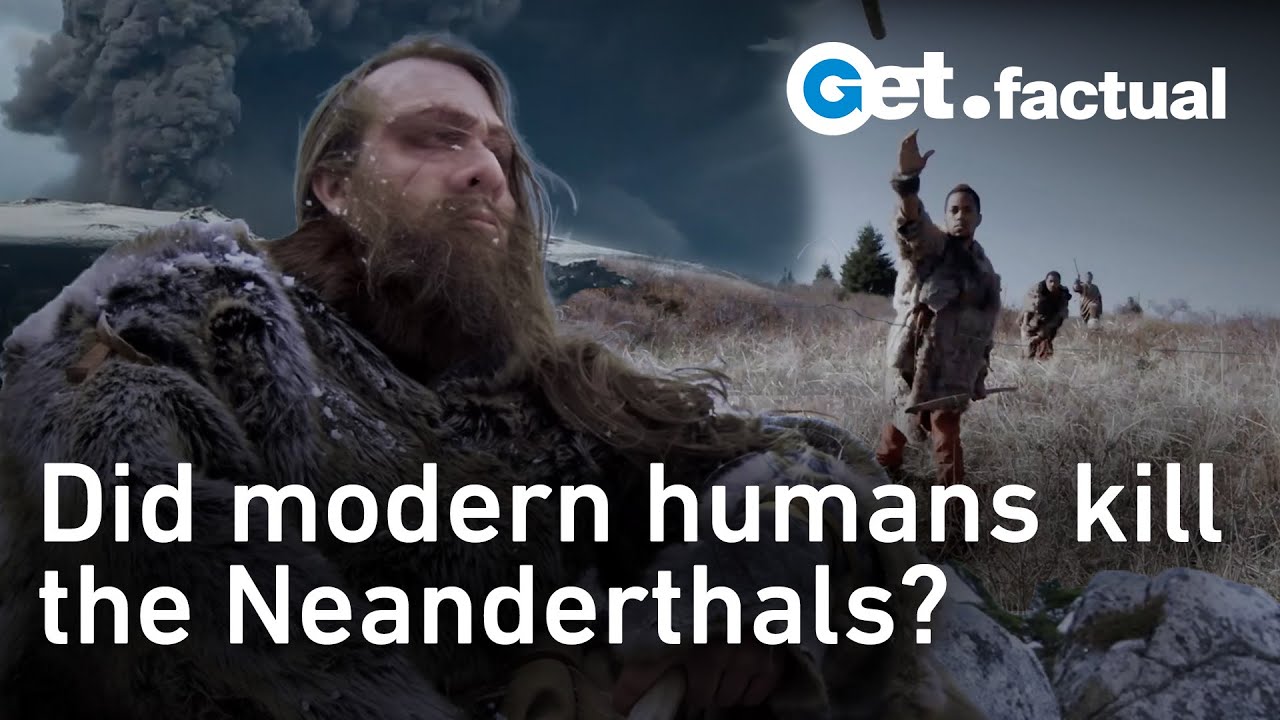
Neanderthals used thrusting spears, which caused significant internal damage, but they eventually faced starvation and extinction due to changing conditions.
Sea level has been rising at an average rate of 3.2 millimeters per year since the 1990s, with recent measurements indicating an acceleration to four millimeters annually.
Host Jim Al-Khalili traces the evolution of energy concepts from Gottfried Leibniz's 17th-century inquiries to modern understandings that shape our lives.
Waves the size of apartment blocks crashed into Sydney's beachside homes during the June 2016 superstorm, causing extensive damage and loss of life.
In the Gaspé region, a peaceful resistance emerges as communities confront environmental challenges through resourcefulness and collaboration.
Catastrophic floods in New Zealand reveal significant engineering failures and the challenges of preserving historic structures like the Scottish tower amid natural disasters.
Tropical Storm Washi devastates the Philippines while Texas and Colorado face extreme weather events.
Nearly 2,000 people died in the catastrophic flooding of New Orleans after Hurricane Katrina breached the levees in 2005.
Residents of Cockpit Country fight against bauxite mining threatening their livelihoods.
2,280 aircraft sprayings of pesticides were recorded in Paraguay last year, impacting the health of local families living near soybean fields.
Globally, 70% of water is used for irrigation, yet many regions face severe shortages as climate change intensifies the water crisis.
Los Angeles residents use almost 1.5 billion gallons of water daily, prompting a need for urgent conservation efforts amid a severe water crisis.
Eighteen out of 23 provinces in Chad are underwater, displacing thousands and disrupting food supplies as families struggle to survive.
Michael Moore critiques the failures of the environmental movement and calls for urgent changes in leadership and strategy to combat climate change and its consequences.
Time bombs from World War II vessels threaten to cause the biggest oil spill in history.
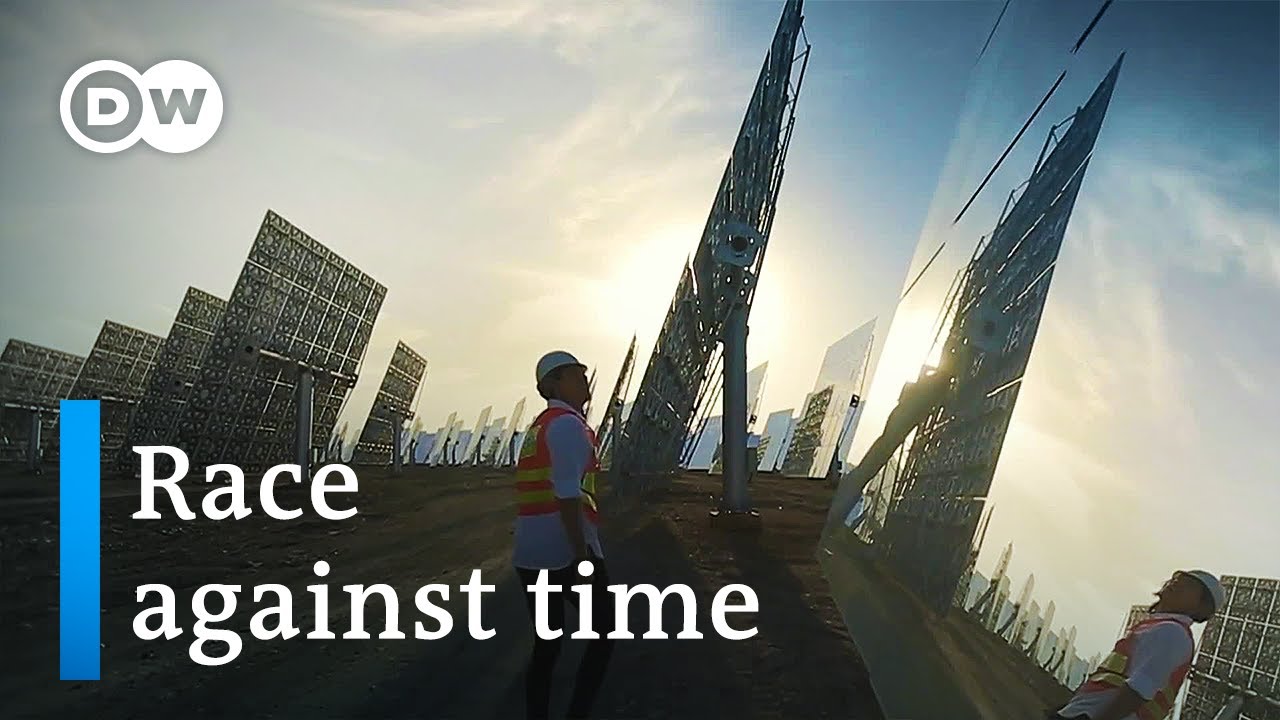
A solar energy project in China's Tengger Desert will supply electricity to over two million homes, marking a significant shift towards renewable energy.
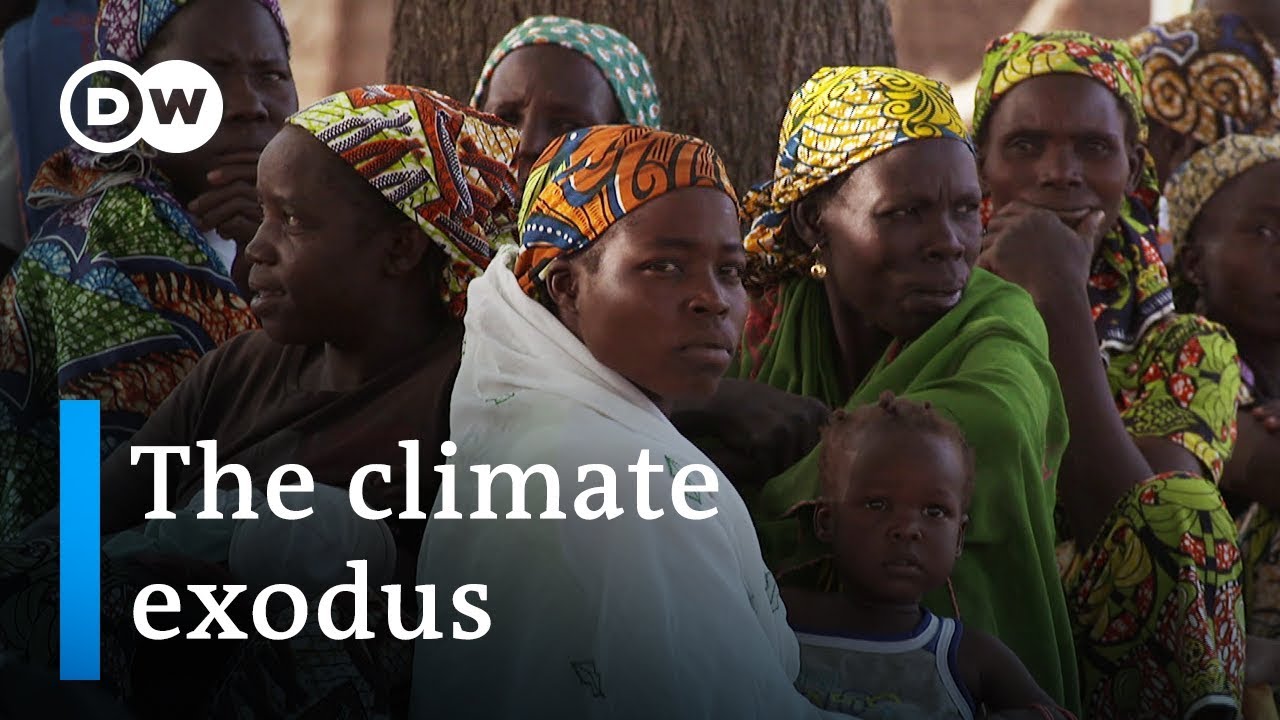
Climate change is forcing millions to migrate from critical hotspots like the Sahel, where Lake Chad has shrunk by 90 percent, and Indonesia due to severe environmental challenges.
Scoresby Sound, the world’s largest fjord system, is now more accessible due to melting ice, raising concerns about geopolitical tensions in the Arctic.
Every year, an association collects around 60 tons of plastic and fishing nets from the beaches of Cape Verde, but lacks the means to dispose of them properly.
Seventy percent of copper must be extracted from mines, with the largest operations located in South America, particularly Chile and Peru.
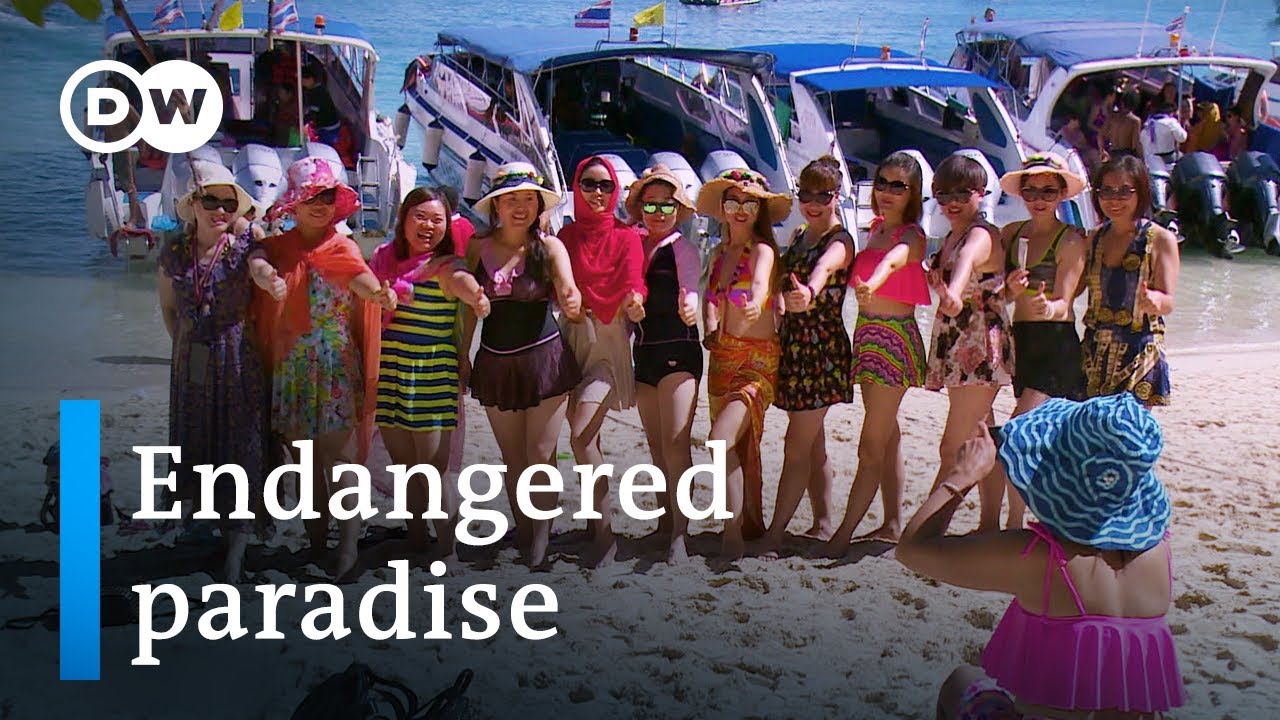
More than 34 million tourists visit Thailand each year, contributing to severe pollution and damage to coral reefs along the country's coast.
One third of the world's fish catch is used as fish meal and animal fodder, raising questions about sustainable food production and resource use.
On July 4, 2025, floods in central Texas killed more than 130 people, marking the deadliest inland flooding in the United States in nearly 50 years.
20,000 liters of diesel fuel are transported through the Amazon rainforest to support illegal gold mining operations that devastate the forest.
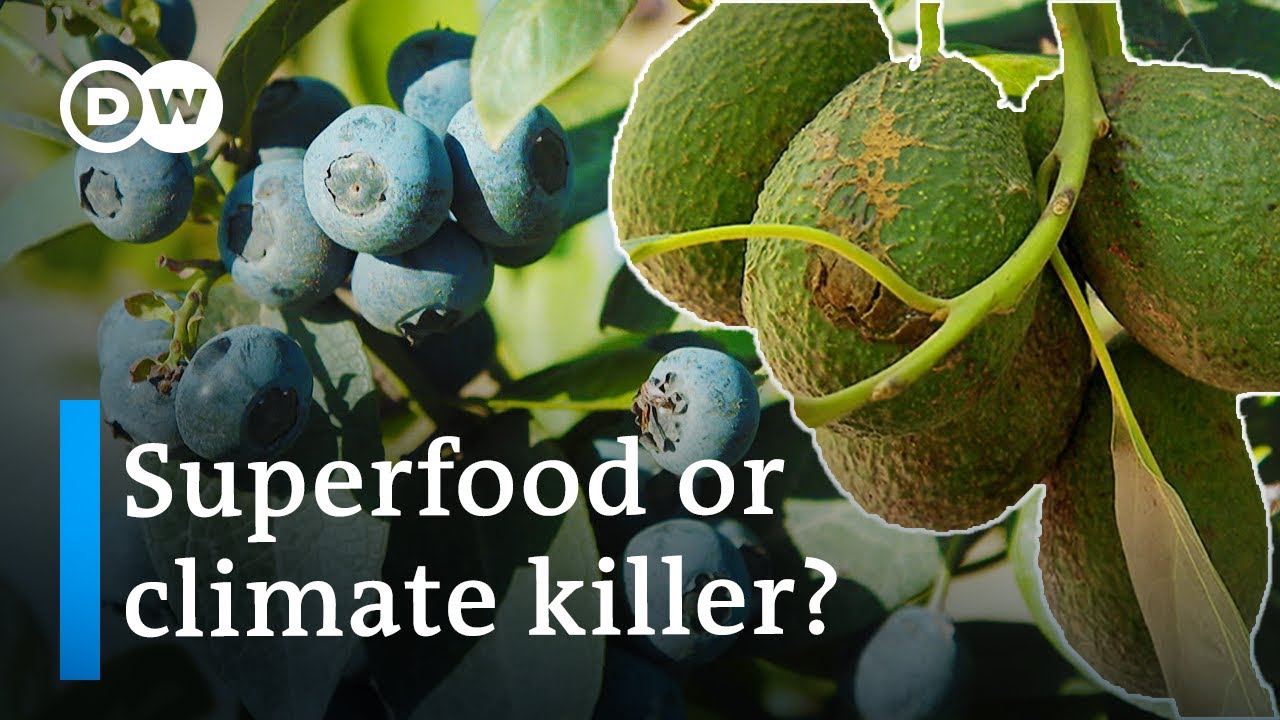
More than 150 families in the Petorca region of Chile rely on water trucks for survival due to severe water shortages linked to avocado farming.
In 2018, an estimated 3.8 million people in the Philippines fled from storms and natural disasters exacerbated by climate change.
Mike Mester believes that if grocery shelves are empty, Americans are only nine meals away from anarchy, prompting him to prepare for civil unrest.
Winds of up to 220 miles per hour tore through the Bahamas, leaving thousands struggling to rebuild their lives after the hurricane's devastation.
Jimi Falcon prepares for a potential World War III, Cindy Stewart crafts camouflaged IEDs using her taxidermy skills, and Rod Godfrey readies for apocalyptic superstorms.
A 37-year lawsuit finally determines the ownership of water rights in and around the Wind River Indian Reservation, a vital resource for the tribes.
Since 2010, Western Australia's coastline has experienced 64 shark attacks, prompting investigations into the causes behind this alarming trend.
Oil companies have known since the 1940s and 50s that carbon emissions contribute to sea level rise, yet they concealed this information from the public.
Kammuri, the 20th and most powerful typhoon of the 2019 season, claimed 17 lives during its 36-hour assault on the Philippines.
Sea levels could rise as much as 20 feet by the end of the century, threatening to destroy a quarter of all homes within 500 feet of America's coast.
In August 2003, Paris recorded 650 deaths over three days during a heat wave, a number comparable to three airplane crashes.
227 environmental activists were killed in 2020, as individuals like Celestine AkpoBari in Nigeria face threats and violence for opposing oil pollution.