From over 100,000 films, discover the handful you'll love.
Free or premium access to the world's largest documentary library.
1954 films(Page 30 of 41)
A category 4 cyclone in March caused significant damage to the Great Barrier Reef, prompting urgent discussions about climate change and renewable energy.
The United States imports 8 million barrels of oil daily, prompting debates over drilling in the Arctic National Wildlife Refuge and its impact on local tribes.
10,000 years ago, glaciers shaped the Great Lakes, creating a vital freshwater resource that now faces pollution and habitat loss.
Senegal's fishermen face a dilemma due to environmental changes affecting the Atlantic Ocean.
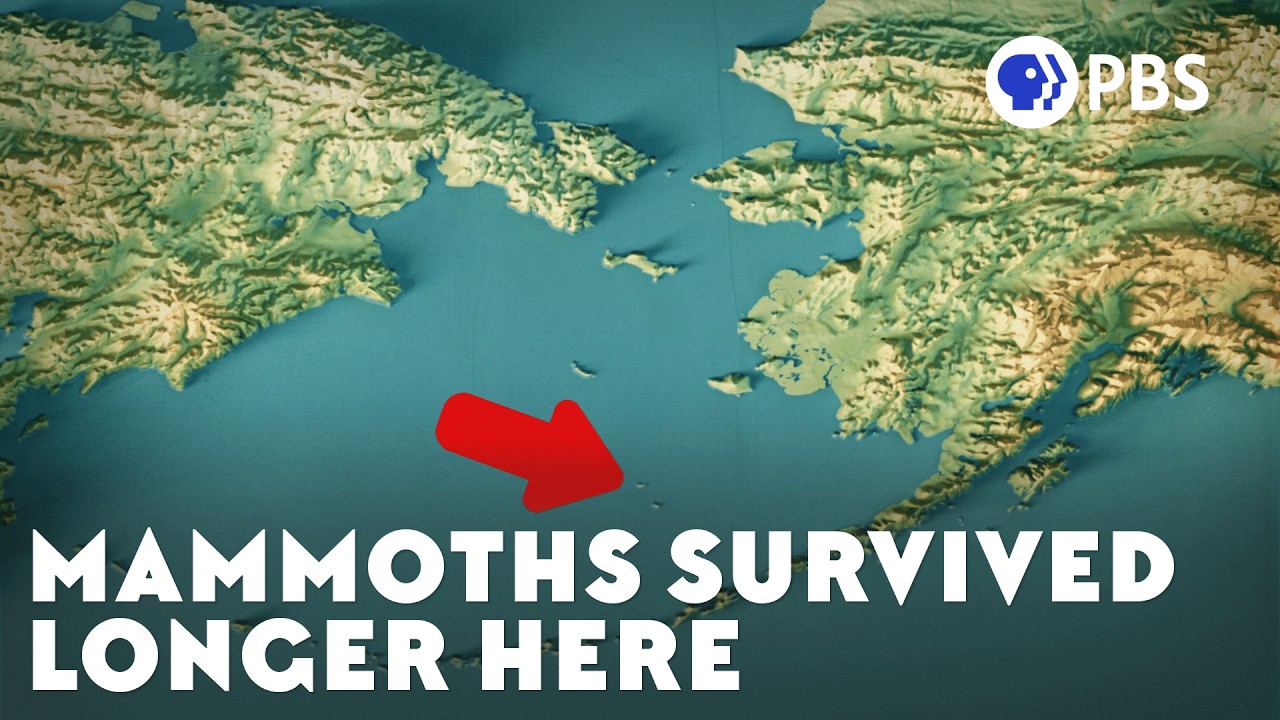
About 5,700 years ago, a herd of woolly mammoths roamed a treeless tundra on St. Paul Island, Alaska, marking one of the last chapters of their existence.
In six hours of travel, Zachariah and his assistant cover only 35 kilometers while delivering cocoa beans in Ivory Coast's challenging conditions.
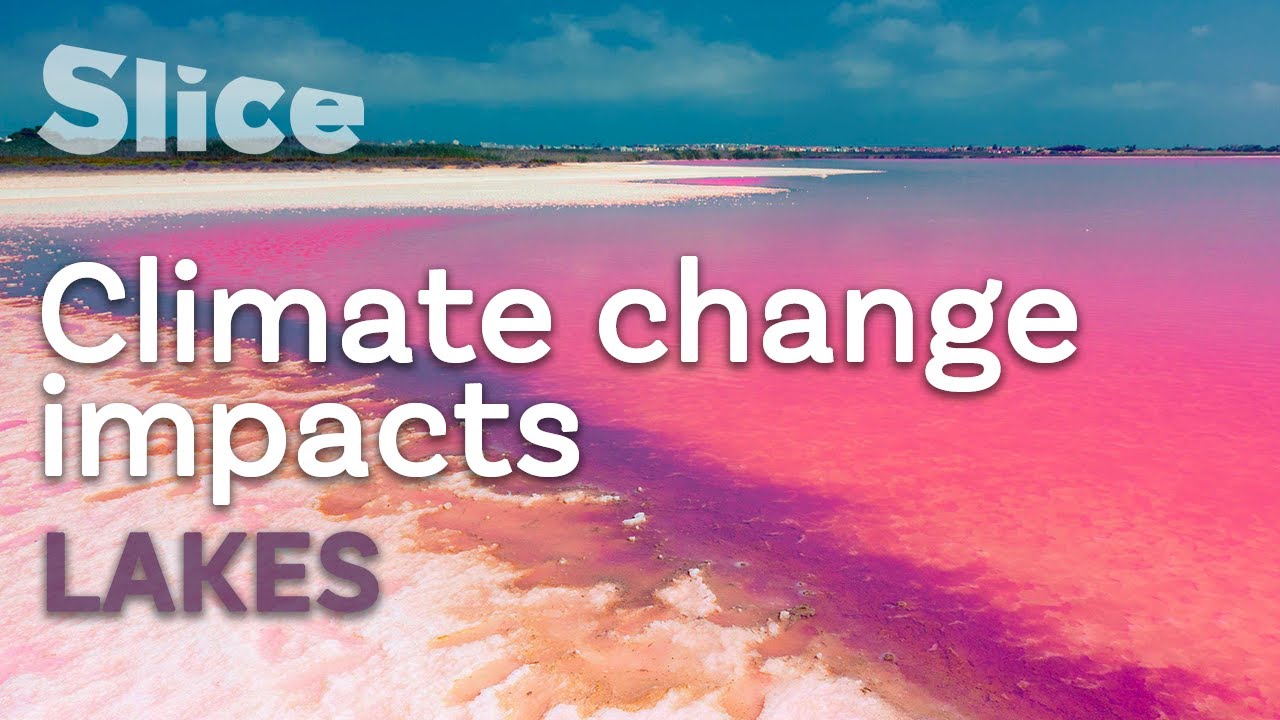
The Great Salt Lake in Utah faces declining water levels due to climate change and human management.
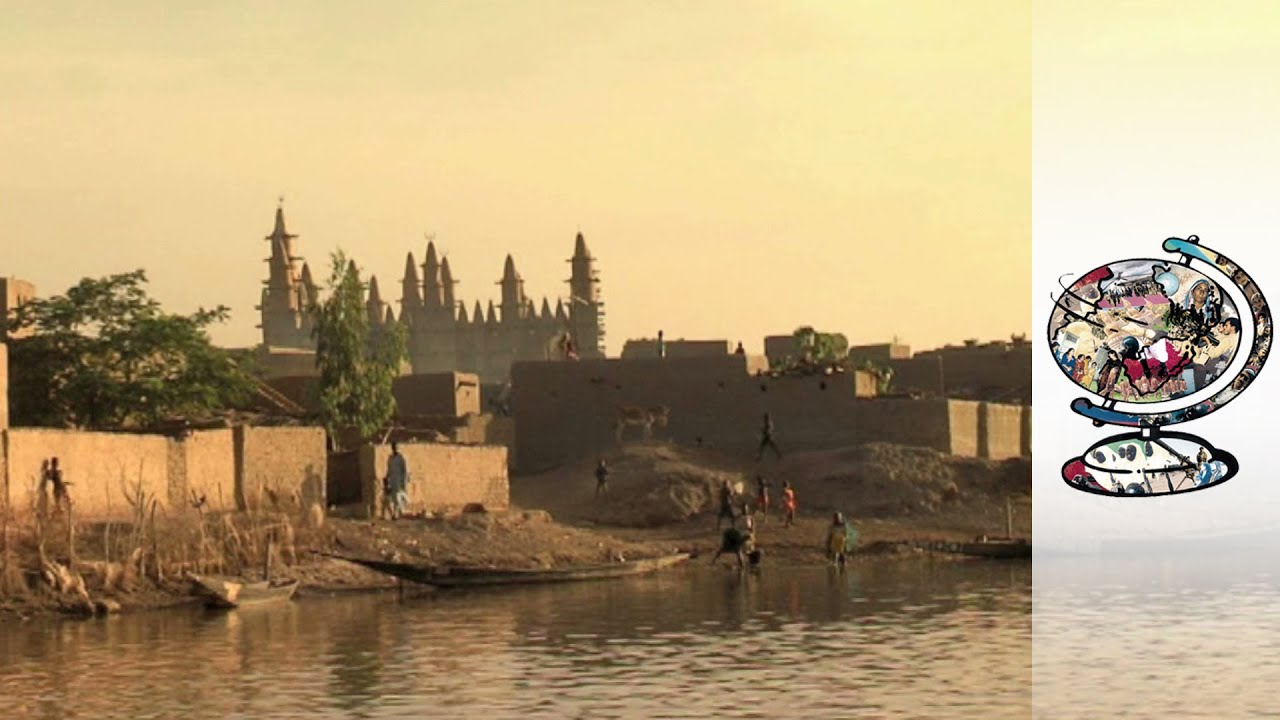
500,000 people rely on the Inner Niger Delta's lakes and flood plains for irrigation, livestock, and crops in a region threatened by environmental changes.
Arctic foxes have been recorded making as many as 90 kills in a single day while hunting for lemmings beneath the snow.
Climate change is threatening the Vosges forest in France, with 218,000 hectares deteriorating due to drought, heat waves, and increased pest activity since 2018.
Steven Fuller has lived in Yellowstone National Park for 50 years, serving as its winter caretaker while facing the impacts of climate change.
Only 0.5% of the world's fresh water is available for human use, making conservation efforts critical for future generations.
By 2015, the Carteret Islands are projected to be submerged, leaving 2,000 residents struggling to survive on less than half a square kilometer of land.
Three generations of a family have lived in a Scottish ski area town that evolved from a stagecoach stop in the late 1950s and early 1960s.
In Unalaska, local subsistence hunter Trever Schliebe navigates the challenges of food access in the changing Arctic, reflecting Unangax̂ traditions and values.
Over 6,000 people died and nearly 1,800 remain missing after Typhoon Haiyan struck the Philippines in November 2013.
In September 2007, Arctic sea ice reached its lowest extent in the satellite record, prompting urgent concerns about climate change and its rapid effects.
Climbing dream team Alex Honnold, Mark Synnott, and Jimmy Chin navigate treacherous terrains and face various dangers while searching for new rock climbing challenges worldwide.
A team of artists created an interactive installation that uses 3D printing and animation to address the rapid loss of species and habitats.
Alexander von Humboldt's exploration of Palenque, Colombia, reveals his observations on natural science and the inhumane treatment of slave laborers.
Only 2.7% of old-growth trees remain in British Columbia, prompting two-spirit activists to join the fight for land protection at Fairy Creek.
NASA's TRMM satellite can look inside hurricanes in three dimensions, revealing rainfall rates and energy dynamics crucial for forecasting.
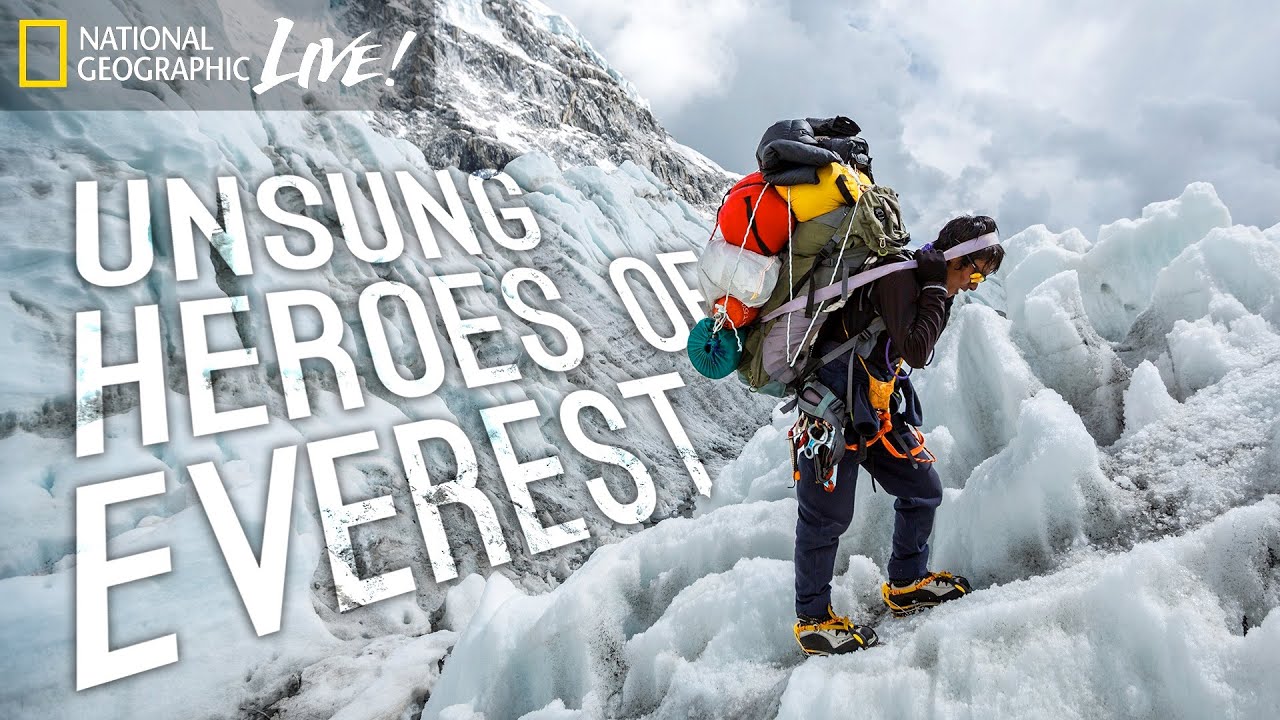
Sherpas, the unsung heroes of Mount Everest, face a death rate higher than soldiers in the Iraq war while supporting climbers in their perilous pursuits.
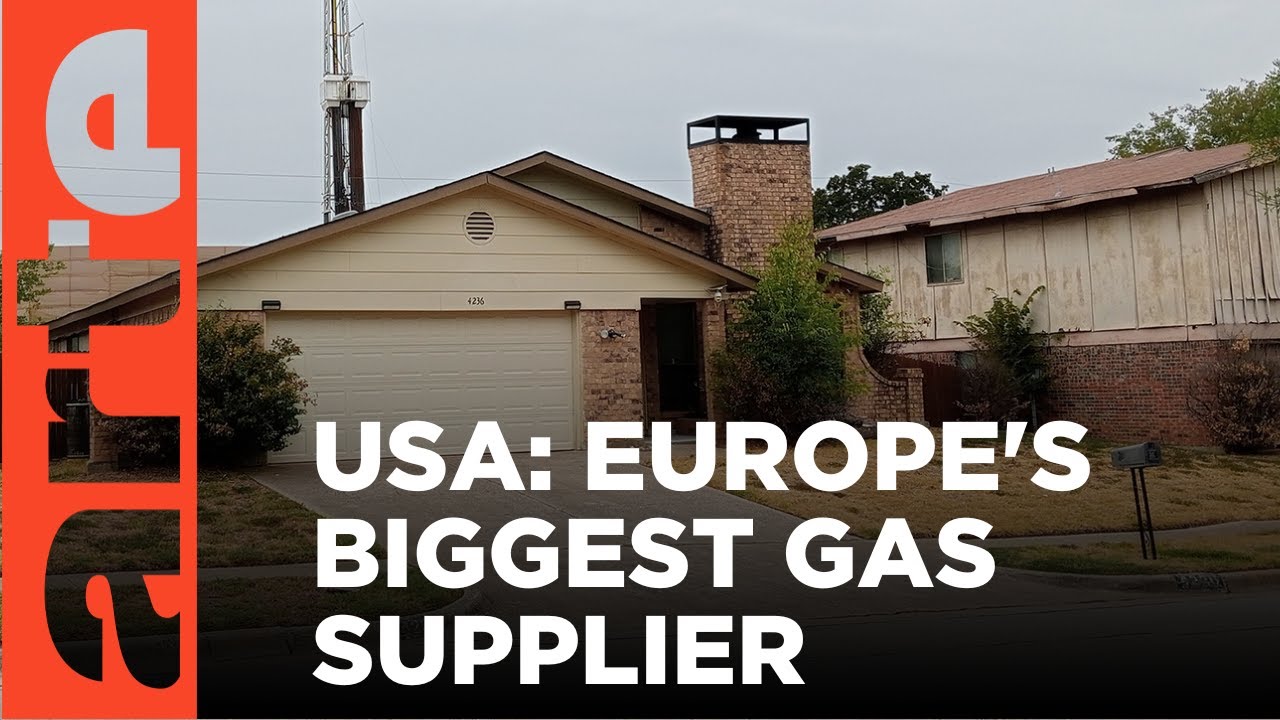
32 drilling sites operated by Total Energy in Arlington, Texas, are linked to significant emissions and environmental concerns from fracking activities.
Plans to merge two glacier ski resorts would destroy glaciers over an area equivalent to 116 soccer fields, threatening high alpine wilderness.
Venus has a surface temperature hot enough to melt lead, illustrating the extreme consequences of a runaway greenhouse effect.
A community of 60 to 70 villagers in near Cornat faces economic decline as their local fish processing factory struggles to stay afloat.
Water on Earth shapes nearly every aspect of life, highlighting its rarity and importance.
Immanent water shortages threaten 5.7 billion people by 2050, urging immediate action.
In the Sahel region of Africa, a lone female mosquito's evolution over 6,000 years highlights the ecological shifts that led to her descendants specializing in feeding on humans.
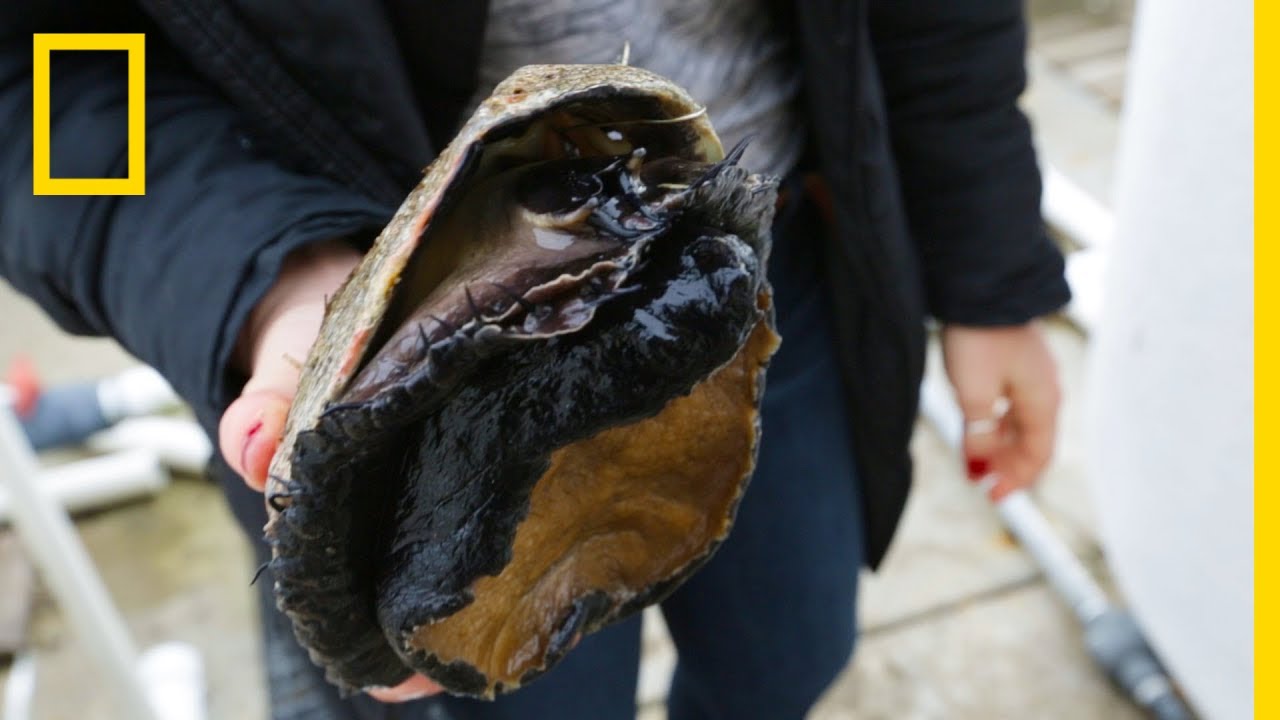
California closed the recreational red abalone fishery in December 2018 until 2021 to help the population recover from environmental threats.
Sixty million years ago, seed-bearing plants developed flowers to attract animals for pollination, marking a significant evolutionary advancement.
80% of the data used by weather forecasters comes from satellites, with only 16 weather-specific instruments in orbit observing a small part of the Earth.
Sixty percent of young people globally report experiencing climate anxiety, a mental health issue linked to the ongoing climate crisis.
As the world grapples with climate change, this documentary reveals the alarming gaps in global efforts to meet the Paris Agreement's goals.
NASA's Operation IceBridge measures Antarctic ice from Patagonia's Strait of Magellan.
Greenland's inland ice, covering 2.8 million cubic kilometers, is monitored by scientists to assess its impact on global sea levels and climate change.
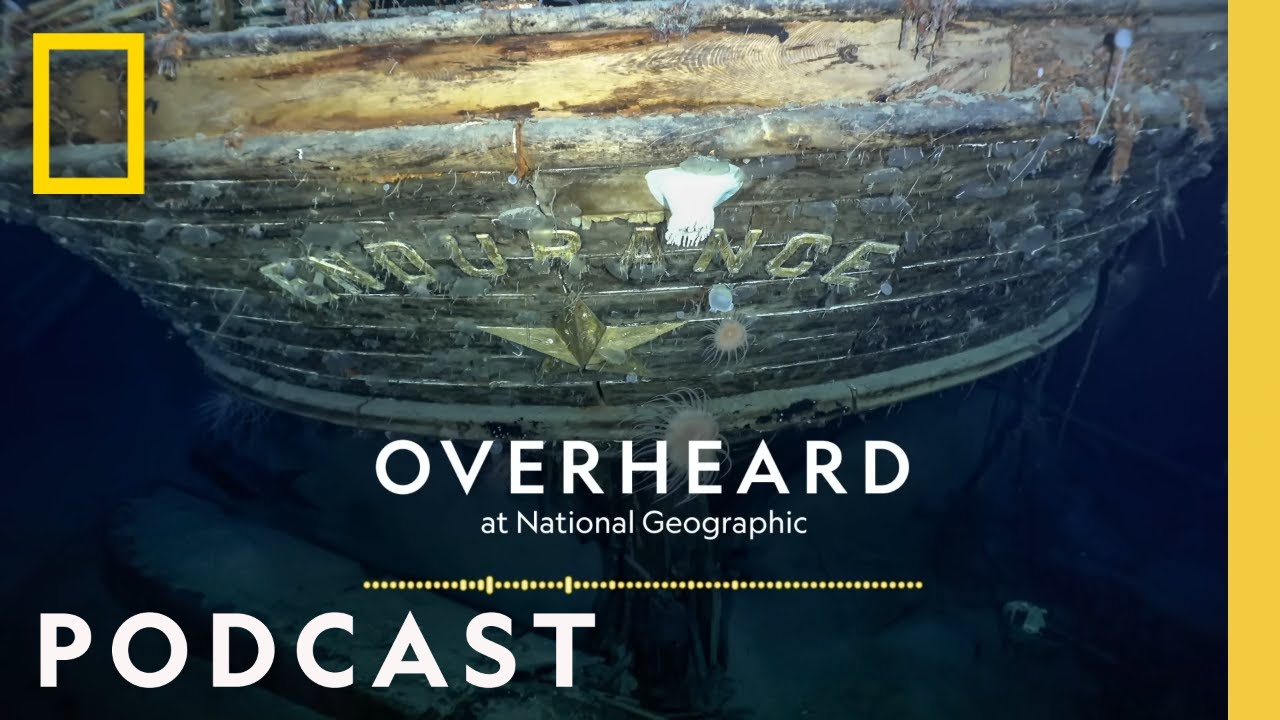
In 2022, a expedition located Ernest Shackleton's ship, Endurance, nearly two miles beneath the Southern Ocean, over a century after its sinking.
Ancient DNA retrieved from Greenland's permafrost reveals an ecosystem that thrived over 2 million years ago, offering insights into climate adaptation strategies.
A camera on Voyager 1 captured Earth as a pale blue dot from 6 billion kilometers away, revealing the planet's life as invisible from such a distance.
150 days are spent by a family in Nepal managing two farms as they face water shortages caused by climate change.
Eruptions along the Mid-Atlantic Ridge were pivotal in the formation of the Atlantic Ocean by tearing apart a supercontinent millions of years ago.
The Younger Dryas, a significant climatic event, has prompted extensive scientific debate regarding its causes and the potential for similar occurrences in the future.
The Sahara was once a lush environment that supported diverse wildlife and human habitation, contrasting sharply with its current arid climate.
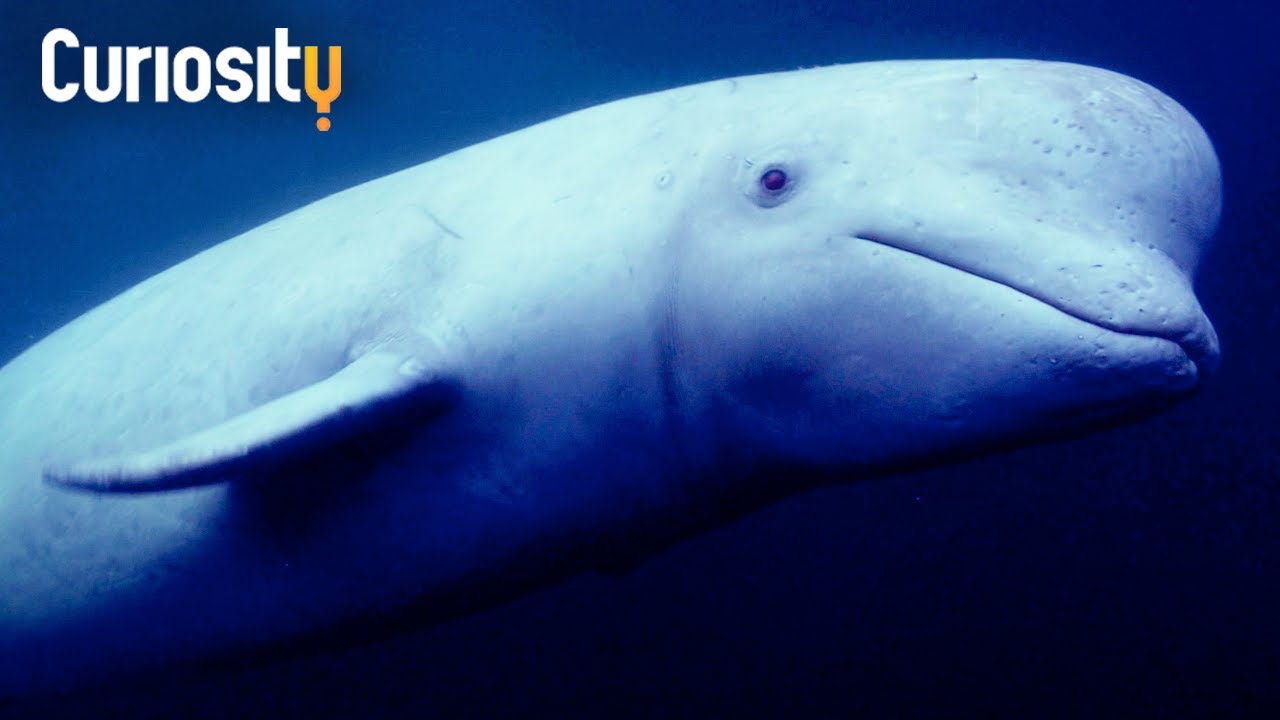
Fewer than 900 beluga whales remain in the St. Lawrence River, a significant decline from about 10,000 at the start of the 20th century.
Chronic kidney disease is increasingly affecting rural communities in Peru, with factors such as heat stress, dehydration, and agricultural chemicals contributing to the crisis.
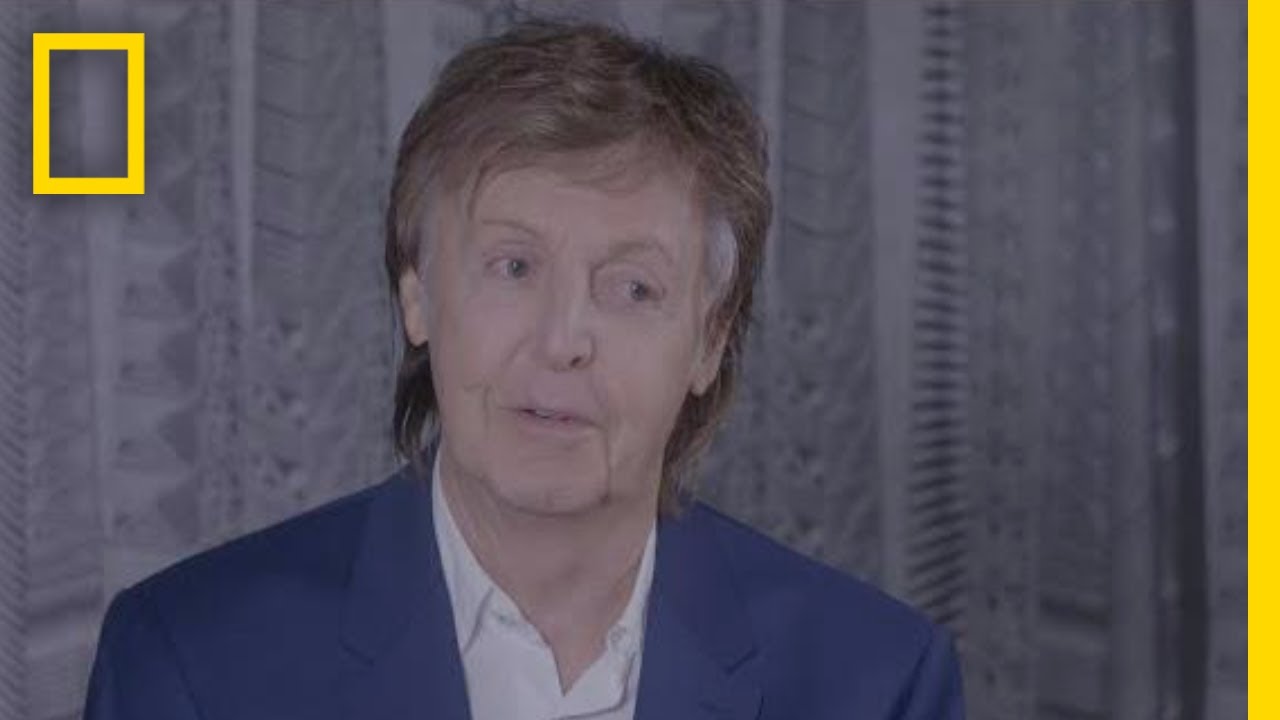
Paul McCartney discusses his "Meat Free Monday" campaign, its environmental impact, and the inspiration behind "Lady Madonna" in an interview with 's Susan Goldberg.
Rivers have drastically changed due to human intervention, leading to major flooding issues.