From over 100,000 films, discover the handful you'll love.
Free or premium access to the world's largest documentary library.
1954 films(Page 11 of 41)
Dr. Riley Elliott successfully tagged the first baby great white sharks in New Zealand, revealing an emerging population in a previously unrecorded area.
In the Australian Alps, the survival of unique wildlife like the Wombat and the endangered Mountain Pygmy Possum is threatened by ecological challenges and the overpopulation of Brumbies.
Bill McKibben mobilizes communities across the United States to combat the fossil fuel industry amid alarming carbon emissions and climate change consequences.
Since 2003, climate warming in the Alps has led to changes in weather patterns, resulting in more rain and less snow for local communities.
Building Stuff with NOVA features Transportation Engineer Jake Voorhees alongside host Dr. Nehemiah Mabry, an experienced engineer and educator from Raleigh, North Carolina.
Rising sea levels and stronger storms are prompting cities like New York and Louisiana to adopt innovative infrastructure strategies for climate resilience.
The US produces nearly 25% of the world's carbon dioxide emissions, despite having only 5% of the global population.
Gene-editing technologies like CRISPR and PRIME editing are being utilized by scientists to enhance food security, combat climate change, and address genetic disorders in humans.
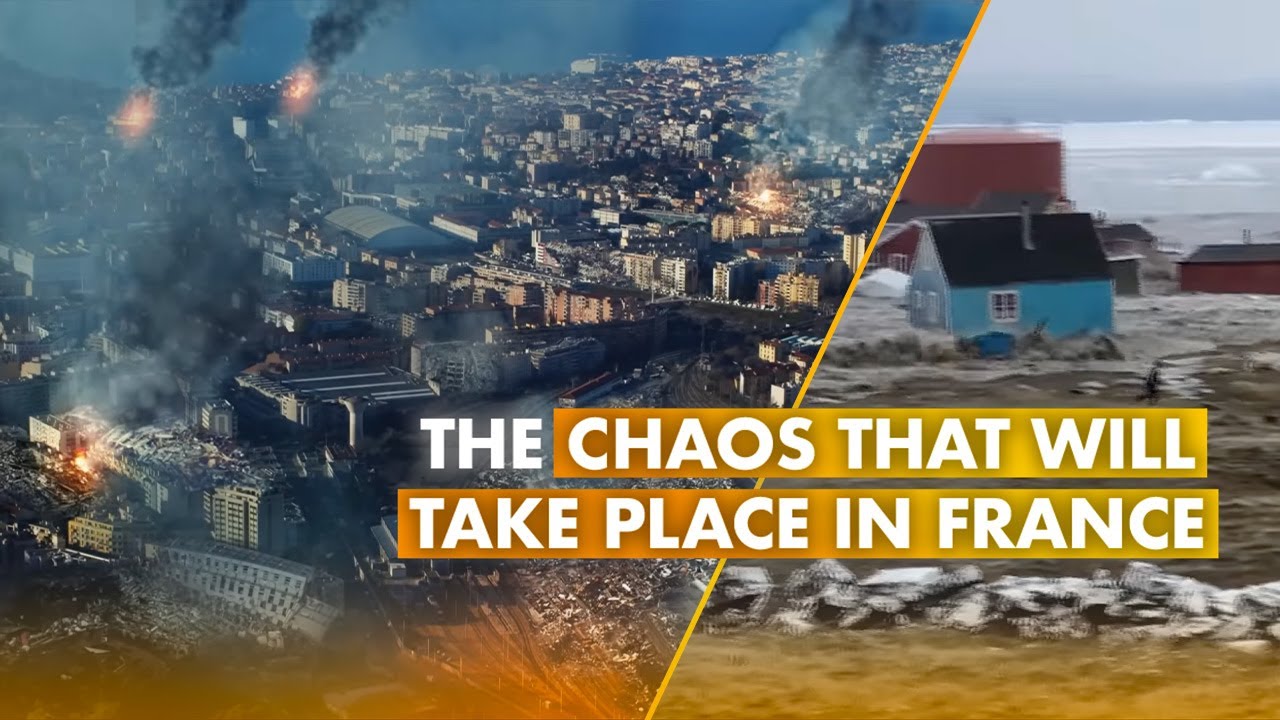
An earthquake with a magnitude of 6.8 to 6.9 could strike the French Riviera, potentially causing devastation comparable to six to seven times the Hiroshima atomic bomb.
Streaming has transformed media consumption since the 1990s, raising concerns about its carbon footprint and environmental impact as digital emissions approach those of automobiles.
A floating solar farm in Singapore can power 16,000 flats and offset 32 kilot of carbon emissions, contributing to a 100% green waterworks system.
The Aral Sea, once one of the largest inland seas in the world, has largely vanished due to environmental mismanagement, as explored through the Amu Darya river's transformation.
The global waste crisis is examined through the innovative solutions of individuals like Ashlyn Nicole Wilson, highlighting efforts to reinvent recycling practices.
Overtourism threatens the environment, wildlife, and local communities worldwide, as highlighted by insights from tourism and conservation experts across 15 countries.
In 2019, Iceland declared its first glacier dead after losing 35 meters of ice cover in just 130 years, a sign of accelerating climate change.
The ocean absorbs nearly a quarter of the carbon dioxide emitted each year, playing a vital role in regulating the planet's climate.
Polar bears in Hudson Bay face increasing challenges for survival as climate change delays sea ice formation, threatening their population and habitat.
More than 4.5 million visitors come to Yellowstone each year, putting pressure on its ecosystems and prompting scientists to study the area's wildlife.
Climate change threatens ski resorts in the Swiss Alps, prompting innovative snow farming techniques to ensure the future of winter sports.
Five men, led by Dr. Joe McGinnis, lower themselves into the Arctic Ocean for the first time in history to study its underwater environment.
A giant asteroid hits Earth, causing darkness and extinction across the planet.
David Suzuki investigates the alarming issue of forest dieback in Canada caused by acid rain and discusses potential solutions to this environmental crisis.
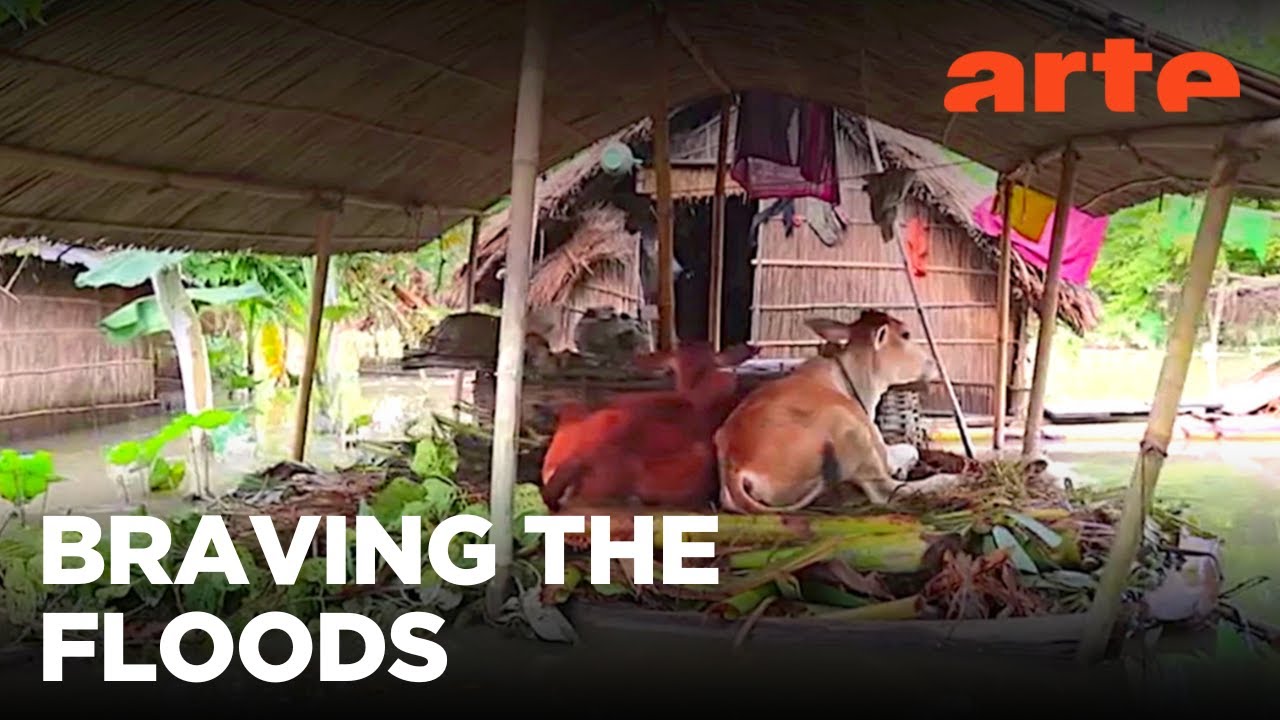
Bangladesh faces an existential threat from climate change, with projections indicating that by 2050, two-thirds of the nation could be submerged, displacing millions.
Over 5,000 tablets of the diabetes drug metformin flow into the ocean daily from the Thames, raising concerns about chemical pollution's impact on marine life.
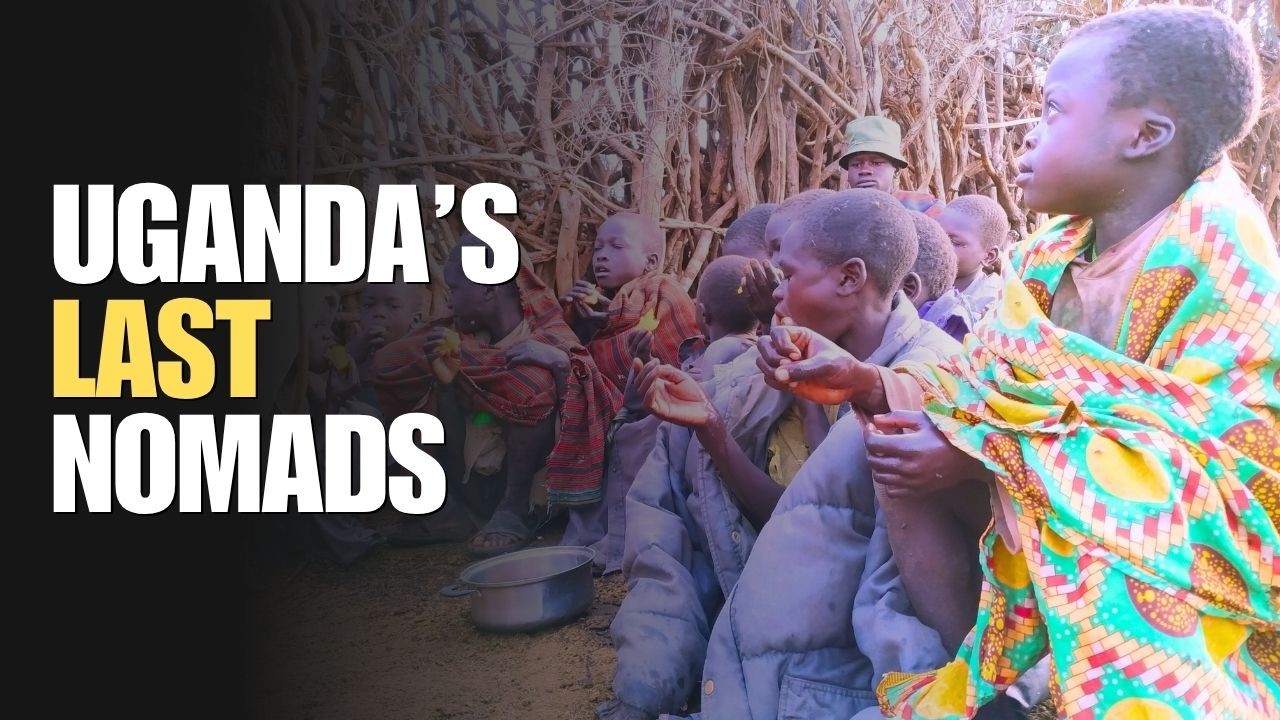
In the Karamoja region of northeastern Uganda, the Karamajong people face existential threats to their nomadic cattle herding lifestyle due to climate change and political neglect.
Peter Kalmus reduces his fossil fuel consumption to just 10% of the average American's usage while balancing family life in suburban California.
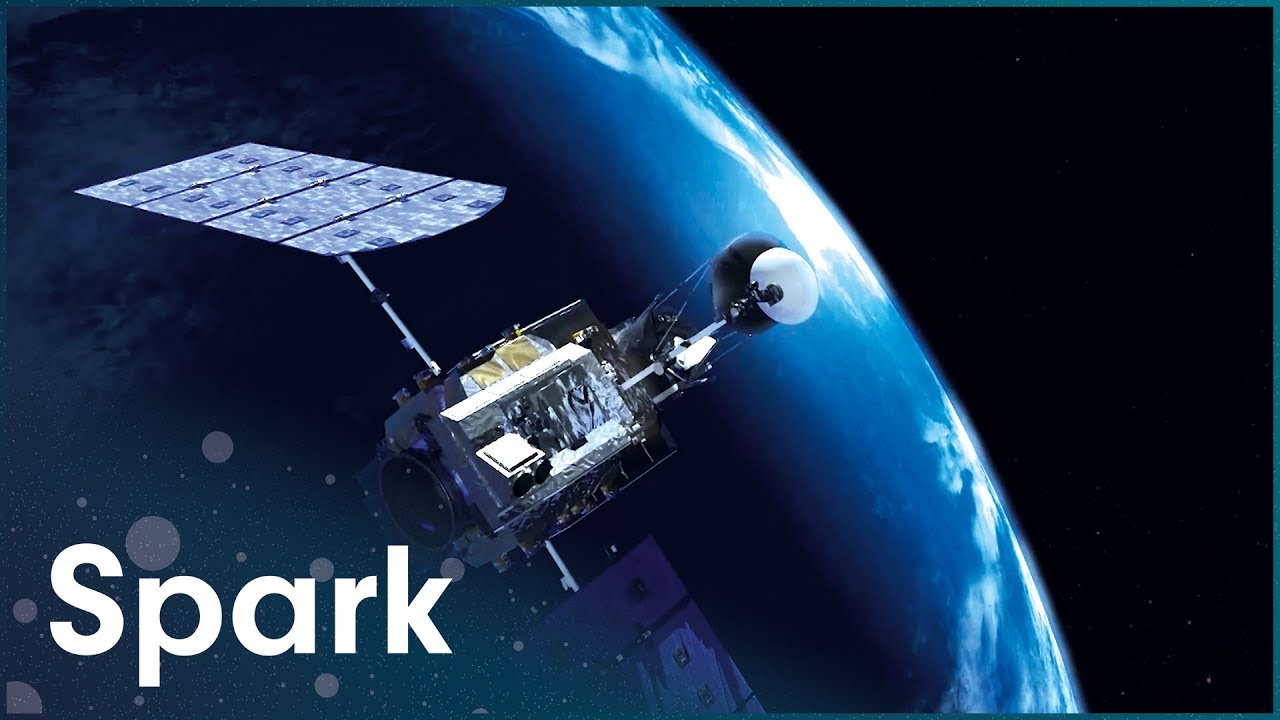
Approximately 1,000 operating satellites in Earth's orbit are essential for monitoring climate change and advancing technology to protect the planet.
In Santa Rosa, volunteers use fire to restore deforested areas and train new recruits.
Beneath the Iberian Peninsula lies a 100-meter deep canyon that has evolved into a unique ecosystem, home to species like the Eagle Owl and Wolf Spider.
Between 1980 and 2045, the planet is projected to lose more species of plants and animals than in the last 65 million years.
William Canning's 1973 film highlights the natural beauty and wildlife of the Canadian Rockies and Garibaldi Park, stressing the need for conservation.
Peter Kalmus reduced his fossil fuel use to one-tenth of the average American, prompting a personal and societal examination of climate action.
Urban environments like Times Square drive rapid evolutionary changes in species, revealing how plants and animals adapt to urbanization and pollution.
In Antarctica, elephant seals and various penguin species rely on isolated islands as critical nurseries for breeding and teaching survival skills.
Oceans, covering over 70% of the Earth, contain vast currents that regulate climate and ecosystems, raising concerns about their stability amid climate change.
The People’s Climate March, featuring voices like Bill McKibben and Naomi Klein, highlights the urgent need for a popular movement to address the climate crisis.
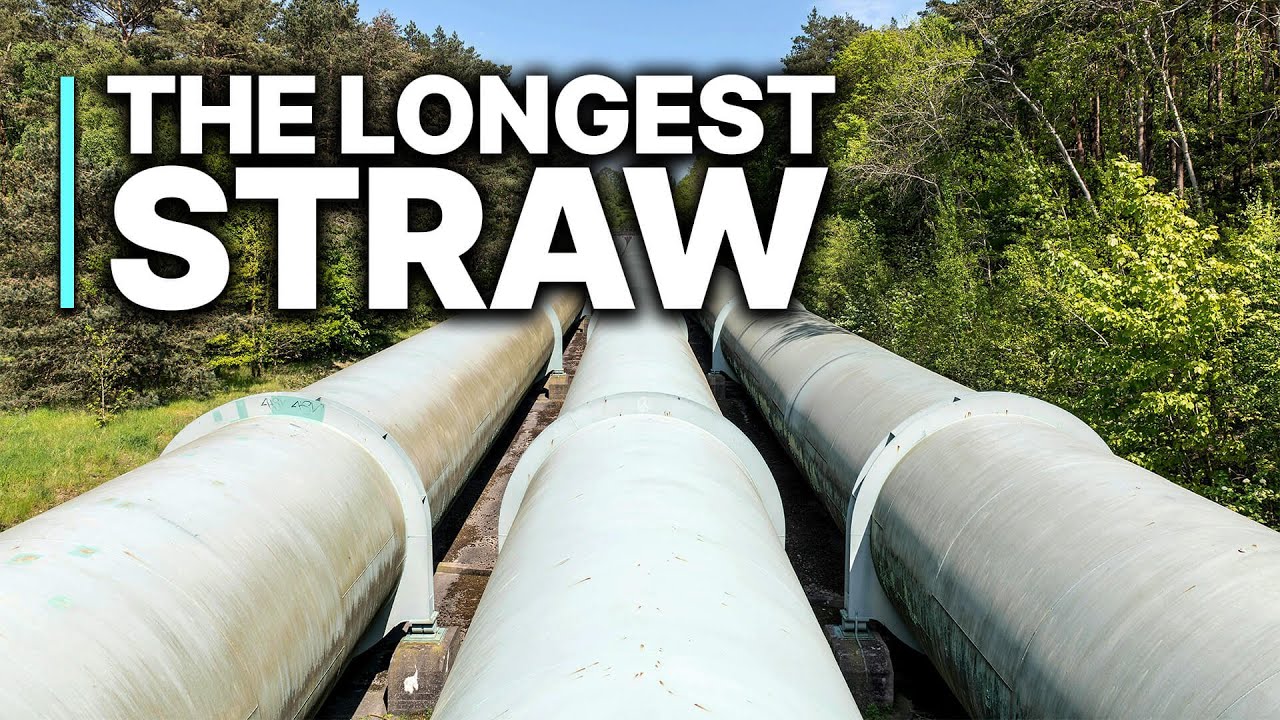
Samantha Bode backpacks the 338-mile length of the Los Angeles Aqueduct, revealing the challenges of water access in the region.
A couple cycles 12,000 kilometers from the UK to Australia over 18 months, avoiding air travel to reduce carbon dioxide emissions.
Air travel's contribution to climate change prompts a critical examination of sustainable aviation solutions, including new aircraft technologies and alternative fuels.
Footage from the National Oceanic and Atmospheric Administration's Pribilof Islands Restoration Project highlights the cultural and environmental significance of the Pribilof Islands.
Wildlife habitat loss, environmental destruction, and climate change are examined through insights from experts like Prof. Paul Ehrlich and Sofia Pineda Ochoa.
Climate change's impact on human health is examined globally by Dr Darragh O'Carroll, highlighting its effects on cultures and daily lives.
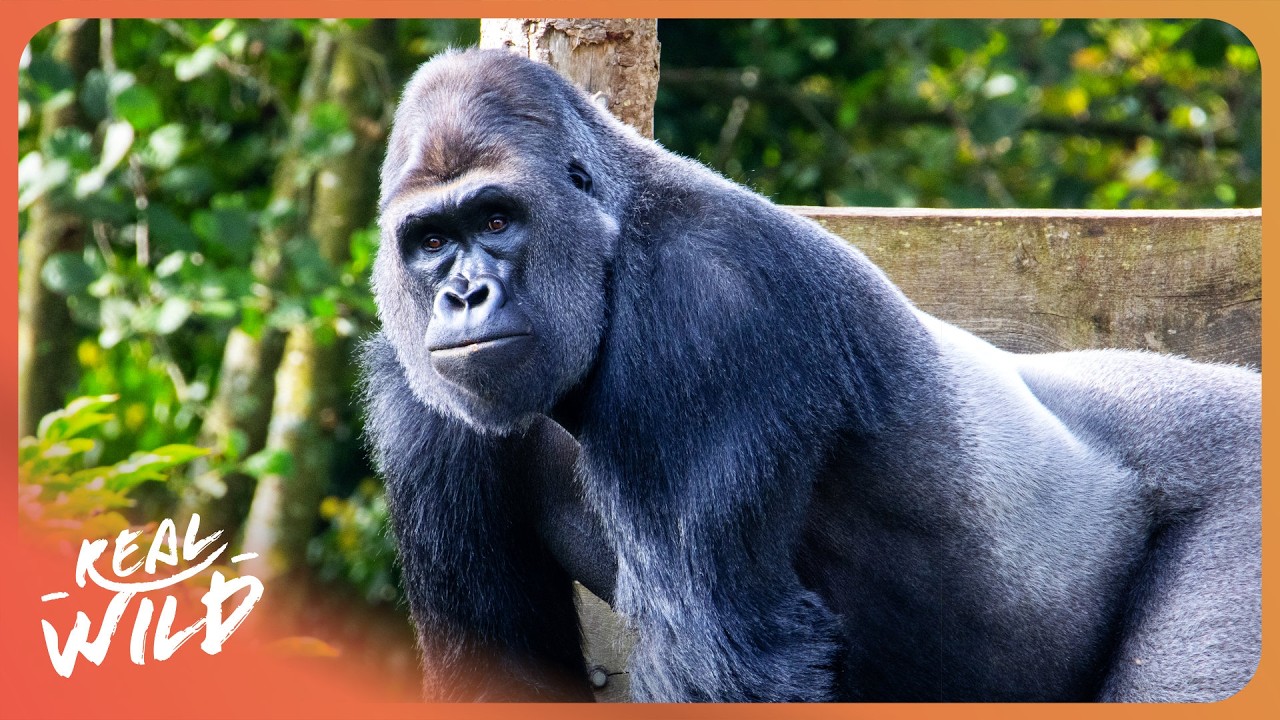
In the northern Republic of the Congo, a unique partnership between local communities and commercial logging has led to the thriving population of 70,000 western lowland gorillas.
Cocoa producers in Ghana face challenges from global warming, illegal mining, and pest infestations, prompting innovative solutions for a sustainable chocolate industry.
New England faces significant climate challenges, as highlighted by experts like David Hughes and Susanne Moser, emphasizing urgent environmental and social issues.
Melting glaciers in the Alpine region are revealing centuries-old artifacts, prompting urgent preservation efforts by archaeologists from the University of Innsbruck.
Wrangel Island, a UNESCO World Heritage Site in the Russian Arctic, hosts a unique ecosystem with around 400 female polar bears and numerous endemic species, now threatened by climate change.
Pierre Girard investigates how integrating cows and sheep into sustainable agriculture can enhance crop yields and reduce carbon emissions in farming practices.