From over 100,000 films, discover the handful you'll love.
Free or premium access to the world's largest documentary library.
1248 films(Page 4 of 26)
The Galapagos Islands, located about 600 miles off the South American coast, are home to unique species like the marine iguana, which can hold its breath for up to 30 minutes.
Shark attack survivors and scientists in Hawaii and California discuss strategies to minimize shark attacks while showcasing the creatures' behavior from a surfboard perspective.
On January 12, 2019, a dead sperm whale carcass was towed eight miles offshore near Oahu, attracting various shark species, including tiger sharks.
Ancient civilizations of the Mediterranean, the lost Amber Room, Venice's maritime history, and the Spanish Armada's clash are explored through ocean drainage.
The Sado River in Portugal has been revitalized into a biodiverse habitat through the efforts of local environmentalists and fisherwomen, enabling the reintroduction of Portuguese oysters.
80 percent of all species in the rainforests of Sulawesi are endemic, found nowhere else on earth, according to research on the Wallace Line.
More people have traveled to the moon than have ever ventured to the deep ocean, which remains one of the last unexplored frontiers on Earth.
Shark divers, including conservationists and thrill-seekers, engage with various species like great whites and tiger sharks, challenging misconceptions about these marine predators.
A female leatherback turtle can lay between 50 and 100 eggs at Shell Beach, which attracts nearly 1,000 turtles each year for nesting.
Freediver Frederic Buyle and cameraman Christian Petron explore marine life in Polynesia, Mexico, and the Mediterranean while collaborating with scientists and locals.
The Greenland shark, a rarely seen species, is the subject of a four-year scientific expedition that captures its elusive behavior in the wild.
Life on the Cape Verde Islands is depicted through José Antonio's lobster diving off Sal and the community's resilience amid environmental challenges.
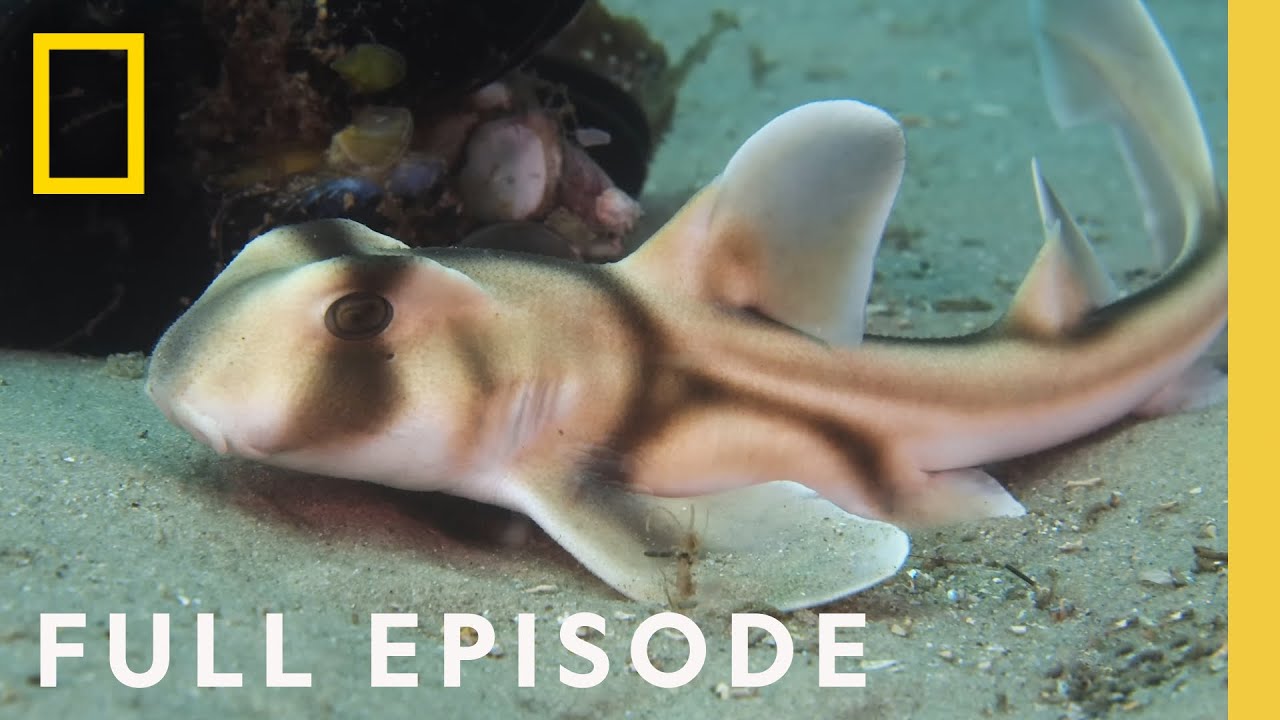
Around 80% of some shark species do not survive to adulthood, facing threats from predators and environmental challenges in their early life stages.
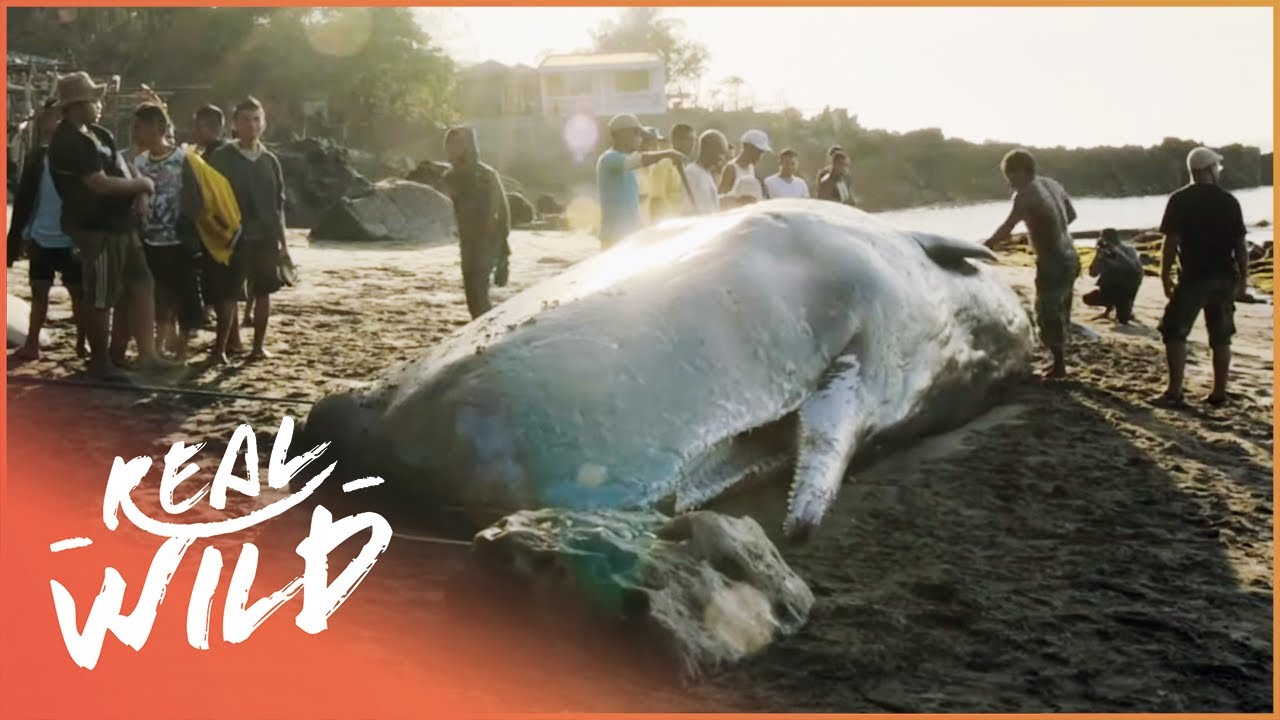
Lamalera, Indonesia, faces a critical intersection of traditional sperm whale hunting and modern conservation challenges as outboard motors threaten marine ecosystems.
5.7 million square kilometers of the Coral Triangle, located between Indonesia, the Philippines, and Papua New Guinea, is home to three-quarters of all coral species.
The Mediterranean Sea has experienced significant ecological changes due to historical events and the introduction of species through the Suez Canal.
Off the coast of Brittany, fishermen like Olivier Mével and storm chaser Jean-René Keruzoré navigate the perilous Raz de Sein, capturing the ocean's fierce beauty and danger.
The sinking of the MV Lucona in 1977 involved a calculated insurance fraud scheme that resulted in the loss of the ship and its crew.
Bermuda, a British Overseas Territory, showcases its unique culture through local traditions, communal gardening, and efforts to revive endangered bird species.
The Deepwater Horizon disaster in April 2010 resulted in the largest oil spill in history, significantly impacting the Gulf of Mexico and surrounding communities.
Oysters first appeared on Earth 200 million years ago, and humans have gathered them as a food source since the Neolithic Age.
More than 20,000 km are covered by a camera team traveling through remote Pacific islands, including Hawaii and the Cook Islands, with a population of 1.5 million.
Sharks, often misunderstood, exhibit a range of behaviors from serene gliding to rapid predatory strikes, showcasing their role in marine ecosystems.
Australia's Great Barrier Reef and Ningaloo Reef are explored through vibrant coral ecosystems and diverse marine life, guided by underwater specialist Paul Waghorn.
Tara Keir paints an octopus, inspired by Paul Rudd's narration in "Secrets of the Octopus," highlighting the species' beauty and ecological importance.
The crew of the fishing trawler "Iris" catches 28 to 30 tons of pollock every 24 hours while facing dangerous conditions at sea.
Jacques Cousteau's documentary helped raise the manatee population in Florida to around 5,000 by inspiring efforts to protect these animals from human threats.
Tanzania's diverse ecosystems are showcased through the experiences of photographer Javed, natural history expert Pascal, and marathon runner Simon.
The Coordination Centre for the Study and Protection of Marine Species in Luarca houses the world's largest collection of giant squid, totaling 19 specimens.
A hectare of Neptune grass meadows in Corsica supports a diverse range of marine life, including the world's largest shellfish, the noble pen shell.
Seventeen colossal Olmec heads, some weighing up to 40 tons, have been discovered in Veracruz, Mexico, with more possibly still buried underground.
Anuta, a remote island in the South Pacific, showcases sustainable practices among its inhabitants while highlighting global conservation challenges faced by the Sedna IV team.
In the warm Pacific off Maui, a humpback whale mother navigates a 5,500-kilometre journey to Alaska's feeding grounds while caring for her calf.
A white ocean roughly 300 kilometers long and 150 kilometers wide freezes over in the Gulf of Bothnia by the end of February.
In Belize, Explorer Jamal Galves discusses his lifelong commitment to protecting manatees during a live conversation with host Lizzie Daly.
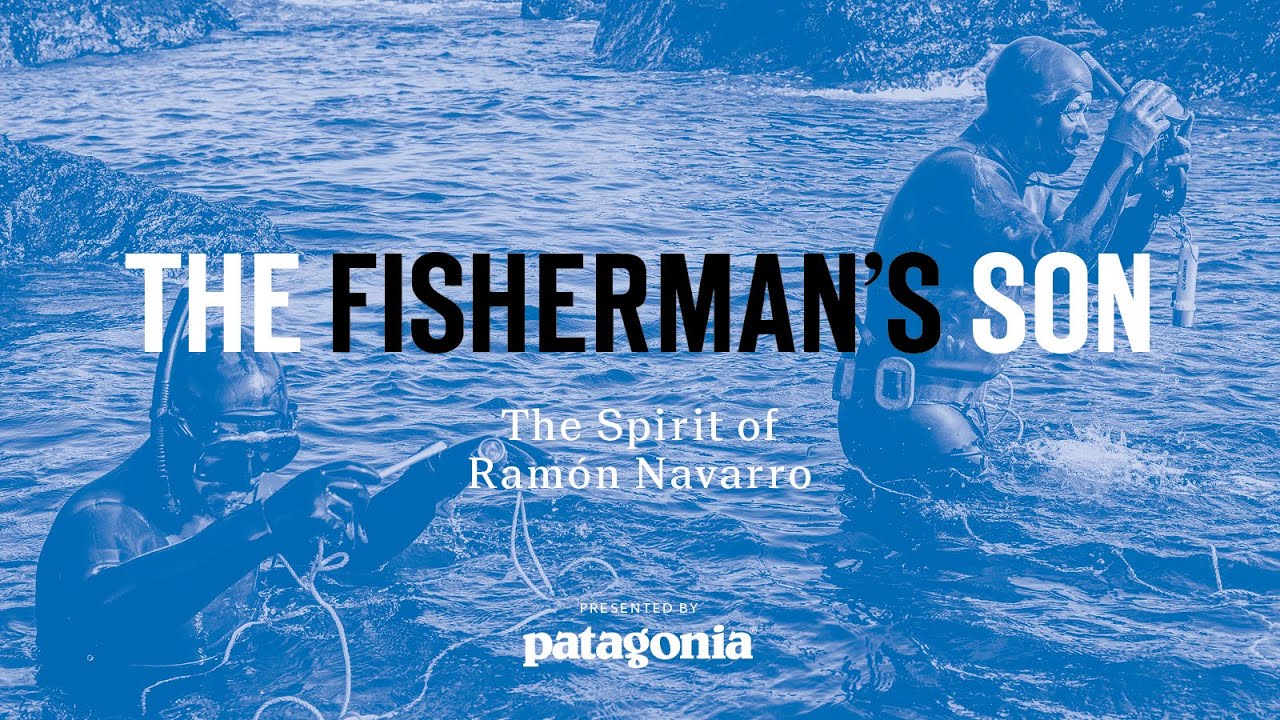
Ramon Navarro fights to protect Pichilemu's La Puntilla from a sewage pipeline threat.
Lofoten is a rugged archipelago in the Norwegian Arctic Ocean, accessible via the Maelstrom.
497 people drowned when the Royal Charter sank in 1859, taking with it over 130 million Australian dollars worth of gold still lost at sea.
The Atlantic's warm currents create a unique climate along the coasts of Spain and Portugal, supporting diverse wildlife from sperm whales to the Iberian Lynx.
Explorer Dr.
Seven different bull sharks have been spotted in a golf course lake, prompting investigations into their unexpected presence in freshwater environments.
In Belize, researchers and conservationists work tirelessly to protect the endangered manatees, highlighting their efforts aboard the Sedna IV.
Blue sharks migrate annually to seamounts in the Mid-Atlantic Ridge, where nutrient-rich waters create fertile feeding grounds for various marine species.
In the rain forests along the northern Pacific, a newly identified subspecies of gray wolf exhibits unique behaviors such as swimming and fishing for salmon.
In the depths of the ocean, Blue Planet II showcases a variety of marine life, including bioluminescent fish and the venomous Portuguese Man O' War.
Goran Safarek conducts a bird count of gray herons and night herons in Kopački rit Park, a vast wetland sanctuary in eastern Croatia.
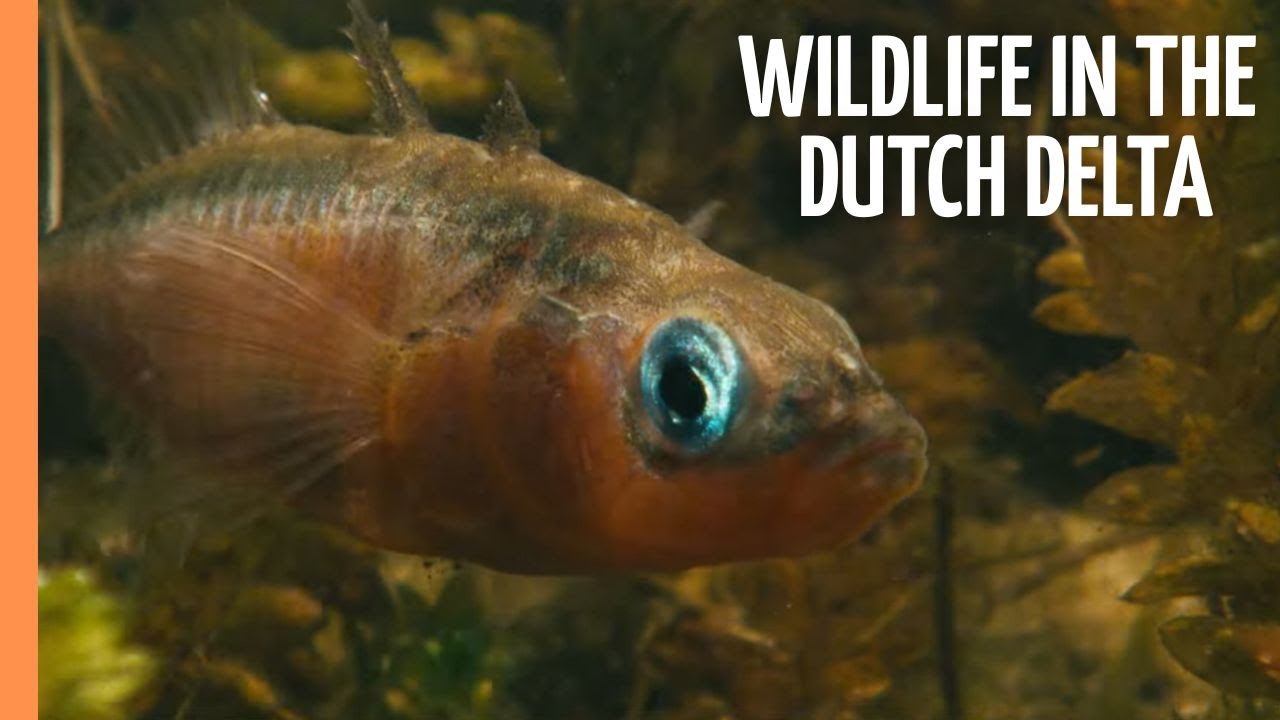
A shoal of sticklebacks must navigate strong currents and man-made barriers to reach their breeding grounds in the Dutch Delta.
A bull shark chased and killed a 12 to 13-foot great hammerhead in a rare encounter captured on video in spring 2021.