From over 100,000 films, discover the handful you'll love.
Free or premium access to the world's largest documentary library.
1248 films(Page 20 of 26)
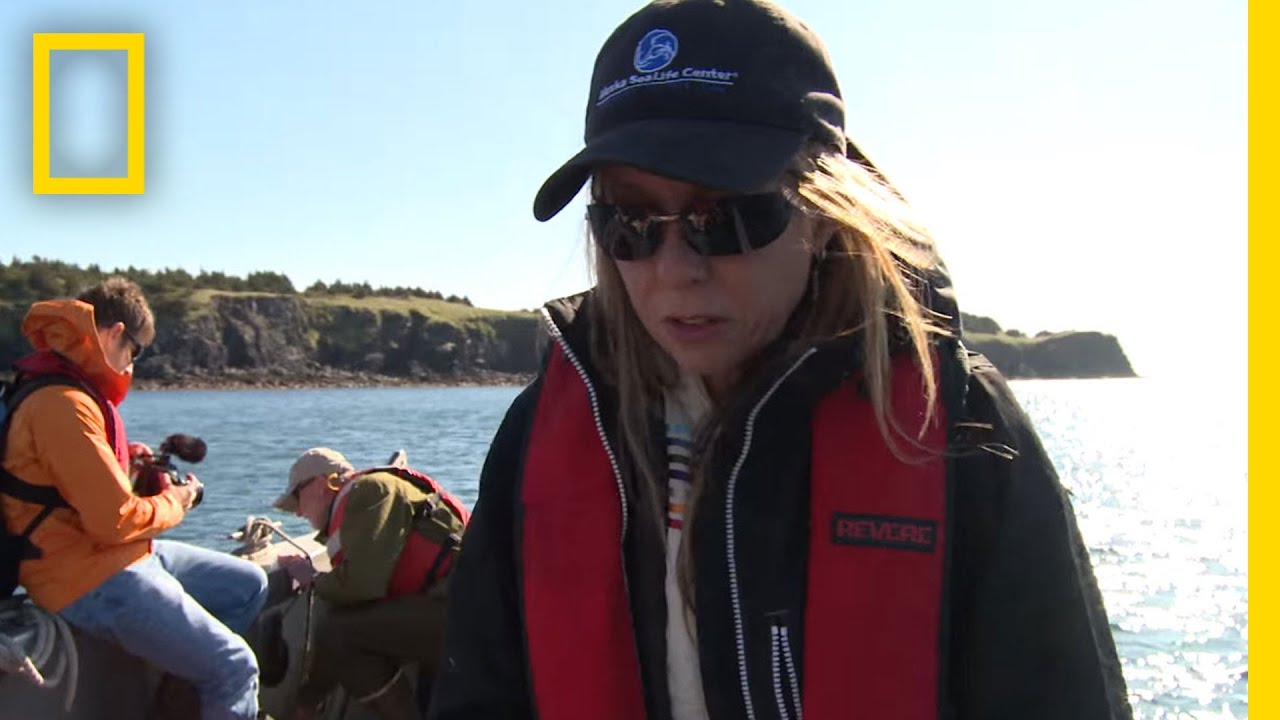
Since 1962, almost 300,000 sharks have been tagged in research efforts, raising questions about the need to kill sharks for scientific purposes.
Cetaceans, including dolphins and elephant seals, display intelligence and survival strategies that challenge the belief that primates are the smartest animals.
Dolphin intelligence is showcased through their ability to learn English symbols and collaborate in hunting strategies, as captured by photographer Brian Skerry.
Benedict Cumberbatch and Valentina Gottlieb discuss ocean noise pollution and education.
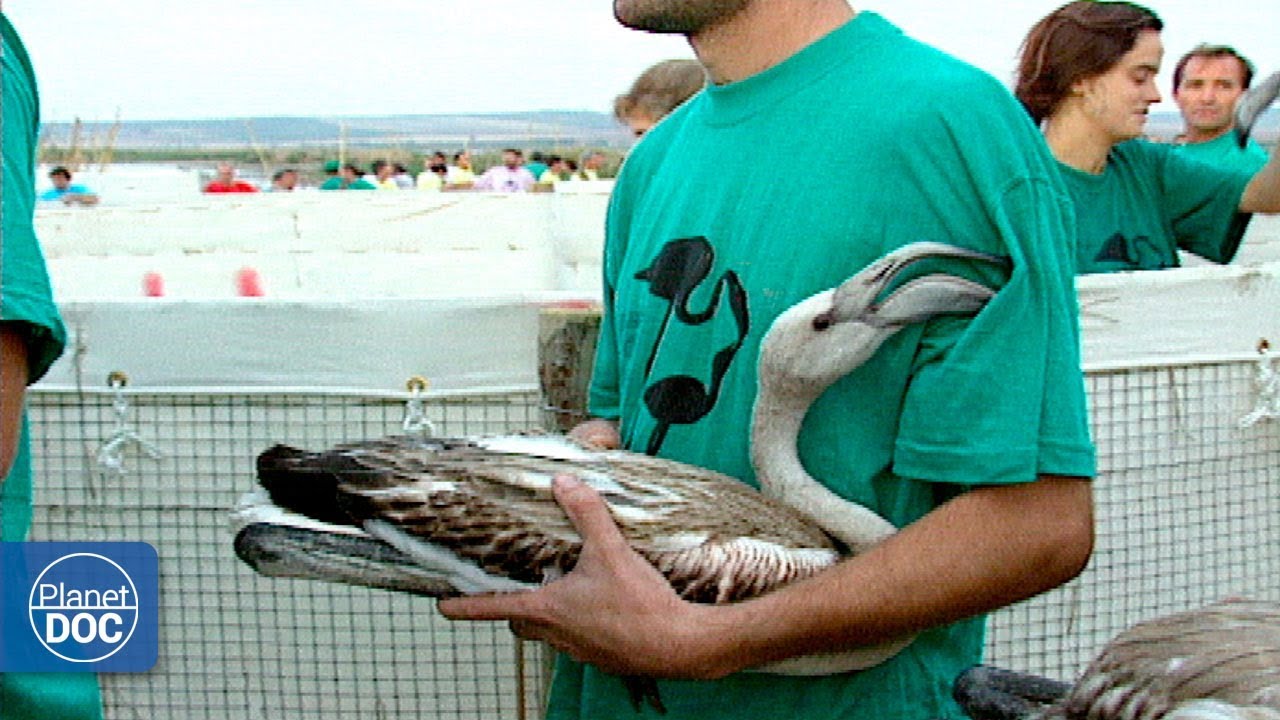
The Ebro delta in Spain transforms from estuary to delta, vital for migratory birds.
The Valdés peninsula's coast supports diverse marine life, including elephant seals and sea lions.
Scientists warn that the Great Barrier Reef, the largest coral reef in the world, is deteriorating due to global warming and rising ocean temperatures.
Enric Sala explores the Pitcairn Islands' waters, revealing that its delicate ecosystem faces significant threats despite its reputation for being pristine.
Ivan Gjorgievski endured 18 hours in the Aegean Sea after a rip current swept away his friend during a birthday celebration in Greece.
Over two years, Explorers Thomas Peschak, Fernando Trujillo, Thiago Silva, and Julia Tavares studied the Amazon River Basin across six countries.
Baja California's coastal deserts feature unique ecosystems, including diverse cacti, rattlesnakes, and marine turtles, highlighting the region's biodiversity.
's Explorers Festival on June 15, 2017, featured discussions and presentations by renowned scientists and innovators, including Lee Berger and Sarah Parcak.
Advancements in technology and research reveal the complex interconnections of the deep sea food web, highlighting the roles of photoautotrophs, consumers, and unique ecosystems like whale-falls.
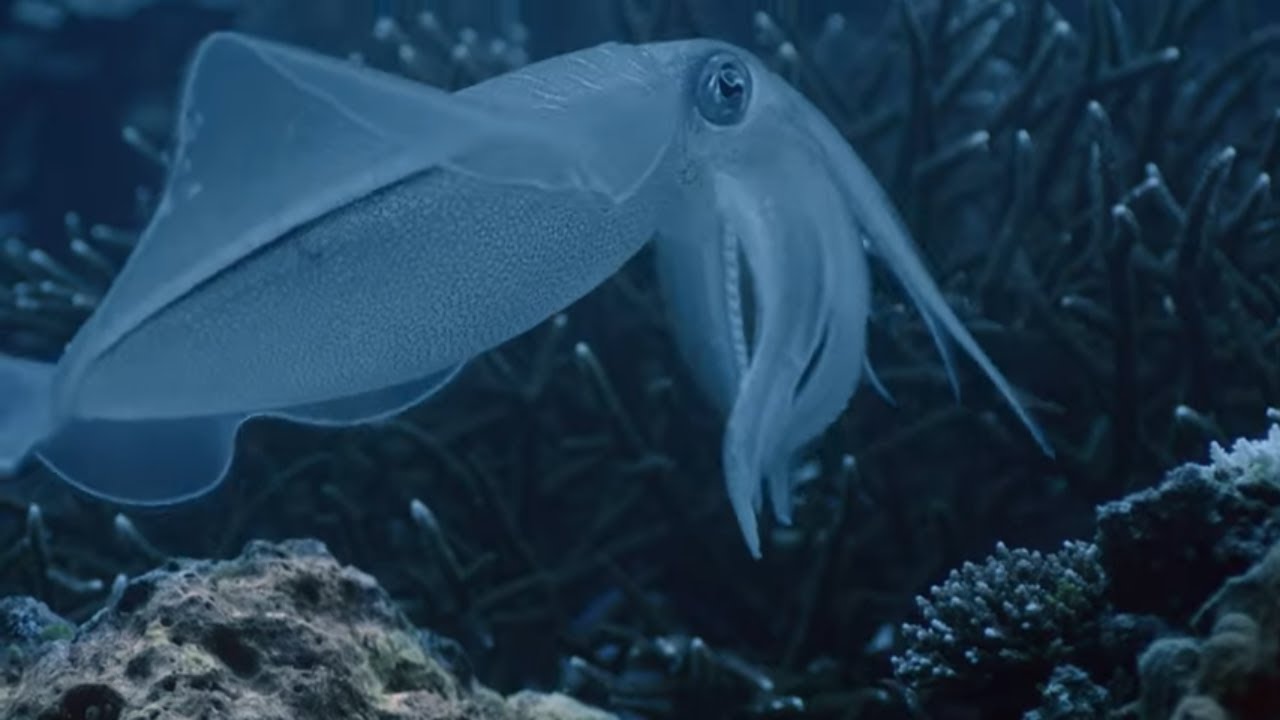
Squids, remarkable cephalopods known for their beauty and complexity, can consume over 30% of their body weight daily, primarily feeding on fish and crustaceans.
A 240-mile run to St George and St Paul tests the endurance of crab fishermen as they face freezing temperatures and icy waters in the Bering Sea.
Patagonia's crew tests Fair Trade Certified gear on a Cabrinha Quest expedition in Micronesia.
A Spanish video discusses the saltwater crocodile's conservation and economic impact.
More than three tons of fish were caught by the Saint fishermen on the first day of the tuna season, a tradition passed down for five generations.
In the waters between Java and Sumatra, fisherman Sawa and his children engage in the dangerous practice of shark finning, highlighting the challenges of their livelihood.
Seven family members collaborate on a seaweed farming project to improve coastal environments and address the decline of marine ecosystems.
A 12-foot sleeper shark is filmed at the ocean's surface, marking a rare encounter with this elusive species during Shark Week 2023.
Lolita, an orca, has performed at Miami Seaquarium up to three times a day for 43 years, drawing thousands of visitors each week.
A 600-meter climb leads islanders to a fertile garden where taro, a staple food, is grown and harvested year-round on the rugged island of Futuna.
Five million years ago, the Galapagos Islands emerged from the sea, evolving unique species due to their geographical isolation from the continent of America.
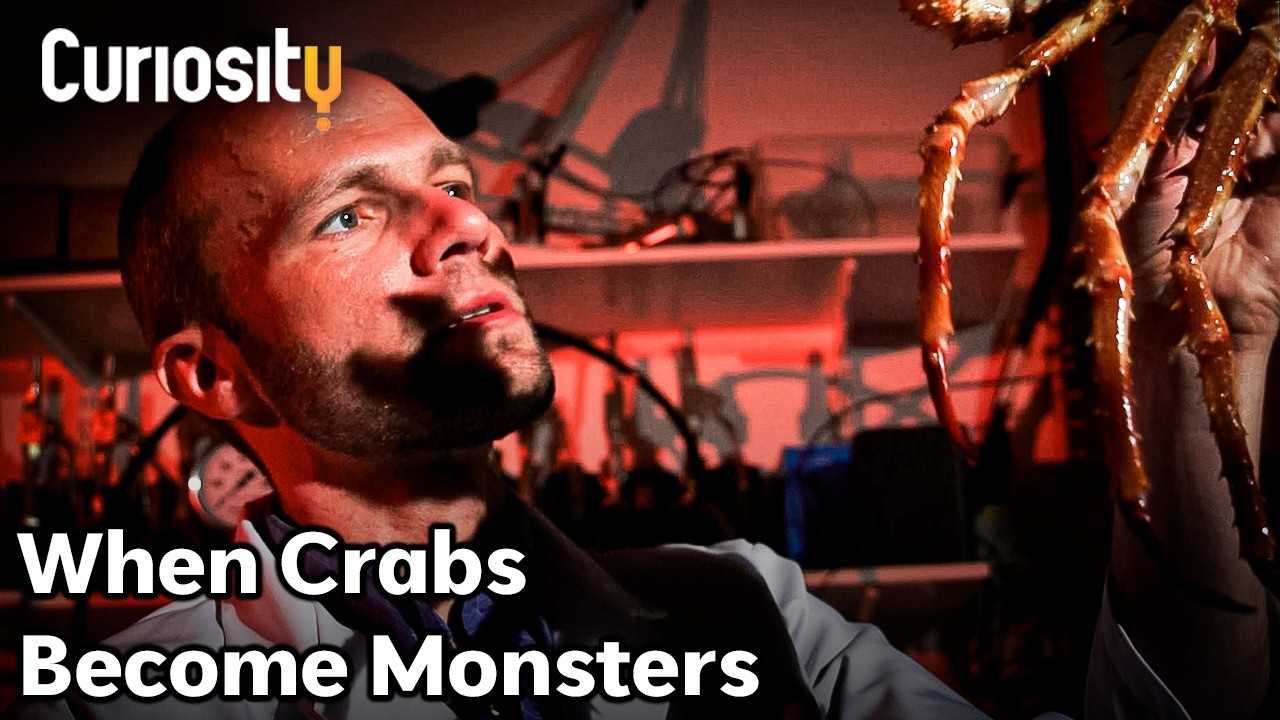
Monster crabs invade the Pacific and Atlantic, causing ecological devastation in their wake.
In the deep ocean surrounding Antarctica, polar gigantism leads to the existence of enormous invertebrates thriving beneath the ice sheets.
500 meters off the coast of Cabo Pulmo, divers encounter bull sharks in a marine sanctuary that has recovered from overfishing.
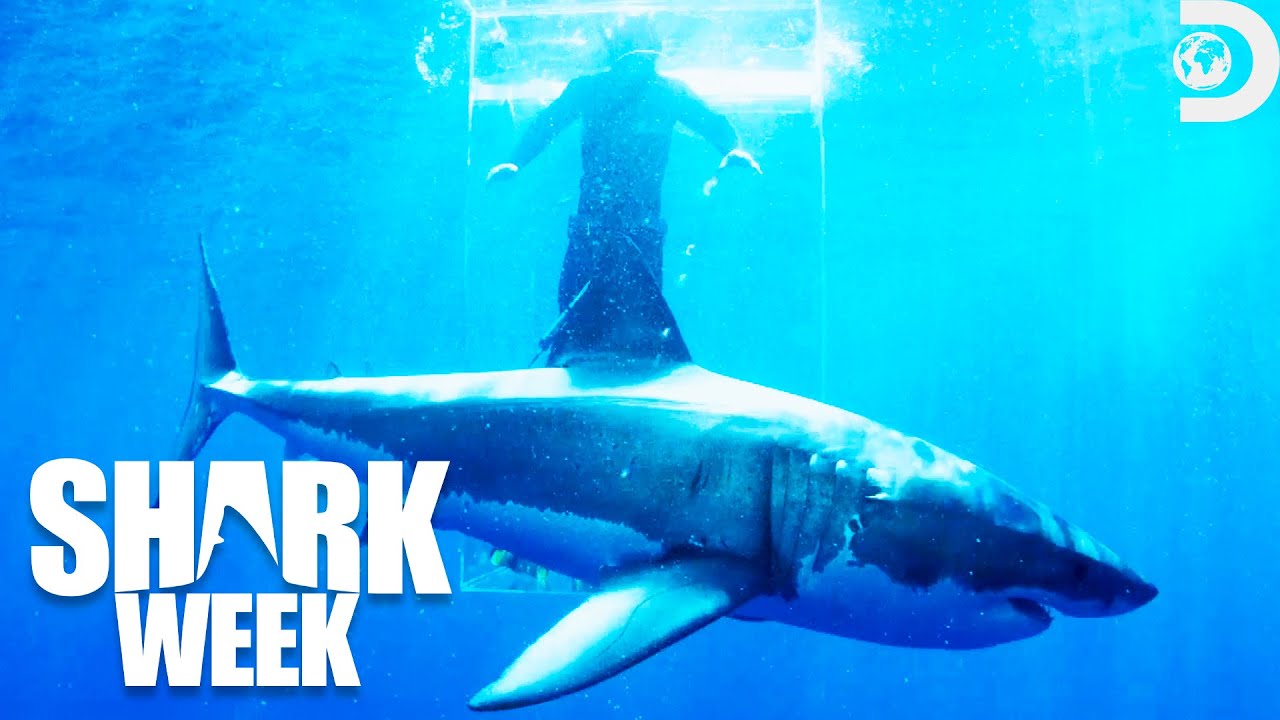
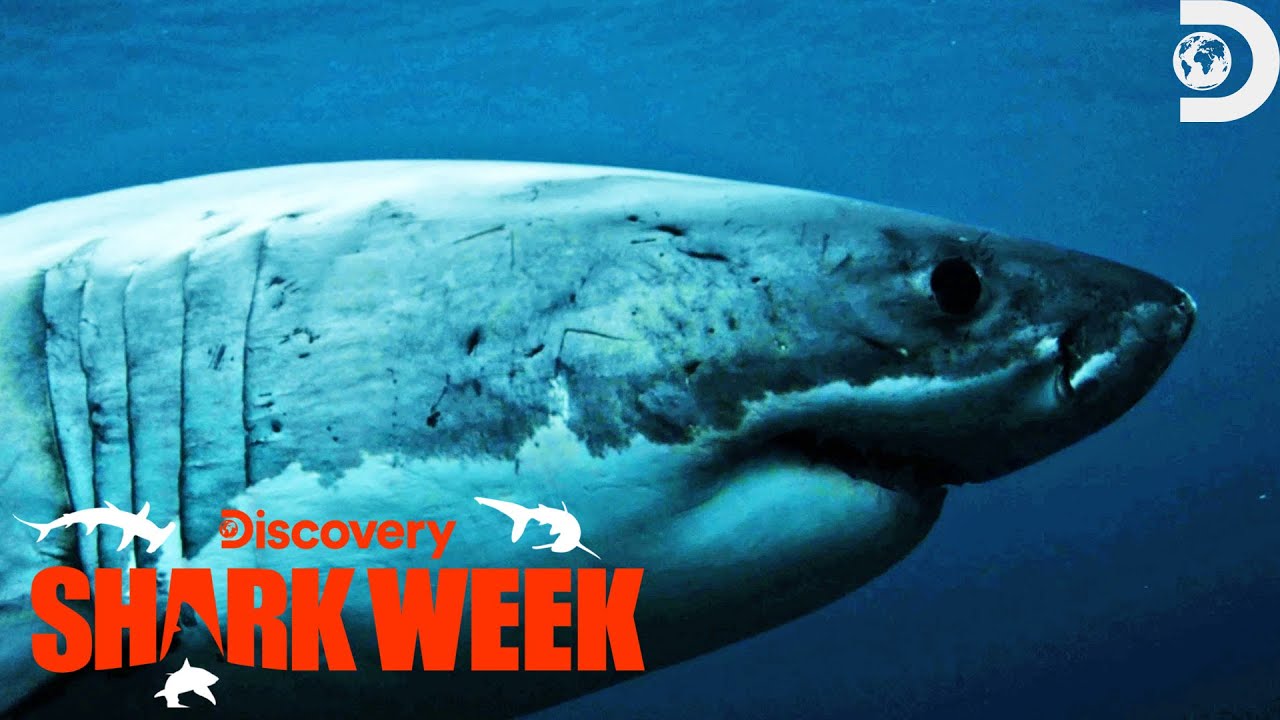
A great white shark damaged a robotic submarine at 300 feet deep during a tracking mission, marking a notable moment in Shark Week 2021.
99% of Oceanic Whitetip sharks have declined since the 1970s, putting them on the verge of extinction due to overfishing and habitat loss.
A 16-foot great white shark was spotted off Bali's coast, prompting researchers to investigate its hunting behavior in tropical waters.
In remote Alaska, a team of scientists and artists from investigates marine debris from the Pacific Ocean's gyres to create awareness through art.
Dozens of pounds of chum are released in an instant, triggering a feeding frenzy among sharks while visibility drops significantly.
400 families in Punto Piedra, Honduras, live without running water or electricity while preserving their Garifuna culture and traditions.
Bonaire's National Marine Park, established in 1977, protects coastal waters up to 60 meters deep, supporting some of the healthiest coral reefs in the Caribbean.
Hot Pink Dolphins fights to save Jeju Island's dolphins from habitat loss and development.
Tiny exoskeleton fragments may have enabled ancient microbes to travel across the ocean, significantly impacting Earth's ecological history.
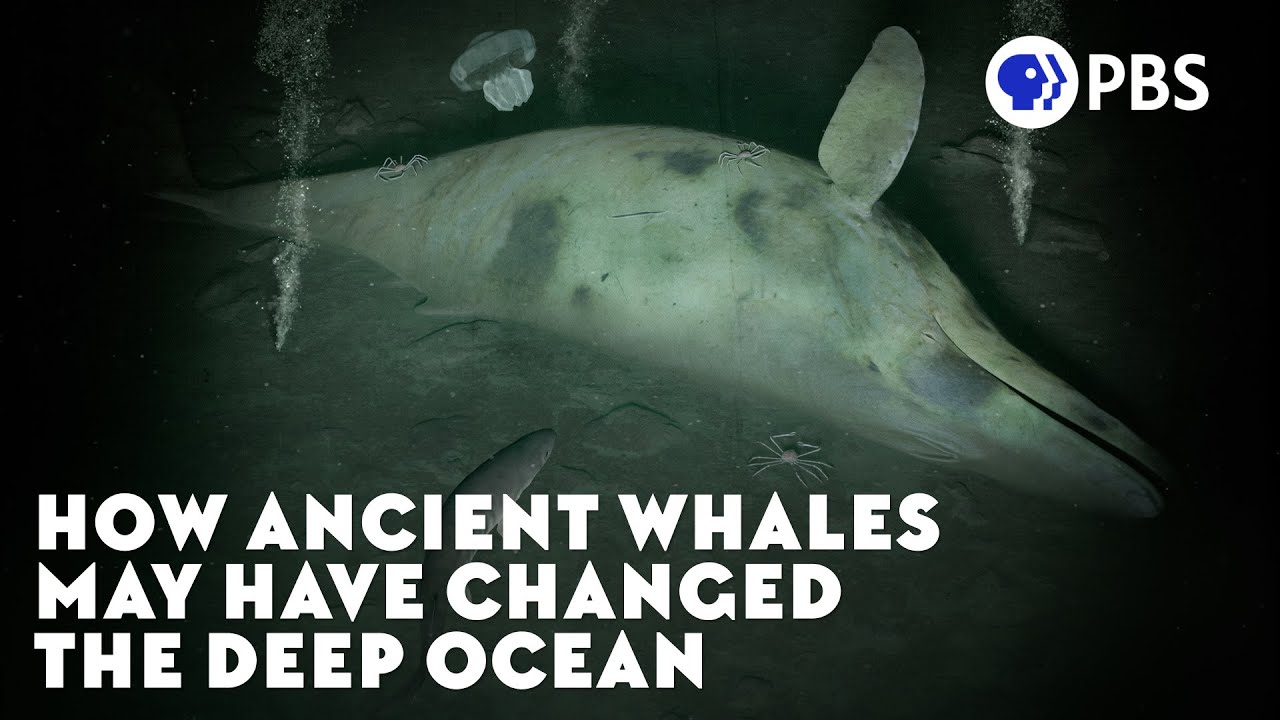
The evolution of ocean-going whales like Borealodon has significantly influenced deep ocean communities, particularly around geothermal vents, following their death.
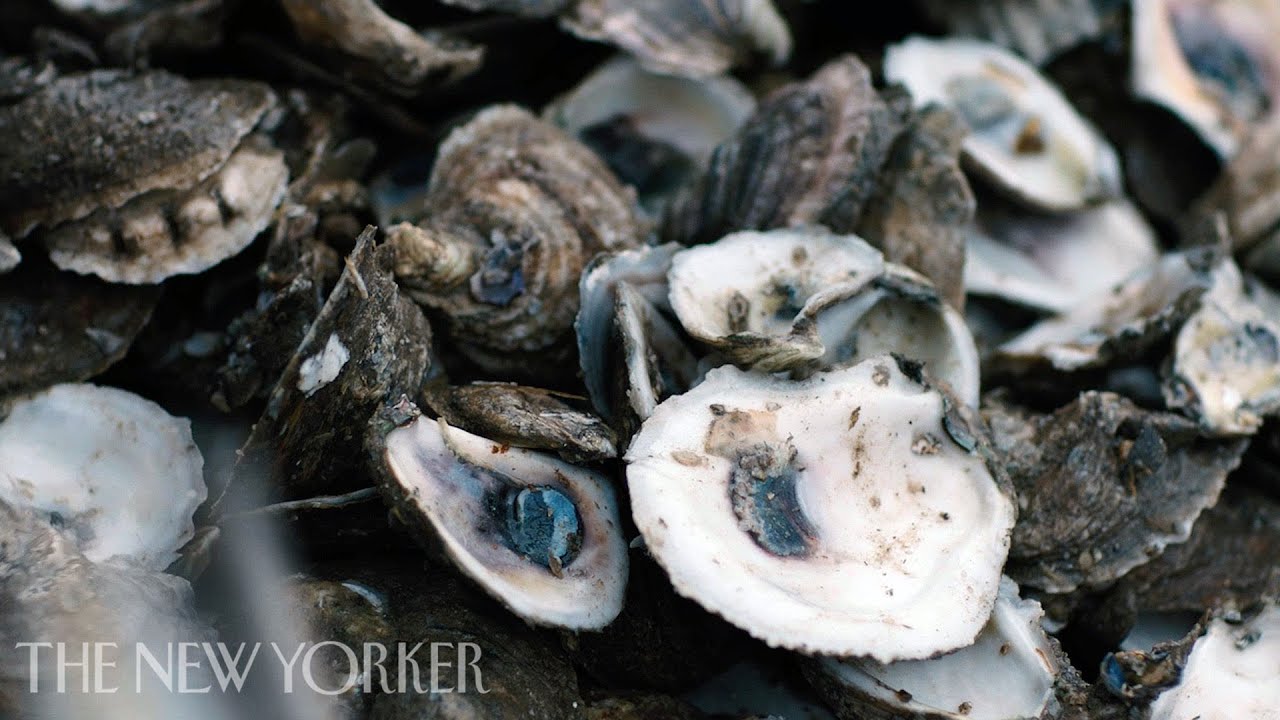
Oysters were a primary food source for Native Americans in Louisiana long before commercial harvesting began, with traditional methods using sails to pull dredges.
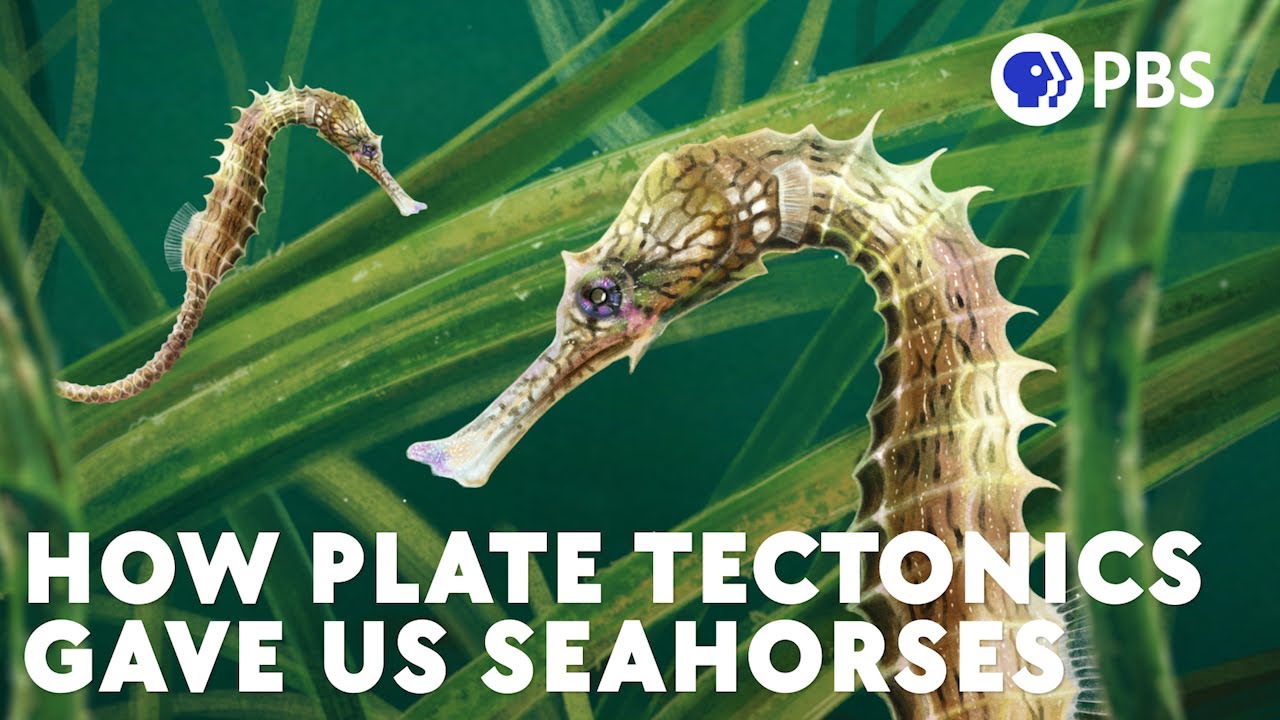
Seahorses, known for their poor swimming abilities, have a complex evolutionary history that reveals their global distribution and origins, as explored by Eons and Franz Anthony.
Gibbs Kaguru faced a choice between a Pre-Med program and diving with sharks in South Africa, leading to his research on their color-changing abilities.
During the golden age of sharks, diverse species thrived in Earth's oceans, but most of that remarkable variety was lost over time.
At Cerro Ballena in Chile, over 40 skeletons of marine mammals from the Late Miocene Epoch reveal insights into the environmental changes that may have contributed to their demise.
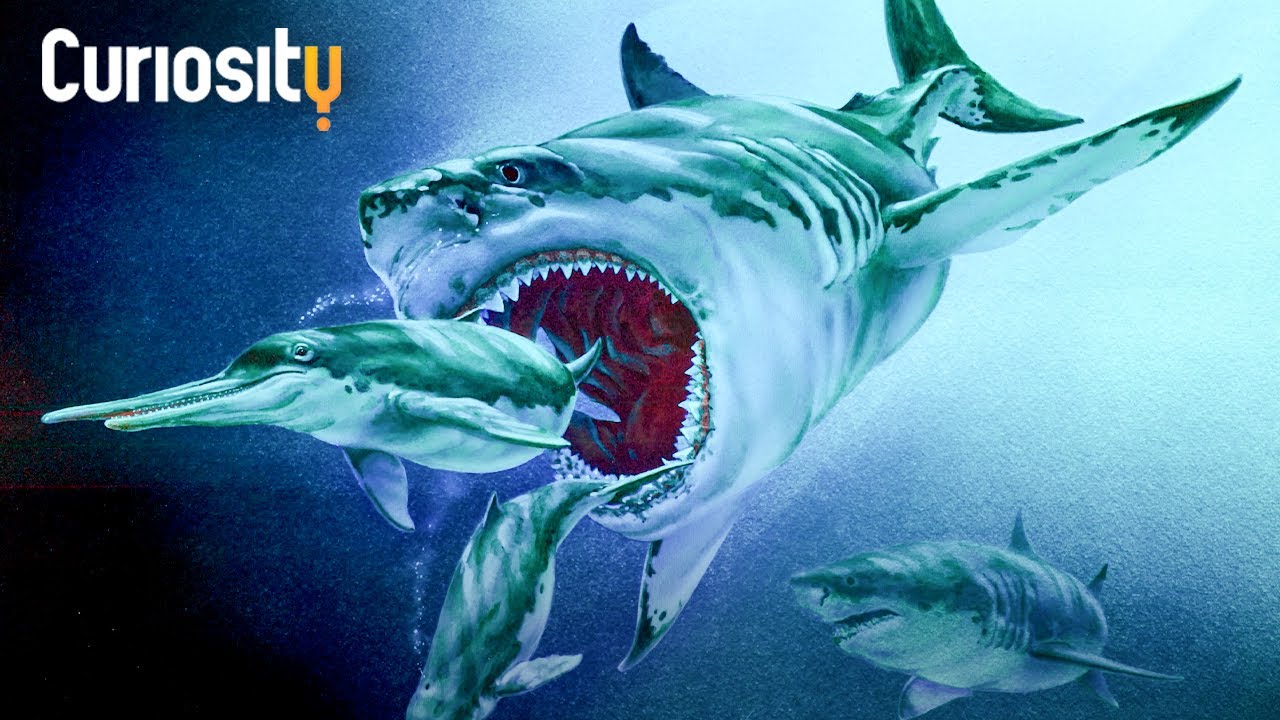
Megalodon, an enormous prehistoric shark, is examined through comparisons with modern great white sharks and insights from global tooth analysis to understand its size and dominance.
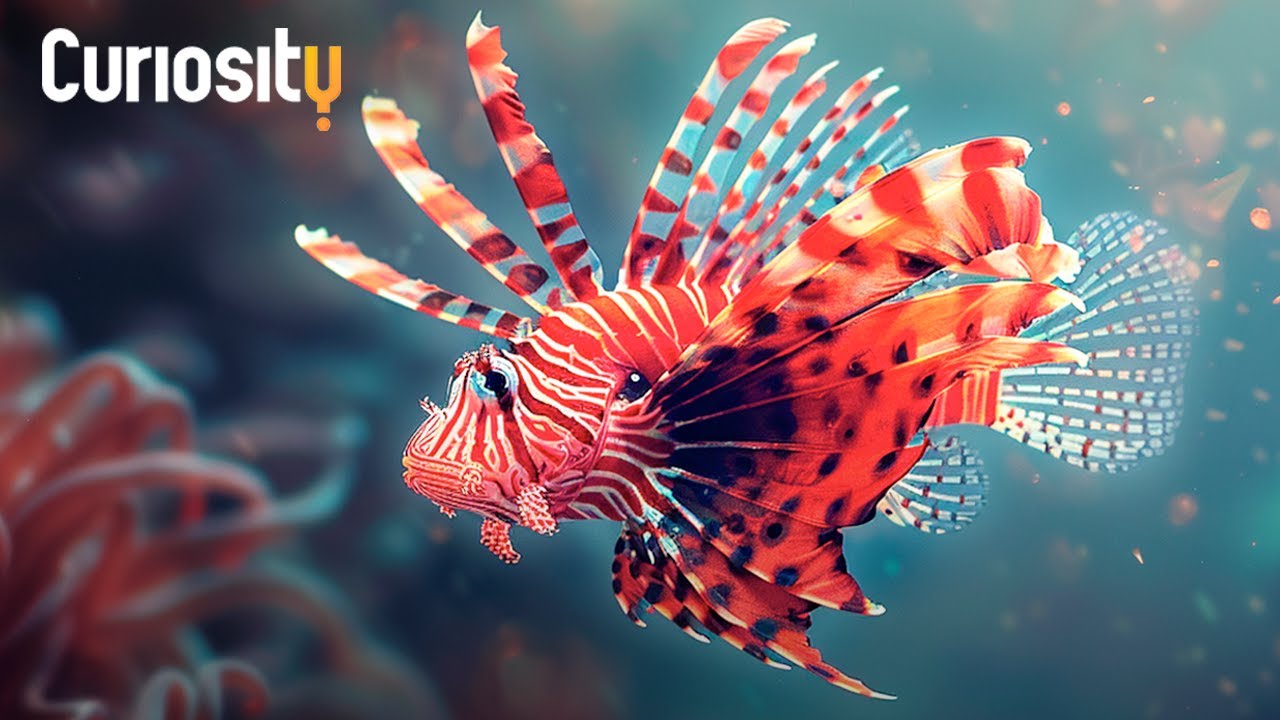
A single red lionfish can reduce native plant-eating fish populations by 79%, leading to unchecked algae growth on coral reefs.
Starfish, with a history spanning nearly half a billion years, illustrate the deep evolutionary connections among familiar marine animals.
The evolution of walruses over nearly 20 million years reveals that their tusks are not linked to their feeding habits, challenging previous assumptions.
In southernmost cities like Urichi Beach, Lloyd Esla searches for ambergris, a valuable substance from sperm whales sought after by the luxury perfume industry.
Turtles possess unique adaptations and survival strategies that enable them to thrive in diverse ecosystems around the world.