From over 100,000 films, discover the handful you'll love.
Free or premium access to the world's largest documentary library.
1248 films(Page 5 of 26)
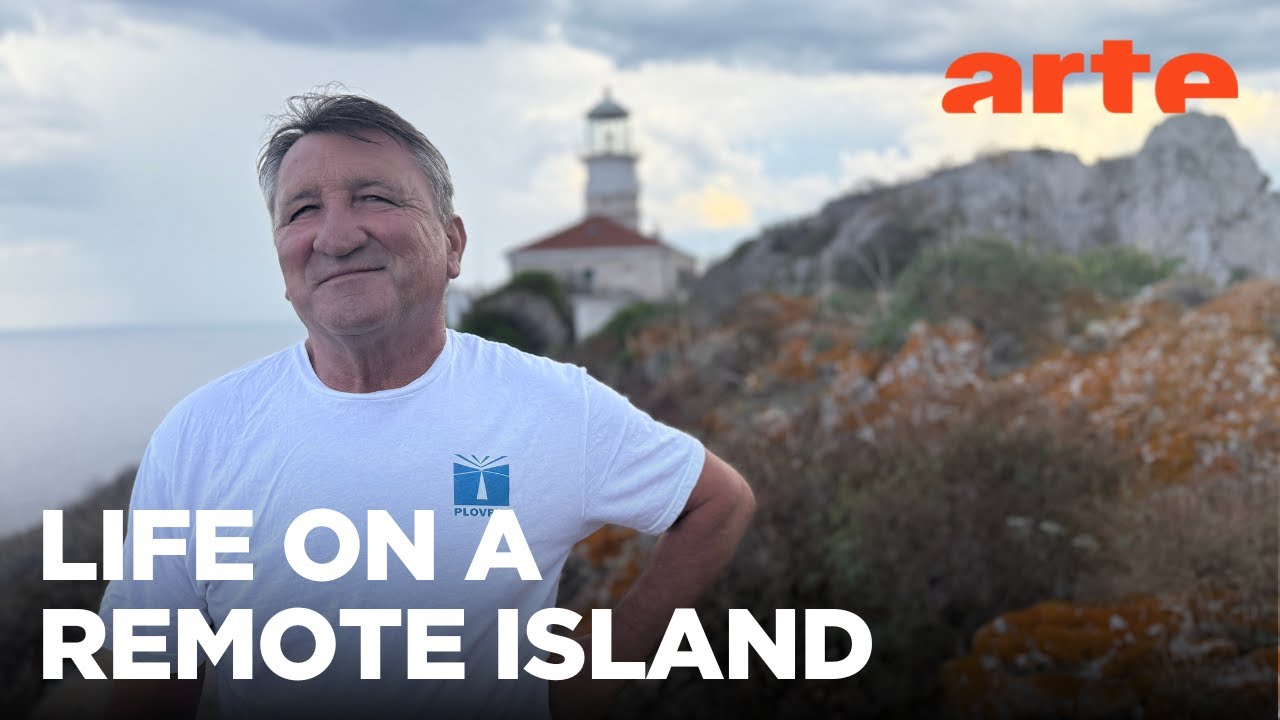
Palagruža, a remote island in the Adriatic Sea, is home to Vojo Šain, Croatia's last lighthouse keeper, who has dedicated 26 years to maintaining its historic lighthouse.
Ecuador's Amazon rainforest covers the eastern third of the country at an average elevation of 300 meters, while the Andes rise to nearly 6,000 meters.
Since the 1930s, the sea level along the Mississippi River has risen by about 9 millimeters each year, resulting in the loss of approximately 5,000 square kilometers of land.
A leopard seal weighing 400 kilos hunts young penguins in the Antarctic waters, where survival is a constant struggle for both predator and prey.
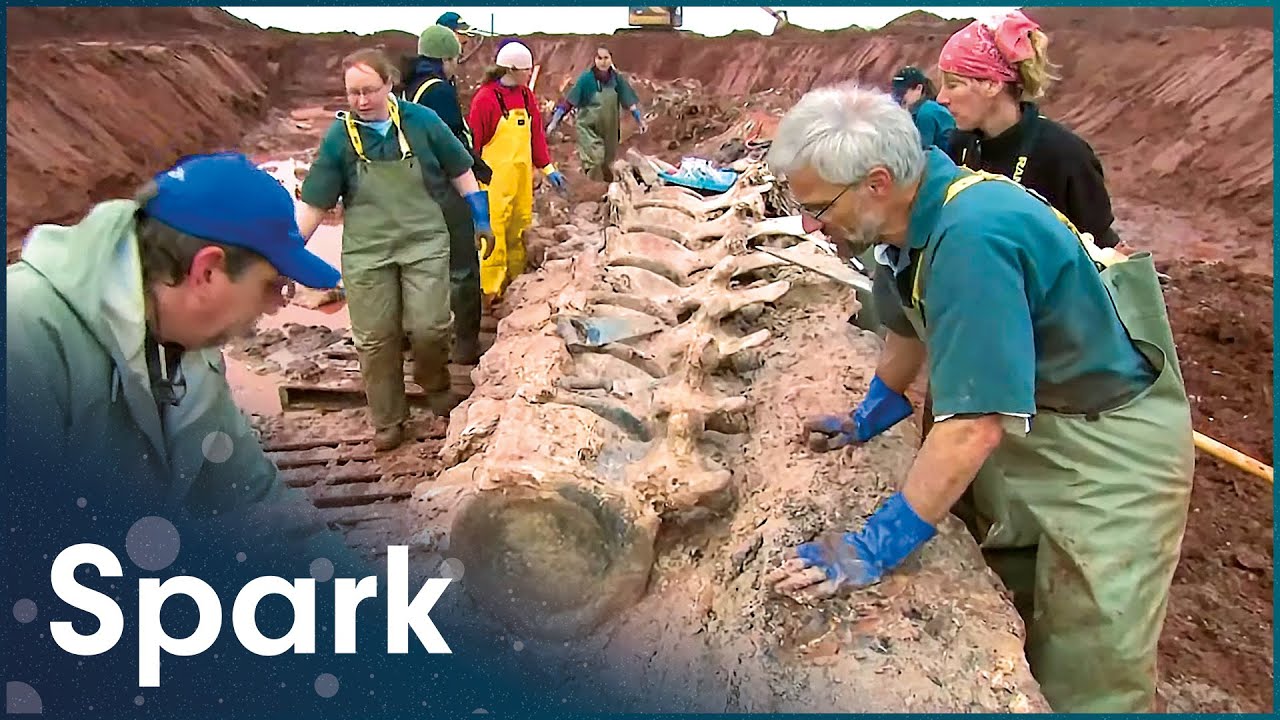
An 85-foot blue whale skeleton, weighing over 150 tons, is reconstructed for display at the University of British Columbia's biodiversity museum.
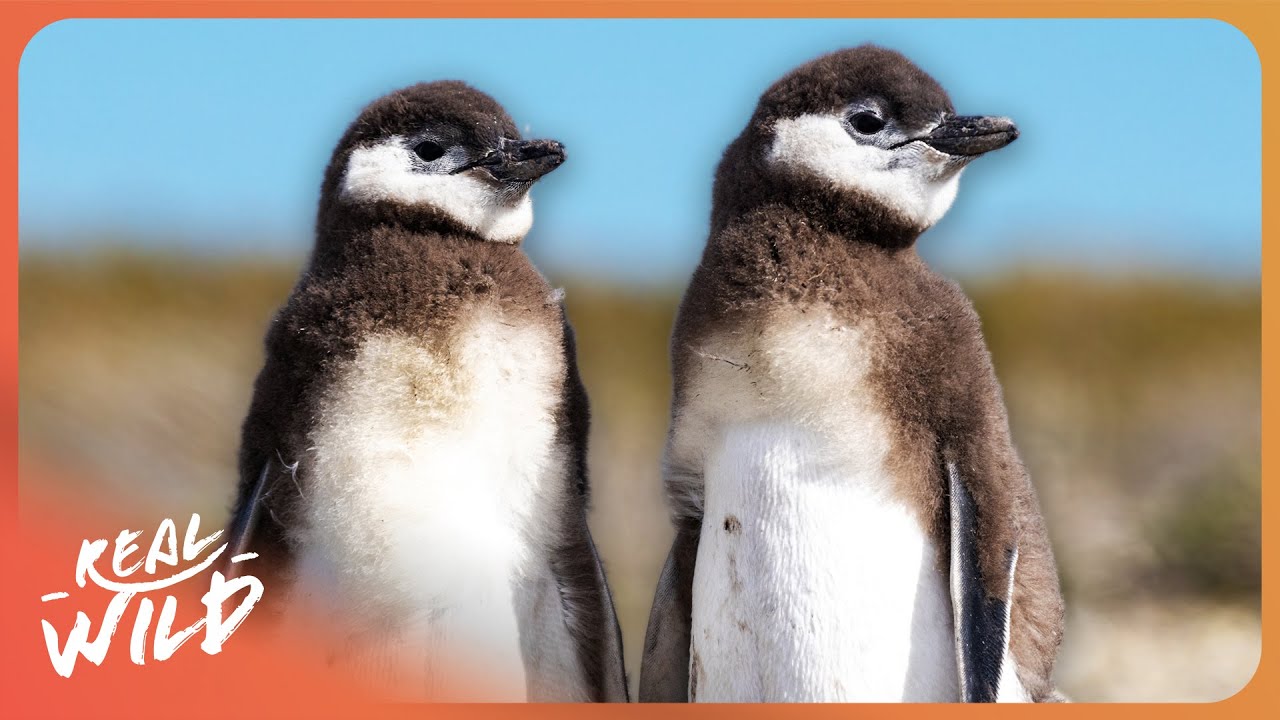
In a special compilation by , three episodes explore the social structures of Savanna elephants, the intelligence of octopuses, and the risk-taking behaviors of penguins.
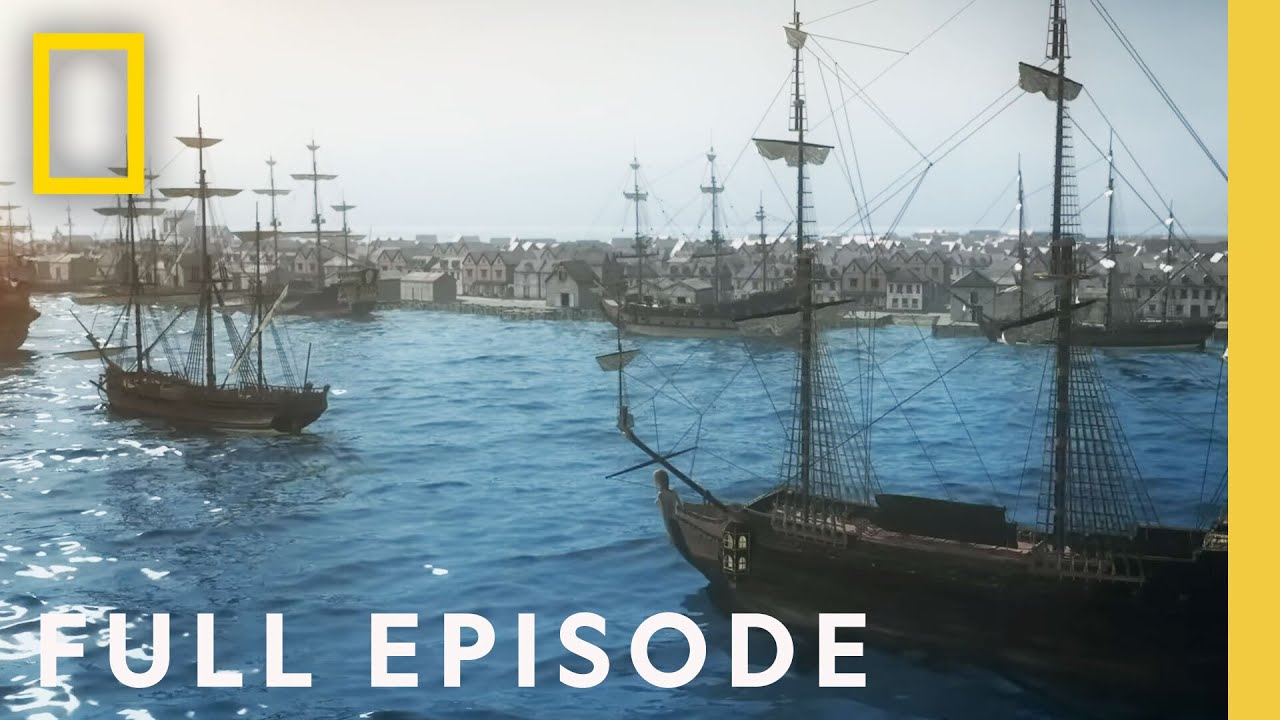
On June 7, 1692, a massive earthquake destroyed two-thirds of Port Royal, sending the city to the ocean floor in just two minutes.
93% of Mediterranean fish stocks are overfished, leaving Greek fisher Evgenia Floris with only 5 kilos of fish worth 15 euros after a long day at sea.
Shark Behaviorist Erich Ritter challenges traditional views on shark behavior and safety through his research and the educational framework ADORE-SANE, following his own bull shark attack.
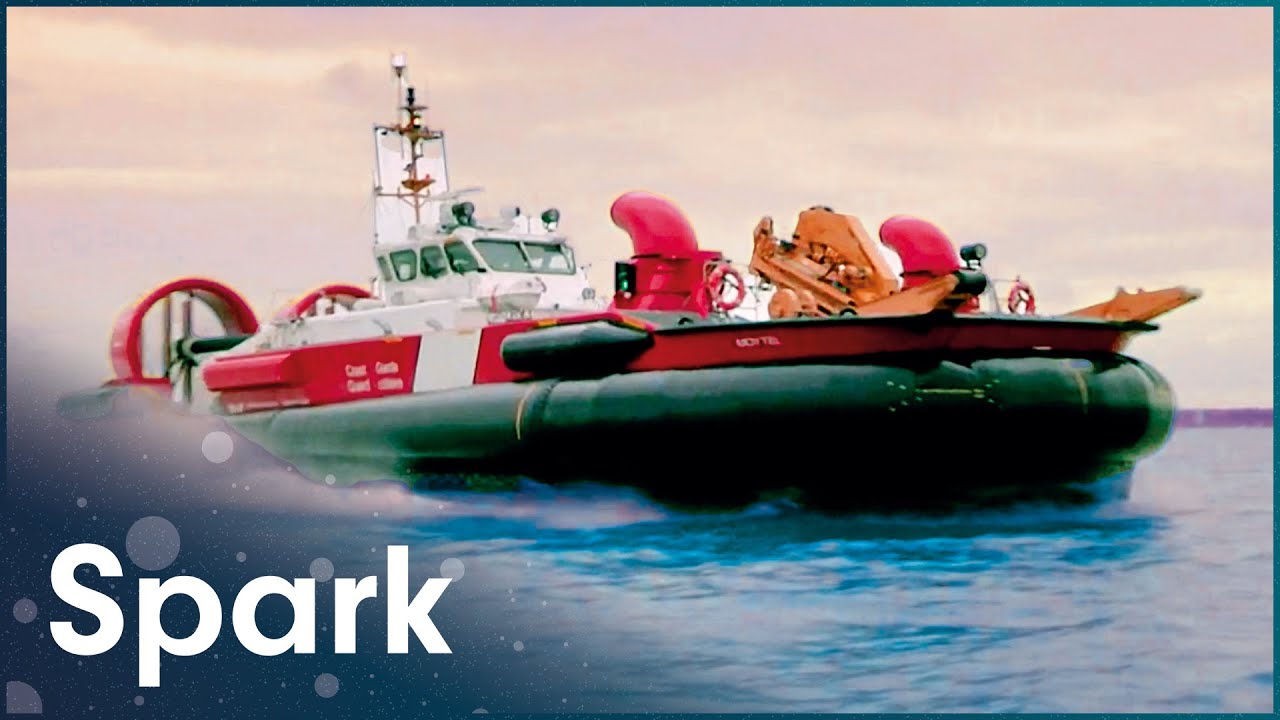
Engineers transport a new Search & Rescue Hovercraft from Southampton to Vancouver, Canada.
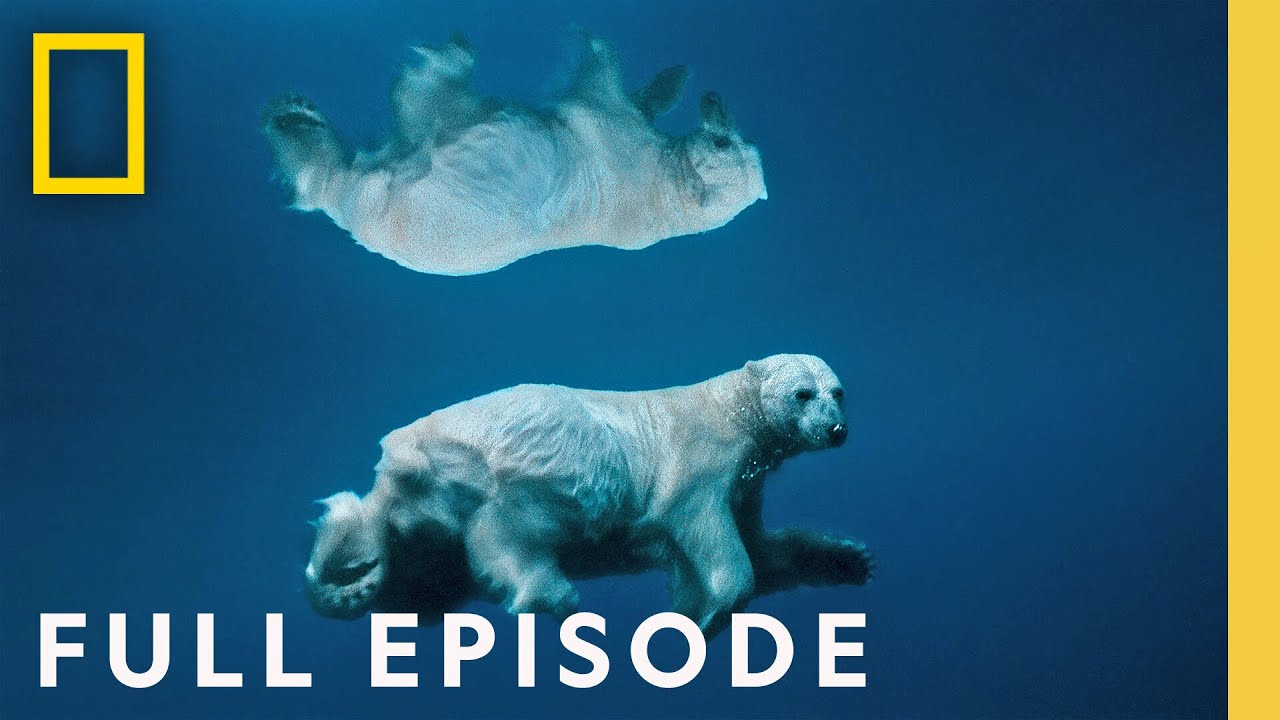
Walruses, weighing up to 1,500 kg and equipped with formidable tusks, are studied by Australian biologist Jason Roberts in the challenging Arctic environment of Spitsbergen.
Orca whales along the Pacific Coast are facing extinction due to declining chinook salmon populations, exacerbated by four dams disrupting their habitat.
The search for alien life focuses on water sources in the solar system, especially Europa.
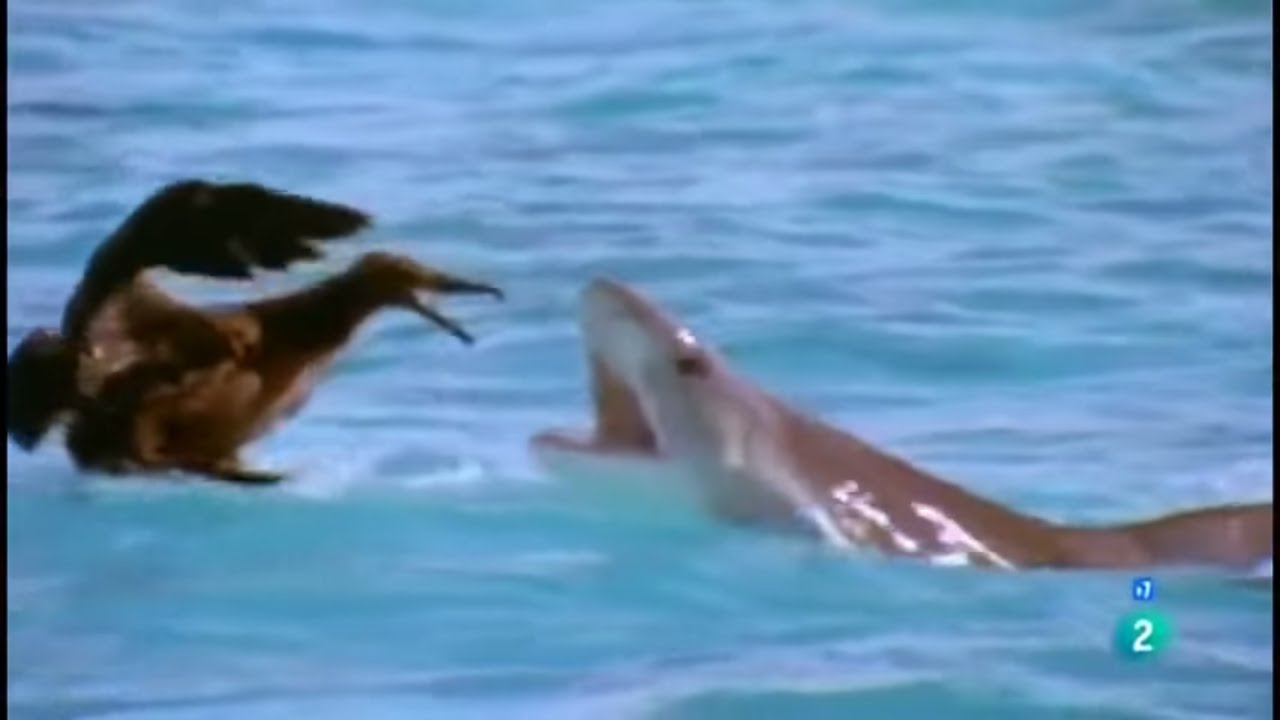
El Pacífico es el escenario de la desigual batalla entre tiburones y sus presas en el océano.
200 sharks will be equipped with radio tags to help scientists understand their behavior and protect their habitats in New Caledonia's lagoons.
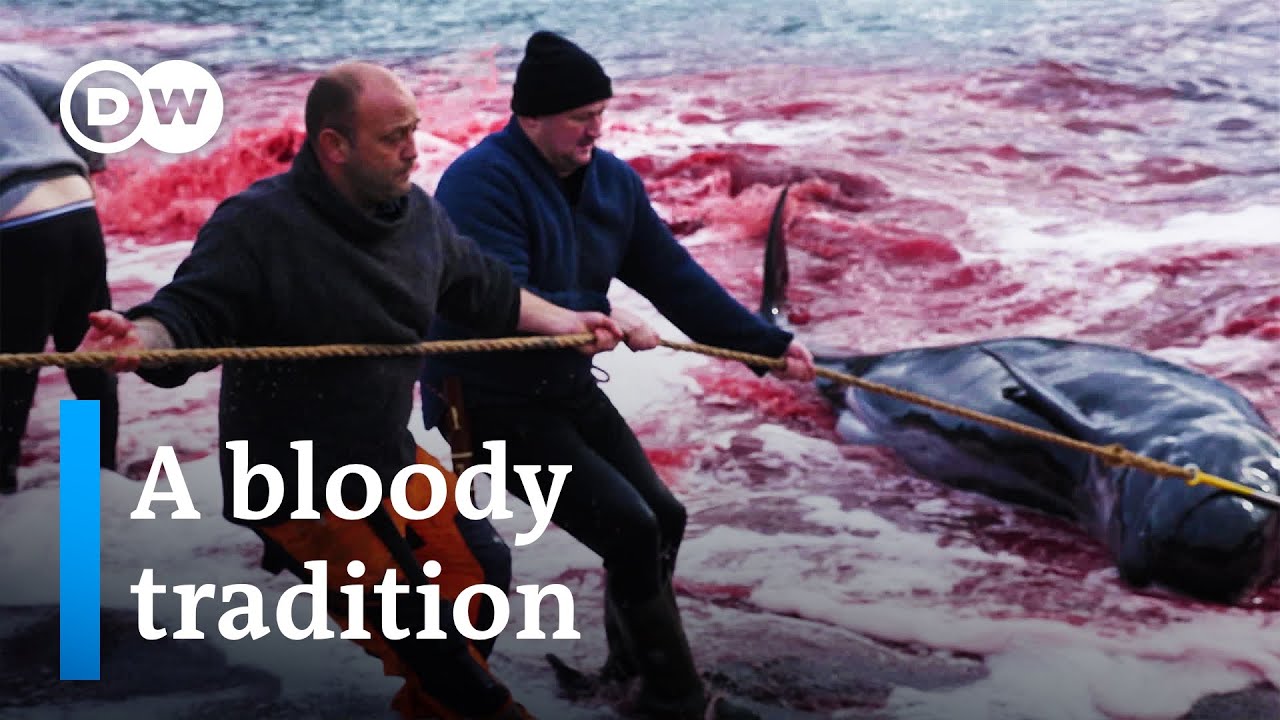
In the Faroe Islands, the Grindadráp results in the annual slaughter of hundreds of pilot whales and dolphins, highlighting a complex human-marine life relationship.
Two thousand islands make up Micronesia, where the ocean is the primary link to the outside world for its diverse cultures and communities.
Valdez Peninsula in Argentina's Patagonia is a diverse wildlife habitat, featuring sea lions, guanacos, and Patagonian hares in its unique ecosystems.
Kawésqar and Yagán indigenous peoples collaborate with National Geographic Pristine Seas to protect the ecosystems of the Kawésqar National Reserve in southern Chile.
Madagascar's unique ecosystem, home to over 250,000 species including lemurs, chameleons, and the Toliara Reef, showcases extraordinary biodiversity found nowhere else.
A team of marine engineers attempts to move a 1,400-ton submarine over 1,000 kilometers across Canada while racing against time and harsh weather.
600 species of fish inhabit the clear blue waters of the Florida Keys, where sharks hunt with an insatiable appetite for anything that moves.
Paul Nicklen and Cristina Mittermeier conduct a four-year mission to stop oil drilling in the Bahamas using their photography and social media reach.
In Dry Tortugas National Park, scientists conduct a comprehensive fish census while exploring the health of bottlenose dolphins and the importance of seagrasses and mangroves.
1,800 kilometers of lagoons and natural lakes in Kerala provide the Malayalis with a vital means of livelihood and cultural expression.
A hurricane packing 90 miles per hour winds reveals submerged artifacts that illustrate the historical impacts of storms on America's coastlines.
In the Straits of Gibraltar, migratory animals, including over 300 million birds and orcas, navigate a complex ecosystem shaped by historical and contemporary challenges.
In the Bahamas, Dr. Denise studies the communication and social behaviors of Atlantic Spotted Dolphins, documenting their interactions across multiple generations.
In Senegal, local fishermen face economic instability and cultural loss as overfishing by foreign fleets depletes once-abundant marine resources.
144,000 tons of steel are transformed into the Disney Wish at a shipyard in Papenburg, Germany, marking a significant achievement in cruise ship construction.
A school of up to 300 dolphins is spotted off the coast of São Tomé, where local conservationists work to protect the island's marine life.
Octopuses and their relatives, including squid and cuttlefish, are examined for their intelligence and unique adaptations in the marine environment.
Jacques Cousteau's transformation from a destructive oceanographer to a pioneering environmentalist is explored through wildlife footage and archival material from his global expeditions.
On the remote shores of Sable Island, N.S., the world's largest breeding colony of grey seals gathers to give birth, nurse their pups, and mate.
The Commandant Charcot measures 492 feet long and weighs 30,000 tons, making it the first cruise ship with icebreaking capabilities.
One young seal is killed by orcas every few minutes along the Patagonian coast as these predators hunt to build fat reserves for survival.
Oysters first appeared on Earth 200 million years ago and have been harvested for food since the Neolithic Age.
New Zealand's Stewart Island has a population of just 400 inhabitants, including Furhana, who cherishes the natural beauty of her surroundings.
The Channel Islands, located off the coast of California, are home to unique wildlife such as the Island Fox and are recognized as one of America's National Parks.
Sharks and crocodiles are examined as two of the most dangerous predators in their respective environments, highlighting their behaviors and interactions.
River flows 560 kilometers from its source in Borneo's highland rainforests to the Sulu Sea, supporting diverse wildlife and ecosystems.
Ken Balcomb's research on the declining population of orcas in the Pacific Northwest highlights the urgent need to remove four dams to restore Chinook salmon numbers.
Elysee, a botany student, conducts research on the reproductive cycle of baobab trees in Madagascar's southern region, known for its unique landscapes.
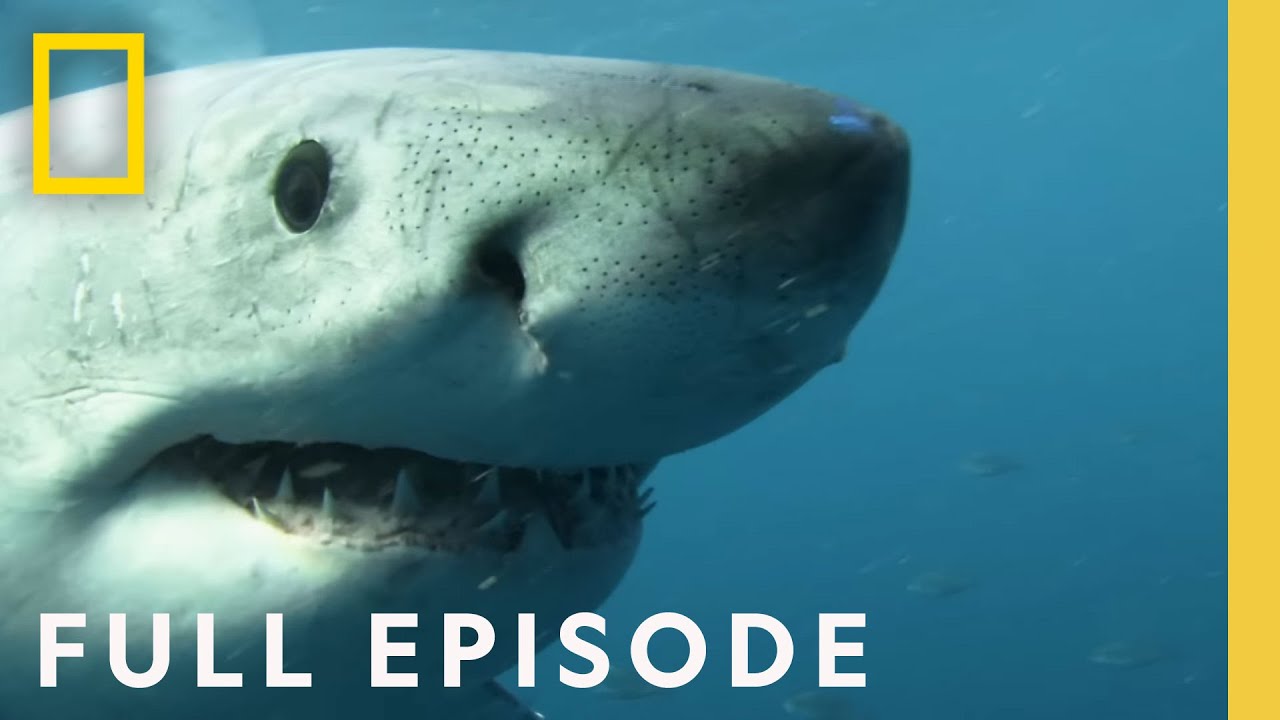
A Great White shark swam 12,400 miles in search of a mate, outperforming other species in a competition to determine the ocean's top predator.
Medusae are the most venomous ocean inhabitants and crucial to marine ecosystems.
Glacier Bay National Park in Alaska features diverse ecosystems, including glaciers and wildlife, with biologist Chris Gabriel and ranger Tania Lewis studying its unique habitats.
Newfoundland features dramatic landscapes and seabirds, including newborn puffins in Witless Bay.
Maritime archaeologists have discovered a mysterious artifact on the sea floor off the coast of Sicily, linked to a naval battle that changed Ancient Rome's history.