From over 100,000 films, discover the handful you'll love.
Free or premium access to the world's largest documentary library.
1248 films(Page 15 of 26)
A panel at the National Geographic Explorers Festival discusses the growing reliance on plastics and the need for innovative solutions to address pollution.
A recent UN report stated that one million species are threatened with extinction, including 60% of all large mammals and a significant number of plants.
Mangroves in Brazil's tropical coasts face threats from the shrimp industry today.
Malaika Vaz goes undercover in 2018, posing as a fish trader to investigate the illegal manta ray black market across India, China, and Nepal.
Ocean grabbing highlights the privatization of marine resources, revealing how laws impact local communities and the role of the EU and US in global ocean governance.
Hundreds of boats operate nightly in Cambodian waters, where local fishermen report that illegal fishing has left them powerless and without fish.
Baiting great white sharks, a controversial practice involving chumming to attract these predators, faces increasing scrutiny and bans due to rising shark attacks worldwide.
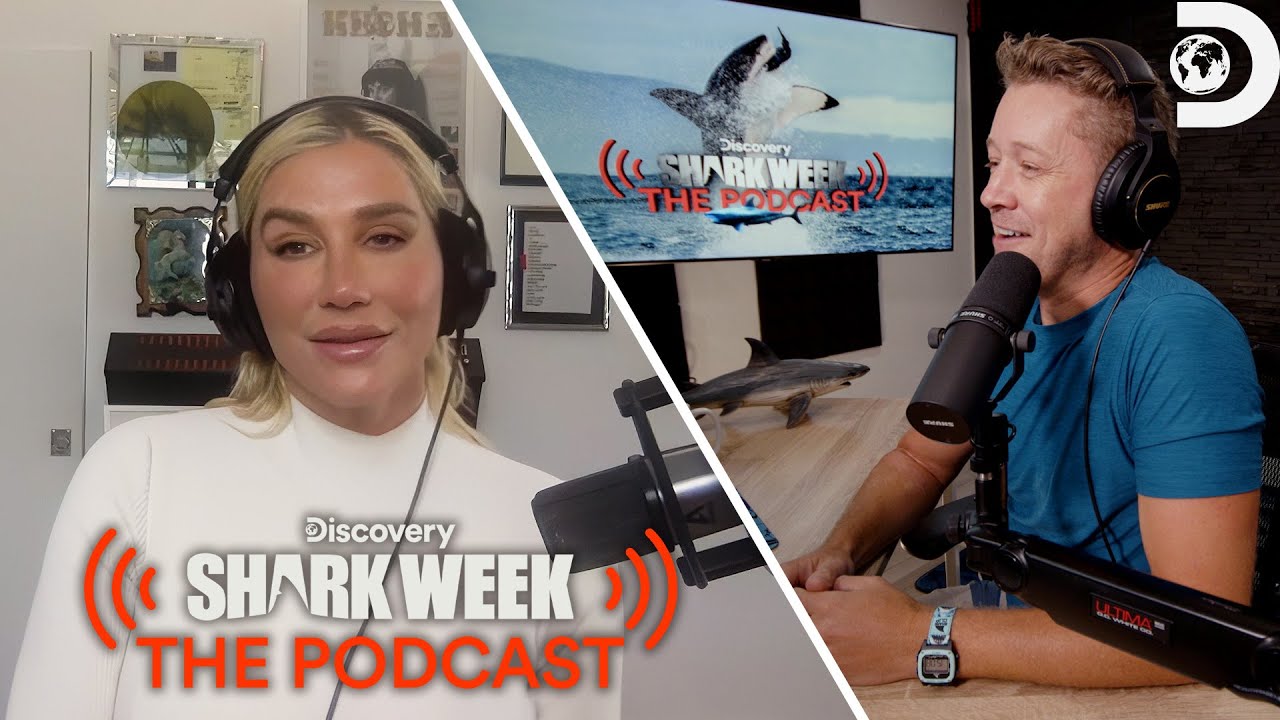
Kesha discusses her experiences diving with hammerhead sharks in the Galapagos and her commitment to shark conservation during a podcast with Luke Tipple.
Shawn Heinrichs discusses how shark populations have dropped by over 70% in the last 50 years due to human actions and environmental changes.
Privatized water companies in England, including Thames Water and Southern Water, discharge untreated sewage into Whitstable's waters, prompting local protests and environmental concerns.
As pollution, overfishing, and climate change suffocate the Sea of Marmara, urgent questions arise about its survival.
The Libyan coast guard poses significant threats to migrants attempting to reach Europe, highlighting the ongoing crisis faced by asylum seekers in the Mediterranean.
Current estimates put the number of nesting female green sea turtles at just a few hundred worldwide, as they face extinction from hunting and habitat loss.
In Malaysian Borneo's Sabah region, local fishermen are resorting to illegal explosive fishing methods due to declining fish stocks and environmental concerns.
Every single minute, two truckloads of plastic are dumped into rivers and seas globally.
Barbuda faces potential exploitation as Prime Minister Gaston Browne leases land for development.
Over 1200 dead dolphins wash up on France's shores since January, raising urgent conservation concerns.
Host Luke Tipple talks with shark divers about their dangerous jobs on Shark Week the Podcast.
Icelanders debate the future of whaling amid a long history and vocal opposition.
Allseas seeks rare metals from deep-ocean nodules, driven by corporate greed and demand.
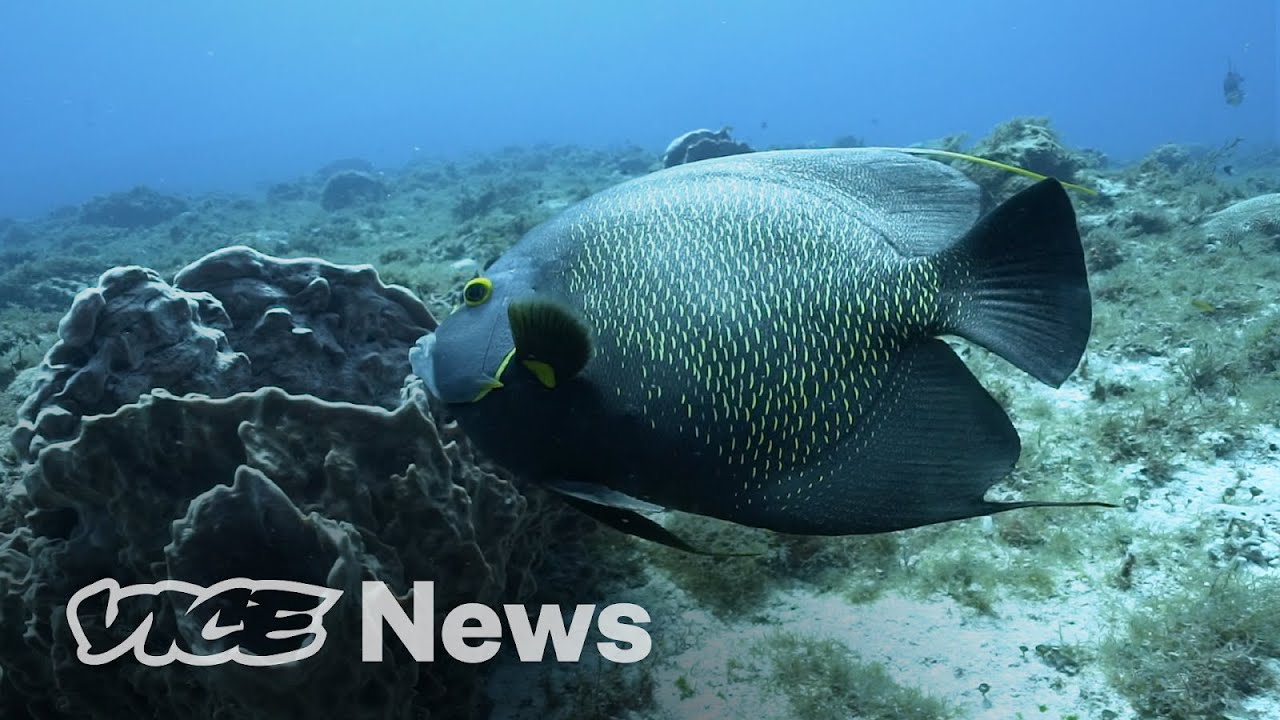
Tulum's underwater ecosystem is threatened by pollution from tourism and human activity.
The Explorers Symposium showcases experts like Enric Sala, Tristram Stuart, Shivani Bhalla, and Jack Andraka discussing ocean conservation and cancer detection.
More than 90% of the Great Barrier Reef was impacted by a significant bleaching event in 2015, with nearly a quarter of the coral dead.
Eugenio Bito discusses Kalayaan Island's potential as a conflict zone in the South China Sea.
Bren Smith promotes kelp farming as a solution to climate change and ocean health.
Coral farmers in the Bahamas are working to restore reefs devastated by Hurricane Dorian, focusing on revitalizing crucial marine ecosystems.
Ukraine endures a second night of Russian drone strikes on Odessa, impacting grain exports.
Russia's Sakhalin Island holds an estimated one billion barrels of crude oil and half a trillion cubic meters of gas, raising concerns over environmental impacts.
An £18 billion nuclear power plant project at Hinkley Point in Somerset receives government approval, prompting local youth to discuss their future careers.
The Gambia faces a fish shortage as Chinese factories export local fish to China and Europe.
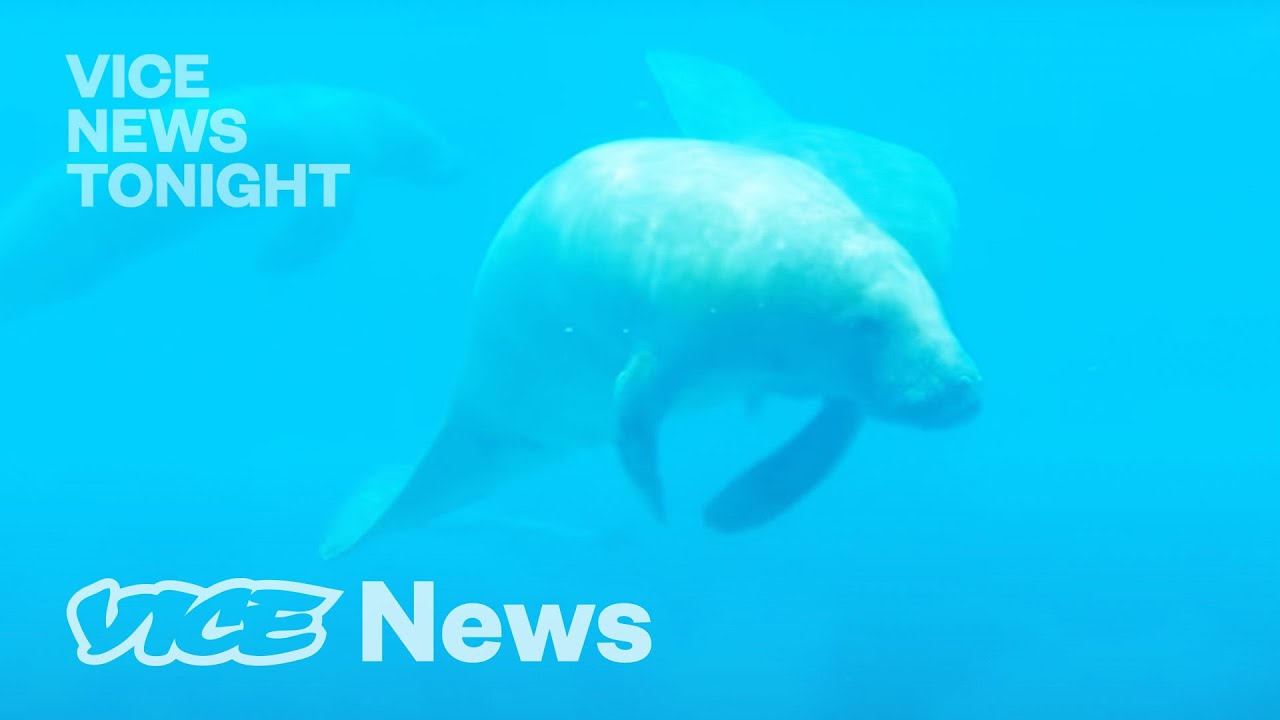
Belize's manatees face renewed threats as tourism returns, risking their survival in shallow waters.
The Deepwater Horizon oil spill in 2010 released 210 million gallons of oil, severely impacting Louisiana fisheries and prompting advocacy from local fisher Kendra Arneson.
Two Japanese activists face a possible 10-year prison sentence for exposing corruption in the country's scientific whaling program.
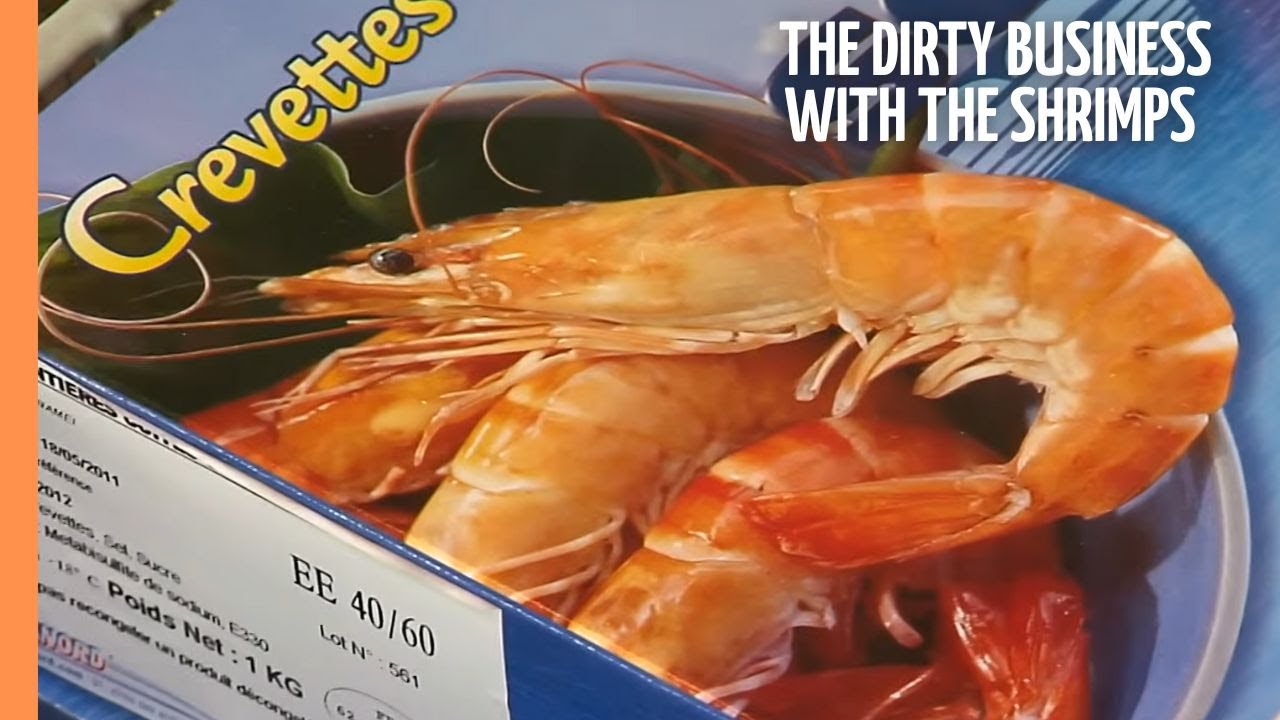
Shrimps, once luxury goods, now face environmental issues in Thailand's aquaculture industry.
Timmy Covi helps clean up the Taylor Energy oil spill in the Gulf of Mexico, America's longest-running spill.
West Africa's fishing grounds face overexploitation from global fleets, impacting local communities.
Barron Partlow documents the wastewater crisis at Goat Canyon affecting the United States.
Fisherwomen on Hengam Island in southern Iran strive to become the first in the country to obtain official permits, challenging gender norms in a male-dominated industry.
The Chicago river's recovery leads to a lawsuit against the Trump Organization in Illinois.
In 2004, there were 61 confirmed shark attacks worldwide, with seven resulting in fatalities, while over 50 million sharks were killed that same year.
Over a third of the world's fish stocks have collapsed due to unsustainable fishing practices, prompting urgent calls for ocean conservation strategies.
Seymour, a zebra shark, allows veterinarians to perform an ultrasound while he is flipped onto his back, demonstrating trained behavior for medical evaluation.
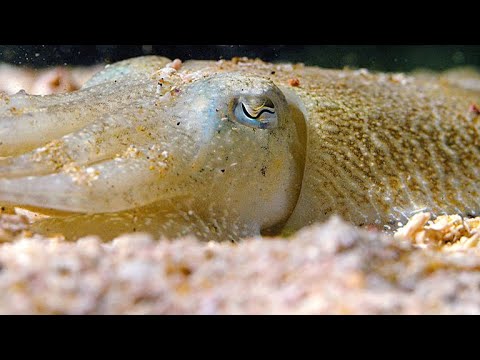
A crafty cuttlefish stalks a school of razorfish in a sandy gully, showcasing its unique hunting techniques in the series Crazy Monsters: Sea Creatures.
A living shark can generate close to $180,000 in a single year and nearly $2 million over its lifetime, significantly boosting Palau's tourism economy.
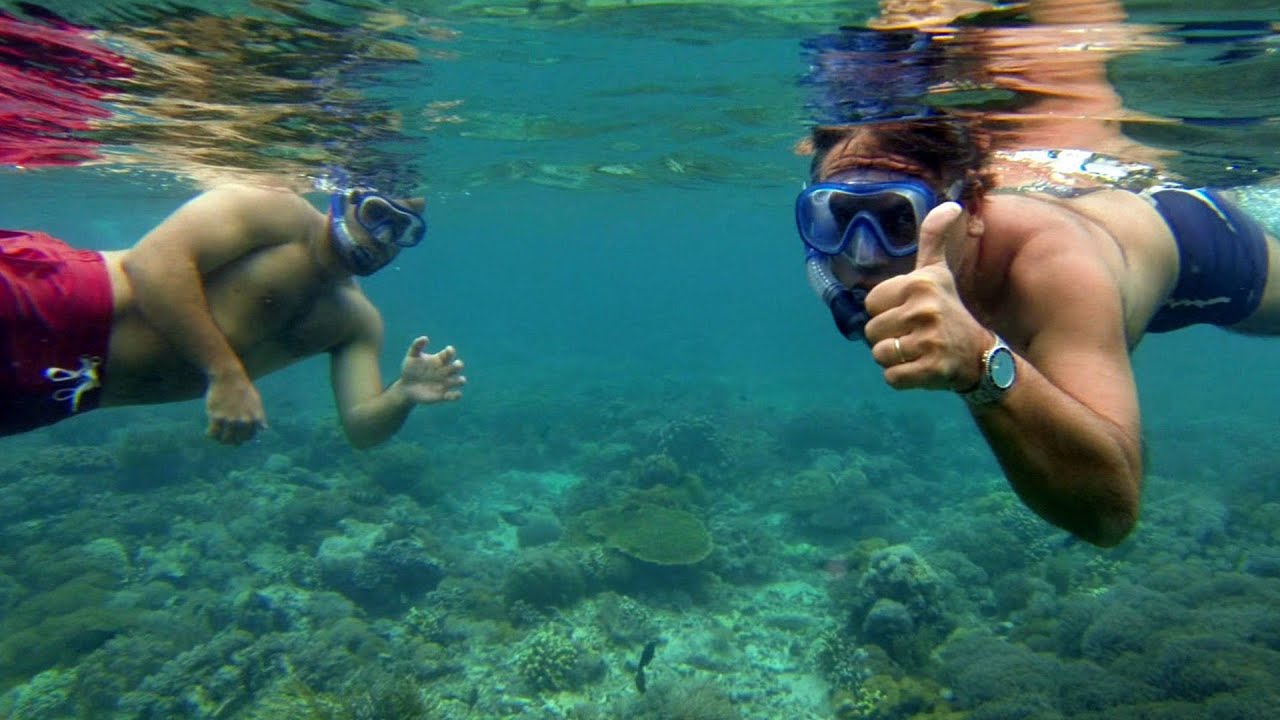
Beneath the waters of Pink Beach, snorkelers can see a variety of marine life, including turtles, calamari, and trumpet fish, creating a vibrant underwater scene.
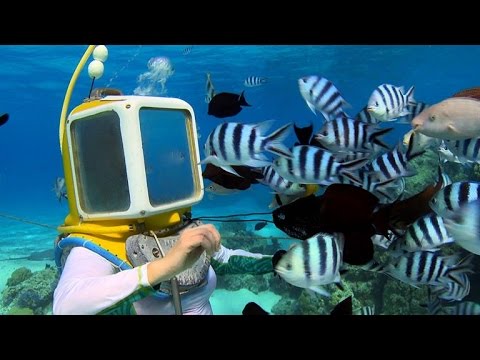
Vacationers in Bora Bora explore a shallow reef with air-supplied helmets for a unique experience.
Forrest Galante explores Japan's oceans in search of the endangered Japanese angelshark, highlighting the species' ecological significance and threats from human activities.
In the 20th century, controversial psychological experiments conducted by institutions like Stanford University raised ethical questions about human behavior and consent.