From over 100,000 films, discover the handful you'll love.
Free or premium access to the world's largest documentary library.
1248 films(Page 14 of 26)
Antarctica's extreme environment is home to resilient wildlife, including Adélie penguins, giant spider crabs, and cuttlefish, showcasing unique survival strategies.
Wadi Al Jarf reveals an ancient Egyptian port linked to the construction of the Great Pyramid, featuring limestone anchors and the oldest inscribed papyri.
Ocean habitats host a diverse array of underwater creatures that adapt to their environments, highlighting the fragile interdependence between wildlife and ecosystems.
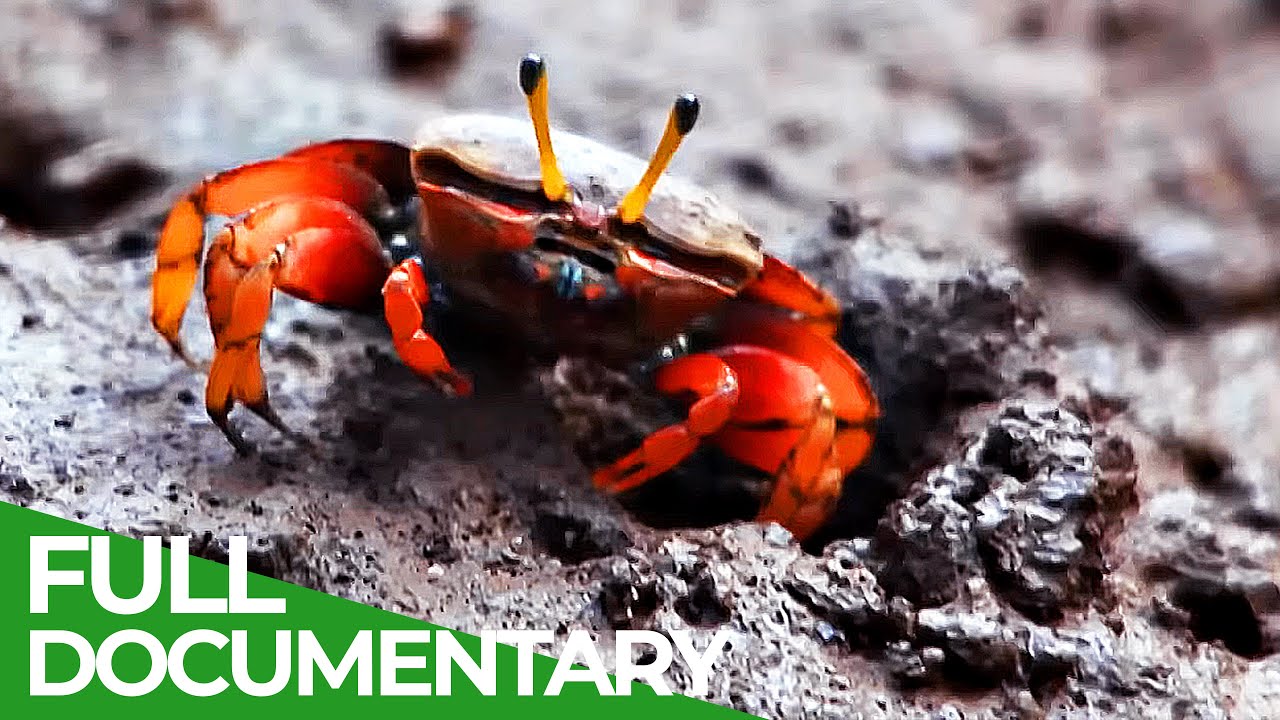
In the wetlands of China, the re-introduction of the Yangtze finless porpoise and the mating rituals of the ancient Chinese horseshoe crab are highlighted.
Cyril Chauquet tests an ancient handlining reel while pursuing a colossal Marlin in Costa Rica's deep waters, highlighting local fishing practices and marine life.
Ocean fishermen, on-board surgeons, rescue pilots from the French Navy, and icebreaker pilots face extreme challenges and dangers while working on the high seas.
Cappadocia features fantastical landscapes of fairy chimneys and ancient cave dwellings, with hot air balloons drifting overhead at dawn.
The Galapagos Islands, known for their unique wildlife, are home to species like the Galapagos penguin and cormorant, which have evolved distinct adaptations for survival.
Chile's diverse wildlife, including cougars, vampire bats, and blue whales, showcases over 80 recorded species, many of which are largely unknown to science.
The Bermuda Triangle's mysteries are examined through the lens of Bimini Road and the Methane Hydrates Theory, linking historical events to modern scientific theories.
Cyril Chassagnard travels through Nicaragua's remote villages and participates in local traditions while pursuing the elusive tarpon, one of the world's largest fish.
Depths of 220 meters conceal the wreck of the 19th-century paddle steamer Säntis in Lake Constance, a site of numerous historical artifacts and shipwrecks.
Florida has one of the highest rates of shark attacks in the world, with hundreds of people attacked by marine predators each year.
Ocean Kingdom, located on Hengqin Island near Macao, is the world's largest aquarium, featuring a 100 million litre capacity and over 20,000 marine animals.
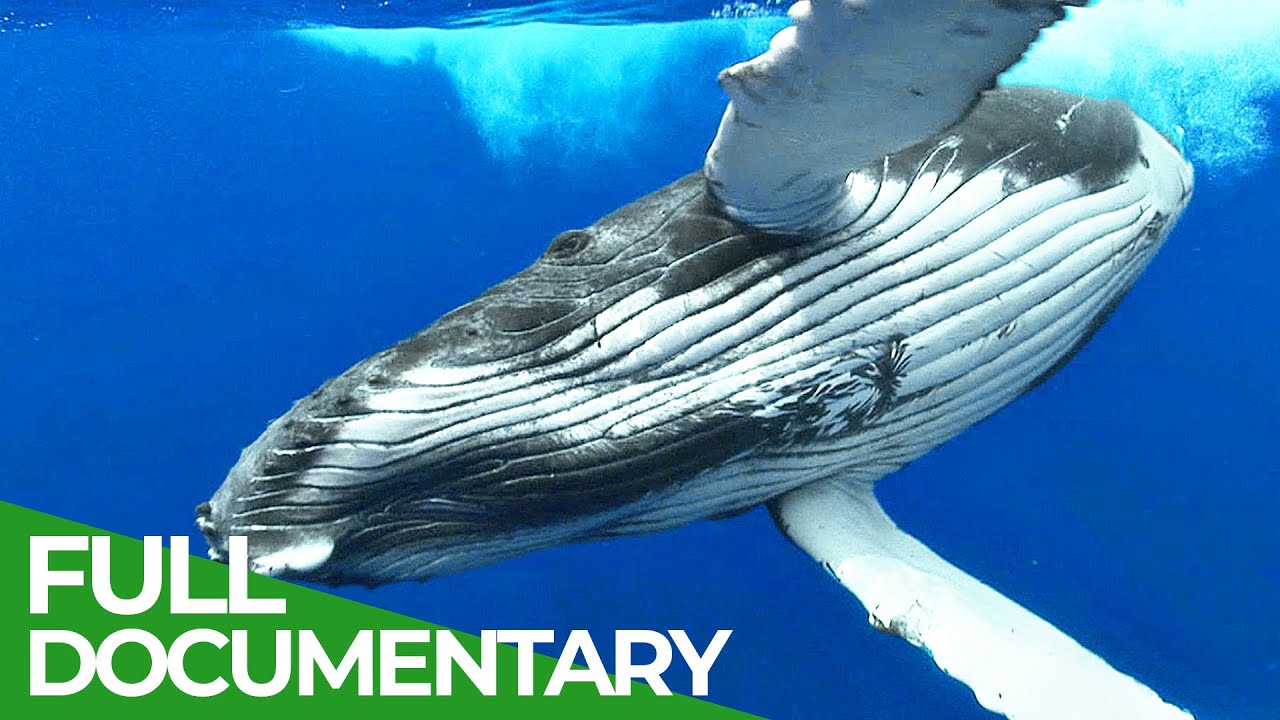
Humpback whales, once nearly extinct due to extensive hunting, now gather in Rurutu, Polynesia, from July to November to give birth and mate.
In the South China Sea, flame jellyfish proliferate while conservation efforts aim to restore the northern edge of the coral triangle, showcasing China's diverse marine life.
In the waters off the coast of Chile, a scientific expedition studies the blue whale and documents over 80 marine species, including the elusive puma.
The Northwestern earned $385,000 in five days, resulting in $27,000 for each deckhand after a challenging Opilio crab season.
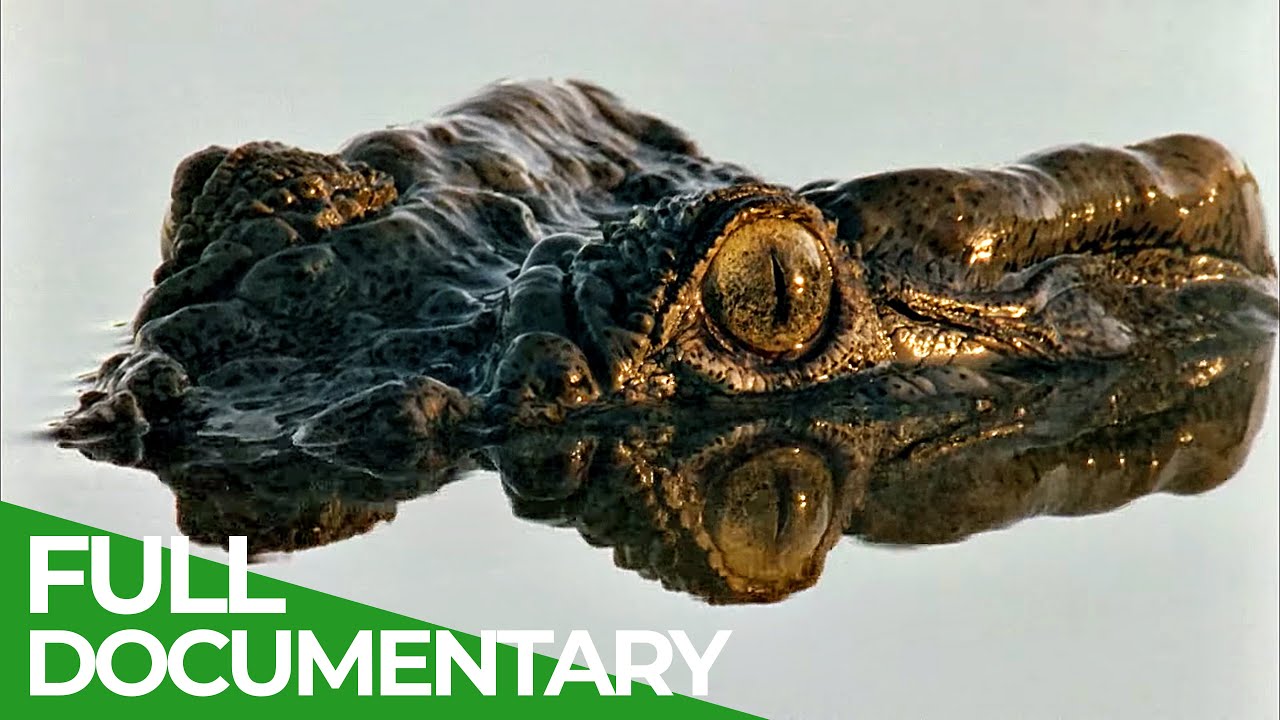
Crocodiles, sharks, and whales exemplify evolutionary adaptations that enhance survival, showcasing traits like slow metabolism, echolocation, and modified lungs.
In the Chocó region of Colombia, the world's wettest place, unique biodiversity thrives within rainforests that host numerous endemic species.
4.5 kilometers from the Kora Peninsula lies the 1,200-meter deep Kora Canyon, a vital feeding ground for Dusky Dolphins and other marine life.
Great white sharks, known for their size and hunting prowess, face potential extinction in the next 20 years due to myths surrounding their behavior and reputation.
Fakarava Atoll, a UNESCO Biosphere Reserve, is renowned for its abundant marine life, including large populations of manta rays, grey reef sharks, and sea turtles.
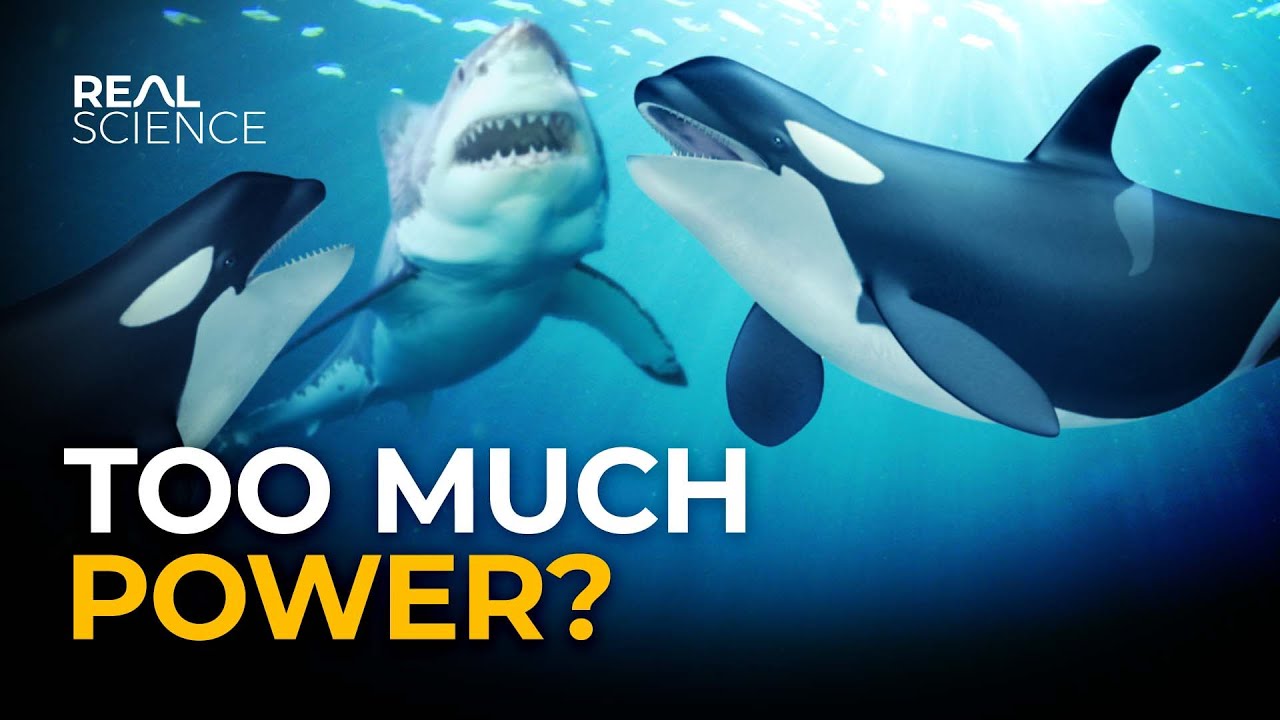
Orcas can coordinate hunts involving as many as 50 individuals, using complex strategies to capture prey like seals and great white sharks.
In the Lofoten Islands, fishing and seaweed harvesting thrive in the Gulf Stream's waters, while sled dogs train on the mainland for winter expeditions.
In the South Pacific, researchers explore shark-filled waters to assess the health of reef predators and the dynamics of marine ecosystems.
Underwater predators, including great white sharks, barracuda, and moray eels, exhibit extreme adaptations for hunting and survival in the ocean's ecosystem.
In Antarctica, massive elephant seals and emperor penguins navigate extreme conditions to survive, while blue whales and other marine life thrive in changing seasons.
One million years ago, Italy was a battlefield of violent volcanoes that shaped the land with eruptions of fire, lava flows, and clouds of ash.
In the waters off the coast of Chile, diverse ecosystems and over 80 species of marine life, including the blue whale, are explored for their ecological significance.
At the Sea Life Aquarium, Ross manages tarantulas from Cameroon while Susie and Tristan prepare for a mission involving aggressive Cuban crocodiles.
In South Africa, scientists led by Mark Evans dissect a great white shark, revealing insights into its unique anatomy and advanced sensory systems.
Walruses consume between 3,000 and 6,000 clams in a single feeding session, using spitting to clear debris and access their food source.
A giant trevally can weigh more than 85 kilos and is known to ram sharks with its blunt head in the waters off Tanzania's coast.
Singapore's coasts and islands host unique marine life, including the rare tiger tail seahorse, Neptune's Cup Sponge, and the dynamic yellow watchman goby.
Rob Huitt survives four days adrift in the Pacific Ocean, battling exhaustion, hunger, and sharks after a diving trip goes wrong off New Zealand's coast.
Cyril Chauquet and crab fisherman Derek navigate the Gulf of Mexico in search of the elusive monster barracuda, encountering diverse marine life along the way.
New Zealand's Poor Knights Islands serve as a vibrant habitat for diverse marine life, showcasing unique interactions among species like orcas, seals, and crayfish.
Doctors believe two boys were within hours of death when they were rescued after being lost at sea, battling storms and dehydration.
In Gabon's jungle, anglers pursue the elusive African cubera snapper in shark-infested lagoons, facing the challenges of the wild.
Time bombs from World War II vessels threaten to cause the biggest oil spill in history.
One in four fish caught in Indonesian waters is taken illegally, contributing to severe environmental damage and threatening local fishing communities.
More than 34 million tourists visit Thailand each year, contributing to severe pollution and damage to coral reefs along the country's coast.
30% of global seafood is caught illegally, generating a black market worth over $20 billion and threatening marine ecosystems worldwide.
At 142 meters long, the super trawler Margiris is tethered in Port Lincoln, South Australia, after the government intervenes to halt its operations.
Since 2010, Western Australia's coastline has experienced 64 shark attacks, prompting investigations into the causes behind this alarming trend.
By the end of 2024, around 500 cases of orcas attacking sailboats had been recorded off the coasts of Spain and Portugal, with 20% causing severe damage.
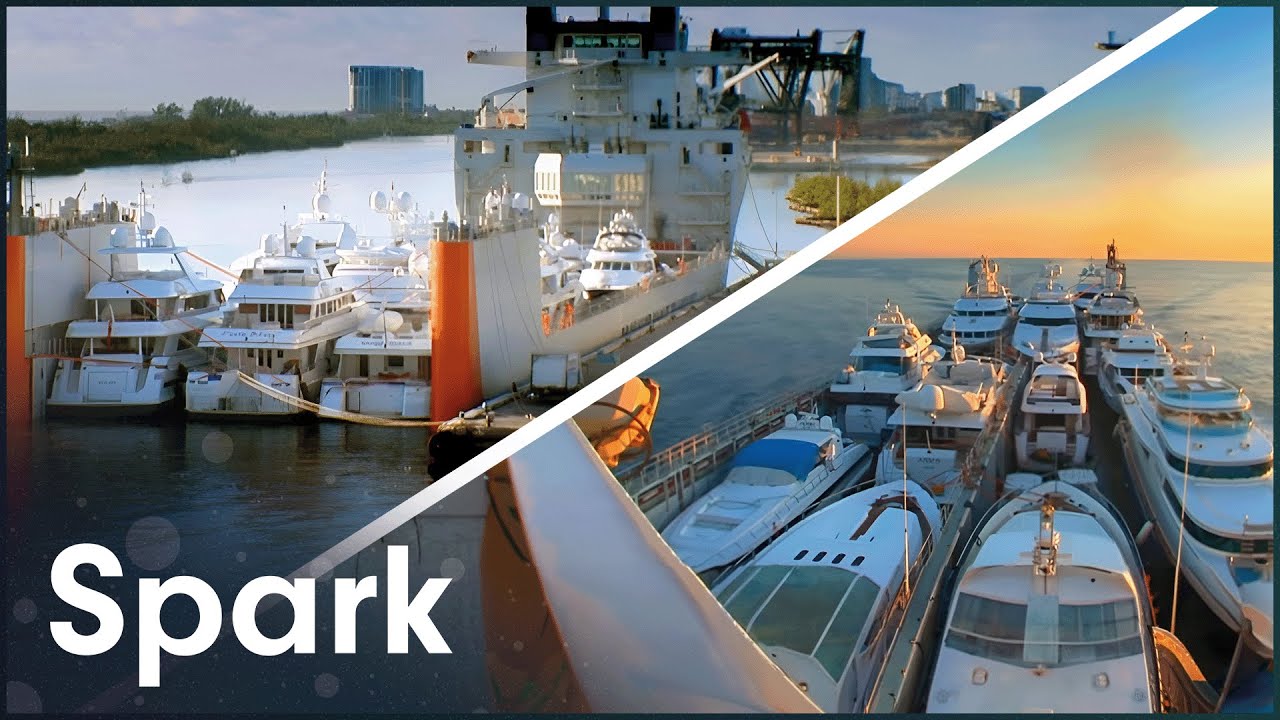
A team transports 20 mega-yachts from Genoa, Italy, to Fort Lauderdale, Florida, this week.