From over 100,000 films, discover the handful you'll love.
Free or premium access to the world's largest documentary library.
1248 films(Page 3 of 26)
Saint Vincent and the Grenadines, an island nation in the Lesser Antilles, features stunning beaches, lush vegetation, and a welcoming local population across its 33 islands.
The Tribe Documentary 'Warriors of the Sea' reveals Papua's unique island cultures and warriors.
In the Philippines, a nation of over 7,000 islands, wildlife and human populations have adapted to the unique challenges of one of the world's oldest archipelagos.
Over 10 billion herring gather in the Norwegian fjords each winter, attracting orcas and humpback whales that hunt them in coordinated groups.
In the Okavango Delta, a team of filmmakers explores the hidden underwater ecosystem shaped by seasonal floods, revealing the complex interactions of its wildlife.
Two thousand islands make up Micronesia, each with its own distinct culture and history, connected by the vast Pacific Ocean.
More than half of the over 500 shark species are less than one meter long, with many being timid and harmless to humans.
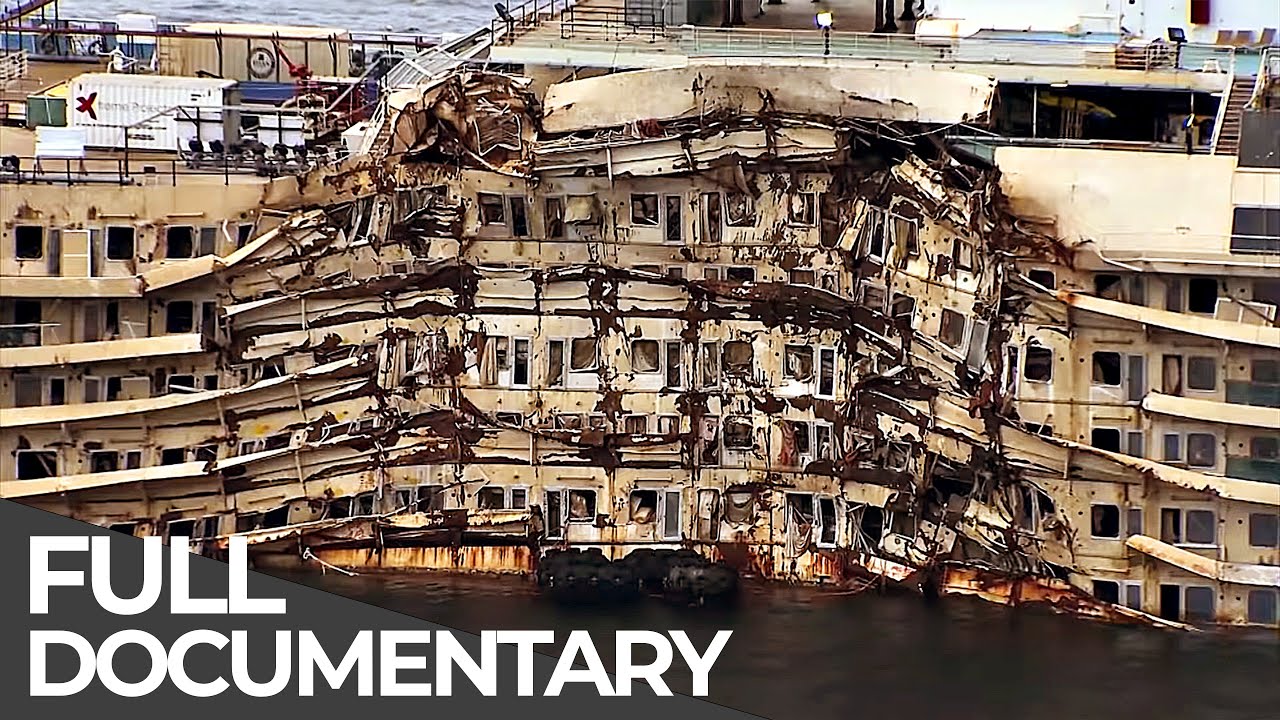
304 people died when the Sewol ferry capsized off the coast of South Korea in 2014, a disaster linked to human error and poor safety practices.
Omadal is home to the Bajau tribe, who harvest seaweed for their livelihood in the Sulu Sea.
Over four months, a team conducts dives and collects data from coral reefs across the entire Red Sea, from Farasan Island to the Gulf of Aqaba.
Over 70% of the planet is covered with water, yet plastic pollution has created massive debris fields in every major ocean, impacting marine ecosystems.
In winter, the Noto Peninsula reveals a unique underwater ecosystem featuring blanket octopuses, giant squid, and deep-sea oarfish among its diverse marine life.
South Georgia hosts hundreds of thousands of penguins and seals in the Antarctic Ocean.
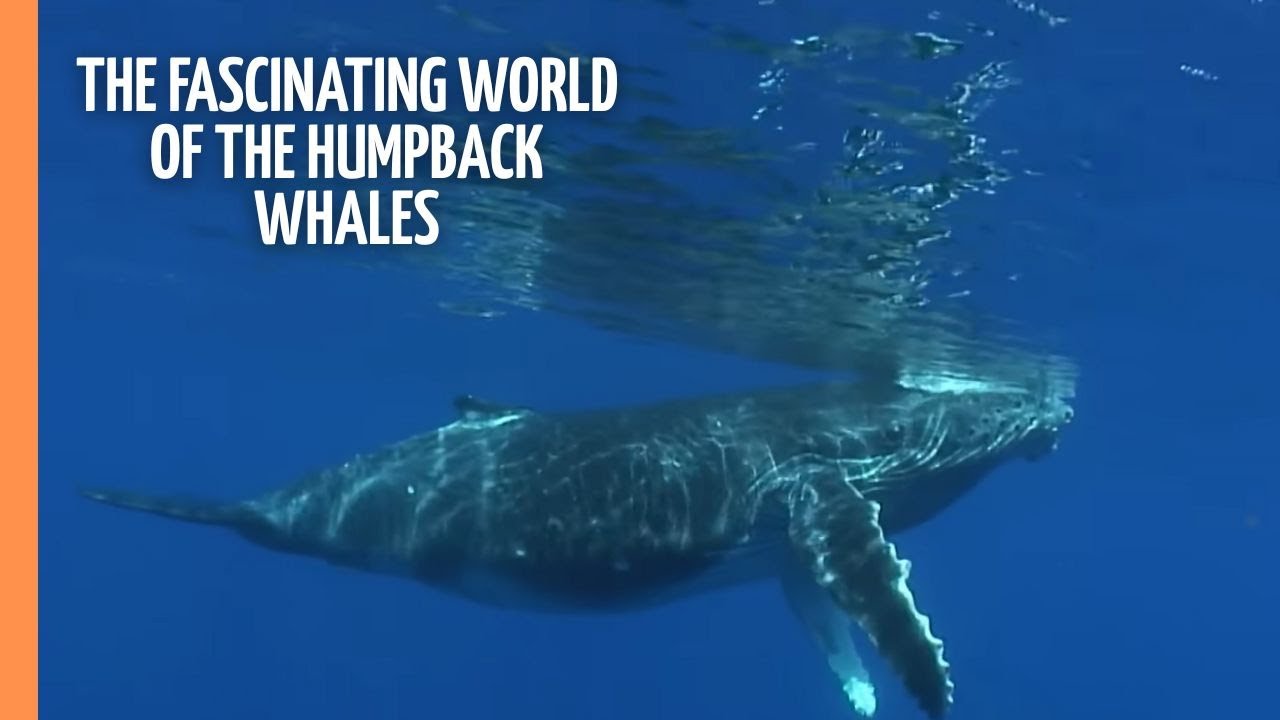
In the warm Pacific off Maui, a humpback whale mother faces challenges while nurturing her calf during their 5,500-kilometre migration to Alaska's feeding grounds.
Bull sharks can grow up to 6 meters long and are considered the most dangerous shark species to humans, with a worldwide attack risk of about 1 in 6 million.
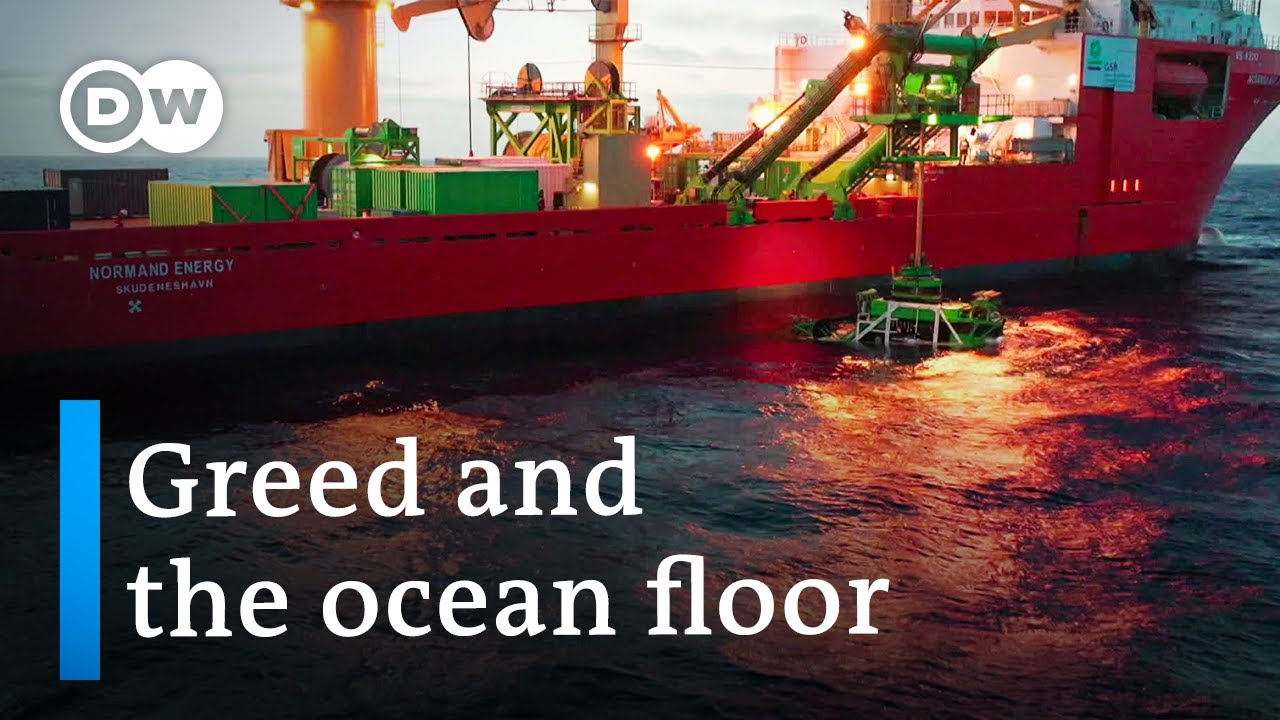
3,000 by 1,000 kilometers of seabed in the Pacific Ocean could be destroyed within 50 to 100 years due to deep-sea mining for valuable metals.
Female great white sharks can grow over 21 feet long and weigh around two tons, making them dominant predators in the ocean.
1,000 northern gannets breed on the cliffs of Helgoland, where they compete for nesting space amid the challenges of their coastal habitat.
Giant Pacific octopuses can weigh up to 600 pounds and have eight arms that can span 30 feet, yet much about their lives remains unknown.
Cape Verde, an archipelago off the coast of Senegal, features individuals like George, a conservationist on Sao Vicente, and Mitu, a kiteboarding champion from Sal.
Coastlines worldwide are presented in high-definition visuals, highlighting their natural beauty and ecological importance.
150 ships and 750,000 tons of oil navigate the waters off Ushant daily, a region known for its treacherous maritime conditions.
Monty Halls investigates the well-preserved wreck of the Cornelia B. Windiate in Thunder Bay, seeking answers about its mysterious sinking in 1975.
In the Grand Bahama Bank, pregnant lemon sharks and white-tip reef sharks exhibit unique behaviors, revealing critical insights into their population dynamics.
Grand Teton National Park receives over 40 feet of snow in a single season, creating a unique habitat for wildlife like otters and coyotes.
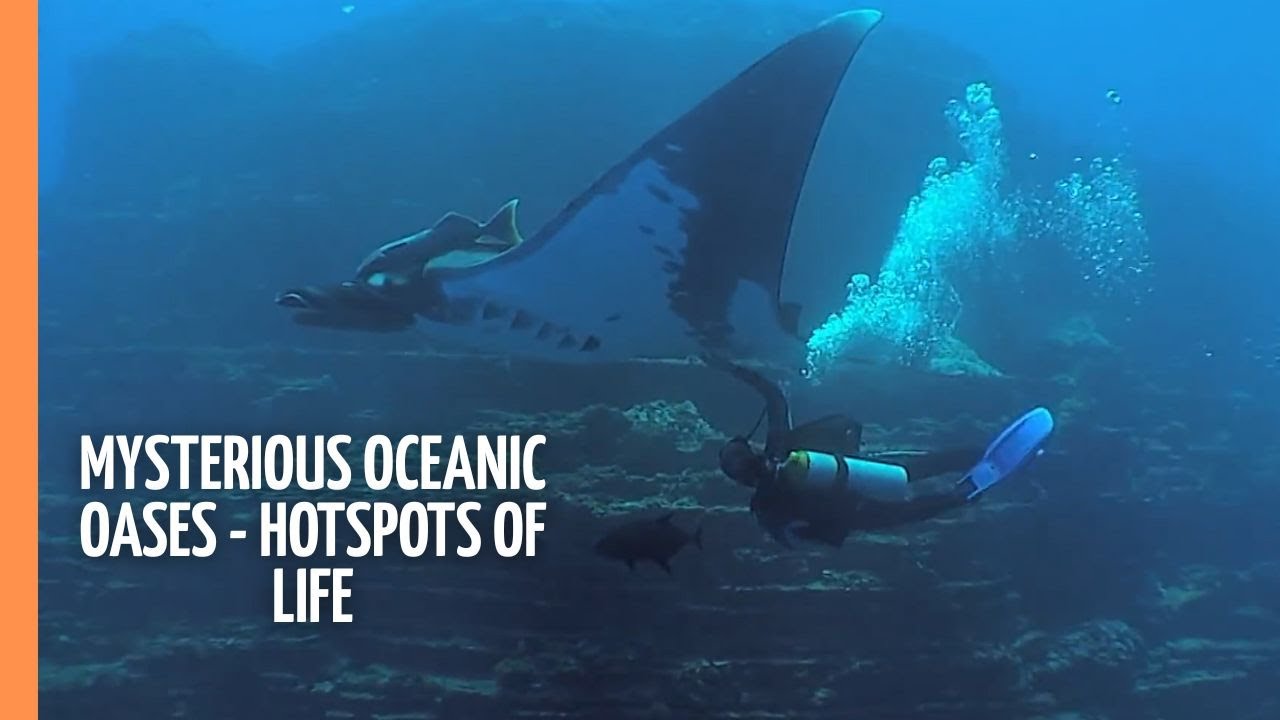
Rolf Möltgen dives into oceanic oases, revealing rare species and the impact of dive tourism.
Kilauea's lava erupts at nearly 2,000 degrees Fahrenheit, consuming roads, forests, and neighborhoods in Hawaii.
More people have traveled to the Moon than have ventured to the deep ocean, which remains one of the last unexplored frontiers on Earth.
Hurricanes fueled by the Gulf of Mexico's warm waters have historically devastated the region, impacting its marine and coastal economies.
In the Indo-Pacific region, the unique marine biodiversity and the traditional lifestyles of sea nomads face significant challenges due to environmental changes.
Thirty-two vessels were lost in Alaska's frigid waters over the span of one week, revealing the dangers faced by early explorers.
A sperm whale can dive to depths of 600 meters, relying on echolocation to navigate the dark abyss and hunt for prey.
Hurricane Dorian, a Category 5 storm, battered the Bahamas for 27 hours, marking the longest recorded assault by an Atlantic hurricane on a populated area.
A 24-foot tiger shark, one of the largest predatory fish, is a key focus for divers in the Atlantic Ocean near the Bahamas.
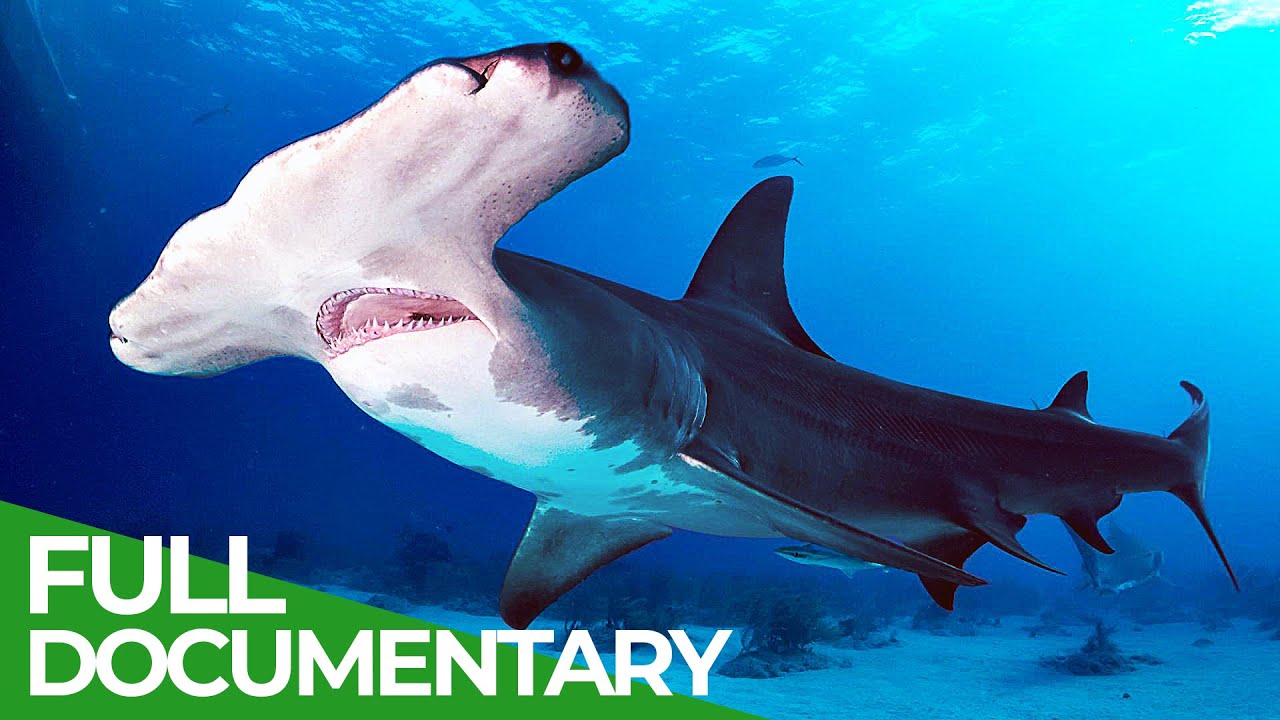
A nearly 2,500-mile migration of pregnant scalloped hammerhead sharks is linked to the phases of the moon, potentially changing shark conservation efforts.
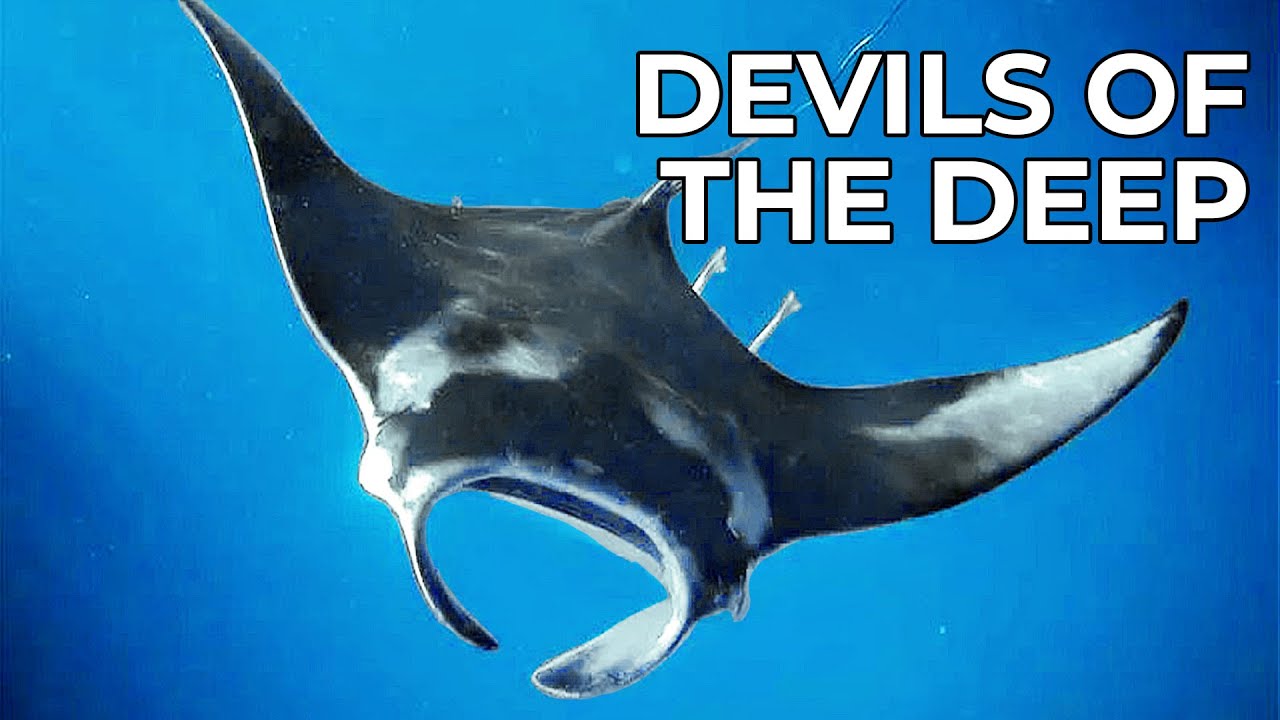
Manta rays, known for their intelligence and complex behaviors, are studied by Dr. Kathy Townsend and her PROJECT MANTA team across locations like Mexico and Australia’s Great Barrier Reef.
Anilao's diving industry has transformed the local economy, providing jobs and keeping families together as they engage with the region's rich marine life.
Germany's rivers, streams, and lakes host a vibrant aquatic ecosystem, featuring bizarre moss animals, exotic jellyfish, and the formidable Wels catfish.
In Somerset, a 10.5-meter Ichthyosaur fossil, the largest ever found in Britain, is excavated alongside a Knights Hospitaller manor and an Anglo-Saxon cemetery.
Europe's ancient past is explored, from the reign of dinosaurs during the Carboniferous period to the emergence of Homo Heidelbergensis around 600,000 years ago.
Orcas exhibit unique family structures and behaviors that are passed down through generations, as documented by photographer Brian Skerry.
Whales, having evolved from land mammals over 50 million years ago, exhibit complex communication and hunting techniques, as explored by oceanographer François Sarano.
In California and Guadalupe Island, shark scientists conduct research to estimate the population of Great White sharks in a newly identified hot spot.
Four of the world's eight species of marine turtles lay their eggs at Shell Beach, which attracts up to a thousand turtles each year from April to September.
Crab Island, off Northern Australia, serves as a crucial breeding ground for flatback turtles while also being home to predatory crocodiles, as documented by marine expert Ben Cropp.
Russia's Norwegian sea coast features unique activities like ice surfing, ice swimming, and reindeer racing, alongside daily life in Arctic villages.
In the waters surrounding Niue, Dr. Bryan Fry studies the highly venomous Niue Sea Krait, exploring its unique adaptations and the island's cultural legends.
The changing relationship between humans and sharks is examined through interviews with attack survivors and footage of both shark hunts and encounters.