From over 100,000 films, discover the handful you'll love.
Free or premium access to the world's largest documentary library.
1248 films(Page 24 of 26)
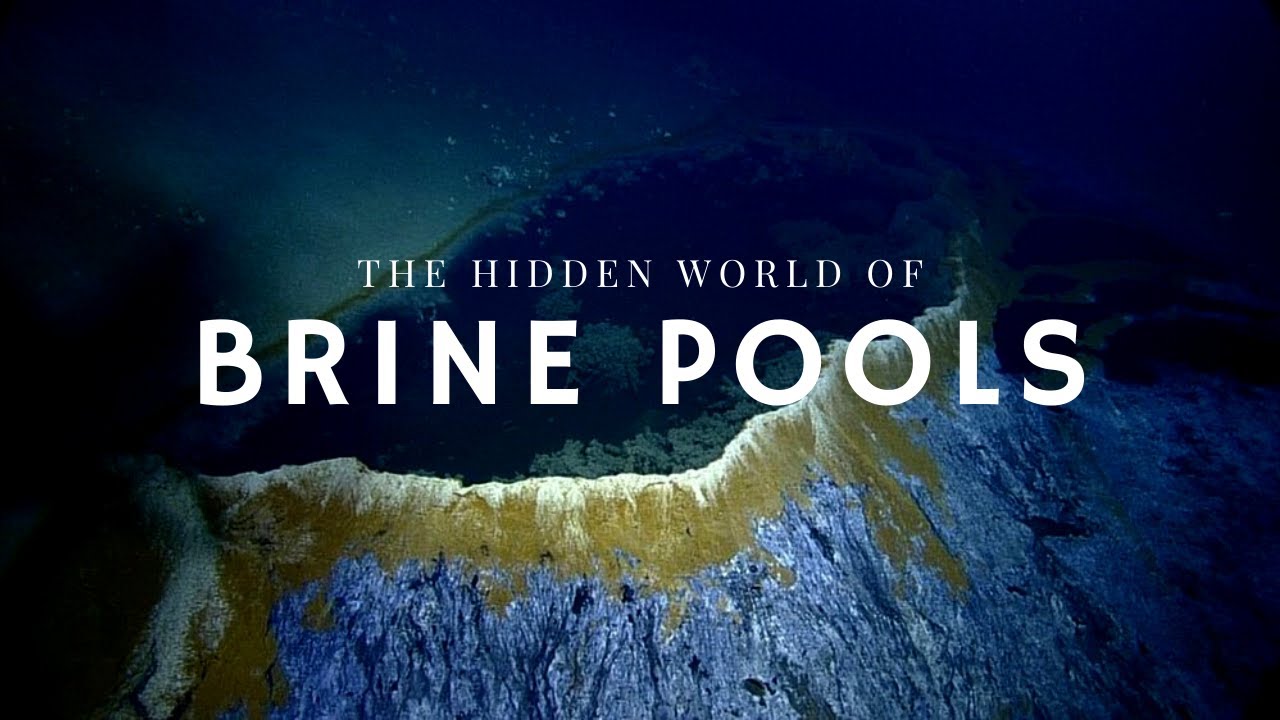
Deep sea brine pools in the Gulf of Mexico serve as unique ecosystems where organisms thrive on chemosynthesis, despite their toxic environments.
An octopus stretches her arms to three times their normal length while solving a puzzle for dinner in a vibrant aquarium after dark.
Fallen whale carcasses in the deep sea create unique ecosystems, supporting diverse marine life through various stages of decomposition over decades.
Five years ago, a tsunami struck Robinson Crusoe Island, leaving many dead and survivors traumatized after a 12-year-old girl sounded the alarm.
An enormous ichthyosaur, comparable in size to a modern sperm whale, evolved rapidly within a few million years, highlighting significant evolutionary changes.
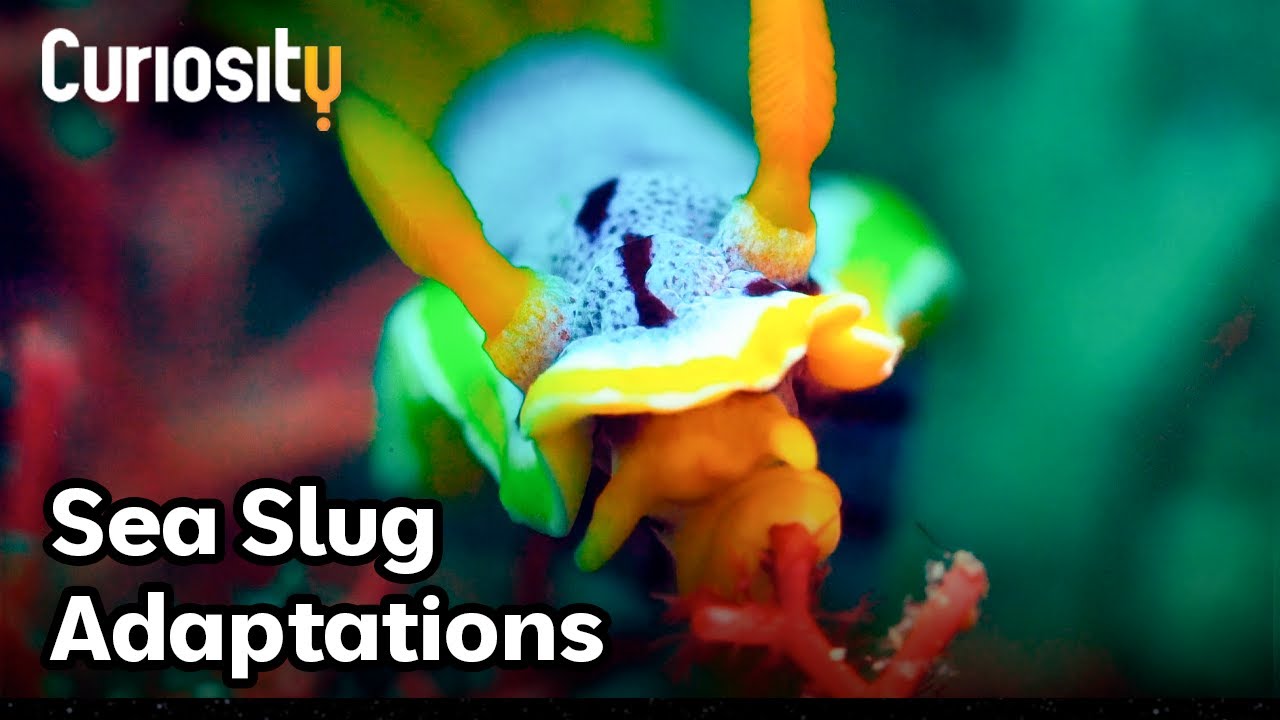
Nudibranchs, or sea slugs, exhibit remarkable adaptations such as weaponizing stinging cells and harvesting solar energy to thrive in diverse marine environments.
In the late 1950s, the U.S. Navy considered using sharks as living torpedoes in a classified project called Project Headgear.
The Pterois, or Lionfish, is a venomous fish invasive to the Atlantic Ocean.
The Tofinu people of Ganvie practice sea farming and harvest acadjas for sustenance.
Two Grotoceans search the sea for treasure while encountering various surprises in a story focused on ecology and conservation.
Trilobites, known for their widespread presence and remarkable preservation, are explored through illustrations by Franz Anthony, Julio Lacerda, and Lucas Lima.
Ali protects endangered marine turtles in Saziley, Mayotte, from poachers.
15 Vezo fishermen set sail each year for several months, relying on traditional Laka canoes to navigate the rich fishing grounds of Madagascar.
The Vao clan on the Isle of Pines builds traditional canoes, preserving Kanak heritage.
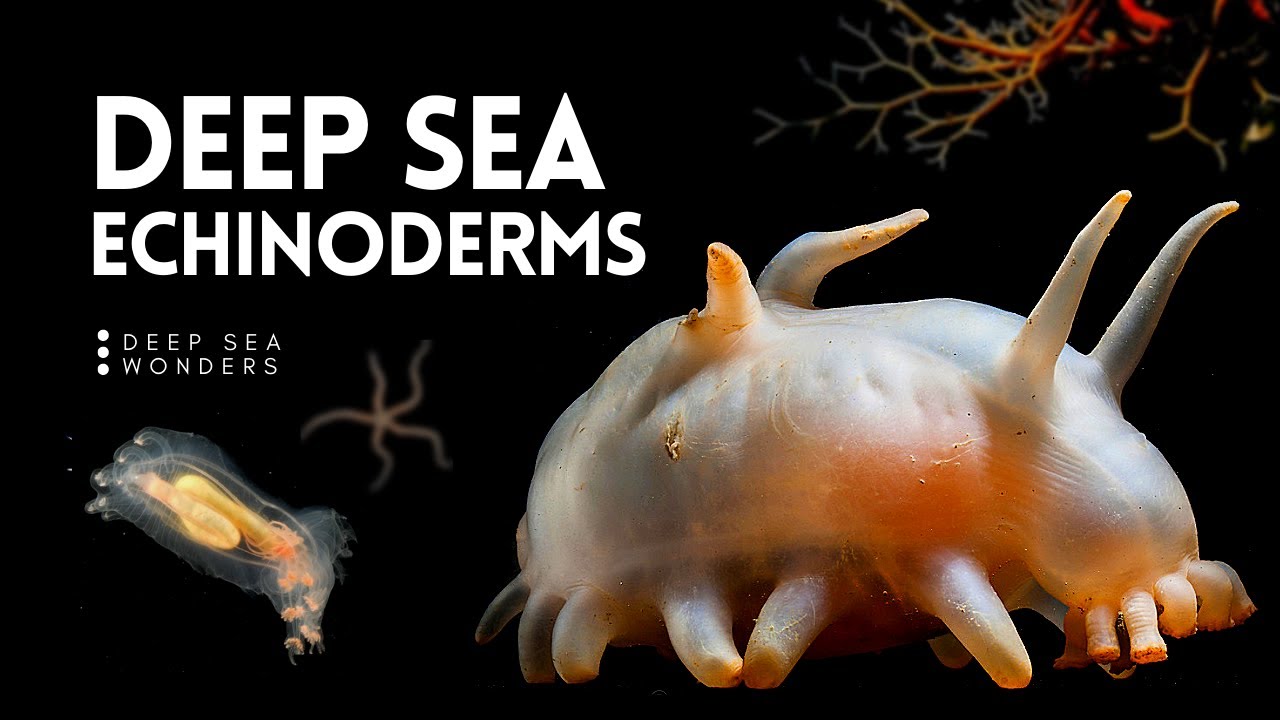
Echinoderms, including starfish, sea cucumbers, and brittle stars, exhibit unique features such as radial symmetry and calcium carbonate skeletons, highlighting their ecological significance.
Tyler Mallister, the most experienced harpooner in the fleet, prepares to hunt bluefin tuna from his boat, the Cynthia C2, built for stealth.
Chef Melissa King and photographer Anand Varma visit an apiary in Port Angeles, Washington, to taste honey made from the nectar of fireweed.
Brock and his team attempt to measure the bite force of tiger sharks, known for their ability to crunch through tough turtle shells.
The surface area of Tonlé Sap Lake increases five-fold during the monsoon season, flooding 15,000 square kilometers and transforming the local ecosystem.
Whale species exhibit remarkable feeding habits and strong family bonds, highlighted through a countdown of the top five memorable moments captured by BBC Earth.
Jack and Laura Dangermond donate $165 million to preserve California's coastline.
A sea lion is captured in uncut footage attacking and consuming an octopus, showcasing the raw dynamics of marine predator-prey interactions.
Kenny Broad shares his experiences exploring the Huautla cave system in Mexico, highlighting the risks and passions associated with underwater cave diving.
A 12-foot great hammerhead is sampled for data on its diet, revealing insights into its feeding habits and the surrounding marine environment.
A six-month-old island octopus uses a self-taught hunting technique to capture crabs, employing toxins to liquefy their insides.
Bajau children master fishing techniques by age seven while navigating their Muslim beliefs.
The southern right whale returns to Valdés Peninsula, gathering in San José and Nuevo Gulfs.
California closed the recreational red abalone fishery in December 2018 until 2021 to help the population recover from environmental threats.
The Biblical account of Jonah raises questions about the type of creature that swallowed him and the feasibility of human survival inside an animal's stomach for three days.
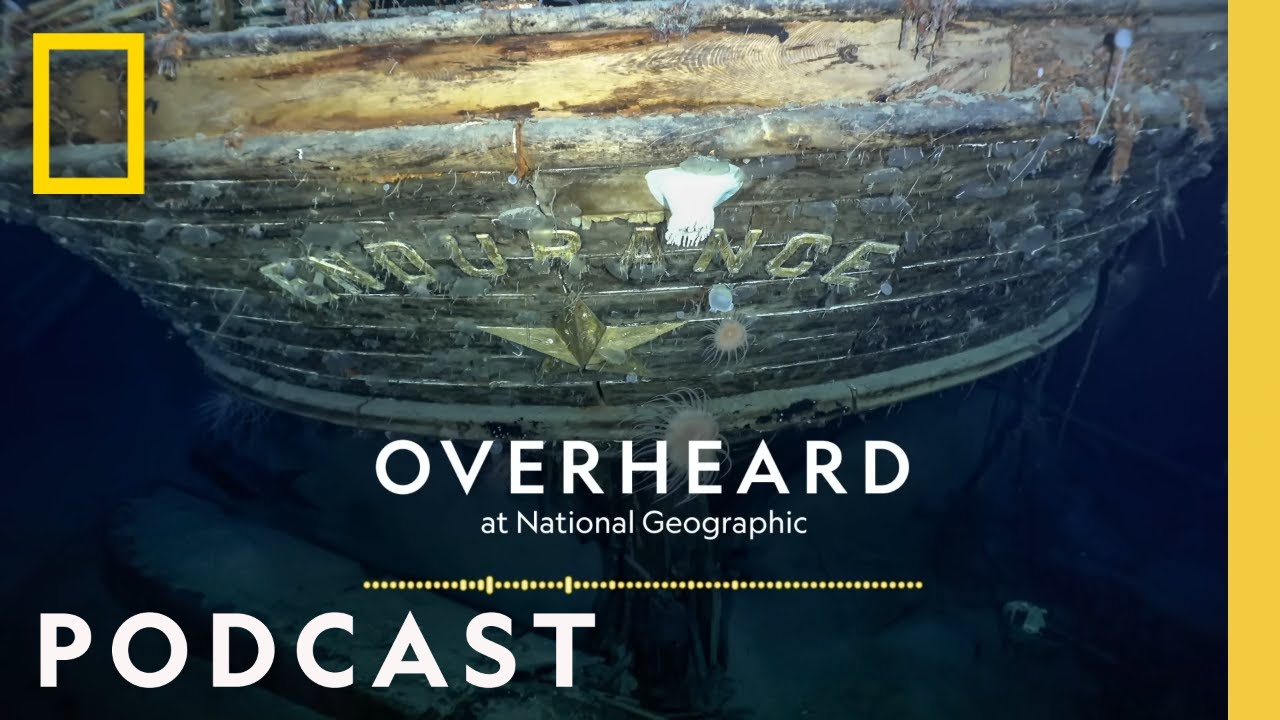
In 2022, a expedition located Ernest Shackleton's ship, Endurance, nearly two miles beneath the Southern Ocean, over a century after its sinking.
New Zealand's exclusive economic zone contains more than 17,000 known marine species, with tens of thousands more yet to be discovered.
A fin whale washes ashore in Israel, prompting reflections on life and mortality.
Researchers utilize advanced technology to explore the deep sea's unique ecosystems and marine life, highlighting the urgent need for marine conservation.
Metriorhynchids, a group of marine reptiles, thrived in prehistoric seas while dinosaurs dominated the land, showcasing unique adaptations for aquatic life.
420 million years ago, some fish evolved armor made of plates and interlocking scales, which may have served purposes beyond protection.
In just 10 years, the lionfish has expanded its territory in the Atlantic, becoming known as the worst invader on the planet.
In 2019, Jessica Nabongo became the first documented Black woman to travel to every country in the world, sharing her experiences and insights on global cultures.
Fewer than 900 beluga whales remain in the St. Lawrence River, a significant decline from about 10,000 at the start of the 20th century.
This Spanish documentary showcases Alaska, America's natural paradise and its diverse landscapes.
A dolphin's intestines measure 38.5 meters during an autopsy conducted by Mike Rowe in Oxford, Maryland, as he investigates the animal's cause of death.
Ten ancient civilizations, including the Indus Valley and Atlantis, are examined for their myths and mysteries in a 25-minute exploration of lost cultures.
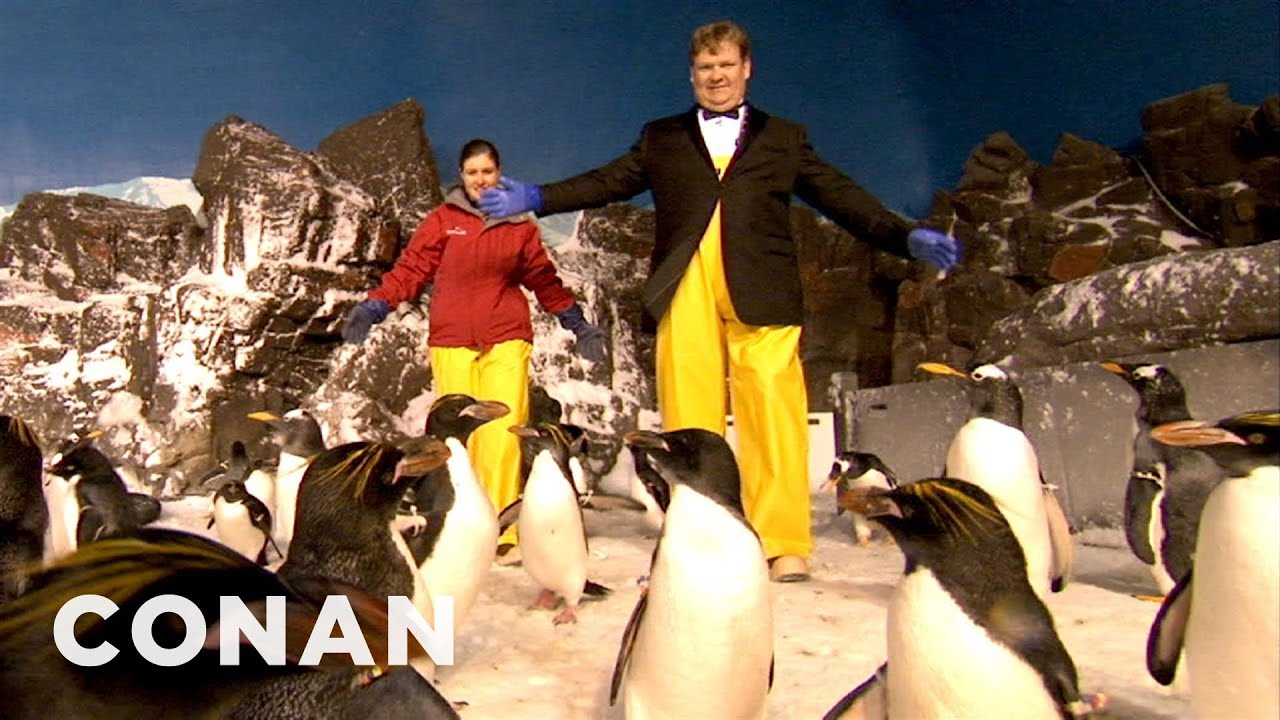
Andy Richter visits SeaWorld in San Diego to interact with penguins and prepare their food.
Conan O'Brien reunites with Samuel, a female octopus he initially bought in Seoul, as she arrives in Los Angeles for a Hollywood tour and a cement imprint at Grauman's Chinese Theater.
Tourism in Antarctica harms the environment; consider visiting Alaska instead.
Sal faces his fears in a shark cage as the Impractical Jokers dump chum on him during a special Shark Week episode.
SAMS creates wetsuits that warn sharks or camouflage surfers to prevent shark attacks.
A slimy floating mass of yellowish white sea snot threatens Turkey's marine life and fishing industry.
A giant whale carcass decoy releases synthetic blood off the coast of New Zealand, attracting Great White sharks and showcasing their predatory behavior.