From over 100,000 films, discover the handful you'll love.
Free or premium access to the world's largest documentary library.
1248 films(Page 16 of 26)
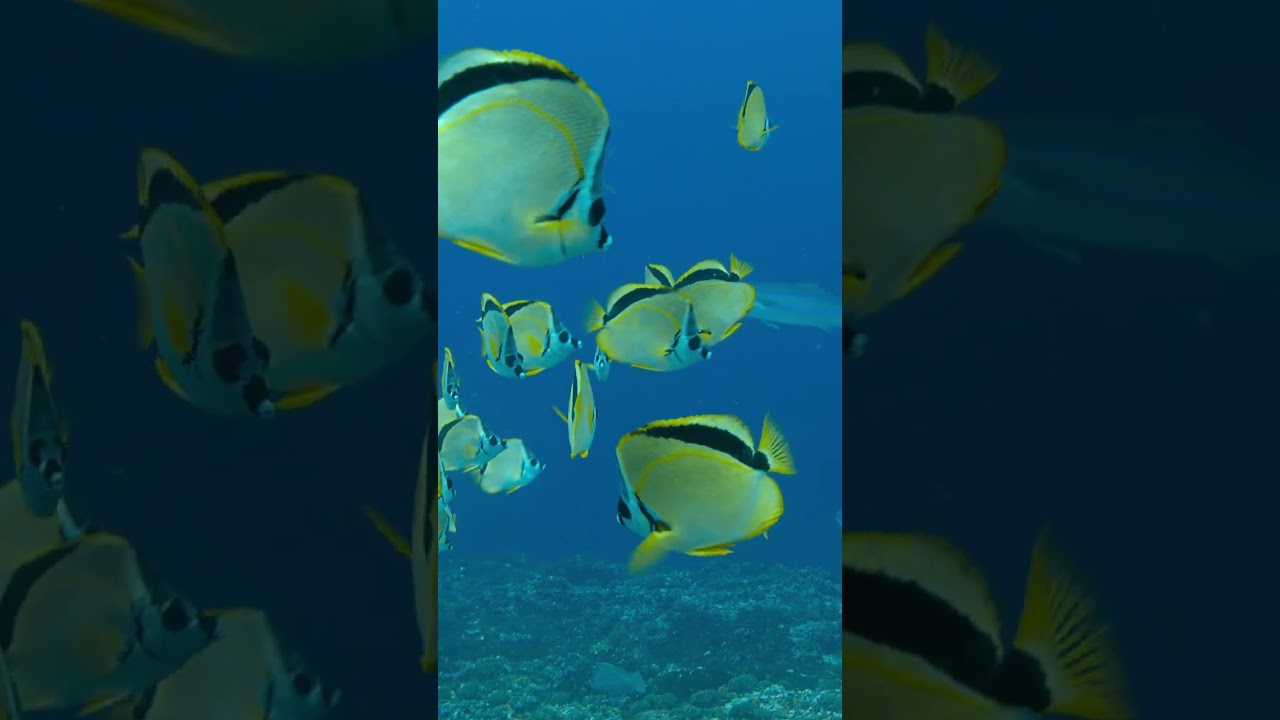
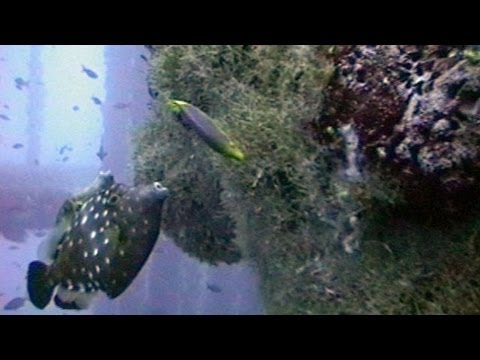
A cleaning station just a few feet in size attracts various fish, including a rainbow runner, as barberfish remove parasites from their larger counterparts.
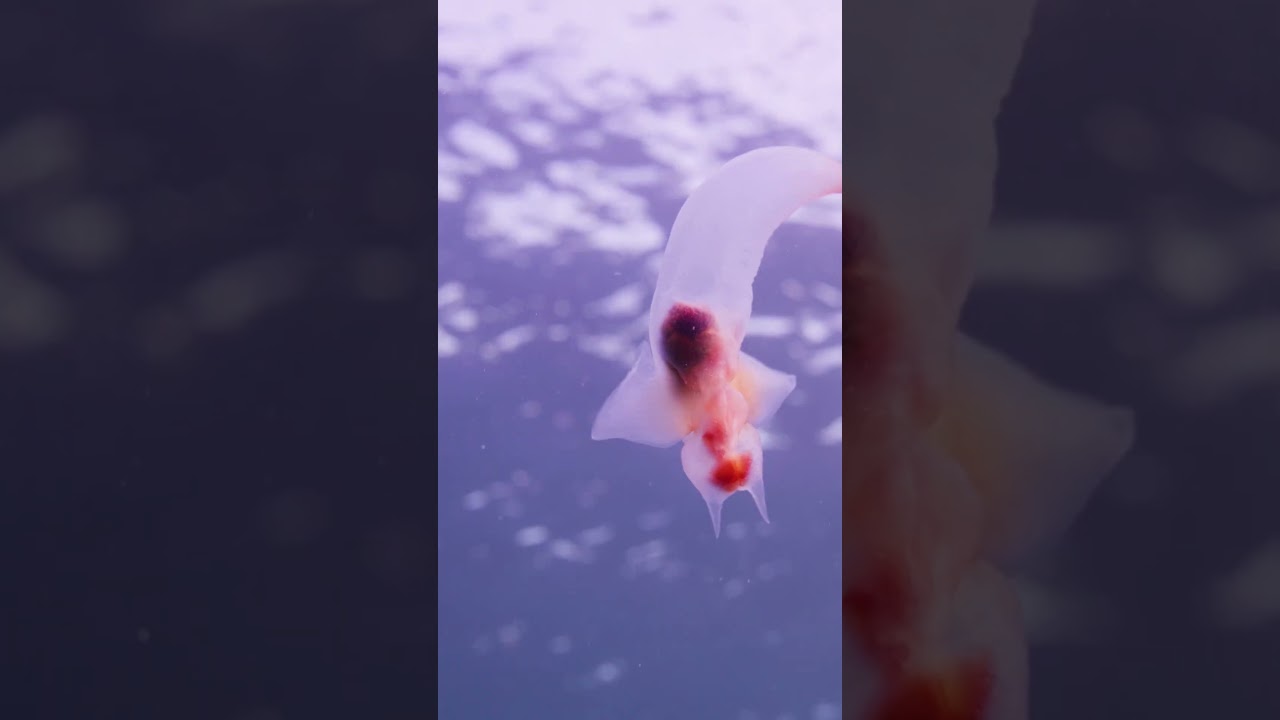
Clione limacina, a unique marine creature, is examined through the expertise of scientists and filmmakers from National Geographic, highlighting its habitat and role in marine ecosystems.
The video showcases massive ocean waves, highlighting their power while featuring seagulls and social media reactions to their beauty and danger.
Five whistleblowers reveal how ships illegally dump toxic bilge water into the ocean, contributing to severe environmental damage.
Octopuses possess remarkable camouflage abilities that allow them to blend seamlessly into their surroundings, posing challenges for fish trying to spot them.
A marine protected area in Mexico faces illegal fishing, with poachers earning up to $100,000 for a kilo of totoaba swim bladders sold in China.
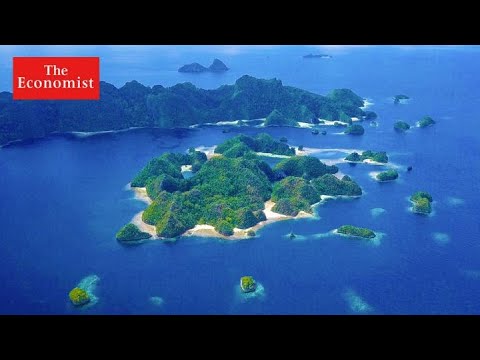
A 465 square mile marine protected area in Indonesia aims to combat illegal fishing and restore biodiversity in the Coral Triangle.
An estimated 50,000 horseshoe crabs die each year due to the extraction of their blood, which is used in medical testing and vaccine production.
With only 500 Giant Sea Bass remaining in the ocean, Douglas McCauley uses technology to track and protect this critically endangered species.
This Spanish video showcases a cenote in Cuba and its unique ecosystem.
Vanessa O'Brien collected water samples nearly 11,000 meters below the surface of the Pacific Ocean to aid research on ocean acidification.
Cocos Island, located in the Pacific Ocean, is presented as a remote paradise known for its natural beauty and diverse wildlife, attracting nature enthusiasts and explorers.
The Kraken Project team celebrates their successful project work and explores the seabed's wonders.
Santorini's volcanic landscapes and ancient ruins are central to the exploration of historical and archaeological evidence connecting the island to Atlantis.
Coral grows slowly, about six inches a year, facing threats from global warming and pollution.
Darwin in Palau faces coral decline, while Dr. Ruth Gates in Hawaii fights to save reefs.
Scientists use selective breeding to create climate-resistant coral for the Great Barrier Reef.
75% of the world's freshwater is stored in Antarctic ice sheets, raising concerns over territorial claims and resource extraction in the region.
Cenotes in Cuba, formed by limestone filtration, connect to the sea and host diverse marine life, highlighting the ecological significance of these freshwater caves.
Cuba's mangrove swamps, a unique ecosystem where salt and fresh water converge, host diverse wildlife and are linked to Christopher Columbus's mermaid legend.
Cuttlefish camouflage with their surroundings to hunt prey without being seen.
More than four million acres in the Gulf of Mexico have become uninhabitable for most marine life due to low oxygen levels.
An invention using lion fish scent aims to prevent shark attacks effectively.
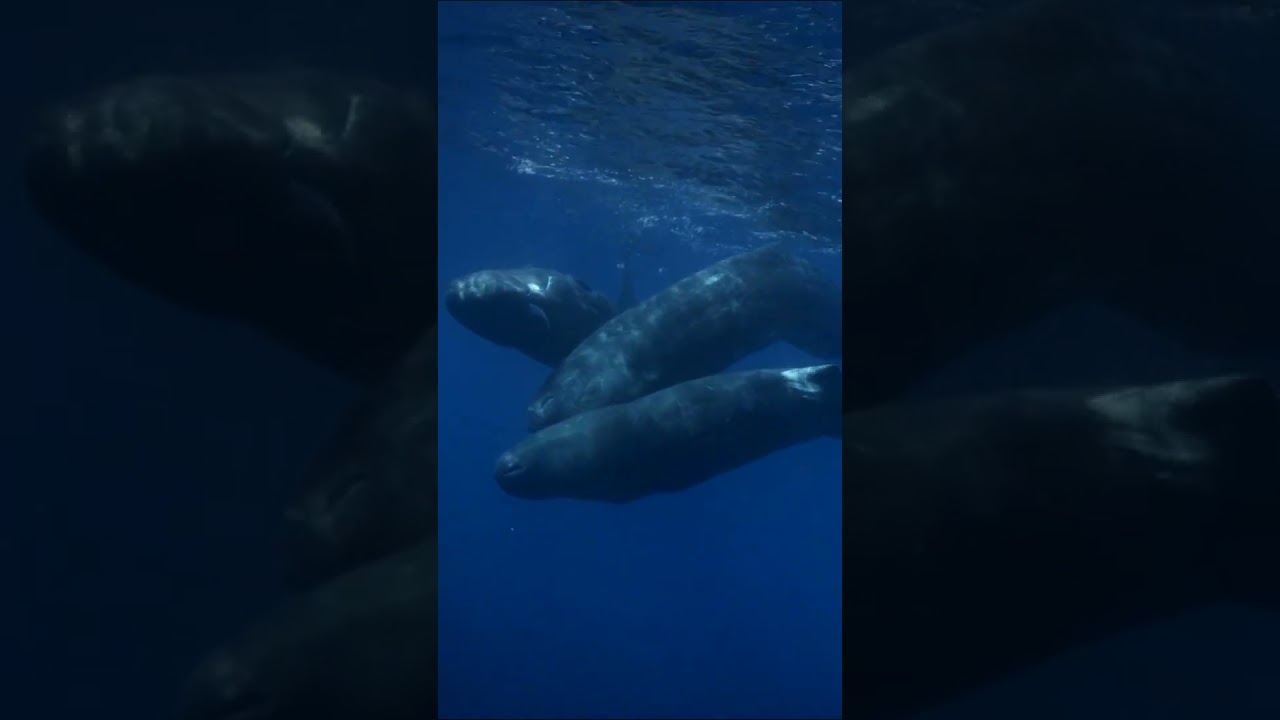
Sperm whales, known to incapacitate makos with their sonar, share the waters of the Azores with divers Joe and Lauren Romeiro.
Divers on the Paul Gauguin explore the pristine waters of French Polynesia and encounter marine life.
Taiwan transformed from being labeled "garbage island" to one of the cleanest places on Earth over the past three decades through extensive recycling efforts.
A sloping beach shelters tens of thousands of king penguins and their chicks preparing for independence.
One thousand kilometers of the Essequibo River feature treacherous rapids, massive waterfalls, and diverse wildlife.
Dr. Susanne Lockhart descends 600 meters into the Weddell Sea to study its ecosystems and advocate for marine-protected areas against climate threats.
At nearly 190 meters deep, Lake Traunsee contains a flat expanse of soft sediment where unknown treasures may lie hidden.
Pollution threatens the coral reefs of the Florida archipelago and the North Atlantic Ocean.
The video showcases a flight down into the Marianas Trench and Challenger Deep.
In South Africa, sharkologist Michelle Jewel investigates the communication behaviors of great white sharks, focusing on their breaching patterns.
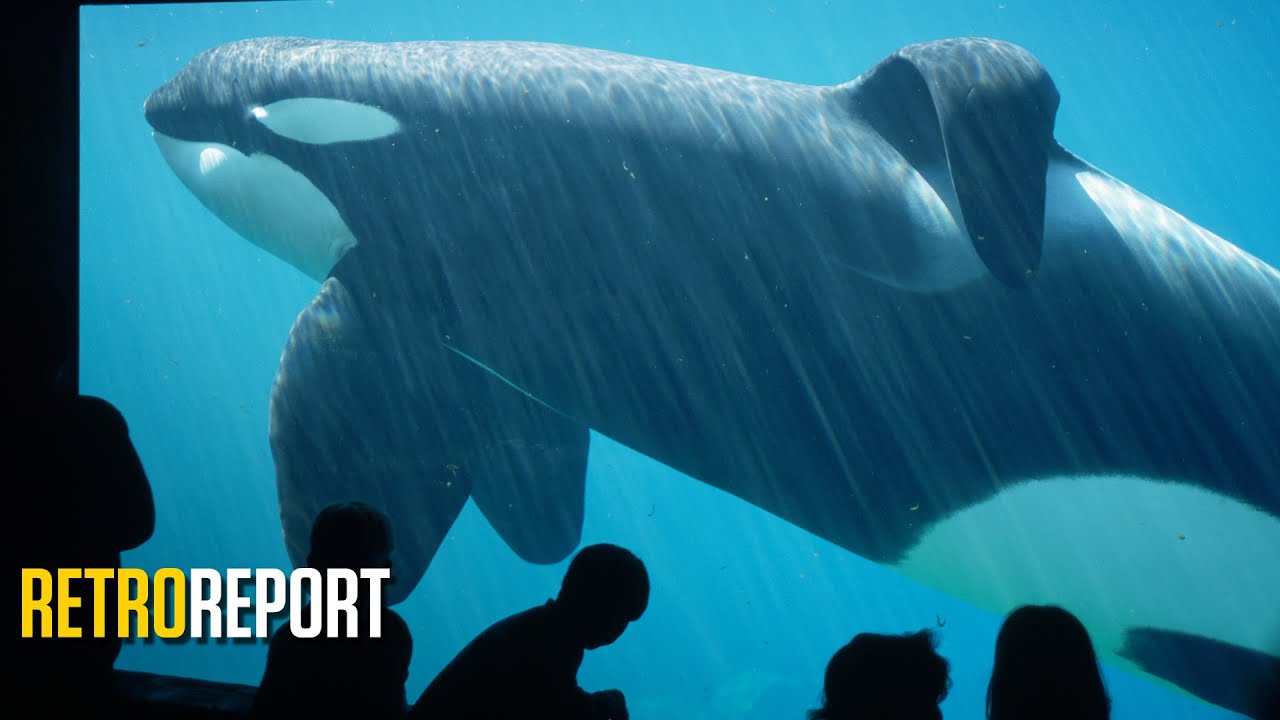
In the summer of 1993, the release of "Free Willy" sparked a campaign by activists and fans to free Keiko, the real killer whale who portrayed Willy.
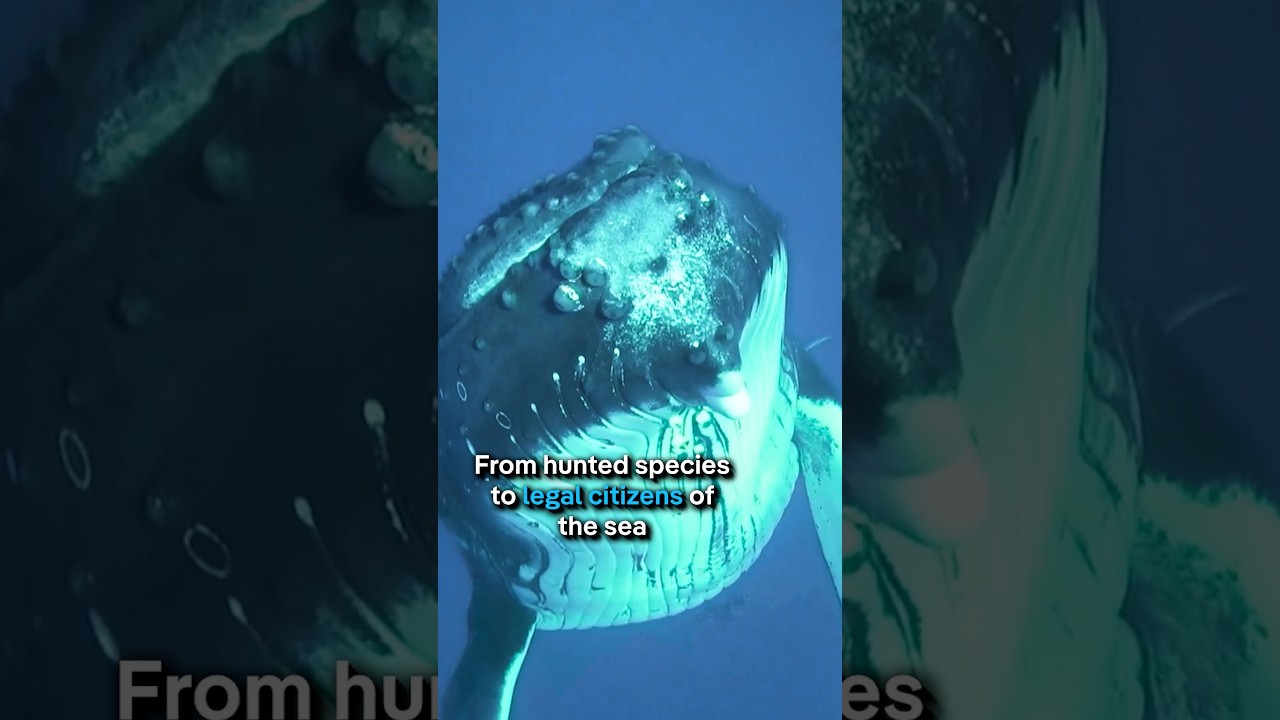
In 2024, indigenous leaders from Polynia signed a declaration recognizing whales and dolphins as legal persons with inherent rights.
The Cape Gannet dives into the ocean, showcasing its unique hunting skills in Nature's Dive Bombers.
EARL, a giant whale carcass decoy, offers an immersive experience for two people to explore its innovative design and learn about marine life and shark behavior.
The goal is to reach the end of a river that is so difficult it challenges even the most skilled paddlers.
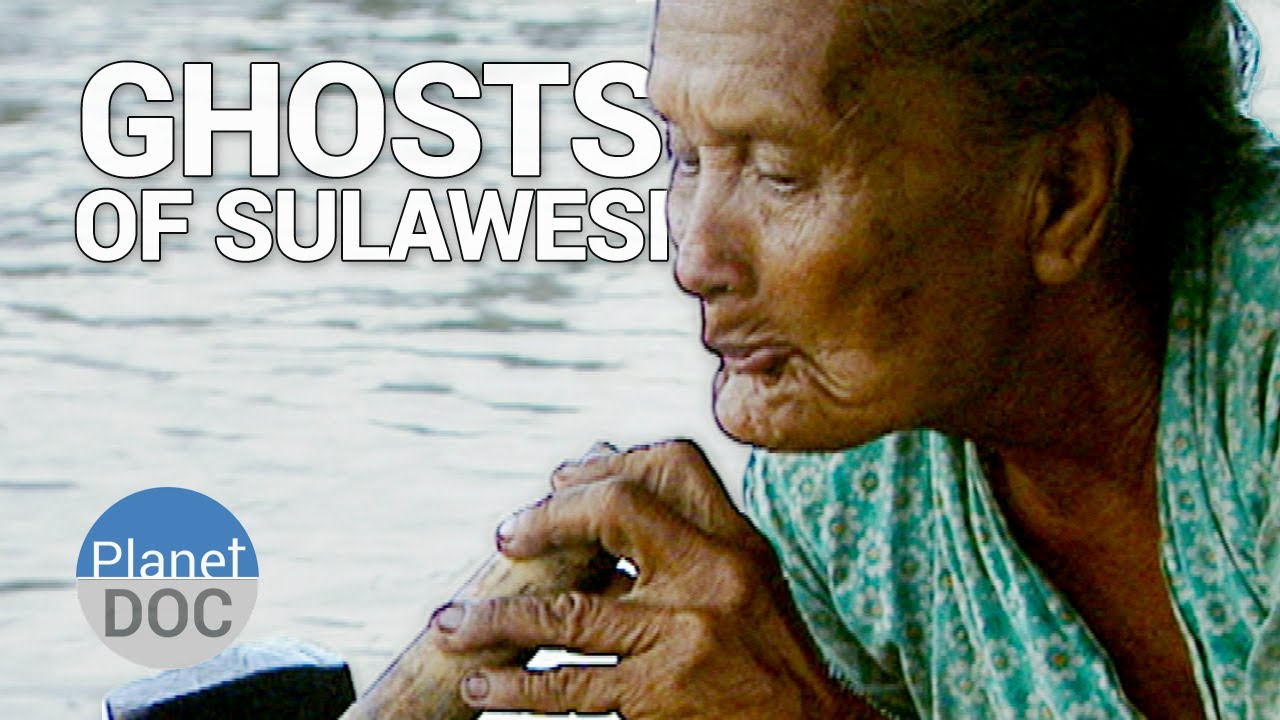
The Bajau of Sulawesi live their entire lives on boats, feeling like fish out of water on land.
Field biologist and conservationist O'Neill Wildlife presents a five-episode series on the largest living examples of animals, including the African Bush Elephant and Whale Shark.
A 23-year study in Cirs Marshland reveals that many native plants struggle to adapt to rising CO2 levels, allowing invasive species to thrive.
The Goliath tigerfish is a terrifying predator, likened to a shark crossed with a piranha.
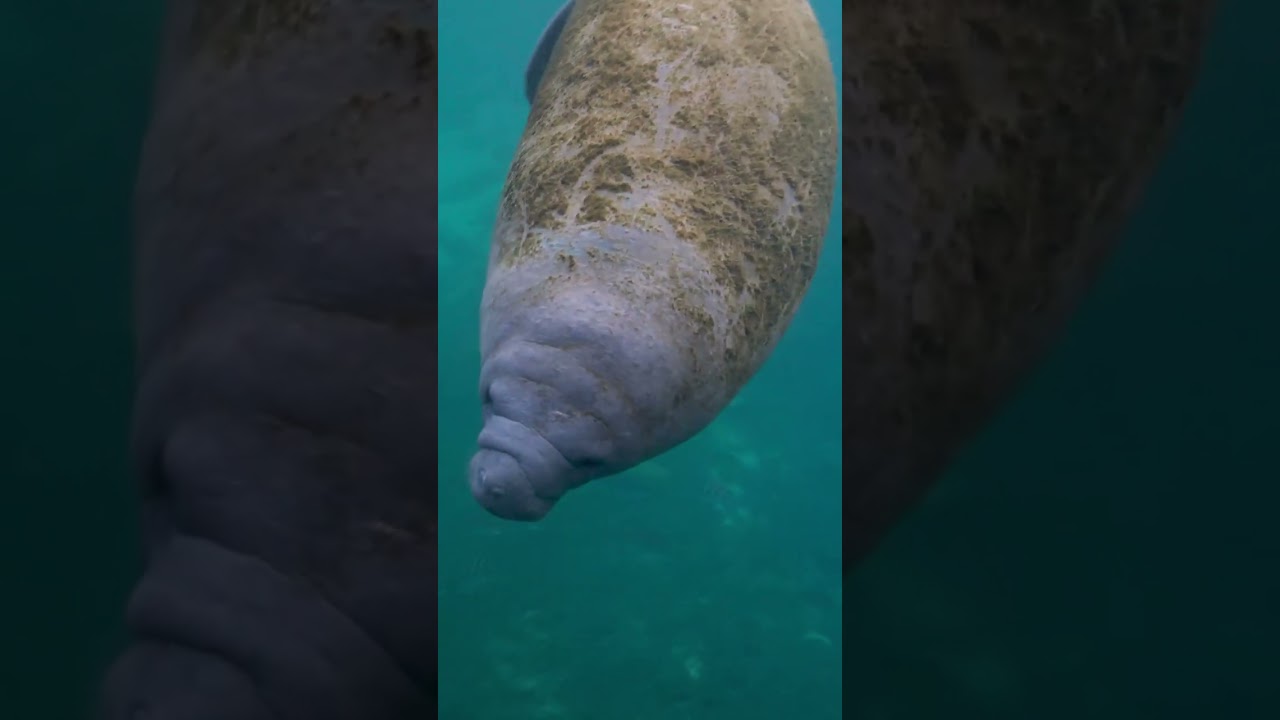
Manatees are shown in their natural habitat, interacting with humans and seeking fresh water, while grazing on seagrass in a serene marine environment.
A manatee can live for over 50 years and is often injured by motorboats, contributing to its status as an endangered species.
A 2,000-pound Great White Shark named Bruce is closely observed by scientists who aim to challenge misconceptions about shark behavior and intelligence.
A hammerhead shark locates a hiding stingray, prompting a frantic escape attempt.
Hammerhead sharks can hear injured fish from over a mile away using low-frequency sounds.
At the Smithsonian Marine Station in Fort Pierce, staff meticulously manage the diets of various fish species during feeding time to ensure their health and nutrition.