From over 100,000 films, discover the handful you'll love.
Free or premium access to the world's largest documentary library.
1248 films(Page 12 of 26)
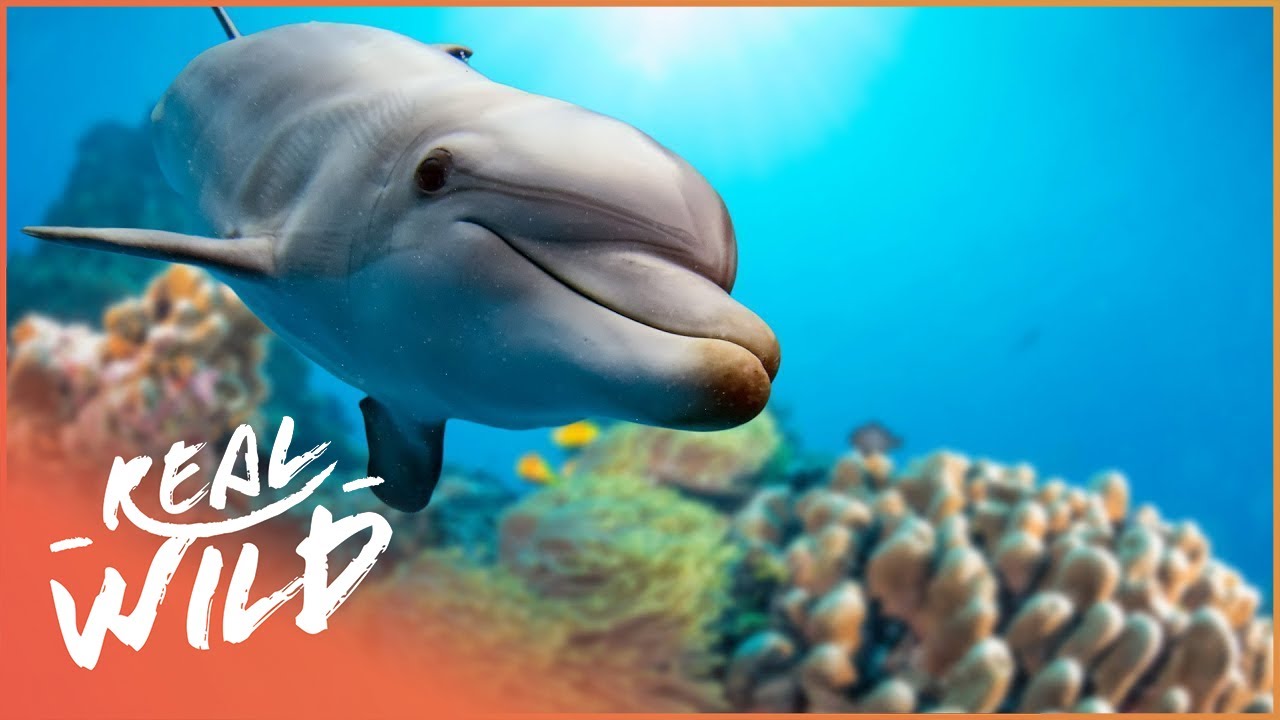
Dolphins encounter various threats in their natural habitats, as illustrated by footage that captures their behavior and interactions with other wildlife.
Half a million birds from over 350 species rely on Keoladeo National Park for habitat and sustenance, making it a critical sanctuary for wildlife.
A mile-deep chasm formed between Africa and Arabia created the Red Sea, which is home to diverse marine life and unique coral ecosystems.
Coral reefs globally are experiencing severe ecological decline due to climate change, pollution, and overfishing, threatening marine biodiversity.
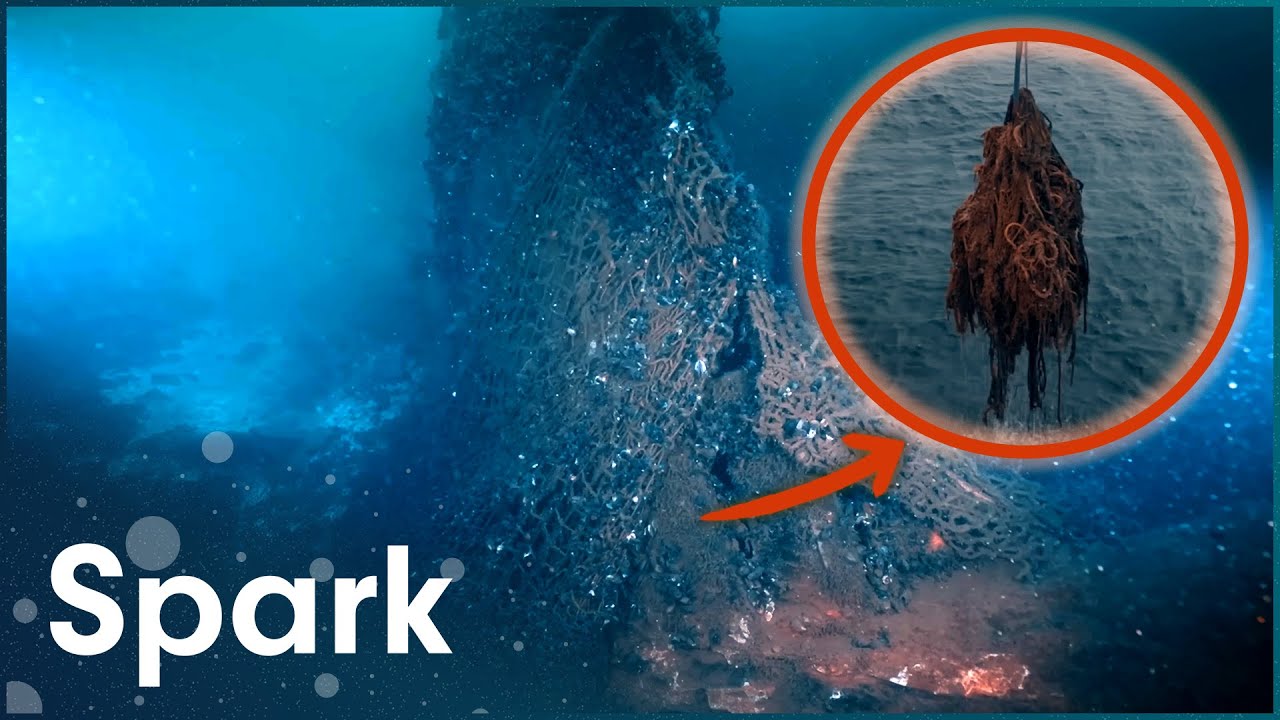
Baltic Sea Divers team, led by biologist Lena Platt, conducts high-stakes salvage operations to remove hazardous ghost nets from the wreck of the Friedrich Engles.
Germany's underwater ecosystems, from the Harz Mountains to the North Sea, showcase the survival of species like the critically endangered Atlantic sturgeon amid environmental changes.
The Kraken Project highlights the vast unexplored regions of the ocean and the critical need for understanding the mysteries of Earth's waters.
The USS Indianapolis sank on July 30, 1945, resulting in the worst sea disaster in U.S. naval history, with survivors facing five days adrift in the Pacific.
A floating crane built in 1974 can lift loads of up to 200 tons as Baltic Sea divers attempt to salvage the sunken fishing cutter Verner Order.
A 24-foot tiger shark, one of the largest predatory fish, is featured in encounters that raise questions about the ethics of shark diving.
Australia's unique ecosystems, from the ancient Outback to the Tasmanian wilderness and the Australian Alps, showcase millions of years of evolutionary history.
Guadalupe Island is home to the northern elephant seal, which has made a comeback after being nearly wiped out by hunters in the 19th century.
Hundreds of thousands of herrings head towards the Bay of Sitka each spring, prompting fishermen to brave extreme conditions in search of their catch.
Rattlesnakes, stonefish, scorpions, blue ringed octopuses, Sydney funnel web spiders, Gila monsters, and fire ants exemplify the world's most toxic predators and their lethal adaptations.
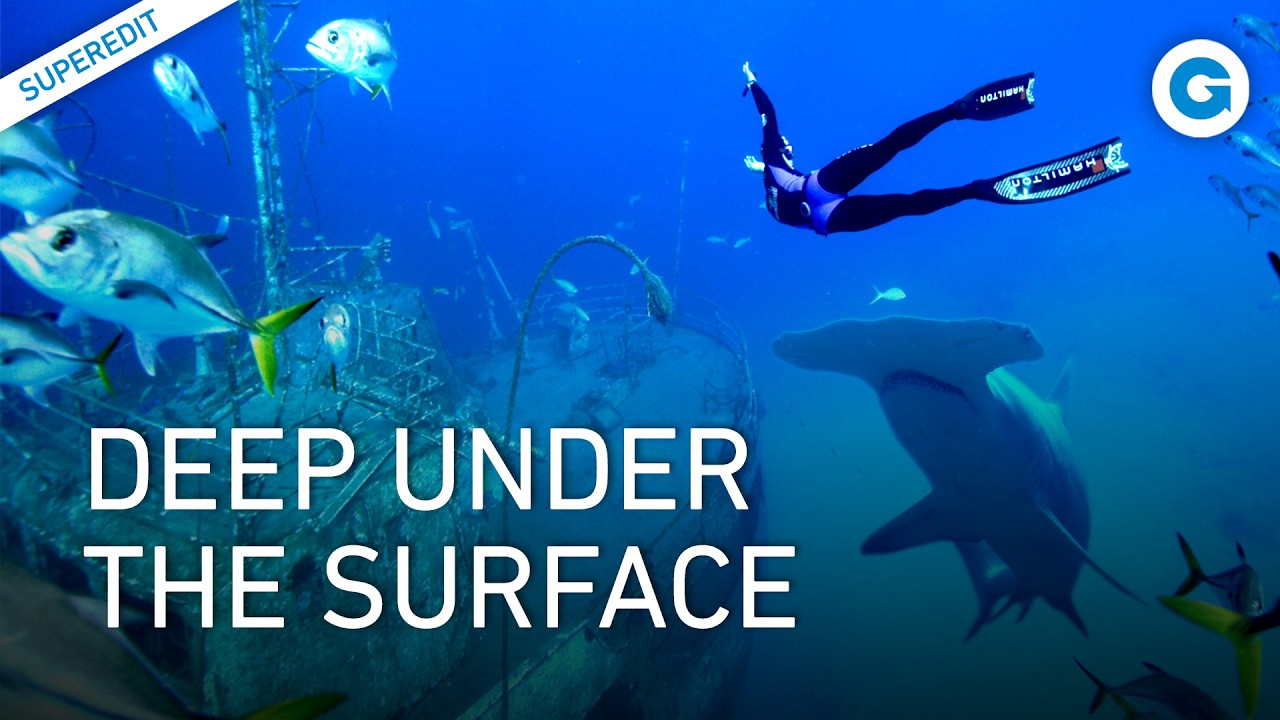
In Guadalupe Island, world-class freedivers Frederic Buyle, William Winram, and Pierre Frolla collaborate with marine biologist Dr. Mauricio Hoyos to tag great white sharks without protection.
Oceans are increasingly polluted with plastic, impacting wildlife like the fulmar bird in Holland and affecting reproductive systems in Germany.
1,600 nautical miles from land, Adventure Aaron survived after his ocean rowboat capsized and he was surrounded by sharks in the Pacific Ocean.
A 29-meter experimental craft, known as the Spiderboat, aims to revolutionize waterborne travel with its innovative wave-adaptive technology.
Ten-year-old Tess learns to steer her mother's fishing boat, the Henry Bay, while facing her fear of rough seas off Vancouver Island.
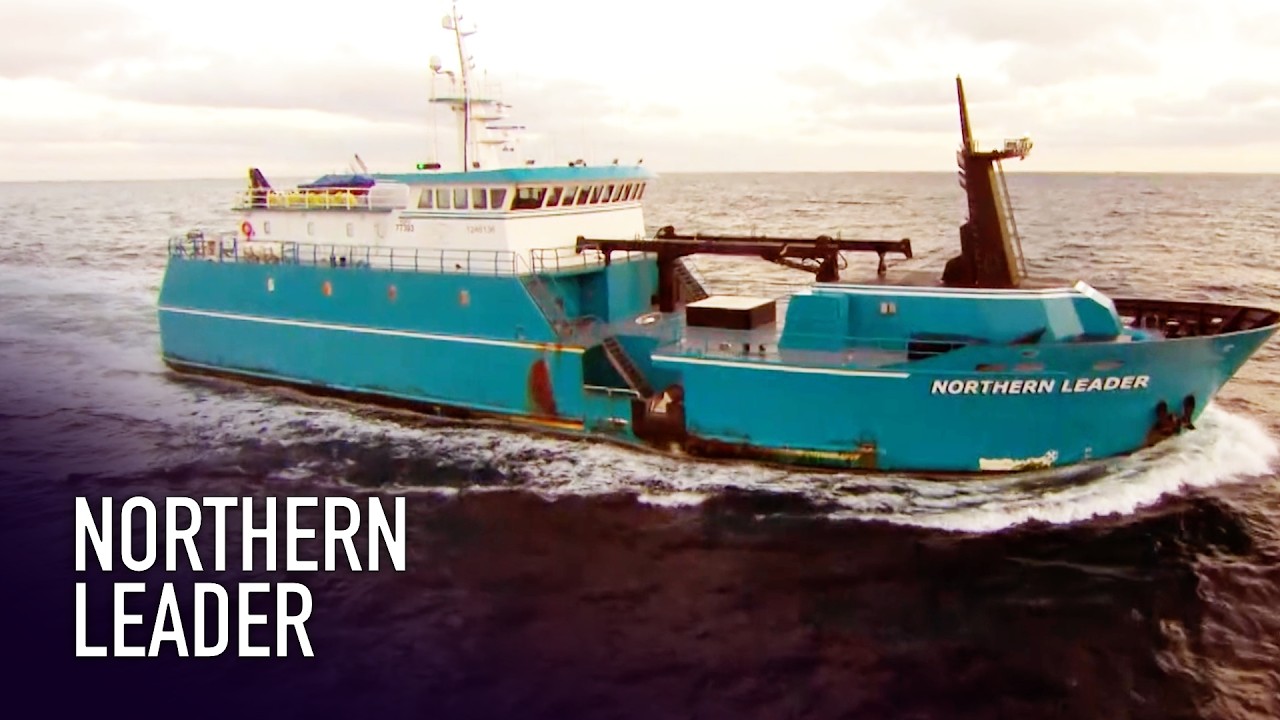
Alaska's longline fishing ships confront treacherous conditions, including high waves and hurricane-force winds, to secure substantial cod catches.
Humpback whales, along with monarch butterflies and snow geese, exhibit remarkable migration patterns and behaviors in their natural habitats.
Five men, led by Dr. Joe McGinnis, lower themselves into the Arctic Ocean for the first time in history to study its underwater environment.
Professional surfers navigate the treacherous waters of the North Atlantic, showcasing the challenges and beauty of extreme maritime conditions.
Tubbataha Park in the Philippine Archipelago is highlighted for its exceptional coral reef preservation, featuring Prince Albert II's efforts in marine conservation and turtle research.
11 million kilos of meat are consumed by vultures in the Serengeti each year, illustrating their crucial role in the park's ecosystem.
A 366-foot destroyer, the Annapolis, awaits its fate as a potential artificial reef, following years of delays and regulatory hurdles.
Germany's rivers, streams, and lakes host a diverse array of aquatic life, including exotic jellyfish, freshwater turtles, and the formidable Wels catfish.
Over 5,000 tablets of the diabetes drug metformin flow into the ocean daily from the Thames, raising concerns about chemical pollution's impact on marine life.
Murray Fisher discusses his conservation efforts in New York waterways, highlighting the Billion Oyster Project and the importance of youth engagement in ecological restoration.
Off the coast of Corsica, a team of scientists led by Laurent Ballesta investigates mysterious circular formations discovered at a depth of one hundred metres.
South Africa's Route 27 features unspoilt beaches, vibrant wildflower carpets, and encounters with humpback whales along the country's wild west coast.
In shallow waters off New Zealand, marine biologist Ian Gordon studies the elusive prickly shark, a species recently observed by scientists.
Endurance swimmer Adam Walker attempts to cross perilous straits while encountering dolphins and exploring the intelligence and culture of orcas.
Yonaguni, a small island of 29 square kilometers, is home to a community that practices ancestor worship and maintains unique cultural traditions.
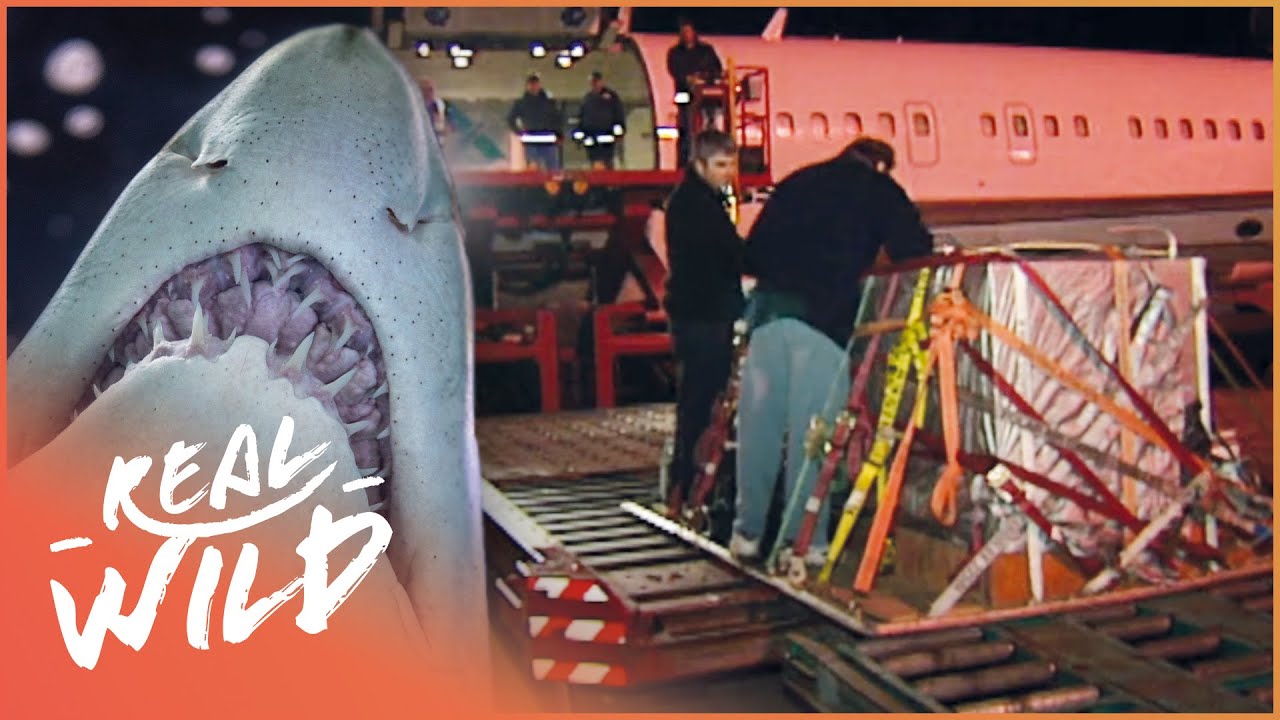
Ian Gordon transports a female grey nurse shark over 1,000 miles by air to Melbourne, Australia, to support the species' declining population.
Beluga whales, revered in ancient legends like that of Seawoman, are studied by scientists using advanced technology to understand their complex communication methods.
Two guests share their experiences in marine science, discussing how to pursue a career in shark research without a PhD.
A group of scientists gathers each summer on Bonaire to investigate whether squid can communicate through distinct messages on their skin.
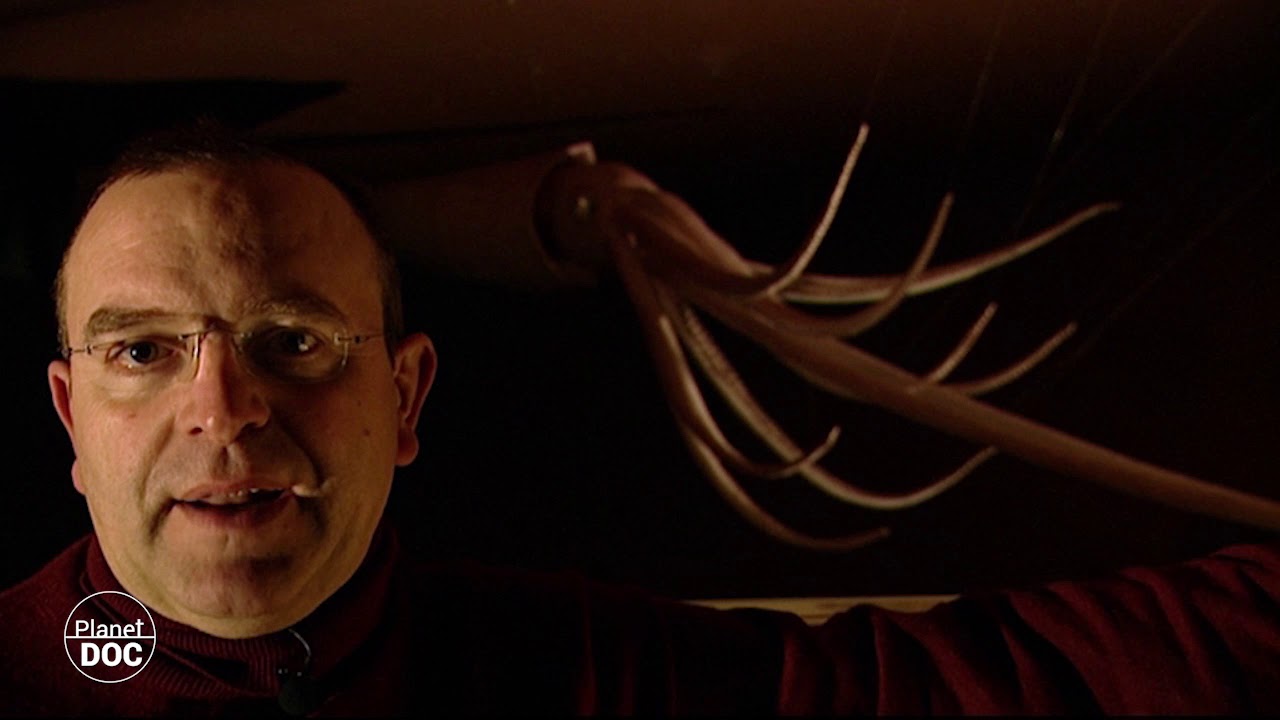
Three oceanographic ships set sail to search for the giant squid in the Carrandi trench, utilizing advanced underwater cameras and technology.
In Antarctica, elephant seals and various penguin species rely on isolated islands as critical nurseries for breeding and teaching survival skills.
More than 170 species of fish inhabit the reefs around the archipelago of Fernando de Noronha, a key area for the spinner dolphins that visit daily.
Dr. Dave Ebert and Luke Tipple discuss undiscovered shark species and their ocean importance.
Oceans, covering over 70% of the Earth, contain vast currents that regulate climate and ecosystems, raising concerns about their stability amid climate change.
In Namibia's bushlands and Australia's shark-infested waters, wildlife captures its own stories through hidden cameras placed on various animals.
A mother whale can carry her calf's small carcass over 1,000 miles, demonstrating the deep emotional bonds shared among cetaceans.
In Tanzania, over a million wildebeest and a quarter of a million zebras face perilous challenges during their thousand-kilometer migration across the Serengeti.
Lionfish have spread across millions of square miles of ocean, threatening native species in the Caribbean and western Atlantic.
Footage from the National Oceanic and Atmospheric Administration's Pribilof Islands Restoration Project highlights the cultural and environmental significance of the Pribilof Islands.