From over 100,000 films, discover the handful you'll love.
Free or premium access to the world's largest documentary library.
1248 films(Page 10 of 26)
The isolated Auckland Islands showcase surprising wildlife, including sea lions and yellow-eyed penguins.
America's endangered species, including rare birds and fish, face critical survival challenges, with some never before captured on film.
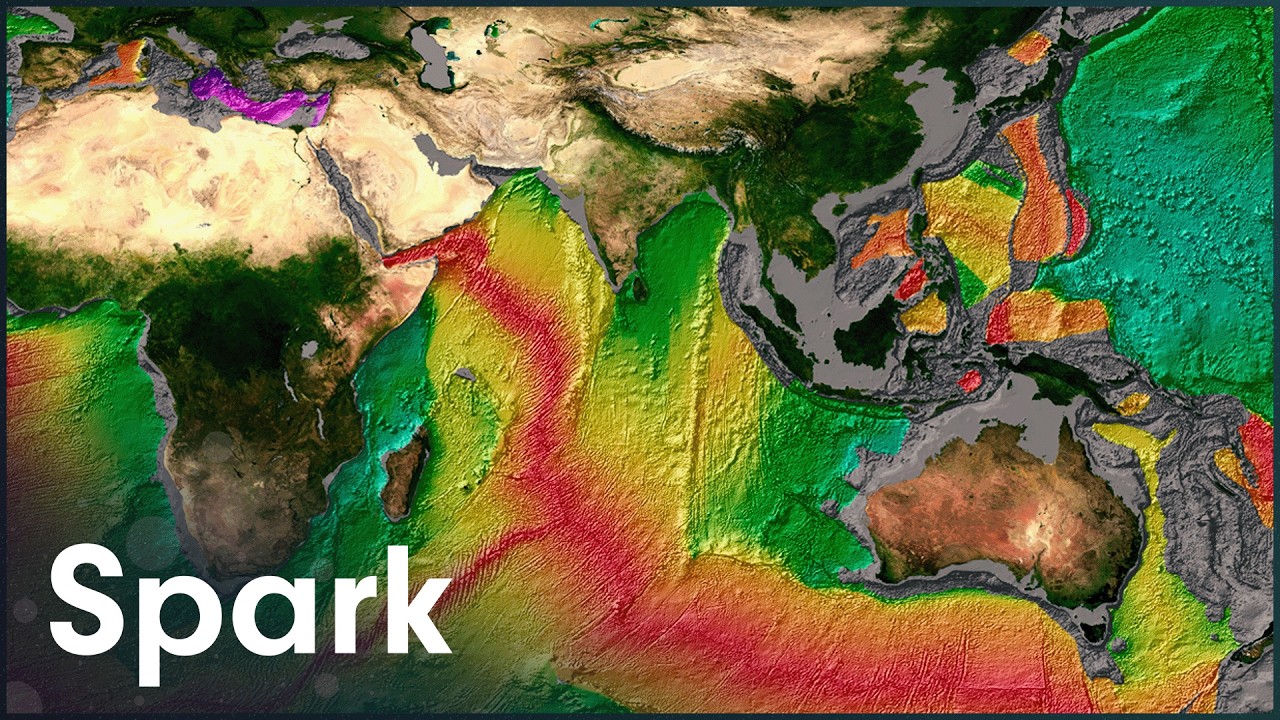
Earth contains 330 million cubic miles of water, yet the origins of this vital resource remain one of science's greatest mysteries.
Remote Atlantic islands, from Iceland to Antarctica, are formed by volcanic activity along the mid-Atlantic Ridge and host unique wildlife found nowhere else.
Giants of the Pacific adapt their feeding strategies for survival in diverse environments.
Marine venom from creatures like cone snails and jellyfish is being studied for its potential to treat human diseases and enhance medical therapies.
Overfishing has caused a decline in fish populations, with one marine conservationist noting that the spring salmon run has not occurred for years.
Egypt's Great Pyramid at Giza, built 4,500 years ago, remains the only intact structure of the Seven Ancient Wonders of the World.
In the animal kingdom, taste and smell play crucial roles in survival, with receptors located in various unexpected places across different species.
Along Africa’s eastern coast, billions of sardines migrate annually, prompting a massive feeding frenzy involving dolphins, sharks, gannets, and seals.
The Galapagos Archipelago faces ecological decline due to climate change and disrupted ocean currents, as documented by a team aboard the Sedna IV.
In the Cayman Islands, the invasive red lionfish disrupts coral reef ecosystems, prompting a team aboard the Sedna IV to address urgent conservation challenges.
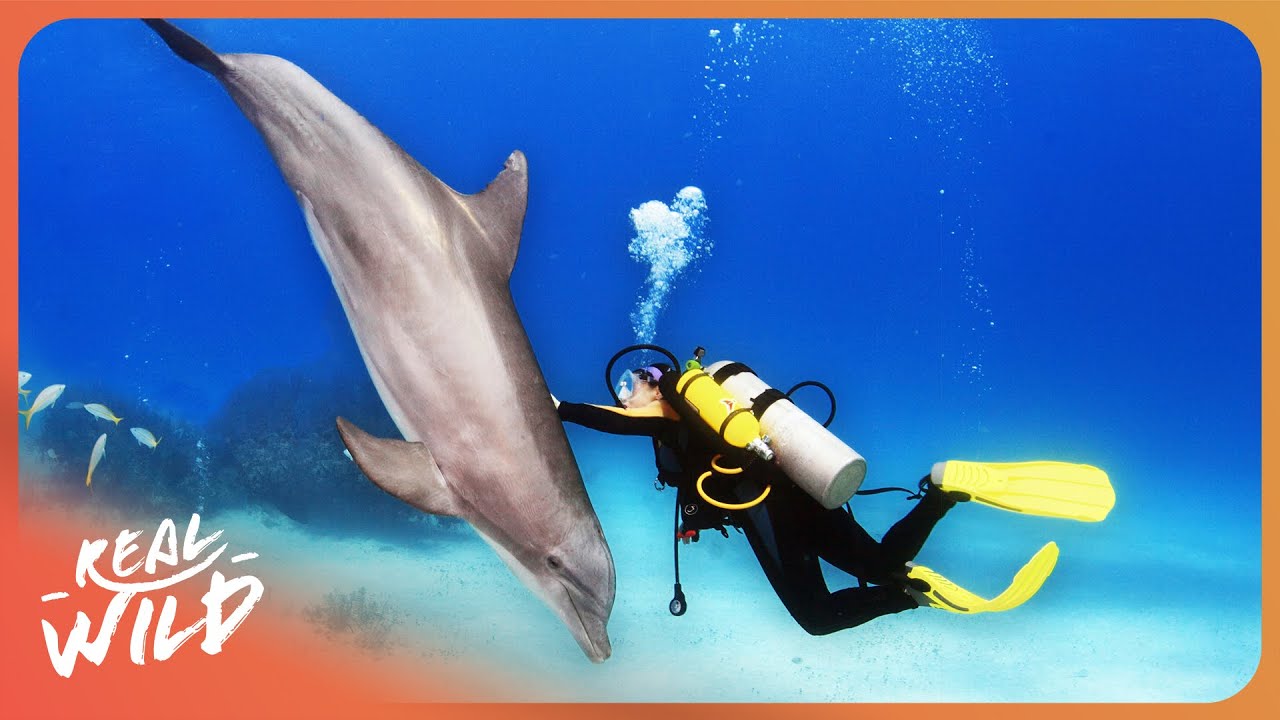
In the Red Sea, biologist Angela Ziler and dolphin expert Michael Scherman study wild dolphins, revealing their social behaviors and interactions, including the recovery of an injured dolphin named Ferdinand.
Manny explores the Atlantic Ocean to study the behavior and ecological significance of its most dangerous shark species.
In Africa, survival is influenced by lethal weapons such as the crushing jaws of hippos, the brute force of lions, and the venom of puff adders.
In Sulawesi, Indonesia, the film highlights the Toraja's elaborate funeral rituals and the Bajau people's unique lifestyle on houseboats, alongside vibrant coral reefs.
A local salt scraper in Lac Rose earns a living by collecting salt, a task he describes as "slave labor" but views as essential for his family's survival.
Cree and Inuit communities in the Hudson Bay and James Bay regions are advocating for the protection of their vital waters, essential for their way of life.
In the Azores and Cocos Island, the Sedna 4 team installs satellites on endangered hammerhead sharks, while studying humpback whales in Silver Bank, Dominican Republic.
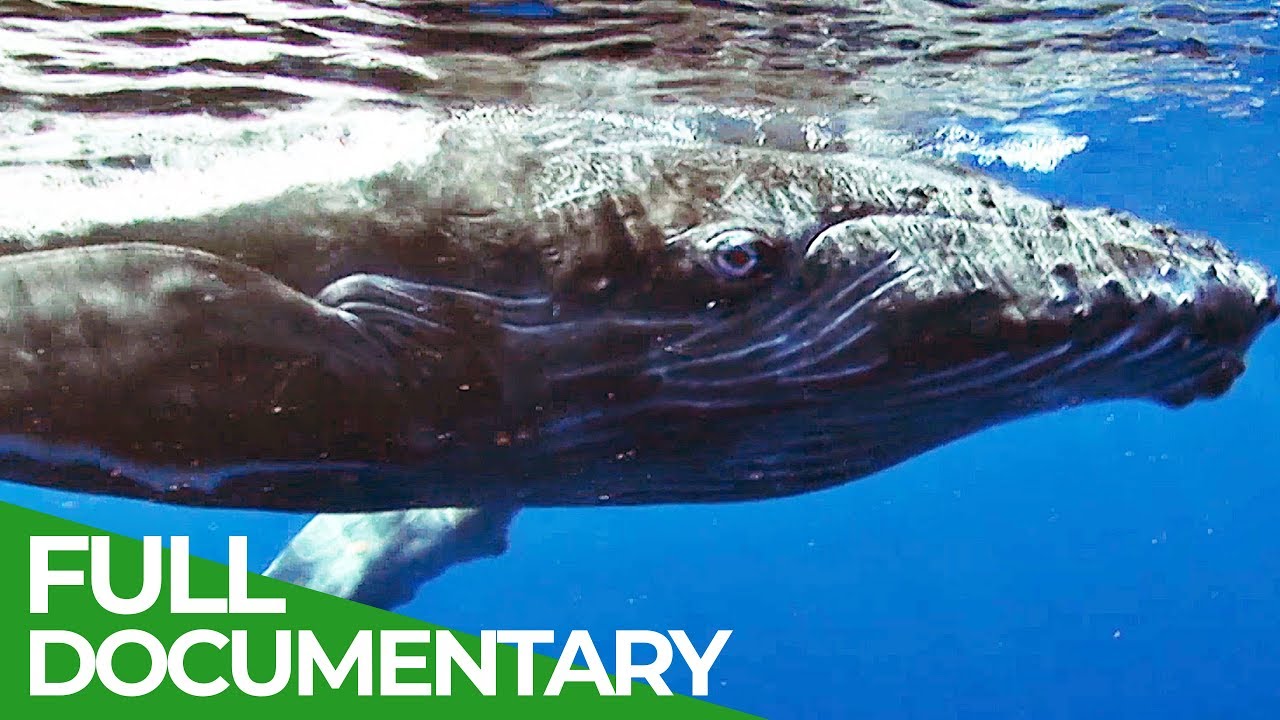
Humpback whales, once nearly extinct due to whaling, now face renewed threats from Japan and potential hunting in Tonga as conservationists, including Paul Watson, advocate for their protection.
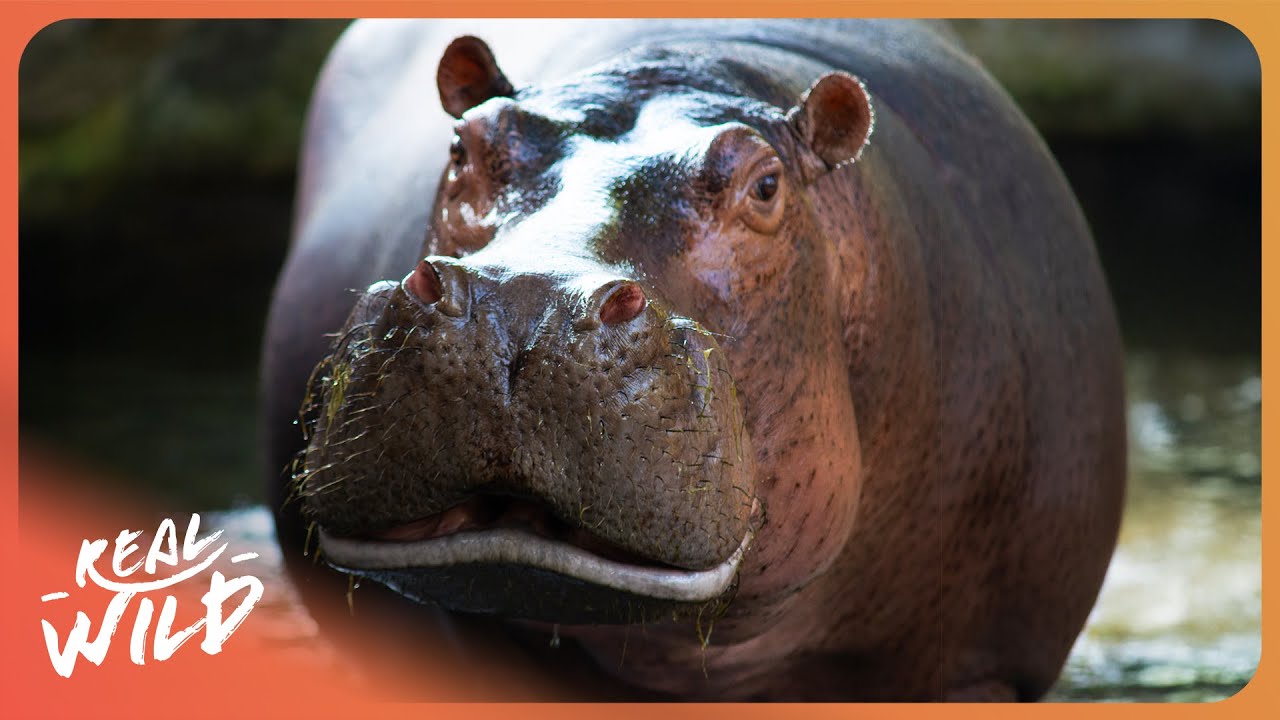
In the Bissagos archipelago off Guinea-Bissau, a unique population of hippos thrives in coastal saltwater while green turtles return to breed on protected shores.
More than 10 million macaroni penguins were counted in the latest survey, reflecting their stable population amid ongoing conservation efforts.
In January 2016, 30 sperm whales stranded on the North Sea coast, prompting marine biologist Florian Graner to investigate the causes of these events.
Humpback whales and other migratory species in the Atlantic Ocean face threats, while conservation efforts in the Azores and Anuta highlight biodiversity and traditional livelihoods.
A 4.5-meter shark is caught by fishermen in Indonesia after a two-hour struggle, illustrating the complex relationship between humans and sharks.
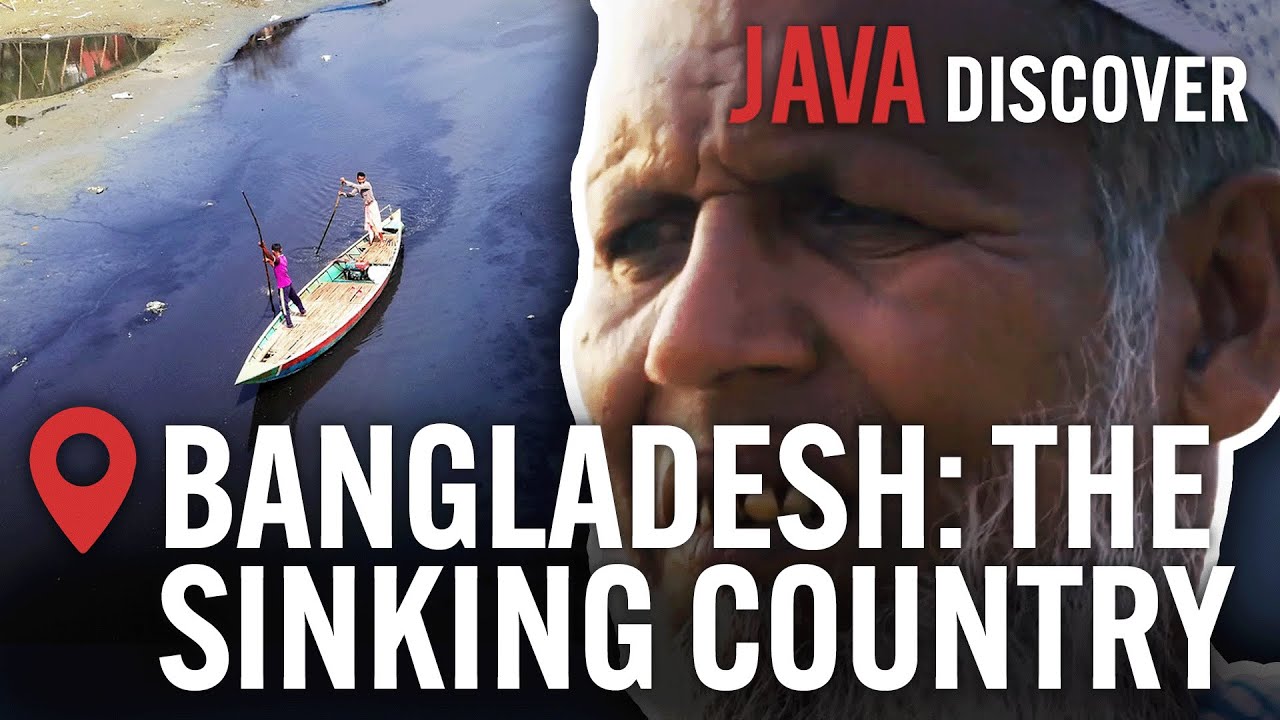
Bangladesh faces a dire future as rising waters threaten 30% of its land and 60 million people.
A team of free divers, including world champion Frederic Buyle, approaches great white sharks in their natural habitat without diving tanks or safety cages.
In the Bahamas, where shark populations are highly protected, entrepreneur Stuart Cove promotes shark advocacy and tourism while collaborating with researchers on species studies.
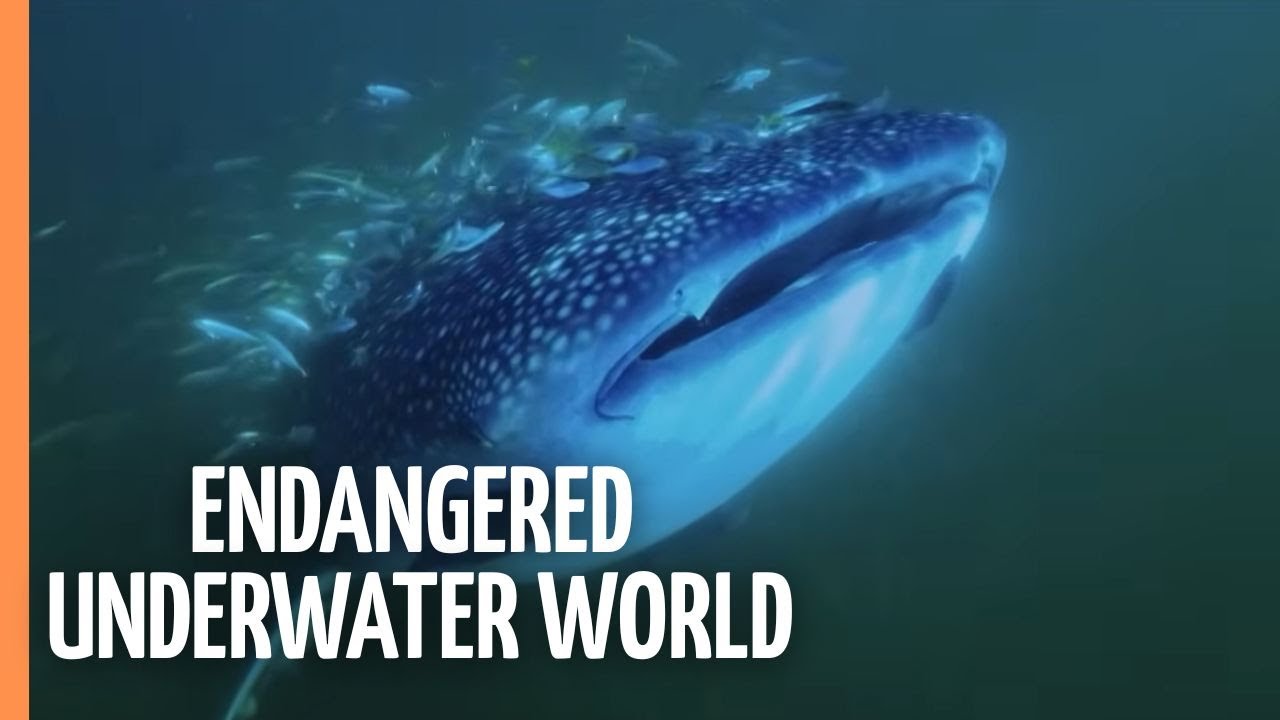
Whale sharks, the largest fish in the world, can grow up to 13 meters long and visit the Gulf of California every summer to feed on plankton.
Australia's Dugong population, the largest in the world, faces significant threats, prompting consultations with scientists from the Great Barrier Reef Marine Park Authority.
The North and Baltic Seas are explored through unique wildlife moments, including the Ghost Forest in Germany's Mecklenburg and rare footage of a Gotland grass snake.
Disney Cruise Line plans to open Lookout Cay at Lighthouse Point, a new destination on Eleuthera, after five years of development and collaboration.
More than half of the over 500 shark species are less than a meter long, many of which are harmless and often misunderstood.
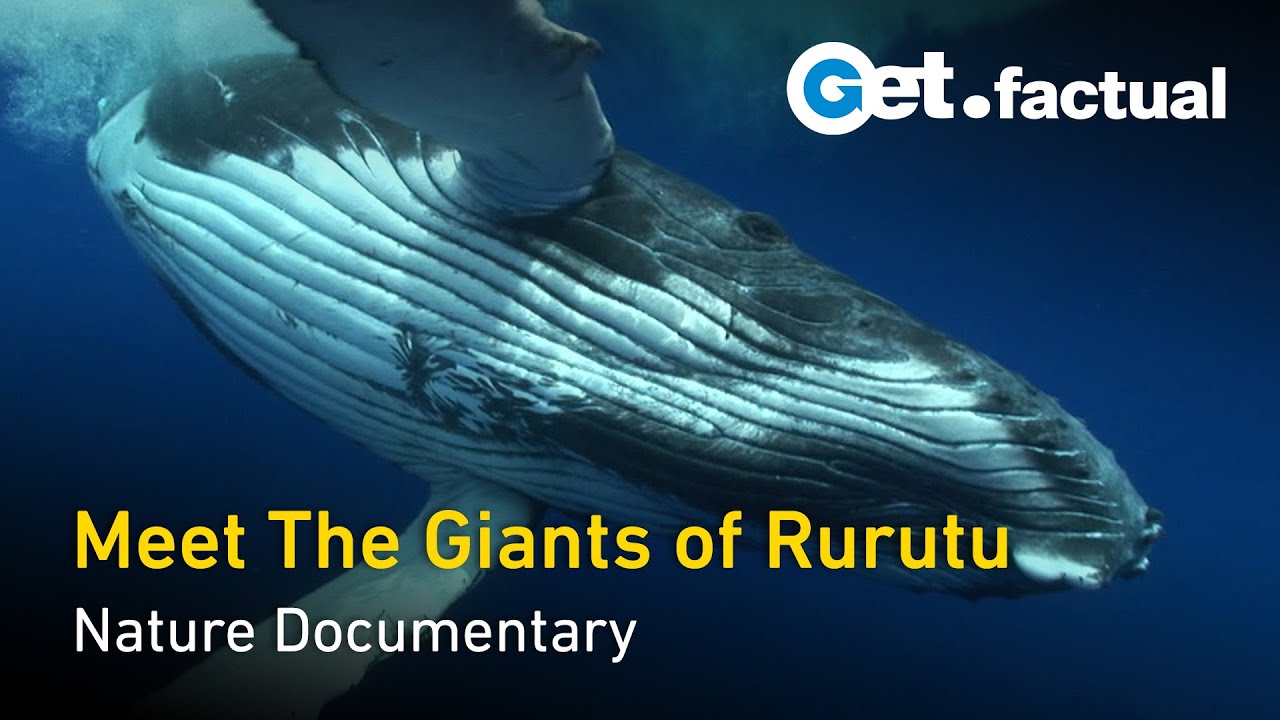
Humpback whales, weighing up to 36 tonnes and measuring 19 metres long, migrate 7,000 kilometres from Antarctica to the island of Rurutu each year.
In 2014, a storm caused 100 percent mortality of harp seal pups in the Arctic, illustrating the severe impact of climate change on marine life.
Over 100 reef sharks participate in a feeding frenzy in the Bahamas, illustrating the thrill and danger of extreme shark encounters.
A flea and a Laysan Albatross travel the Pacific Ocean until landing on Midway to mate.
Rob Stewart and Rita Banerji highlight ocean conservation and Olive Ridley turtles in India.
In the Arctic Circle, Jørn Hurum explores a rocky polar desert rich in Jurassic-era fossils, revealing insights into the evolution of ancient sea monsters.
Thousands of shipwrecks, including the "Wakashio," "MT Haven," and "Orient Queen," pose environmental threats while passionate divers explore their histories.
The Mediterranean has a surface area of around 2½ million square kilometres and is among the most ravaged sea regions in the world.
Robson Green catches half-ton sharks in Ascension Island during his fishing adventures.
Killer Jellyfish, the most venomous creature, are spreading across oceans and posing dangers.
Freediver Frederic Buyle and marine biologist Professor Serge Planes study the coral reefs of Moorea, French Polynesia, documenting marine species and conservation challenges.
Changing Ocean Asia highlights urban challenges and solutions in Singapore's sinking cities.
One bluefin tuna can sell for more than $100,000, reflecting the high demand and significant impact of sushi on global fish stocks.
Underwater photographer Brian Skerry has spent over 10 years with National Geographic, capturing images that reveal the threats facing the world's oceans.
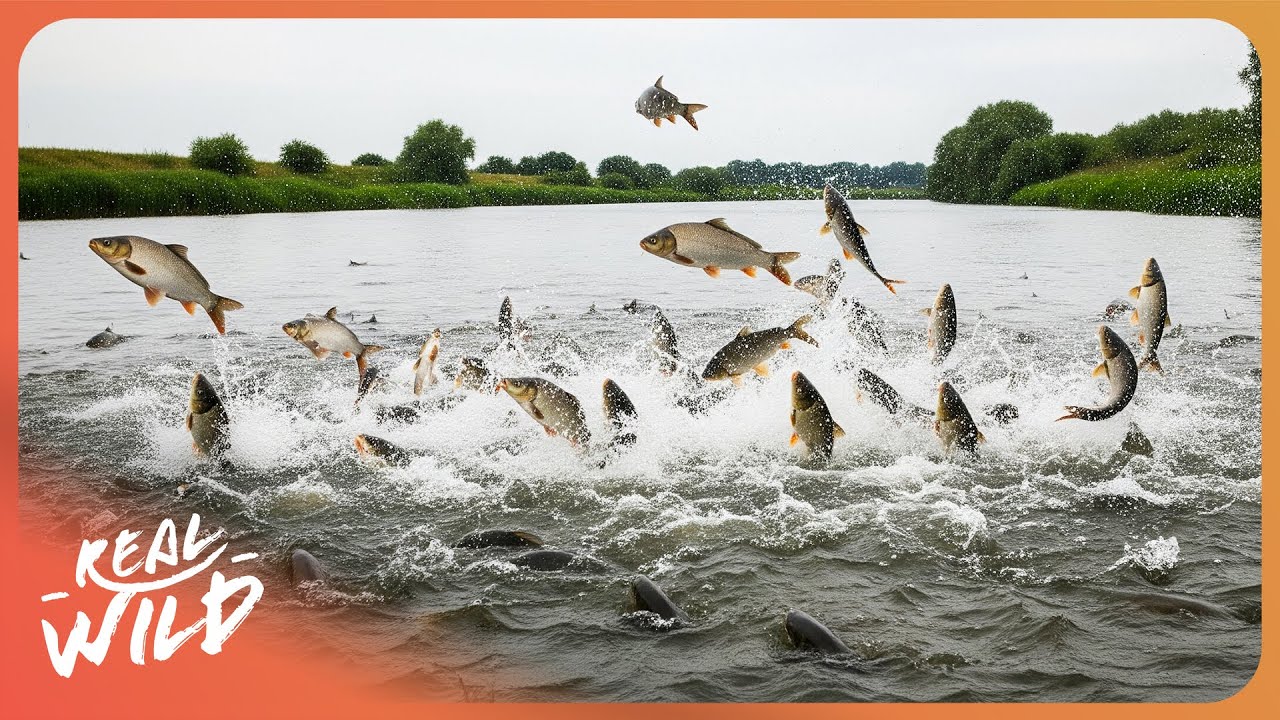
Asian carp, originally introduced to America for pond maintenance, now threaten the Mississippi River ecosystem and the Great Lakes through their invasive spread.