From over 100,000 films, discover the handful you'll love.
Free or premium access to the world's largest documentary library.
1248 films(Page 9 of 26)
A Road Runner can reach speeds of over 30 kilometers per hour while hunting in the Sonoran Desert's unique ecosystem.
In Australia’s southwest coast, a sea lion pup navigates the challenges of life on land and in the ocean, relying on his mother for survival and learning essential skills.
Bertie Gregory films great white sharks in South America without a protective cage, highlighting their hunting behavior and the impact of climate change on their environment.
Rangers Céline Obadia and Hervé Bergère protect Port-Cros National Park from environmental threats.
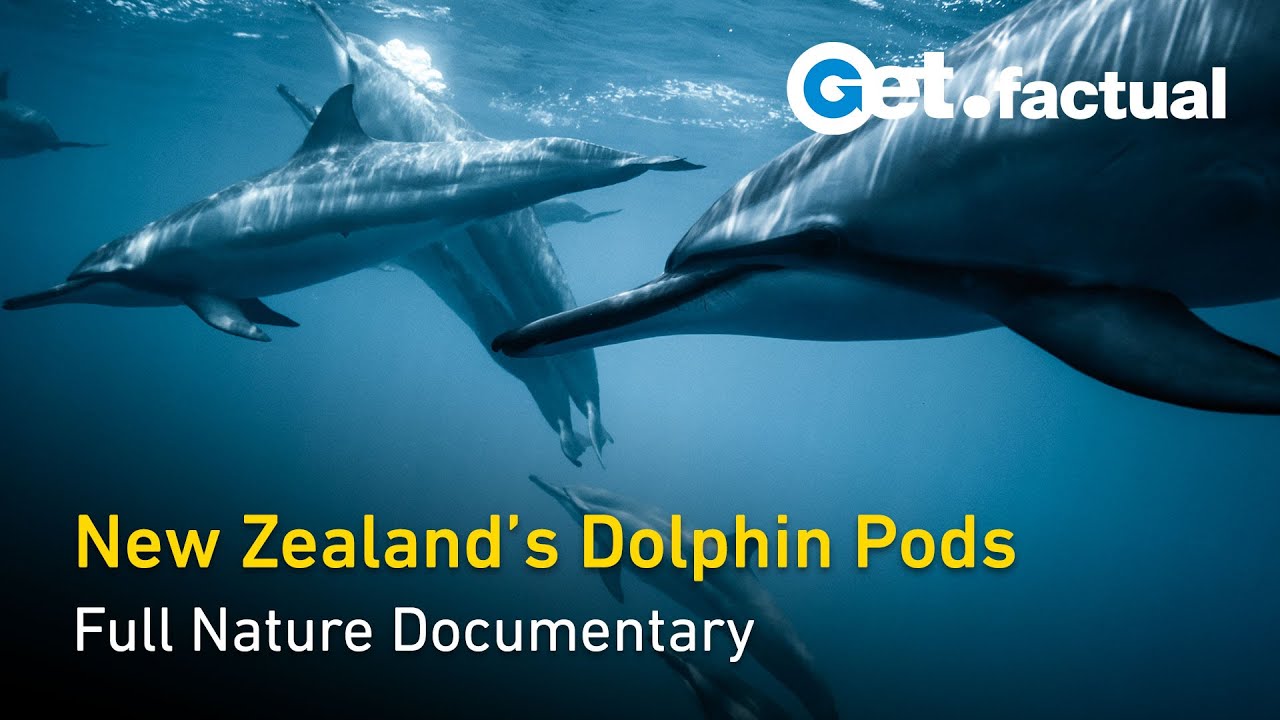
Different dolphin species in New Zealand showcase unique survival strategies and social structures.
Mark Synnott, a Explorer, attempts to retrace the ill-fated 1845 expedition of Sir John Franklin through the perilous Northwest Passage.
100 million years ago, the area of the Elbe Sandstone was part of a shallow sea, home to ancient crocodiles and sharks.
Orcas can detect sounds through fat-filled cavities in their lower jaw, allowing them to locate prey with high precision during hunts.
A saltwater crocodile can exert a bite force of up to two tons, strong enough to puncture metal and crush its prey.
More than 10,000 hours spent underwater allowed photographer Brian Skerry to capture the beauty and complexity of marine life across three decades.
Lord Howe Island, a world heritage site, relies on conservation efforts led by Ian Hutton to protect its unique wildlife and fragile ecosystems.
Human beings struggle to navigate underwater environments due to impaired vision, muffled hearing, and a lack of smell, unlike marine animals with specialized senses.
A man attempts a world record tightrope walk at 3,500 metres without safety gear, while researchers in Northern Australia study the most venomous sea snakes.
Venice, La Serenissima, attracts people while showcasing its vibrant traditions and challenges.
Giant manta rays in the Socorro Islands off Mexico's Pacific coast are studied for their remarkable interactions with divers, showcasing their unique behavior.
Cephalopods exhibit remarkable intelligence and adaptability in remote ocean environments, showcasing their unique behaviors through stunning underwater cinematography by Bertrand Loyer.
Keolu Fox is the first Native Hawaiian to earn a Ph.D. in genome science, focusing on how genetic data can empower Indigenous communities in Hawaii.
A crew of seven travels 550 kilometers across the Pacific to bury an art exhibition on Cocos Island, known for its legendary pirate treasures.
Frederic Buyle and Christian Petron explore marine ecosystems off the Mexican coast and Fakarava in Polynesia, focusing on great white sharks and reef sounds.
A once-abandoned island in the Bahamas is being transformed into a luxury resort, facing challenges in clearing waste and rebuilding the ecosystem.
Five glaciers and four mountain passes challenge a group of skiers as they traverse the Southern Alps of New Zealand's South Island.
A male gannet fights fiercely to defend his nesting space, resulting in the death of an intruder during a brutal territorial dispute.
Earth's biodiversity, featuring over 1.6 million animal species from soaring birds to majestic elephants, highlights the interconnectedness of ecosystems worldwide.
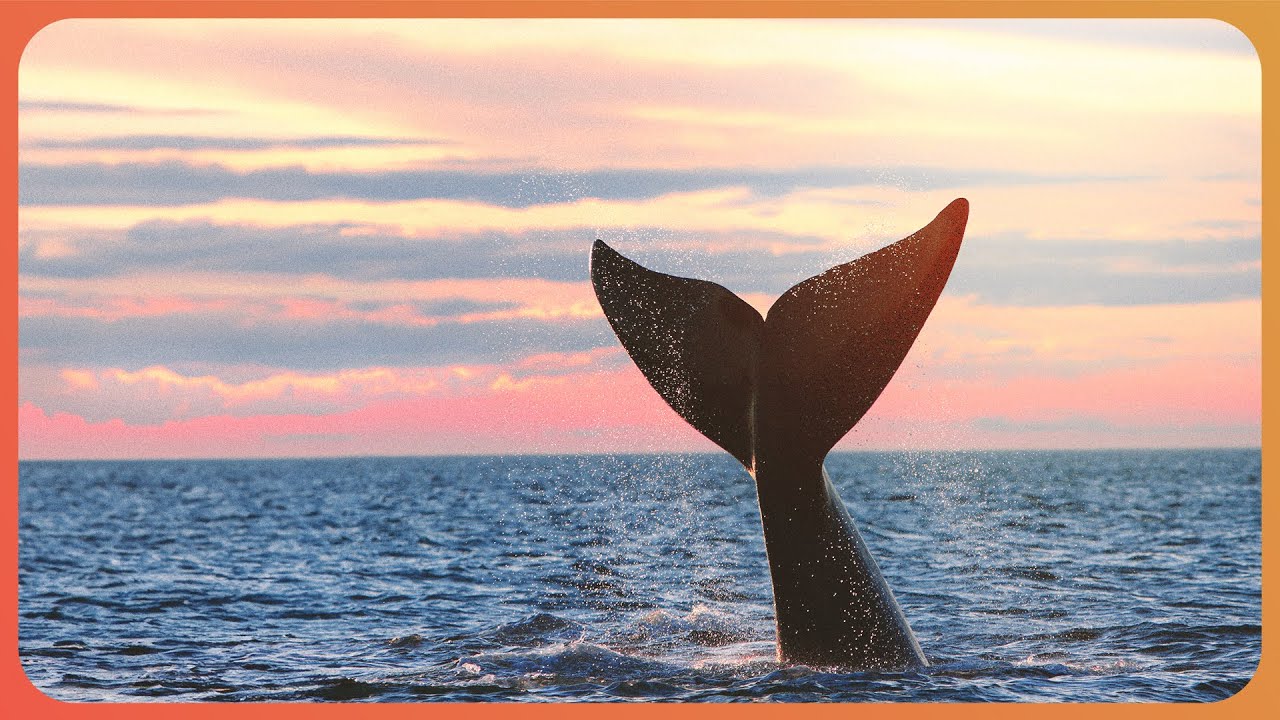
With fewer than three hundred individuals remaining, the Northern Right Whale faces significant threats during its dangerous migration to the Bay of Fundy each summer.
Wales' dramatic coastline features cockle collectors racing against tides, church congregations on island sermons, and serves as a Mars testing ground for ESA.
A 6-ton orca can strip a giant bluefin tuna in minutes, taking advantage of fishing boats to enhance its hunting success.
Australia's Great Ocean Road, a 250-kilometer coastal route, was constructed in 1919 to provide jobs for returning World War I veterans and showcases stunning landscapes.
In U.S. waters, hundreds of critically endangered manatees are threatened by boats, disease, and cold weather, with only a few thousand remaining in the wild.
A 60-foot leviathan, a prehistoric toothed whale, faces off against the great white shark in a dramatic battle for dominance in ancient oceans.
A leopard can mate as often as every 15 minutes during a five-day period with a female, marking his territory to defend against rivals.
Laurent Soulier, a marine mammal parasitologist, aims to save humpback whale populations by studying their lice in New Caledonia's waters.
In the Sonoran Desert, summer monsoons from the nearby Sea of Cortez support a rich biodiversity, including iconic saguaros and diverse marine life like blue whales.
Parque Natural da Ria Formosa, one of Europe's largest lagoon conservation areas, hosts over 20,000 wintering birds and a significant seahorse population.
Aerial footage showcases Tasmania's stunning coastlines, sea-cliffs, waterfalls, temperate rainforests, and mountain ranges in a serene visual experience.
Quentin travels 2,924 miles across India, meeting a snake catcher in Mysore and a healer in the Malnad region who claims to treat cancer with traditional medicine.
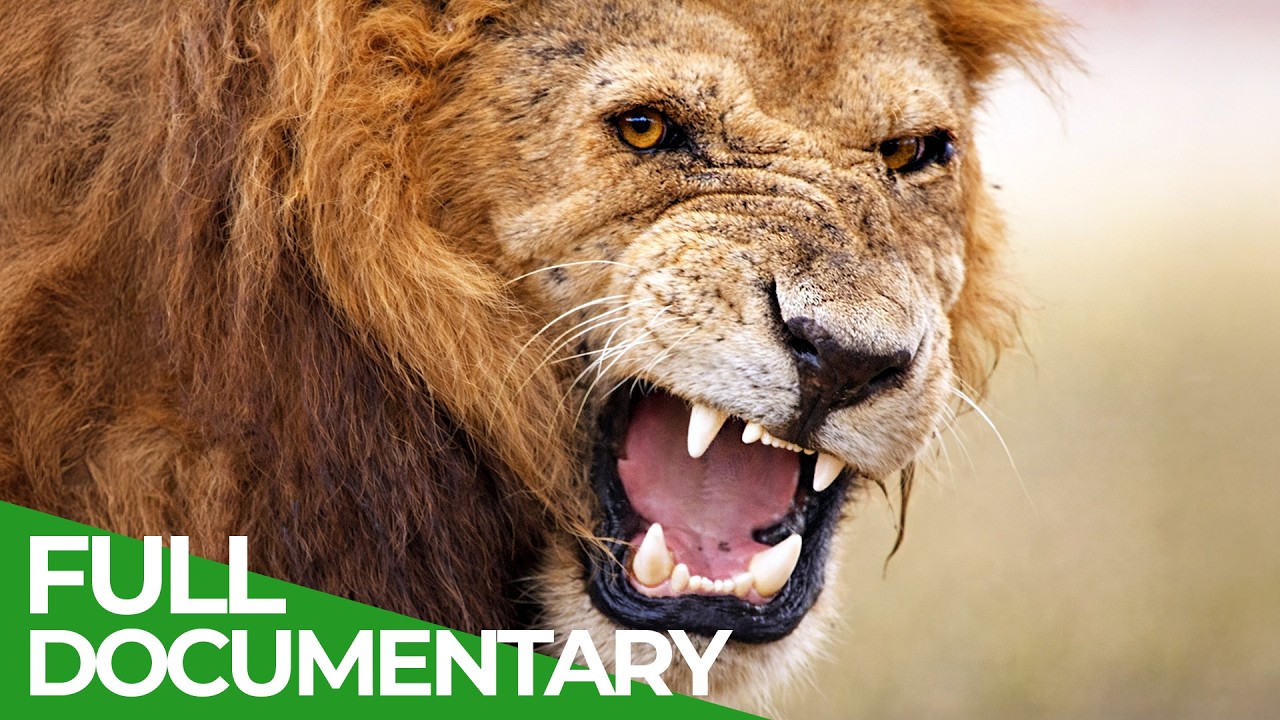
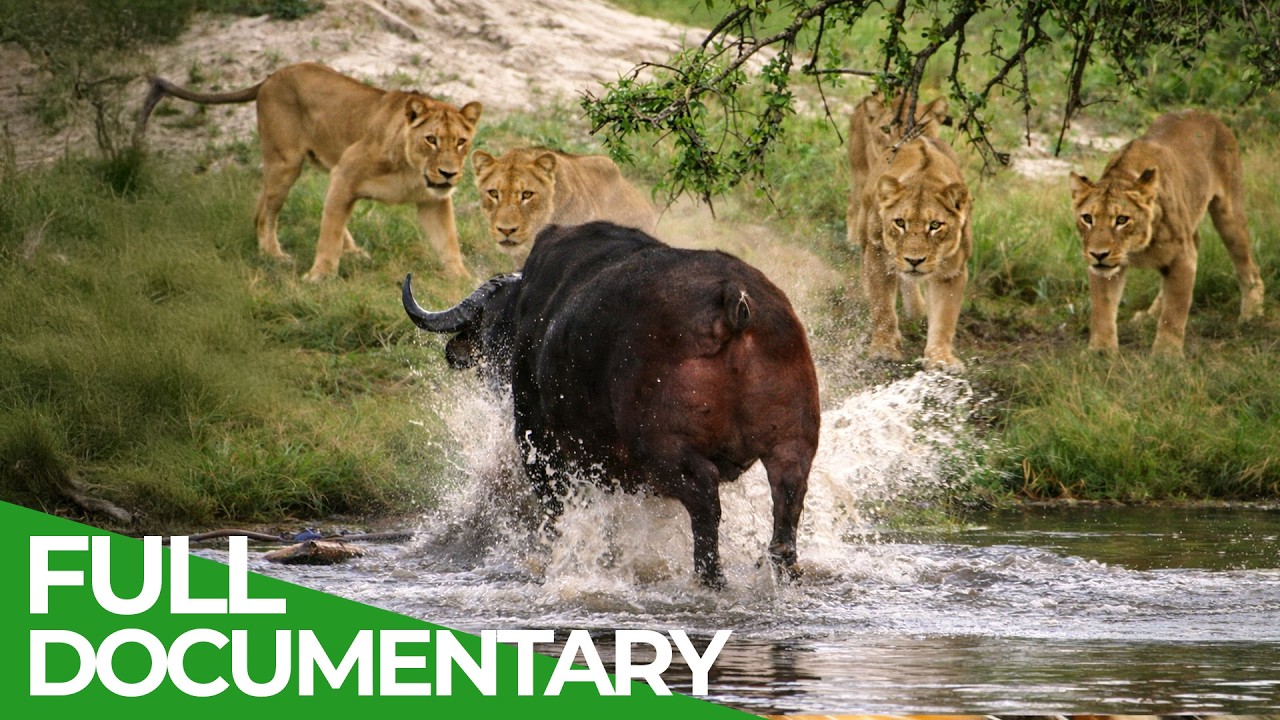
In Africa, predators such as crocodiles, lions, wild dogs, and hyenas demonstrate lethal efficiency through coordinated hunting strategies.
In the Pacific Ocean, Rocka Partida and the Socorro Islands serve as a vital sanctuary for sharks, manta rays, and dolphins, while facing threats from illegal fishing.
Shark populations have declined by over 90% globally due to overfishing, yet the Bahamas remains a sanctuary where killing sharks is illegal.
People in Indonesia and India adapt their lifestyles for survival in a world of water.
More than 5,000 female turtles dig nests on the beach, each laying over 100 eggs in a race against predators and the elements.
Potential microbial life may evolve in the oceans of distant planets, including those in our solar system, challenging our understanding of alien biochemistry.
Honduras, with its primeval mountain cloud forests, Caribbean beaches, and the Mesoamerican Barrier Reef, showcases a rich tapestry of biological and cultural diversity.
A 20-square-kilometer Mayan city, Palenque, thrived during the 7th and 8th centuries, featuring a temple built as a tomb for King Pakal.
In Southwestern Europe, the Atlantic's warm currents foster a unique climate that supports diverse wildlife, including Chamois Mountain Goats and Grey Seals.
World-renowned naturalist Brian Keating explores the wildlife of Antarctica, featuring elephant seals and a large colony of king penguins at Gold Harbour, South Georgia.
National Geographic celebrates its 135th anniversary with a behind-the-scenes look at the technology and people that drive its ocean research and artistic projects.
Numbering fewer than three hundred, the Northern Right Whale is critically endangered due to fishing threats in the Bay of Fundy, its primary summer habitat.
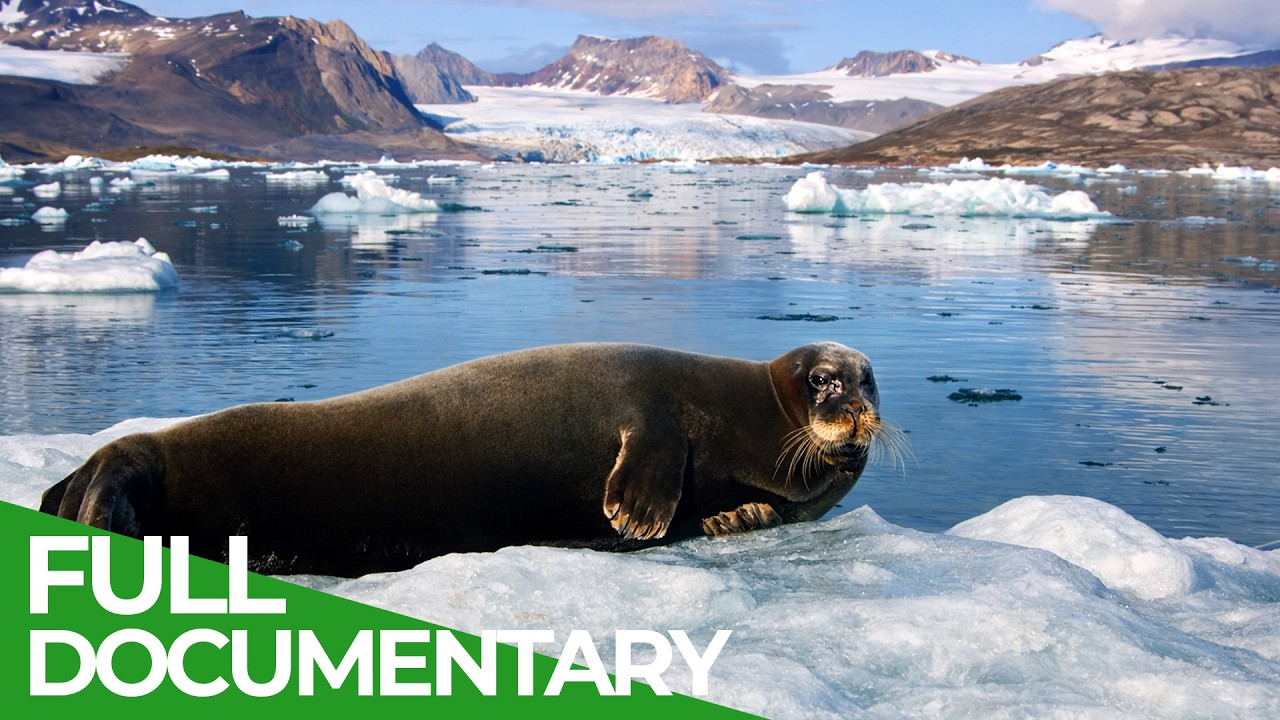
Icy coastlines, from the Arctic to the Southern Ocean, support diverse marine life, highlighting their crucial role in the health of the world's oceans.