From over 100,000 films, discover the handful you'll love.
Free or premium access to the world's largest documentary library.
1248 films(Page 22 of 26)
The video showcases the world's most venomous animals, including the Box Jellyfish and Stonefish.
In the Bermuda Triangle, Mark and his team search for remains from the Snowy Grouper wreck while navigating the region's notorious murky waters.
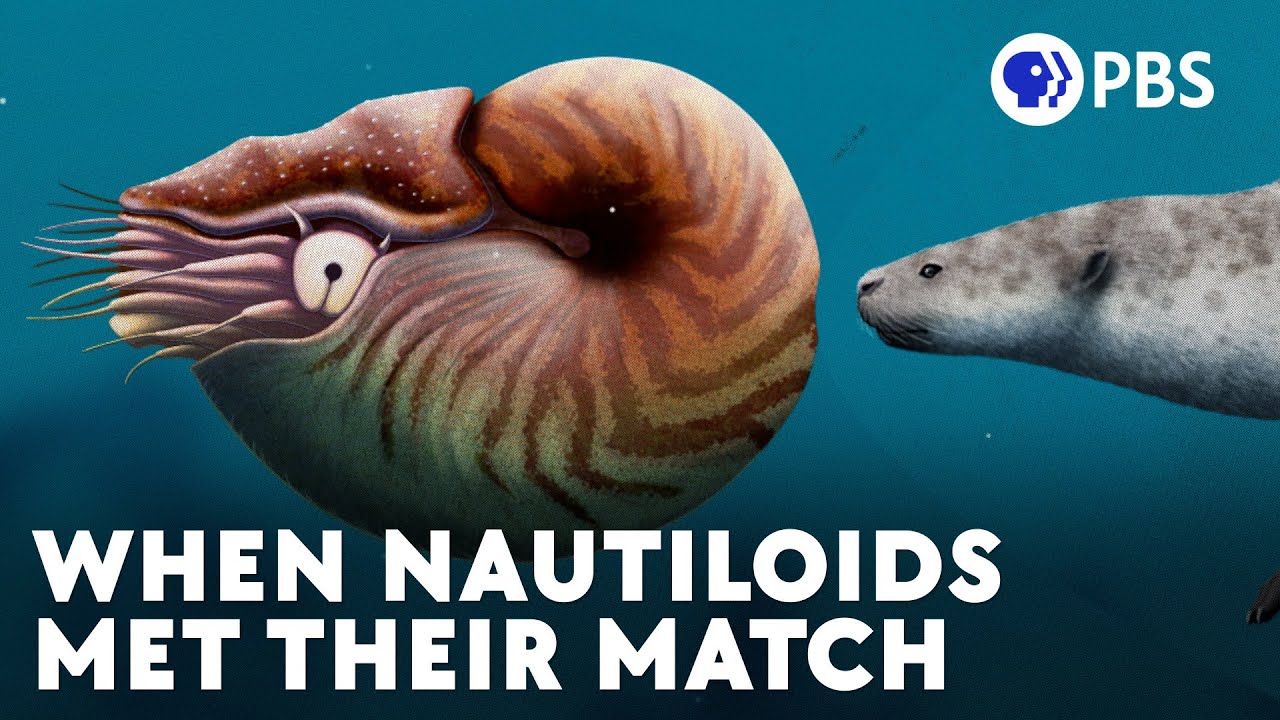
Around 30 million years ago, new predators like seals and whales began to displace nautiloids from their global habitats into a single refuge.
A shark attack survivor from Kauai, Hawaii, shares how the ocean has shaped his life and led to innovations in underwater agriculture.
Two canoes are built by Joseph and Alexandre using traditional techniques passed down through generations in New Caledonia.
In New Caledonia, the Kanak people's daily lives reflect their deep connection to the land and sea, emphasizing traditional practices and cultural reverence.
New York City in 1916 is depicted through scenes from an elevated railroad, alongside footage of worm gear production, Coast Guard heroes, and a bear in captivity.
Ocean School is a free online learning experience launched by Dalhousie University and the National Film Board of Canada to enhance ocean literacy among young people.
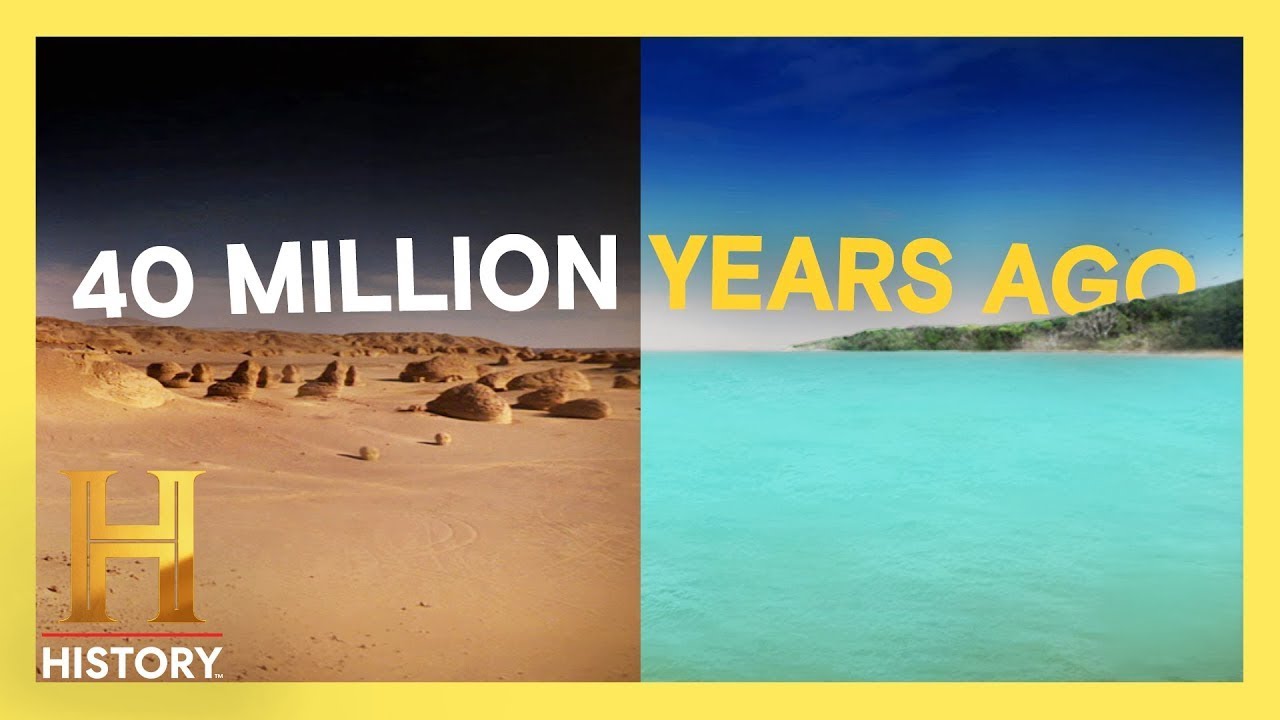
Ten million years ago, the Mediterranean Sea basin transformed from a desert valley into a vast body of water following the collapse of the rock dike in the Strait of Gibraltar.
Ten million years ago, the Mediterranean Sea basin was a desert valley that transformed dramatically when the Strait of Gibraltar collapsed, allowing the Atlantic Ocean to flood the region.
Ten million years ago, the Mediterranean Sea basin was a desert valley until the collapse of the rock dike in the Strait of Gibraltar transformed it into a vibrant sea.
Ten million years ago, the Mediterranean Sea basin transformed from a desert valley into a thriving marine environment following the collapse of the rock dike in the Strait of Gibraltar.
A female marbled torpedo ray can give birth to between five and thirty-five offspring, which are self-sufficient and measure seven to ten centimeters long.
Ten million years ago, the Mediterranean Sea basin was a desert valley, transformed into a vibrant sea after the collapse of the rock dike in the Strait of Gibraltar.
This Spanish documentary details the formation of the Mediterranean Sea and its history.
The Sahara Desert, the largest desert, reveals a surprising geological history in Africa.
A distress call alerts the Ocean Viking to a wooden boat carrying 90 people, prompting a rapid response from the crew to save lives at sea.
An average 250 percent increase in marine biomass has been recorded in Misool's protected waters over the past six years.
Offshore Brazil, common octopus use receding tides to catch crabs, directed by Bertrand Loyer.
By 2030, scientists predict that there may be no sea ice left in the Arctic Ocean during the summer, threatening the survival of local communities.
The Coast Guard cutter Healy, measuring 420 feet, conducts scientific research in the rapidly changing Bering Sea environment.
An unprotected person might last three minutes in the icy waters of the Bering Sea, while survival time increases to a few hours in a protective suit.
Sofia's powerful strike shattered the great white shark's ribs, allowing her to suffocate it and protect her family.
Killer whales on the Valdés Peninsula use unique hunting techniques on steeply sloped beaches.
Local divers in the Aru Archipelago dive to depths of 15 meters to harvest pearl oysters using traditional methods passed down through generations.
Since 1983, the Valdés Peninsula has served as a sanctuary for southern right whales, allowing their populations to gradually rise after near extinction.
Marine biologist Thomas Peschak photographs sharks and sardines off South Africa's coast to promote understanding and conservation of these often-misunderstood species.
Only 1% of the plastic that enters the ocean is visible, while the remaining 99% remains unseen, impacting even the remote Galápagos Islands.
Benedict Hutch estimates there are about 5,000 shipwrecks in Polish waters, with only 20% of the ocean floor explored, posing ecological risks.
Teuira in Bora Bora talks to a shark to restore harmony in Motu Toopua Island's lagoon.
In 2009, lionfish reached the coast of Honduras, quickly colonizing the seabed and threatening local marine life within three years.
Paul Watson, a conservationist, uses radical tactics against marine poachers at sea.
Thirty sailors on five fishing boats team together to catch fish for their village in Malaysia.
At the Cornish Seal Sanctuary, a dedicated team works to rehabilitate two orphaned baby seals with the goal of releasing them back into the wild.
A gray shark bites a diver's mask strap at a depth of 80 meters, prompting a critical response to a life-threatening situation.
Dr.
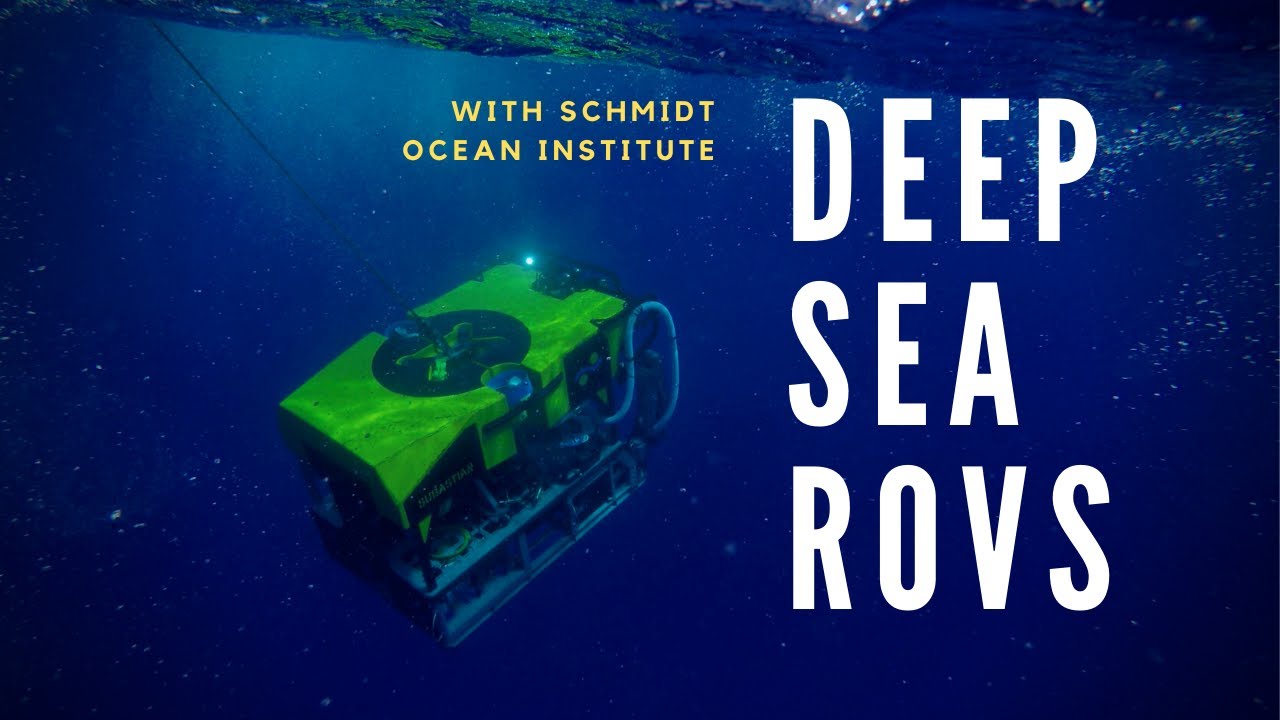
Innovations in remote-operated vehicles and sampling systems by the Schmidt Ocean Institute enhance the study of midwater biodiversity in the deep ocean.
Two humpback whales dance gracefully around a marine biologist, who describes their movements as piouettes of ballerinas in the water.
Over 65% of King Island residents oppose the expansion of the fish farming industry, citing concerns about environmental degradation and local culture.
A 93-year-old boat builder continues to craft vessels in Cape Breton, reflecting a tradition that has persisted for generations.
They spend their early months learning to hunt alongside stripped marlin in the Sea of Cortez.
Two rehabilitated Kemp's Ridley turtles are released back into the wild at Folly Beach.
Acclaimed chef Barton Seaver advocates for sustainable seafood practices to reconnect society with the natural world through culinary experiences.
Footage from the early 1930s captures Seattle's Ballard Locks, a sea voyage to Alaska, commercial whaling, and wildlife in the Pribilof Islands.
In Mauritius and Rodrigues, local fishermen are collaborating to implement sustainable practices that protect their fragile lagoons for future generations.
More than 10,000 people will need to be relocated from the Langue de Barbarie peninsula due to rising sea levels and coastal erosion.
110,000 people mobilized to plant 52 million mangrove seedlings across 15,600 hectares in Senegal, revitalizing critical coastal ecosystems.
Illegal and unregulated fishing threatens global food supplies, prompting engineer Shah Selbe to explore technological solutions for monitoring and protection.