From over 100,000 films, discover the handful you'll love.
Free or premium access to the world's largest documentary library.
1248 films(Page 19 of 26)
Giant sea serpents are explored through social media discussions and stunning underwater footage, highlighting the world's largest biomass migration and marine diversity.
Japan's diverse landscapes, from frozen seas to subtropical islands, support a rich array of wildlife, including red crowned cranes and bears, alongside human communities.
Gil Grosvenor became the first journalist to dive under the North Pole in 1979, an experience that connected him to his family's legacy in exploration.
Barea aims to keep over 70,000 pounds of discarded fishing nets out of landfills and oceans by transforming them into products like hats and surf fins.
A robot equipped with sensors and cameras is designed to locate and monitor healthy coral reefs, providing crucial data for reef health assessment.
An octopus stretches its arms to three times their normal length while attempting to solve a food puzzle in an aquarium setting.
Whale scientist Nan Hauser recounts her experience of being saved from a shark by a humpback whale and the subsequent return of the same whale.
Andy Casagrande travels to New Zealand to film breaching great white sharks during Shark Week 2023, highlighting the region's unique marine life.
Orcas, known for their intelligence and social behavior, exhibit complex hunting techniques, including coordinated attacks on sea lions and strategic interactions with fishing boats.
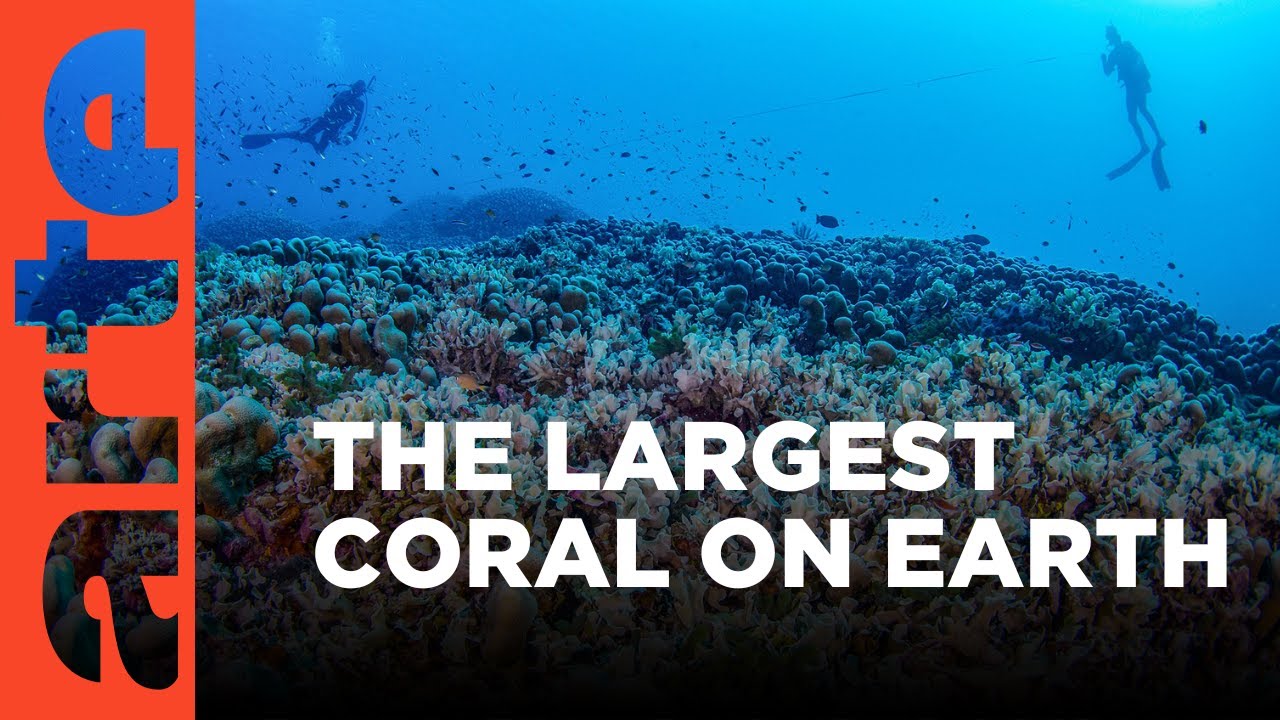
In October 2024, photographer and marine biologist Manu San Félix documents the discovery of the largest coral ever found in the South Pacific.
Islands formed by large hairy roots float and move with the current in the Sepik River, creating a rapidly changing network of canals and lagoons.
Andrea Marshall's research on manta rays reveals critical insights into the behavior and ecology of these ocean giants, contributing to marine conservation efforts.
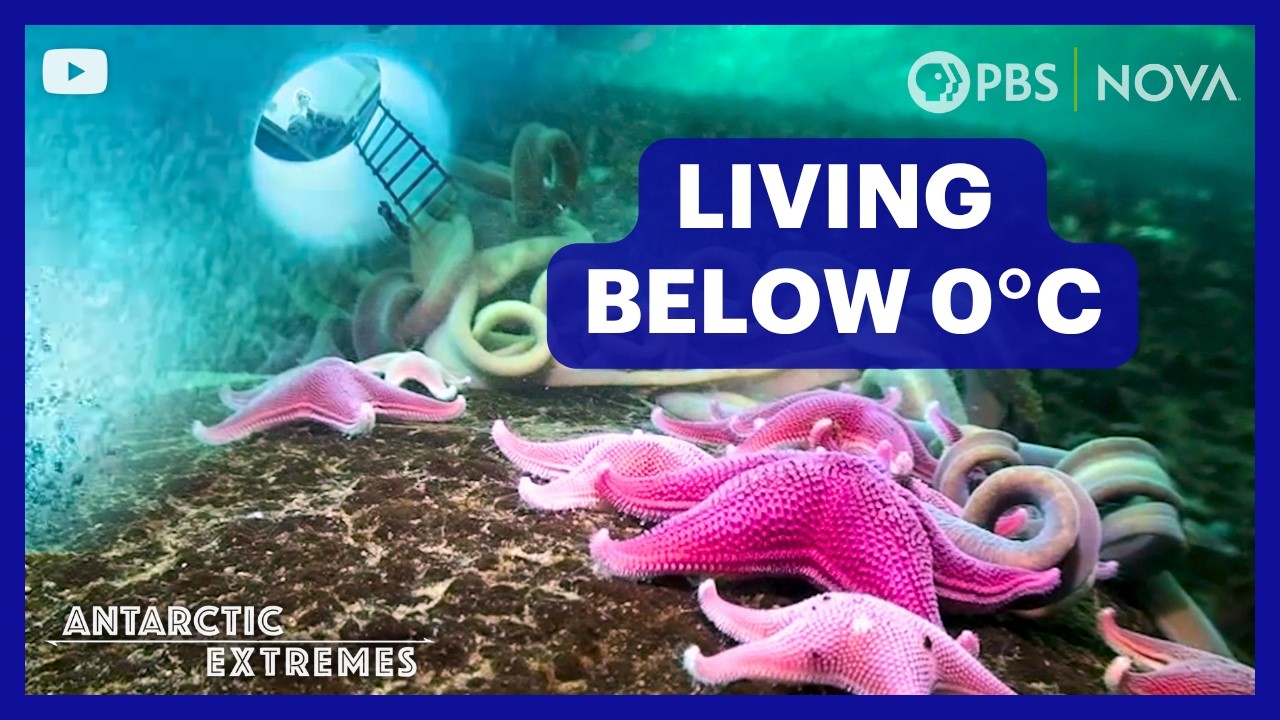
Antarctica's underwater ecosystem features unique species like ancient sponges, gigantic jellyfish, and notothenioid fishes that thrive in sub-zero waters.
Frogs and crabs adapt to land environments, developing unique traits for hunting, mating, and survival as they transition from aquatic habitats.
Over 500 individual great white sharks have been identified in the northwest Atlantic population, challenging previous estimates of their numbers.
Male humpback whales are known for their complex songs, which they can memorize and share among their species, highlighting their unique communication abilities.
Relaxing deep sea sights and sounds from 's OceanXplorers provide a tranquil escape for viewers seeking to alleviate stress and anxiety.
Shark Gordon attempts to successfully attach a satellite tag to a fully-grown whale shark, a feat that has never been accomplished before.
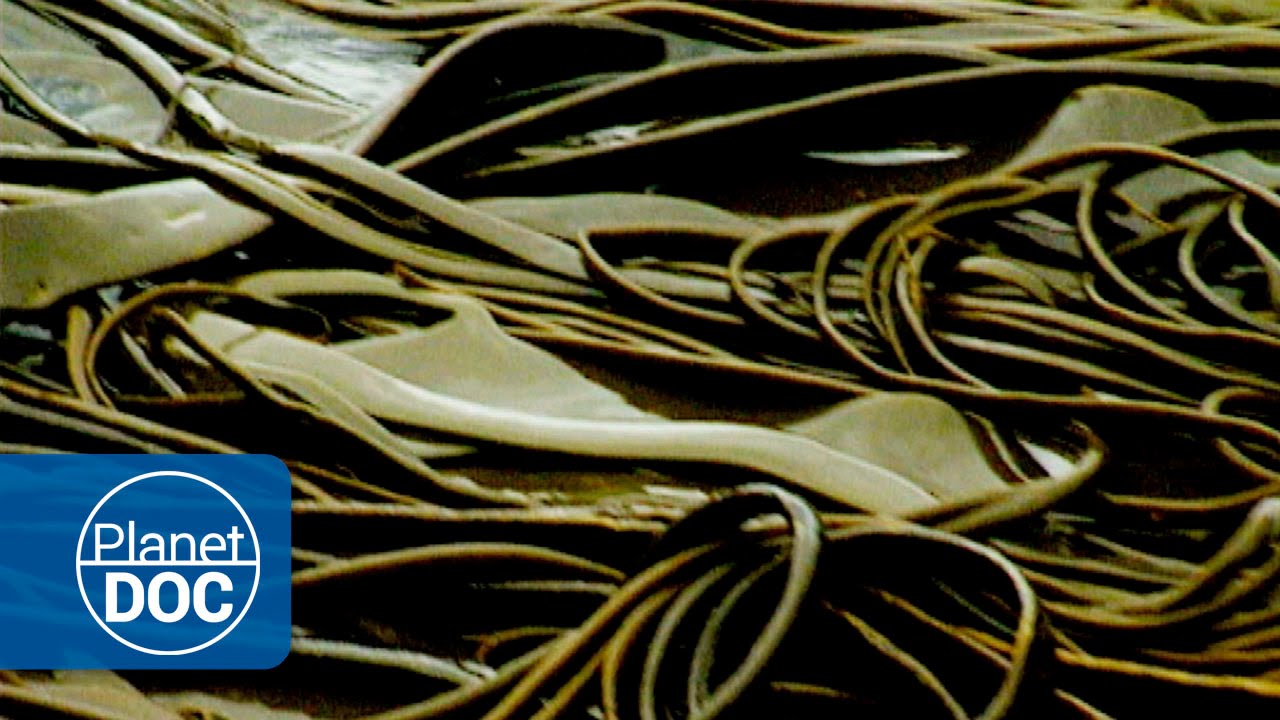
Brown algae form veritable kelp forests, providing safe breeding grounds for seals and sea lions.
Northeast Australia features the Great Barrier Reef, a vital ecosystem formed by millions of corals.
Australia's southern waters connect its past with the Antarctic and support diverse marine life.
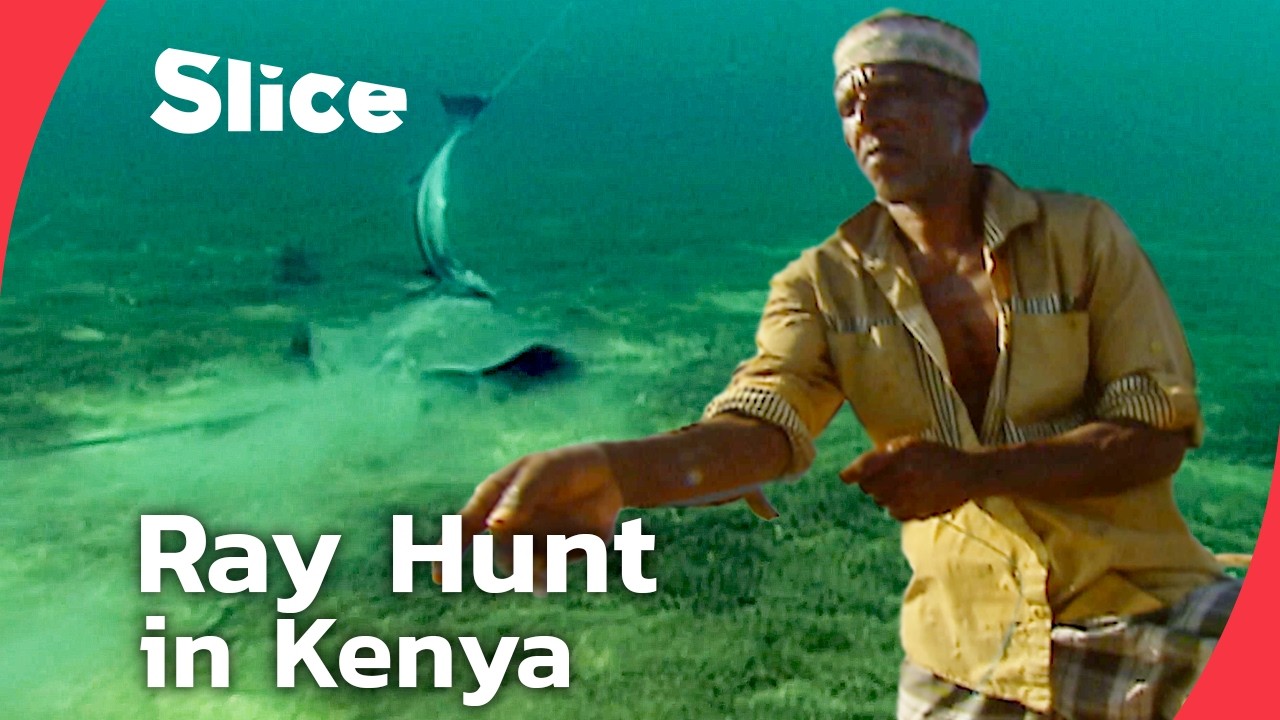
Bajun fishermen off Kenya use a vampire fish to catch rays in a unique fishing method.
Bear Grylls catches a bluespotted stingray while spear fishing in shallow waters off a remote Pacific island, demonstrating survival techniques.
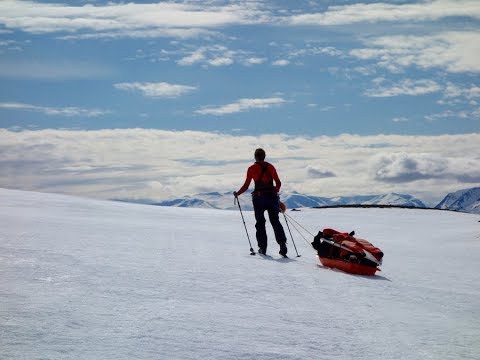
French Polar Explorer Vincent Colliard and Surfer Léa Brassy undertake a week-long ski expedition in Northern Iceland, seeking remote waves to surf.
Four hours of daily observation precede the birth of a beluga calf at the Vancouver Aquarium, which ends in the unexpected death of the newborn.
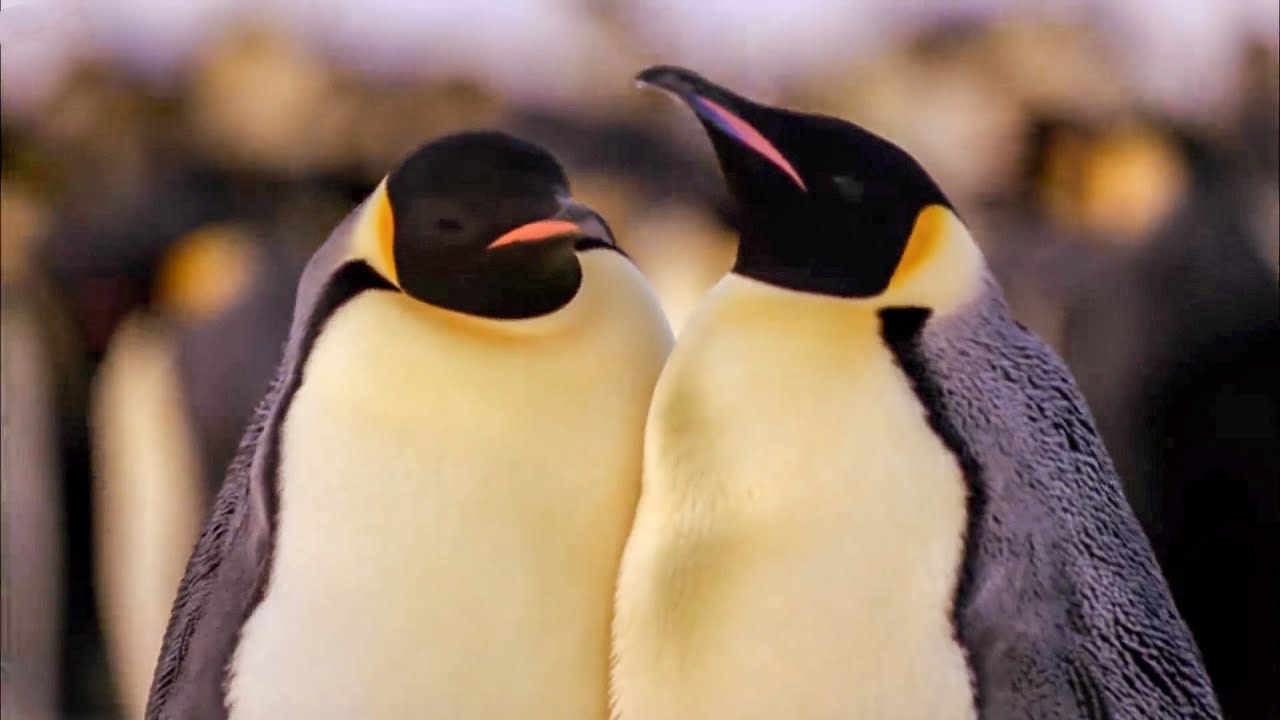
This compilation highlights five memorable moments featuring Emperor penguins, Weddell seals, and orcas in Antarctica's harsh environment.
Marine life across the Pacific and other oceanic environments is showcased through stunning cinematography, highlighting the need for ocean conservation.
Cabrera Archipelago National Park in the Balearic Islands spans 10,021 hectares and serves as a vital habitat for diverse Mediterranean marine and land species.
This Spanish documentary showcases The Cabrera Archipelago National Park and its unique biodiversity.
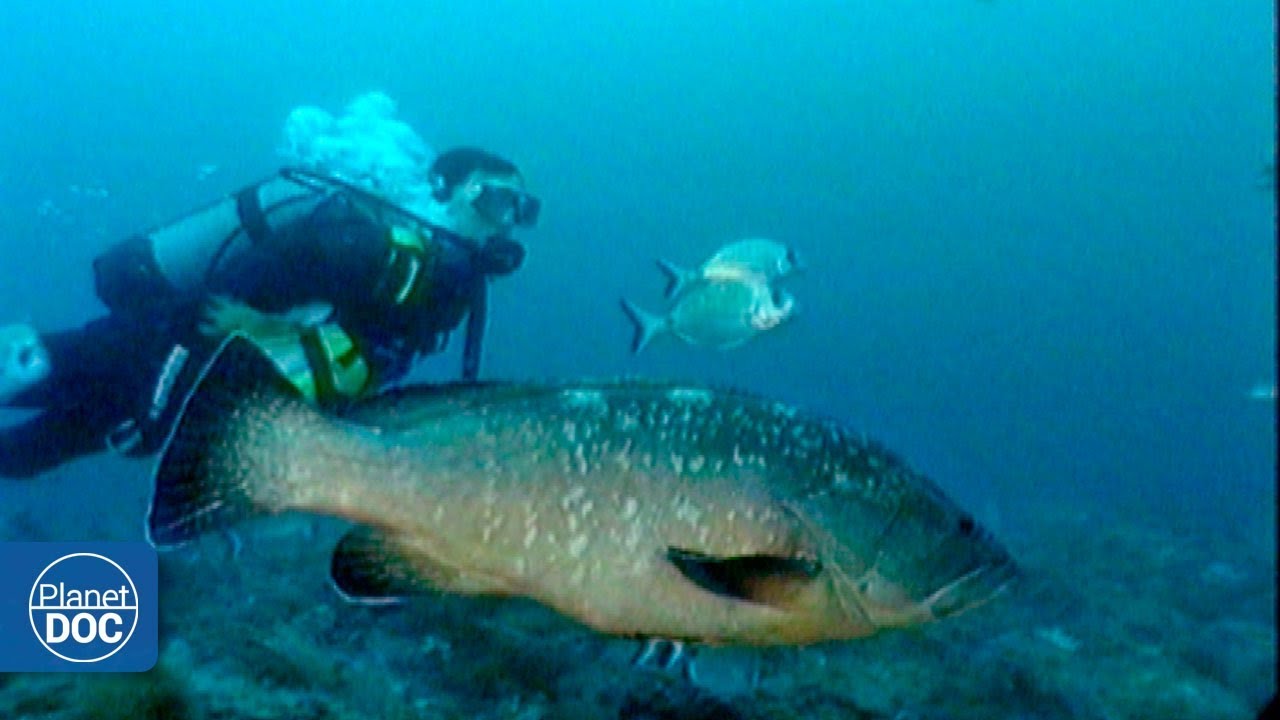
More than 200 fish species inhabit the waters of the Cabrera archipelago, ranging from 5-centimeter white bait to 12-meter sharks.
This Spanish documentary showcases The Cabrera Archipelago National Park and its unique marine life.
A cuttlefish participates in a modified version of the Stanford Marshmallow Test, challenging existing notions of intelligence and self-control in marine life.
Scientists armed with advanced tools seek breakthroughs to save coral reefs worldwide.
520 exclusive species make up 28% of the total flora and fauna found in the Canary Islands, shaped by their volcanic origins and isolation.
The Canary Islands, comprising Lanzarote, Fuerteventura, Gran Canaria, and Tenerife, are a unique Spanish archipelago with distinct volcanic origins and rich cultural heritage.
Captain Sophia navigates the treacherous Bering Sea, competing with fellow fishermen for a share of the $14 million crab fishery amid extreme conditions.
Cheetahs, sailfish, and peregrine falcons exemplify the pinnacle of speed in the animal kingdom, showcasing unique adaptations for survival across land, sea, and air.
Sea surface temperatures in the Florida Keys have exceeded 37 degrees Celsius, causing widespread coral death and extended bleaching periods.
In 2011, the big wave surfing community, prompted by the tragic passing of surfer Zion, initiates the BRAG safety movement to prioritize emergency preparedness.
Four great white sharks, measuring between 10 and 15 feet, investigate a cross-section model designed to test their bite depth against a leviathan.
Livyatan melvillei, a massive prehistoric predator, raises questions about its origins, lifestyle, and potential self-extinction due to its enormous appetite.
Pascal Wyse captures the vibrant sounds of wildlife in Antarctica's frozen world.
Cuba is home to 10 different species of mangroves, which thrive in nutrient-rich mud and provide essential habitats for diverse wildlife.
Julieta, a 14-year-old volunteer, has helped rescue 25 endangered sea turtles from a sargassum infestation threatening their survival in Curaçao.
37 kilograms of seafood were caught by a haenyeo during a dive, reflecting the enduring tradition of women supporting their families from the sea.
Deep oceanic parasites, examined by marine biologist Jaida Elcock and experts, may indicate the health of marine ecosystems rather than being purely harmful.
In the deep sea, various animal aggregations, such as jellyfish blooms and scavenger communities, form vital hotspots of biodiversity that enhance survival and reproductive success.
In the waters of New Zealand, marine experts Brandon McMillan and Dickie Chivell seek to identify the largest of two massive sharks, Phred and Slash.