From over 100,000 films, discover the handful you'll love.
Free or premium access to the world's largest documentary library.
1248 films(Page 13 of 26)
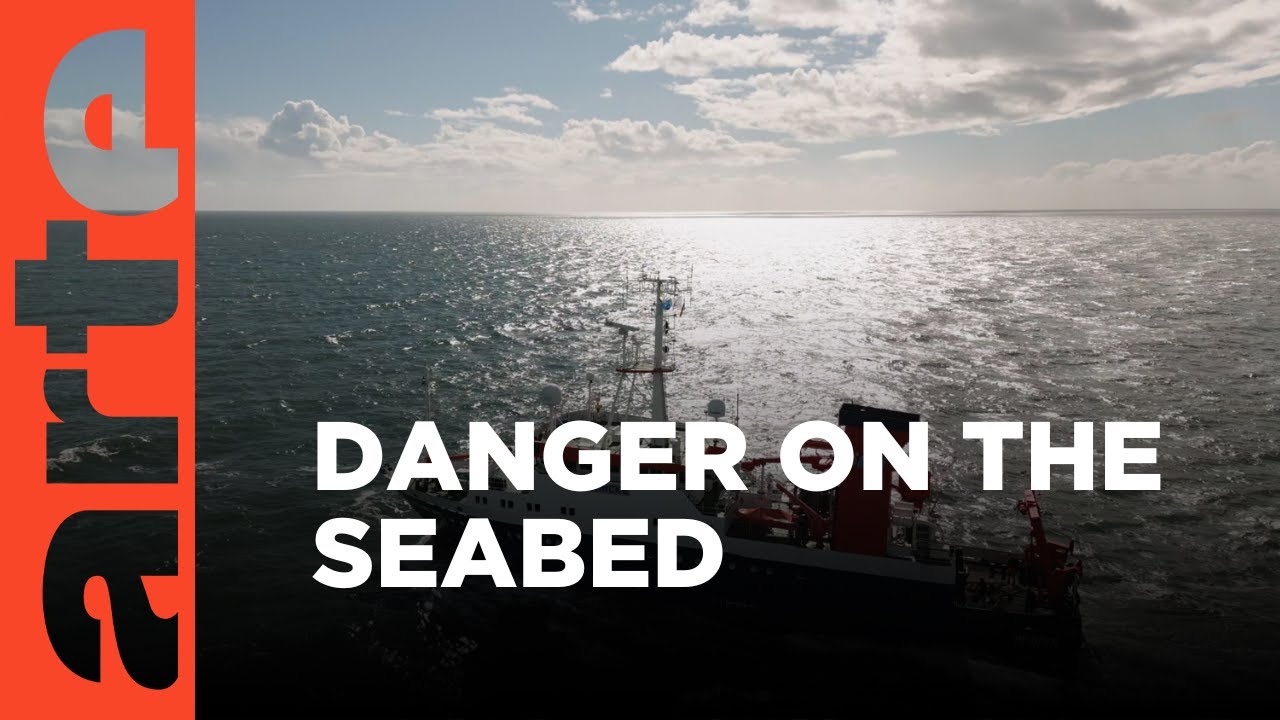
Approximately 10,000 shipwrecks in the North Sea, remnants of World War I and II, pose environmental hazards and safety threats to marine life and humans.
A young male gray seal navigates a perilous 600-mile route through the North Atlantic, contending with rivals and the threat of orcas.
Just a few drops of sea snake venom can kill a human, yet these toxins may lead to new medical treatments for severe pain and other ailments.
In the wild landscapes of Australia and the depths of the Pacific, unique species like the cane toad and giant squid exhibit extraordinary adaptations for survival.
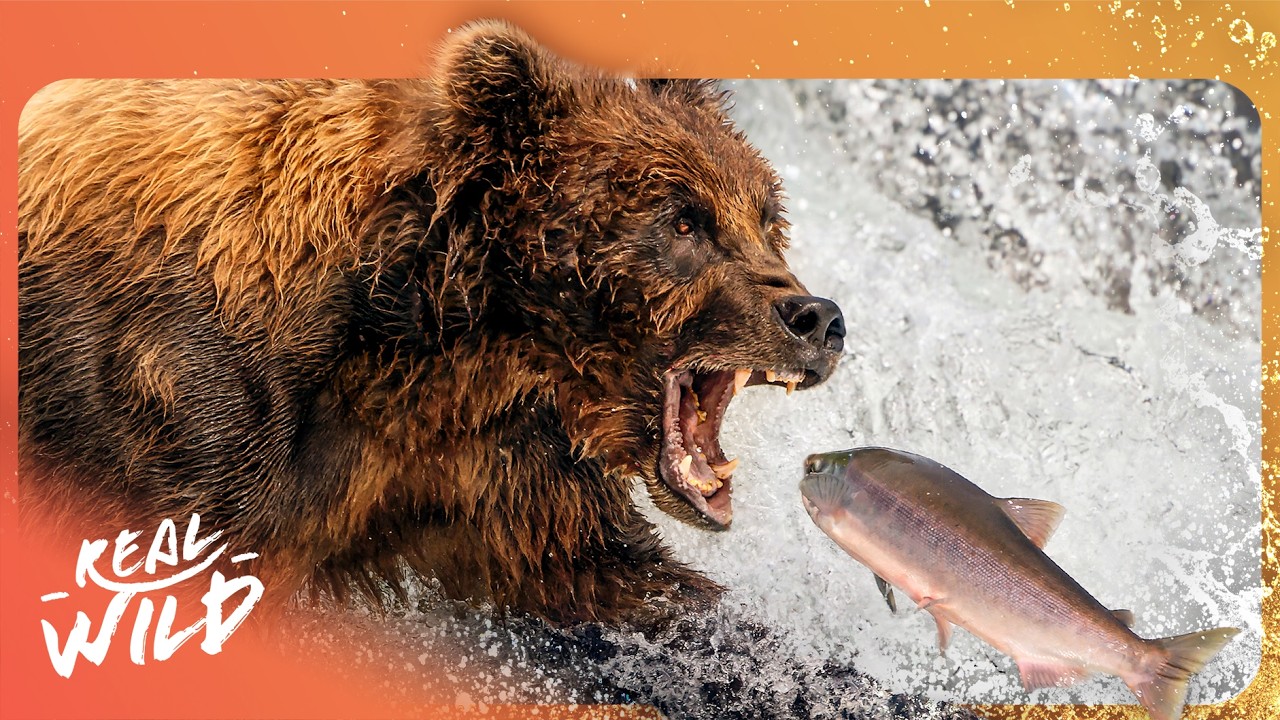
In British Columbia's Great Bear Rainforest, over 100,000 salmon return to spawn each autumn, attracting apex predators like bears that consume vast quantities to prepare for winter.
In Florida's Ocilla River, Manny Puig tracks alligators navigating a unique ecosystem where fresh and saltwater converge, revealing diverse wildlife interactions.
In Old Saybrook, Connecticut, Nick Kessler explores local efforts to revive oyster beds, prepares sea scallops, and searches for oystercatchers along the shore.
On December 14, 1990, the cargo ship Rosso washed ashore in Calabria, revealing a history of toxic waste trafficking linked to organized crime.
Plastic pollution in the oceans creates new habitats for microorganisms, prompting researchers to assess their impact on marine ecosystems and human health.
In the wild, the jaw serves as a critical weapon for predators like lions, crocodiles, and sharks, showcasing their evolutionary adaptations for survival.
In Scituate, Massachusetts, Nick Kessler explores sport fishing, Irish mossing, homemade ice cream, and lobster mac and cheese in this vibrant coastal town.
In the Great Bear Rainforest, 800-pound grizzly bears compete for salmon along the riverbanks, showcasing their hunting skills in a thriving ecosystem.
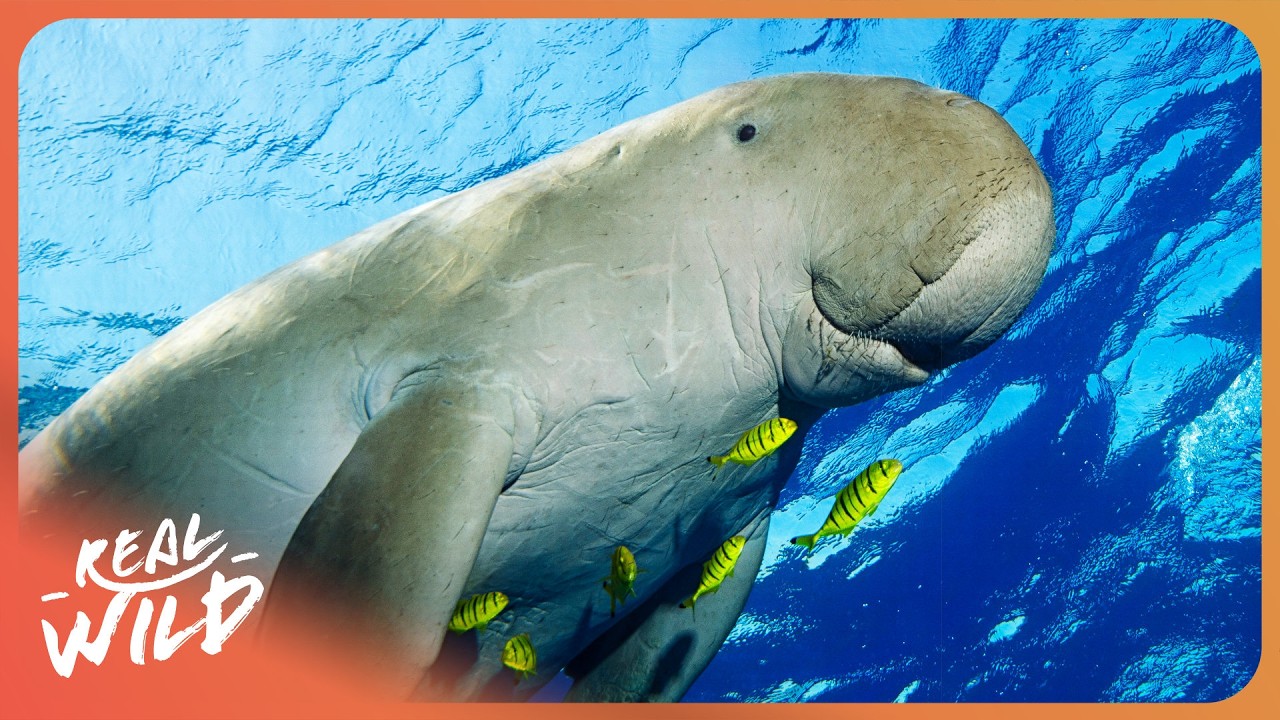
In the Bazaruto Archipelago, conservationist Karen Allen and local park rangers combat illegal fishing to protect the critically endangered dugong from extinction.
In West Africa, illegal fishing threatens marine life, while in Thailand and Haiti, activists like Andrew Hewett and David Katz implement innovative solutions to combat climate change and plastic pollution.
Shark populations have declined by more than 90% globally due to overfishing, but the Bahamas has outlawed all forms of commercial shark fishing since 2011.
Pacific oysters (Crassostrea gigas) have proliferated in the Wadden Sea, displacing native blue mussels (Mytilus edulis) and challenging local fishing industries.
Aerial footage captures the stunning landscapes and coastal beauty of the downeast region of Maine, highlighting its unique natural features and charm.
In the world's turbulent oceans, apex predators like Great White Sharks and gender-shifting reef kings engage in high-stakes survival battles.
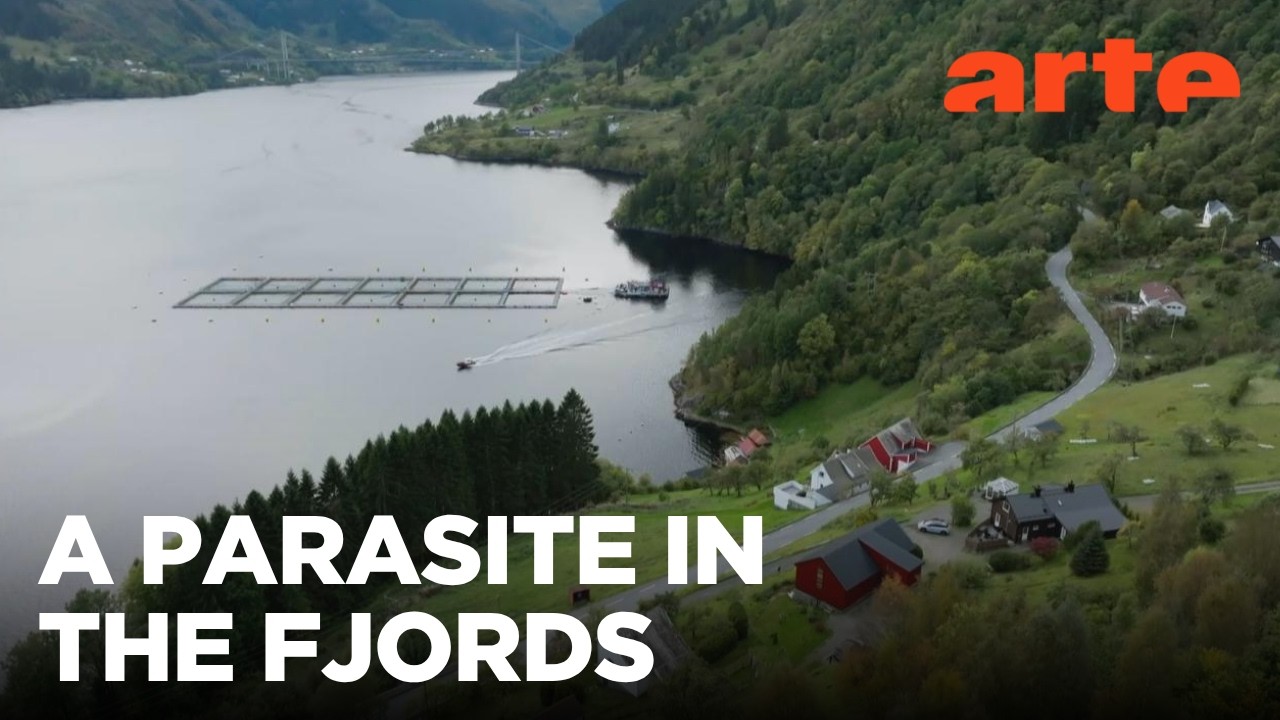
Intensively farmed salmon in Norway's fjords faces a crisis as an outbreak of sea lice threatens both farmed and wild fish populations, prompting collaboration between scientists and anglers.
The hydrofoil, an engineering marvel, combines airplane and boat features to achieve speeds exceeding 100 km/h, revolutionizing water travel efficiency.
In the wild ocean waters off the Azores, a team of scientists and cameramen attach micro-cameras to devil rays, revealing their deep-sea feeding behaviors and more.
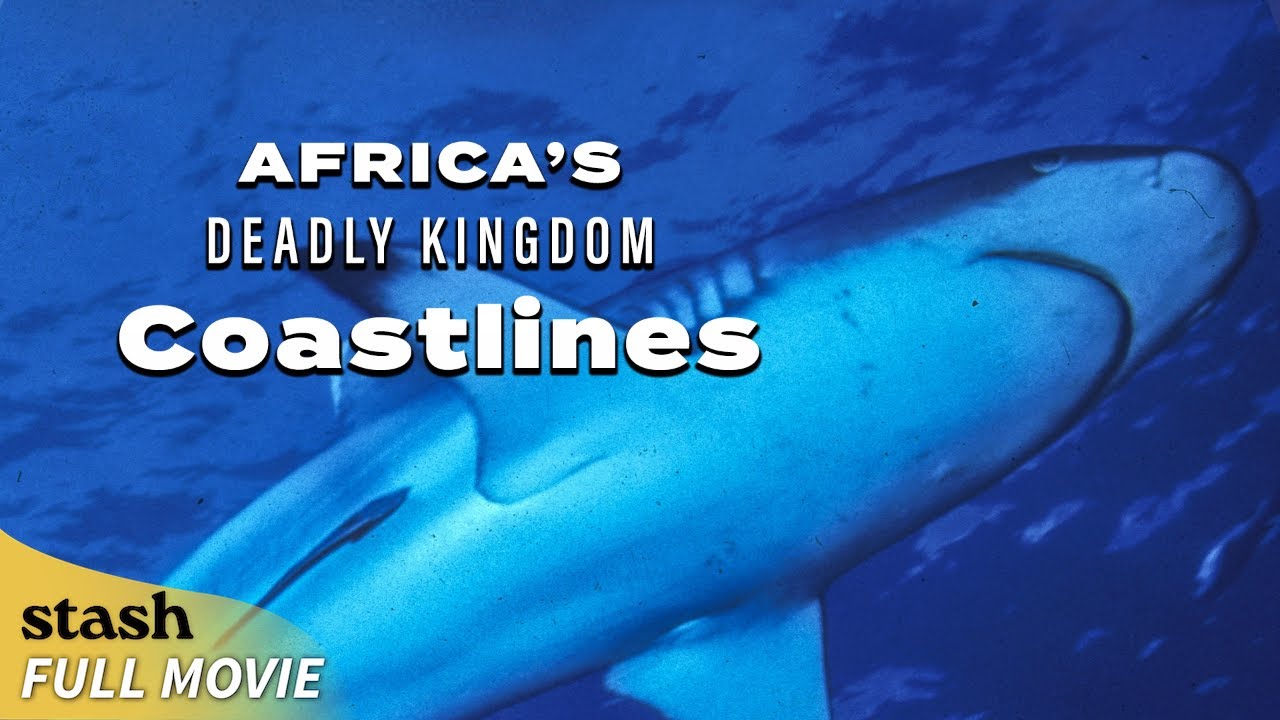
South Africa's West Coast presents a harsh environment shaped by icy Atlantic waters and fierce winds, showcasing the resilience of its unique wildlife.
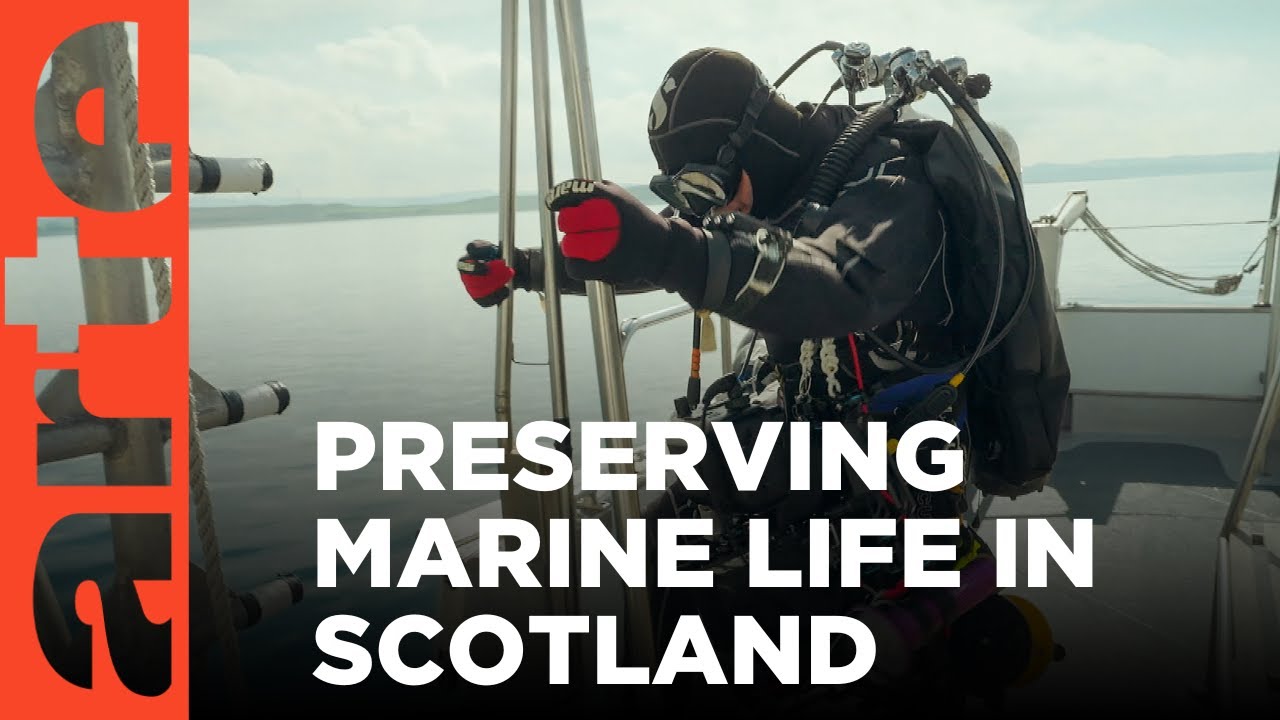
Marine biologist David Ainsley and campaigner Rachel Mulrenan investigate the impact of overfishing and salmon farming on Scotland's coastal biodiversity.
In Guéthary, local surfer François Verdet investigates the alarming rise of plastic pollution in the ocean, highlighting surfers' role in advocating for cleaner marine environments.
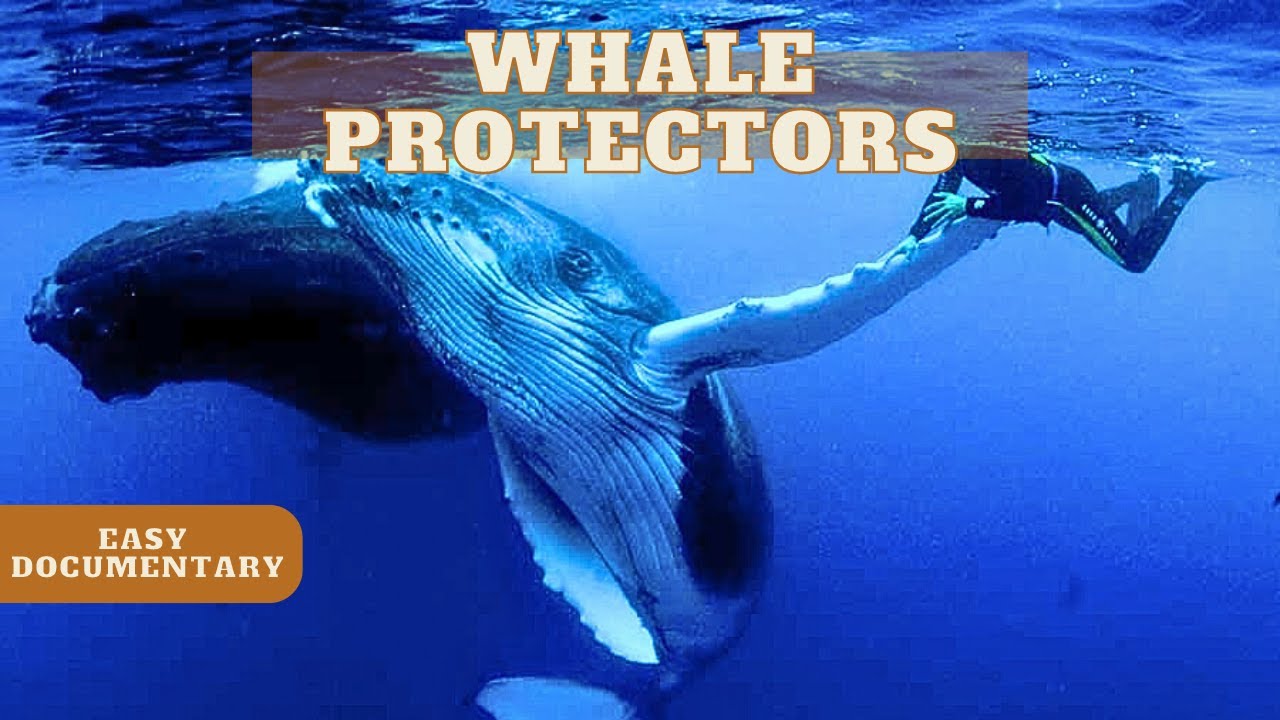
A scientist studies whale parasites to protect humpback whales, facing the dangers of physical contact with these massive sea creatures.
Stig Aavall Severinsen, a World Champion freediver, explores the underwater world of killer whales in Tysfjorden, Norway, showcasing his skills and marine biology knowledge.
In the Bay of Biscay, the crew of the Juan de la Cosa, a civilian hospital ship, responds to emergencies and saves lives at sea alongside the Spanish fishing fleet.
Every year, billions of sardines migrate along South Africa's wild coast, triggering a feeding frenzy that attracts dolphins, sharks, and gannets.
A wave of whale strandings along the British coastline, including a Sei whale near Edinburgh, highlights the impact of industrial pollution and ocean noise on marine life.
Every year, around 80 unprovoked shark attacks are reported worldwide, with the majority occurring in the United States and Australia.
Monty Halls and his family explore the Galapagos Islands, addressing critical issues like illegal shark finning and plastic pollution while promoting conservation efforts.
Hawaii's Big Island showcases its natural beauty through aerial views of waterfalls, serene beach sunsets, and lush palm trees in a two-hour nature film by Elizabeth Carmel.
Sasyk Estuary in Southern Ukraine faces an ongoing environmental crisis due to Soviet-era irrigation projects, with eco-activists battling poachers and corrupt officials.
Life's Story examines the relationship between science and faith by analyzing macro evolution and evidence for special creation through wildlife physiology.
In the last 30 years, the Great Barrier Reef has lost approximately 50% of its coral cover, raising alarms about its future.
Marine ecologist Enric Sala, marine biologist Tierney Thys, and submarine pilot Erika Bergman discuss efforts to protect ocean ecosystems and their inhabitants.
Underwater exploration along the coasts of Southern California and Mexico reveals a rich diversity of marine life, geological formations, and ocean flora.
Cyril engages in an intense battle with a giant bluefin tuna in North Lake, showcasing the challenges of tagging this massive predator.
In Northland, New Zealand, Orca families exhibit cooperative hunting techniques to catch rays, showcasing the intricate dynamics of local marine life.
In the Pacific Ocean, the Galapagos Archipelago's unique biodiversity is shaped by the alternating influences of the cold Humboldt Current and the warm Panama Current.
Marlins, stonefish, and mantis shrimp exemplify the extreme speeds of marine predators, showcasing their hunting techniques in high-definition footage.
Humpback whales, the largest animals to have ever existed, can reach lengths of over 30 meters and primarily feed on tiny plankton while producing complex songs.
The 15th meridian east showcases diverse landscapes and ecosystems, highlighting the adaptations of people and wildlife from Namibia to Norway.
In Patagonia's Torres del Paine National Park, a team of scientists documents over 80 wildlife species, including Chile's largest predator, the puma.
Bosnia and Herzegovina's northern region features cascading waterfalls, the Perućica primeval forest, and unique wildlife, including wild mustangs on Cincar Mountain.
700 birds were caught and documented by ornithologists in a month, revealing the rich avian life in Bosnia and Herzegovina's diverse ecosystems.
The Mediterranean Sea, home to diverse marine life and historical artifacts, faces severe ecological threats from pollution and human activity, yet conservation efforts are underway.
In regions across Chile, over 80 native species, including the puma and blue whale, face threats of endangerment and extinction due to environmental changes.