From over 100,000 films, discover the handful you'll love.
Free or premium access to the world's largest documentary library.
1248 films(Page 23 of 26)
100 million sharks are killed worldwide each year, prompting Palau to declare itself the first national shark sanctuary in March 2010.
In the South Pacific, a scientist from the Under the Pole team experiences a shark attack while exploring deep sea corals, highlighting the risks of marine research.
A woman survives a shark attack, losing her right buttock and severed tendons in her fingers.
A family travels from Southeast Florida to Montauk, New York, to participate in a shark tagging program led by marine biologist Dr. Craig O'Connell.
Shipwrecks in the Mediterranean, particularly around Marseille, are being transformed into artificial reefs that support marine biodiversity and inspire conservation efforts.
Sine Saloum is home to the Niominka Serer and the birthplace of Senegalese wrestling.
In a coastal habitat, Edwin Towler observes sleepy harbour seals and their playful pups, along with red deer and a mother fox with four cubs.
Over 70 percent of the world's coral species are found in Southeast Asia's Coral Triangle, where scientists study super corals that resist climate change.
Half of the coral population in the Southern Line Islands was lost during a 2015-16 warming event, but a 2021 return visit showed significant recovery.
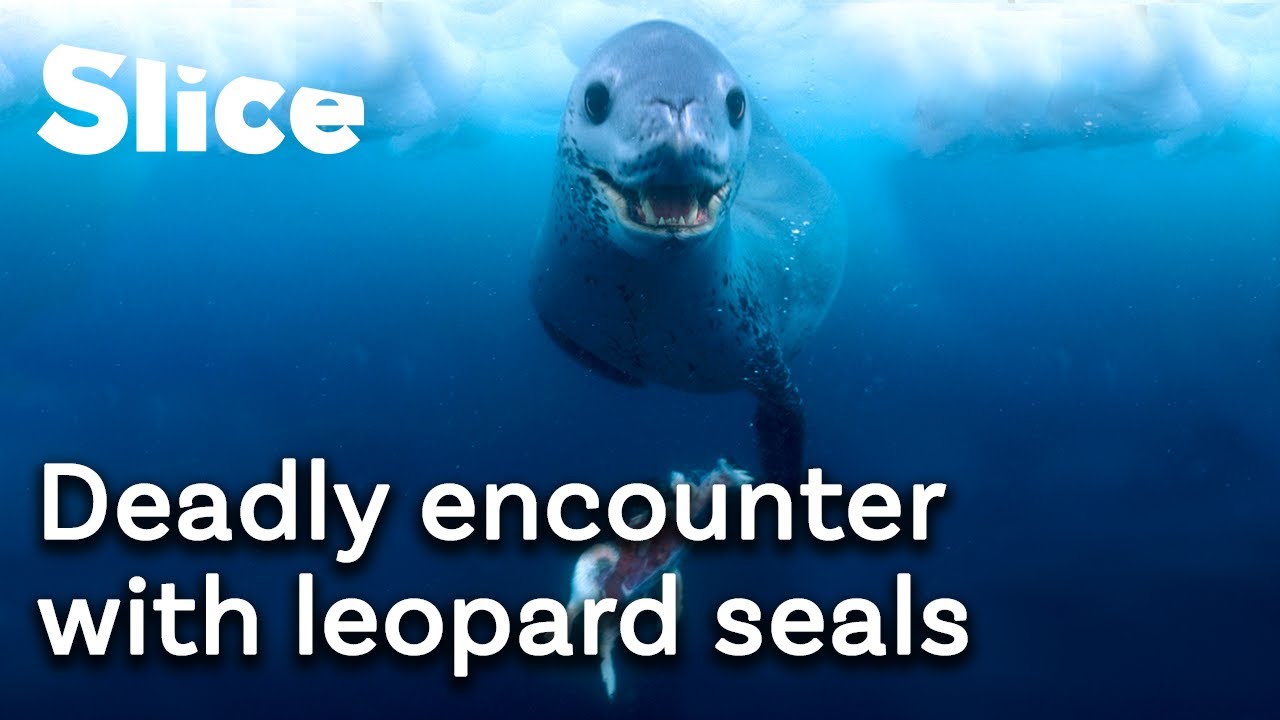
Antarctica, covering over 14 million square kilometers, is home to the leopard seal, a three-meter-long predator that weighs more than 500 kilos.
Three hours of fishing yields a significant catch for the Vahocas, who share the bounty among their community on the Bazaruto archipelago.
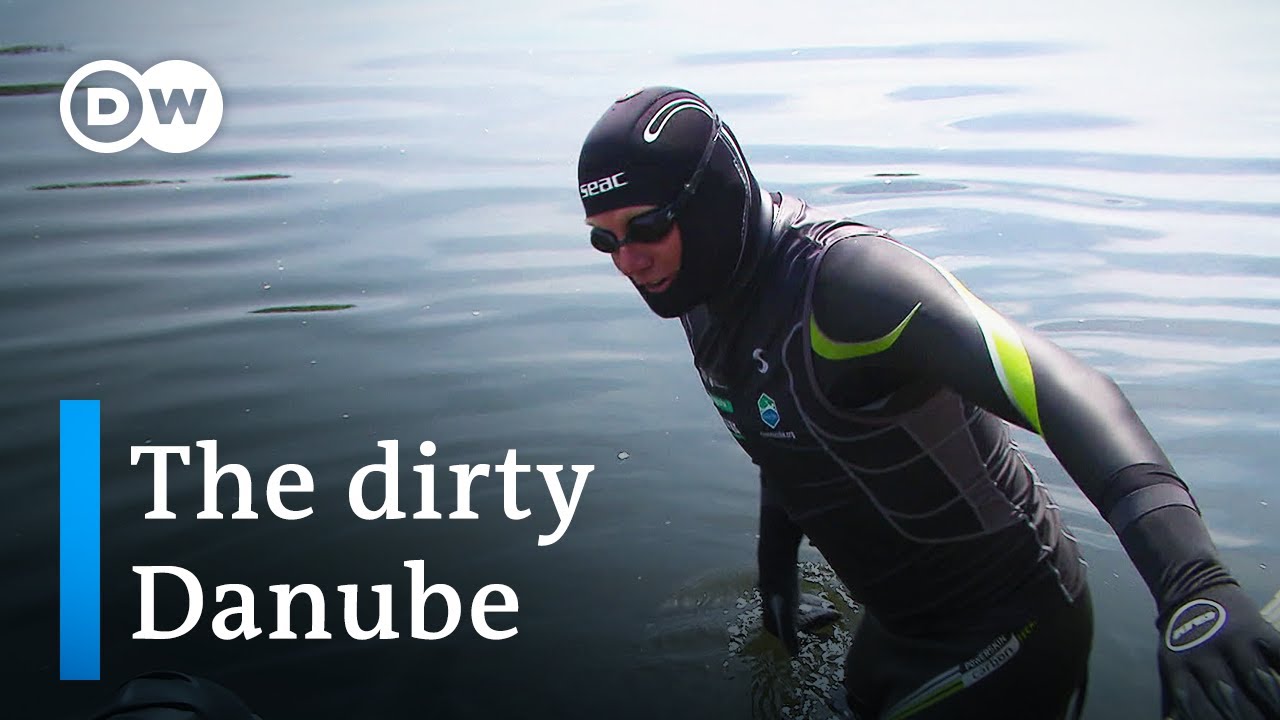
Four tons of microplastics flow daily from the Danube into the Black Sea, prompting chemistry professor Andreas Fath to swim the river's entire 2,700 kilometers.
Over a thousand manatees gather in Crystal River during winter months, providing a unique opportunity for families to swim alongside these gentle giants.
Brian Skerry swam outside a shark cage for the first time in 1982, encountering a six-foot female blue shark off the coast of Rhode Island.
In Bora Bora, Teuira seeks to restore harmony between humans and sharks by capturing a shark with a lasso and communicating with the Spirits.
During the Cretaceous Period, Earth's ecosystems faced extreme conditions that led to a significant depletion of oceanic oxygen for half a million years.
Every day at 3 a.m., fishermen in Polynesia prepare their boats and use traditional techniques to catch bonito, guided by the movements of birds.
Paulo fights against deep-sea trawling to protect Tuscany's coastline and marine life.
Humpback and sperm whales display their communication, feeding strategies, and social structures in this 19-minute documentary featuring BBC Earth footage.
In the Blue Planet archive, BBC Earth presents a retrospective of the diverse marine life inhabiting the world's oceans, narrated by David Attenborough.
In the Blue Planet archive, BBC Earth revisits the diverse marine life and ecosystems that inhabit the world's oceans, showcasing their beauty and complexity.
In the Bering Sea, the crew of Cape Caution faces extreme weather and treacherous waters while striving to keep their crab catch alive.
Mysterious deep ocean sounds continue to baffle scientists, prompting research from organizations like NOAA and Scripps Institution of Oceanography.
35,800 feet below the ocean's surface, two explorers made the deepest dive in history into the Mariana Trench on January 23, 1960.
Only 25 percent of the Ebro Delta remained untouched by human activity by 1983, prompting the creation of a natural park to ensure its conservation.
The ocean twilight zone, a largely unexplored layer of the ocean, is examined by scientists studying its ecological roles and impact on marine health.
A female giant Pacific octopus lays around 100,000 eggs and dedicates six months to guarding them before she dies.
This Spanish video highlights isolated manatees in the Caribbean and their unique lifestyle.
A sargassum belt spanning 5,000 miles has emerged in the Tropical Atlantic, impacting tourism and local fishing industries in the Caribbean.
Oceanic islands, comprising a sixth of Earth's land, host unique ecosystems shaped by volcanic activity and tectonic forces, as seen in locations like Hawaii and the Maldives.
A Great White Shark breaches ten feet into the air, demonstrating its power and agility in a series of thrilling underwater encounters.
Daniel Guiral works to install a floating lab in the inaccessible Kaw Swamp of French Guyana.
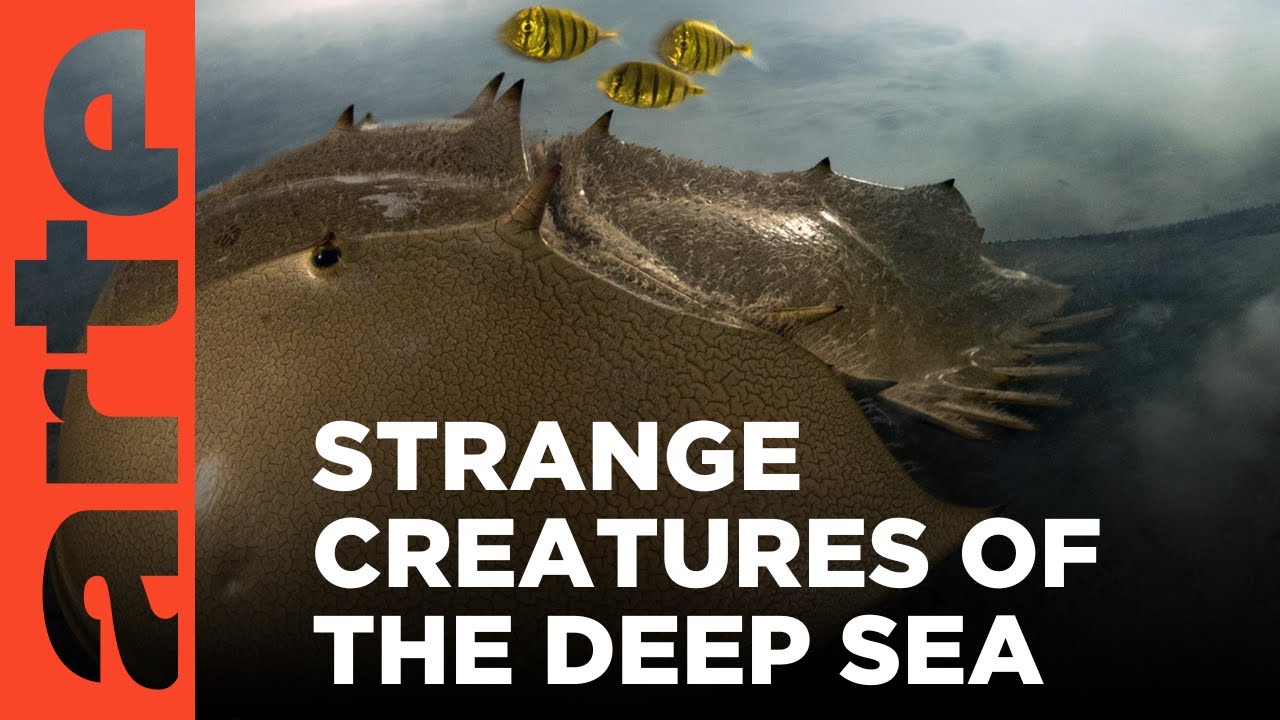
Horseshoe crabs, an ancient species over 450 million years old, are explored in their natural habitat by award-winning photographer Laurent Ballesta.
Graptolites reveal significant changes in ocean conditions during the Silurian period, highlighting periods of toxicity and subsequent ecological recovery.
Granny (J2), a centenarian orca, survived in the waters off the West Coast during a time when her family faced harpooning and capture for display.
In the world of exotic fish ownership, Dan O’Neill investigates the detrimental effects of wild capture on marine ecosystems and the illegal wildlife trade.
In the Isle of Pines, Joachim and Nasser exemplify the Kunies' exceptional skills in giant lobster fishing and traditional pirogue construction.
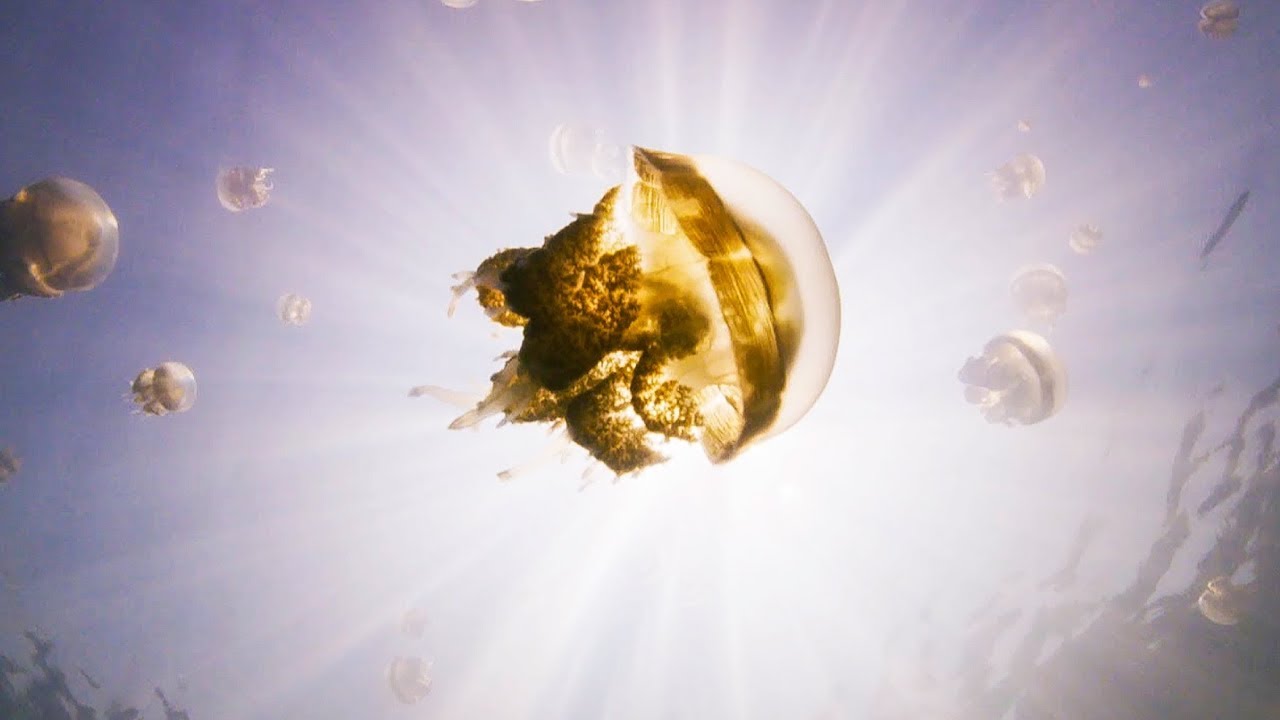
In Borneo, a unique lake hosts over one million jellyfish that have evolved to photosynthesize using algae, ensuring a constant food supply.
Millions of salmon return to Alaska's rivers each summer, triggering a feeding frenzy among bears, seals, and orcas in the coastal ecosystems.
Overpopulation, overtourism, and increased maritime traffic are significantly threatening the health of the Mediterranean Sea and its coastal ecosystems.
Fossil records indicate that vertebrates adapted to land and air before exploring the deep sea, raising questions about their delayed aquatic evolution.
Enric Sala, Director of 's Pristine Seas project, advocates for ocean protection and biodiversity as essential for global health and economic stability.
In 1872, the HMS Challenger embarked on a groundbreaking three-year expedition that resulted in the collection of data on ocean life and the discovery of 4,700 new species.
A team of engineers is designing an innovative submersible to explore the largely uncharted depths of the ocean, where over 80 percent remains unexplored.
A category 4 cyclone in March caused significant damage to the Great Barrier Reef, prompting urgent discussions about climate change and renewable energy.
A single bay in the Indian Ocean may contain twice as many marine species as the entire Caribbean.
Giant skin-shelled sea turtles, distinct from modern leatherbacks, showcase evolutionary traits that have persisted through time, as explored by PBS Digital Studios.
In Kefalonia, Hannah Stitfall collaborates with Chanel Comis, co-founder of Wildlife Sense, to highlight efforts in protecting the island's sea turtles.