From over 100,000 films, discover the handful you'll love.
Free or premium access to the world's largest documentary library.
916 films(Page 8 of 20)
1.5 billion dollars has been dissipated by Nauru's leaders, leaving the island nation on the brink of economic collapse and its citizens facing severe poverty.
Felicity Lawrence reveals the true cost of luxury pineapples in Costa Rica's fruit industry.
Almost 80% of gold produced in Colombia comes from illegal mines, which generate an estimated $2.5 billion annually for armed groups.
A company called “Inspiring Farms” is planting 26,000 avocado trees on land the size of 80 football pitches in southern Portugal, raising water scarcity concerns.
More than half of Texas is experiencing severe to exceptional drought conditions, forcing ranchers to sell cattle they can no longer afford to care for.
Migrant women in America's fields face ongoing sexual violence while working to provide food for the nation, often fearing deportation.
Border Patrol responds to multiple calls daily, often encountering vehicles dropping off 10 to 15 undocumented migrants at a time in Brooks County, Texas.
Less than 40,000 Marsh Arabs remain in Iraq, a sharp decline from an estimated quarter of a million in the early 1990s, as they face ongoing challenges in their communities.
Protesters visit Yanukovych's lavish estate, Migia, revealing stark wealth disparities in Ukraine.
Egypt faces a Food Crisis in 2008 as rising prices leave many hungry and desperate for bread.
Sea levels could rise between 50 centimeters to 1 meter within the next 50 to 100 years, potentially displacing over 5 million people in Egypt.
John Harris and John Domokos cover Jacob Rees-Mogg at a Tory conference in Brexit Britain.
Miami Beach and Atlantic City face severe flooding due to rising sea levels in South Florida.
In June 2003, Havana's people grow food to combat severe shortages and hunger.
Yuri and Svetlana navigate family life amid shifting front lines in war-torn Ukraine.
Yemeni refugees fleeing the civil war face perilous journeys to Djibouti, where they seek shelter in makeshift camps and receive assistance from fellow displaced individuals like Salah al Fakher.
Britain debates the safety of chlorinated chicken in post-Brexit trade with America.
A Somali Canadian doctor oversees a medical assessment in a community treatment center for watery diarrhea, one of only two facilities in southern Somalia.
In February, families face a bleak cost of living crisis with rising bills and desperation.
The Gambia faces a fish shortage as Chinese factories export local fish to China and Europe.
Gabriel Tejedor's report reveals exploitation in Italy's fast fashion industry.
Billions of locusts are swarming across Kenya, threatening agriculture and putting millions at risk of starvation amid the country's ongoing challenges with COVID-19.
Kabwe's children face severe lead poisoning, with almost every child living affected by toxic waste.
Thousands of people in remote regions of North Korea are starving while international aid struggles to reach them due to government restrictions.
Immature Japanese eels can cost as much as $35,000 per kilogram, driving a multi-million-pound black market fueled by organized crime.
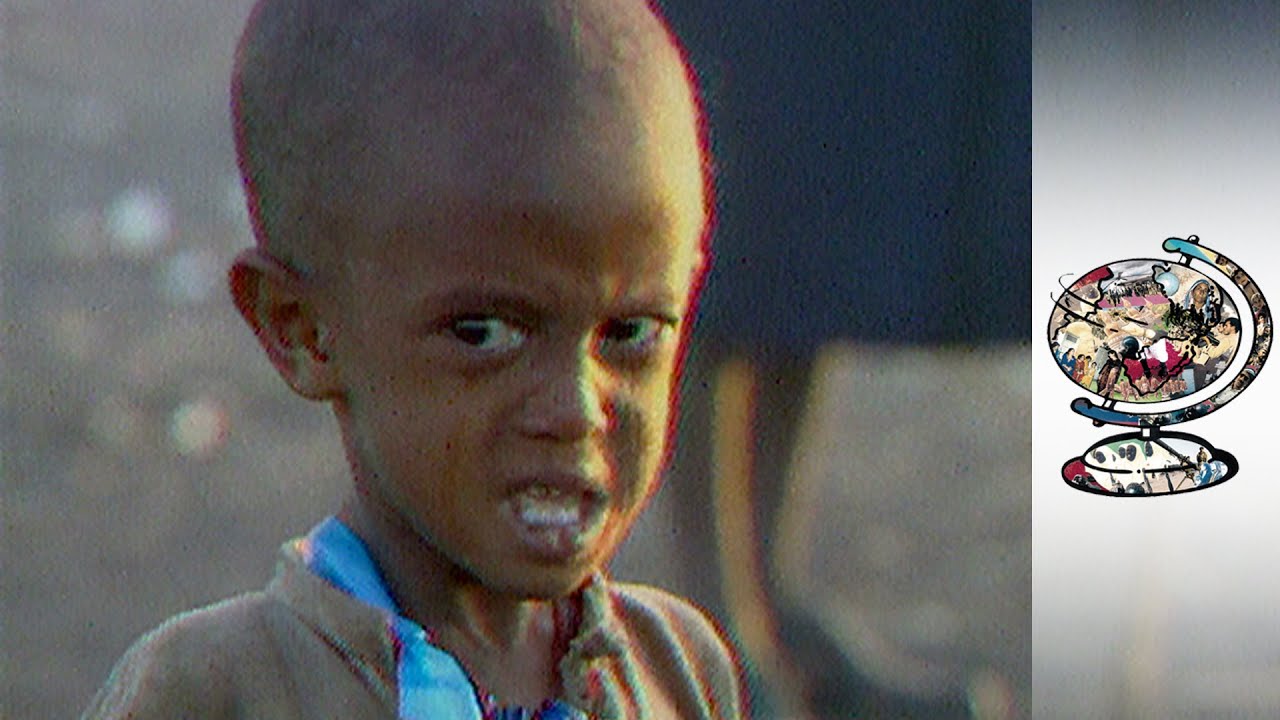
The Ethiopian famine of 1984 resulted in widespread starvation among women and children, highlighting the urgent need for international humanitarian aid.
Supermarkets waste edible food while blaming customers and producers for the issue.
Paul Greenberg investigates what fish to eat for health and sustainability in this FRONTLINE special.
One-third of residents in South Memphis lack access to an automobile, making it difficult to reach the nearest supermarket, which is over two miles away.
One third of the DNA in some frozen food products sold in Ireland was found to be horse, leading to a widespread scandal over food labeling and animal welfare.
Since 2020, over 500 children have been trafficked in India, with many cases linked to the devastation caused by climate change in the Sunderbans.
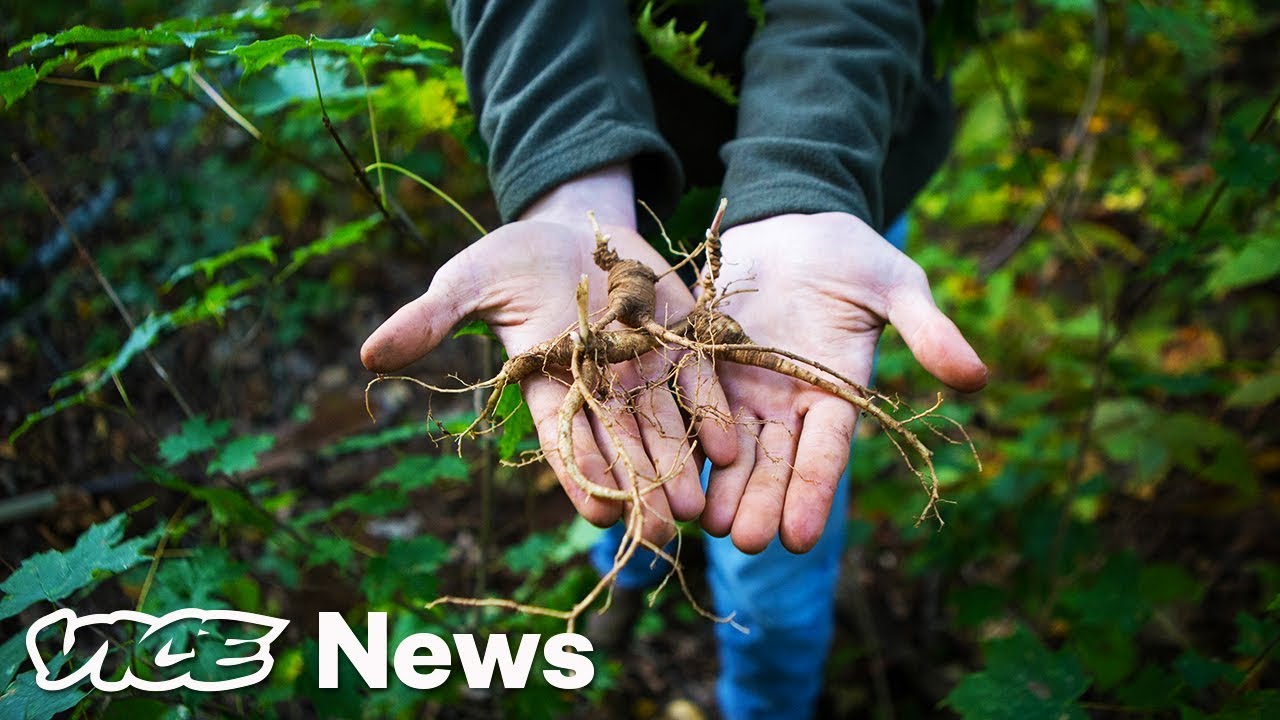
Last year, American wild ginseng exports were worth $27 million, driven by high demand in traditional Chinese medicine and diminishing supply.
In Kenya, escalating tensions among herdsmen, farmers, and poachers arise as the Horn of Africa faces its worst drought in 40 years.
A group of football fans in Liverpool has fed 70,000 people through food bank donations collected on match days over the past seven years.
Changbin township in Taiwan revitalizes to attract young residents amid a population crisis.
9,500 animals were poached in Zimbabwe last December, as farmers struggle against the consequences of government land reform policies.
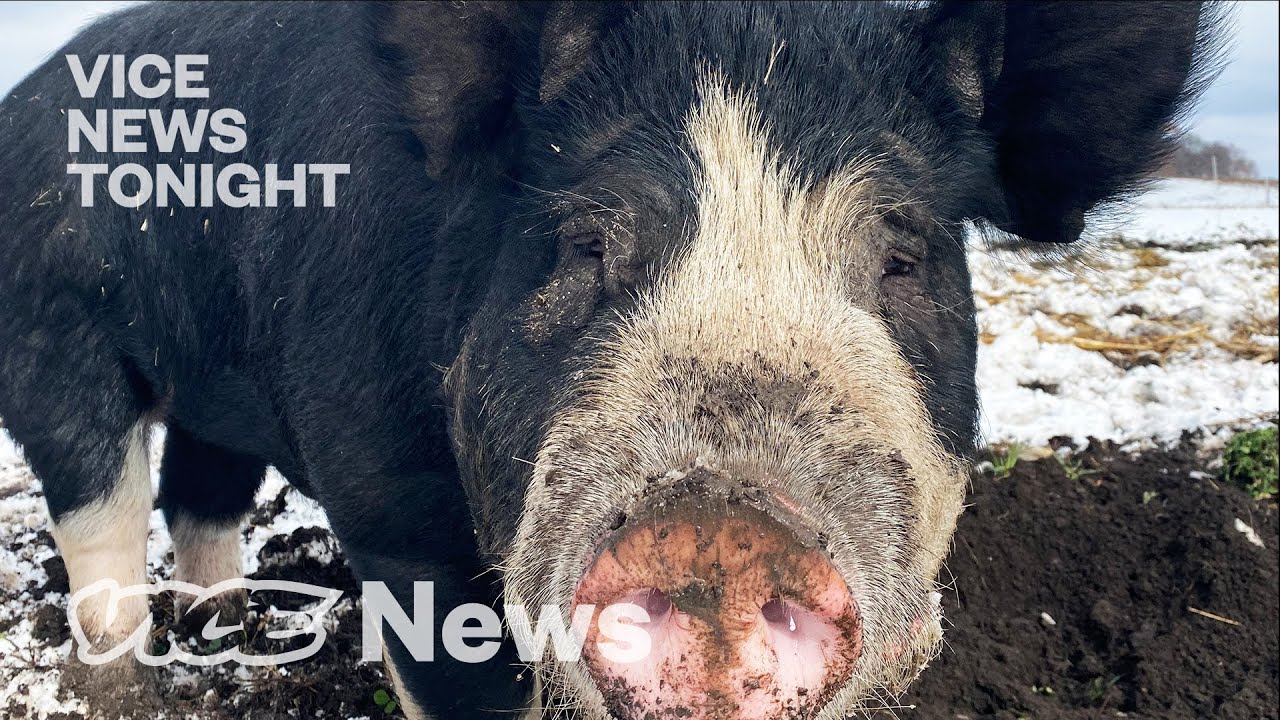
Activists plan to break into a pig farm to collect feces and swab animals, believing a global pandemic is brewing inside American factory farms.
Climate change, the Covid pandemic, and the war in Ukraine significantly threaten global food security, particularly for countries dependent on Ukrainian wheat.
A $16 billion plan to export natural gas from Papua New Guinea has sparked protests among local landowners who fear exploitation of their resources.
Every year, up to 41 million people are poisoned by pesticides, with many victims coming from developing countries like Kenya.
West Africa's fishing grounds face overexploitation from global fleets, impacting local communities.
Millions of Brits may choose between starving and keeping warm this winter amid rising energy prices.
China's two-child policy faces challenges amid an ageing population and migrant worker issues.
More maternal deaths occur in South Sudan than anywhere else on the planet, making it the most dangerous place to give birth.
Over five million cattle in California consume nearly half of the state's water supply, prompting a satirical campaign to skip showers for beef.
Mahmoud and Hani al-Madhoun confront the humanitarian crisis in Gaza, highlighting the forced starvation of Palestinians and their commitment to advocacy.
Fisherwomen on Hengam Island in southern Iran strive to become the first in the country to obtain official permits, challenging gender norms in a male-dominated industry.
Ranchers in Owens Valley battle LA over water access and rights amid climate change.