From over 100,000 films, discover the handful you'll love.
Free or premium access to the world's largest documentary library.
916 films(Page 6 of 20)
At 's Future of Food forum in 2014, experts including Dan Glickman and Tjada D'Oyen McKenna discussed strategies to feed a global population projected to exceed nine billion by 2050.
2 million pigs were raised by traditional family farmers in North Carolina before being replaced by a factory system owned by a Chinese multinational corporation.
Chronic disease rates are rising as modern lifestyles lead to increased sitting and decreased physical activity among many adults.
Residents in Morocco raise health concerns over phosphate fertilizer production's impact.
Over 750 deaths have been reported due to extreme weather events linked to climate change, prompting urgent calls for action against fossil fuel dependency.
145 tons of grain are dropped over eight days to feed 10,000 people in a South Sudan village facing starvation and conflict.
Dr. Nehemiah Mabry hosts a livestream with Dr. Melissa Lott to discuss achieving a zero carbon footprint in coffee production.
Multinational corporations manipulate global food production and distribution, prioritizing profit over quality and sustainability, as revealed by journalist Élise Lucet.
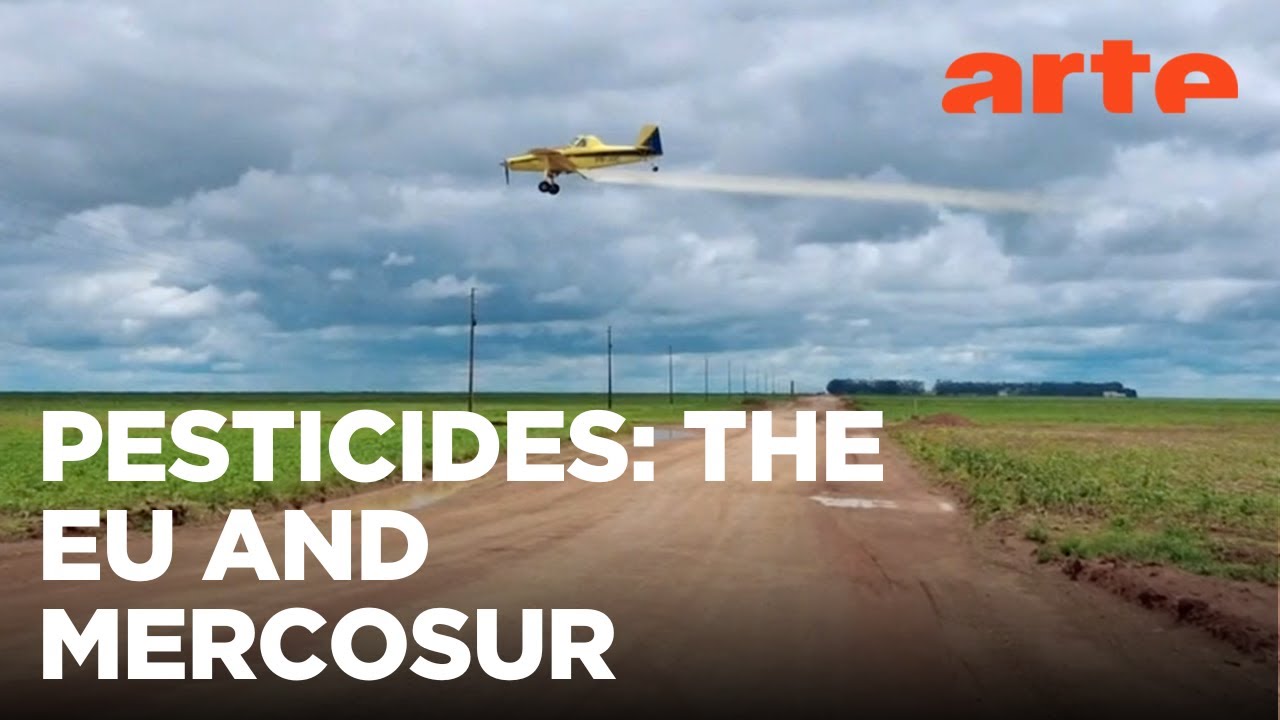
Brazil's agricultural sector faces serious health risks from pesticides banned in the European Union, highlighting contradictions in EU export policies.
Migrant workers in the Champagne region of France endure exploitative conditions, highlighting the hidden costs of luxury production amid record sales by major brands.
Over 1 million people in Gaza have fled their homes due to continuous bombing, with many now living in makeshift shelters near hospitals.
In Ghana, local chocolatiers are creating high-quality chocolate from bean to bar, aiming to reclaim cocoa production and highlight the country's role in the industry.
The Libyan coast guard poses significant threats to migrants attempting to reach Europe, highlighting the ongoing crisis faced by asylum seekers in the Mediterranean.
Shepherd Giannis Tsiboukas confronts the destruction from wildfires in Evia, Greece.
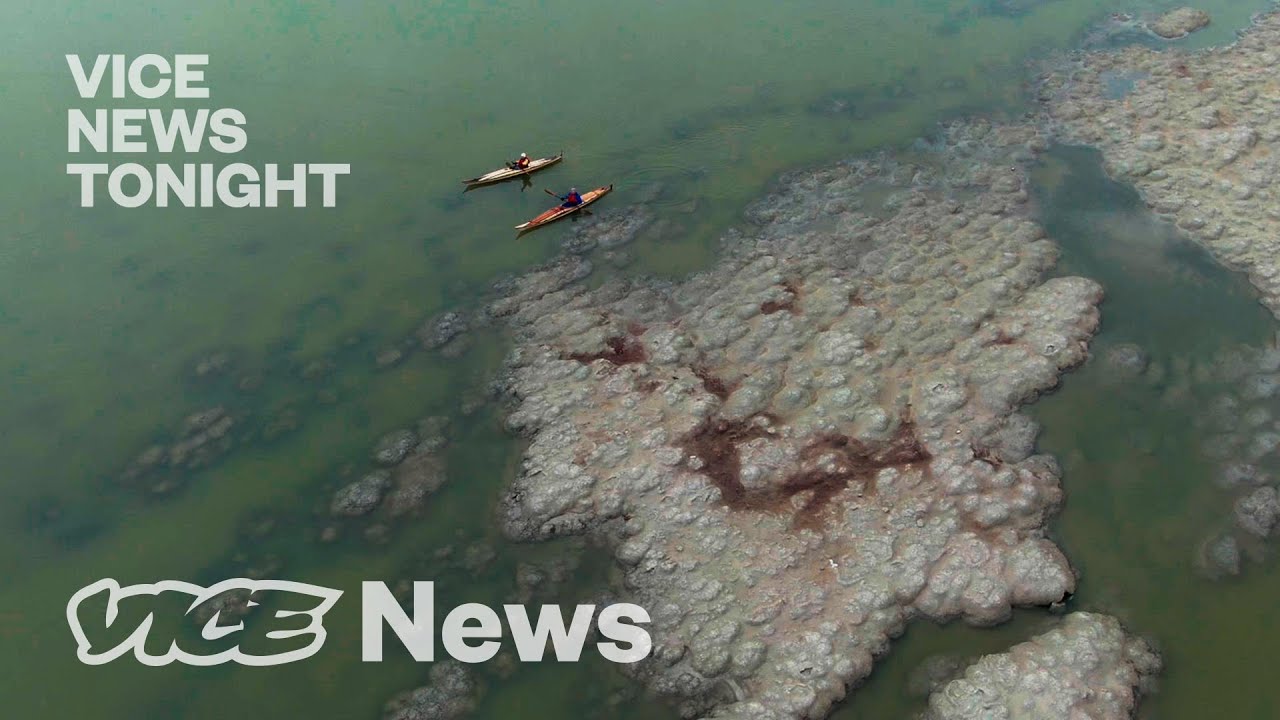
The Great Salt Lake has lost about 750 square miles of surface area, creating severe challenges for brine shrimpers and local wildlife.
The Colorado River faces a crisis as drought and climate change lead to severe water shortages.
Ari Fongsaten faces fear and loss in Thailand's coastal villages after the Tsunami.
A queue forms outside Astor in Froome, Somerset, as residents seek food during the coronavirus lockdown, reflecting the town's changing dynamics.
Residents in the treme neighborhood protest the city hall move, fearing cultural loss.
Argentina's lithium reserves face threats from mining, impacting Indigenous communities and ecosystems.
Jean-Paul, a 16-year-old boy weighing 480 pounds, faces serious health risks as Arkansas confronts a growing obesity crisis among its youth.
It takes about 12,000 bananas to find a single seed, raising concerns about the long-term viability of the Cavendish banana as a monoculture crop.
The Batwa face challenges after being removed from their land for gorilla tourism.
Over the past hundred years, the number of black-owned farms in America has dropped more than 95 percent due to systemic inequalities in farm loans.
Ethanol plants in Iowa consume 17 million bushels of corn annually, driving up prices and impacting food costs worldwide.
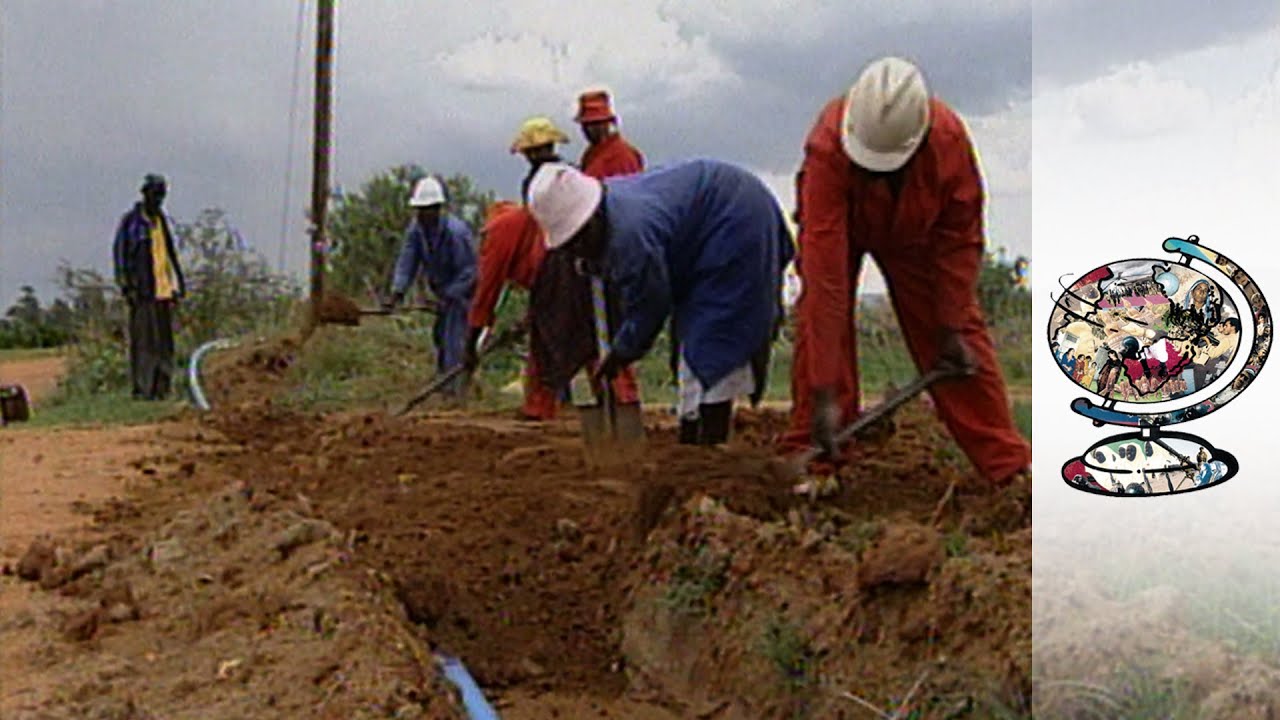
Over 80% of Limpopo's agricultural land is claimed by white farmers, complicating efforts by Black communities to reclaim their ancestral land.
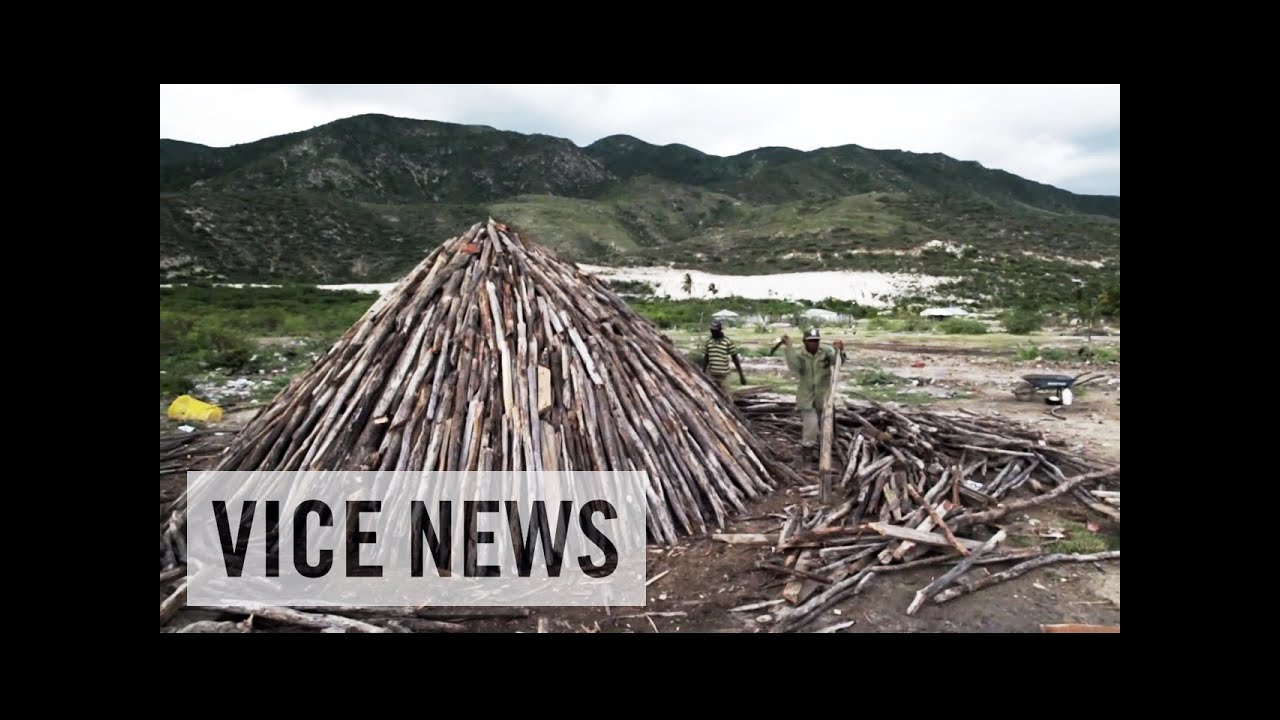
Residents adapt to Lake Enriquillo's rising waters and the black-market charcoal trade.
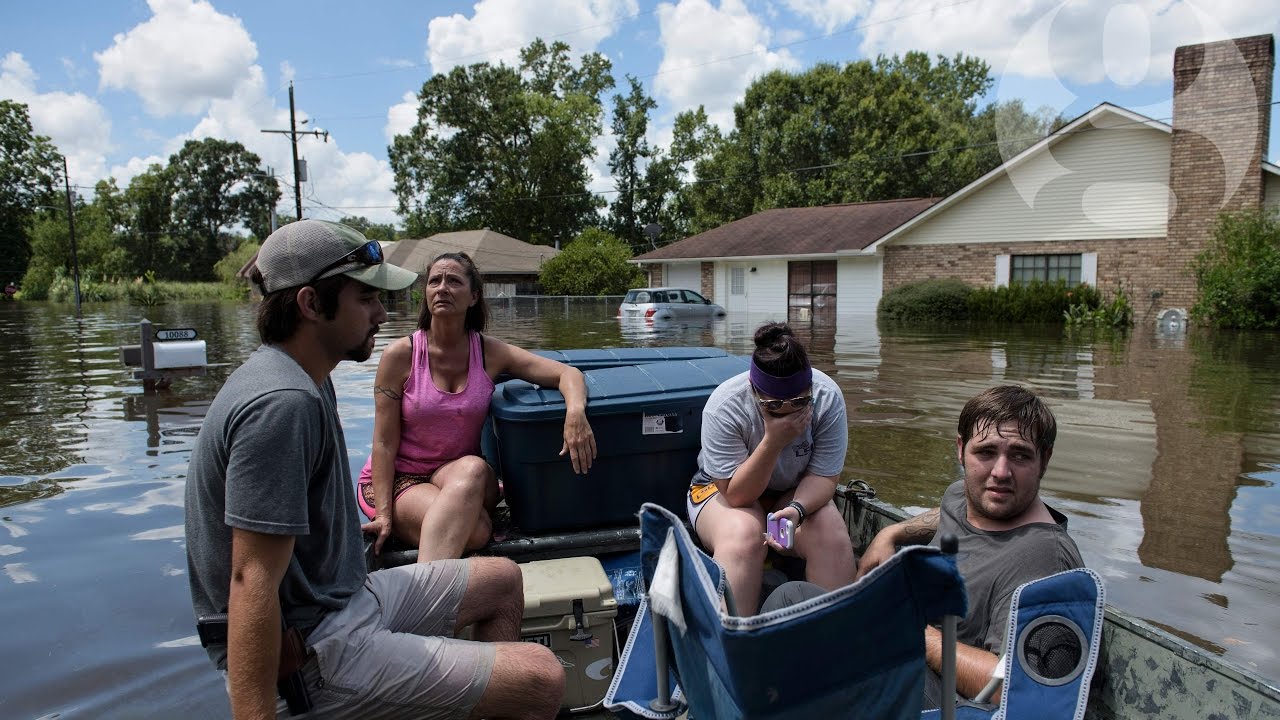
Baton Rouge faces historic flooding as the community unites for rescue efforts after a shooting.
Dr Mark Post eats a lab-grown hamburger as Alok Jha investigates synthetic beef's potential.
Residents of Cape Town are limited to 50 litres of water per day as the city approaches the possibility of running out of water entirely.
More than a million children in South Sudan are suffering from hunger due to the ongoing civil war and humanitarian crisis.
Patients face bills exceeding $86,000 for hospital care, despite qualifying for free services at nonprofit facilities designed to assist low-income individuals.
Thousands of Syrians escape to Lebanon, facing deadly conditions in refugee camps.
Infant birth defects in China rise 40% due to pollution from factories and untreated waste.
China's seafood industry reveals human rights abuses in the international fishing trade.
Chukotka's people face starvation without whale meat due to IWC hunting restrictions.
Fish populations in Lake Malawi have dropped by 90% over the last 20 years, pushing some women to exchange sex for fish to survive.
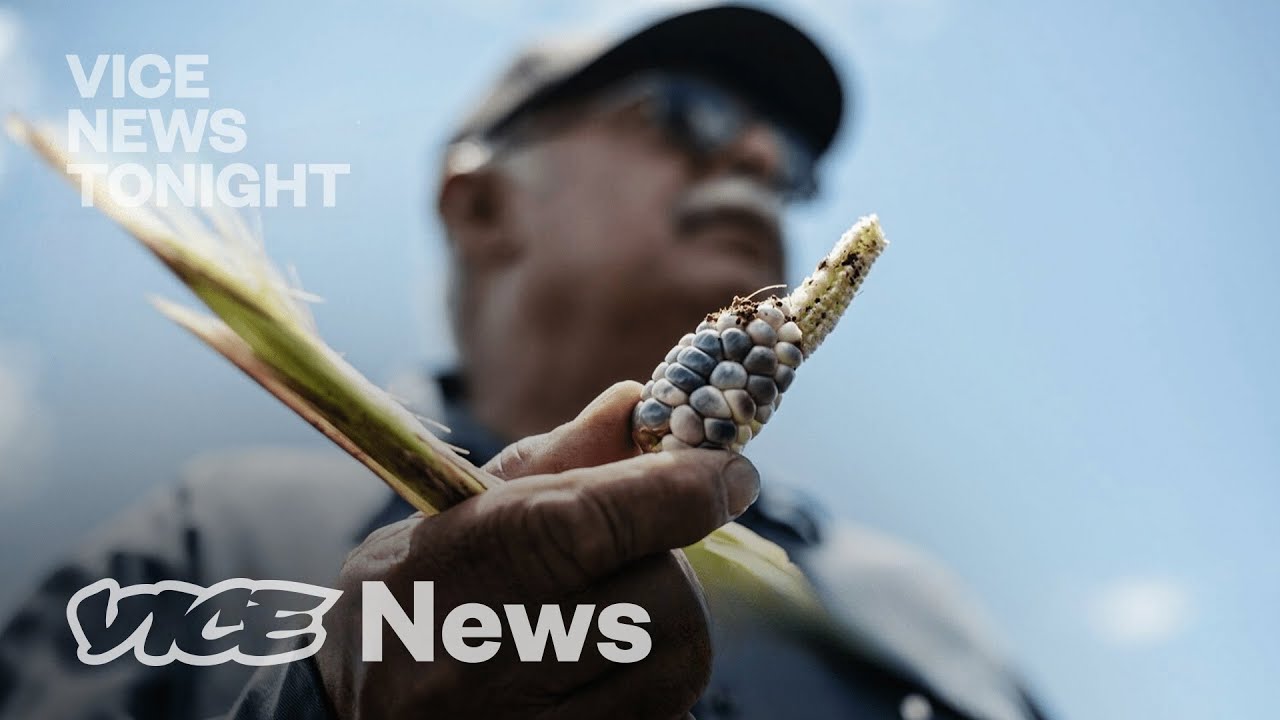
Climate change is causing crop failures among the Rarámuri of northern Mexico, leading many to turn to drug cartels for survival by smuggling drugs across the border.
John Vidal reports from La Paz on Bolivians facing daily climate change impacts.
The Democratic Republic of Congo's gold rush fuels violence and exploitation at Kamituva mine.
Farmers face labor shortages as H-2A visa workers, including Dalbert, are delayed amid COVID-19.
In Cameroon, the bushmeat trade threatens endangered gorillas and chimpanzees, raising concerns about potential global pandemics linked to wildlife consumption.
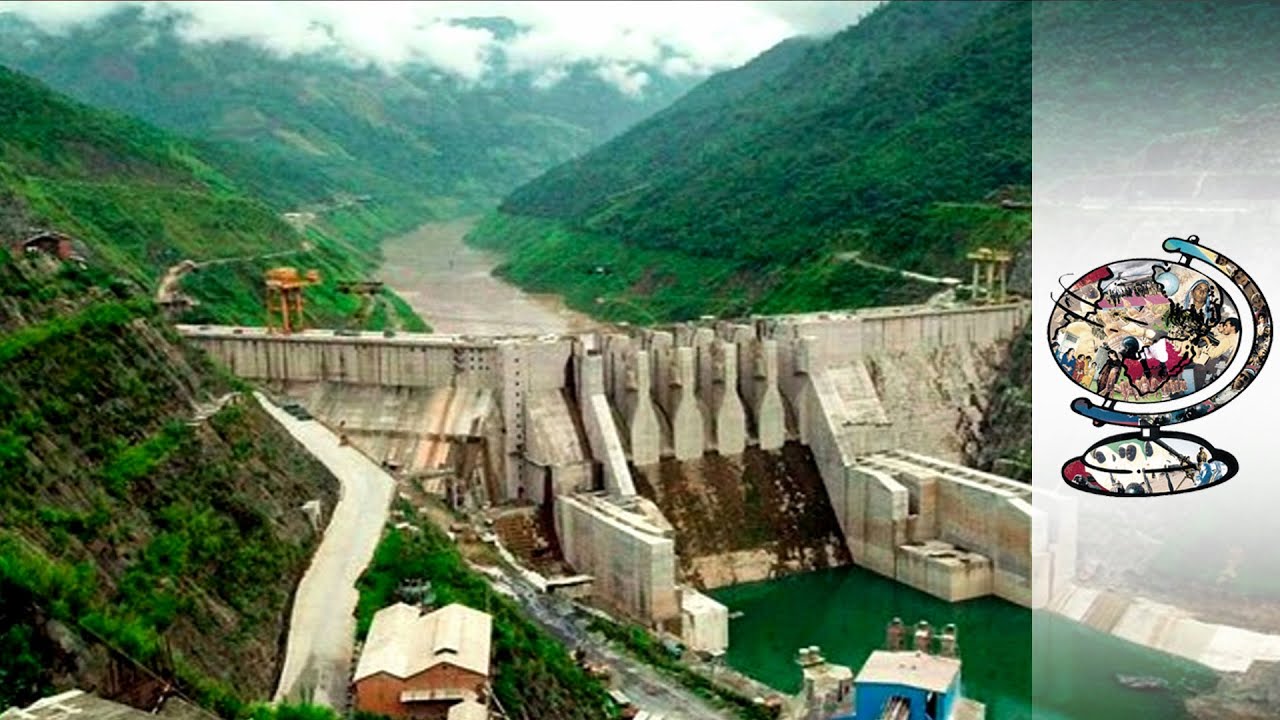
Plans for 55 dams along the Mekong River threaten to alter the lives of over 60 million people who depend on its waters for transport and food.
Last year's fall salmon run in the Klamath River was just 12 percent of what it was eight years ago, threatening the Yurok tribe's fishing culture.
The Mekong River faces devastating threats from dam construction in South East Asia.
The financial crisis in October 2008 forces families onto the streets in America.
In Mexico, avocado farmers face escalating violence and extortion from drug cartels seeking control over the booming avocado market driven by American demand.
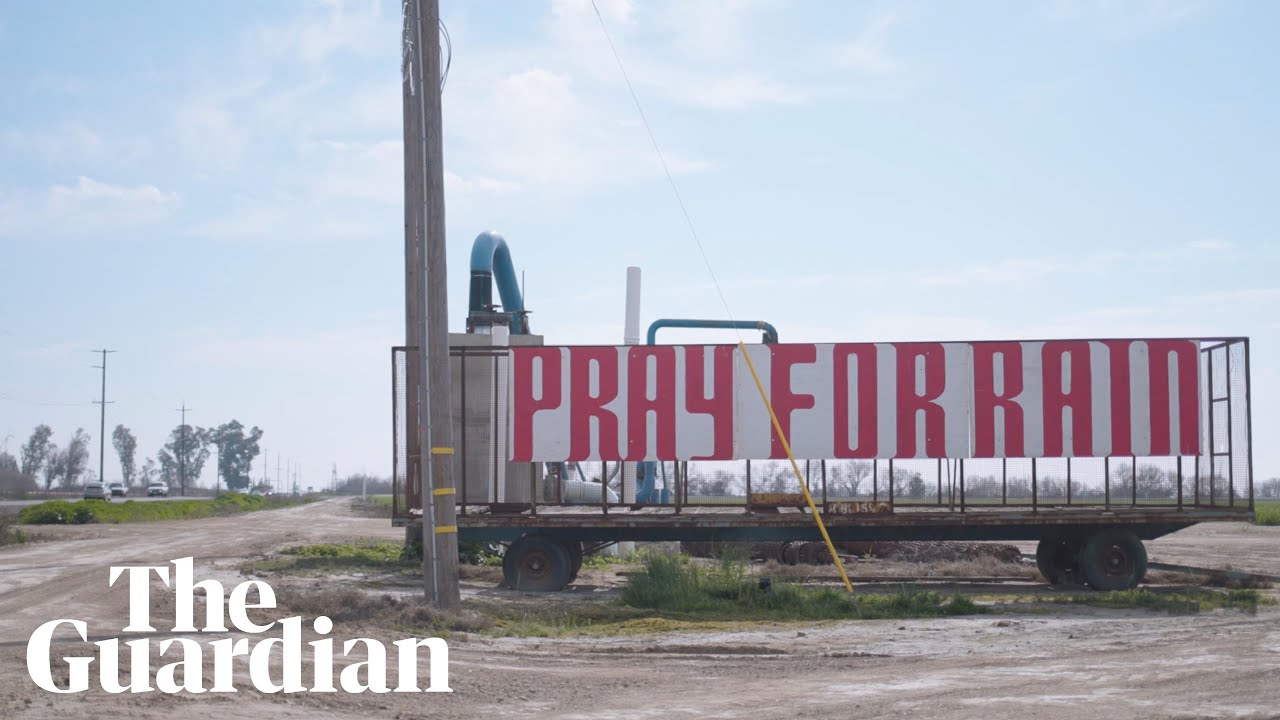
Since 2021, the Central Valley has seen a significant increase in dry wells, with many residents relying on domestic wells that are now running out of water.