From over 100,000 films, discover the handful you'll love.
Free or premium access to the world's largest documentary library.
916 films(Page 2 of 20)
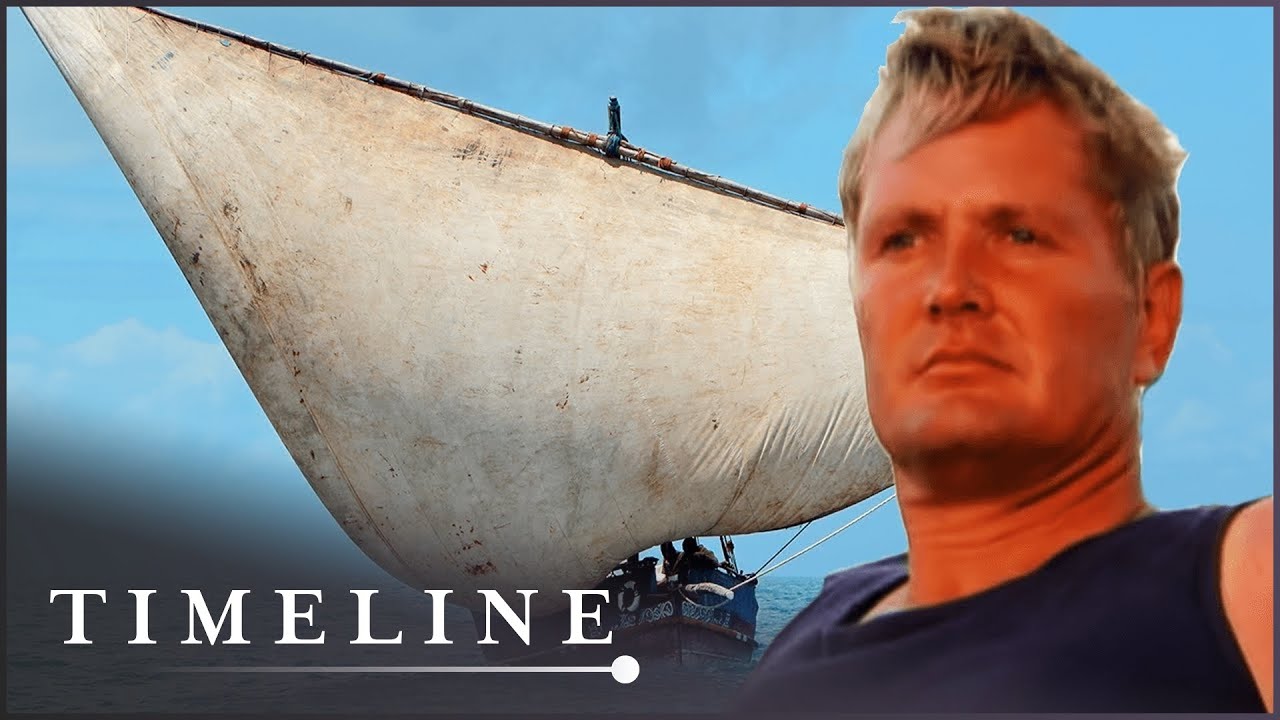
David Adams sails a traditional dhow along the East African coast, tracing the historical routes of Sinbad the Sailor over a thousand miles to Zanzibar.
200 cubic meters of water can be held in a cistern built to collect moisture from cloud catchers in Morocco, addressing severe drought conditions.
A third of the world's population now consumes insects as an alternative protein source, reflecting changing dietary trends in supermarkets.
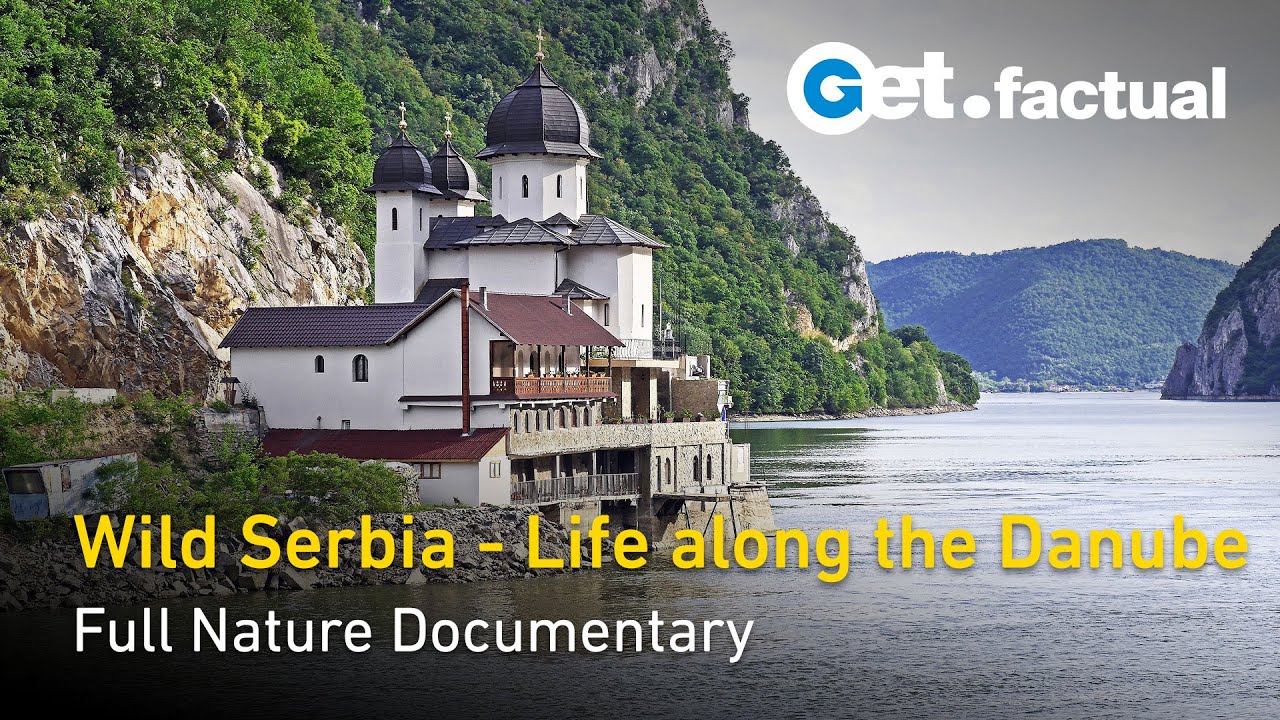
More than 100 kilometers of the banks of the Danube are protected as part of the Djerdap National Park in Serbia.
Each Friday, farmer Marty Travis sends an email to nearly 200 shops detailing available produce from Spence Farm in Central Illinois.
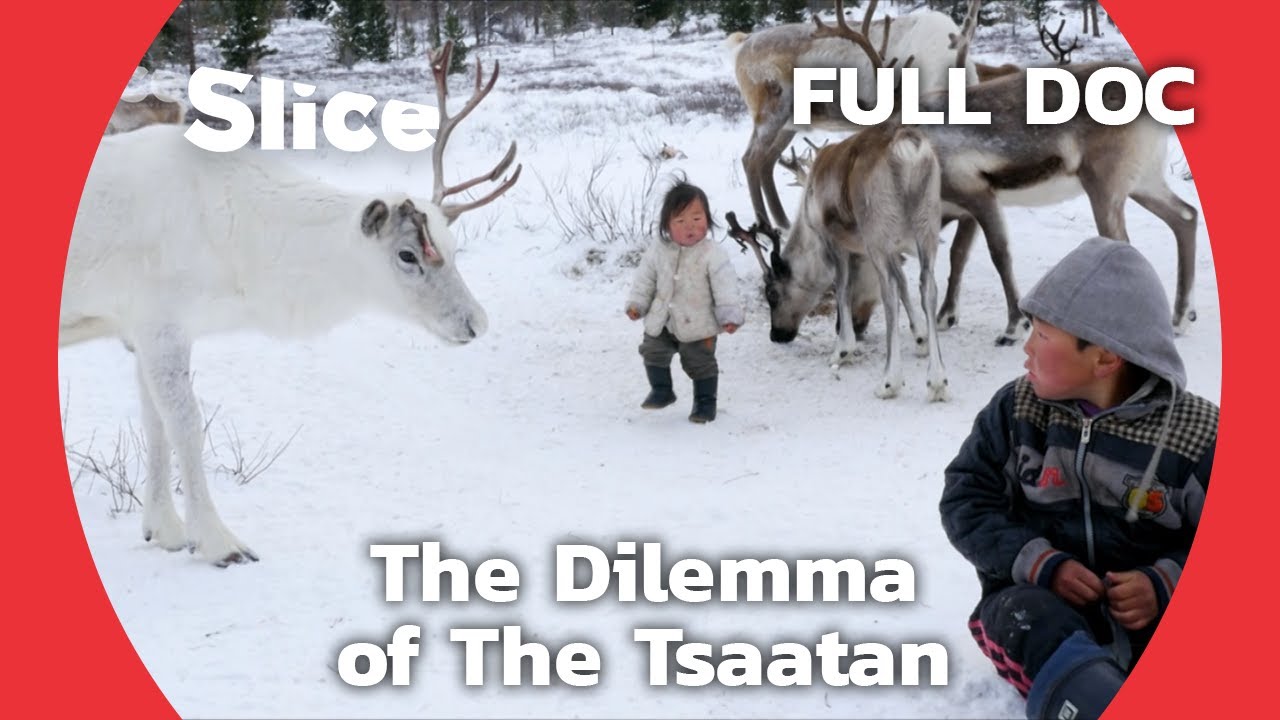
The Tsaatan people in Northern Mongolia face threats to their reindeer herding lifestyle.
Yunnan covers an area larger than Germany and is home to 48 million people, including 25 distinct ethnicities with unique cultural practices.
Seven years have passed since Sam Carlson last saw his youngest son, prompting a heartfelt reunion in the remote community of Port Protection, Alaska.
The Pan-American Highway spans approximately 35,000 kilometers from Alaska to Tierra del Fuego, connecting diverse landscapes and highlighting regional challenges such as drug wars.
1,400 sheep are driven over 3,000 meters of elevation gain from South Tyrol to Austria, crossing glaciers and rivers along the way.
Seven residents in Port Protection, Alaska, gather firewood and hunt for food as they prepare for the impending winter months.
Xinjiang, China's largest province, is about the same size as Iran and borders eight Asian countries, offering a mix of harsh landscapes and rich cultural heritage.
Bangladesh faces a future where 20% will disappear beneath rising waters due to climate change.
Six meals from a single caribou provide sustenance for Alaskans as they rely on traditional methods to survive in a harsh winter environment.
Every minute, 150 cars are built, reflecting their deep integration into daily life and the challenges of their environmental impact.
Life on the Cape Verde Islands is depicted through José Antonio's lobster diving off Sal and the community's resilience amid environmental challenges.
Guests travel 100 miles by car and then take a 90-minute boat ride to reach Turner Farm on North Haven Island, Maine.
Mega Air features the Irish Air Corp flying a huge engineering bridge via helicopter.
Almería, Spain, has greenhouse plantations covering an area equivalent to 45,000 soccer pitches, raising concerns about the sustainability of tomato farming.
The crew of the fishing trawler "Iris" catches 28 to 30 tons of pollock every 24 hours while facing dangerous conditions at sea.
Indigenous Peoples of Alaska navigate the challenges of winter's short days to secure food for their families and communities.
A cow with a disabled rear leg and a weak calf, both destined for slaughter, are rescued by animal rights activists in Germany.
In Fujian Province, China, the Hakka people maintain their cultural heritage and community life within the fortress-like tulous, built for protection against invasions.
China's gross domestic product has reached around $19 trillion, positioning it as a major player in the global economy alongside the United States.
9,000 to 10,000 bird species are thought to exist globally, with new research suggesting that number could easily double.
In the Sierra Madre Occidental of northwest Mexico, 6-year-old Lorenzo from the Rarámuri community navigates dangerous terrain to reach school and a meal.
In Port Protection, Alaska, Matt Carlson attempts to remove a massive sunken tree blocking the waterway while Curly targets a bear for food.
Heidi Andersson lives in Ensamheten, Sweden, embracing life and arm wrestling in loneliness.
93% of Mediterranean fish stocks are overfished, leaving Greek fisher Evgenia Floris with only 5 kilos of fish worth 15 euros after a long day at sea.
Seven children accompany their father on a challenging spring trip to teach them traditional hunting practices in Alaska's changing environment.
At an altitude of 4,300 meters, 1,200 Kyrgyz nomads in Afghanistan struggle to survive without electricity, vehicles, or schools in their isolated mountain camps.
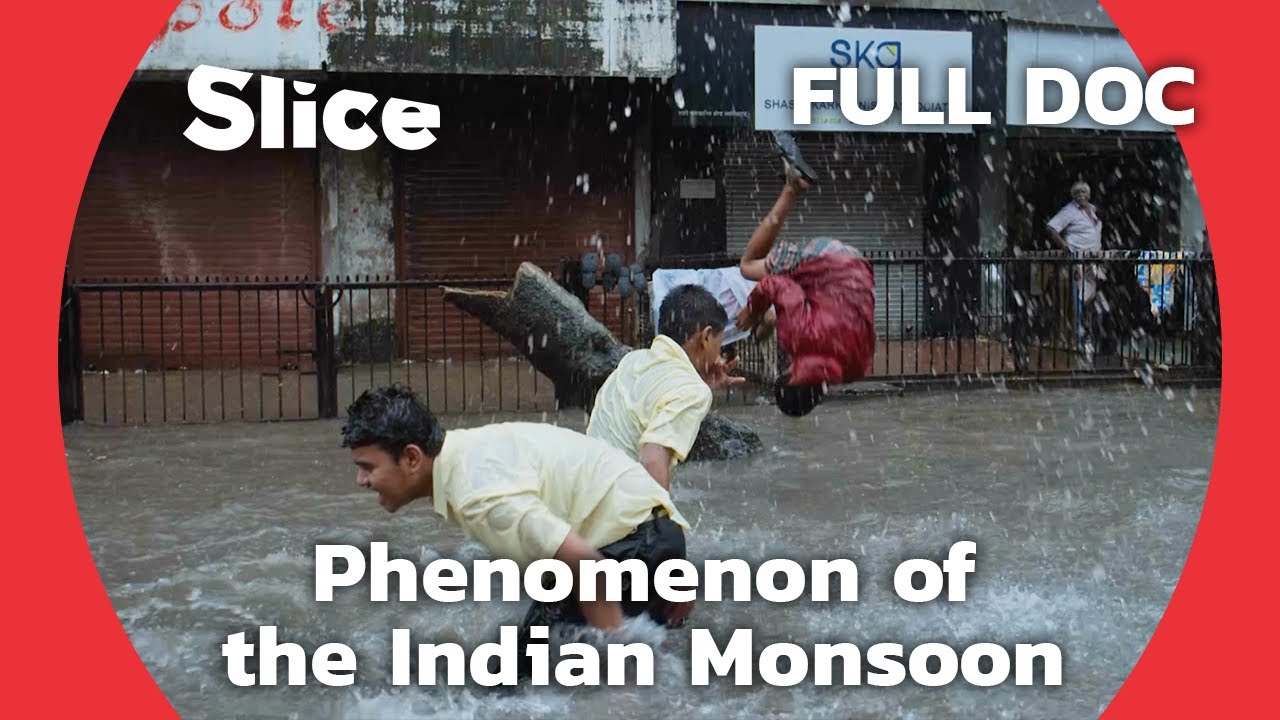
75% of India's annual rainfall occurs during the monsoon season, which runs from June to September and is vital for agriculture and water supply.
Ganvié is the World's Largest Floating Village in Benin, known as the Venice of Africa.
Sean Beukes manages a ranch that spans 6,000 hectares in the Karoo desert, where drought poses a constant threat to livestock and survival.
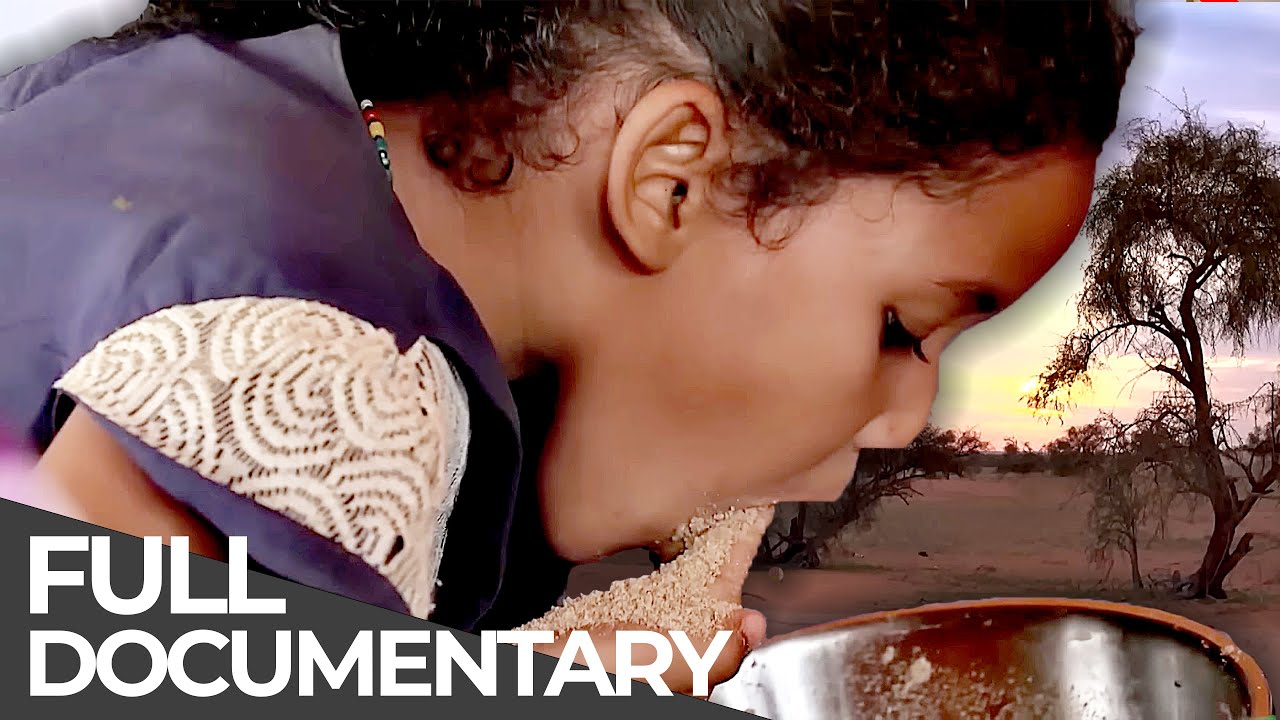
11-year-old Monet is force-fed 3,000 calories for breakfast as part of a cultural practice in Mauritania that equates obesity with beauty and wealth.
Ten young chimpanzees, including Cheyenne and Quilou, leave their island home to adapt to life in the Conkouati forest after being rescued from poachers.
A 3-meter-high house on stilts in Inle Lake is home to a family of farmers and fishermen who adapt their lives to the changing water levels.
Dave Cowburn breeds turbot in a WWII bunker while Jersey's potatoes thrive.
Géraud Burin des Rosiers attempts to hunt crocodiles with his bare hands and confronts venomous snakes in the Amazon rainforest.
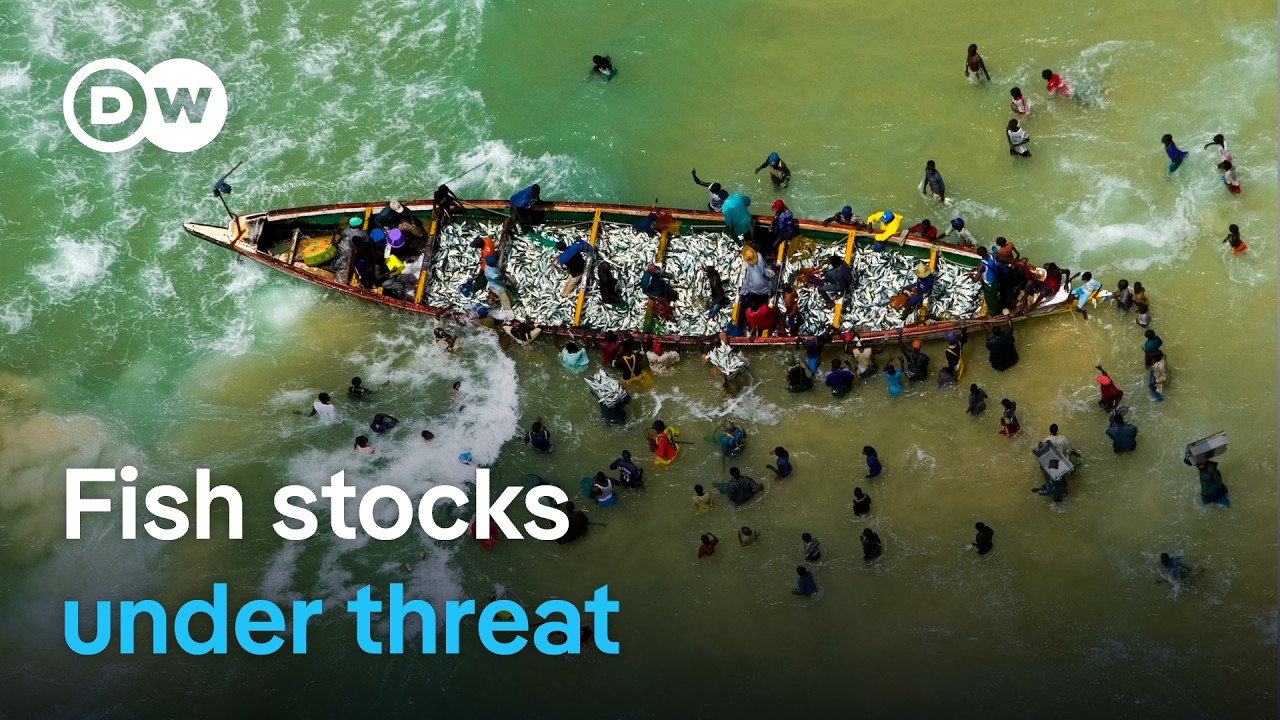
In Senegal, local fishermen face economic instability and cultural loss as overfishing by foreign fleets depletes once-abundant marine resources.
Every day, 37,000 airline meals are prepared from scratch at the UK's largest in-flight caterer for flights around the world.
Marcio, a guardian of the sea, regularly encounters schools of 100 to 300 dolphins off the coast of Sao Tome and Principe.
Desperate Hours highlights Environmental Disasters and their impact on life on Earth.
More than half of Malawi's 16,000 kilometers of road network remains unpaved, complicating transportation and access to essential services.
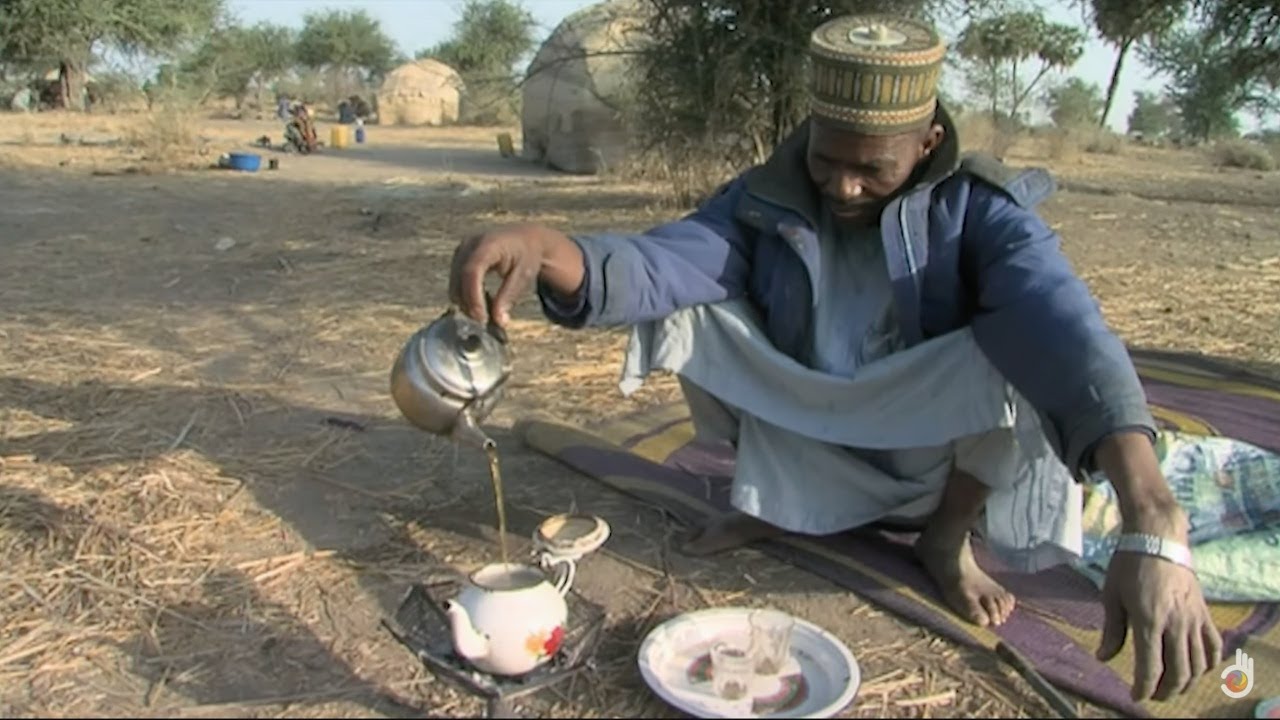
95% of the Fulani shepherds' livelihood relies on pasture that produces only 350 to 700 pounds of hay per acre, threatening their traditional way of life.
Oysters first appeared on Earth 200 million years ago and have been harvested for food since the Neolithic Age.
A lander intended for Mars crashed 3.7 kilometers above the surface due to a false altitude reading, illustrating the challenges of space exploration.
Over 90% of the warming from climate change is absorbed by the oceans, impacting coral reefs and local communities in Australia and beyond.