From over 100,000 films, discover the handful you'll love.
Free or premium access to the world's largest documentary library.
916 films(Page 12 of 20)
Flint River water was eight times more corrosive than Lake Huron water, leading to lead leaching from aging pipes and serious health concerns for residents.
Seven hundred kilometers northwest of Chonwati, the Himba tribe thrives in the semi-arid lands of Kaokoland, relying on cattle and social organization for survival.
The Himba prioritize cattle, shaping their economy and culture in the desert.
Fishermen in the Bering Sea face extreme winter conditions and dwindling supplies while pursuing Alaskan king crab, testing their resilience and seamanship.
Somalia faces its worst drought in 40 years, with half the population needing urgent food aid.
A biologist in Soviet Moscow conducts bizarre livestock experiments to boost food production.
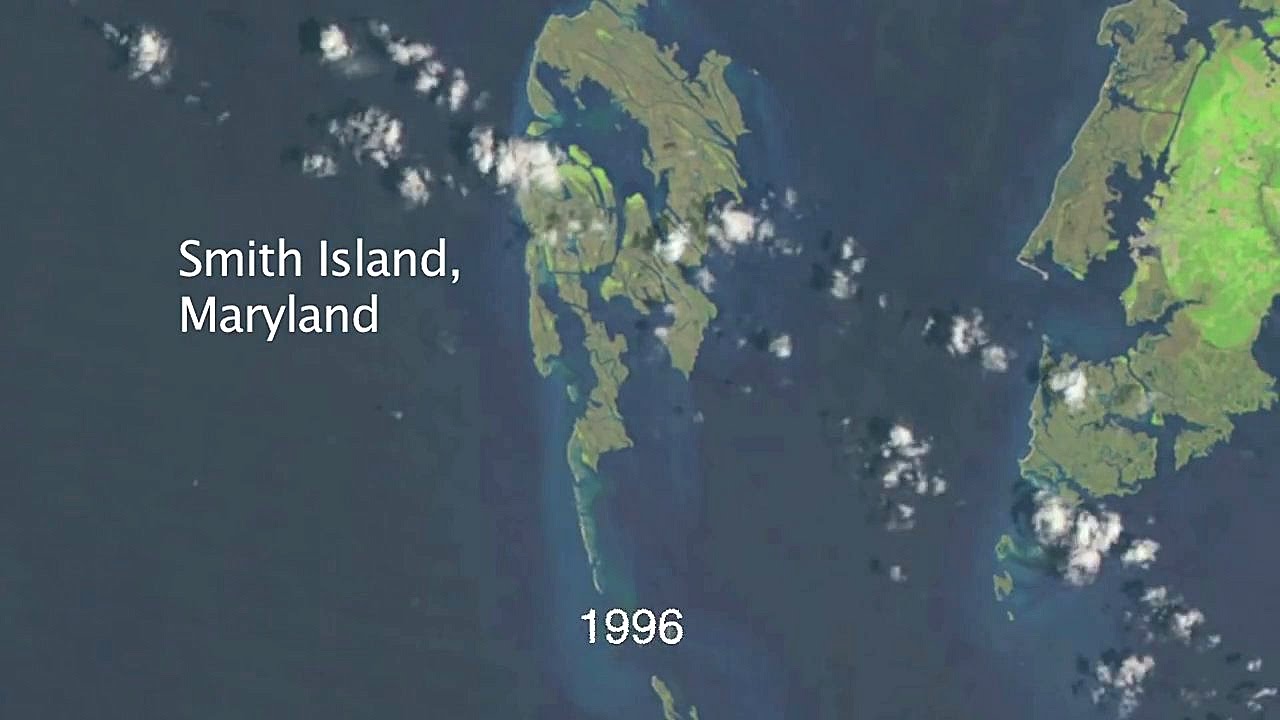
Landsat imagery and NASA's Scientific Visualization Studio illustrate Earth's rapid transformations due to natural and human influences.
5,000 years ago, ancient Egyptians began carving funerary writings in tombs and temples, linking their beliefs about life and death to the Nile.
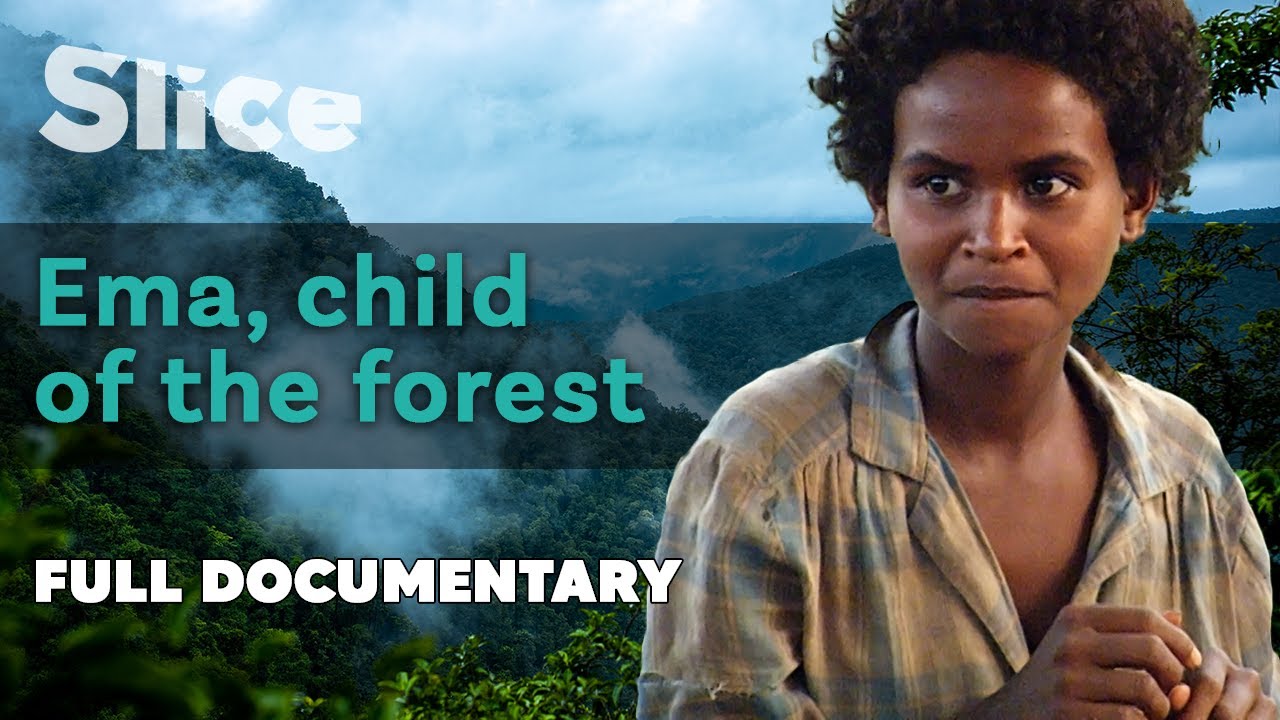
In the Sierra Madre mountains of the Philippines, Maymayan teaches her daughter Ema traditional fishing and hunting techniques, highlighting the Dumagat culture.
Southeast Asia's coastal communities face rising sea levels and intensified storms, prompting innovative engineering solutions to combat climate change and enhance resilience.
Chile's salmon industry, the second largest, faces criticism for its environmental impact.
In Africa's wilderness, a professional boxer and a former cop confront aggressive hippos while struggling for survival against starvation and dangerous predators.
A 240-mile run to St George and St Paul tests the endurance of crab fishermen as they face freezing temperatures and icy waters in the Bering Sea.
Two fishermen risk their lives daily on Lake Chamo, where crocodiles have killed friends and the demand for fish is exhausting local stocks.
Severe food crisis in southern Madagascar affects 1.5 million people as drought and armed bandit groups known as Dahalo worsen the humanitarian disaster.
More than three tons of fish were caught by the Saint fishermen on the first day of the tuna season, a tradition passed down for five generations.
About 200 pirogues leave the village during the autumn equinox, as families gather to fish and prepare for the rainy season ahead.
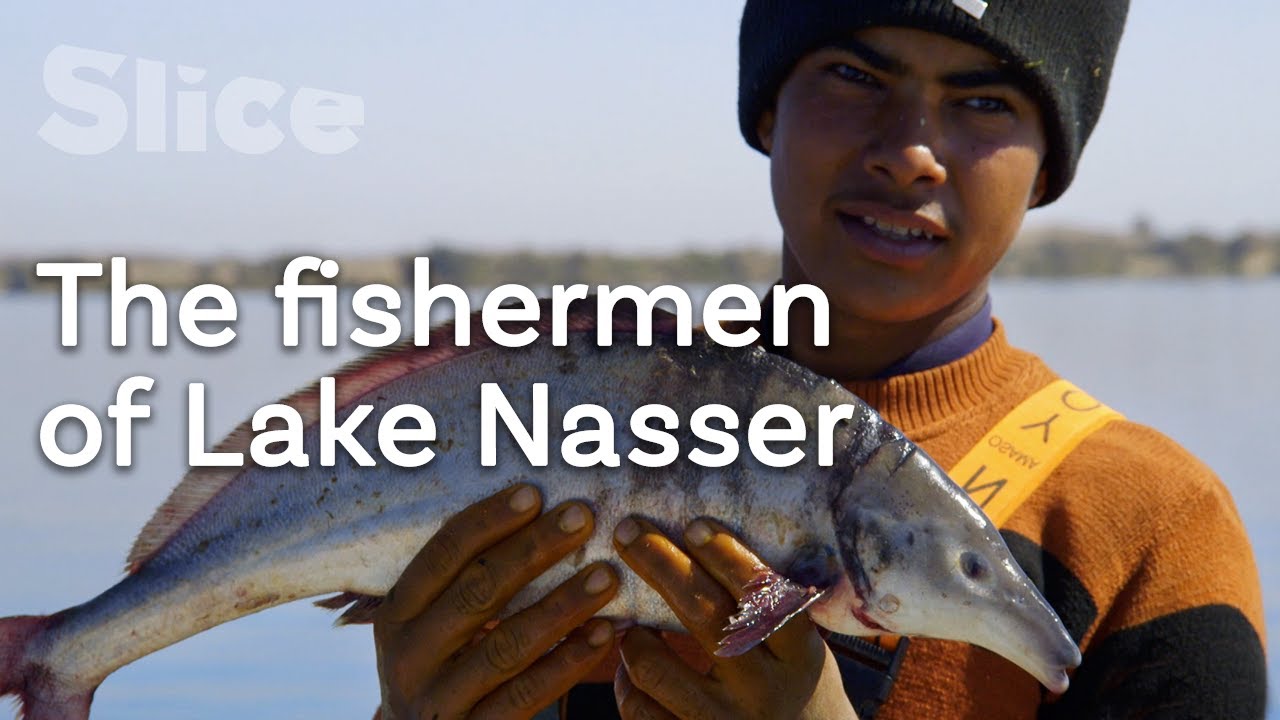
Lake Nasser, the biggest manmade lake, transforms fishing livelihoods since its creation.
Food conservation efforts during World War I are examined through animated segments featuring Herbert Hoover and the Food Control Bill of 1917 at the U.S. Capitol.
Agriculture's evolution over 5,000 years, from early farming practices to modern debates on GMOs, is documented by photographer Jim Richardson.
The Antakarana people of Madagascar adapt to ocean hunting after fleeing inland agriculture.
A 600-meter climb leads islanders to a fertile garden where taro, a staple food, is grown and harvested year-round on the rugged island of Futuna.
Fifteen million years ago, primates adapted to a fruit-based diet while also consuming insects and eggs, a behavior that continues today.
Benjamin Vidmar grows fresh herbs and vegetables in a domed greenhouse in Spitsbergen, where temperatures can drop to -25° C and darkness lasts for three months.
400 families in Punto Piedra, Honduras, live without running water or electricity while preserving their Garifuna culture and traditions.
British colonialism significantly increases diabetes rates in India and South Asia.
Crews must catch £18,000 worth of crab during the 2023 Alaskan king crab season while adapting to changing ocean conditions and equipment failures.
A sourdough starter used in bread-making can be over 100 years old, passed down through generations and connecting people to their culinary history.
The Huaorani live in Yasuni National Park, showcasing their culture and traditions in this Spanish video.
Babar and Celite navigate through caves to hunt deer on a neighboring island in Aru, a region historically linked to 18th-century piracy.
In the Dzangha-Sangha reserve of the Central African Republic, the Baka Pygmies engage in traditional hunting rituals while seeking the protection of Jengi, the forest spirit.
A truckload of people escapes the Superdome after Hurricane Katrina, as poet Shelton Alexander documents the chaos and challenges faced by evacuees.
A fishing boat in the village of Eek can carry up to seven tons of fish, reflecting the Imraguen people's reliance on the sea for survival.
Inhabitants of the Sepik River region in Papua New Guinea rely on sago palm for their staple food and engage in cultural practices involving betel nut.
Insects such as caterpillars, beetles, and grasshoppers are explored as potential sustainable food sources that could address global hunger and reduce reliance on mass production.
Human dietary practices are examined through the historical significance of meat consumption, from early ancestors in the African savannah to modern industrial farming.
37 billion eggs were produced in the United States during World War II, as farmers faced increased demands for wartime food production.
Over half of the original forests on Earth have been destroyed, with 45% of rainforests now classified as wasteland.
600 kilos of yams are harvested by a Kanak man, symbolizing a deep connection to the land and ancestral traditions in New Caledonia.
Olivier Dummett and Mmimiséku guide us through the untouched rainforest of French Guiana.
Louisiana's fishing industry faces threats from rising seas and habitat loss affecting livelihoods.
Mongolia's steppe, covering 1.5 million square kilometers, faces severe winter challenges as nomadic herders struggle to feed their animals through heavy snow.
Lauren MacCallum highlights climate change impacts and plans to meet Ryan Furman in March.
Wapo can catch more than 30 fish in one go while teaching his nephew Jay the traditional kite fishing technique on Santa Catalina Island.
Children learn to whistle back to birds that guide them to beehives, a skill essential for finding honey in the Hadzabe's traditional foraging practices.
Ku Yann lives with his family on Tonlé Sap, a bounteous lake in Cambodia, managing a crocodile farm.
Around 40 families harvest tonka beans in the Arapao community, spending up to two months in the forest during the season.
Porcelain crawfish can grow up to three feet long and weigh as much as 30 pounds, making them a prized catch for fishermen on the Isle of Pines.