From over 100,000 films, discover the handful you'll love.
Free or premium access to the world's largest documentary library.
916 films(Page 4 of 20)
In a single day, swarms of locusts can consume food crops that hundreds of thousands of people depend on for survival.
Malmö's offshore wind farm provides electricity for half the city, marking a significant step in its transition to sustainable urban living.
Over 40 million buffalo once roamed the American west, but by the late 1800s, their population had plummeted due to hunting and habitat loss.
Six females from the Gol Kopje pride struggle to survive in a 200 square kilometer territory during the harsh dry season of the Serengeti.
Two hours southeast of Dhaka, a few thousand farmers in Daudkandi adapt to seasonal floods by developing fish farming in previously unusable land.
Cree and Inuit communities in the Hudson Bay and James Bay regions are advocating for the protection of their vital waters, essential for their way of life.
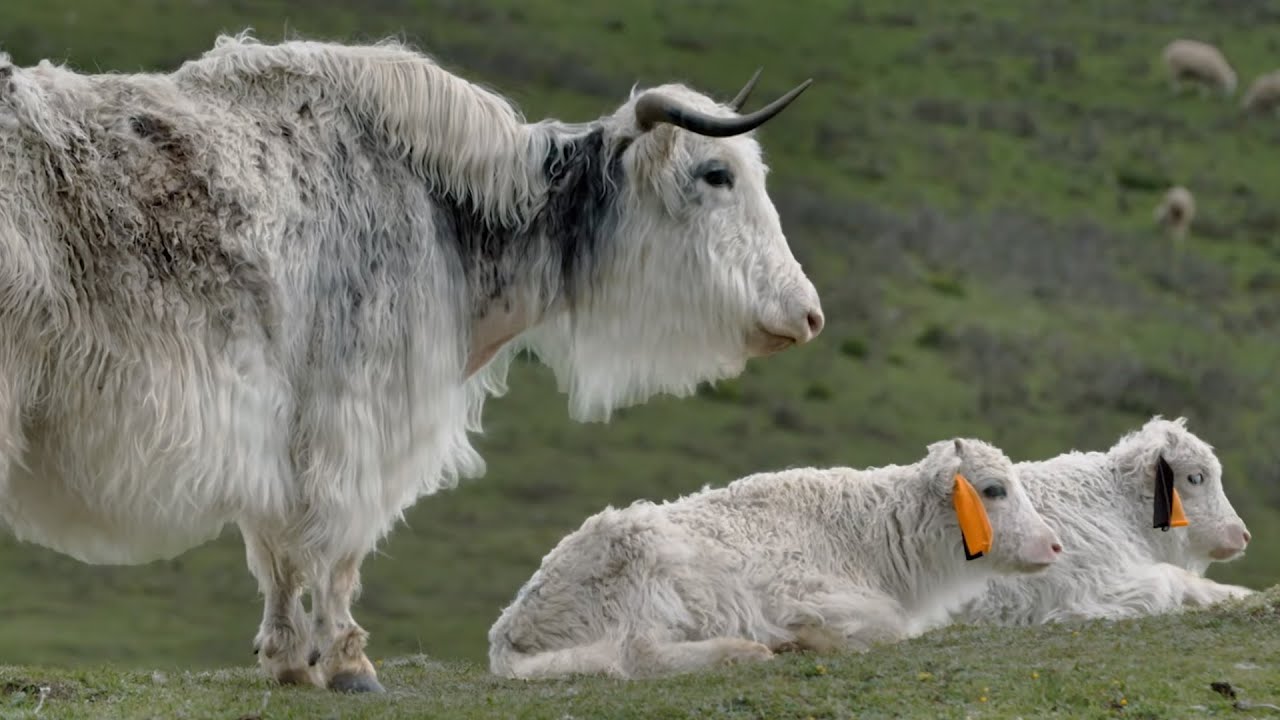
In China's western regions, scientists from China and Germany are breeding wild yaks with domestic yaks at the Datong farm to enhance food production amid urbanization.
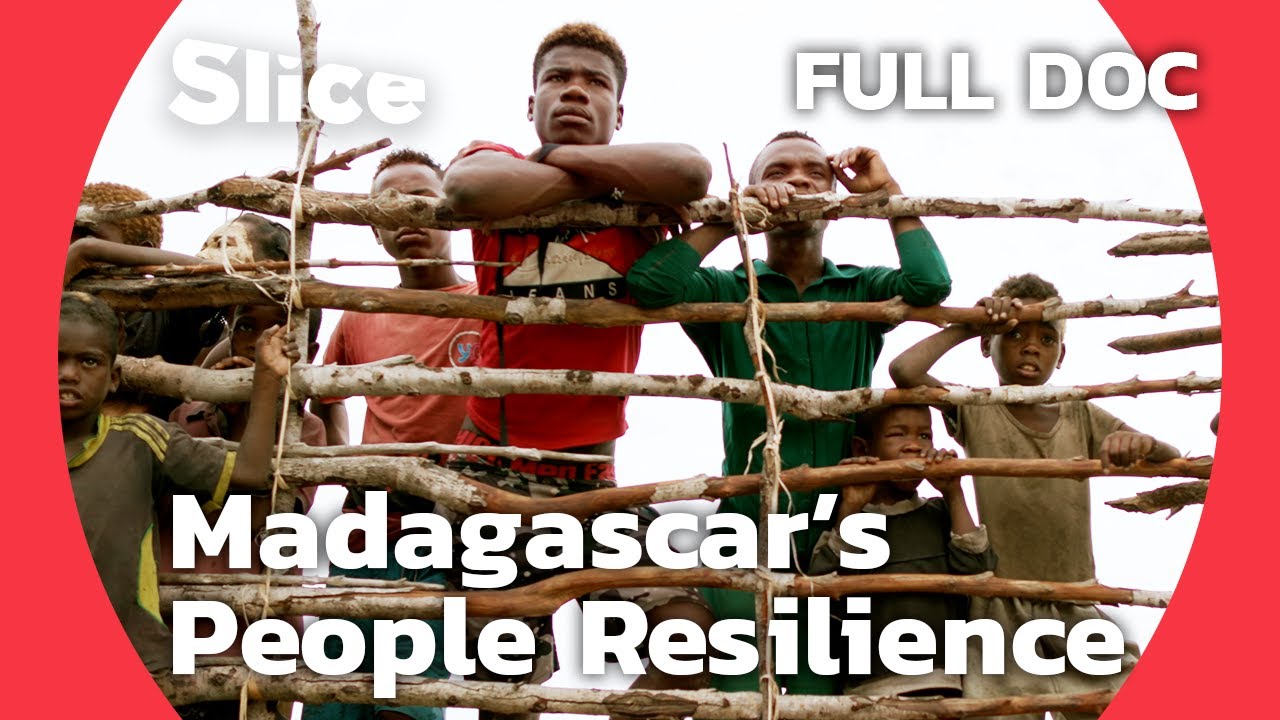
Only about 100 Mikea remain in Madagascar, facing displacement from their ancestral forests as they struggle to preserve their traditional way of life.
In Rajasthan's semi-deserts, nomadic pastoralists utilize centuries of ecological knowledge to navigate harsh landscapes while addressing modern agricultural challenges.
Bangladesh faces a dire future as rising waters threaten 30% of its land and 60 million people.
Three million people inhabit the Tibet Autonomous Region, an area almost the size of Western Europe, where ancient traditions meet modern change.
The Namib desert in Namibia features golden sand and unique wildlife like desert elephants.
A team of 14 people carries enough food and supplies for several weeks while traveling 400 kilometers on rough dirt roads to reach the Essequibo's source.
Rising water pollution and increasing temperatures in the Nile region echo the Biblical plagues, highlighting urgent contemporary environmental challenges.
64,660 hectares of the Picos de Europa National Park in northern Spain protect diverse ecosystems and wildlife, including the endangered Iberian bear.
Climate Chaos highlights the devastating impact of climate change on southern hemisphere communities.
Changing Ocean Asia highlights urban challenges and solutions in Singapore's sinking cities.
Each summer, thousands of young Quebecers migrate to British Columbia's Okanagan Valley to pick cherries, contributing to a century-old fruit industry.
Paul O'Sullivan climbs 108 steps daily to help visitors kiss the Blarney Stone, believed to bestow the gift of eloquence.
Every year, two million people die of malaria, with the disease continuing to spread in regions like Africa and Europe due to climate change and globalization.
Fisherman Zosimo struggles to support his family in Oslob while facing typhoons and overfishing.
Conflicting dietary advice from health organizations and experts highlights the complexities of nutrition, particularly regarding the health implications of consuming eggs.
Filmmaker Omer Daida shows a father and daughter navigating life on a livestock farm.
In the winter of 1778 at Valley Forge, the Continental Army faced starvation while executing the Grand Forage, highlighting the resilience of soldiers and leaders like George Washington.
Robson ventures to Eastern Canada for world-class fishing experiences today.
After decades of work and billions of dollars spent, the environmental movement has failed to protect the planet, according to a group of lifelong environmentalists.
Entomophagy, the practice of eating insects, is explored as a potential solution to global food insecurity and climate change, featuring insights from entomologists and a Bay Area company.
DC Central Kitchen graduates describe how the program has changed their lives and the lives of children in the community through food and service.
A 44-minute examination reveals how environmental changes threaten the floating gardens of Inle Lake, a vital source of income for local farmers.
Gene-editing technologies like CRISPR and PRIME editing are being utilized by scientists to enhance food security, combat climate change, and address genetic disorders in humans.
In 1935, a herd of 2,700 reindeer was transported from Alaska to northern Canada to enhance the economic conditions of the Inuit population through herding.
The meatless meat industry is projected to reach $1.5 billion by 2022, driven by innovations from companies like Impossible Foods and Quorn.
A giant asteroid hits Earth, causing darkness and extinction across the planet.
Researchers in the Netherlands use Martian soil to grow crops for Earth and space research.
In Québec, a farm prepares for spring as ice melts from the stream, signaling the time for cleaning, ploughing, and planting.
Southern Spain's Almeria region features 32,000 hectares of greenhouses that rely on approximately 100,000 migrant workers to produce fruits and vegetables for European markets.
Inle Lake, a vital ecosystem in Myanmar, faces ecological threats from modern agricultural practices as local farmers use pesticides and fertilizers on floating gardens.
1920 acres of farmland in British Columbia's Peace River Valley face threats from development, prompting concerns from women farmers about future food production.
Pacific oysters (Crassostrea gigas) have proliferated in the Wadden Sea, displacing native blue mussels (Mytilus edulis) and challenging local fishing industries.
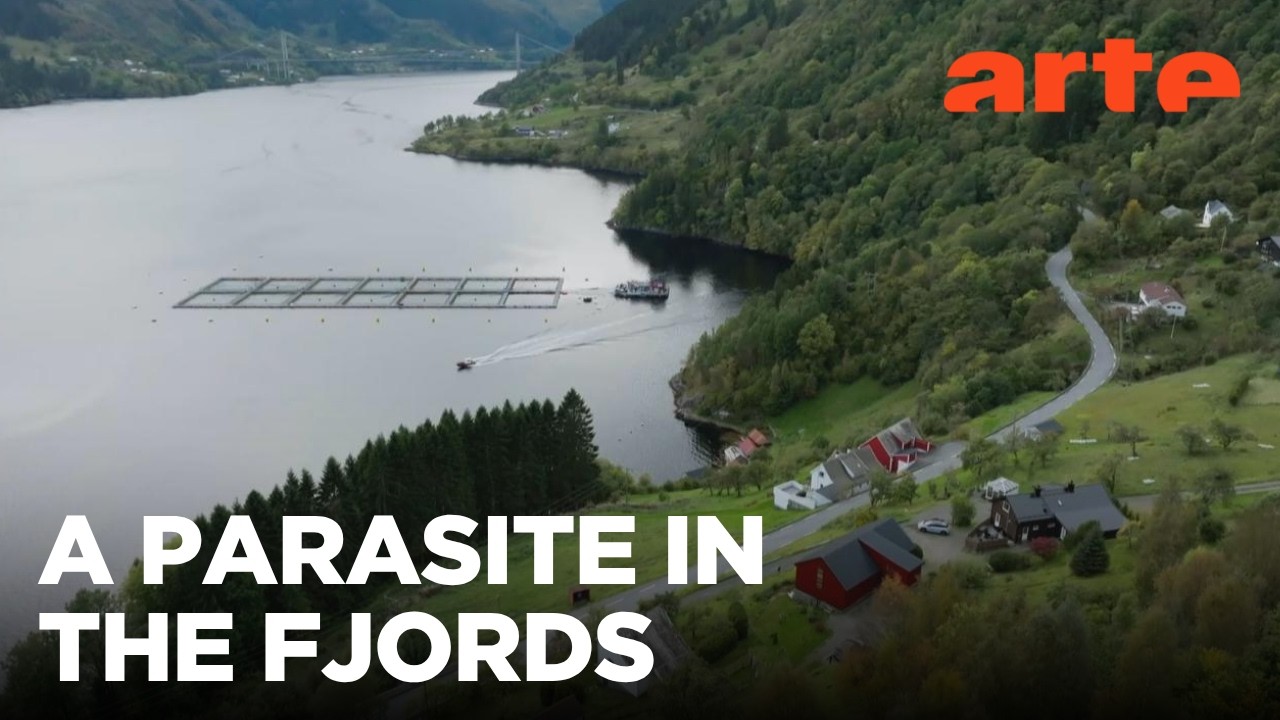
Intensively farmed salmon in Norway's fjords faces a crisis as an outbreak of sea lice threatens both farmed and wild fish populations, prompting collaboration between scientists and anglers.
In the Gaspé region, the neo-rural phenomenon highlights community strength and environmental challenges as the seasons change and harvests unfold.
A family's weekly food bill of £320 is reduced by £6,500 annually through healthier cooking and practical tips for managing food waste.
A New Zealand family tackles their $875 food bill with help from Eat Well For Less New Zealand.
80,000 pounds is the amount the Met Office gambles on accurate weather predictions to help businesses prepare for changing conditions.
A British family dismantles their temporary home in a Himba village, leaving no trace behind as they return to their suburban life.
A giant catfish weighing close to 200 pounds has reportedly attacked local villagers in the Bolivian jungle, prompting a search for the elusive creature.
Fifty states in the U.S. reported obesity rates over 20% in 1995, a stark increase from zero states just a generation earlier.
More than 4 million people voted in the Scottish independence referendum, with 55% choosing to remain in the United Kingdom.