From over 100,000 films, discover the handful you'll love.
Free or premium access to the world's largest documentary library.
916 films(Page 5 of 20)
A British family immerses in Himba culture while living in a Namibian village.
Hannah and Tim's grocery shopping habits reveal how prepackaged produce and convenience foods can significantly impact their food budget in Eat Well For Less UK.
The Northwestern earned $385,000 in five days, resulting in $27,000 for each deckhand after a challenging Opilio crab season.
Anthony Bourdain explores Ethiopia's Gojjam region, experiencing its coffee ceremony and music, before immersing himself in Borneo's Gawai festivities and longhouse culture.
Chef Michael Van de Elzen helps a New Zealand family reduce food waste and save money.
Three large families in Britain navigate rising household bills and grocery challenges while raising 11 children and sharing budgeting tips for daily life.
In Titirangi, solo dad Jared and his two boys confront their convenience food addiction by exploring healthier meal options and budget-friendly cooking.
Cara transitions from city life to managing a petting farm and B&B in the Scottish Highlands, facing the challenges of entrepreneurship and remote living.
Cruise guests explore Naples, enjoy a mozzarella farm tour, and visit an Amalfi lemon grove.
A massive cassowary's arrival at the airport, thousands of bees making a pit stop, and a German Shepherd puppy named Leo highlight the challenges of animal transportation.
Rob Huitt survives four days adrift in the Pacific Ocean, battling exhaustion, hunger, and sharks after a diving trip goes wrong off New Zealand's coast.
The Royal Victoria Infirmary responds to a ladder accident and treats car accident victims.
Naxos is home to about 15 islands in the Cyclades, where fishing traditions blend with Venetian influences and vibrant local culture.
Doctors believe two boys were within hours of death when they were rescued after being lost at sea, battling storms and dehydration.
With 43 million Americans living below the poverty line, the socioeconomic challenges include a homelessness crisis in Los Angeles and food insecurity in Appalachia.
2,280 aircraft sprayings of pesticides were recorded in Paraguay last year, impacting the health of local families living near soybean fields.
Dirk Nienhaus raises 6,500 pigs each year on his factory farm, where he faces growing concerns about animal welfare and the ethics of meat production.
Globally, 70% of water is used for irrigation, yet many regions face severe shortages as climate change intensifies the water crisis.
Eighteen out of 23 provinces in Chad are underwater, displacing thousands and disrupting food supplies as families struggle to survive.
The COVID-19 pandemic and the war in Ukraine have highlighted vulnerabilities in hyper-globalized food systems, prompting calls for a shift towards sustainable agricultural practices.
In 2019, 2,691 people died on Mumbai's railway system, averaging seven deaths each day amid overcrowded trains and dangerous conditions.
One in four fish caught in Indonesian waters is taken illegally, contributing to severe environmental damage and threatening local fishing communities.
Scoresby Sound, the world’s largest fjord system, is now more accessible due to melting ice, raising concerns about geopolitical tensions in the Arctic.
Benin's impoverished population relies on cheap frozen chickens from Europe, risking health and local farms.
More than two million people have fled Venezuela due to poverty, hunger, and medical shortages, with nearly half of them being children and young people.
Hamburg chefs Marianus and Aaron challenge the need for constant economic growth in their restaurant.
Over 16 million children in the United States live in poverty, facing hunger and instability as their families struggle to make ends meet.
Moldova faces challenges from widespread economic migration to Russia and the EU.
20,000 liters of diesel fuel are transported through the Amazon rainforest to support illegal gold mining operations that devastate the forest.
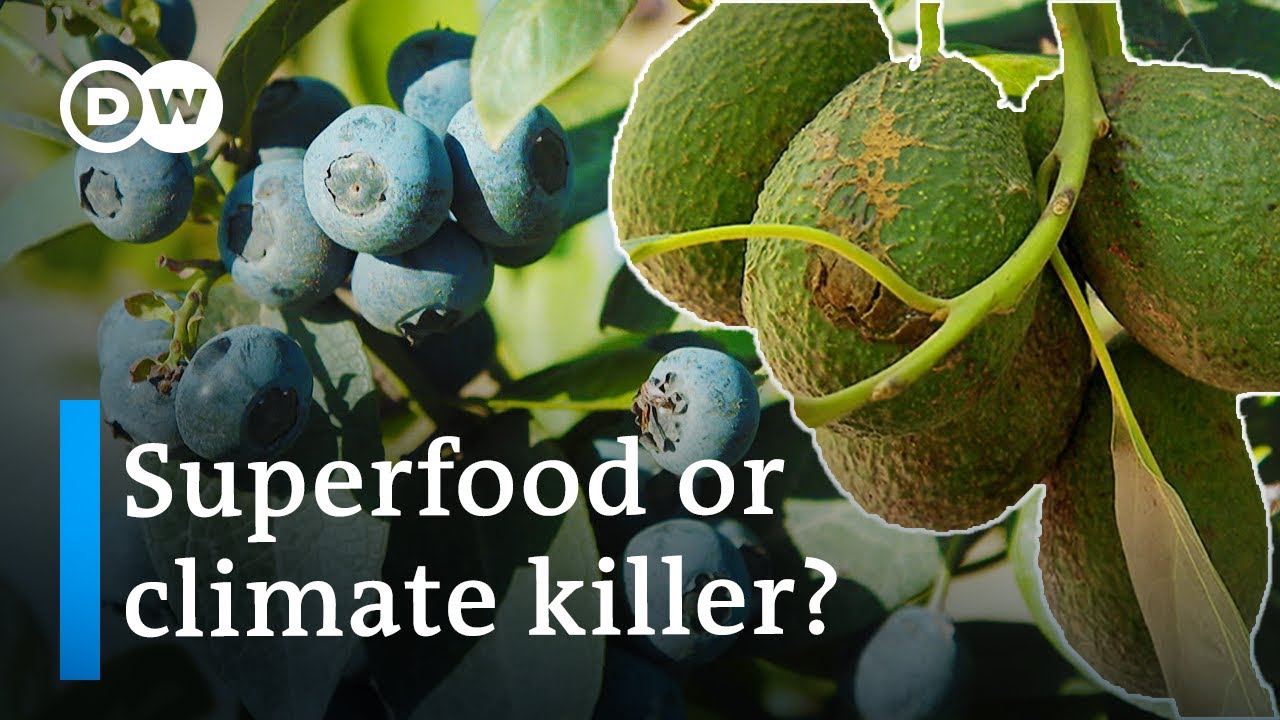
More than 150 families in the Petorca region of Chile rely on water trucks for survival due to severe water shortages linked to avocado farming.
Mike Mester believes that if grocery shelves are empty, Americans are only nine meals away from anarchy, prompting him to prepare for civil unrest.
At 142 meters long, the super trawler Margiris is tethered in Port Lincoln, South Australia, after the government intervenes to halt its operations.
Tourists in Barcelona use, on average, 3 to 5 times more water than local residents, contributing to a severe water scarcity crisis.
Harry Wallop reveals how less costs more in Britain's soaring food prices before Christmas.
The number of all birds in Europe has plummeted by around 420 million since 1990, a decrease of twenty percent.
Five military coups have occurred in the central Sahel in just a few years, leading to a power vacuum that Russia is now filling with military support.
Five billion people from Generation Z and Generation Alpha view digital connectivity as a human right amid the challenges of climate change and resource scarcity.
Children in northern Colombia risk their lives daily to attend school in Bajo Cauca.
100,000 signatures were collected for a petition demanding subsidies for environmentally friendly farming during protests outside the European Commission in Brussels.
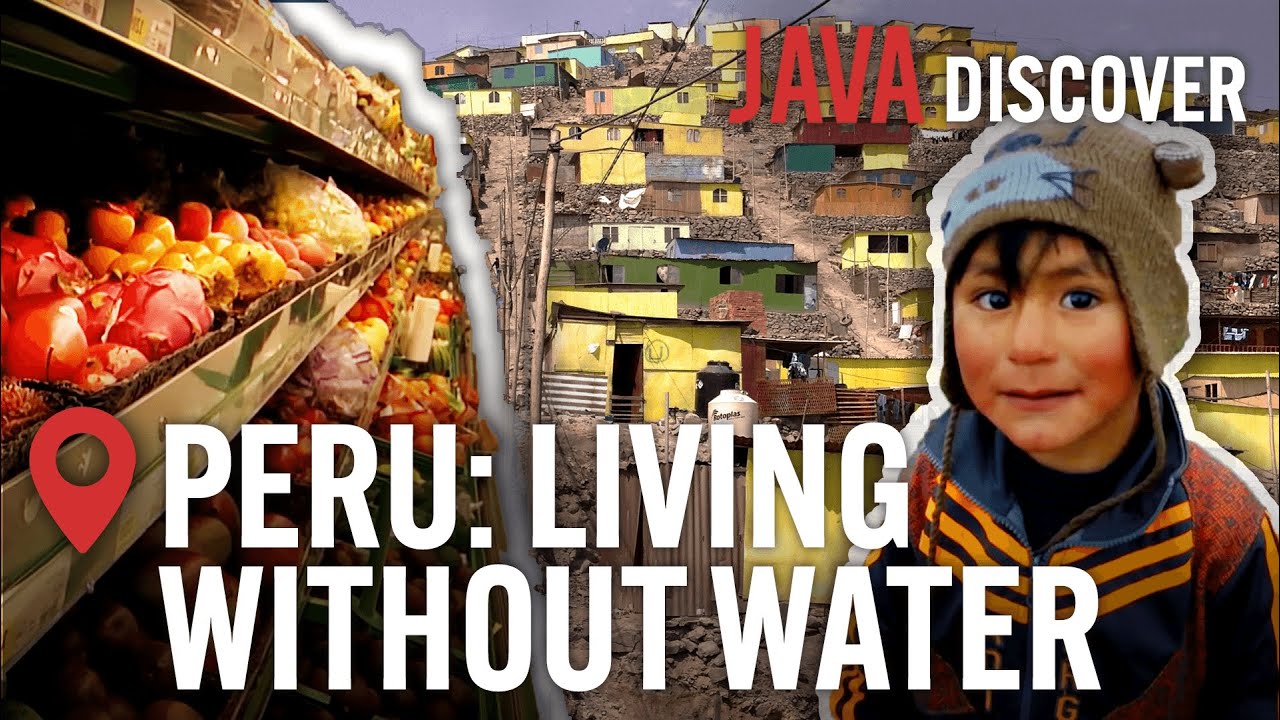
In Peru, millions live without running water, facing dire consequences for water access.
More than a million Ethiopians have lost their livelihoods as their land was taken for foreign investors, while food exports have steadily increased.
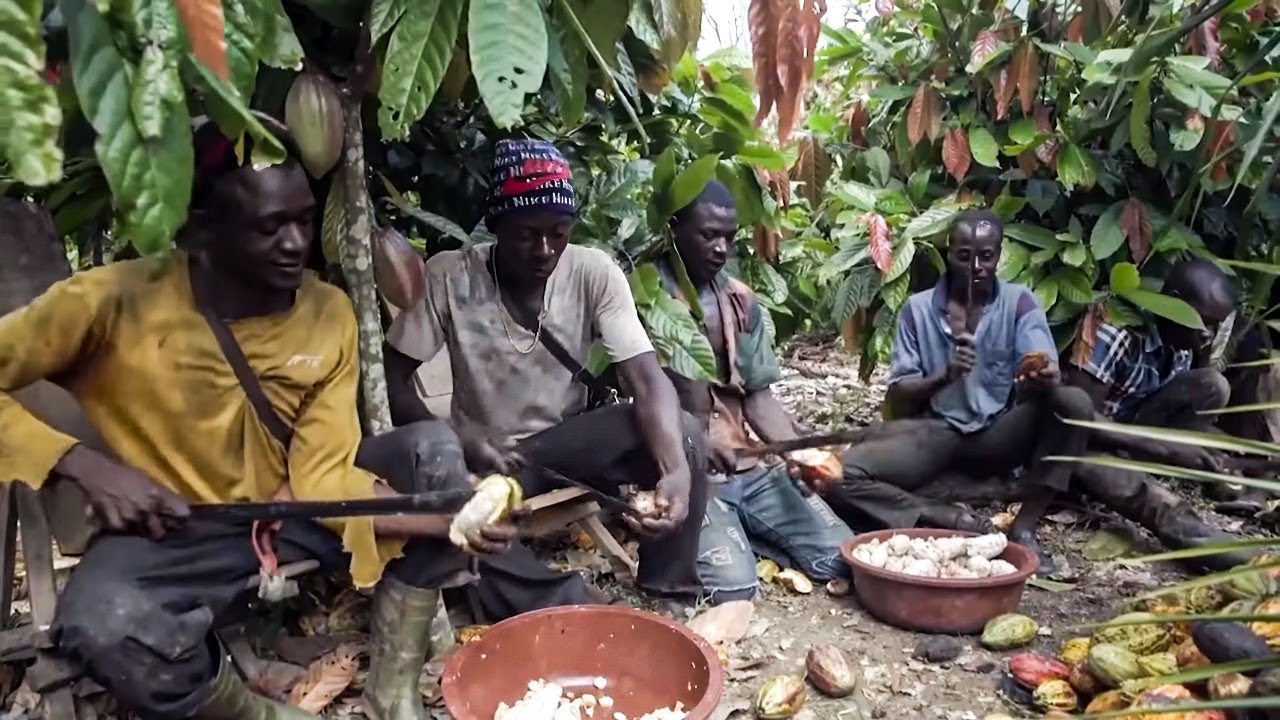
In 2019, Ivory Coast and Ghana suspended cocoa sales to chocolate companies, demanding a 30% increase in payments to farmers for the first time.
Children in Ethiopia risk their lives daily to reach school in extreme heat and terrain.
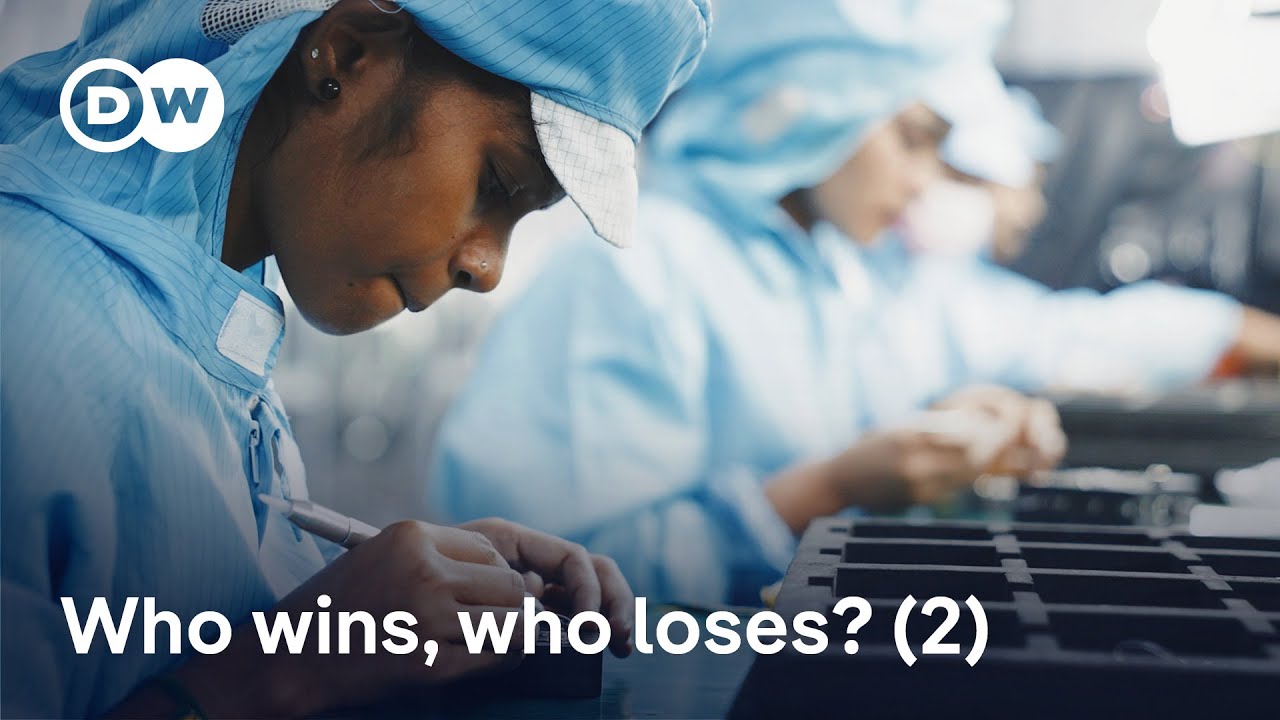
Child labor, hazardous working conditions, and environmental degradation in smartphone production are highlighted through the practices of companies like Samsung and Huawei.
By 2050, rising sea levels threaten to submerge 30% of Bangladesh, displacing millions and forcing many, like tricycle driver Korban Ali, to seek survival in Dhaka.
98% of intelligence reports indicate that climate change significantly increases the risk of conflict and instability in various regions worldwide.
Residents in Cape Town queue for hours to collect 50 liters of water, as a severe water shortage has persisted for two years in the Western Cape.
At 's Future of Food forum in 2014, experts including José Andrés and Jerry Glover discussed strategies for sustainable food systems to support a global population projected to exceed nine billion by 2050.