From over 100,000 films, discover the handful you'll love.
Free or premium access to the world's largest documentary library.
916 films(Page 3 of 20)
New Zealand's Stewart Island has a population of just 400 inhabitants, including Furhana, who cherishes the natural beauty of her surroundings.
Medusae are the most venomous ocean inhabitants and crucial to marine ecosystems.
Germany consumes five kilograms of berries per capita annually, relying on imports from Southern Portugal.
Slovenia, home to nearly 12,000 beekeepers, prioritizes honey production, queen rearing, and bee conservation as part of its national identity.
Agriculture 4.0 introduces digital solutions to combat climate change in farming practices.
10 million hectares of fertile land are lost each year to desertification, threatening the livelihoods of millions worldwide.
Botswana is home to the largest elephant population in the world, with 130,000 elephants, representing more than a quarter of Africa's total.
Pema, the only son, struggles with family expectations in the world's most remote village.
Ten thousand people live in Jumla, one of the poorest regions of Nepal, with a dangerous road connecting them to the outside world.
Shepherds guide sheep over steep climbs and glaciers, reaching altitudes of nearly 3,000 meters in the Alps during the spring season.
35,000 head of cattle are mustered on a million-acre farm in Queensland, where helicopters assist in managing the vast grazing land.
Nearly 70,000 tons of lobsters are harvested from the Atlantic Ocean each season, generating an estimated value of more than a billion euros.
China, a 20-year-old gemology student, travels to Ratnapura, the city of gems, to learn about sapphires and rubies from local miners.
Filipino Gold Divers risk their lives in Paracale's Deadly Pits to earn a living through illegal mining.
Massai children in Tansania walk over 20 kilometers daily in over 30 degrees Celsius heat.
The Rhone River flows 812 kilometers from the Swiss Alps to the Mediterranean Sea, impacting agriculture and ecosystems along its path.
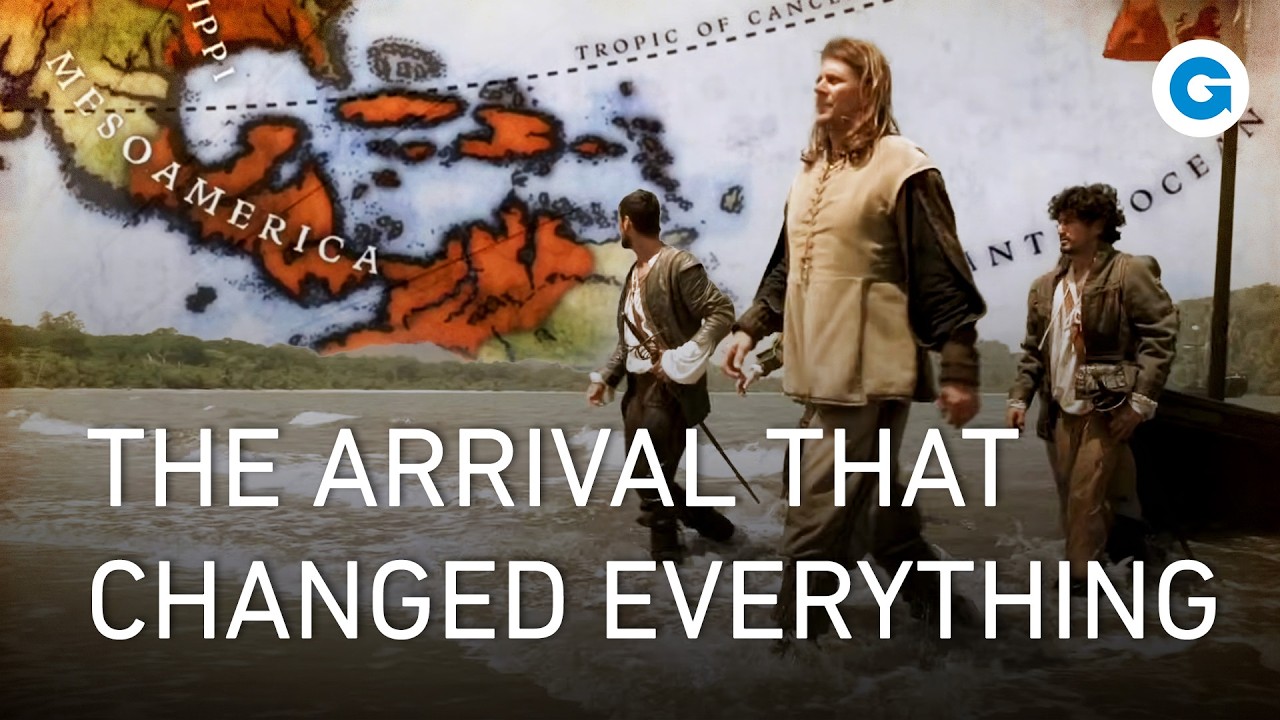
A hundred million people inhabited the Americas in 1491, unaware of the impending changes brought by Columbus and European colonization.
NASA's food scientists develop ingredients and recipes for astronauts to consume in microgravity, aiming to enhance food security on Earth.
Globalisation threatens the tribes of the Omo Valley and their traditional lifestyles.
Central Europe's diverse habitats are showcased through high-definition footage, highlighting the impact of climate and astronomy on nature's seasonal cycles.
Juan Leal sings Flamenco while fishing in Conil de la Frontera along the Atlantic coast.
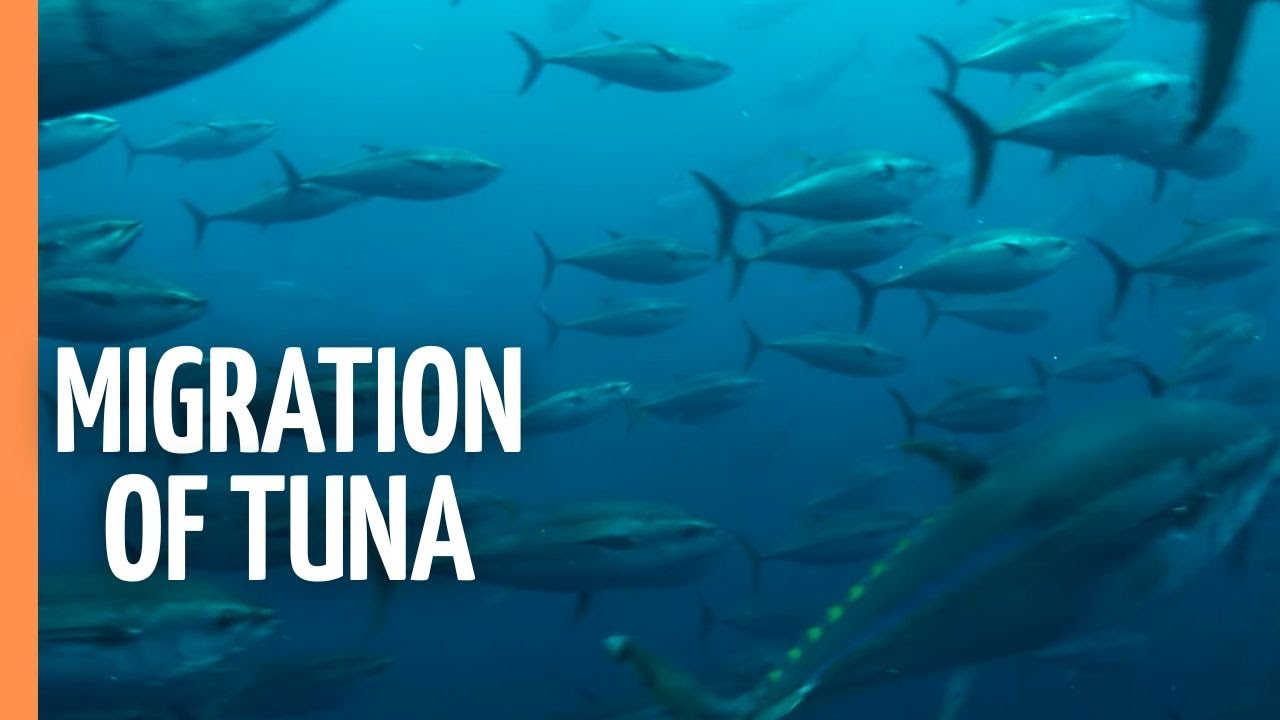
Tuna are the most sought after fish, facing threats from overfishing in the Mediterranean.
In China, orphans of condemned prisoners face neglect from the state, while Grandmother Zhang dedicates herself to providing them with care and stability.
South Norway is known for its fjords, glaciers, and rich cultural heritage, all shaped by the mild climate of the warm Gulf Stream.
600 wild horses roam freely on the Giara di Gesturi plateau in Sardinia, living in small family groups without human interference.
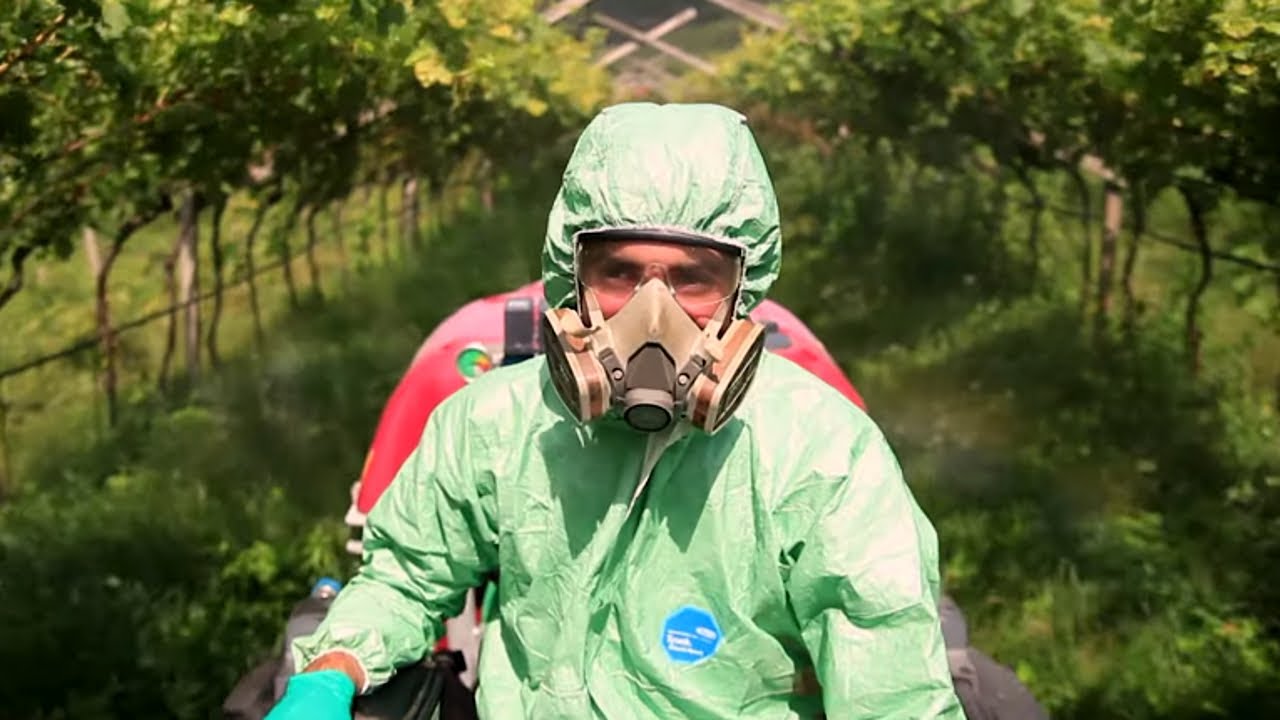
Up to 30% of the world’s harvest is lost to plant diseases and pests, leaving less than half of crops available for consumers.
Life couldn't survive without water, and creatures here are born to swim and thrive underwater.
Scientists develop lentils, undemanding plants from drier regions, to combat famine worldwide.
Bread serves as a cultural and religious symbol worldwide, illustrating the intricate process from grain to loaf and its role in connecting diverse communities.
Baka Ali, a 48-year-old fisherman from Pate Island, uses a 150-meter net to catch various fish species in the waters off Kenya's coast.
Jon and his family live as reindeer herders in Northern Scandinavia above the Arctic Circle.
Droughts cause crop failures and water shortages, threatening survival and economies worldwide.
A hailstone weighing 700 grams fell in Coffeyville, Kansas, in 1972, illustrating the potential severity of storms linked to ancient climate disasters.
Humanity faces existential threats from climate change, planetary collapse, and the eventual demise of Earth, prompting discussions on survival through space colonization and AI evolution.
Billions of cans roll off production lines each year, providing a lightweight and durable solution for food preservation and storage.
Every June, Wapo teaches his 11-year-old nephew Jay the traditional art of kite fishing using spider webs and palm leaves on Santa Catalina Island.
The Haïda tribe, known as the Salmon People, faces cultural and environmental challenges as salmon populations decline off the northwestern coast of Canada.
Four servings a day of fruits and vegetables are recommended in a musical narrative that warns against the dangers of fad diets and unhealthy eating habits.
A combine harvester can be up to 45 feet wide and weigh 18 tons, fundamentally changing agricultural practices and food production worldwide.
The Mofu people rely on Jaglavak, a fierce army ant, to drive away invading termites that threaten their millet granaries during a severe drought.
A food rescue program founded in 2003 collects excess food from hotels and restaurants to deliver to communities facing severe food insecurity.
The dairy industry faces scrutiny for its impact on health and society, as farmers, lobbyists, and scientists reveal the complexities of milk production.
Ibiza, known as the 'Island of Light,' attracts global visitors with its beautiful sunsets and lively party scene.
In the village of Kasiole, 8-year-old Moseka faces dangers from wild animals and extreme heat during his 10-kilometer trek to school in the Dorn Savanna.
Dozens of ships carrying toxic waste were allegedly sunk in the Mediterranean during the 1980s and 1990s, contributing to a long-standing environmental crisis.
1,000 bars of chocolate can be produced daily by a small chocolatier in Hershey, Pennsylvania, reflecting the labor-intensive process behind chocolate making.
A village of 256 people relies on agriculture and fishing for sustenance, with limited access to electricity and healthcare along the Amazon River.
Forests showcase complex mechanics and strategies for survival in diverse environments.