From over 100,000 films, discover the handful you'll love.
Free or premium access to the world's largest documentary library.
1777 films(Page 27 of 38)
Dudley Morton commands the USS Wahoo with an aggressive submarine warfare strategy.
40,000 people were killed instantly when the atomic bomb was dropped on Nagasaki, prompting survivors to advocate for peace and forgiveness.
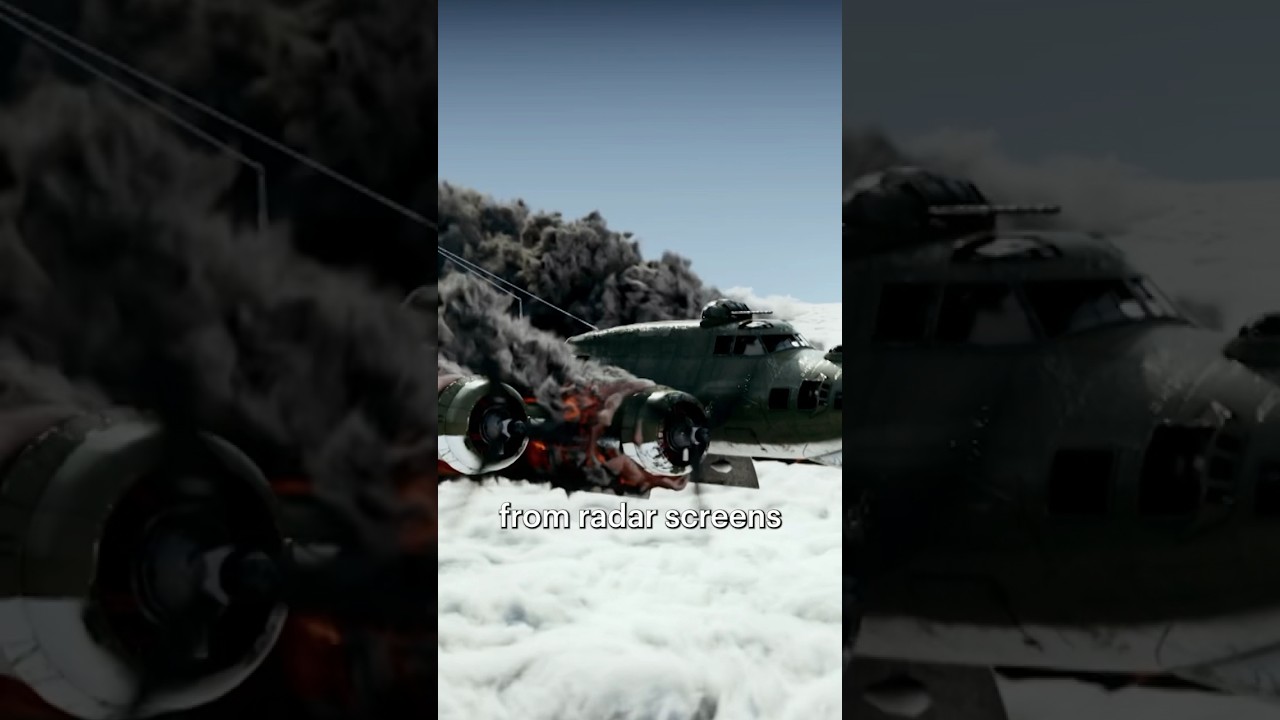
The B-17, or Flying Fortress, is known for its heavy armament and role in WWII.
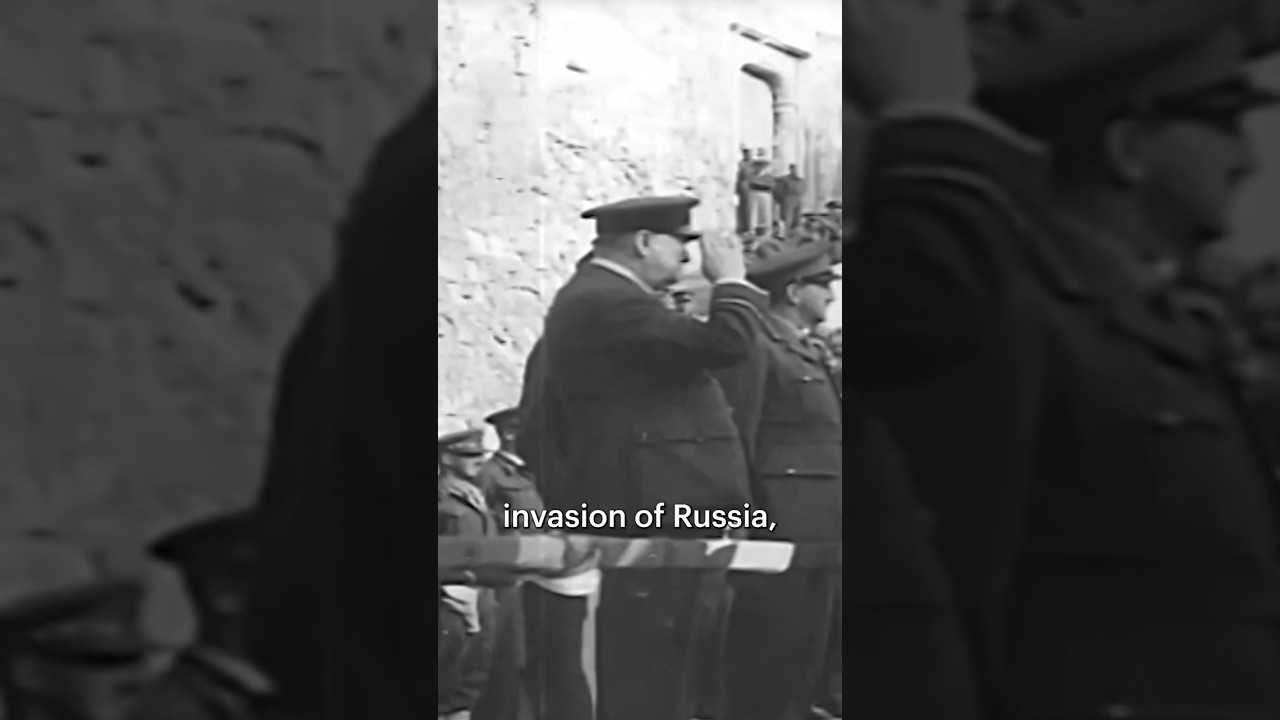
Winston Churchill acts as a key intermediary between the Soviets and Americans during WWII.
By the end of the second day of fighting on Okinawa, American forces had crossed the island but faced strong resistance that slowed their advance to inches.
In August 1945, the North Platte Canteen in Nebraska provided food and support to thousands of soldiers passing through during World War II.
Japanese-American radio broadcaster Iva Toguri, known as Tokyo Rose, became a symbol of wartime propaganda during World War II, targeting Allied troops.
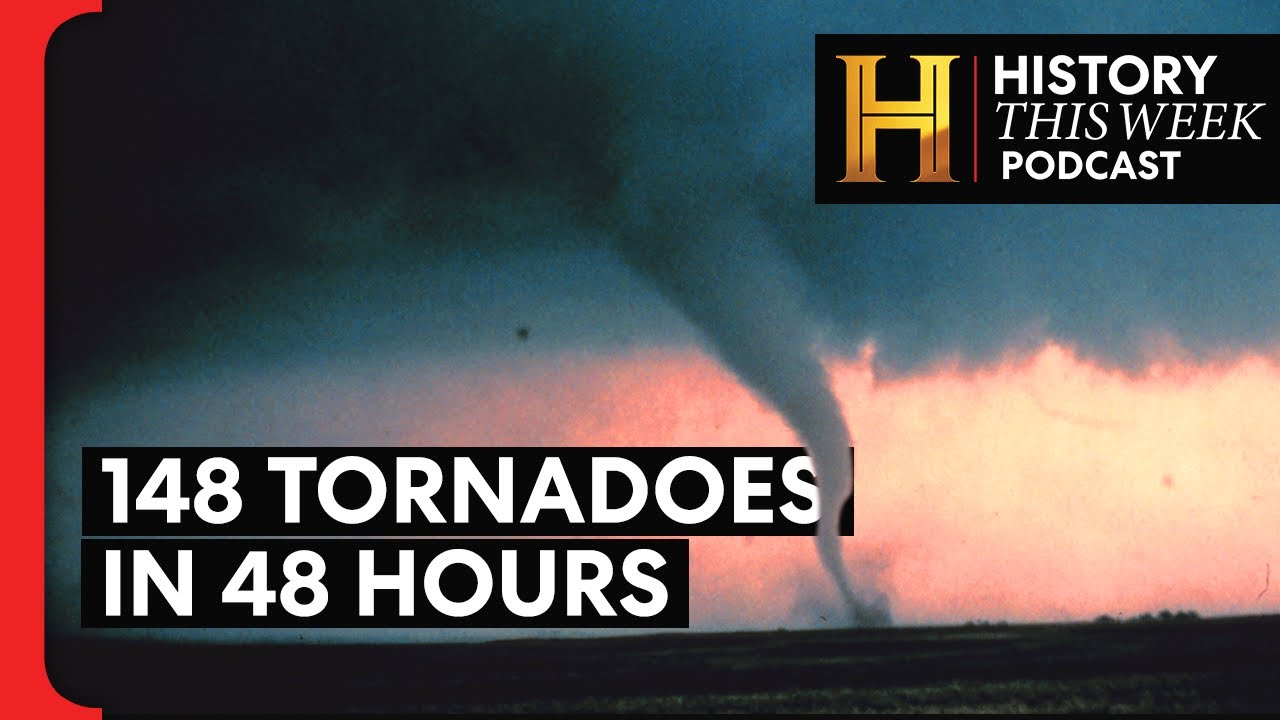
On April 3, 1974, nearly 150 tornadoes struck across 13 states in just 18 hours, marking the largest tornado outbreak in U.S. history.
The video details the June 26, 1944 bombing during the Battle of Normandy in WWII.
On June 6, 1944, Allied forces launched the largest amphibious invasion in history at Normandy, marking a turning point in World War II.
Veterans Rudy Reyes and Ronnie Adkins reveal how a U.S. Army unit deceives Nazi forces.
A character in George Packer's play faces threats from militias and struggles to escape Iraq, stating, "nowhere to run, nowhere to hide."
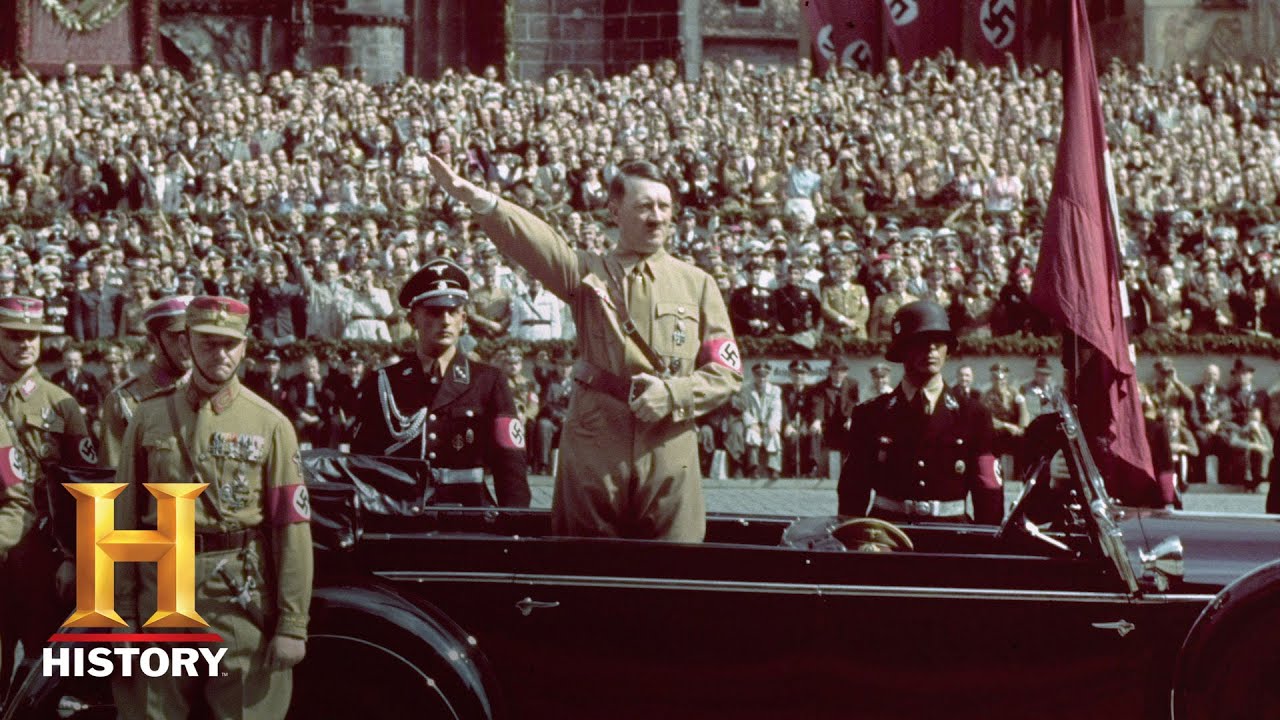
Adolf Hitler rises to power in the Third Reich, driven by anti-Semitic madness and ambition.
In Manitoba, Canada, archaeologist Adrian Myers examines an abandoned World War II prisoner of war camp, revealing insights into the lives of German soldiers held there.
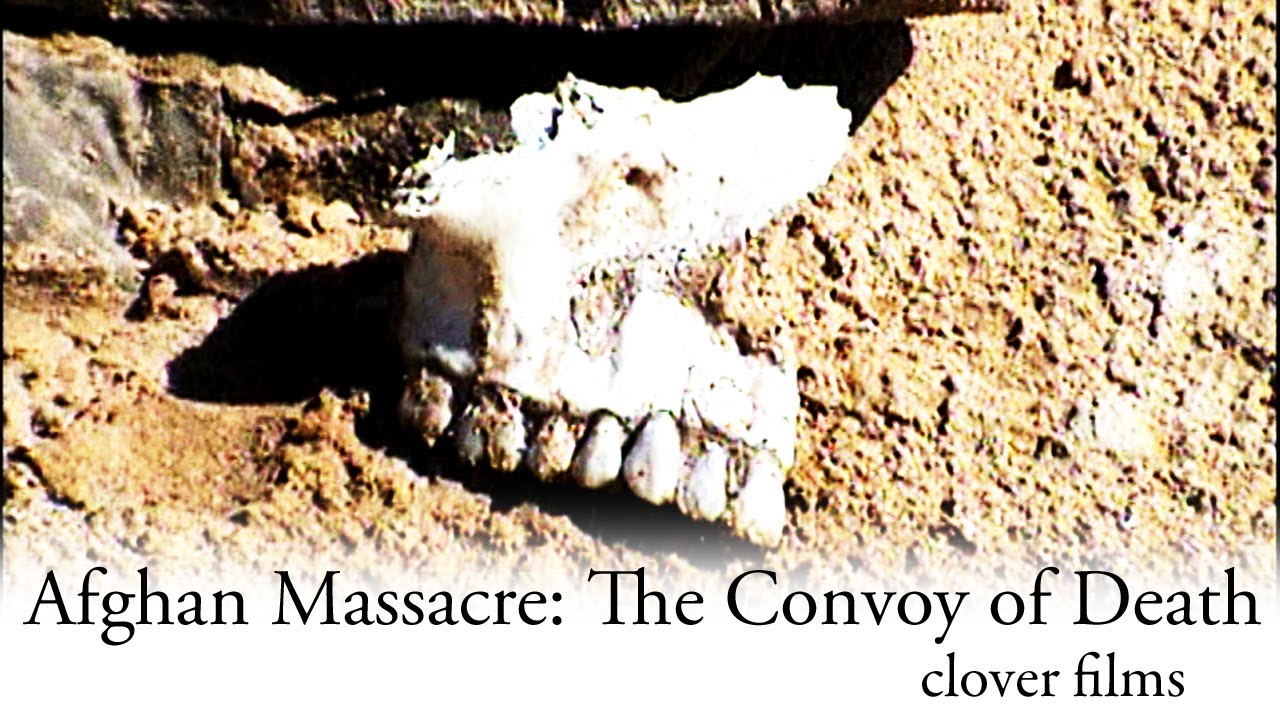
The massacre of thousands of prisoners who surrendered to Northern Alliance forces after the siege of Kunduz reveals the Pentagon's cover-up of a major atrocity in the Afghan War.
Almost 4,000 German and civilian lives were lost during three days of Allied bombing raids in Lower Normandy leading up to the D-Day landings.
15 Swordfish torpedo bombers from the aircraft carrier Ark Royal attack the German battleship Bismarck in a critical World War II confrontation.
186 crew members are lost when the USS Johnston sinks after a fierce battle against the Japanese Navy on October 25, 1944.
In 334 BC, Alexander the Great confronts the Persian forces at the Battle of Granicus, showcasing his military strategy and the fate of Macedon.
290 liberators escorted by 90 Lightnings release 540 tons of bombs over enemy targets in Yugoslavia during a single day of operations.
In 1943, wartime footage showcases U.S. military operations at Camp Claiborne, Texas, and Japanese troop movements in the East Indies and China.
Twenty destroyers escort convoys of freighters across the North Atlantic, ensuring the safe transport of vital military supplies during World War II.
Britain's preparations for air attacks during World War II are illustrated through the Royal Air Force's responses and Canada's defensive measures against potential threats.
In St. Nazaire, trucks and portable machine shops are unloaded from the freighter Kenilworth, assembled on the dock, and showcased in various motor activities.
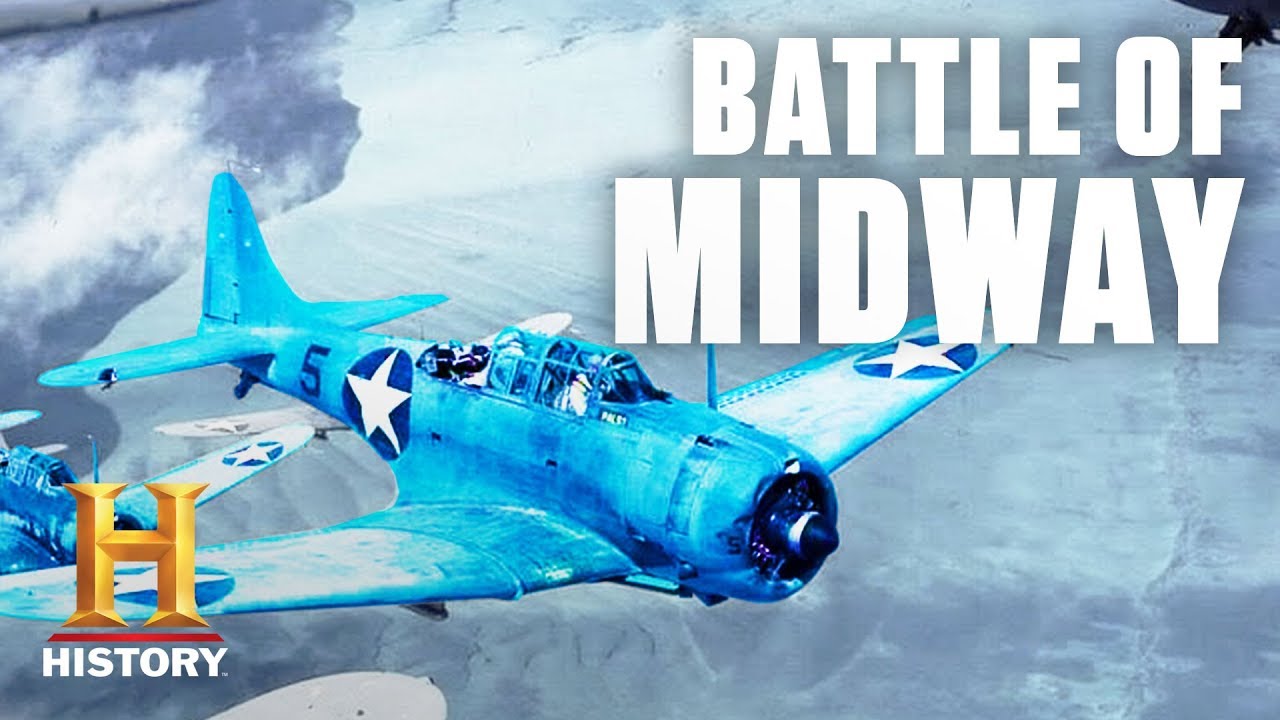
The Japanese lost 2,500 servicemen, 292 aircraft, and four aircraft carriers during the Battle of Midway in June 1942.
The 761st Tank Battalion receives new orders as they engage in combat during the Battle of the Bulge in December 1944.
Lieutenant Swede Vejtasa fended off three Japanese Zero fighters for 17 minutes before successfully shooting down two during the Battle of the Coral Sea.
U.S. pilots fend off Japanese attacks during the Battle of the Coral Sea in May 1942.
Bioweapons development remains a contentious issue, as military mysteries from the World Wars to Vietnam reveal hidden narratives of conflict and secrecy.
Allied troops land on the Normandy coast during D-Day, showcasing the Canadian forces' establishment on the beachhead and the subsequent battles for Caen and Falaise.
In December 1943, the British 8th Army and the Tuskegee Airmen of the 99th Fighter Squadron prepared for a mission in Orsogna, Italy.
Lady Patricia Ramsay inspects the Princess Patricia's Canadian Light Infantry while various sequences highlight Canadian military life during World War II.
Celebrations in Lafayette Square and across Washington, D.C., marked the announcement of Japan's surrender on August 14, 1945, signaling the end of World War II.
40 million people in Britain prepared for invasion during World War II, facing sacrifices and long hours to defend their island against the Luftwaffe.
A young man returns to his coal town after military service, takes a job in the mine, and learns about the community's connection to the war effort.
Gabrielle Chanel was placed in a convent orphanage at age six after her mother died, where she learned to sew, a skill that would shape her future in fashion.
Military veterans recount their first deployment experiences across various conflicts, including World Wars, the Korean War, and the Gulf War, highlighting complex military mysteries.
A standard missile launched from the USS Simpson struck the Iranian gunboat Joshan at a range of 13 miles, causing it to sink in flames.
Combat Weekly Digest, No. 71, features wartime footage from February 26, 1945, produced by the War Department's Army Air Forces during World War II.
On August 17, 1942, the first daylight bombing mission from England targeted German railroad marshalling yards, marking a significant shift in air warfare.
The Atlantic Wall's construction spans 4,000 miles from Norway to Spain using 13 million tonnes of concrete.
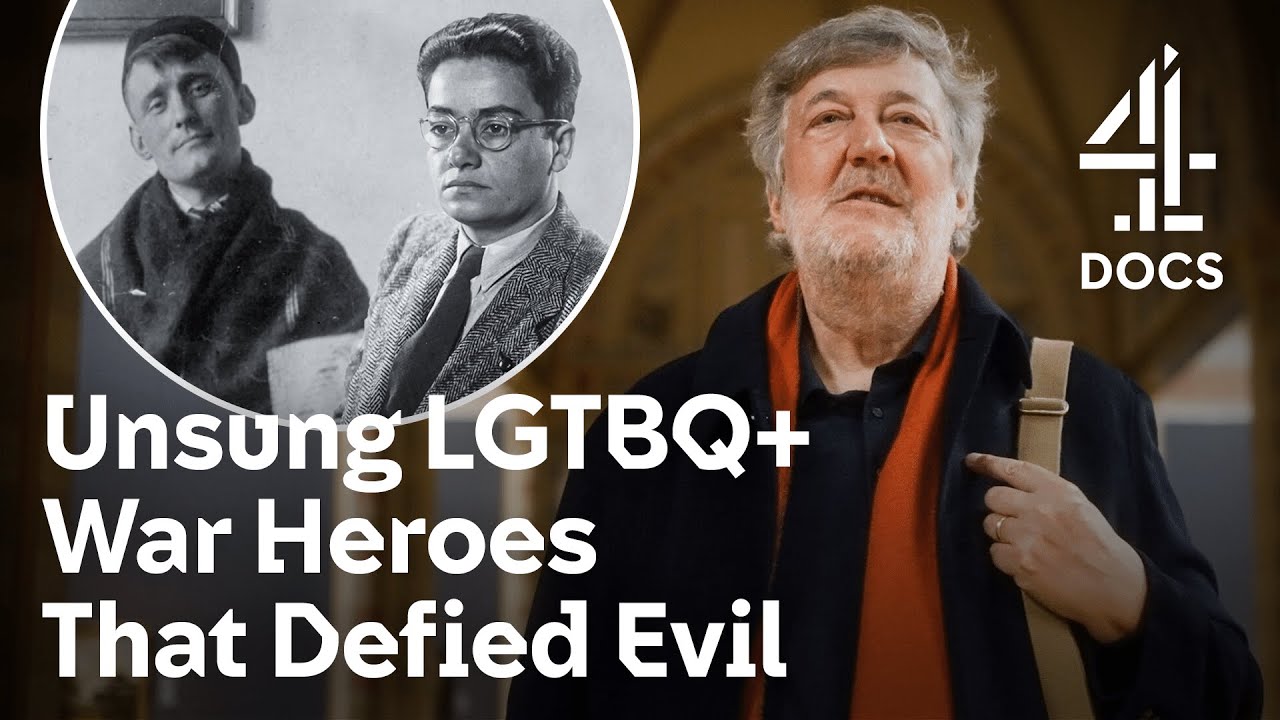
Stephen Fry highlights Willem Arondeus and Frieda Belinfante's bravery in saving Jews from Nazis.
Aerial and ground footage from July 1945 captures bomb damage in Berlin and Tiergarten, alongside President Truman's visit to Gatow Airfield and Tempelhof Airport.
Aerial footage from June 1945 captures extensive bomb damage in German cities including Pforzheim, Tuebingen, Mainz, Munich, and Regensburg, as well as the Dachau POW camp.
More than 4,000 ships departed from England on June 6, 1944, for the Normandy invasion during World War II.
On June 6, 1944, 155,000 soldiers landed on the beaches of Normandy as part of the largest military operation in history.
On June 6, 1944, Allied forces launched a pivotal assault on the Atlantic Wall during the Normandy invasion, marking a significant turning point in World War II.
The Battle of Caen during World War II highlights the intense conflict between Allied forces and German defenders, emphasizing the city's strategic significance.