From over 100,000 films, discover the handful you'll love.
Free or premium access to the world's largest documentary library.
1777 films(Page 5 of 38)
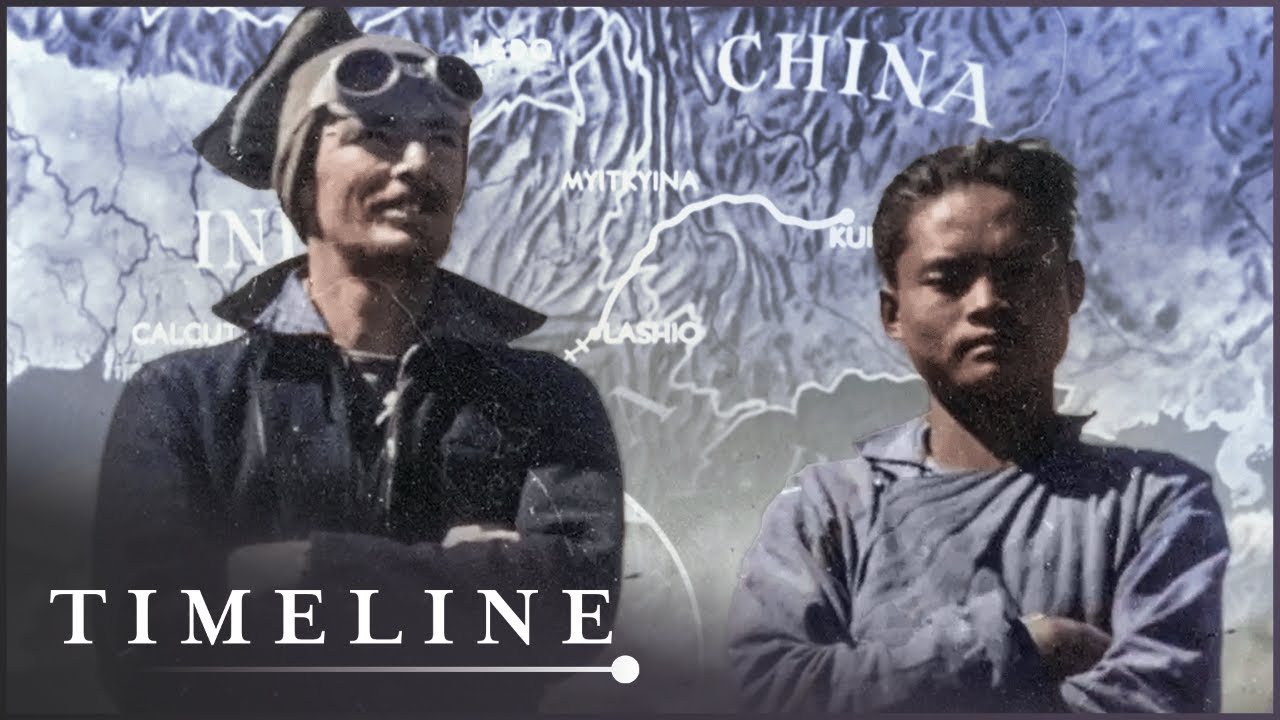
Harry Birrell, an early filmmaker and Indian army officer, captures his experiences of love and war through thousands of feet of 16mm film.
Eight diaries reveal the thoughts and experiences of individuals living under Nazi rule, from fervent supporters to those fearing persecution and death.
Five million people from the Commonwealth served in World War II, with four Singaporeans fighting in distant theaters against the Nazis.
Josef Goebbels played a crucial role in shaping Nazi propaganda, influencing public perception and supporting Hitler's policies during the Holocaust.
Modern US Recruits retrace the legendary Devil's Brigade's assault on Mount Defenza in Italy.
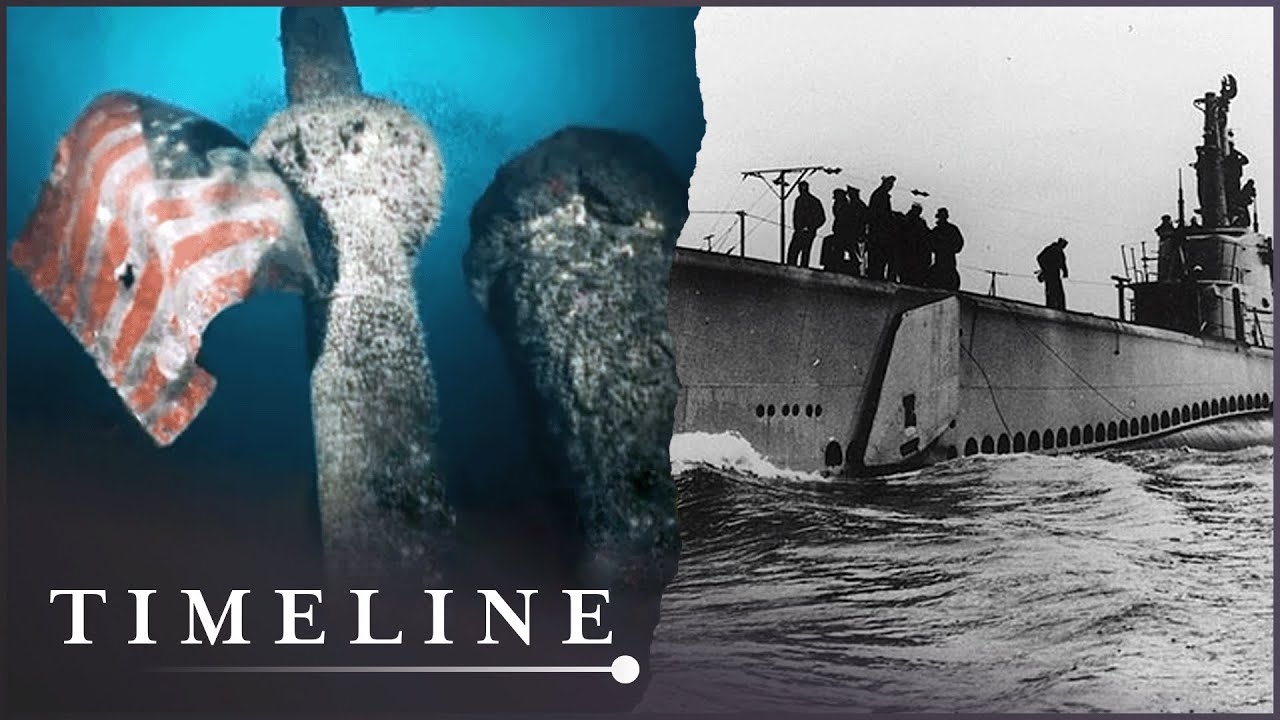
A US submarine, 311 feet long, sank in the Gulf of Thailand during World War II, taking the lives of 86 crew members who remain entombed beneath the waves.
Admiral Karl Dönitz's reliance on U-boat wolf packs was countered by the British Western Approaches Tactical Unit's innovative strategies, significantly reducing Allied shipping losses.
Thirty-eight large passenger jets changed course and landed at Gander International Airport on September 11, 2001, as U.S. airspace was shut down.
In February 1945, U.S. Forces faced fierce resistance from Japanese troops under General Tadamichi Kuribayashi during the battle for Iwo Jima.
Chronicles of the Third Reich shows Adolf Hitler's rise and the Nazi regime's fall.
45,000 Allied sailors and 30,000 German submariners lost their lives during the Battle of the Atlantic, a key conflict in World War II.
Allied forces diverted 30 German divisions from France and the Low Countries as they advanced toward Rome in the spring of 1944.
In the months following World War Two, around 50,000 Jewish survivors gathered in southern Germany, facing the challenge of rebuilding their lives.
In early May 1945, Allied forces entered Rangoon, finding the city empty after the Japanese had retreated to avoid being cut off.
Six Spitfires from 74 Squadron were scrambled on July 10, 1940, to engage German aircraft over the English Channel during the Battle of Britain.
In 1945, the Battle of Okinawa marked the largest amphibious invasion in the Pacific theatre, resulting in significant casualties and paving the way for the US assault on mainland Japan.
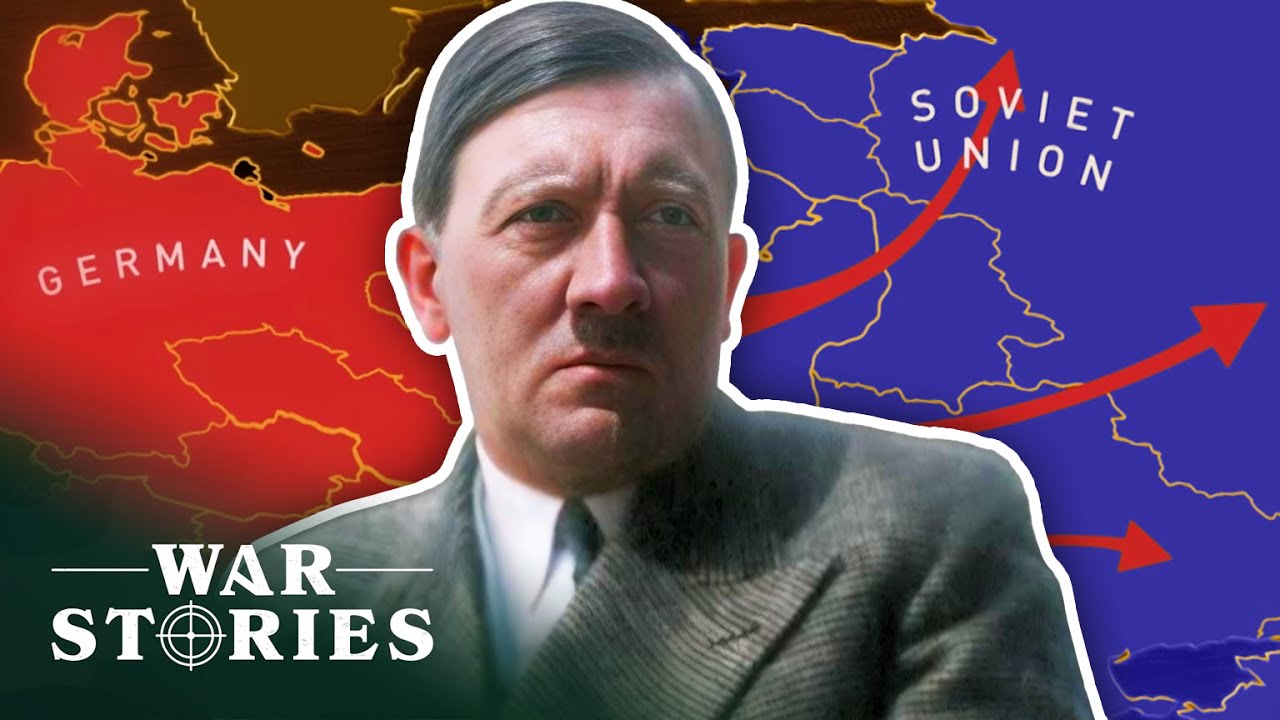
Hitler's invasion of the Soviet Union in 1941, marked by early advances and harsh winters, became a pivotal blunder that contributed to the Nazi regime's downfall.
The bombing offensive against Hitler's Third Reich during World War II is chronicled through authentic archive footage and firsthand accounts from veterans.
Five British spies deceived Adolf Hitler to ensure the success of the D-Day landings in Normandy on June 6, 1944.
By early spring of 1941, German U-boats had sunk a total of 650 ships, severely threatening Allied shipping during the Battle of the Atlantic.
War factories in Britain, like Vickers, play a crucial role in winning the Second World War.
Adolf Hitler's military decisions during key battles, such as the invasion of France and the Russian campaign, reveal a pattern of hubris that contributed to the Third Reich's defeat.
In March 1945, two men, Michael Le and Roy Faron, disobey orders to launch a surprise attack on a German headquarters in northern Italy.
On March 28, 1940, the Franco-English supreme council decided to mine Norwegian waters, marking a critical escalation in the conflict with Germany.
As many as 70,000 people are instantly killed by the atomic bomb dropped on Hiroshima on August 6, 1945, marking a turning point in global conflict.
The Allies return to Europe, landing in Sicily and advancing into Italy under Montgomery's command.
Four gold medals were won by Jesse Owens at the 1936 Berlin Olympics, challenging Nazi propaganda and expectations.
August 13, 1937 marks the day when China stood up against Japanese militarism in the Battle of Shanghai, a conflict often overlooked in World War II narratives.
3,000 soldiers were shipped to the 84th Infantry Division in April 1944 before engaging in critical battles along the Siegfried Line during World War II.
72 Hellcat fighters launch from the USS Enterprise and nearby carriers to attack Truk Atoll, targeting enemy ships and airfields on February 16, 1944.
Over 4 million German soldiers were deployed for Operation Barbarossa, the assault on the Soviet Union that began in June 1941.
Operation Barbarossa marked the beginning of a brutal conflict on the Eastern Front, leading to pivotal battles such as Moscow, Stalingrad, and the retreat to Berlin.
1,177 men died on the USS Arizona during the attack on Pearl Harbor on December 7, 1941, which now lies submerged as a war memorial.
188 aircraft were destroyed during the Japanese attack on Pearl Harbor on December 7, 1941, marking a significant escalation in World War II.
Six million Jews were murdered during the Holocaust, a genocide carried out under Adolf Hitler's regime from 1934 to 1945.
On March 12, 1938, as Hitler annexed Austria, Spain's Republican prime minister sought help in Paris amid the escalating Spanish Civil War.
Sir Hugh Dowding was born on April 24, 1882, in Moffat, Scotland, and later became a key figure in Britain's defense during World War II.
In October 1943, a formal agreement between the Allies led to the formation of a United Nations commission on war crimes against the Axis powers.
Christine Granville, born Christina Scarbeck, served as a British spy for five years during World War II, risking her life to gather vital intelligence.
Duško Popov drained German intelligence of $85,000 during World War II, significantly impacting the success of D-Day and the Allied war effort.
Operation Barbarossa, launched by Adolf Hitler in 1941, marked the largest military invasion in history and revealed the brutal realities of the Eastern Front during World War II.
The Nuremberg Race Laws are passed unanimously by the Reichstag at a special meeting convened at a party rally, solidifying Hitler's oppressive regime.
Total war transformed economies and societies, as the Second World War saw massive armies confronting entire populations and leading to widespread devastation.
Allied troops faced significant challenges in capturing the French town of Caen, encountering fierce German resistance led by General Michael Wittmann's Tiger II tank.
Hermann Göring ranked fourth in the Nazi hierarchy of evil, bearing enormous responsibility for the regime's crimes and the suffering of millions.
Erich Hartmann, with 352 aerial victories, became the most successful fighter pilot in history during World War II.
Patton invades Lorraine, aiming to reach Germany before Christmas despite supply shortages.
In 1945, panoramic views of Germany illustrate its historical context, including the rise of Hitler, the impact of World War I, and the aftermath of Nazi concentration camps.