From over 100,000 films, discover the handful you'll love.
Free or premium access to the world's largest documentary library.
1777 films(Page 4 of 38)
The catastrophic Battle of Stalingrad in 1942 marked a pivotal turning point in the Second World War, significantly weakening German forces and altering Hitler's strategy.
El documental muestra imágenes raras del Tercer Reich y su propaganda entre 1933 y 1944.
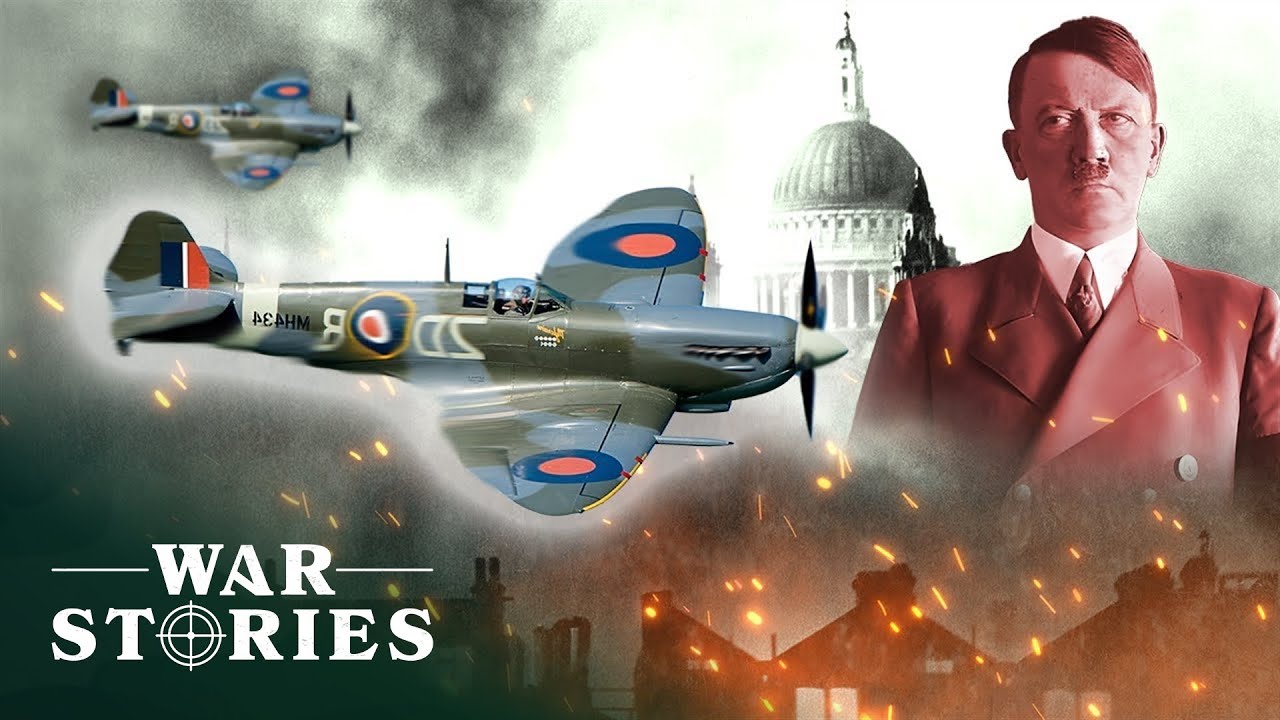
Operation Sea Lion's failure to subdue Britain in 1940 was largely due to the Luftwaffe's inability to achieve air superiority during the Battle of Britain.
The 101st Airborne Division, known as "The Screaming Eagles," played a crucial role in World War II with daring parachute missions and strategic operations.
At 12:35 PM on July 20, 1944, Colonel Klaus von Stauffenberg entered a conference room at Hitler's headquarters to carry out an assassination attempt.
By the time the railway was finished, only 400 of the original 1,700 prisoners of war remained alive to tell their stories.
In World War II, Allied pilots reported mysterious aerial phenomena known as Foo Fighters, alongside stories of secret British operations and unexplained mass graves.
Karl Dönitz joined the German navy in 1910 at the age of 18, rising through the ranks to become a key naval commander during World War II.
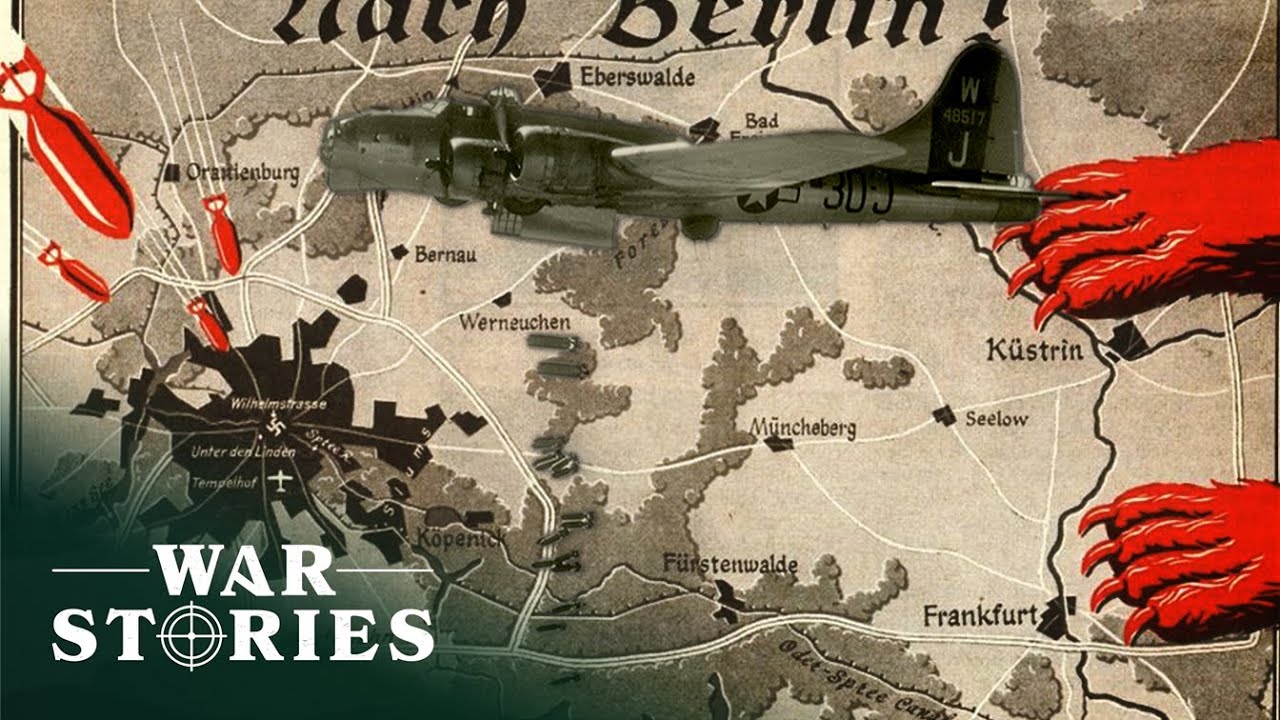
In 1945, Allied bombing raids on Berlin aimed to break German morale, featuring rare archive footage and testimonies from civilians who endured the attacks.
In the summer of 1944, the U.S.S. Flier and U.S.S. Robalo sank in the Philippines, leading a team of Dive Detectives to investigate their mysterious losses.
Christopher Doyle narrates rare films showcasing life in pre-WW2 Republic of China.
Hitler's decisions during the Battle of Britain and Operation Barbarossa lead to major defeats.
On March 28, 1940, the Anglo-French Supreme War Council decided to begin mining Norwegian waters as tensions escalated in Scandinavia.
The final moments of World War II reveal the critical military confrontations and strategic errors that led to the downfall of the Axis powers in Europe.
The Battle of Okinawa, lasting 82 days, marked one of the bloodiest campaigns of World War II, highlighting the strategies of Generals Buckner and Ushima.
In 1754, a minor ambush near the forks of the Ohio River ignited a full-scale war between Britain and France that would shape North America's future.
Winston Churchill was born on November 30, 1874, at Blenheim Palace in Oxfordshire, England, to a politically prominent but financially troubled family.
Nazi Germany's blitzkrieg tactics, characterized by rapid armored assaults using Panzer tanks, effectively overwhelmed Allied defenses in France during World War II.
On November 21, 1941, Villi Conn and his family were arrested and later shot dead in a forest near Kas, marking a tragic end to their lives.
RAF Fighter Command lost 715 fighter aircraft and 544 pilots during the Battle of Britain, a critical defense against the Luftwaffe in 1940.
The Duke of Wellington's military strategies, particularly at the Battle of Waterloo in 1815, were pivotal in defeating Napoleon Bonaparte and reshaping Europe.
In Italy during 1944, the German Army reinforced its defenses with 60 elite units to counter the Allied advance following the successful campaigns in Sicily.
In March 1945, the US Army's Operation Lumberjack and Operation Undertone led to a decisive collapse of the Siegfried Line and a catastrophic German defeat.
Hundreds of sick people mysteriously disappeared from Hartheim Castle between 1939 and 1944, as it became a site for Nazi extermination efforts.
The Battle of Midway in June 1942 marked a pivotal moment in World War II, where the US Navy, despite being outnumbered, defeated the Japanese fleet through strategic tactics.
More than 2,000 men were killed in the Japanese attack on Pearl Harbor on December 7, 1941, prompting the United States to enter World War II.
During World War II blackouts in Berlin and London, law enforcement struggled to apprehend serial killers exploiting the darkness, as highlighted by historians like Dan Snow.
Hitler's plans for invading Britain faced significant obstacles, including early bombing attempts and intense air battles during World War II.
Boeing B-17 Flying Fortresses and German U-Boats played pivotal roles in World War II, influencing aerial and naval combat strategies significantly.
On May 8, 1945, the war in Europe ended, but Japan remained determined to fight, viewing surrender as worse than death.
Nearly 1,200 American servicemen died on the USS Arizona during the attack on Pearl Harbor on December 7, 1941.
Felix Opatowski, a Polish Jew, survived five years in concentration camps, including Auschwitz, and later participated in a secret uprising against the Nazis.
The Battle of Kursk marked the last major German offensive on the Eastern Front during WWII, highlighting the Soviet Union's resilience and the effectiveness of the T-34 tank.
The Persian army sails to confront the insolent Athenians at the Battle of Marathon.
In August 1942, Hitler's attempt to capture Stalingrad involved forces from Italy, Hungary, Romania, and Croatia, marking a pivotal moment in World War II.
In October 1943, Allied leaders met in Tehran to discuss military strategies as the war intensified on multiple fronts.
The Canadian Armored Corps played a crucial role in the Italian Campaign during World War II, facing significant challenges against German forces.
Viewers hear how nations worldwide approached conflict in 1939, leading to World War II.
More than 8 million people of color served with the Allies during the Second World War, yet many of their stories remain largely untold.
185,000 square miles of Russian land were freed during the winter campaign of 1942, marking a significant turning point against the Axis powers.
On February 19, 1945, US Marines landed on Iwo Jima, facing fierce resistance from Japanese forces entrenched in a network of tunnels and bunkers.
Patton leads his troops to break through the Siegfried Line into Germany during a full retreat.
On June 6, 1944, a small force of British light infantry executed Operation Deadstick, capturing Pegasus Bridge to secure the D-Day invasion in Normandy.
7,000 ships and a quarter of a million men participated in the Allied invasion of Nazi-occupied Europe on June 6, 1944.
More than 250,000 German troops surrendered to Allied forces in Tunisia on May 13, 1943, marking a significant turning point in World War II.
Hitler's position worsens as the Germans fail in the Battle of the Bulge in France.
Commander Gilbert Roberts leads a team in war gaming to decode German U-boat tactics and protect Allied convoys during the Battle of the Atlantic.
The Allies land in France on June 6, 1944, as the Canadian Armoured Brigade battles German forces.