From over 100,000 films, discover the handful you'll love.
Free or premium access to the world's largest documentary library.
1777 films(Page 12 of 38)
In the early 1940s, the Manhattan Project brought together leading scientists to develop nuclear weapons, culminating in the bombings of Hiroshima and Nagasaki.
On June 6, 1944, Allied forces launched the largest seaborne invasion in history, landing on five beaches in Normandy to liberate France from Nazi occupation.
Following the defeats at Stalingrad and Kursk, the Red Army launched a series of rapid and brutal offensives against the Wehrmacht during World War II.
At its peak in 1944, the US Air Force had 10,000 aircraft and half a million personnel stationed in Britain during World War II.
In 1935, Rudolf Hess is tasked with transforming Hitler's country retreat at Obersalzberg into his second seat of government, the Berghof.
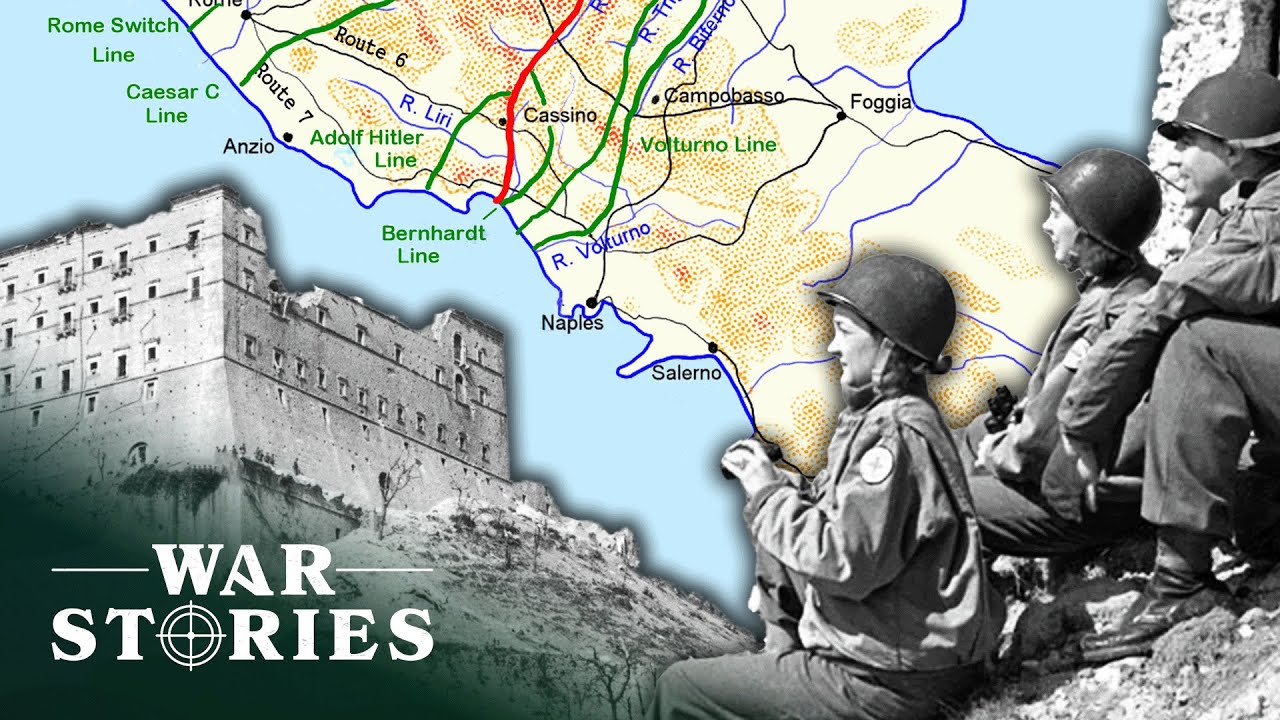
In Southern Italy, Allied forces faced formidable German defenses along the Gustav Line, particularly in the strategically significant town of Cassino during World War II.
A fleet of 75 white buses rescued nearly 20,000 concentration camp prisoners from Nazi Germany in 1945, including Ruth Toronczyk, who spent 18 months in Theresienstadt.
The only airworthy Merlin Mark 3 engine powers the last surviving Sea Hurricane, which made its first flight in 1995 after a 9-year restoration.
Over 15 million people died as a result of Adolf Hitler's decisions during World War II, which led to catastrophic military failures and widespread destruction.
In December 1944, the Battle of the Bulge saw the elite Sixth Panzer Army, equipped with Panther and King Tiger tanks, face significant challenges against outnumbered American forces due to fuel shortages and tactical miscalculations.
The Allied invasion of France on June 6, 1944, marked the beginning of the brutal 80-day campaign that included the Battle of the Hedgerows and the destruction of Caen.
The Spear of Destiny, Yamashita's Gold, and the Nazi treasure of Lake Toplitz represent some of World War II's most enduring mysteries and legends.
10,000 enemy vehicles were destroyed or damaged during U.S. 12th Air Force bombing missions over Italy in 1944.
The battleship Bismarck, measuring 250 meters long and weighing over 50,000 tons, was launched by Adolf Hitler on February 14, 1939.
Japan's invasion of New Guinea in 1942 marked a significant phase in the Pacific War, featuring key battles at Milne Bay, Lae, and the Bismarck Sea against Allied forces.
French sailors formed a resistance under General de Gaulle during World War II, operating submarines like the Rubis to combat German battleships.
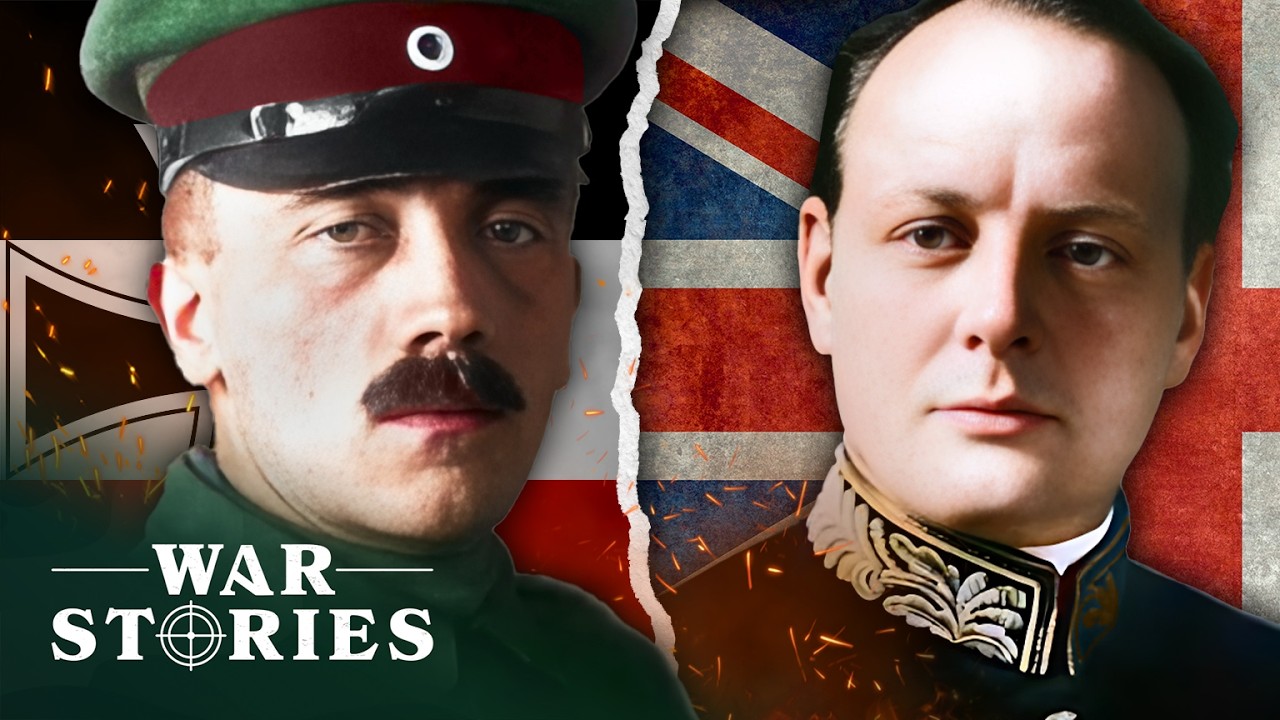
The intertwined histories of Adolf Hitler and Winston Churchill, shaped by their experiences in World War I, set the stage for their conflict in World War II.
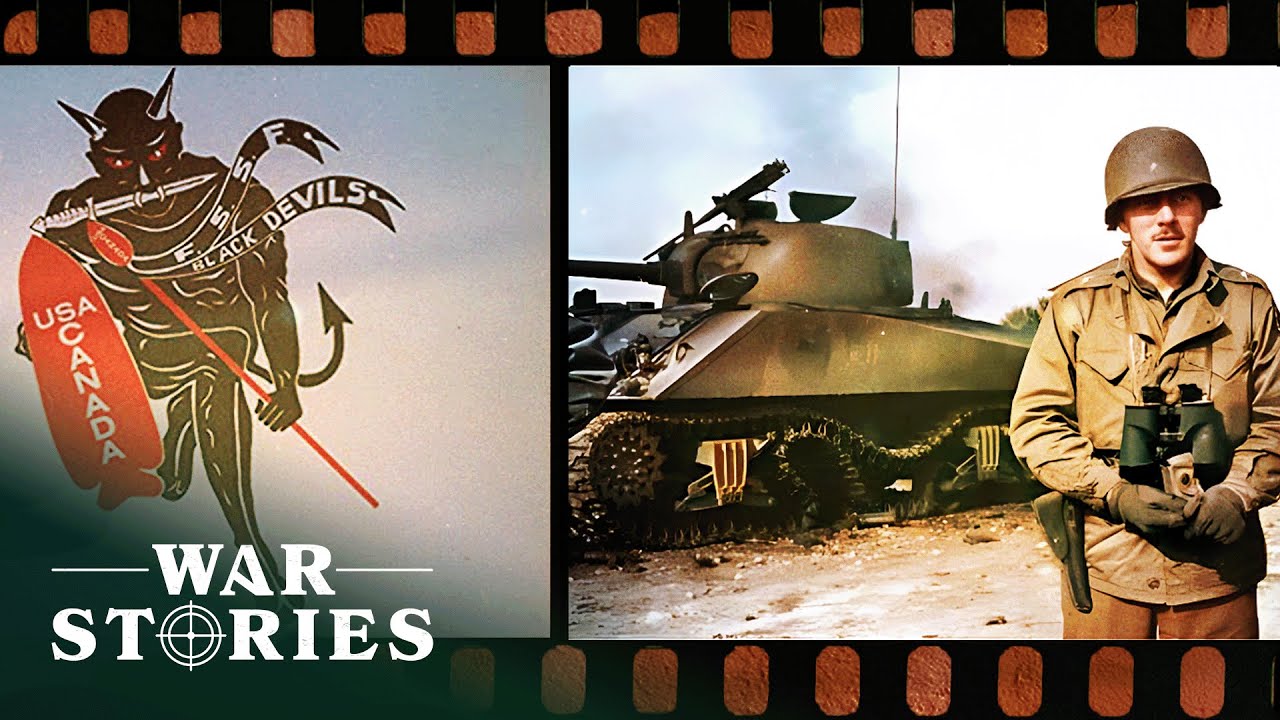
Veterans of the First Special Service Force, known as "The Black Devils," retrace their steps across European battlefields to reflect on their elite military contributions during World War II.
On September 2, 1945, Japan signed the instrument of surrender aboard the USS Missouri, marking the end of World War II.
On July 10, 1940, six Hurricanes patrolled over Dover and engaged 50 enemy aircraft, marking the start of the Battle of Britain.
The Honjo Masamune, forged with over 30,000 layers of steel, served as the ceremonial sword for the Tokugawa shoguns before it vanished after World War II.
The D-Day landings at Omaha Beach are documented through the rare, uncensored footage captured by courageous cameramen and photographers amidst perilous conditions.
Hermann Göring's life is examined, detailing his rise as a decorated World War I ace and key Nazi leader, culminating in his trial as a war criminal at Nuremberg.
A team of British Commandos infiltrated German-held Libya to capture General Erwin Rommel, but their mission faced unexpected challenges and chaos.
30,000 American lives were lost in the Hürtgen Forest, the site of the longest and bloodiest battle in U.S. Army history during World War II.
The Allied forces faced a prolonged and challenging campaign in Italy during World War II, resulting in significant casualties and strategic setbacks.
Aerial warfare in World War II saw significant advancements and strategic shifts, highlighted by iconic aircraft like the Spitfire and A6M Zero during key battles.
The episode begins with the sinking of the Wilhelm Gustloff and dives to the wreck Steuben.
More than 4,000 ships and small craft were prepared to transport Allied forces for the D-Day invasion of Nazi-occupied France on June 6, 1944.
World War II tank tactics, including Heinz Guderian's blitzkrieg strategies and the history of the Tiger tank, reshaped mechanized warfare on the Eastern Front.
On June 6, 1944, the success of the Allied invasion of Normandy hinged on a critical weather forecast that significantly influenced the operation's timing and execution.
48,000 buildings in Berlin were destroyed during World War II, leaving residents to navigate the challenges of rebuilding their lives in July 1945.
Churchill, Roosevelt, and Stalin navigate power dynamics during World War II.
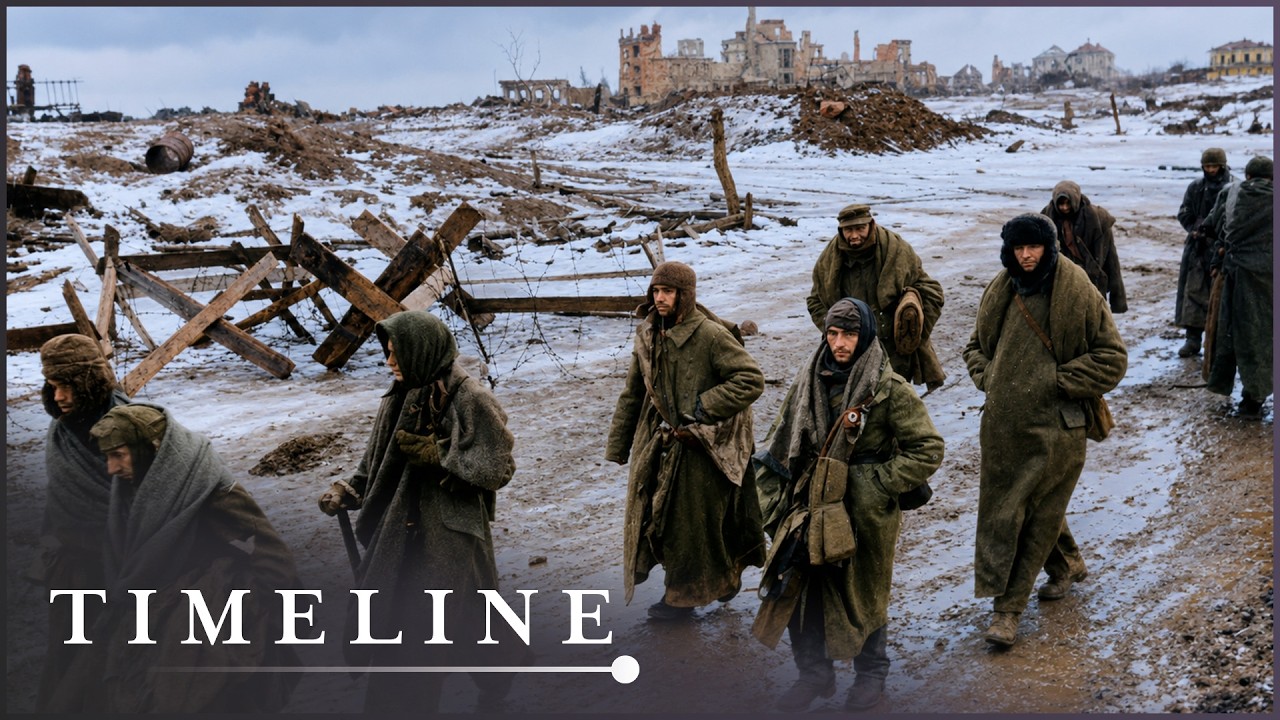
Stalingrad marked a turning point in World War II, showcasing the brutal street fighting and psychological tactics that led to the Axis powers' decline.
In July 1944, as Allied forces liberate France, citizens celebrate newfound hope while facing ongoing challenges on the Western and Eastern Fronts.
2.4 million German soldiers advance into Western Europe in May 1940, employing new tactics that lead to rapid victories against the Allies.
In 1933, Adolf Hitler became chancellor of Germany, allowing the Nazi regime to seize complete power and begin its rapid ascent.
On April 20, 1945, Nuremberg fell after intense fighting, becoming a focal point for camera teams documenting the aftermath of the conflict.
On August 6 and 9, 1945, the cities of Hiroshima and Nagasaki were destroyed by atomic bombs, marking a decisive moment in World War II.
Moshe, a Holocaust survivor, seeks revenge, illustrated through Animator Yoni Goodman's animation.
Charles 'Lucky' Luciano, sentenced to 50 years in prison, negotiated his release after 10 years to aid the US military during World War II.
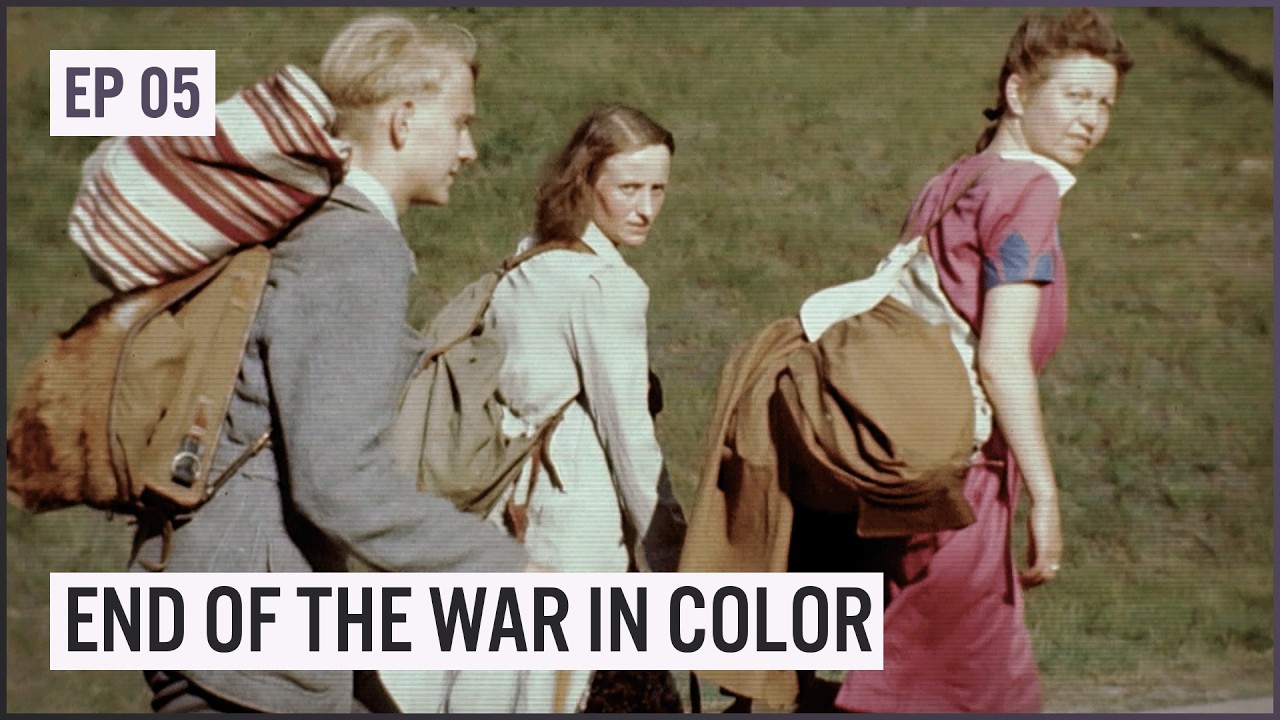
The final years of World War II are examined through rare color footage, highlighting key events such as D-Day, the Battle of the Bulge, and the atomic bombings.
Operation Barbarossa, Hitler's 1941 invasion of the Soviet Union, marked a critical turning point in World War II due to severe miscalculations and harsh winter conditions.
An estimated 100,000 residents died during the Great Plague of 1665, marking a devastating year for London.
Arthur Seyss-Inquart enacts brutal policies in Nazi-occupied Netherlands during WWII.
Post-World War 2 Europe faced immense challenges in rebuilding cities, addressing displaced persons, and navigating the tensions that led to the Cold War.
In September 1944, Allied forces launched Operation Market Garden in Arnhem, Netherlands, aiming to secure key bridges but ultimately faced a catastrophic failure.
As many as 800 young Canadian women worked in New York City for British security coordination during World War II, contributing to intelligence efforts.