From over 100,000 films, discover the handful you'll love.
Free or premium access to the world's largest documentary library.
1777 films(Page 8 of 38)
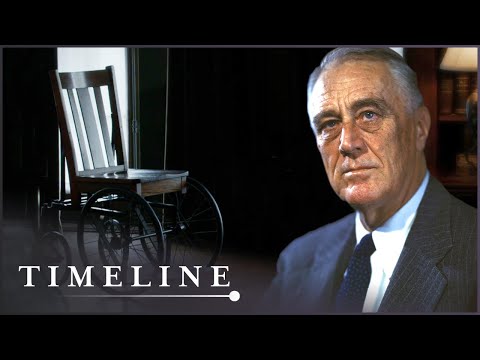
Franklin D. Roosevelt was diagnosed with chronic heart disease and lived as a secret paraplegic during his 12 years in office.
At 2:39 a.m. on May 7, 1945, German General Alfred Yodel signed the unconditional surrender of Nazi Germany, marking a significant moment in history.
Under Hans Frank's administration as Governor-General of occupied Poland, nearly three million Jews were killed, along with hundreds of thousands of Poles and Ukrainians.
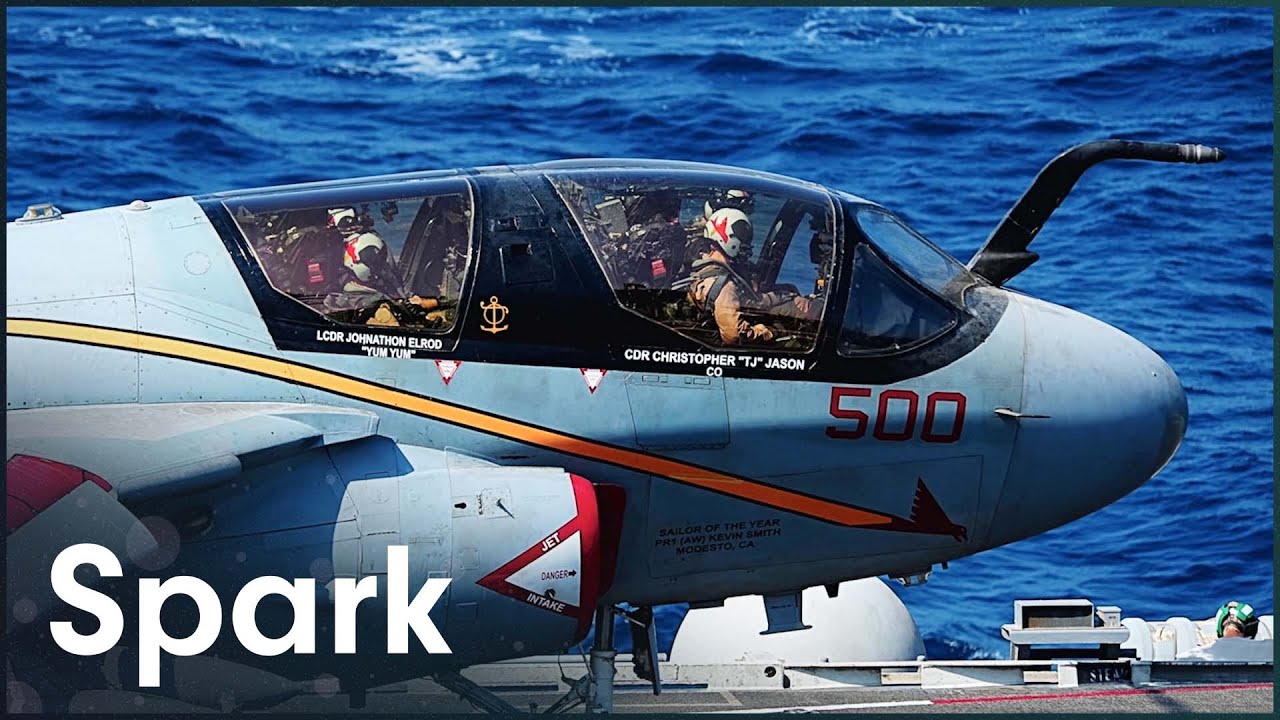
The EA-6B Prowler, which served for nearly 50 years, is being replaced by the more advanced EA-18 Growler at Naval Air Station Whidbey Island.
Adolf Hitler's early life in Austria, his rejection from art school, and his experiences in the Bavarian Army during World War I are examined in detail.
On June 6, 1944, the Normandy Invasion, or Operation Overlord, marked a crucial turning point in World War II, leading to significant Allied victories against Germany.
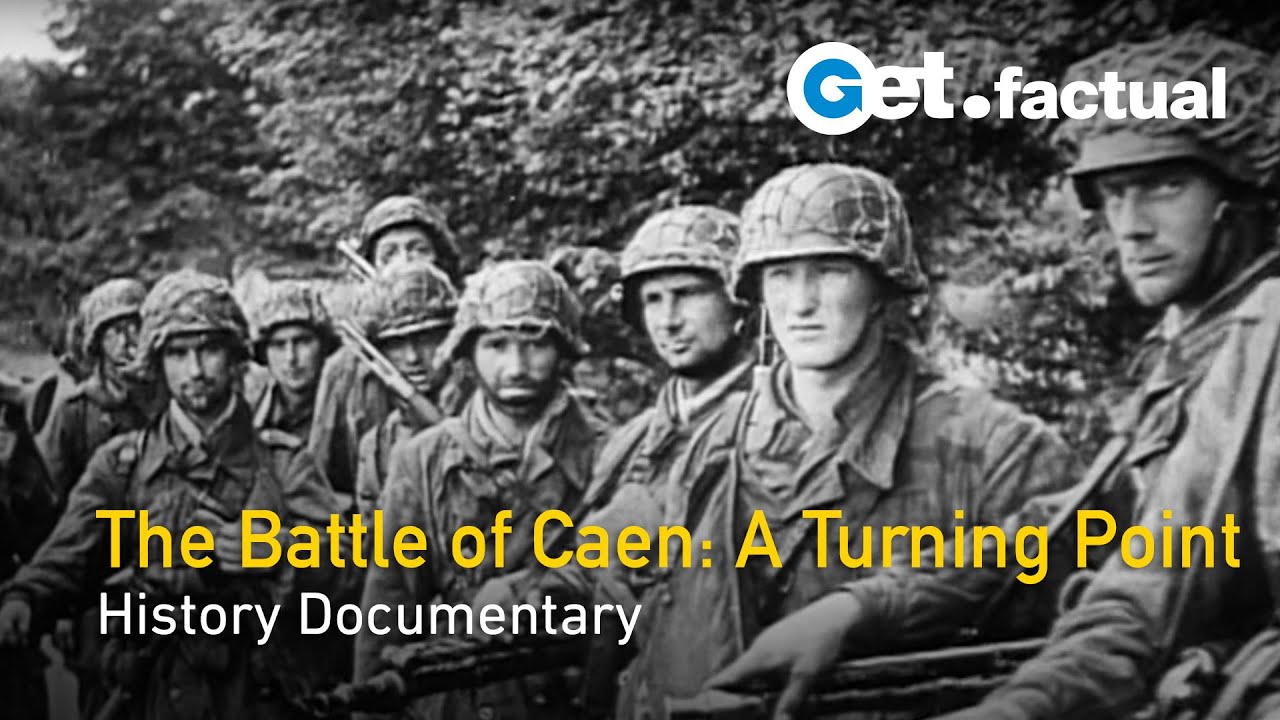
More than 14 days of intense fighting took place as Allied forces struggled to capture the French city of Caen during World War II.
America's elite special operations soldiers, the Rangers, were formed during World War II and played crucial roles in battles such as Pointe du Hoc and Brest.
Operation Barbarossa, launched by Nazi Germany in June 1941, is chronicled through rare footage and personal accounts, highlighting the Eastern Front's early brutality.
In April 1945, Adolf Hitler reflects on the strategic blunders that led to his downfall as the Red Army and Western Allied forces close in.
Auschwitz could incinerate several thousand people in just 24 hours, raising urgent questions about the Allied response to the Holocaust in 1944.
In the final weeks of World War II, American soldiers experienced intense combat in Nuremberg and participated in the liberation of Dachau concentration camp.
Operation Barbarossa, Hitler's 1941 invasion of the Soviet Union, failed due to strategic blunders and the impact of Stalin's purges on the Red Army.
A flamethrowing tank could fire a jet of flame for up to 50 yards, designed to force enemy infantry out of fortified positions during World War II.
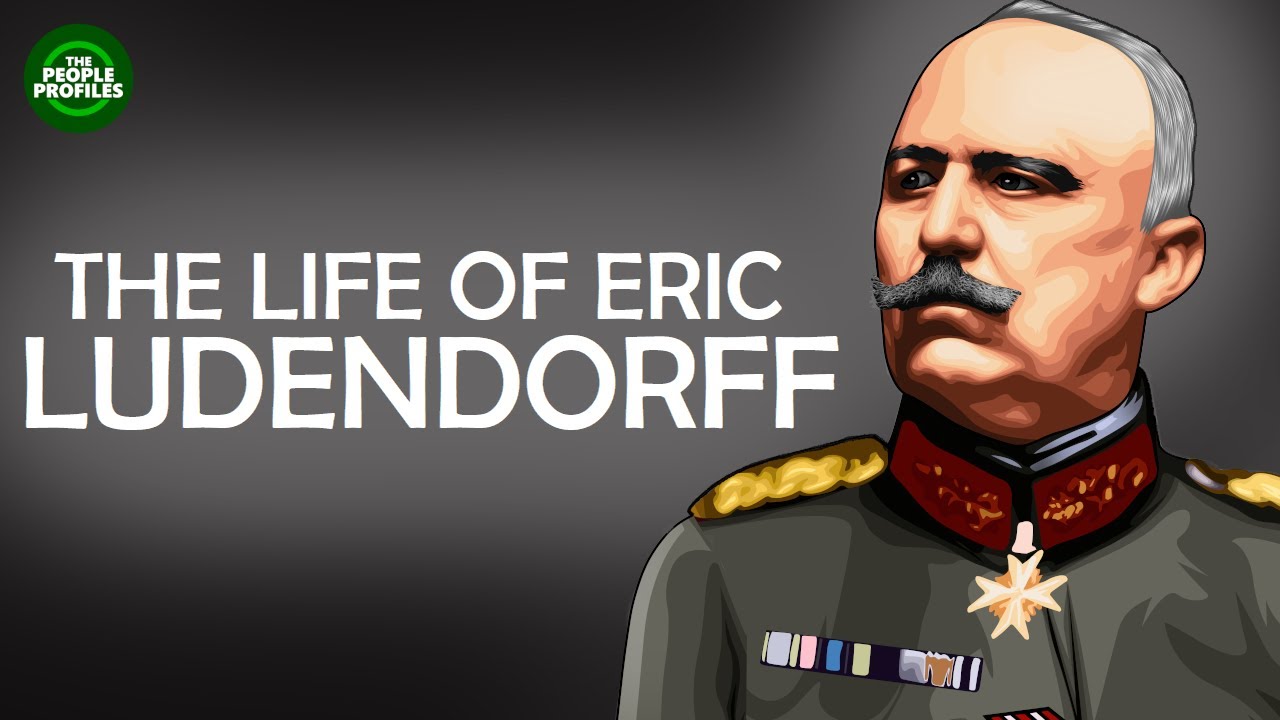
Erich Ludendorff was born on April 9, 1865, in Krusenia, a village in modern-day Poland, and became a significant military figure in World War I.
Liberty Ships, unveiled at Baltimore docks in 1941, transported two-thirds of all US cargo during WWII, significantly aiding the Allies' victory.
The Kokoda Track Campaign in 1942 marked a significant turning point in the Pacific theater of World War II, as Australian forces repelled Japanese advances in New Guinea.
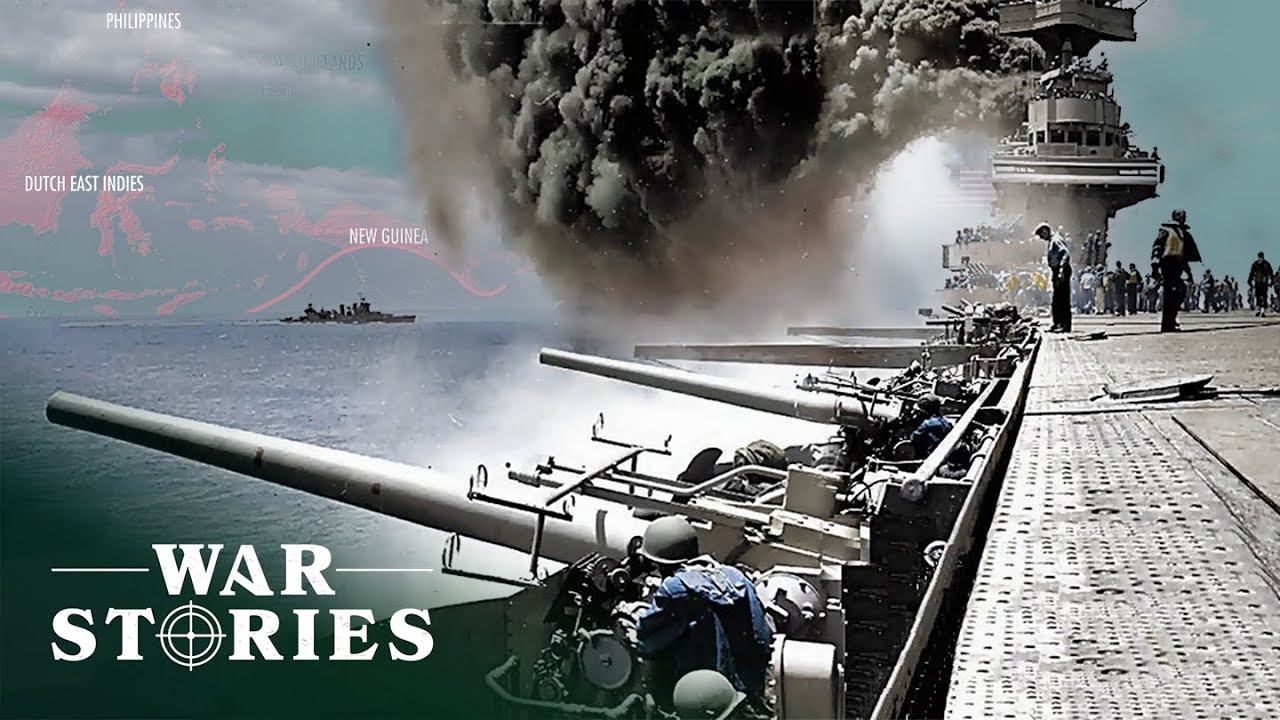
The Battle of Midway, fought from June 4 to June 7, 1942, resulted in the United States Navy's decisive defeat of the Imperial Japanese Navy.
The siege of Leningrad lasted 872 days, resulting in the deaths of over a million men and women as German forces attempted to conquer the city.
Nazi Germany's advanced aircraft technology, including the Me 262 jet fighter and V2 rockets, faced significant military shortcomings during World War II.
Key battles of the Pacific War, including Pearl Harbor, Midway, and Okinawa, are examined alongside significant conflicts from other theaters of World War II.
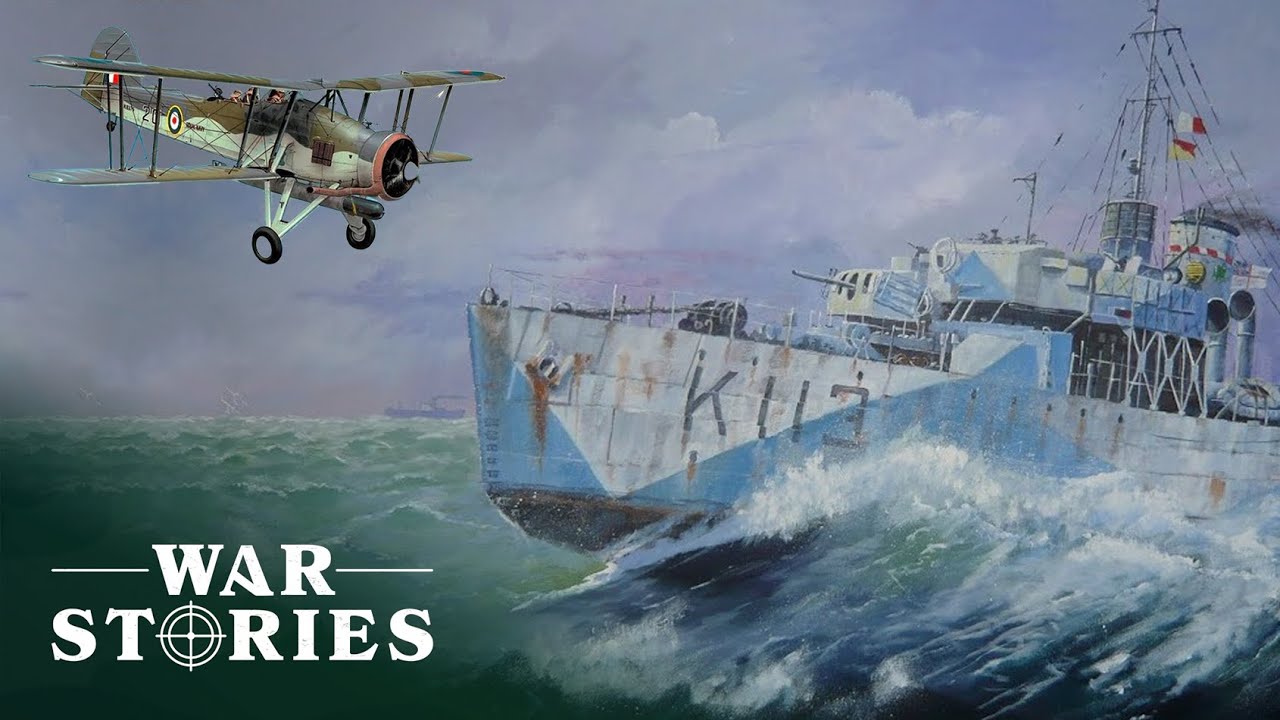
Allied air power played a crucial role in securing supply shipments across the Atlantic during World War II, significantly countering German U-Boat threats.
Bernard Montgomery was born on November 17, 1887, in Kennington, South London, and became a key figure in the British military during World War II.
Approximately 12 million tons of Allied shipping were sunk by German U-boats during World War I, significantly impacting naval warfare.
SS officers dumped heavy boxes into Lake Toplitz during World War II, fueling rumors that Nazis hid plundered gold in its depths.
The Special Interrogation Unit disrupts German forces with personal stakes in the mission.
Hitler's invasion of Britain fails due to Germans not achieving air superiority in 1940.
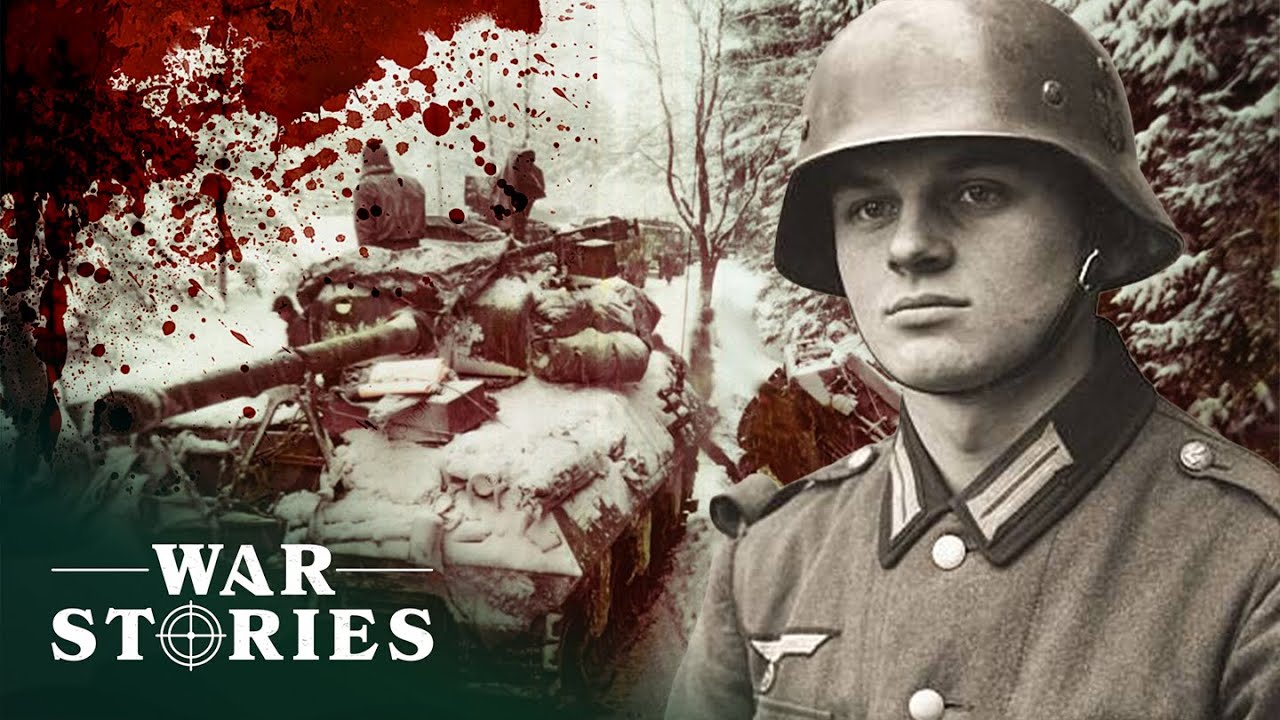
In December 1944, the Battle of the Bulge marked a surprise German offensive against American troops in the Ardennes Forest, challenging their winter preparations.
The Battle of the Atlantic highlights the strategic maneuvers and technological advancements that enabled the Allies to counter the U-boat threat during World War II.
In 1935, Theodor Morell began treating Adolf Hitler for stomach cramps, eventually becoming the dictator's personal physician for over a decade.
On November 15, 1944, the German U-boat U-479 disappeared without a trace in the Baltic Sea during a secret mission.
The Polish Jews in the Warsaw Ghetto resist German oppression during World War II.
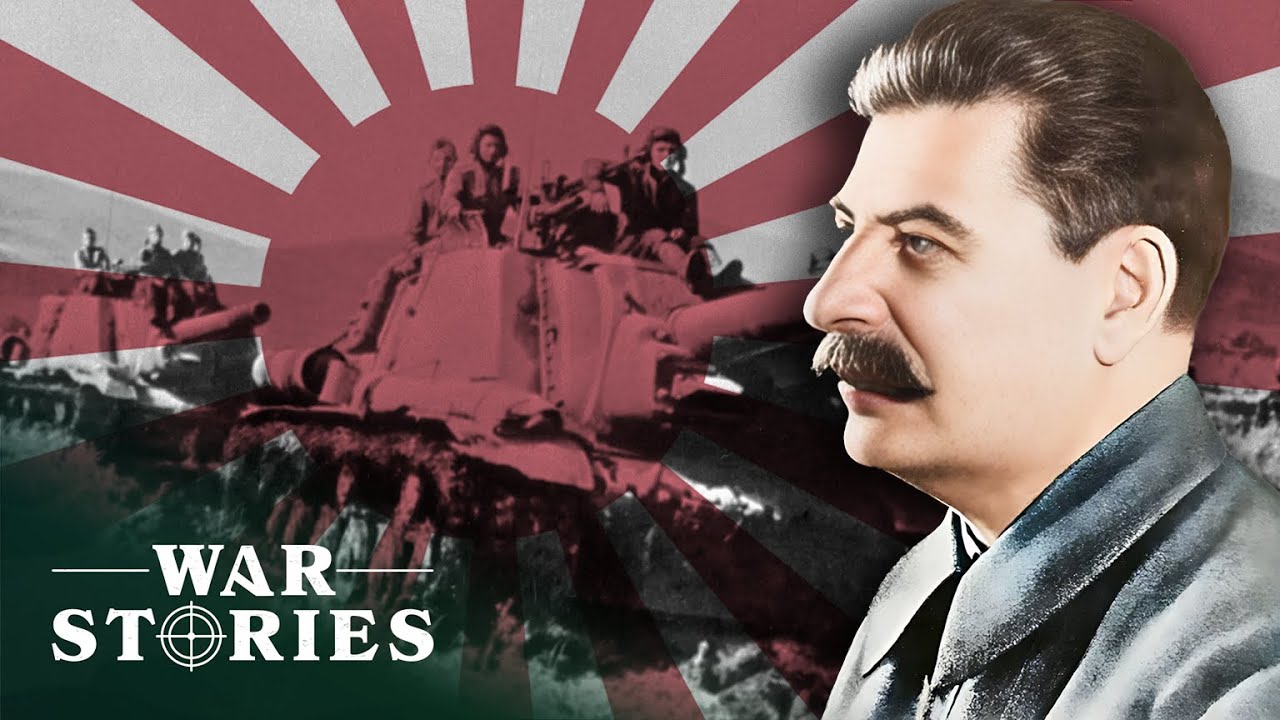
The Soviet campaign in Manchuria in 1945 significantly weakened the Imperial Japanese Empire, overshadowed by Japan's surrender following the atomic bombings.
90% of Stalingrad was captured by German forces during a four-month battle that ultimately led to a decisive Soviet counteroffensive.
Adolf Hitler, blinded in a mustard gas attack during World War I, later led Germany into a devastating conflict that resulted in millions of deaths.
By July 1942, the Battle of Stalingrad was underway as German troops faced a fierce counter-attack from the Soviet Red Army.
In April 1941, German forces advanced to Benghazi, marking a significant shift in the North African campaign during World War II.
More than 100 fully equipped German divisions waited on the invasion coasts, poised to attack Britain during World War II.
1 million Red Army soldiers prepared to storm Berlin in April 1945, marking a decisive moment in the collapse of Nazi Germany.
Allied leaders discuss the post-war world during pivotal conferences in 1943.
The Ardennes counteroffensive, also known as the Battle of the Bulge, marked a critical German attack against Allied forces in Belgium and Luxembourg from December 1944 to January 1945.
The Burmese Campaign of World War II, fought between 1941 and 1945, involved Allied forces from Britain, India, China, and the US against Japanese troops in Myanmar.
5,000 men, women, and children attempted to flee the Soviet army aboard the General Von Steuben before it sank in the Baltic Sea in 1945.
Key battles in the Pacific Theater, Mussolini's downfall, and the brutality of the Eastern Front are examined as pivotal moments that shifted the outcome of World War II.
Neville Chamberlain was born on March 18, 1869, in Birmingham, England, and became known for his policy of appeasement during the lead-up to World War II.
The US 101st Airborne Division began landing approximately 30 minutes before civil twilight on D-Day to assist in the assault on Normandy.
Allied forces conducted strategic bombing raids over Germany during World War II to disrupt Nazi operations and weaken the German war machine.
This premium documentary reveals life in the Third Reich through personal films and diaries of Germans.