From over 100,000 films, discover the handful you'll love.
Free or premium access to the world's largest documentary library.
1777 films(Page 10 of 38)
1,700 crew members were aboard HMS Ark Royal when it sank after an explosion, with only one reported death during its tragic end.
The Allied forces prepare for Operation Overlord under General Dwight D. Eisenhower's leadership.
The Battle of France marked a pivotal moment in WWII as Hitler's blitzkrieg advanced through Luxembourg and Belgium, leading to the Vichy Government's surrender.
A combined airborne and amphibious assault, codenamed Urgent Fury, involved the U.S. 75th Ranger Regiment, 82nd Airborne Division, and 22nd Marine Amphibious Unit.
On December 7, 1941, Japanese warplanes launched a surprise attack on the U.S. Pacific Fleet at Pearl Harbor, marking a critical moment in World War II.
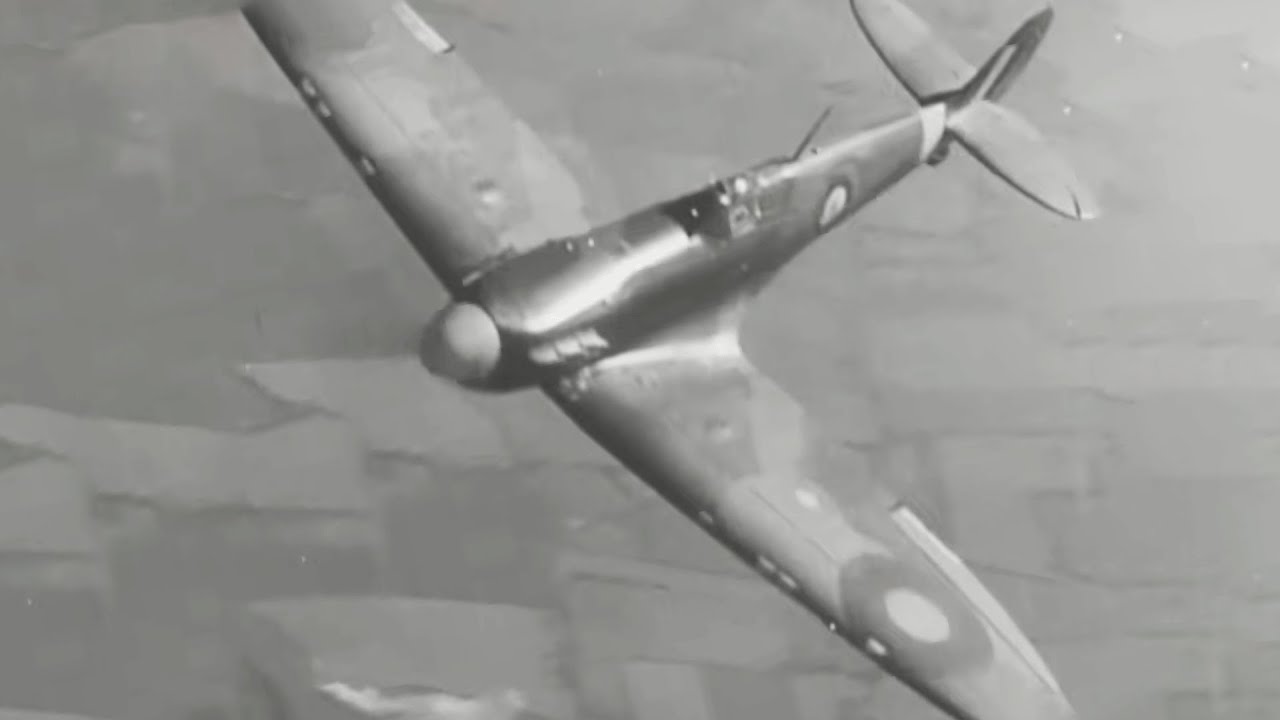
On September 15, 1940, British pilots engaged in 13 hours of aerial combat that proved to be a turning point in the fight against Nazi Germany.
The US Eighth Air Force played a crucial role in World War II, showcasing their aerial combat prowess through the accounts of seasoned veterans.
On August 31, 1940, 39 British fighter planes were shot down, marking the deadliest day of the Battle of Britain.
Operation Barbarossa marked Hitler's 1941 invasion of the Soviet Union, involving three million German troops and resulting in significant suffering and destruction.
Footage recorded in the aftermath of the 1941 Japanese attack on Pearl Harbor provides an analytical perspective on the events of that pivotal day in history.
Hitler and Goebbels initiate a pogrom against the Jews while Hitler hides Eva Braun in Obersalzberg.
Tank warfare evolved significantly during World War II, highlighted by Germany's blitzkrieg tactics and the introduction of the Churchill tank by Britain in 1942.
In 1943, the Battle of Kursk marked the largest tank battle in history, involving 6,000 tanks and 2,000,000 troops in a failed Nazi offensive against Soviet forces.
Five key turning points during the D-Day landings are presented through personal testimonies and rarely seen archival footage.
Over 40,000 civilians were killed during the German air raids on Britain, with London suffering the most destruction and loss.
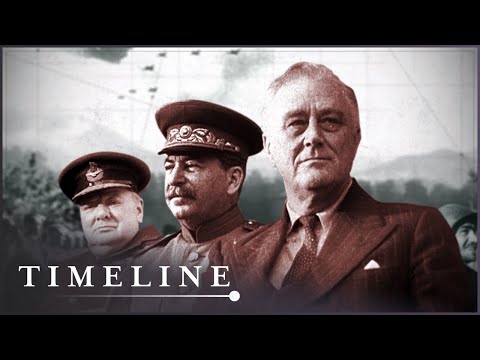
65 million people fought in World War II, a conflict that reshaped global power dynamics and saw leaders like Stalin, Roosevelt, and Churchill rise to prominence.
Approximately 40 million people suffered injuries during World War I, a conflict that set the stage for Adolf Hitler's rise to power and the outbreak of World War II.
By 1808, Napoleon Bonaparte had ascended to the throne of France, wielding unprecedented influence across Europe following a series of military victories.
Adolf Hitler's rise to power in post-World War I Germany exploited economic turmoil and political instability, leading to the establishment of a regime that orchestrated the Holocaust and instigated World War II.
During the Battle of the Leyte Gulf on October 25, 1944, Japanese kamikaze pilots launched suicide attacks against American warships, raising questions about their effectiveness.
More than 512,000 Poles were killed during World War II, leading to the near-total destruction of Warsaw, which was rebuilt in just 15 years.
On D-Day, Juan Pujol's fabricated intelligence misled over 350,000 German reinforcements, significantly impacting the outcome of the operation.
Hitler's fixation on advanced weaponry, including giant tanks and jet fighters, ultimately hindered Germany's military effectiveness during World War II.
On April 24, 1951, 10,000 Chinese troops advanced toward Australian and Canadian positions in the Capyong Valley during a critical battle in the Korean War.
Berlin in 1932 experienced the chaotic final months of the Weimar Republic, marked by political turmoil, street battles, and the pivotal Reichstag Fire.
Germany is defeated as the Red Army reaches the Oder and Allies capture Remagen's bridge.
Between 1941 and 1945, German factories produced a variety of armored fighting vehicles in just a few months to meet the urgent demands of the Eastern Front.
This docuseries explores the Nazi invasion of Poland and Britain's military challenges.
In June 1944, Allied forces launched Operation Overlord, leading to 100 pivotal days of combat in Normandy that culminated in the liberation of Paris.
Over 320,000 Allied troops were evacuated from Dunkirk in 1940, allowing them to continue fighting against German forces in World War II.
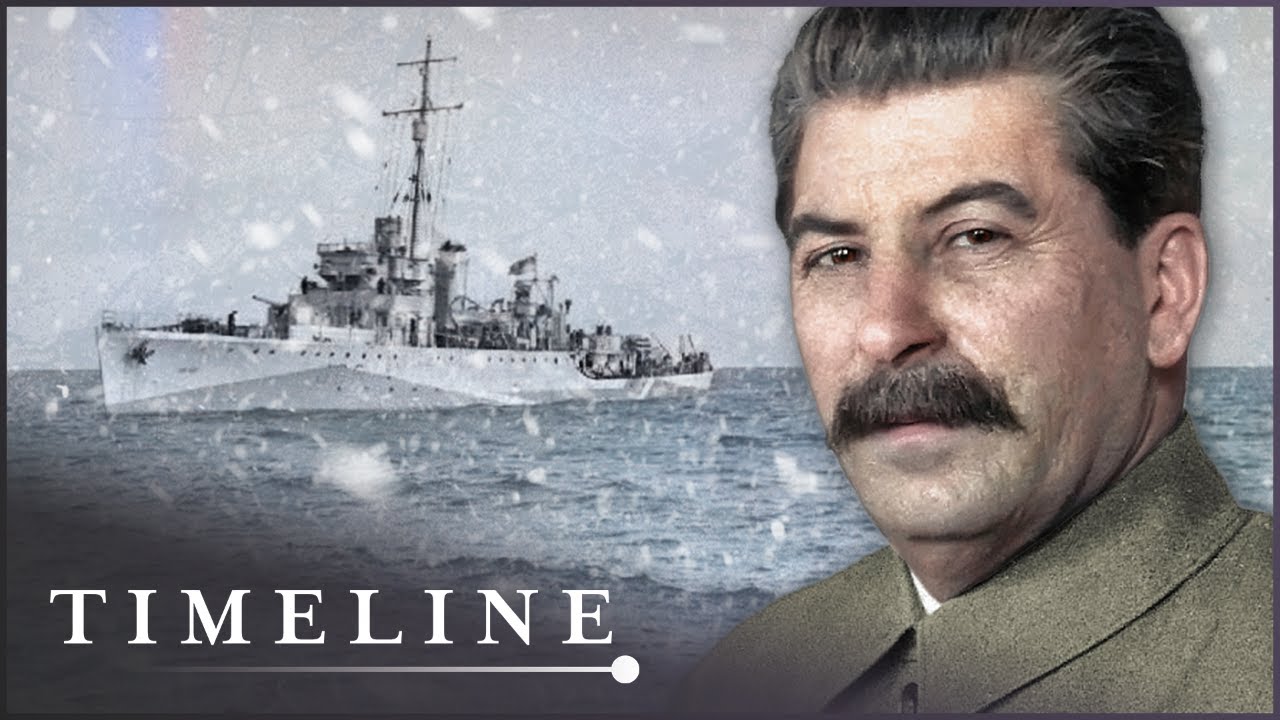
In August 1941, the Allies launched Operation Dervish to support the Soviet Union during WWII.
World War II events that influenced U.S. involvement are depicted through historical dramatizations, including the attack on Pearl Harbor and the rise of Nazi Germany.
Twelve children were raised in the Buonaparte household in Ajaccio, where Napoleon Bonaparte was known as the troublemaker among his siblings.
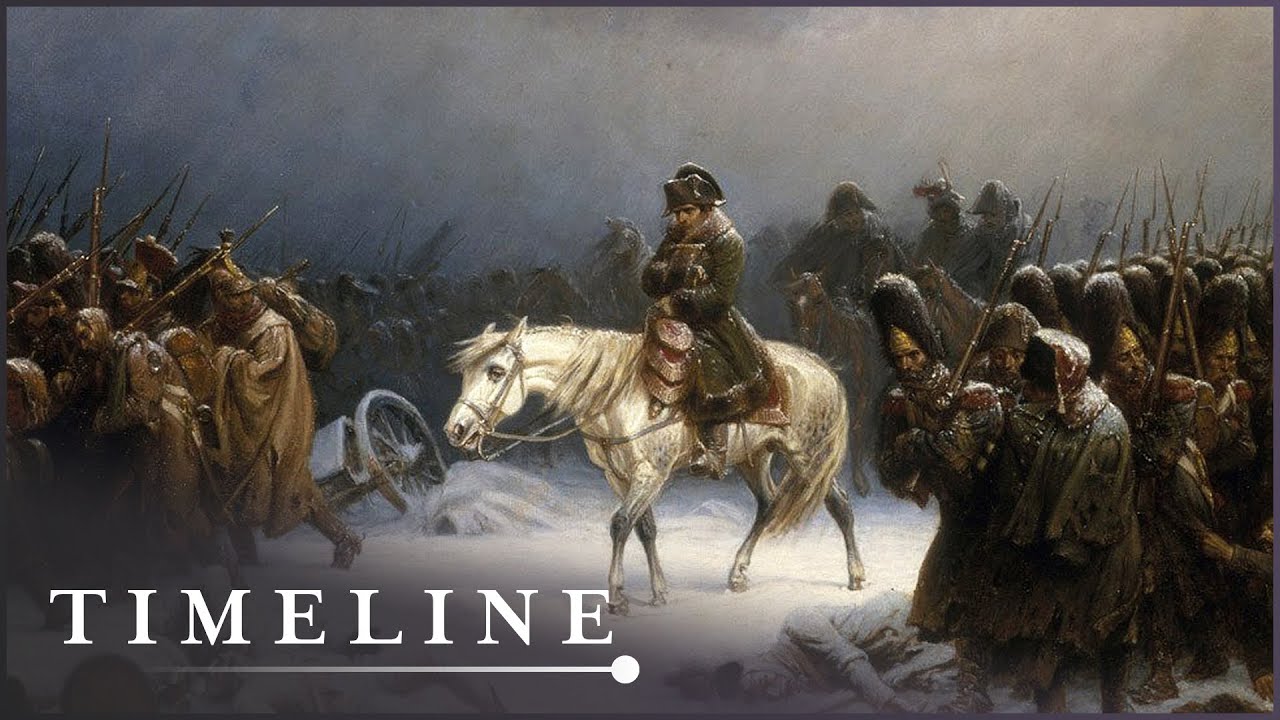
Of the half a million men who crossed into Russia in 1812, fewer than 50,000 survived to return home after a brutal campaign.
American forces plan Operation Cobra in July 1944 to break through near St. Lo.
The second battle of El Alamein in 1942 marked a pivotal moment in World War II, showcasing the strategic prowess of Generals Bernard Montgomery and Erwin Rommel.
Hitler's bad military decisions lead to dire consequences for Germany in World War II.
354 American aircraft were on the island during the attack on Pearl Harbor, with 188 destroyed and 159 damaged in the initial assault.
On June 6, 1944, Allied forces launched the invasion of Normandy, with ships carrying thousands of troops across the English Channel despite bad weather.
On May 26, 1941, a Catalina flying boat piloted by Ensign Leonard B. Smith located the Bismarck, leading to its eventual destruction by British forces.
Over 170 missions were flown by Major Francis S. Manda during the air campaign in Italy and surrounding regions in World War II.
In WWII Britain, Winston Churchill authorized unconventional weapon innovations, including the candy-inspired limpet mine, to enhance military capabilities.
America's entry into World War II in December 1941 marked a turning point for the Allied forces, reshaping military strategies and global dynamics throughout 1942.
On August 15, 1944, the US Navy initiated Operation Dragoon by bombarding the beaches of the Côte d'Azur, enabling the US 7th Army to establish a beachhead in southern France.
In Normandy, historian James Holland and ex-US Army Ranger Dr Mike Simpson examine the complexities of the D-Day invasion and its aftermath.
Elizabeth Angela Marguerite Bowes-Lyon was born on August 4, 1900, at St Paul’s Walden Bury, a modest stately home in Hertfordshire, England.
Omaha Beach serves as the backdrop for historian James Holland and veteran Dr. Mike Simpson's examination of the tactical and emotional challenges faced by American and German forces during D-Day.
Around 14,000 Allied soldiers, including 7,000 Americans, lost their lives in the fight for Papua New Guinea during World War II.