From over 100,000 films, discover the handful you'll love.
Free or premium access to the world's largest documentary library.
1777 films(Page 9 of 38)
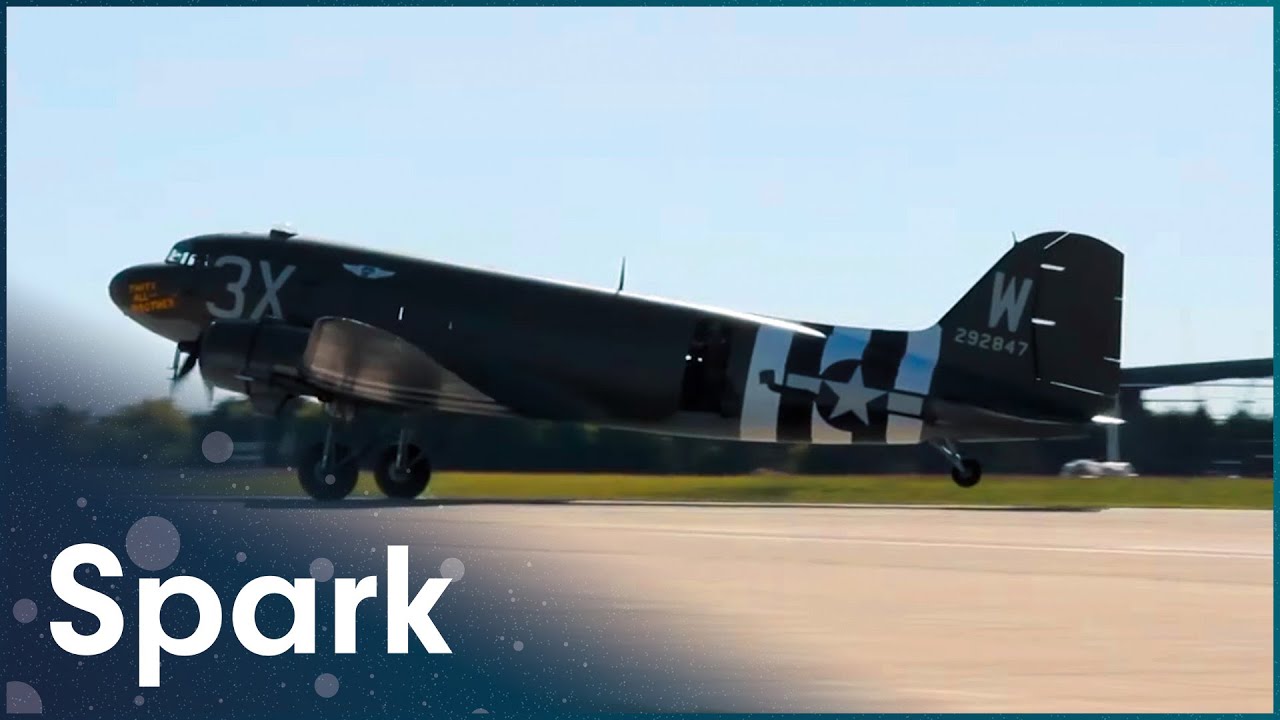
A C-47 Skytrain nicknamed 'That’s All, Brother' returns to the skies after restoration.
Several lesser-known Panzer models from World War II, produced in limited quantities, are examined for their historical significance and design features.
General Douglas MacArthur's promise to return to the Philippines after his 1942 evacuation culminated in the Allied liberation of the islands in 1944.
In 1942, key events such as the Japanese invasion across the Pacific and British bombing campaigns in Germany marked a pivotal shift in World War II.
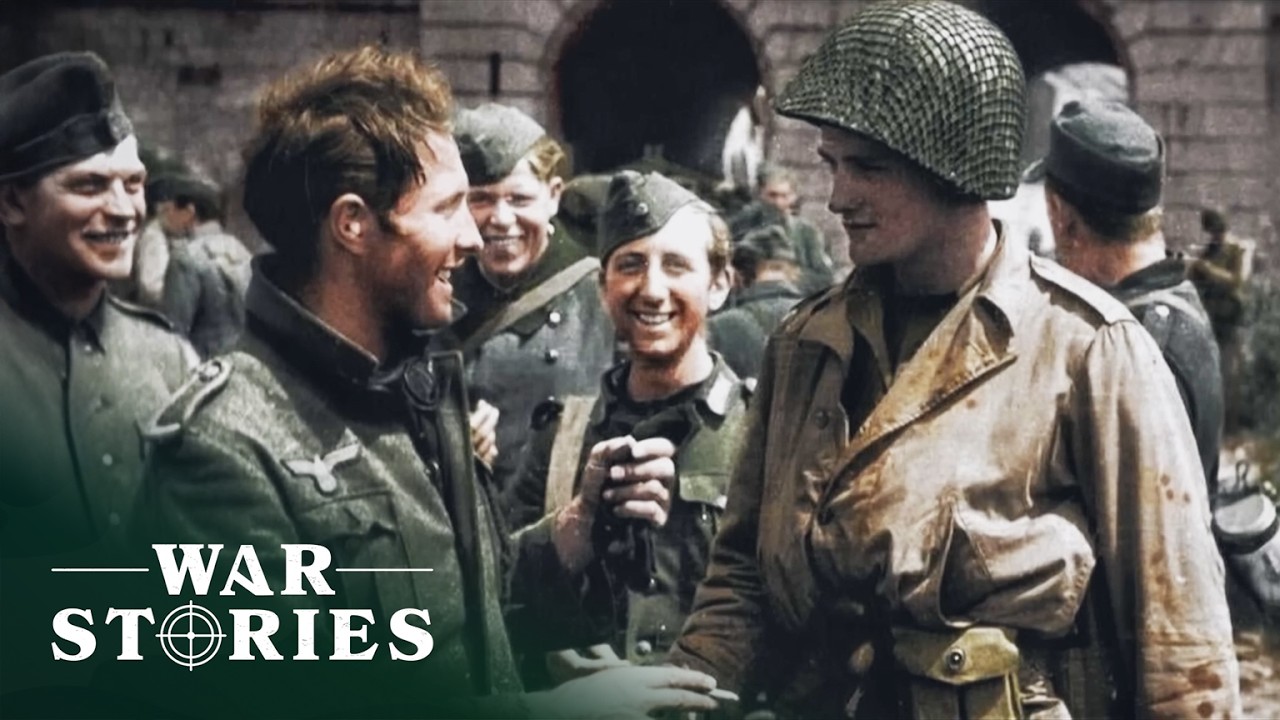
On May 5, 1945, American soldiers and defected Wehrmacht troops joined forces to defend Castle Itter in Austria against an SS attack, protecting French VIP prisoners.
On February 28, 1943, a nine-man team of Norwegian resistance fighters sabotaged the heavy water plant at VOR, crucial to Germany's nuclear ambitions.
During World War II, the French Resistance played a crucial role in opposing Nazi occupation, employing sabotage and intelligence operations to aid Allied forces.
On May 20, 1941, over 500 German transport planes carried the first wave of paratroopers to capture Crete, but local resistance turned the invasion into a disaster.
More than 500 tons of food were dropped over Holland on the first day of a temporary truce in late April 1945, as the war in Europe neared its end.
On July 27, 1943, a firestorm engulfed Hamburg, marking a shift in Allied bombing strategy that targeted civilian populations during World War II.
On June 6, 1944, 130,000 Allied soldiers occupied a strip of land between Cherbourg and Caen during the D-Day landings.
By July 1942, German troops were advancing into Stalingrad, while British forces prepared to counterattack at El Alamein under General Bernard Montgomery.
In 1941, America prepares for war as tensions rise before Pearl Harbor's attack.
Under the protection of the Hitler-Stalin pact, Adolf Hitler invades Poland, leading to the immediate declaration of war by Great Britain and France.
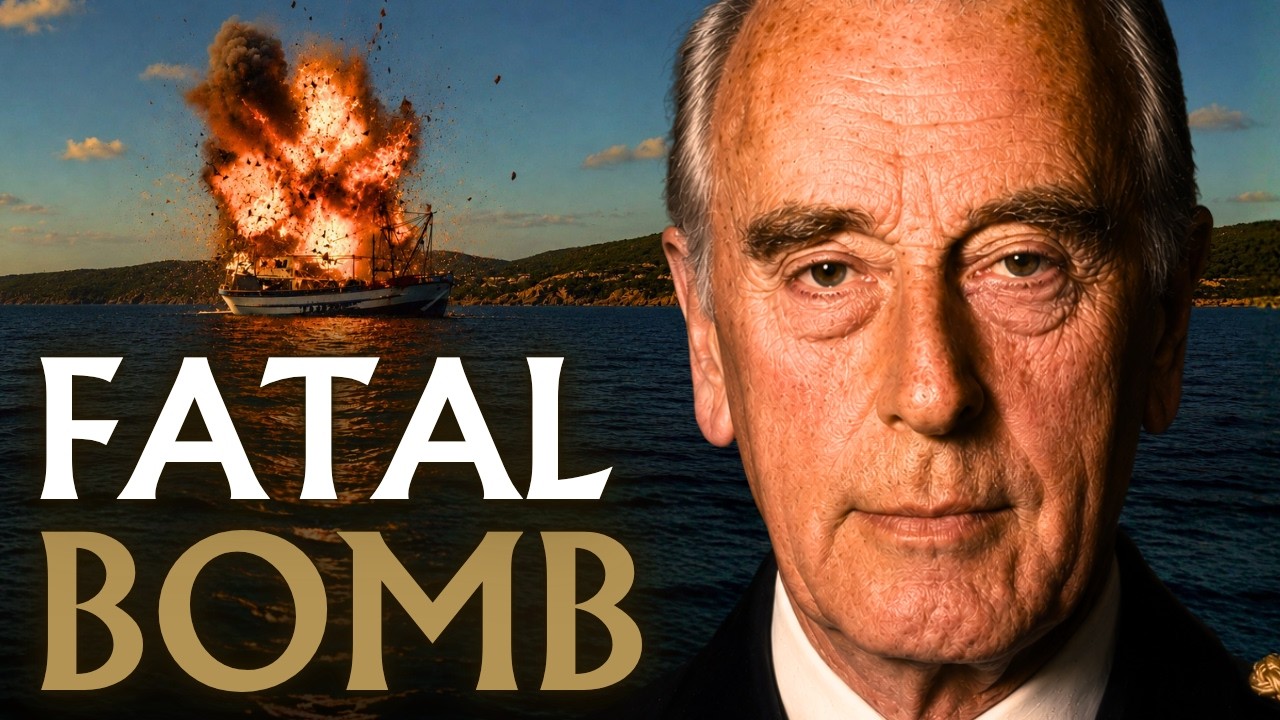
On August 27, 1979, an IRA bomb explosion off the coast of County Sligo kills Lord Mountbatten, a prominent member of the British royal family.
In 1942, United States Marines engage in intense combat on Guadalcanal to halt the advance of Japanese forces following the attack on Pearl Harbor.
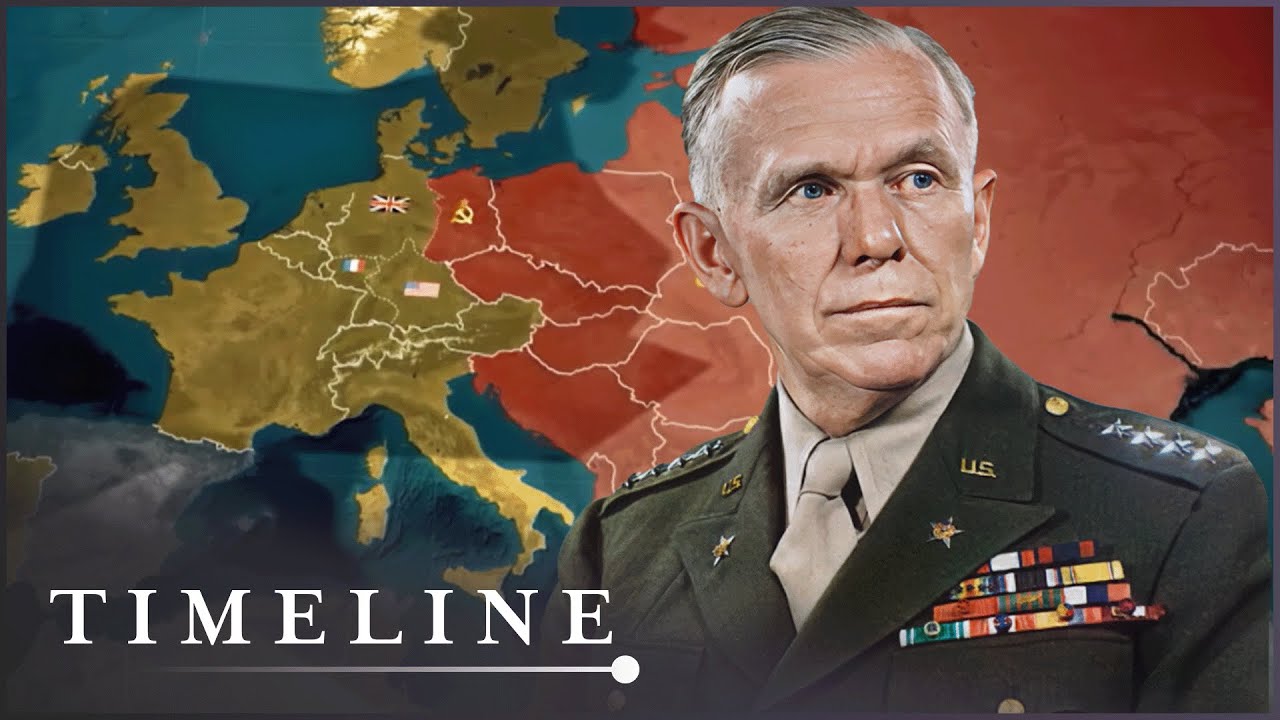
The Marshall Plan, initiated by the United States in 1948, aimed to rebuild Western European economies after World War II and is analyzed for its effectiveness.
Operation Market Garden, launched by Bernard Montgomery in September 1944, aimed to breach German defenses but ultimately resulted in a costly Allied defeat due to poor tactics and communication.
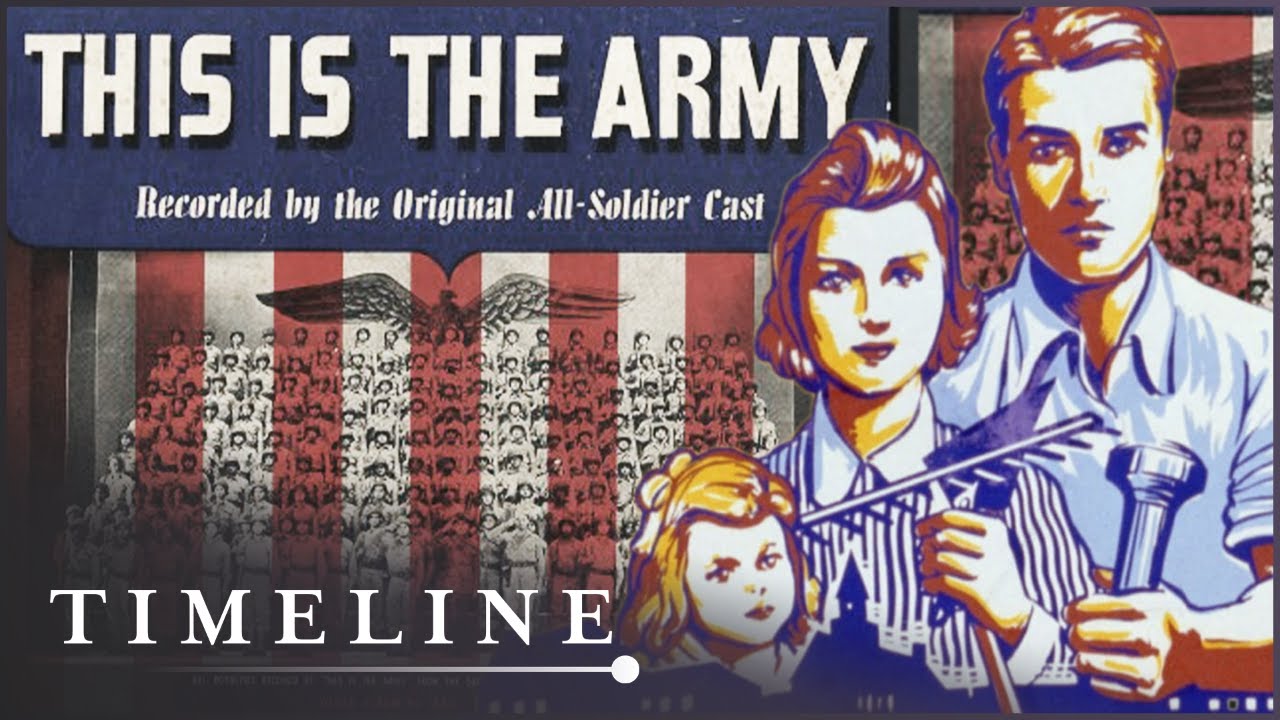
Civilians find hope and humor on the home front during WWII despite early cinema closures.
In 1942, the aftermath of Pearl Harbor catalyzed Japan's rapid conquests and Germany's U-boat campaign, while the United States mobilized its industrial power to shift the war's momentum.
On September 1, 1939, Germany invaded Poland, marking the beginning of World War II and prompting a global conflict that lasted six years.
After D-Day, the Allies advanced from the Normandy beachhead towards the Rhine, while the Red Army launched Operation Bagration in the East.
The D-Day landings on June 6, 1944, marked a significant turning point as Allied forces began their campaign to liberate France from Nazi occupation.
The D-Day landings on June 6, 1944, and the subsequent Battle of Normandy are chronicled through rare footage, highlighting key events and military strategies.
Captured by 150 army cameramen, the film features authentic footage from the Volga battlefield during the summer of 1942, amidst the Battle of Stalingrad.
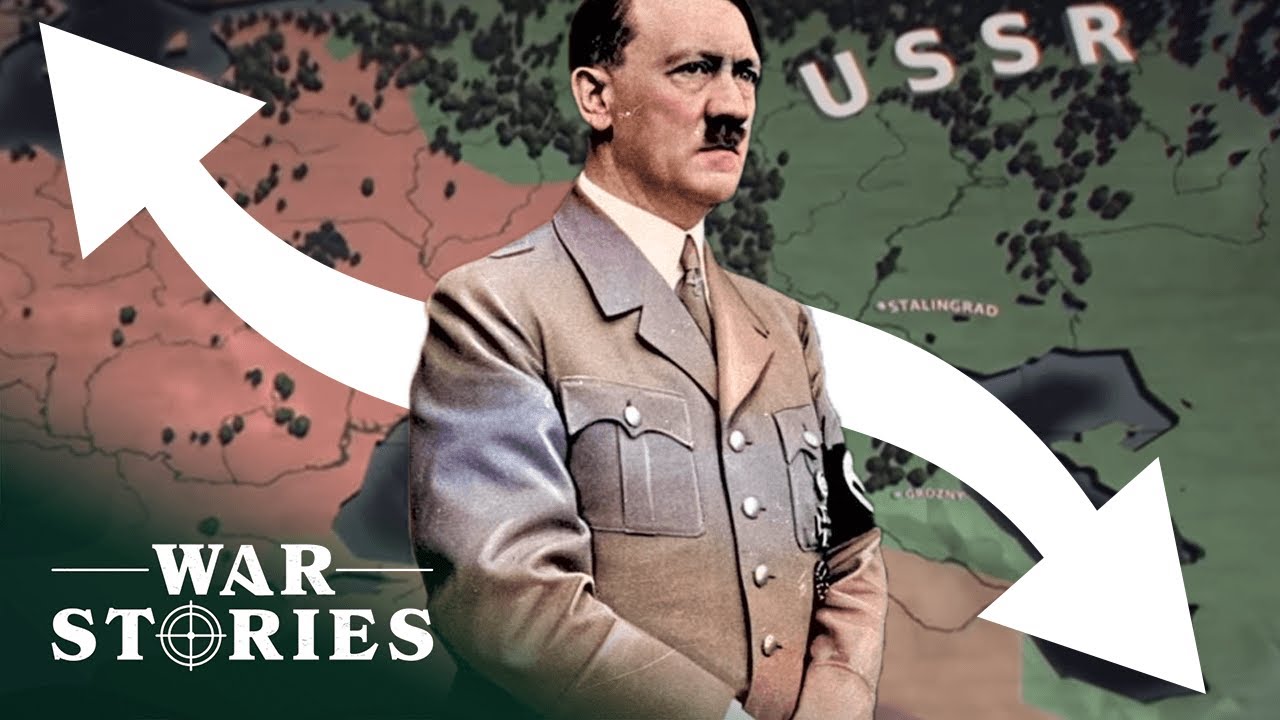
In 1942, Adolf Hitler's decision to split his forces between Stalingrad and the oil-rich cities of Maikop, Grozny, and Baku significantly impacted the Eastern Front.
More than 300,000 Allied soldiers were evacuated from the beaches of Dunkirk in a miraculous operation that boosted British morale during World War II.
7,000 people died in the defense of Malta during World War II, as the island faced intense bombing from the Axis powers.
The Battle of Kursk is the last major German offensive on the eastern front in WWII.
The tank battles at El Alamein featured commanders Bernard Montgomery and Erwin Rommel, significantly influencing the outcome of the North African Campaign in World War II.
In 1943, the Axis powers faced significant setbacks in World War II, marking a turning point that shifted the momentum towards the Allies.
The Battle of the Atlantic in 1941 marked a pivotal year in World War II, influenced by events in North Africa, the Balkans, and Operation Barbarossa.
The liberation of France from Nazi Germany during World War II highlights the strategic military campaigns of the Allied forces following D-Day.
London's resilience during World War II is examined through first-hand accounts and archival footage, highlighting the city's response to the relentless Blitz bombings.
The Allied victory at El Alamein marked a pivotal moment in World War II, showcasing the defeat of Erwin Rommel's German forces by Bernard Montgomery's troops.
Nearly 1,500 fires broke out in London during the second great fire of London, ignited by German bombers just days after Christmas 1940.
More than a million men and women died during the 872-day siege of Leningrad as Soviet forces resisted Nazi advances in World War II.
In autumn 1942, the Red Army faced Nazi Germany in Stalingrad, marking a pivotal and brutal confrontation in World War II.
Neutral Scandinavia faced significant threats during World War II as competing powers violated its sovereignty to control strategically vital territories.
Hitler's decision to split forces leads to disaster at Stalingrad in WWII.
In 1945, as British and American forces advanced into Germany and the Red Army pushed from the east, the final days of World War II unfolded amid complex geopolitical tensions.
Operation Blue marked a pivotal moment in World War II as the German Army's attempt to capture Stalingrad resulted in one of the deadliest battles in history.
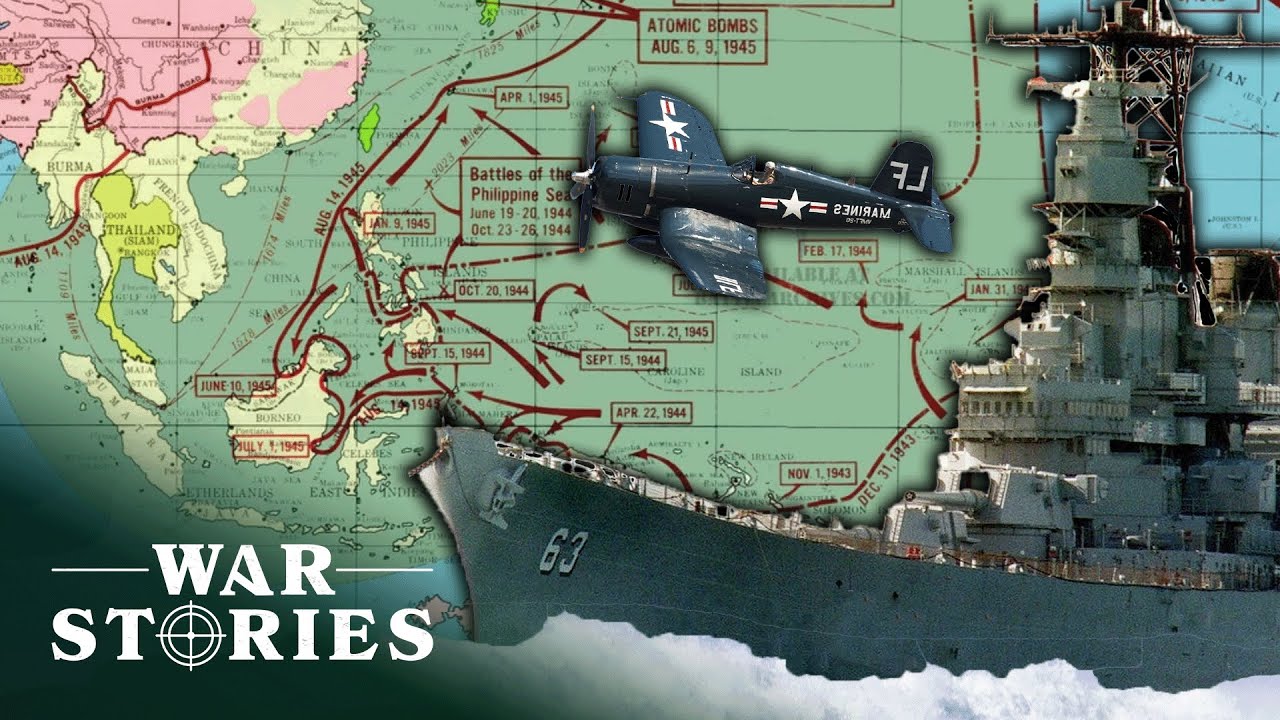
After Japan's attack on Pearl Harbor, the United States developed a strategic military plan to confront the Japanese empire's vast island territories during World War II.
Civilian life during World War II is examined through personal stories of the Blitz, evacuation challenges, and the political maneuvers that shaped the era.
Nearly 40,000 Italian soldiers were taken prisoner after a swift British counterattack in December 1940 during Italy's campaign in North Africa.
Hitler's ambition for naval supremacy is examined through the rise and fall of the Third Reich's advanced battleships in World War II.
Nine men in the Special Operations Executive played a crucial role in preventing Adolf Hitler from developing an atomic bomb during World War II.
Heinrich Himmler, the second most powerful figure in Nazi Germany, was responsible for the genocide of millions and the establishment of death camps.