From over 100,000 films, discover the handful you'll love.
Free or premium access to the world's largest documentary library.
1114 films(Page 15 of 24)
Germany could save up to 6.7 million tonnes of CO2 per year by implementing a speed limit of 120 km/h on its Autobahn.
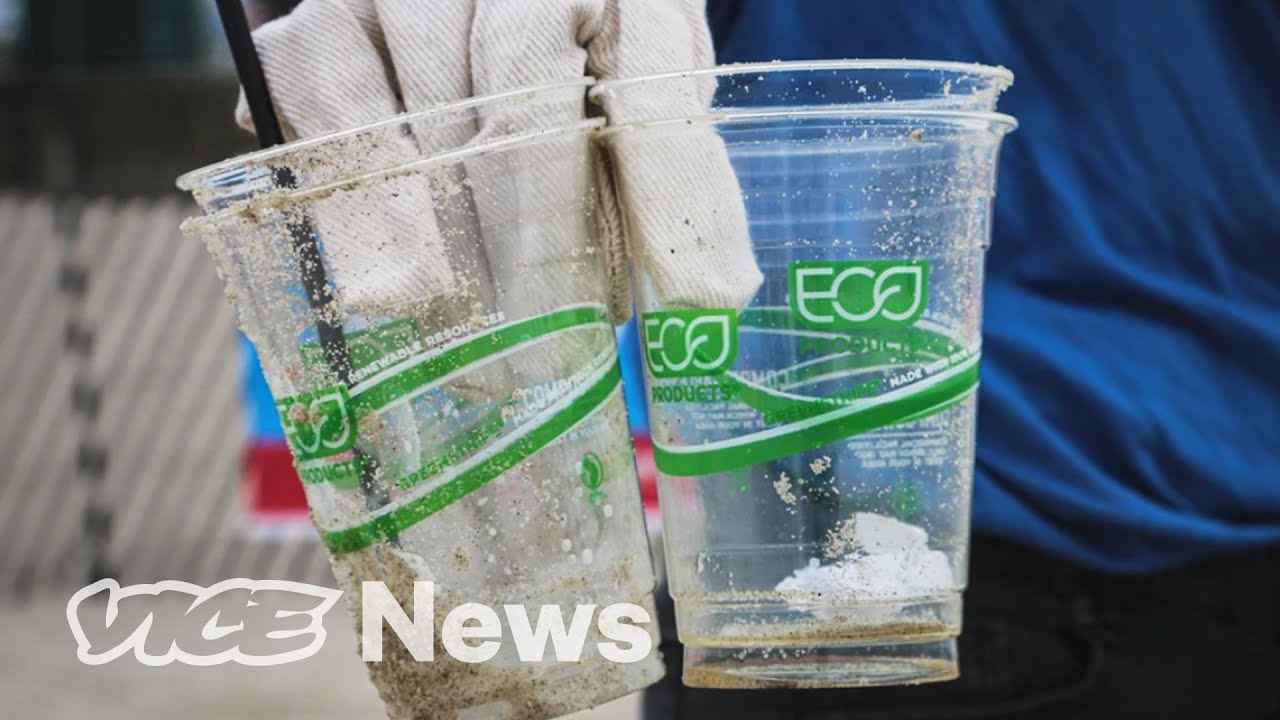
Roughly 40% of litter consists of single-use plastic, despite a European Union ban on many of these items since 2021.
Germans produced 38 kilograms of plastic packaging waste per person in 2016, significantly higher than the EU average of 24 kilograms.
This coming episode of Cosmic Journeys questions if Earth is unique in the galaxy.
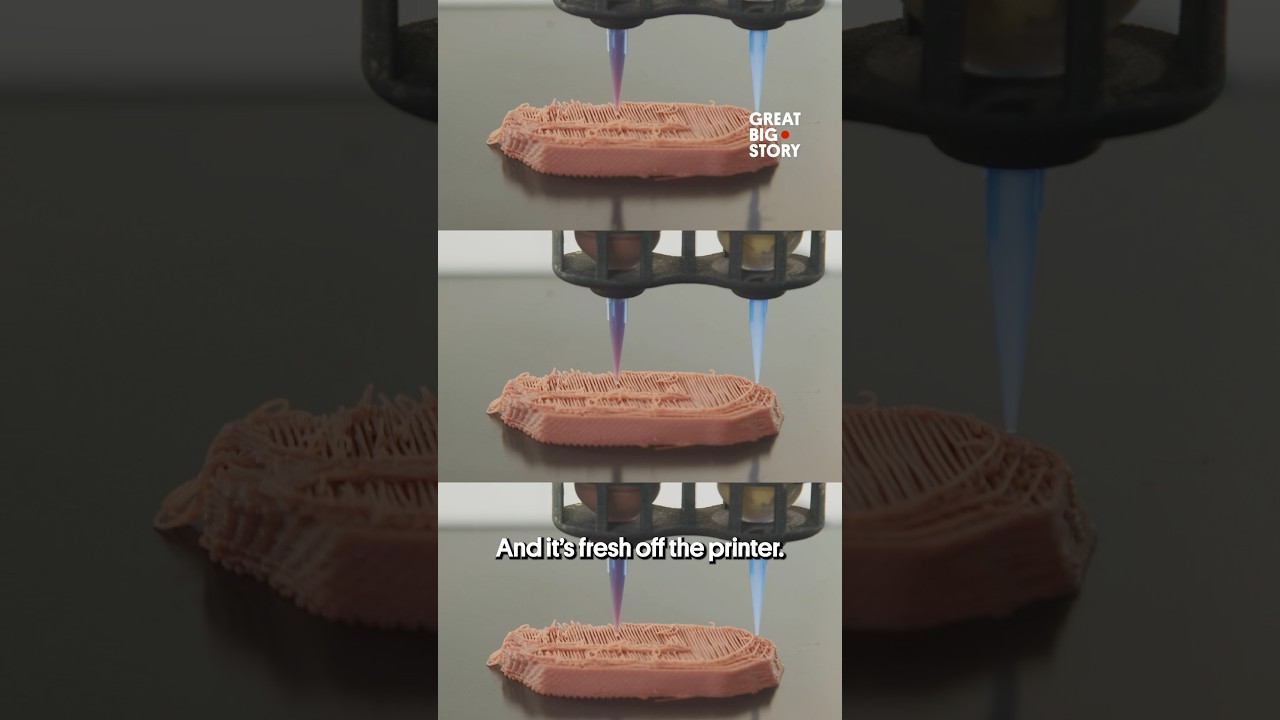
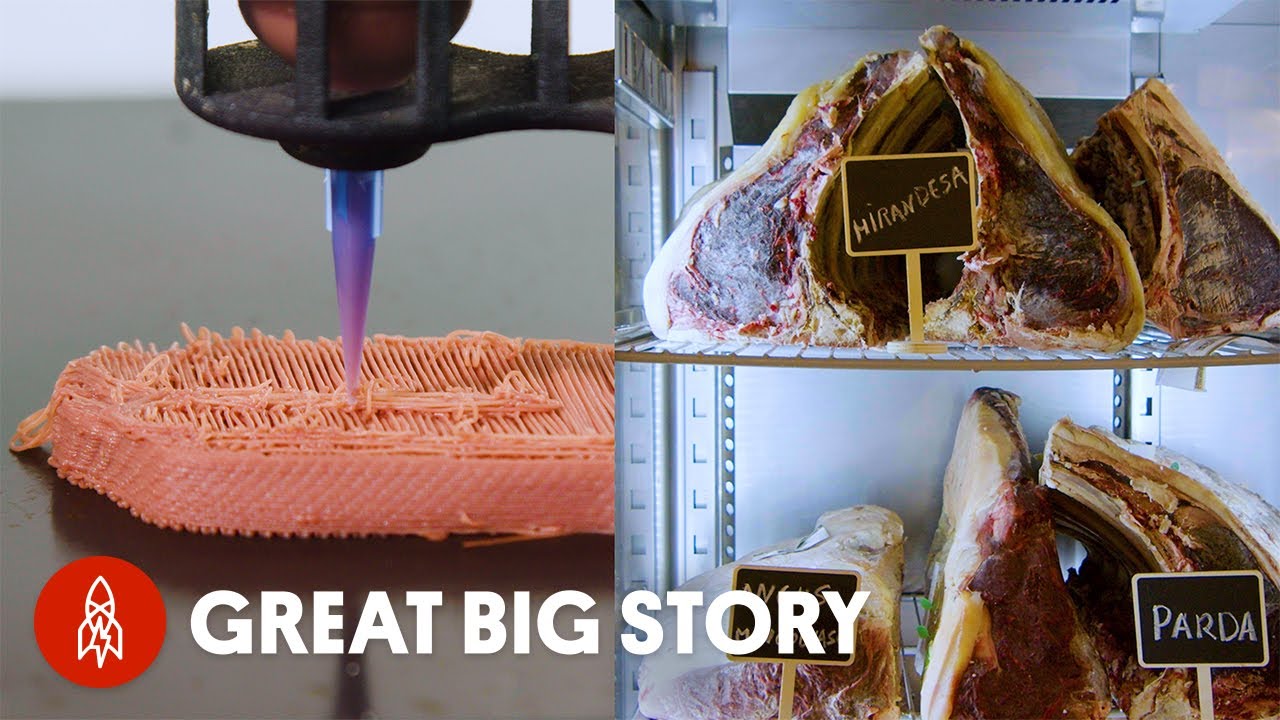
Josep Sanitjas and Giuseppe Scionti create 3D-printed meat at El Santuari near Barcelona.
Josep Sanitjas and Giuseppe Scionti create 3D printed vegan meat at El Santuari near Barcelona.
Shipping emits more CO2 than all coal plants in the U.S., yet the industry pays no taxes on its fossil fuel use.
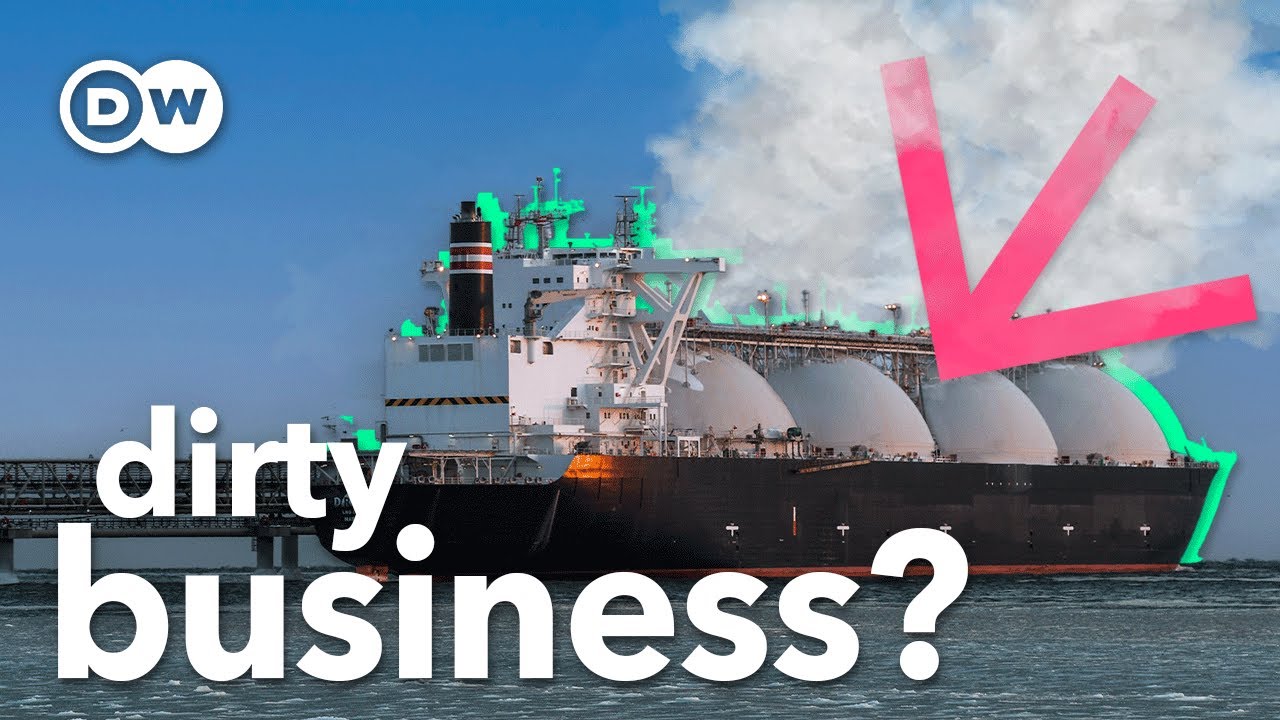
More than 600 tankers currently transport liquefied natural gas (LNG) worldwide, as demand surges amid geopolitical tensions and energy crises.
Columbia University has logged more than 100 efforts by the Trump administration to scale back federal climate measures since January 2025.
Astronauts recycle urine into drinking water in America's Secret Space Heroes series.
A quarter of a million tons of nuclear waste are stored worldwide, with Finland's Onkalo facility set to begin operations in the next few years.
Rare Earths Norway plans to extract 10,000 meters of core samples from the Fen deposit, which contains Europe's largest known source of rare earth elements.
Meet Arina Shokouhi, who creates the ecovado, an alternative avocado for sustainability.
Safa Ezel Kaya protects Bukavu Bay in the Mediterranean from illegal fishing activities.
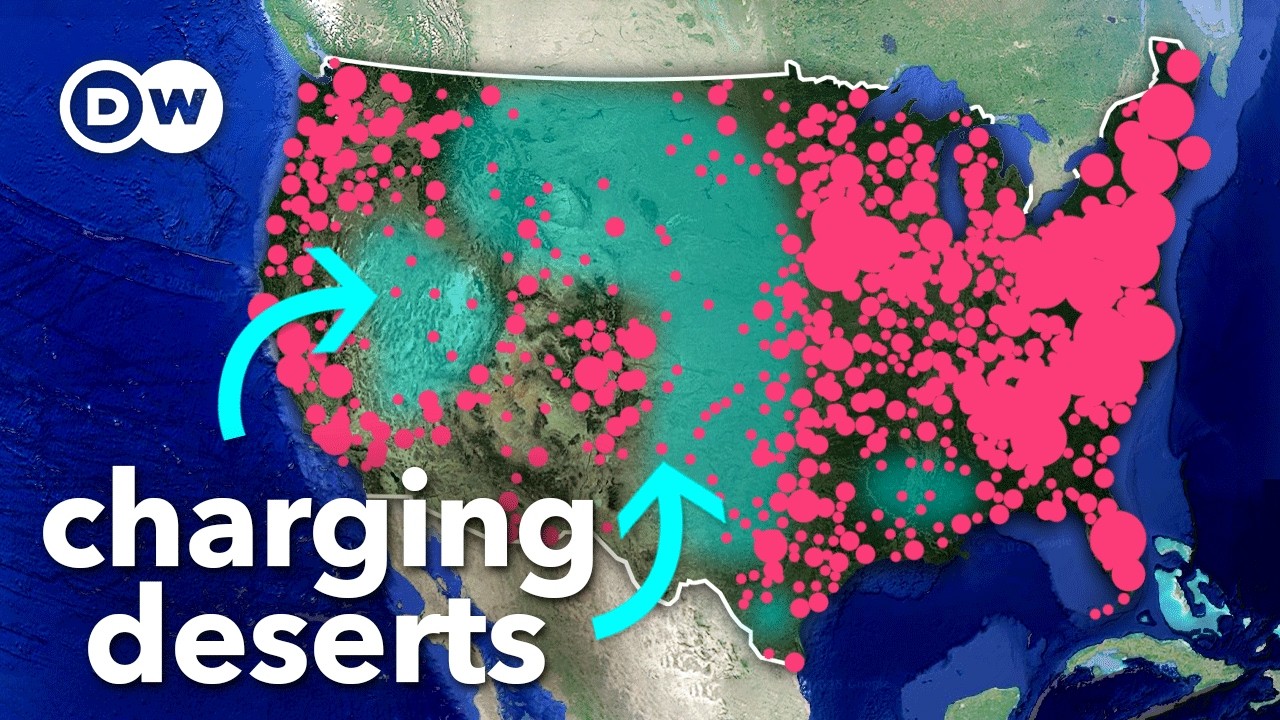
One in five public charging stations in the U.S. do not work, creating significant barriers for electric vehicle users, especially in rural areas.
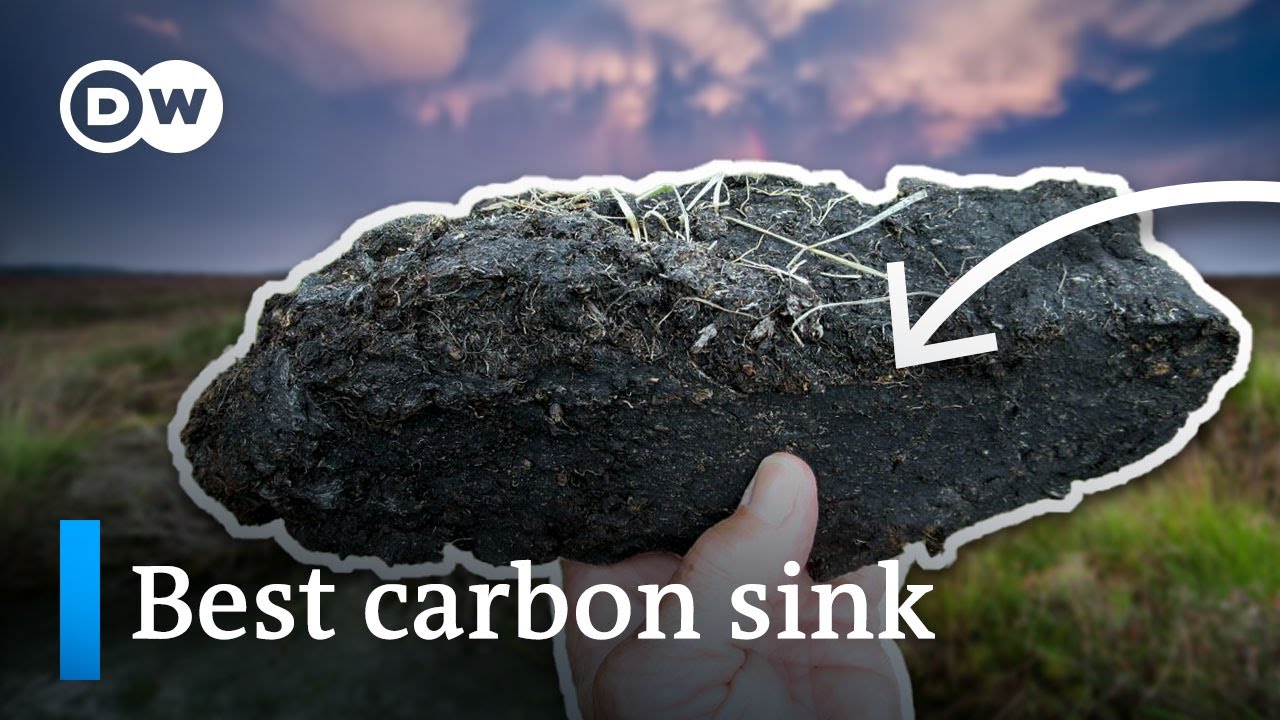
300,000 square kilometers of cropland worldwide need rewetting to reduce greenhouse gas emissions from damaged peatlands.
30 million pounds of trash are targeted for removal from the ocean by a robot and a team of volunteers in a competition against time.
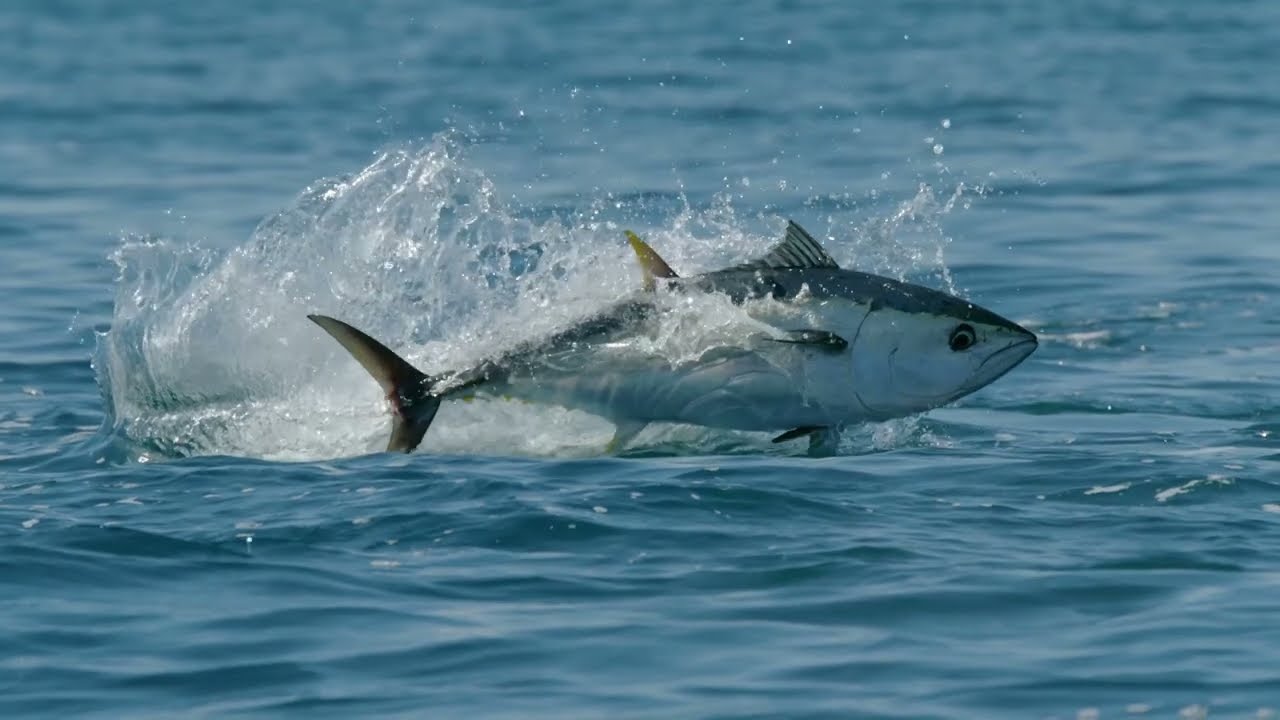
Bluefin tuna can reach over 800 pounds and 10 feet in length by the age of 20, preying on schools of anchovies in open water.
Artisan builders at Uhuru furniture workshop in Brooklyn use reclaimed bourbon barrels and Coney Island boardwalk wood to create unique furniture pieces.
Vaping is marketed as a safer alternative but raises concerns about hidden dangers.
Vienna's initiative to reclaim urban space from parked cars aims to address the city's parking problem and enhance its climate strategy.
Arcadia creates Glastonbury's Spider and Dragonfly stages, founded by Bertie Cole and Pip Rush.
Landfills, responsible for nearly 40% of global waste and significant methane emissions, require innovative solutions like waste segregation and composting to mitigate their environmental impact.
Solar power capacity has tripled globally in the last five years, yet many high-potential regions still lack adequate solar installations.
Ultra-processed foods, like chips, are designed with a specific blend of fat, sugar, and salt that influences cravings and contrasts sharply with ancestral diets.
In Moldova, second-hand shop owner Ludmila reveals that 45% of clothes from recycling bins end up in landfills, challenging the effectiveness of clothing recycling.
A 1972 report from the Massachusetts Institute of Technology warned that civilization could collapse by 2072 unless economic growth was curbed.
In Västerås, Sweden, a former Cold War oil storage cave has been transformed by the local energy company into a heated water reservoir for district heating.
Candela, a Stockholm-based company, is revolutionizing maritime transport with fully-electric hydrofoil ferries that glide above the water's surface.
Aviation accounts for around 3% of global emissions, a figure projected to rise to over 24% by 2050 without significant changes in technology.
New bike lanes in cities around the world aim to reduce car reliance amid the climate crisis.
Major polluting companies are increasingly relying on carbon offsets to meet climate pledges, raising questions about the legitimacy and effectiveness of these practices.
The video highlights conscious consumerism and its impact on purchasing decisions.
400,000 metric tons of waste are processed annually at a garbage incineration plant in Copenhagen, generating energy and heat for the city.
Roughly one-third of offices are vacant in San Francisco, a city facing a severe housing crisis and exploring the conversion of these spaces into homes.
By 2050, projections indicate that 70 percent of humanity will live in cities, many in informal settlements like those in Medellín, Colombia.
Ridership in Tallinn dropped from 42% to 30% after the introduction of free public transport, while car use increased by 5%.
Jakarta is sinking at a rate of up to 25 centimeters a year, prompting Indonesia to build a new capital city called Nusantara on Borneo.
Lake Mead, an important byproduct of Hoover Dam, supports Clark County's growth and ecology.
With 60% of the global population expected to reside in cities by 2030, the building industry faces urgent challenges in adopting sustainable practices.
Lithium is so valuable that it is referred to as 'white gold', essential for powering devices and transitioning away from fossil fuels.
Hemp cultivation began 12,000 years ago in China, providing food, oil, and textiles before facing decades of prohibition and misinformation.
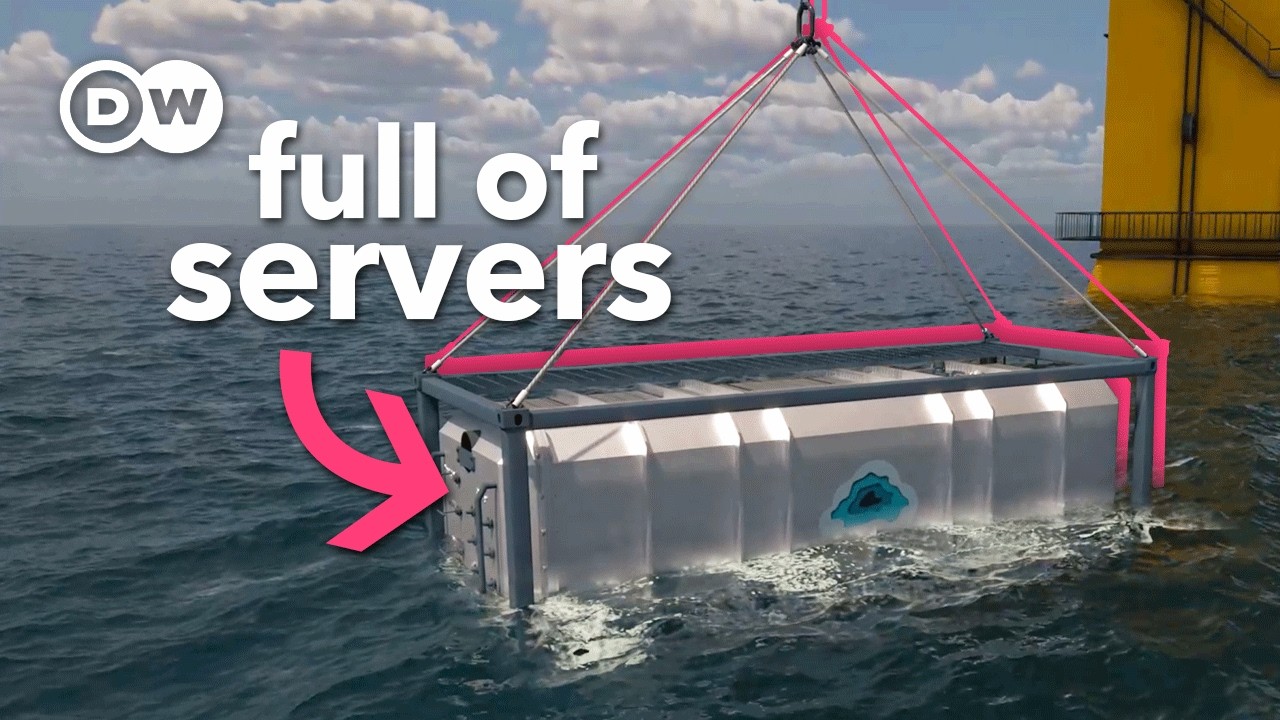
OpenAI's GPT-5 model consumes enough electricity for a three watt LED light bulb for 20 minutes and less than a teaspoon of water per prompt.
Roughly a quarter of global energy-related carbon emissions are linked to transport, yet tech billionaires' solutions often fail to address real issues.
The Green New Deal aims to tackle climate change and economic inequality in America and the UK.
Sous chef Megane and Head Sommelier Maxime Resse manage Huset in the Arctic's Svalbard region.
A controlled forest fire in Jasper National Park promotes ecosystem health and prevents emergencies.
Half of all industrial greenhouse gas emissions since the industrial revolution come from the fossil fuel industry, raising questions about the role of natural gas.