From over 100,000 films, discover the handful you'll love.
Free or premium access to the world's largest documentary library.
1116 films(Page 7 of 24)
Tubbataha Park in the Philippine Archipelago is highlighted for its exceptional coral reef preservation, featuring Prince Albert II's efforts in marine conservation and turtle research.
Manolo, a resident of Southern Spain, plans a challenging 2,200-mile trek along the Trail of Tears with his donkey Gorrión despite health concerns.
Murray Fisher discusses his conservation efforts in New York waterways, highlighting the Billion Oyster Project and the importance of youth engagement in ecological restoration.
In the Karamoja region of northeastern Uganda, the Karamajong people face existential threats to their nomadic cattle herding lifestyle due to climate change and political neglect.
Researchers in the Netherlands use Martian soil to grow crops for Earth and space research.
Monteviasco, a remote Italian village with only five residents since the cable car's closure in 2018, faces challenges of isolation and community survival.
Between 1980 and 2045, the planet is projected to lose more species of plants and animals than in the last 65 million years.
Peter Kalmus reduced his fossil fuel use to one-tenth of the average American, prompting a personal and societal examination of climate action.
A group of thinkers and students reimagine the abandoned Milan Expo site as a platform to address contemporary challenges in a global village.
A 1998 Mercedes E300 diesel is transformed into a high-performance electric vehicle by the Speed Freaks, exploring modern technologies in automotive engineering.
Private island ownership in Europe presents unique challenges and costs, from environmental protection to maintenance, revealing the realities behind this lifestyle.
Samantha Bode backpacks the 338-mile length of the Los Angeles Aqueduct, revealing the challenges of water access in the region.
In Kamouraska, Quebec, Patrice Fortier cultivates rare plant seeds at La société des plants, promoting biodiversity and heritage through his seed bank.
A group of Maine dairy farmers collaborates to establish a milk company, facing the risks and challenges that could determine their business's future.
The manufacturing process of giant wind turbines is explored, detailing the assembly of components and logistics involved in delivering renewable energy solutions.
British Columbia's diverse landscapes are showcased from above, featuring iconic locations such as Victoria, Whistler, and Mount Robson.
Amsterdam's cycling infrastructure, contributing approximately €19 billion annually to the economy, exemplifies a strategic response to urban space limitations and environmental challenges.
Wildlife habitat loss, environmental destruction, and climate change are examined through insights from experts like Prof. Paul Ehrlich and Sofia Pineda Ochoa.
Cocoa producers in Ghana face challenges from global warming, illegal mining, and pest infestations, prompting innovative solutions for a sustainable chocolate industry.
New England faces significant climate challenges, as highlighted by experts like David Hughes and Susanne Moser, emphasizing urgent environmental and social issues.
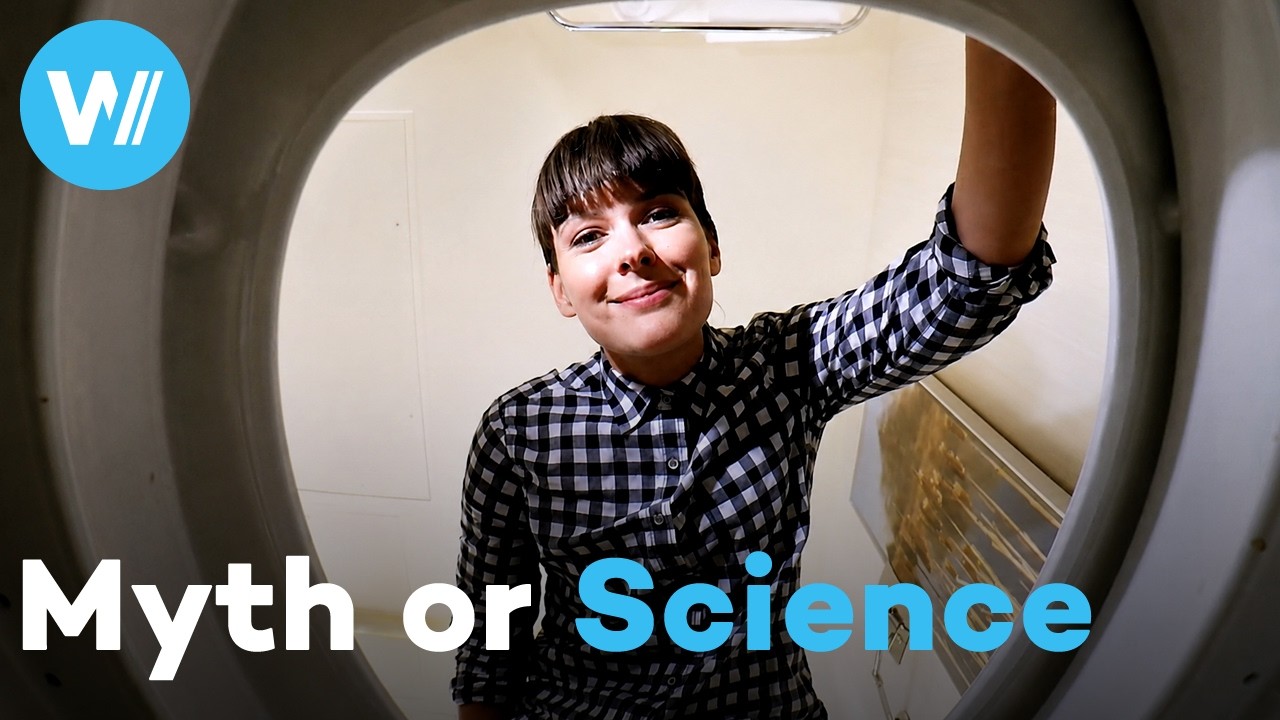
Microbiologist Jennifer Gardy examines the scientific significance of feces, revealing its potential insights into health, environmental monitoring, and sustainable technology.
Inle Lake, a vital ecosystem in Myanmar, faces ecological threats from modern agricultural practices as local farmers use pesticides and fertilizers on floating gardens.
Pierre Girard investigates how integrating cows and sheep into sustainable agriculture can enhance crop yields and reduce carbon emissions in farming practices.
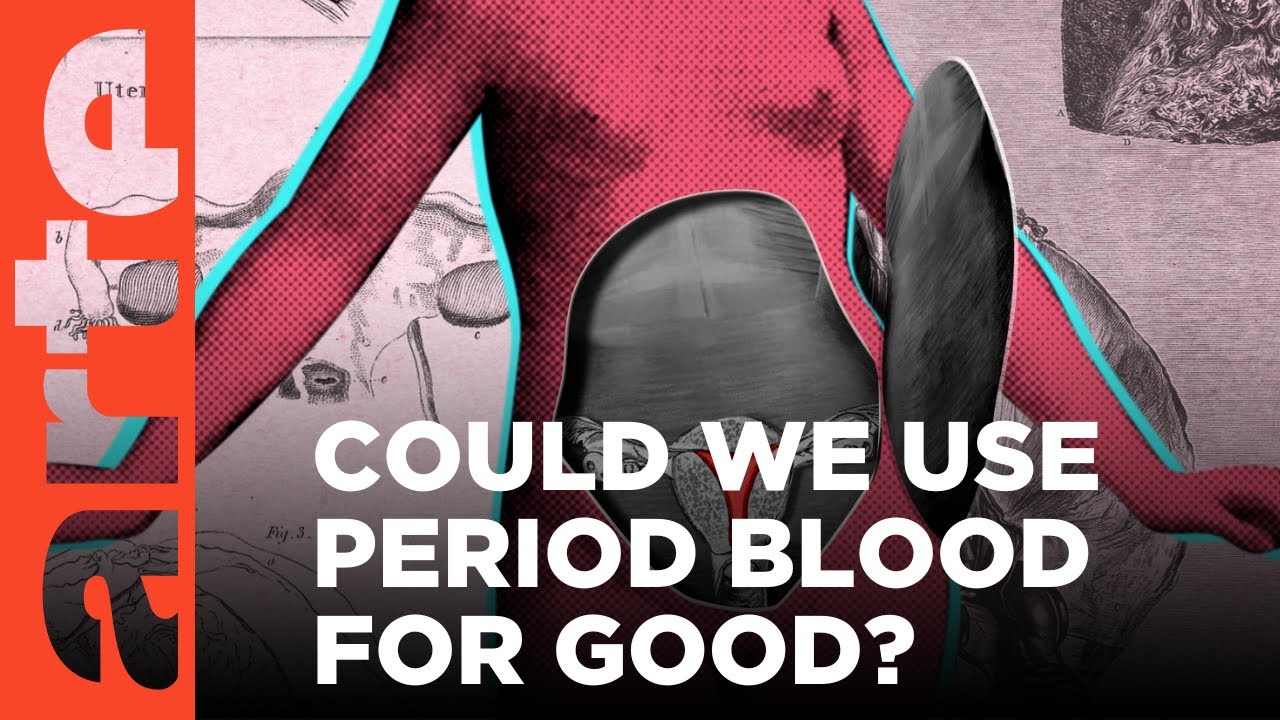
Menstrual blood, totaling approximately 100 million litres disposed of monthly, is explored for its potential uses in regenerative medicine and sustainable agriculture.
Lake Lure, NC features Nick Kessler and Brian Fulmer as they explore Chimney Rock State Park, dine at Medina’s Village Bistro, and cruise the lake made famous by Dirty Dancing.
Lake Garda, shaped by ancient glaciers and human ambition, features prehistoric ruins, medieval castles, and a unique blend of alpine and Mediterranean environments.
A new Space Renaissance is emerging, driven by private companies like Rocket Lab and Exolaunch, as they create a trillion-dollar off-world industry.
In Texas, the Ogallala Aquifer faces severe depletion, prompting conflicts among farmers and communities reliant on its vital water resources.
In remote industrial sites, isolated workers contribute to the relentless cycle of production and consumption that fuels modern consumerism.
Pete Seeger reflects on his pivotal role in launching the Hudson River Sloop Clearwater project, aimed at cleaning up New York's Hudson River through grassroots activism.
1920 acres of farmland in British Columbia's Peace River Valley face threats from development, prompting concerns from women farmers about future food production.
In West Africa, illegal fishing threatens marine life, while in Thailand and Haiti, activists like Andrew Hewett and David Katz implement innovative solutions to combat climate change and plastic pollution.
Marilyn Waring advocates for valuing clean air, water, and ecosystems in New Zealand, drawing on the insights of local farmers and Māori traditions.
Traditional jewellery production's environmental and social impacts are examined, highlighting sustainable practices in Germany and Sri Lanka, including fair-trade gemstones.
Bow makers in Brazil face a critical challenge as the endangered Pernambuco wood, essential for crafting high-quality musical instrument bows, becomes increasingly scarce.
Nine artisans on Gabriola Island create handmade goods, expressing their dedication to craft and community while opposing mass production.
Crete, Greece's largest island and the birthplace of the Mediterranean Diet, is explored through the lens of lifestyle journalist Cynthia Daddona and host James Stathis.
A family traveled to ten countries over five years to examine how different cultures perceive and interact with wilderness and wild nature.
In Malawi's Phirilongwe mountains, American pastor Kurt Dahlin leads a community effort to build a road that will enable access to clean drinking water.
Extinction rates are now comparable to those of the greatest mass extinction in Earth's history, driven by human activity and environmental impact.
Brattleboro, Vermont, serves as the backdrop for Brian and Nick's culinary exploration of a farm-to-table restaurant, local BBQ, and cross-state beer tasting.
Refurbished wind turbines are reshaping Europe's renewable energy landscape, as companies like Nordex and Siemens Gamesa repurpose older models to meet sustainability goals.
In the foothills of the Appalachians, Dr. Billy Campbell advocates for green burials as a means to fund land conservation and establish wildlife preserves.
Intensively farmed salmon in Norway's fjords faces a crisis as an outbreak of sea lice threatens both farmed and wild fish populations, prompting collaboration between scientists and anglers.
In the Pamir mountains, three friends on bamboo bicycles engage with local communities that are revitalizing traditional craftsmanship amid crisis.
Amboseli National Park, home to over 50 mammal species, faces increasing threats from human encroachment and climate change, impacting wildlife and local farmers.
Twice a week, the imara people travel to La Paz to sell traditional crafts, facing challenges in a changing economy.
Marine biologist David Ainsley and campaigner Rachel Mulrenan investigate the impact of overfishing and salmon farming on Scotland's coastal biodiversity.