From over 100,000 films, discover the handful you'll love.
Free or premium access to the world's largest documentary library.
1114 films(Page 16 of 24)
Around 150 grams of sulfur are found in the human body, yet its toxic emissions from fossil fuels contribute to millions of deaths each year.
By 2050, the world will need to feed 10 billion people, and insects may provide a sustainable protein source to help meet this demand.
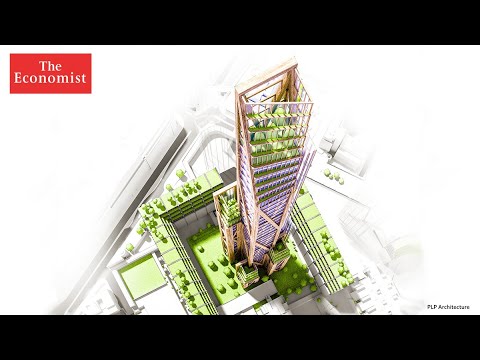
Wooden skyscrapers offer an innovative solution to urbanisation and carbon footprint issues.
Less than 9% of all plastic ever produced has been recycled, revealing the failures of the global plastic waste management system.
Lydia, a soil microbiologist in Tucson, engages with fellow runner Alfred Urbina to address environmental damage from mining and its impact on Native communities.
Eddie Jones discusses Addie's unique composting and fruit cultivation at 40 degrees south.
A West African man travels from Senegal to South America, Europe, and East Africa, exploring innovative waste management solutions and community practices.
10% of Australia's emissions come from the beef industry, which a gay farmer in rural Australia seeks to reduce through innovative cattle practices.
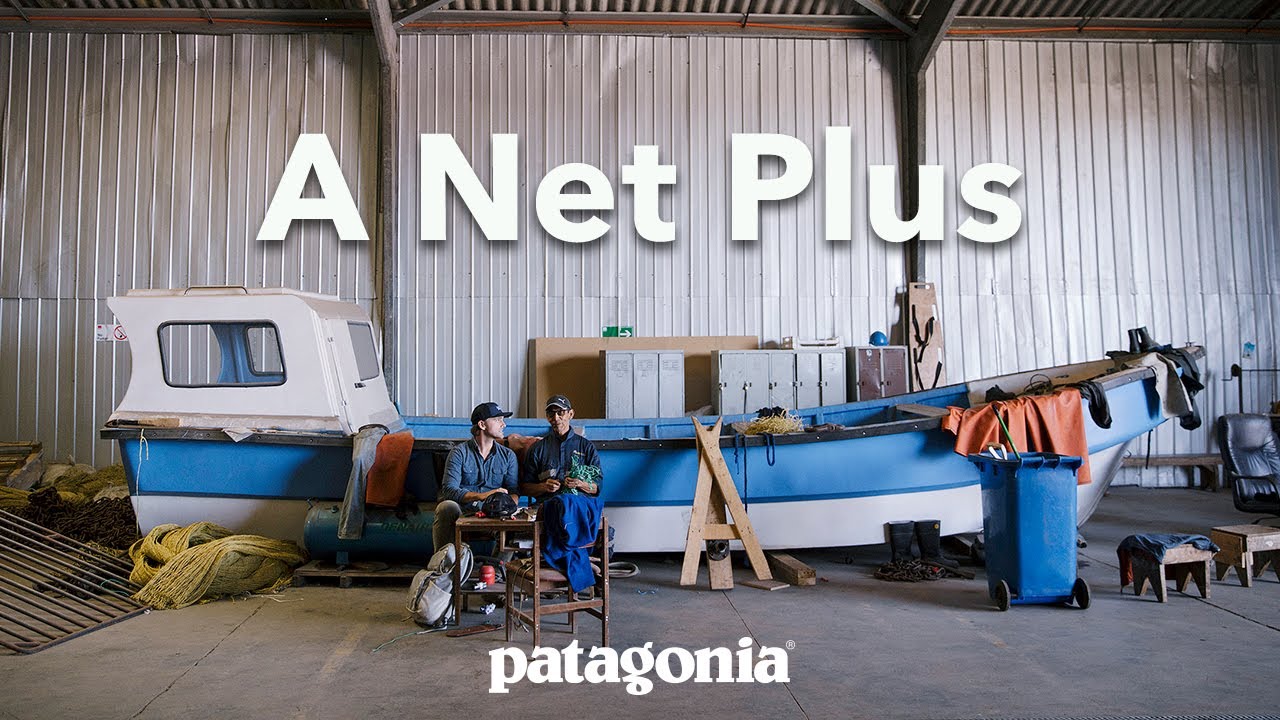
Barea aims to keep over 70,000 pounds of discarded fishing nets out of landfills and oceans by transforming them into products like hats and surf fins.
Seneca Lake reaches a depth of over 600 feet, as local residents voice concerns about a proposal to store natural gas beneath its surface.
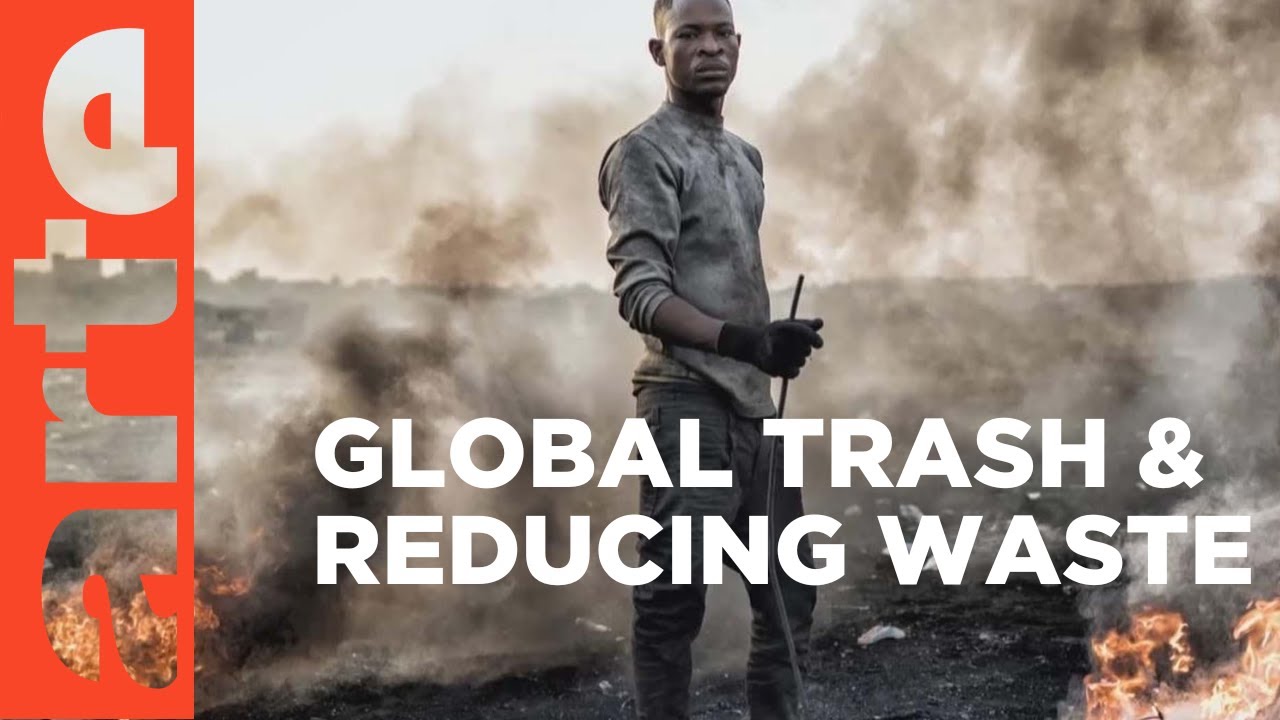
Humans generate approximately 2 billion tons of waste annually, with only 16% recycled, highlighting urgent challenges in waste management and sustainability.
A team of researchers has engineered an enzyme capable of breaking down plastic waste, offering a potential solution to the global plastic pollution crisis.
In the Central African Republic, Baka Pygmies construct the 'mongulu' shelters using local materials like marantaceae leaves and young stems.
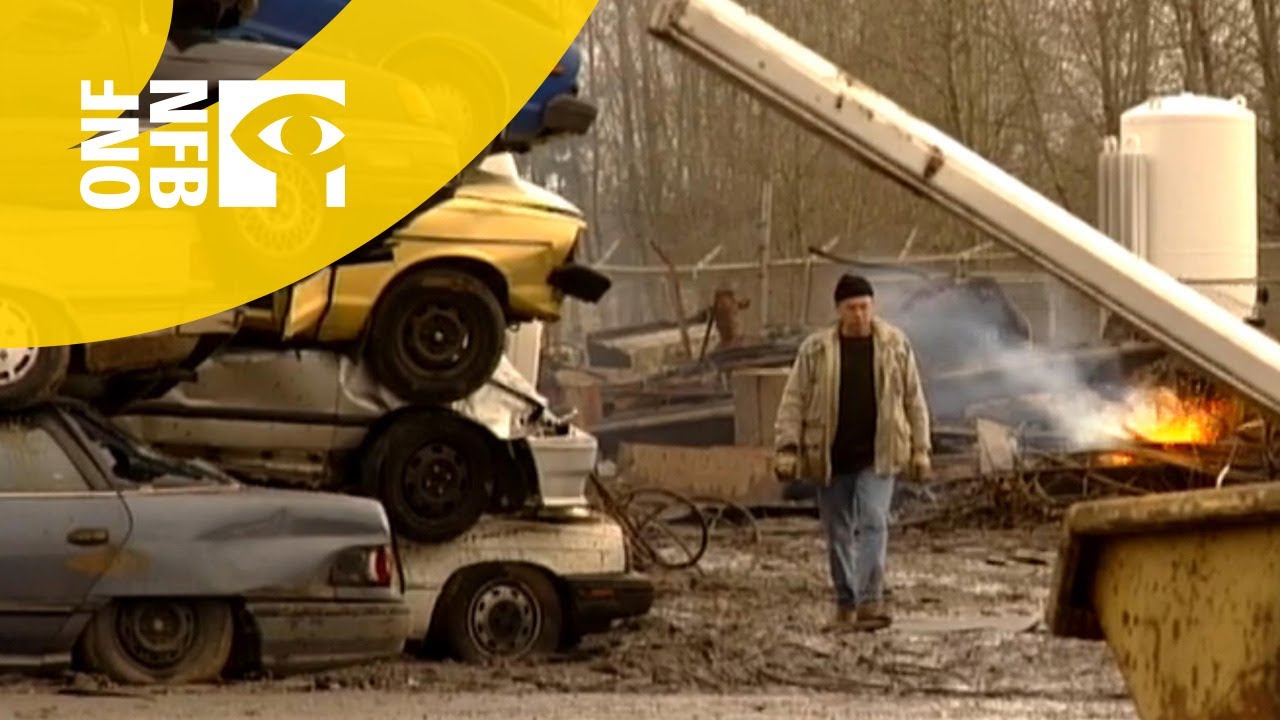
Alain Dubreuil transforms discarded items into imaginative creations while searching for new spaces to house his artistic vision as authorities threaten his current projects.
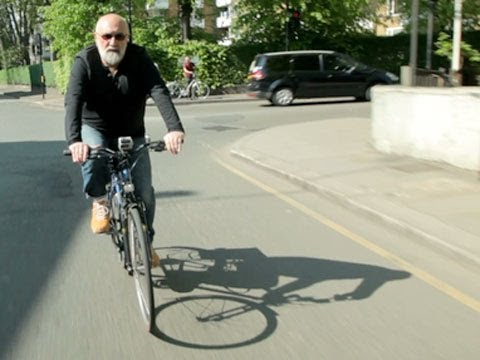
Alexei Sayle shares his experiences and insights on cycling in London, highlighting its advantages over car travel and promoting urban engagement.
A local farm family learns how to reclaim unproductive land and improve their income through cooperative farming efforts in Alabama.
A survivalist builds an earth shelter using clay in Season 9 of Alone on The HISTORY Channel.
Fifty contestants compete in the Miss Earth USA pageant, where environmental advocacy and personal challenges intersect in Orlando, Florida.
The Raneys build an automated homestead for a firefighting couple in Alaska.
In Silicon Valley, billionaires invest in luxury bunkers while individuals like Jim Couturier prepare for apocalyptic scenarios amid cultural stigma surrounding preppers.
Artificial intelligence is often viewed negatively, yet this exploration highlights its positive impacts and potential benefits in various fields.
Auroville's community, founded in 1968, now includes around 2,000 residents who practice sustainable living and reject property ownership.
The population of Maripasula has nearly doubled from 5,500 in 2010 to 9,700 today, intensifying the pressure on local agricultural practices and forest resources.
Harold Bate produces methane gas from a mixture of pig manure, poultry manure, straw, and water, powering his car with this sustainable fuel source.
Lithium ion battery recycling is examined in relation to the environmental challenges posed by the impending battery revolution.
At 10,000 feet, Bear Grylls parachutes into a remote area of the Malaysian wilderness to demonstrate survival techniques on uninhabited islands.
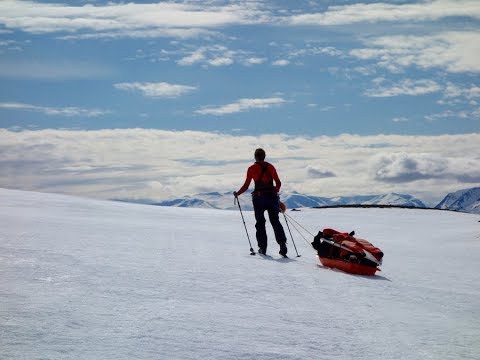
French Polar Explorer Vincent Colliard and Surfer Léa Brassy undertake a week-long ski expedition in Northern Iceland, seeking remote waves to surf.
An estimated 3,000 to 10,000 Eastern Europeans sleep rough on the streets of Berlin, as local authorities struggle to address the growing crisis.
In 1999, Bhutan became the first country to prioritize Gross National Happiness over Gross Domestic Product as a measure of national success.
Hamburg's eco buildings feature Passivhaus designs and a bio-reactive algae facade.
The Great Planes' ecosystem relies on Buffalo, which are vital for preserving grasslands.
The Coconut School in Cambodia utilizes discarded packaging to construct educational facilities while promoting environmental awareness among students.
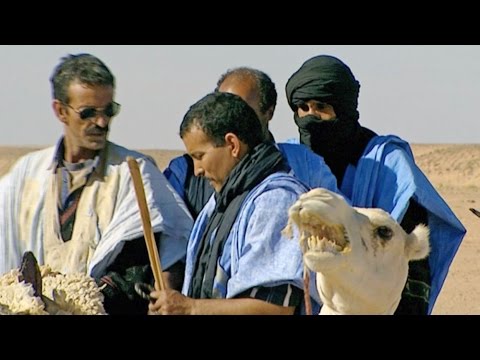
Nomads in the Sahara efficiently slaughter camels for very special occasions and delicacies.
Kansai Airport, built on a man-made island, sank 27 feet by March 1990, prompting urgent engineering solutions to address its instability.
Arrival has set up one microfactory in the UK and two others in the US, aiming to produce 10,000 vehicles a year within six months.
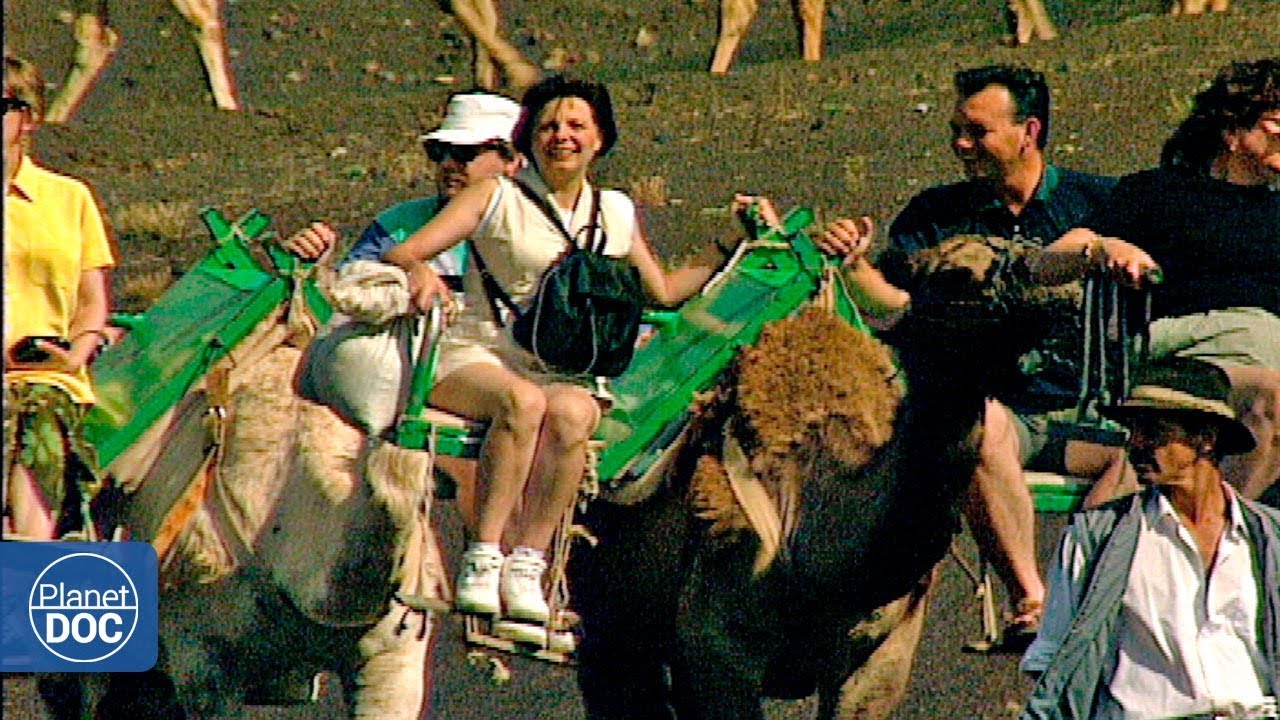
Eighteen eruptions have occurred in the Canary Islands over the last 500 years, shaping the land and creating unique ecosystems.
Anthony helps RV enthusiasts navigate the overwhelming choices of drivables, while John explores the concept of boondocking, living off the grid.
A family in Berlin aims to reduce their carbon footprint by 56 percent over one year, participating in a project with 90 other households.
Eight minutes of footage captures the narrator's reflections on the simplicity of life in the Alps, including memories of building snow caves in childhood.
On October 7, 1842, George and Rebecca Latimer arrive in Boston, where they hope to live free after escaping slavery in Virginia.
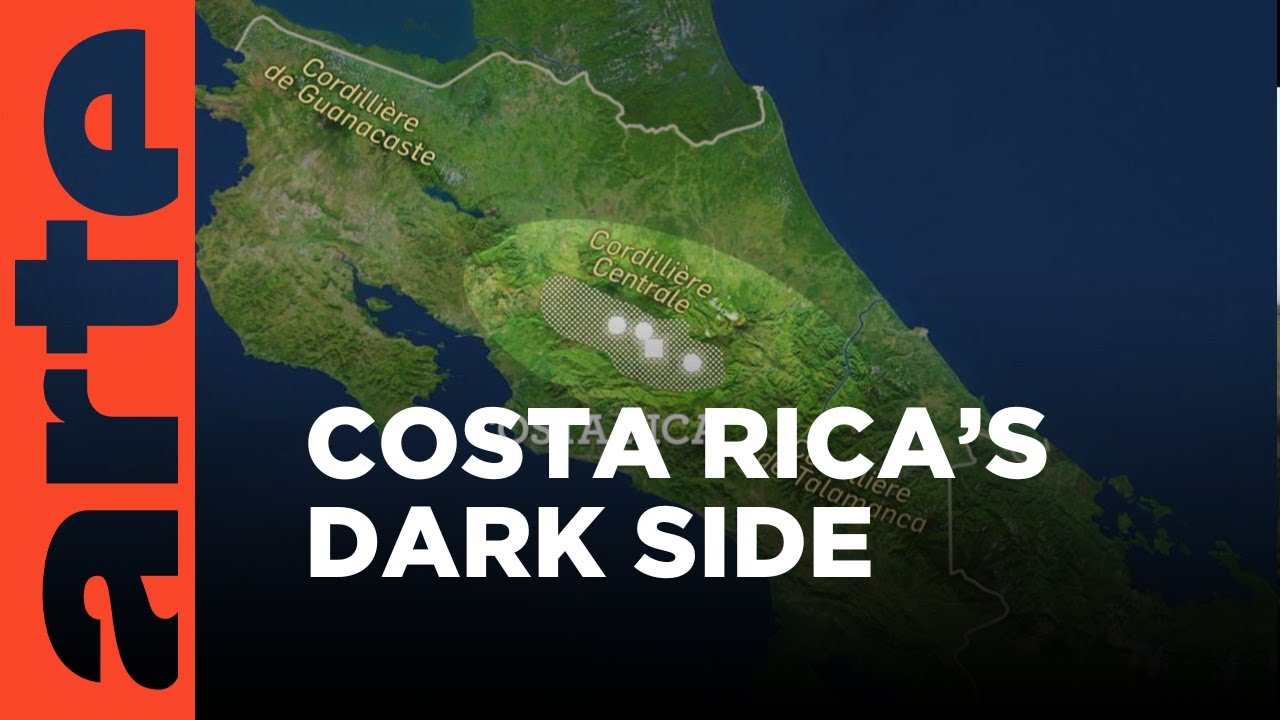
Costa Rica's diverse ecosystems, including its nature reserves, face significant environmental challenges amid growing tensions between tourism and conservation efforts.
Sir David Attenborough introduces the trailer for the natural history series Seven Worlds: One Planet during a live performance at Glastonbury, featuring music by Sia and Hans Zimmer.
Flint River water was eight times more corrosive than Lake Huron water, leading to lead leaching from aging pipes and serious health concerns for residents.
A 40% chance exists that global temperatures will reach 1.5 degrees Celsius above pre-industrial levels in the next five years.
Seven hundred kilometers northwest of Chonwati, the Himba tribe thrives in the semi-arid lands of Kaokoland, relying on cattle and social organization for survival.
The Himba prioritize cattle, shaping their economy and culture in the desert.
Fishermen in the Bering Sea face extreme winter conditions and dwindling supplies while pursuing Alaskan king crab, testing their resilience and seamanship.
One climb up a rock formation in Smith Rock State Park challenges chef Melissa King to confront her fears and create a dish inspired by the Oregon high desert.