From over 100,000 films, discover the handful you'll love.
Free or premium access to the world's largest documentary library.
1114 films(Page 14 of 24)
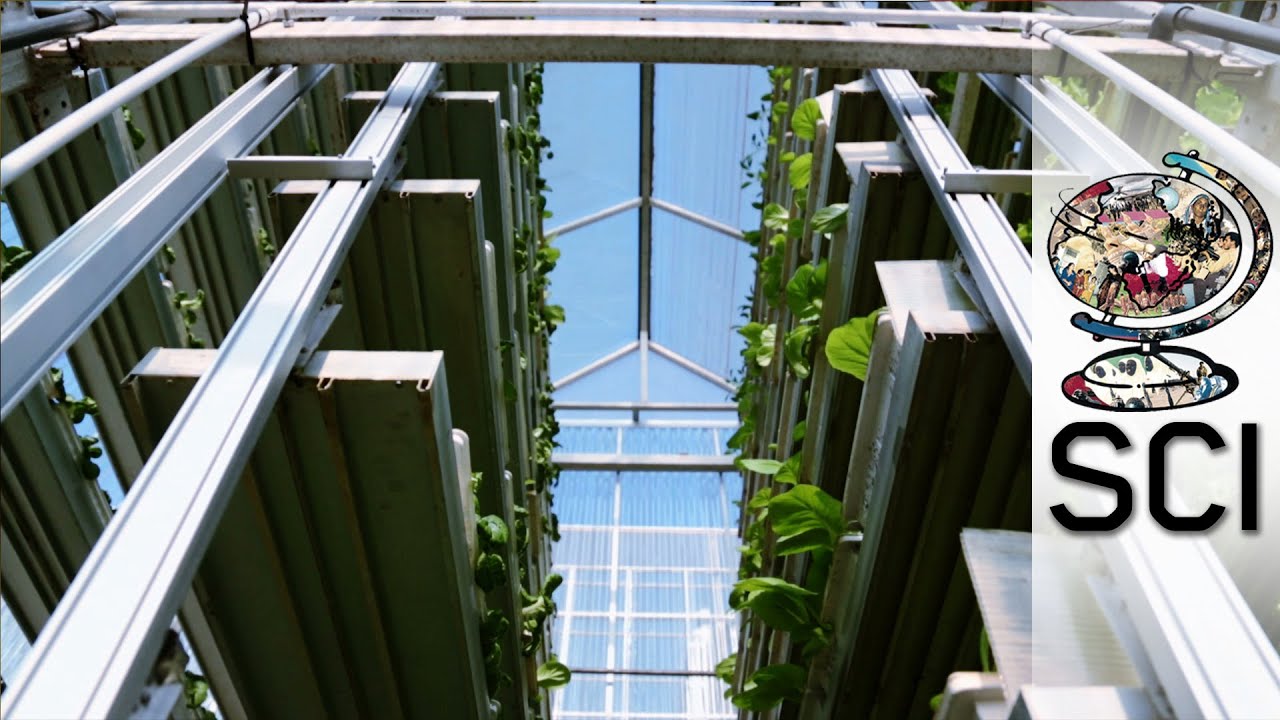
SkyGreens' vertical farm uses a closed loop hydraulic system that consumes only three dollars a month in electricity to produce fresh vegetables for Singapore's residents.
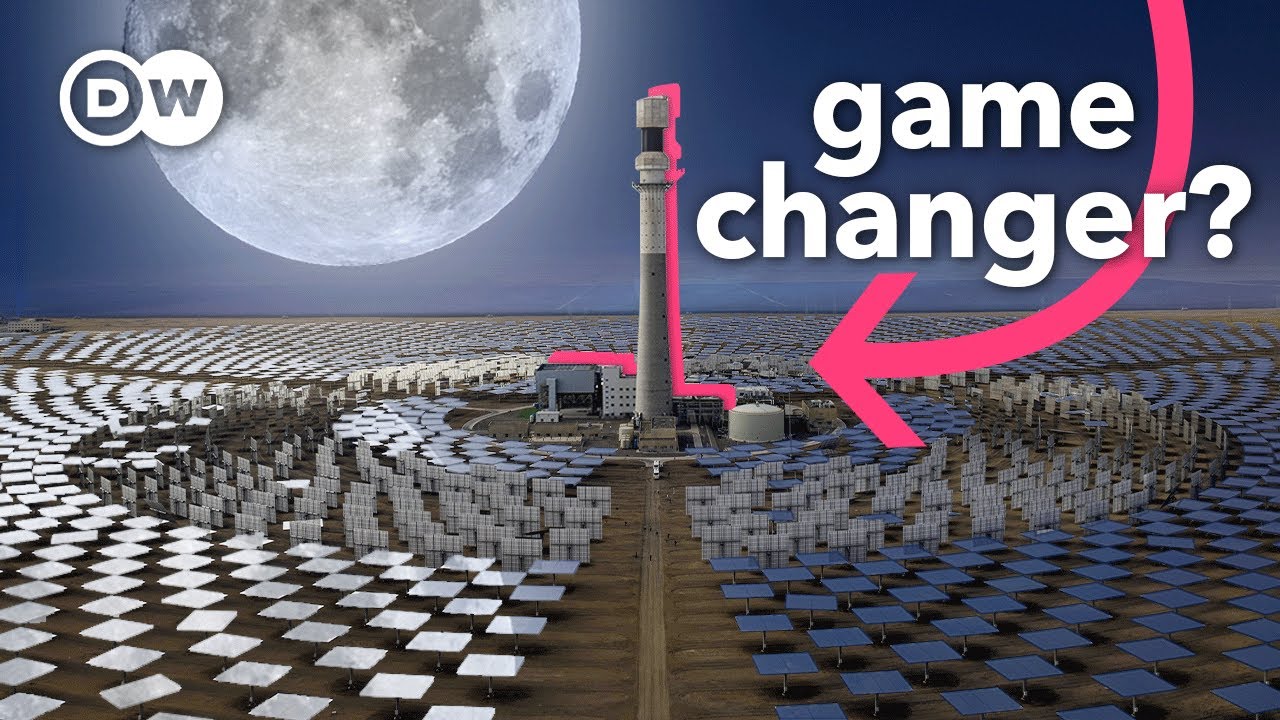
A concentrated solar power plant can concentrate sunlight by roughly 1,000 times to generate electricity, even at night.
Zoom's user base surged from 30 million in 2019 to nearly 500 million in 2020, reducing the need for business travel and its associated carbon emissions.
Zambian villagers and Norman Carr find a way to coexist with elephant herds in the 1950s.
Human composting and alternative eco-friendly burial methods are emerging as sustainable solutions to the environmental impacts of traditional burials and cremations.
A third of all food produced worldwide is wasted, prompting Kiyo Dörrer to eat only food waste for a week to address this issue.
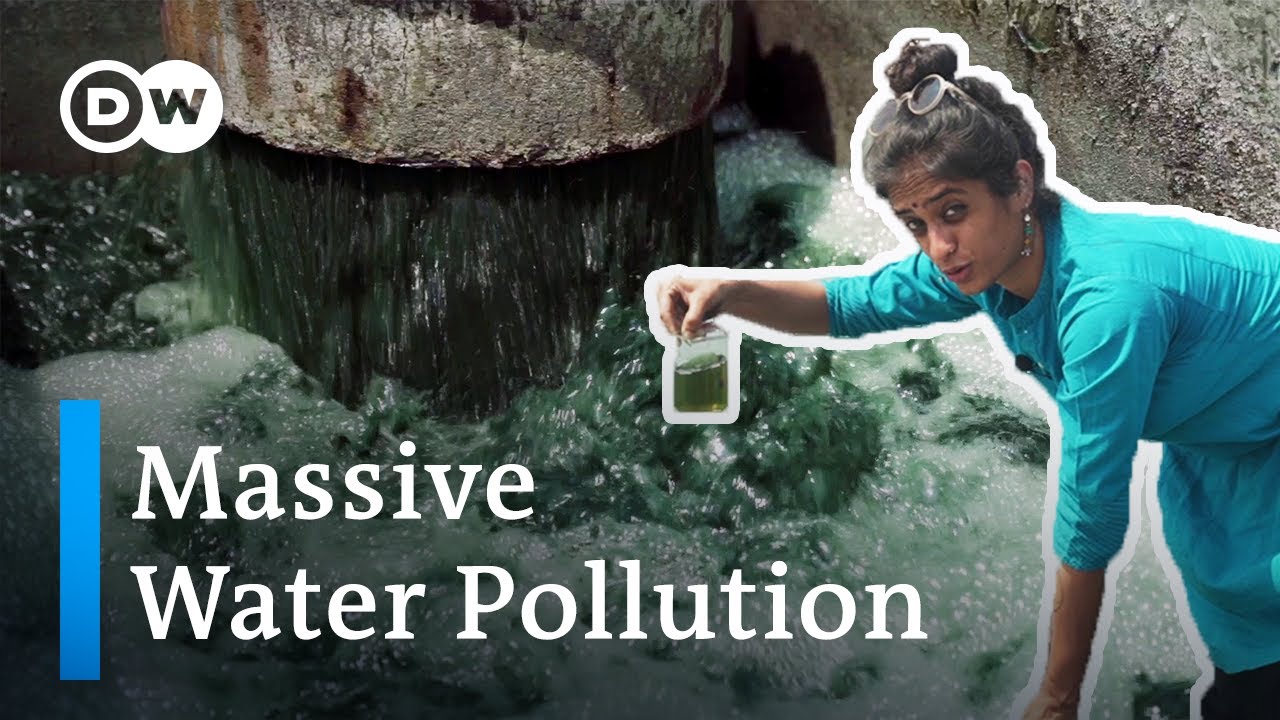
250 billion rupees, or nearly 3 billion euros, is generated annually by Tirupur's textile industry, which heavily pollutes the Noyyal River.
Currently, bioplastics make up about one percent of all plastics, but their market is growing as consumers seek more eco-friendly options.
Germany's decision to exit nuclear energy in April 2023 amid a global energy crisis raises questions about the implications for energy security and climate policy.
Bornholm, Denmark, is positioning itself as one of the world's greenest islands by investing in sustainable business practices and aiming for carbon neutrality.
Judith Thurman demonstrates her favorite party dish, turbot with pistachio crust.
A surge of affordable electric vehicles from China poses a threat to European industry, prompting Dr Peter Tom Jones to advocate for sustainable mining practices across the Nordic countries.
Indigenous men in Mato Grosso, Brazil, make a latex ball, promoting Zero Waste practices.
Matt tests a newly built homestyle forge, producing flames that reach out several feet as he prepares to heat steel for forging.
Francisco Dallmeier highlights sustainable development in South America and conservation efforts.
Britt manages her menstruation while foraging for Buffalo Thorn berries and leaves to support her partner Sara during their survival challenge in the African bush.
The Tsaatan in Mongolia rely on reindeer for survival and face harsh living conditions.
Mark Rober and MrBeast aim to plant 20 million trees, engaging millions in environmental initiatives and discussions about ecological responsibility.
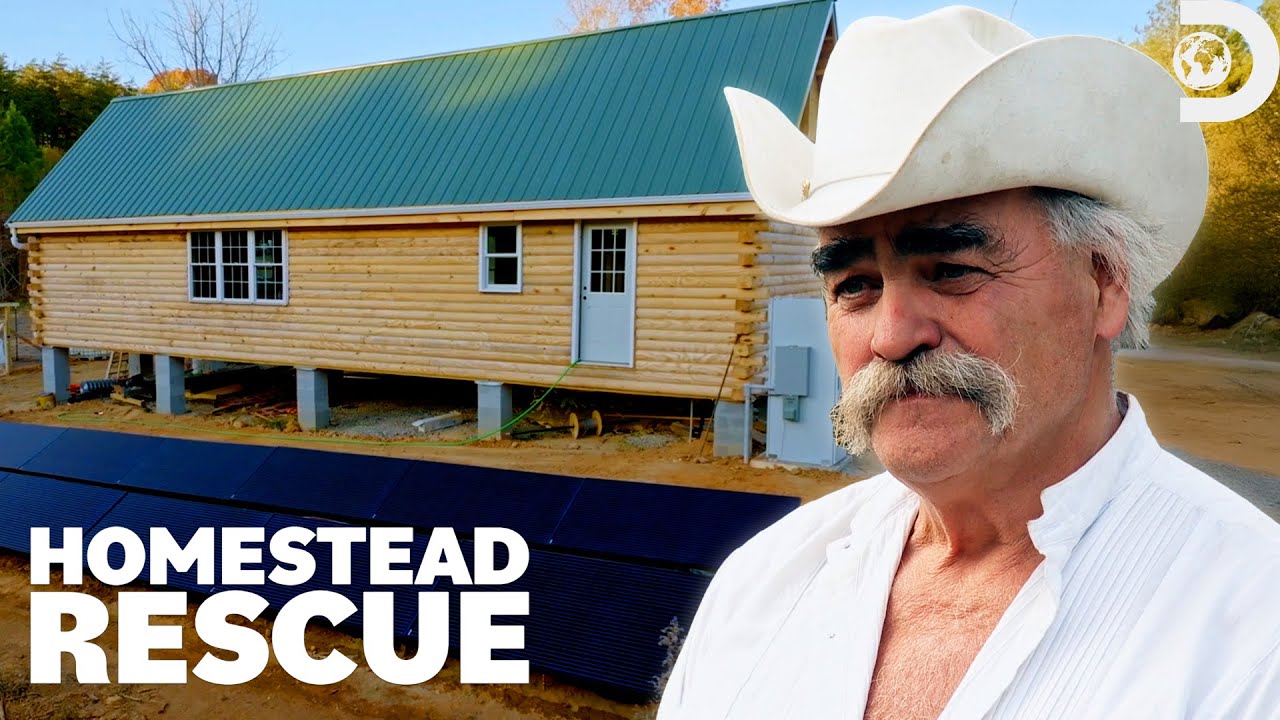
A Virginia homestead thrives off-grid thanks to the Raneys' expertise and renewed water supply.
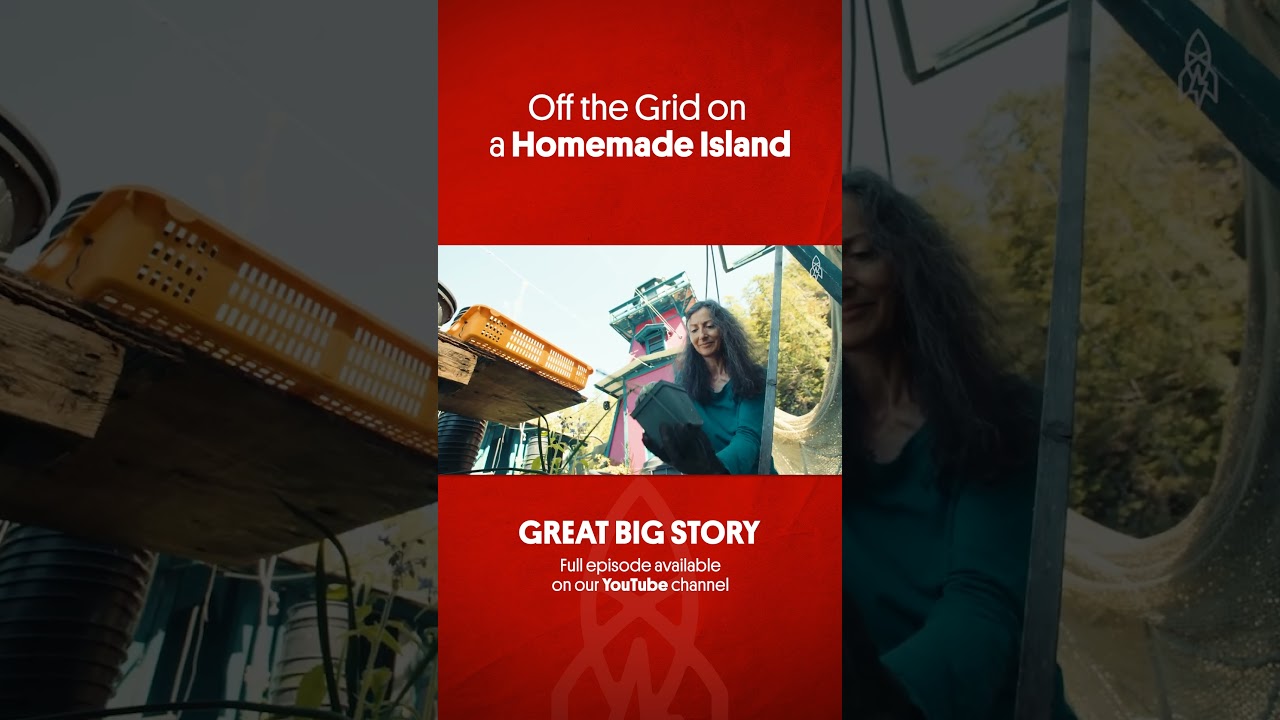
Catherine King and Wayne Adams have built a sustainable island home off the coast of Vancouver Island, featuring a dance floor, art gallery, and garden.
Overfishing threatens marine ecosystems and raises questions about sustainable seafood consumption, prompting discussions on whether to continue eating fish.
68% of palm oil is used for food, while 27% is found in cosmetics and industrial products, reflecting its widespread demand and versatility.
Unifi recycles plastic soda bottles into new polyester fiber in Yadkinville, North Carolina.
Salmon sustains Yakutat, Alaska's community, culture, and subsistence lifestyle through winter.
Falk Gärtner transformed a dry, sandy plot into a profitable permaculture farm, using no machines or toxins while growing multiple crops.
NASA public service announcements featuring James Cameron are blended with imagery from Avatar to emphasize the urgent need for environmental action and awareness.
In remote forests, the last woodsmen face the dual threats of deforestation and climate change while striving to preserve vital ecosystems.
Marty and Misty finish building a treehouse for a young homesteader, creating a special place for relaxation after chores.
Harita Nickel, one of the largest nickel mining companies, contaminated waters on Obi Island with toxic heavy metals while misleading investors during a $660 million IPO.
Environmental campaigner George Monbiot investigates innovative agricultural methods in Helsinki that aim to produce food sustainably and address environmental challenges.
Rio, Brazil's second largest city, faces pollution and seeks harmony with its forest.
The video discusses helmet laws for cyclists and their impact on cycling rates in Britain and America.
Stratospheric aerosol injection could potentially cool the planet by reflecting sunlight, similar to the cooling effect observed after the 1991 Pinatubo eruption.
Virgin Galactic and SpaceX prepare to launch commercial space tourism in 2018, offering flights beyond the stratosphere and around the Moon.
Young Huli men drink a magic water during their initiation to stimulate hair growth while learning about nature and community rules in the forest.
The narrator sails from Santa Barbara to Panama, seeking freedom and self-discovery.
1500 species of sea cucumbers are trafficked globally, with a black market in India valued at $200 million threatening marine ecosystems and local communities.
The total value of counterfeit goods in world trade amounts to $500 billion annually, impacting health, safety, and criminal networks.
Milton Hershey builds schools and parks for workers, believing it leads to mutual success.
A Spanish monk, expelled from his monastery, builds a cathedral from waste over 60 years.
Humankind faces climate change and AI threats, illustrated in a cartoon for The Economist.
One bitcoin computer today would have powered the entire bitcoin network back in 2013, illustrating the industry's rapid energy demands.
Ghost farms in Greece, some abandoned since 1993, contribute to marine pollution by releasing microplastics and plastic debris into the ocean.
Farmers rethink soil management due to climate change and its impact on agriculture.
A Glasgow night club cuts power bills by allowing patrons to contribute through dancing.
In 1961, a single cow in the U.S. produced nine liters of milk per day, while today's cows average 28 liters due to intensive breeding practices.
Soon, 27 million tons of outdated solar panels could contribute to environmental waste, with around 80% currently ending up in landfills.
The video highlights America's sanitation inequities affecting communities of color in 2022.