From over 100,000 films, discover the handful you'll love.
Free or premium access to the world's largest documentary library.
1116 films(Page 9 of 24)
The Booth family from Lancashire learns they spend £13,000 annually on food and, with guidance from Gregg Wallace and Chris Bavin, saves nearly £4,000 by changing their shopping habits.
A British family immerses in Himba culture while living in a Namibian village.
In the Brazilian rainforest, the Ashaninka people, led by Benki and Moises Piyako, utilize the Internet to combat illegal logging and promote environmental sustainability.
Every year, around 60 commercial airliners arrive at e-cube Solutions in Wales for dismantling and recycling into valuable parts.
The narrator shares their love for gardening and surfing in Australia’s subtropical climate.
Cragside House in Northumberland, the first home powered by hydroelectricity, exemplifies Victorian eco-friendly design and its impact on sustainable living.
In the Gaspé region, a new generation of farmers collaborates to promote sustainable community-based agriculture amid contemporary environmental challenges.
Living root bridges in Meghalaya, India, are cultivated by the Khasi and Jaintia tribes using Ficus elastica trees, showcasing sustainable engineering amid monsoon challenges.
Dave and Emma transition from city life to establish Big Sky Hideaway, an eco-friendly glamping site in Lincolnshire, facing financial and logistical challenges.
At 27, Ana Rafaela D’Amico leads the fight against illegal activities threatening the Campos Amazonicos National Park in Brazil, achieving notable conservation successes.
Anthony Bourdain travels to McDowell County, West Virginia, highlighting life in Appalachia.
Paper recycling saves 17 trees per ton, while mobile cranes can lift 3,000 tons and cost up to 6.3 million pounds, highlighting industrial efficiency.
1,500 staff members at the Met Office in Exeter work year-round to provide critical weather forecasts that affect daily life across the UK.
In the Gaspé region, a peaceful resistance emerges as communities confront environmental challenges through resourcefulness and collaboration.
A North London family learns to save £2,870 while renovating their home with budget swaps.
Rob Huitt survives four days adrift in the ocean after a lethal undercurrent pulls him away from his diving team off the coast of New Zealand.
A new law in Germany requires companies to trace their supply chains, but it does not address the conditions faced by miners in Madagascar.
Dirk Nienhaus raises 6,500 pigs each year on his factory farm, where he faces growing concerns about animal welfare and the ethics of meat production.
Globally, 70% of water is used for irrigation, yet many regions face severe shortages as climate change intensifies the water crisis.
Los Angeles residents use almost 1.5 billion gallons of water daily, prompting a need for urgent conservation efforts amid a severe water crisis.
Michael Moore critiques the failures of the environmental movement and calls for urgent changes in leadership and strategy to combat climate change and its consequences.
In 2019, 2,691 people died on Mumbai's railway system, averaging seven deaths each day amid overcrowded trains and dangerous conditions.
By 2050, projections indicate that oceans could contain more plastic than fish, a crisis stemming from decades of unchecked pollution.
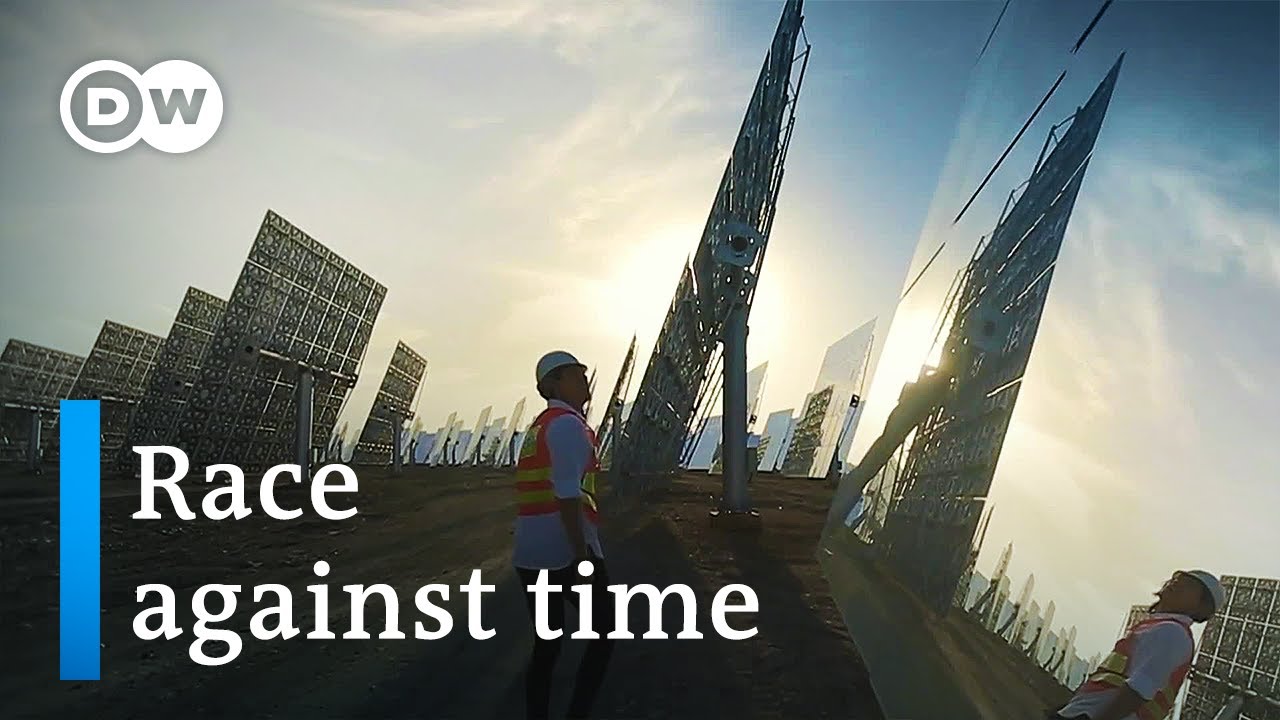
A solar energy project in China's Tengger Desert will supply electricity to over two million homes, marking a significant shift towards renewable energy.
Seventy percent of copper must be extracted from mines, with the largest operations located in South America, particularly Chile and Peru.
More than two million people have fled Venezuela due to poverty, hunger, and medical shortages, with nearly half of them being children and young people.
Hamburg chefs Marianus and Aaron challenge the need for constant economic growth in their restaurant.
More than 34 million tourists visit Thailand each year, contributing to severe pollution and damage to coral reefs along the country's coast.
Ten to fifteen new mines are projected to open in Europe over the next decade to support the electric vehicle industry and reduce dependency on imports.
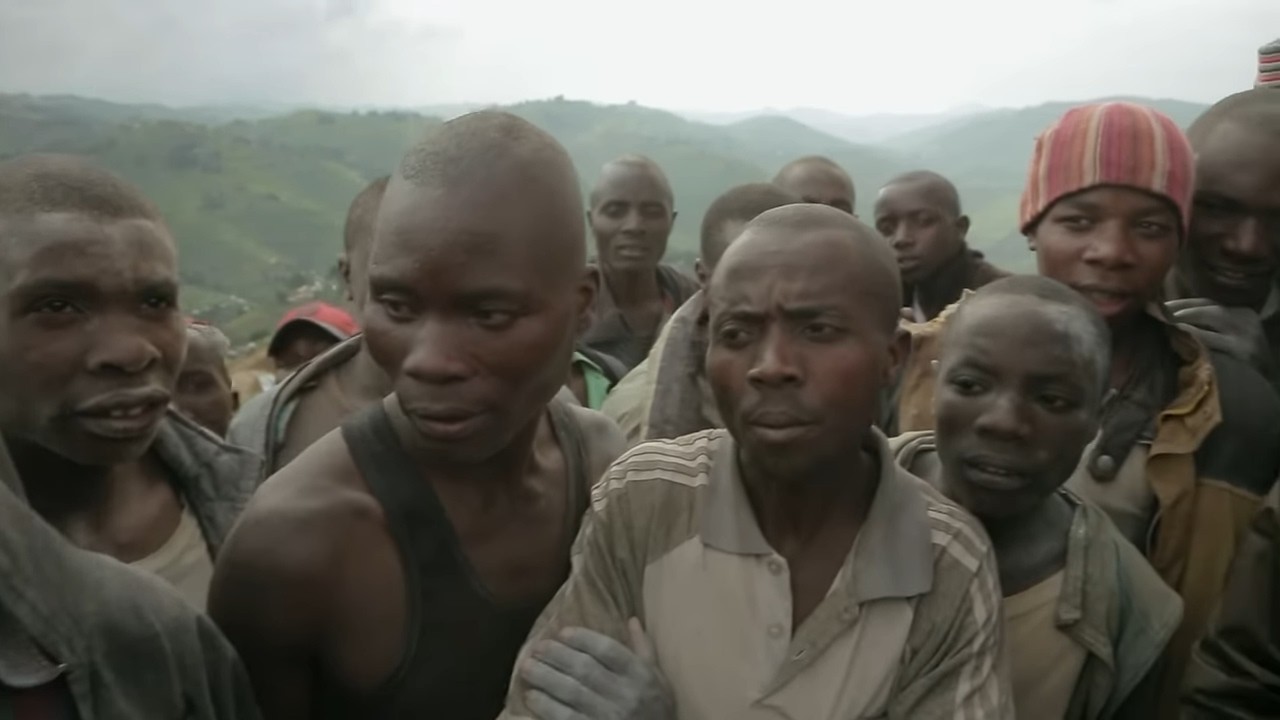
Each morning, Casadi Kasango descends 30 meters into a poorly secured mine shaft in the Democratic Republic of the Congo to extract cobalt for electric vehicles.
At 142 meters long, the super trawler Margiris is tethered in Port Lincoln, South Australia, after the government intervenes to halt its operations.
Tourists in Barcelona use, on average, 3 to 5 times more water than local residents, contributing to a severe water scarcity crisis.
A panel at the National Geographic Explorers Festival discusses the growing reliance on plastics and the need for innovative solutions to address pollution.
One quarter of the world's nickel deposits are located in New Caledonia, where mining operations have been ongoing for several hundred years.
2.6 million hectares of rainforest have been destroyed in Indonesia due to the expansion of palm oil plantations, threatening local communities and wildlife.
Five billion people from Generation Z and Generation Alpha view digital connectivity as a human right amid the challenges of climate change and resource scarcity.
Coca-Cola faces scrutiny over its commitment to a 'World Without Waste' amid plastic pollution.
Volkswagen faced a record $20 billion fine for cheating emissions tests, revealing widespread malpractices among several major auto manufacturers.
Children in northern Colombia risk their lives daily to attend school in Bajo Cauca.
In the Maldives, overtourism and strict Sharia law coexist, threatening the fragile ecosystem and cultural integrity of this idyllic archipelago.
100,000 signatures were collected for a petition demanding subsidies for environmentally friendly farming during protests outside the European Commission in Brussels.
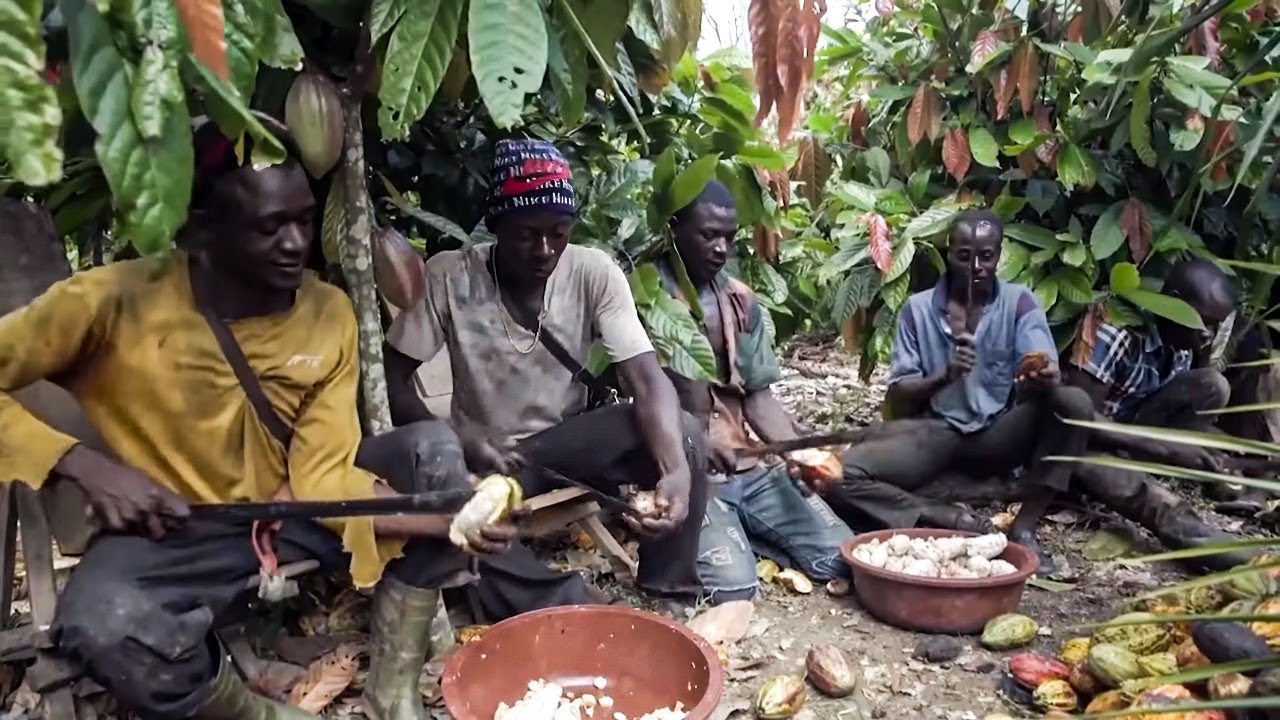
In 2019, Ivory Coast and Ghana suspended cocoa sales to chocolate companies, demanding a 30% increase in payments to farmers for the first time.
More than 1,100 homes have been destroyed in the worst wildfires to hit the country in a decade, prompting urgent calls for climate action.
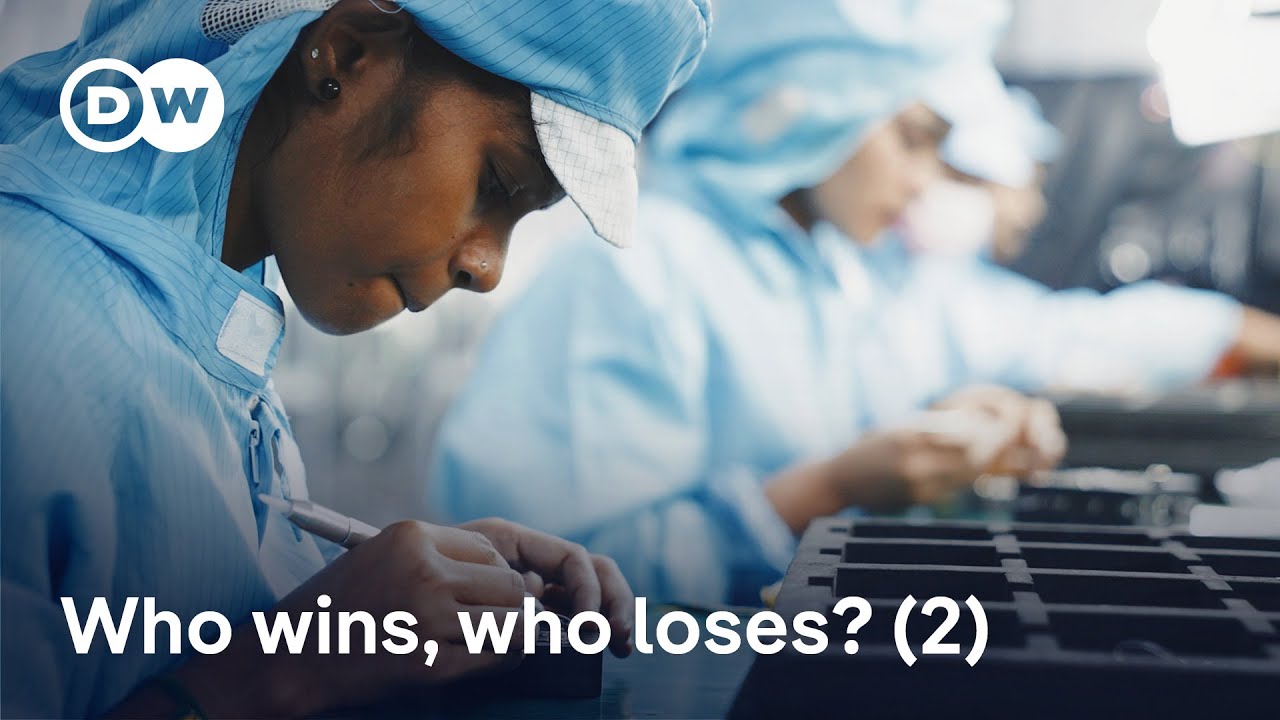
Child labor, hazardous working conditions, and environmental degradation in smartphone production are highlighted through the practices of companies like Samsung and Huawei.
97% of the world's supply of rare earths is mined in China, which has become the dominant player in this critical market for modern technology.
The Colombian Army fights illegal gold mining to protect biodiversity and restore order.
97% of the world's rare earth minerals are mined in China, which has significantly reduced production by about two-thirds, affecting global prices and availability.
During the length of the film, nearly 13 million plastic bottles will have been sold by the Coca-Cola group throughout the world.