From over 100,000 films, discover the handful you'll love.
Free or premium access to the world's largest documentary library.
1116 films(Page 11 of 24)
More than 1 million tons of plastic is collected and sent to sorting plants in Germany each year, but over 80% of it is incinerated instead of recycled.
Greenwashing highlights corporate deception amid the urgent climate crisis and seeks solutions.
Rafi documents illegal logging in the Russian Far East and its impact on Walmart products.
Nearly 700,000 tons of household and industrial waste have been imported into Albania for destruction or recycling in recent years.
Demand for cobalt in the Democratic Republic of Congo drives illegal mining and worker exploitation.
Countries around the world phase out diesel cars, raising concerns about electric vehicle production.
Sean Wiggs encourages followers to spam Starbucks with fake job applications for change.
Mayor Baraka addresses Newark's lead crisis and the city's water safety issues.
Ten people were killed in a racially motivated shooting at a Tops supermarket in Buffalo, leaving the local youth grappling with fear and loss.
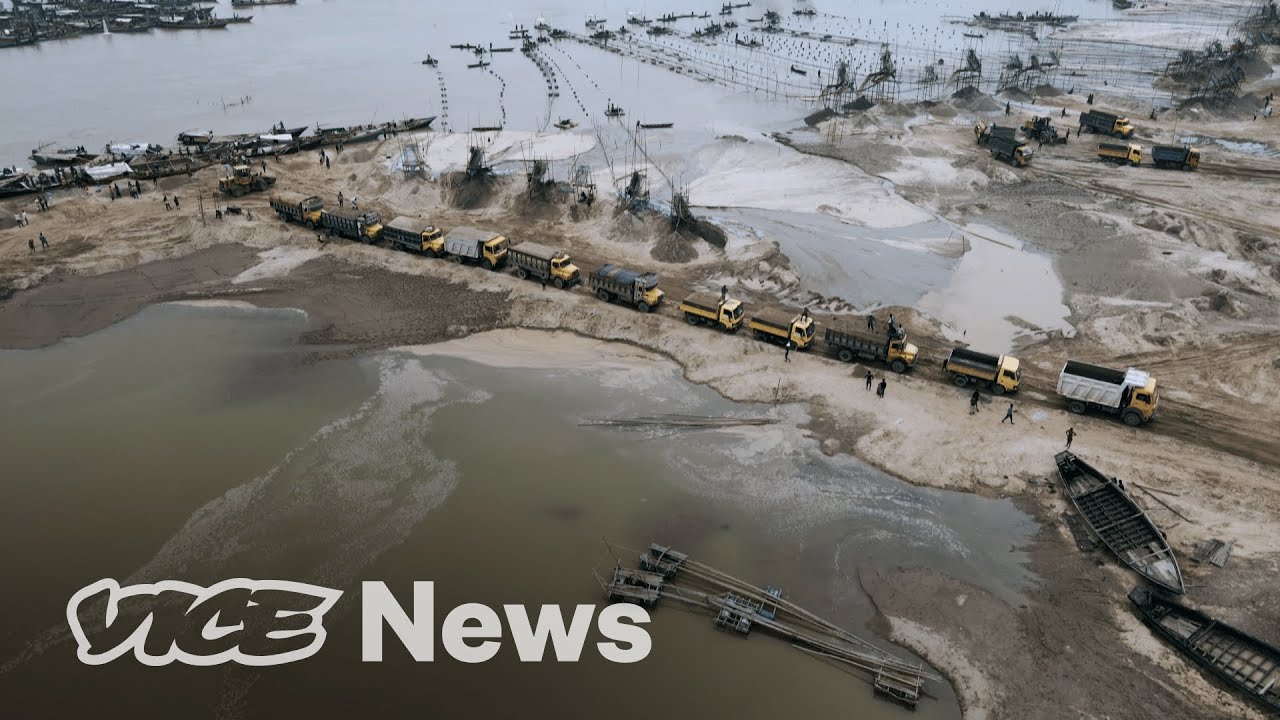
Fifteen men surrounded a journalist in Sunamganj while he documented illegal sand mining, a practice linked to violence and environmental degradation.
More than 1,300 tech leaders and researchers are calling for a pause in AI development to assess risks like fake news and automated weapons.
Iran faces a chronic water crisis as lakes and groundwater reserves threaten to run dry.
Between 10,000 and 15,000 tourists visit Bali each month, contributing to a growing waste crisis that threatens the island's environment and local culture.
Bren Smith promotes kelp farming as a solution to climate change and ocean health.
Harriet Grant reports on children reclaiming play spaces from cars in Bristol's streets.
Lake Enriquillo in the Dominican Republic faces severe environmental degradation due to the black market charcoal trade, exacerbated by climate change and economic challenges.
Three years after the historic peace agreement between the Revolutionary Armed Forces of Colombia (FARC) and the government, violence continues to threaten stability in the country.
A 100% increase in the poverty rate has forced many Lebanese families to limit meat consumption to special occasions amid a deepening economic crisis.
A food bank for undocumented people serves over 100 individuals during the first lockdown, providing vital support amid a hostile immigration environment.
Five million cows in New Zealand contribute to the dairy industry's status as the country's biggest polluter, raising concerns about food security and environmental impact.
200,000 hectares of farms in New Zealand have been converted into carbon forests, raising concerns about biodiversity loss and land use conflicts.
In Borneo, United Plantations is implementing sustainable palm oil practices that promote rainforest restoration and support the resurgence of orangutans and birdlife.
1.5 billion dollars has been dissipated by Nauru's leaders, leaving the island nation on the brink of economic collapse and its citizens facing severe poverty.
Almost 80% of gold produced in Colombia comes from illegal mines, which generate an estimated $2.5 billion annually for armed groups.
Brazil's modelling industry still struggles with racial segregation and representation issues.
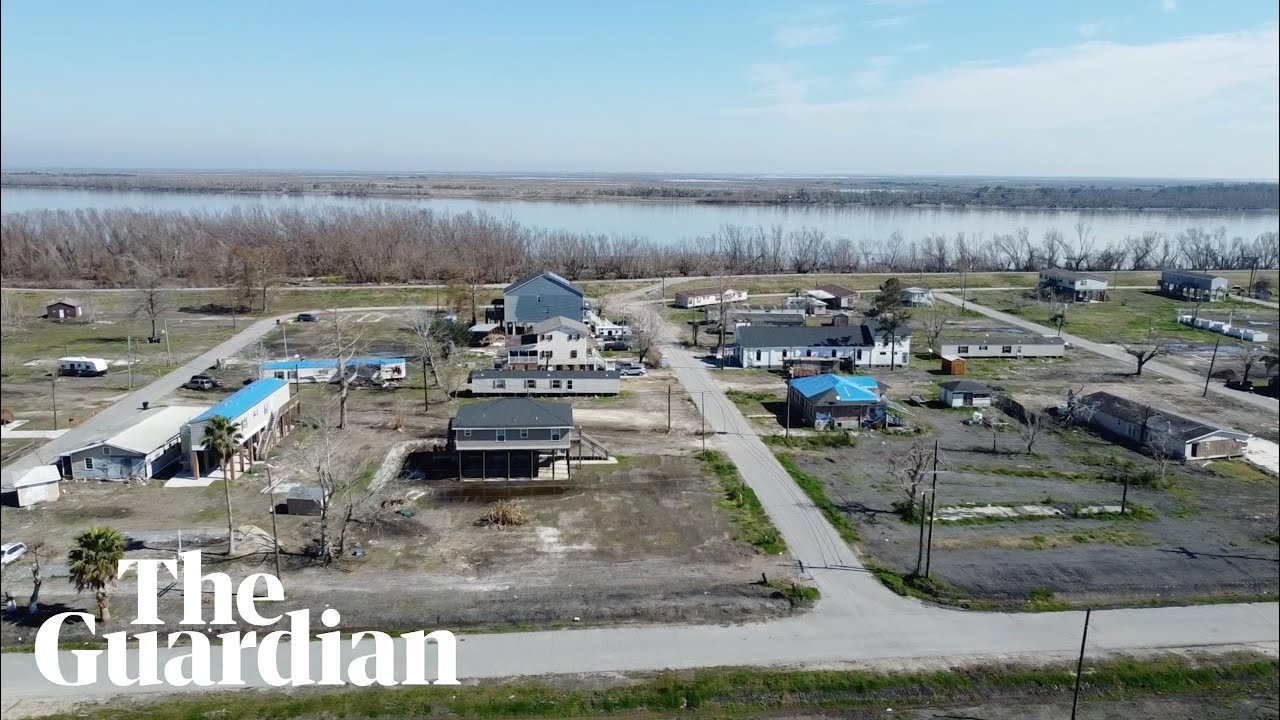
Ironton, Louisiana, struggles to recover from Hurricane Ida's devastation in 2021.
Ordinary people stop playing by the rules to join Extinction Rebellion for climate justice.
Jakarta is unliveable and choked with pollution, prompting a $45 billion new city project in Indonesia.
Less than 40,000 Marsh Arabs remain in Iraq, a sharp decline from an estimated quarter of a million in the early 1990s, as they face ongoing challenges in their communities.
Protesters visit Yanukovych's lavish estate, Migia, revealing stark wealth disparities in Ukraine.
More satellites orbit Earth, increasing collision risks and the need for space debris management.
Eel catches in Mar Menor have declined by 60 to 70%, prompting local fishermen to confront the agricultural industry over pollution and habitat destruction.
Fifteen meters below, the quest for gold reveals ever present risks and societal struggles.
Research across ten countries reveals that many men feel they must perform a version of themselves to meet narrow societal expectations of success.
Gabriel Tejedor's report reveals exploitation in Italy's fast fashion industry.
Phuket's tourism-dependent economy faces severe challenges due to COVID-19, as local residents adapt to the absence of international visitors and mandatory quarantines.
400 meters below sea level, the Dead Sea has shrunk by 16 meters in the past 40 years, raising concerns about its future and environmental health.
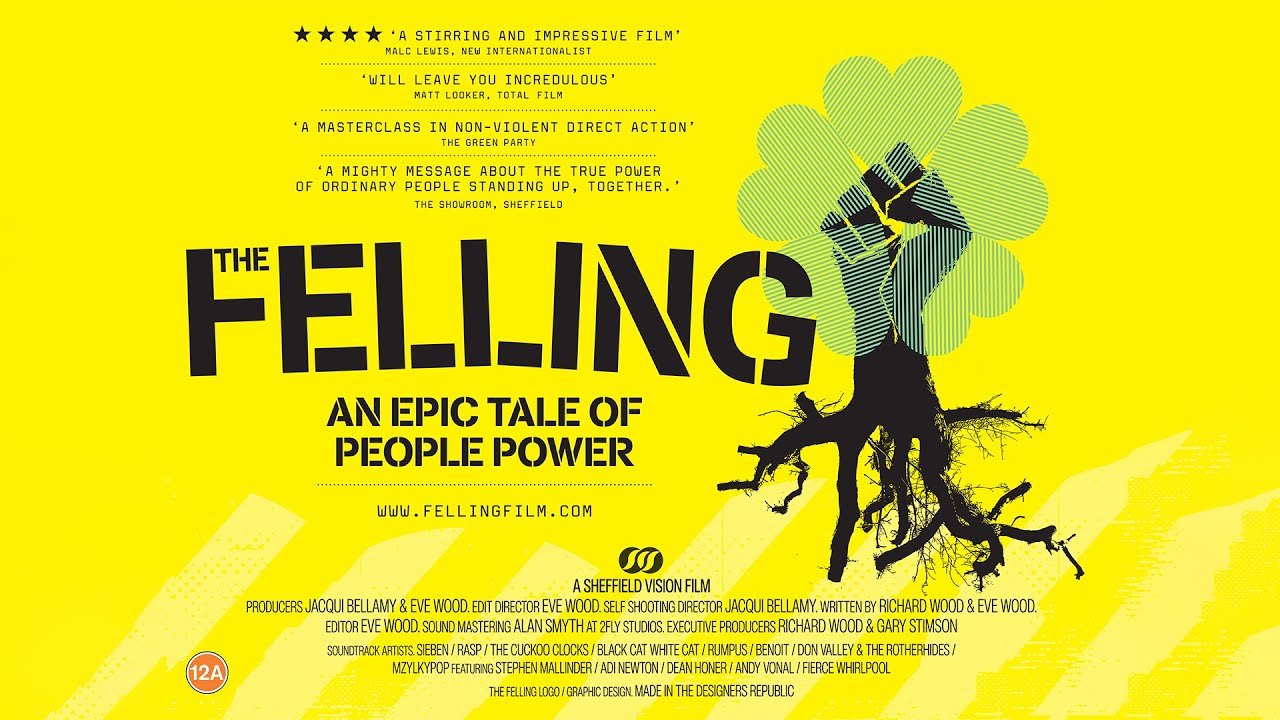
A court injunction from Sheffield City Council threatens peaceful protesters with bankruptcy and imprisonment as they fight to save local trees.
Paul Greenberg investigates what fish to eat for health and sustainability in this FRONTLINE special.
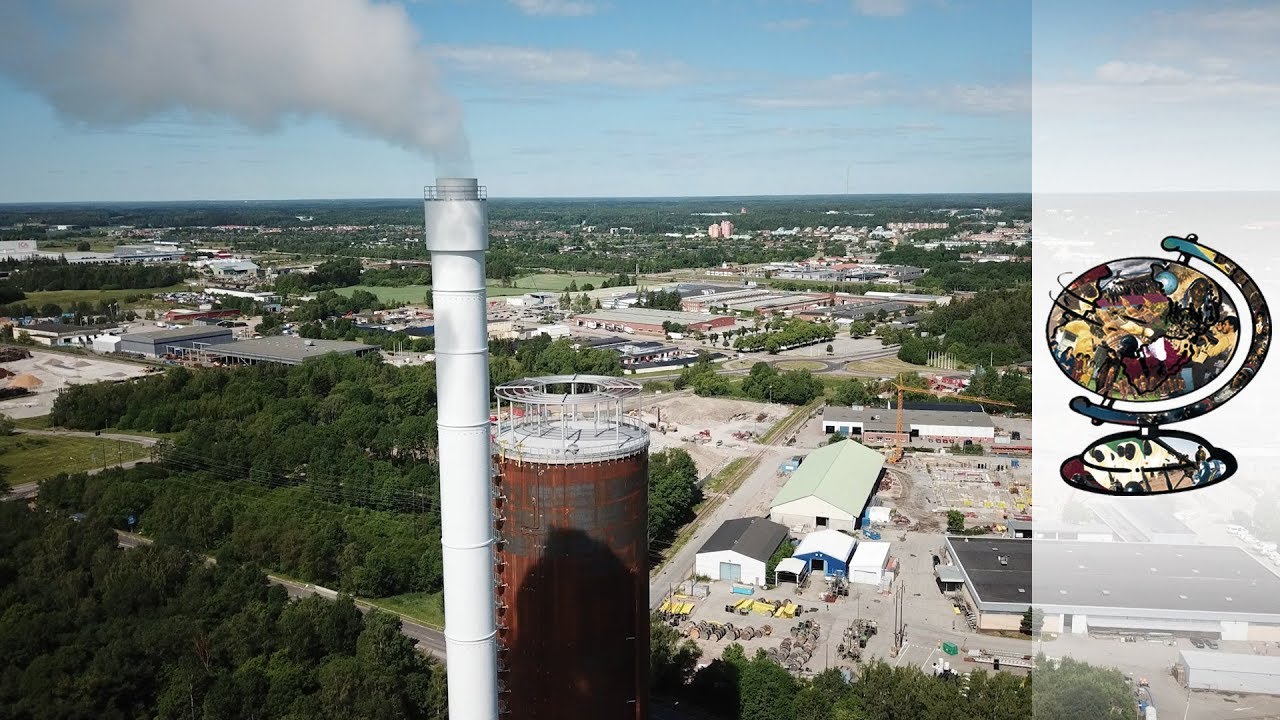
Sweden's waste incineration plants convert rubbish into energy, raising sustainability concerns.
Changbin township in Taiwan revitalizes to attract young residents amid a population crisis.
Less than 200 argan trees now grow per hectare in Southwest Morocco, down from over 600 a century ago, as urban sprawl and goats threaten the forest.
Sustainable shopping practices by discounters and fashion chains raise questions about the authenticity of eco-friendly products and the prevalence of greenwashing.
Miners at Kawah Ijen face toxic fumes and harsh conditions for just $2 a day.
Between 50,000 and 100,000 illegal miners work in perilous conditions on Bangka Island, contributing to Indonesia's status as the world's largest tin exporter.
Every year, up to 41 million people are poisoned by pesticides, with many victims coming from developing countries like Kenya.
Every year, almost 4 million tons of electronic waste arrives at Karachi's harbor, contributing to a toxic recycling industry that employs around 150,000 people.
West Africa's fishing grounds face overexploitation from global fleets, impacting local communities.