From over 100,000 films, discover the handful you'll love.
Free or premium access to the world's largest documentary library.
1116 films(Page 4 of 24)
Filipino Gold Divers risk their lives in Paracale's Deadly Pits to earn a living through illegal mining.
Seventy percent of all clothing is made from plastic, primarily polyester, contributing to significant environmental challenges linked to the fashion industry.
More than a million chemicals have entered the environment since 1945, with unknown total impacts on human health and ecosystems.
In England's northwest, the Lake District features stunning lakes, the historic Muncaster Castle, and adventure activities like zip-lining at Honister Pass.
Manganese nodules, found at depths of four kilometers in the Pacific, are considered a potential new source of metals for modern technology.
A chef uses a chainsaw to gather ingredients for a meal at Hacienda Mamecillo, a restaurant in Panama's cloud forest.
Montenegro features Black Mountains, Venetian architecture, and fjords like those in Norway.
Nine families in Pembrokeshire National Park live independently, sourcing fuel, water, and food from their eco-homes while practicing sustainable agriculture.
Remote terrains and hidden environments across the globe showcase Earth's most stunning and surreal landscapes, highlighting nature's rare beauty.
Al Foul travels Arizona, while Richard Fox upholds cowboy traditions in Wyoming.
Up to a third of all British households once owned a moon almanac to track the moon's cycles, which were crucial for travel and social events.
Eve gave a speech in front of 2,000 people, sharing her thoughts on living sustainably and connecting with nature.
Up to 30% of the world’s harvest is lost to plant diseases and pests, leaving less than half of crops available for consumers.
More than 350,000 plant species exist today, each playing a vital role in supporting life on Earth through photosynthesis and oxygen production.
Close to 56 million tons of clothes are sold every year, with fast fashion brands like Zara producing 65,000 new models annually.
In 1977, economist Fritz Schumacher predicted the world energy crisis 18 years before it occurred, advocating for smaller, more appropriate technologies.
In ten coastal areas of Italy, local enthusiasts, farmers, and archaeologists share their deep connections to nature and tradition, showcasing the region's rich biodiversity and cultural heritage.
Innovations like the Hyperloop and solar-powered planes highlight advancements in green technology aimed at addressing environmental challenges and reducing carbon footprints.
In early 2025, the TGV-M, France's next-generation high-speed train, will launch with advanced energy efficiency, modular design, and predictive maintenance technology.
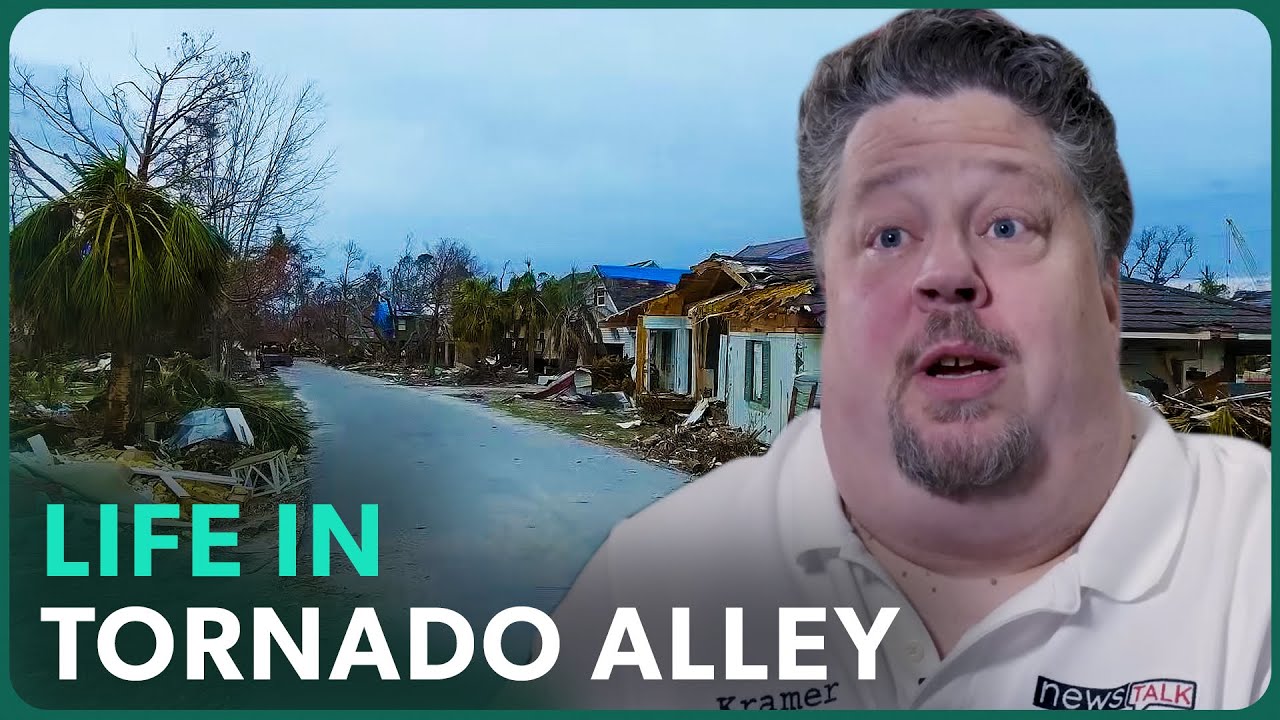
In Tornado Alley, a construction industry veteran critiques building practices and highlights the urgent need for homes that can withstand extreme weather events.
Muncaster Castle, a medieval fortress in the Lake District, has been home to the Pennington family for over 800 years and is built on Roman foundations.
Timber skyscrapers like Norway's Mjøstårnet and Milwaukee's Ascent are setting new architectural standards while promoting sustainability and climate protection.
Humanity seeks new habitats in space as Earth grapples with overpopulation and climate change.
In the Mediterranean, overfishing of octopuses, driven by high demand and illegal fishing practices, threatens marine ecosystems and local livelihoods.
More than two billion dollars were spent on the development of the hydrogen bomb, a project that Richard Garwin played a significant role in.
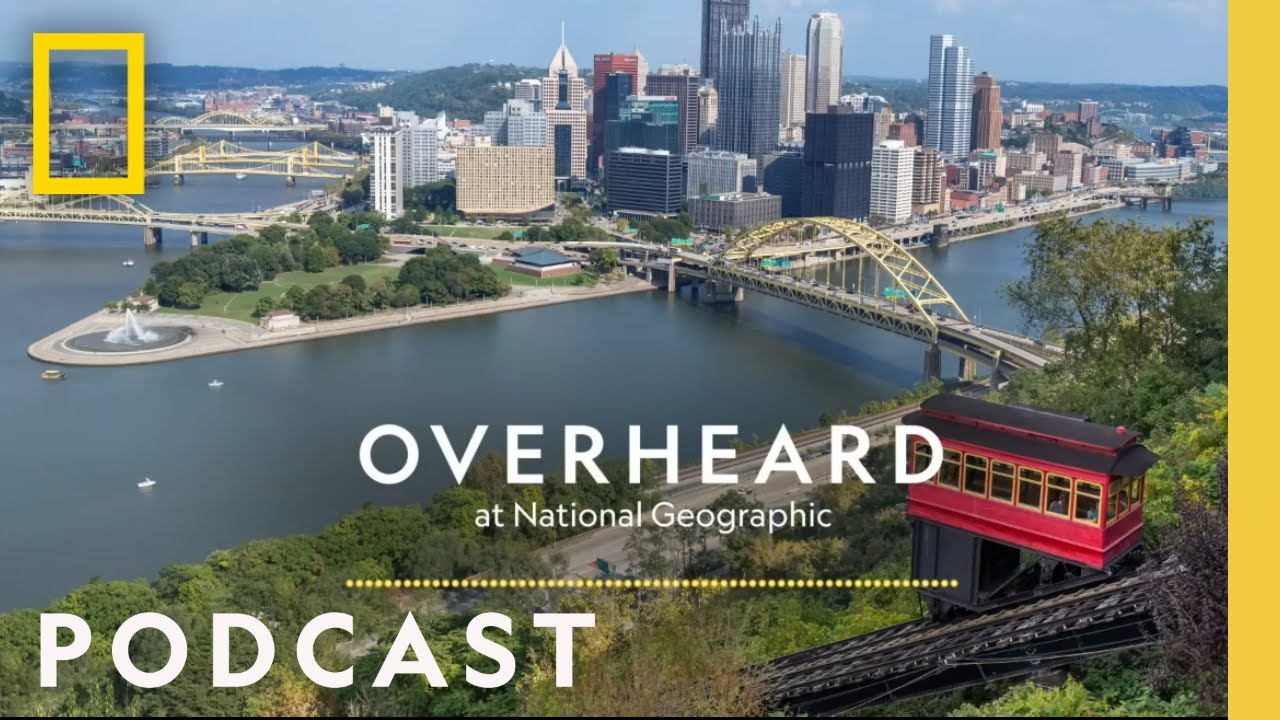
Pittsburgh has nearly 450 bridges, more than any other city in the world, as it shifts from an industrial past to a focus on climate solutions.
Established in 1097, Brotten Hall has been home to the Tempest family for over 900 years, evolving into Brotten Sanctuary focused on well-being and nature.
Venice's population has dwindled to under 50,000 residents due to an influx of 30 million tourists annually, prompting concerns over rising rents and cultural preservation.
Baka Ali, a 48-year-old fisherman from Pate Island, uses a 150-meter net to catch various fish species in the waters off Kenya's coast.
Recent statistics suggest that the average American owns seven pairs of jeans and buys four new pairs each year.
Five million visitors travel to Cancun each year, with many American spring breakers arriving for five days of unlimited partying at all-inclusive resorts.
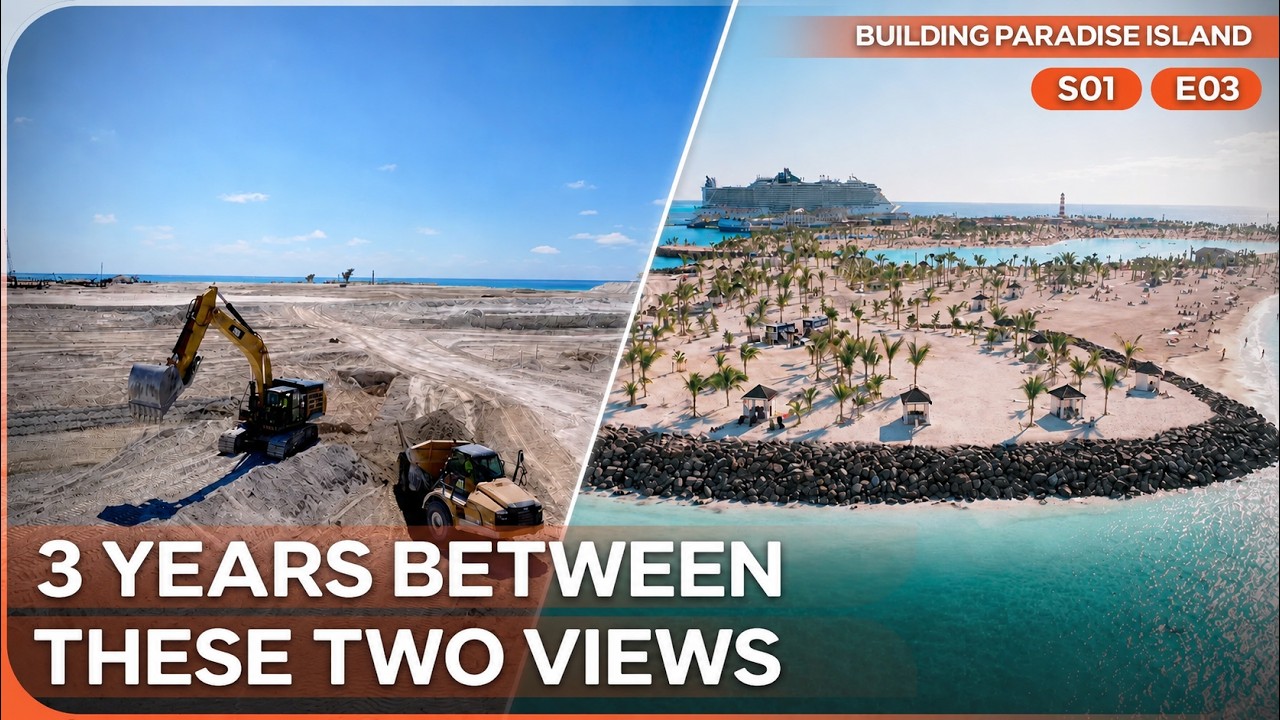
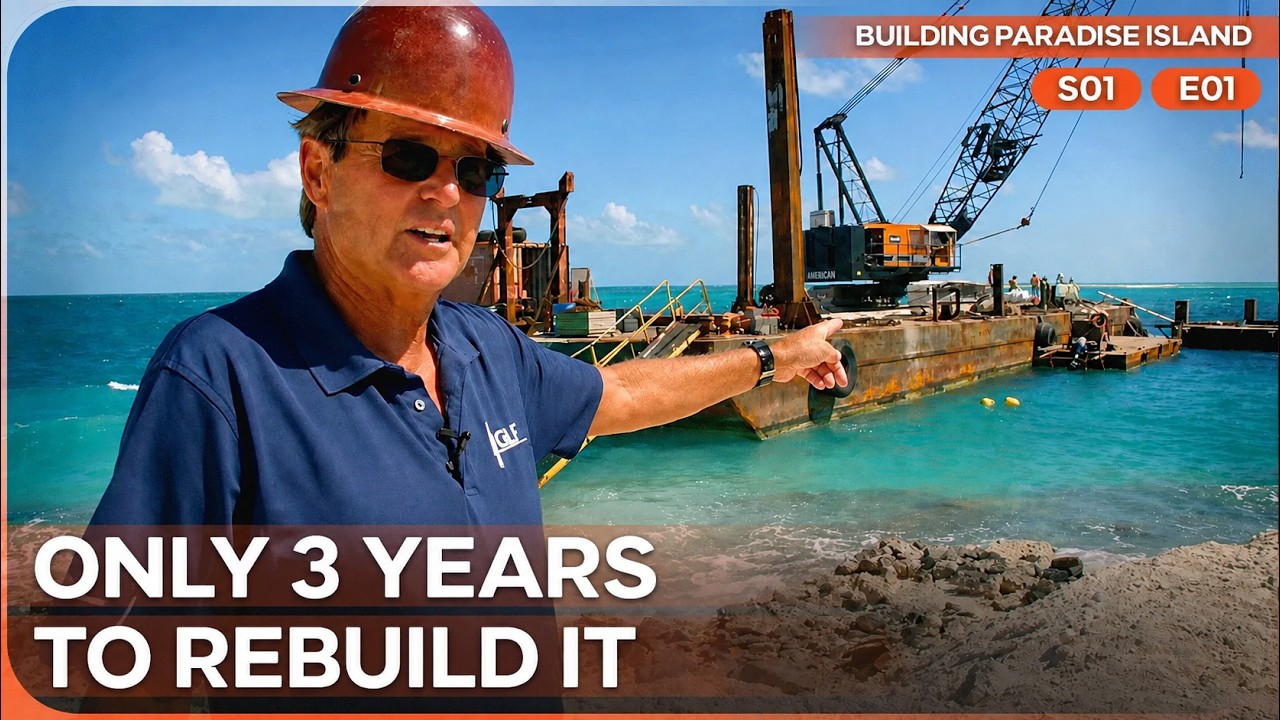
Ocean Cay, a remote tropical island in the Bahamas, is transformed into a luxury cruise destination by a dedicated team racing against time for its grand opening.
In Germany's Ruhr District, the Emscher River is being transformed from Europe's most polluted waterway into a thriving natural ecosystem through extensive restoration efforts.
Humanity faces existential threats from climate change, planetary collapse, and the eventual demise of Earth, prompting discussions on survival through space colonization and AI evolution.
Mountain gorillas in the Virunga Volcanoes have surpassed 1,000 individuals, prompting new challenges for conservationists and local communities in Rwanda.
Wind turbines have become a prominent solution for harnessing renewable energy, raising important questions about their effectiveness and environmental impact.
Two immense waterfalls plunge 20 stories down into a roiling pool of water 200 feet deep, marking the border between the United States and Canada.
A family's dependence on frozen meals and convenience foods leads to food waste and hidden costs, prompting a reevaluation of their shopping habits with Gregg Wallace and Chris Bavin.
One out of every two creatures on Earth faces extinction due to unchecked global warming, which threatens agriculture, sea levels, and civilization itself.
Thirty calves could find a new home each year on alpine pastures, shifting the fate of male calves in the dairy industry.
Lord Howe Island, a world heritage site, relies on conservation efforts led by Ian Hutton to protect its unique wildlife and fragile ecosystems.
Masdar, a city in Abu Dhabi, aims to house 50,000 people in a 2.3 square mile area, powered entirely by renewable energy by 2030.
Two urban explorers visit an abandoned film set in the Sahara Desert, once used for the series Game of Thrones, and rate its thrill a five.
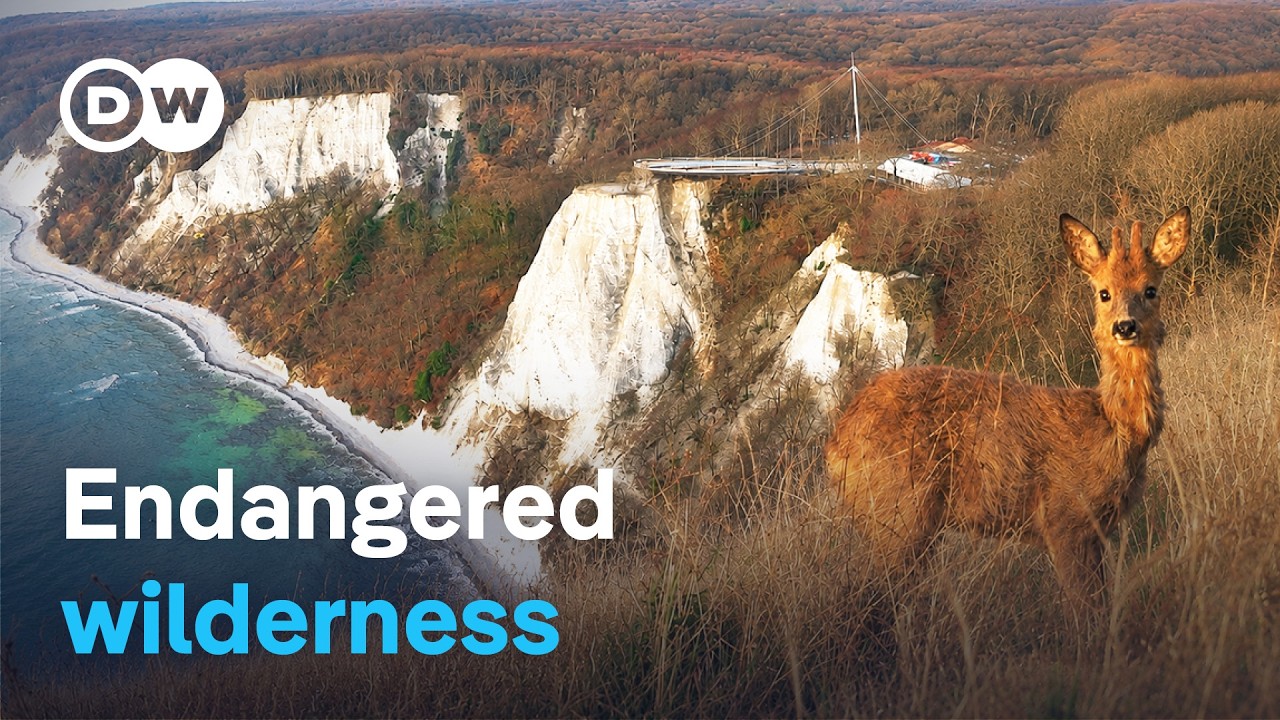
Rügen, one of Germany's most popular tourist destinations, faces significant challenges in balancing nature conservation with the pressures of millions of annual visitors.
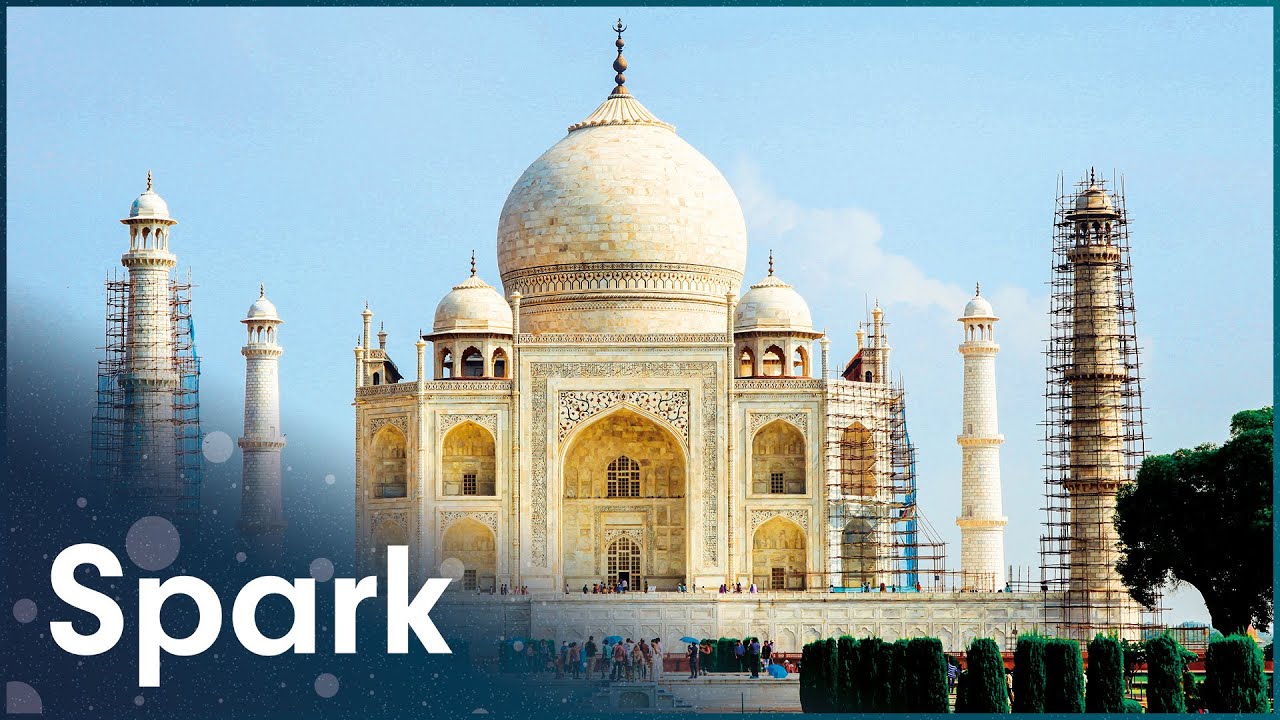
An army of government employees works to restore the Taj Mahal's sandstone pillars and marble inlay before the Commonwealth Games begin on October 1.
A once-abandoned island in the Bahamas is being transformed into a luxury resort, facing challenges in clearing waste and rebuilding the ecosystem.
A Sicilian town offers homes for one Euro, requiring buyers to renovate abandoned houses.
Ecuador's government proposed to forgo $7 billion in oil revenue from the Yasuni National Park to protect its unique biodiversity and combat climate change.