From over 100,000 films, discover the handful you'll love.
Free or premium access to the world's largest documentary library.
1116 films(Page 12 of 24)
Every year, almost 4 million tons of electronic waste arrives at Karachi's harbor, contributing to a toxic recycling industry that employs around 150,000 people.
West Africa's fishing grounds face overexploitation from global fleets, impacting local communities.
Over 120 billion garments are produced worldwide each year, contributing to significant textile waste and questioning the fashion industry's claims of sustainability.
Millions of Brits may choose between starving and keeping warm this winter amid rising energy prices.
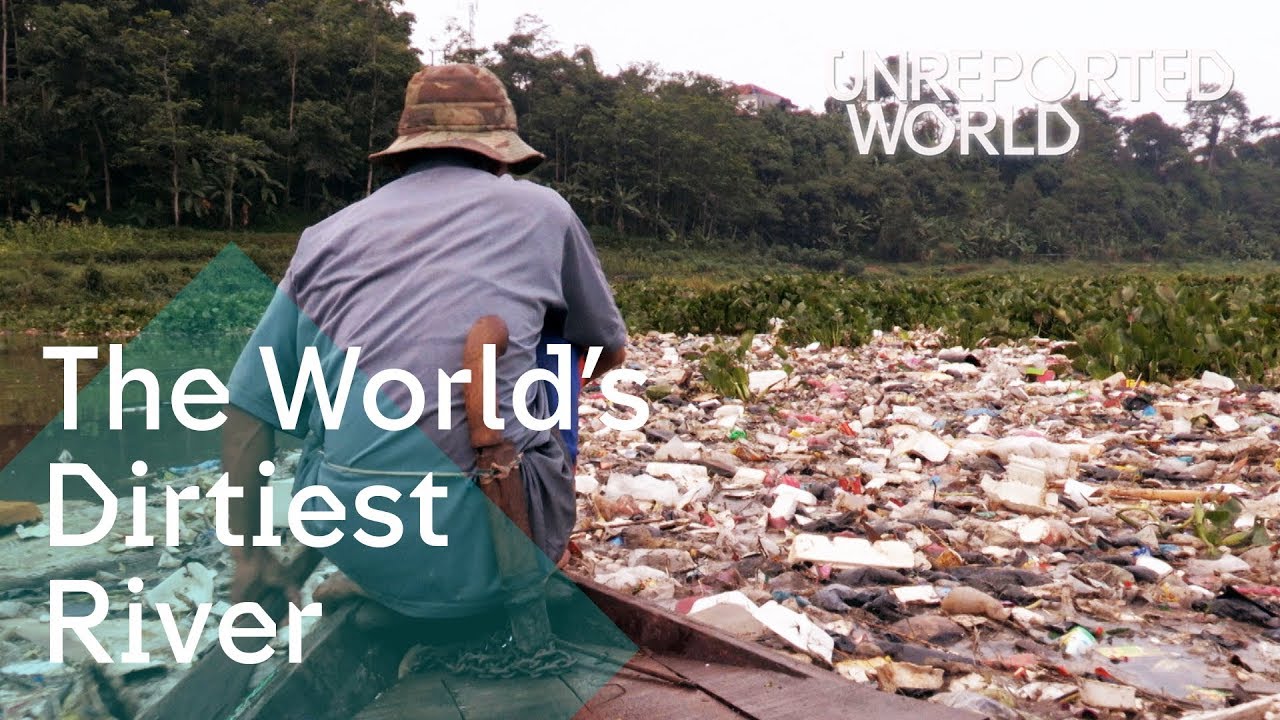
The Citarum River in Java, Indonesia, serves 35 million people but has become heavily polluted, posing severe health risks to the local population.
More maternal deaths occur in South Sudan than anywhere else on the planet, making it the most dangerous place to give birth.
Over five million cattle in California consume nearly half of the state's water supply, prompting a satirical campaign to skip showers for beef.
A group of environmental activists employs drones and FLIR cameras to document corporate polluters in an effort to enforce accountability and protect ecosystems.
Fisherwomen on Hengam Island in southern Iran strive to become the first in the country to obtain official permits, challenging gender norms in a male-dominated industry.
Operation Avalanche highlights efforts to keep the Alps safe for tourists in Austria.
Every day, tanneries in Bangladesh discharge 22,000 cubic liters of toxic waste into the main river, severely impacting local health and the environment.
In the 1990s, the fossil fuel industry employed public relations tactics to create doubt about climate change, significantly influencing environmental discourse.
Cancun Cancer reveals the dark side of Spring Break and its impact on local communities.
In March 2005, overfishing in the Pacific Ocean threatens local fishermen's livelihoods and marine ecosystems as corporations target dwindling fish stocks.
New Zealand's dairy industry is the country's largest climate emitter, producing more greenhouse gases than the entire transport sector.
Tourists still climb Uluru despite its cultural significance and a warning for viewers.
In 2020, the UK recycled 486,000 tonnes of plastic, yet an estimated 60% of what goes into incinerators is recyclable material.
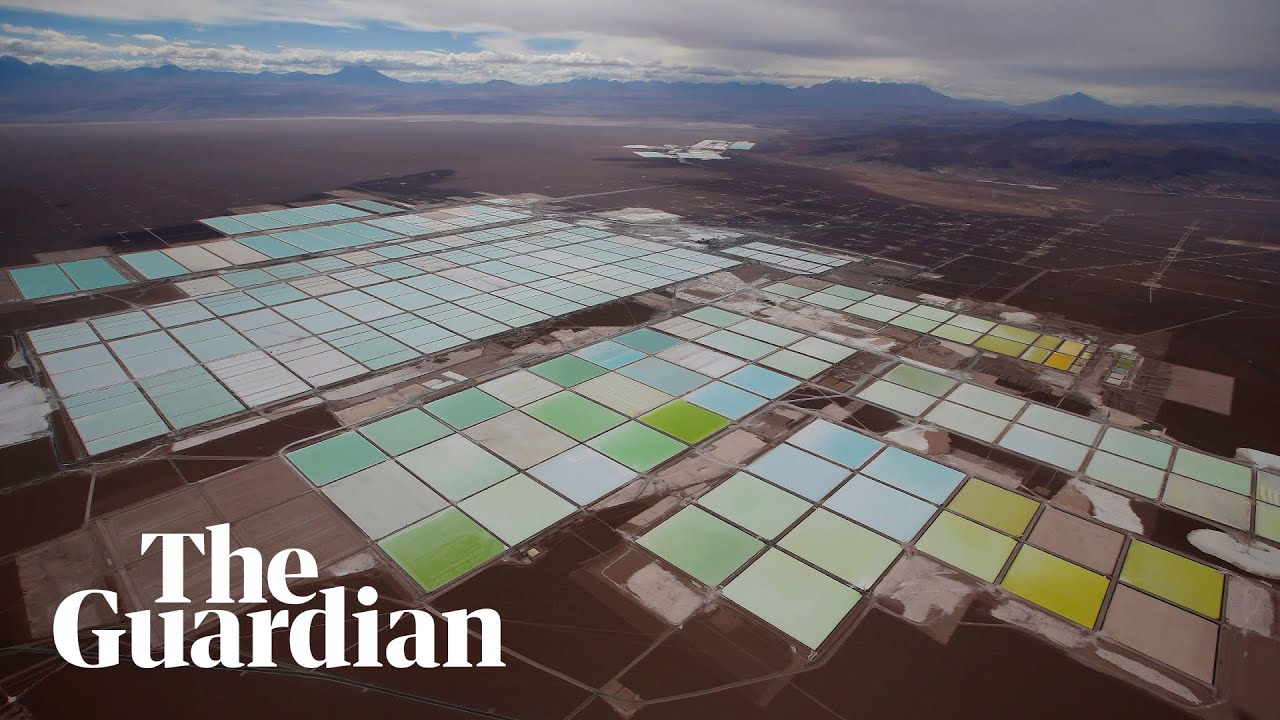
Sonia Ramos protests lithium mining in Chile's Atacama Desert, citing environmental destruction.
Sand, a crucial component in everyday items and construction, faces alarming depletion due to excessive consumption and environmental degradation worldwide.
Europe has lithium resources but relies on imports from China for electric vehicle batteries.
Ian weighs 185 kgs at 19 years old and has lost over seven pounds after starting an intensive program to combat his type 2 diabetes.
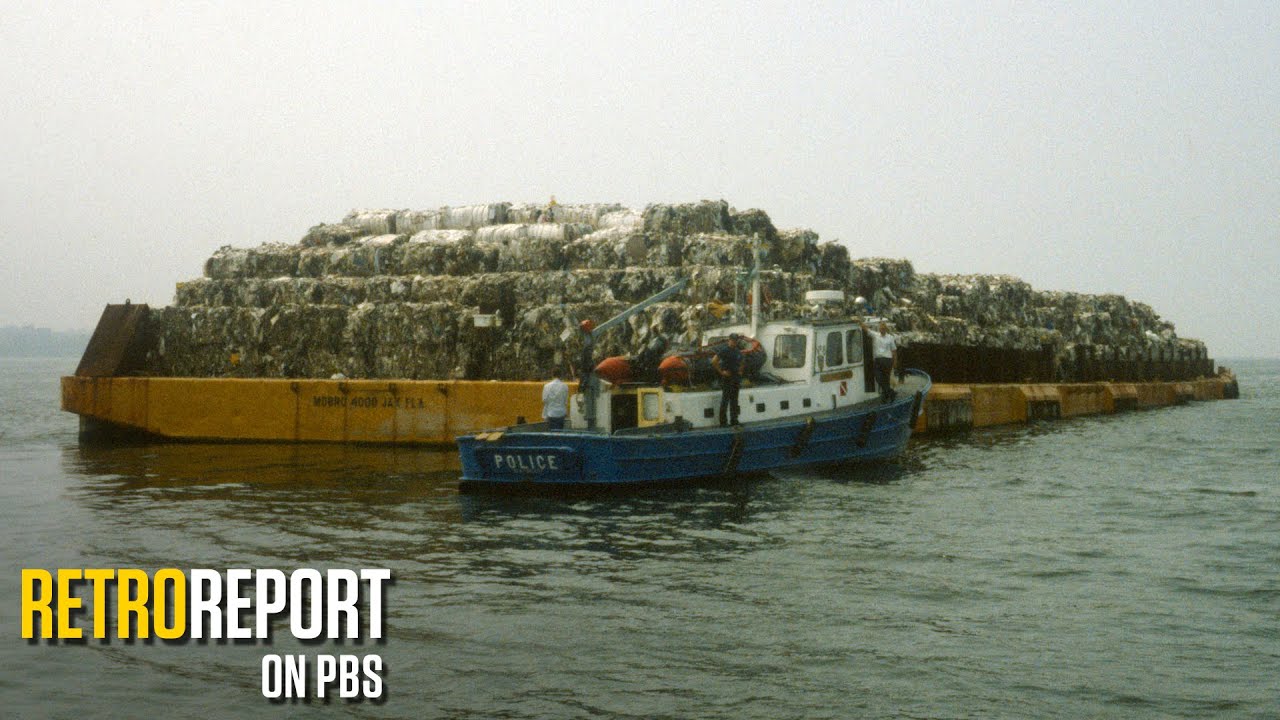
In the 1980s, a New York City garbage barge sparked a national conversation about waste management, leading to Americans recycling approximately 68 million tons of trash today.
A living shark can generate close to $180,000 in a single year and nearly $2 million over its lifetime, significantly boosting Palau's tourism economy.
Mike Reynolds builds Earthships in New Mexico's unwelcome environment, facing major challenges.
Agroforestry, a sustainable farming practice with roots dating back thousands of years, offers solutions to agriculture's environmental challenges, including CO2 emissions.
Markus and fellow shepherds in the Alps uphold a 6,000-year-old transhumance tradition, guiding 1,400 sheep from South Tyrol to Austria each spring.
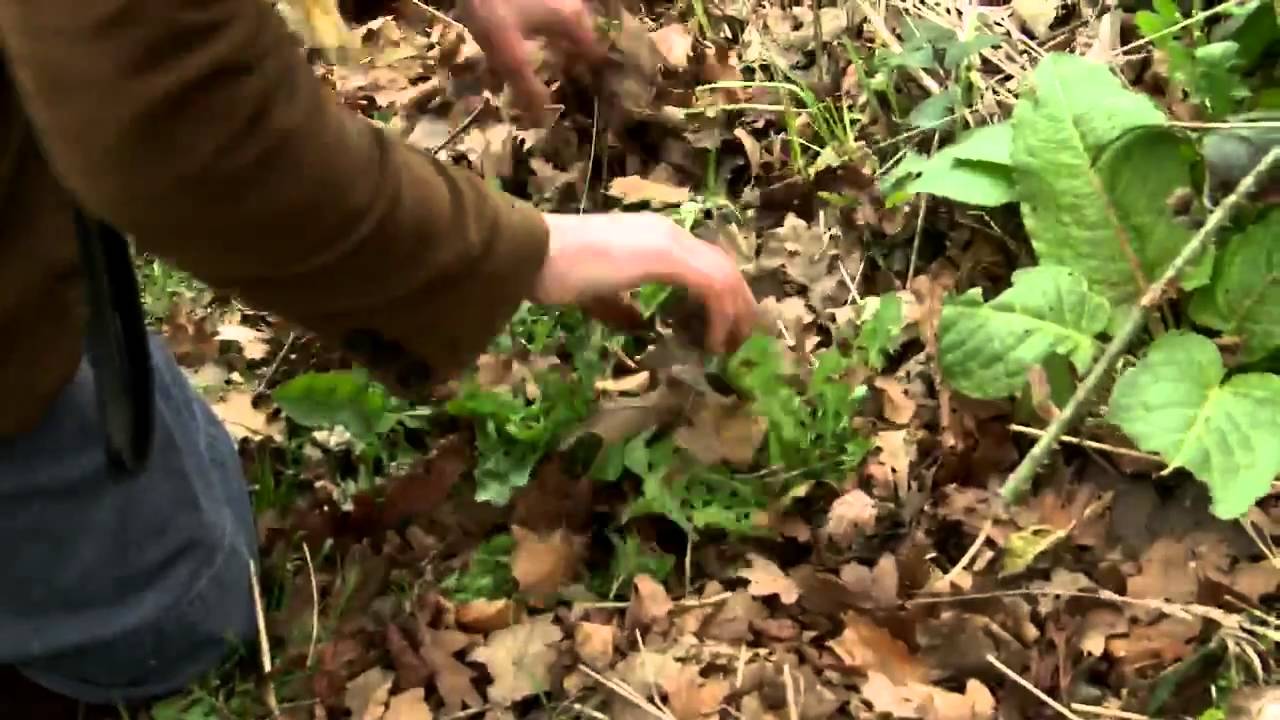
Alys Fowler forages for greens during lean times in Forgotten city spaces like parks.
In the 20th century, controversial psychological experiments conducted by institutions like Stanford University raised ethical questions about human behavior and consent.
Archaeological investigations reveal that Petra's ancient water system provided 12 million gallons of water per day to support its population and agriculture.
Fishermen in Northern Peru use ancient totora reed rafts to continue Chimu traditions.
A study found elevated levels of phthalates in pesto, Asian sauces, and even organic milk, raising concerns about toxins in food packaging.
1.2 million tons of textiles are sent to landfill each year, prompting Lucy Siegle to discuss sustainable fashion practices and responsible disposal methods.
An asteroid that passed close to Earth in 2015 was estimated to contain more platinum than has ever been mined on the planet.
Carbon dioxide emissions have continued to rise over the past decade, despite global efforts to address climate change.
Up to 80% of carbon from biomass can be sequestered through the pyrolysis process used to create biochar, which may help reduce air pollution.
Only around 4% of agricultural space is currently used for biomass energy crops, despite the potential for organic waste to generate electricity and heat.
In 2021, bitcoin mining consumed more electricity than the entire country of Thailand, raising concerns about its environmental impact.
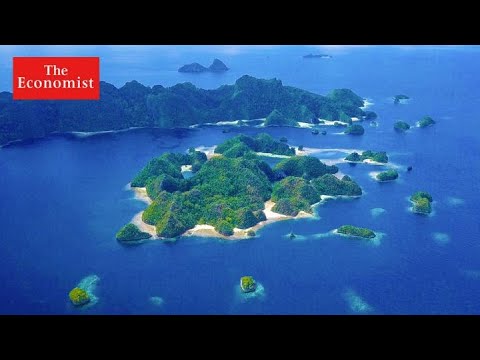
A 465 square mile marine protected area in Indonesia aims to combat illegal fishing and restore biodiversity in the Coral Triangle.
The aviation industry faces a crisis, with Covid offering a chance for a green reset through hydrogen technology.
Rooftops evolve from unused spaces into vibrant urban gardens and sustainable solutions today.
Phytomining, a method using hyperaccumulator plants to extract metals like nickel, is being explored by entrepreneurs as a potential solution to the battery crisis.
Around 20,000 salmon are farmed annually at a research site in Ireland, which also produces three tons of seaweed and hundreds of shellfish.
Every year, the US sends over 30 billion pounds of textiles to landfills, making it the fastest growing waste stream in the country.
By the middle of the century, 25% of the world's soils will be affected by desertification, threatening the livelihoods of a billion people.
Cars have significantly contributed to the growth of the American economy while also influencing the culture and popularity of golf across the nation.
The world generated 2.2 billion tons of waste in 2021, a figure expected to nearly double by 2050, prompting innovative solutions for recycling and upcycling.
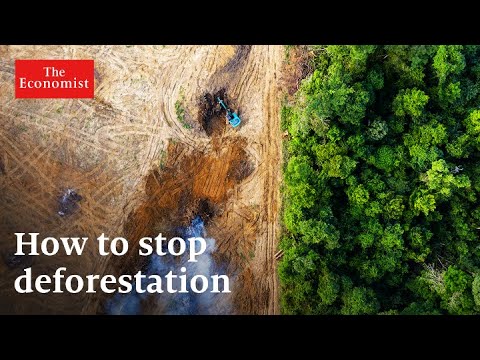
From 1940 to 1987, Costa Rica's forest cover dropped from 75 percent to 21 percent, driven by agricultural expansion and economic growth.
On November 20, 2022, rich countries agreed to establish a fund to compensate for climate damage caused by their emissions, impacting developing nations.