From over 100,000 films, discover the handful you'll love.
Free or premium access to the world's largest documentary library.
3259 films(Page 7 of 68)
Two leopard cubs, just days old, rely on their mother for survival in the challenging environment of the Serengeti National Park.
Wolves search for chocolate biscuits after a day of filming in the Arctic wilderness.
1,000 northern gannets breed on the cliffs of Helgoland, where they compete for nesting space amid the challenges of their coastal habitat.
Animal athletes demonstrate their skills through sprints, acrobatics, and dives, featuring species like cheetahs and monkeys across diverse ecosystems.
Five snowy owlets hatch in the Arctic tundra, where their parents face challenges due to low lemming numbers and extreme seasonal conditions.
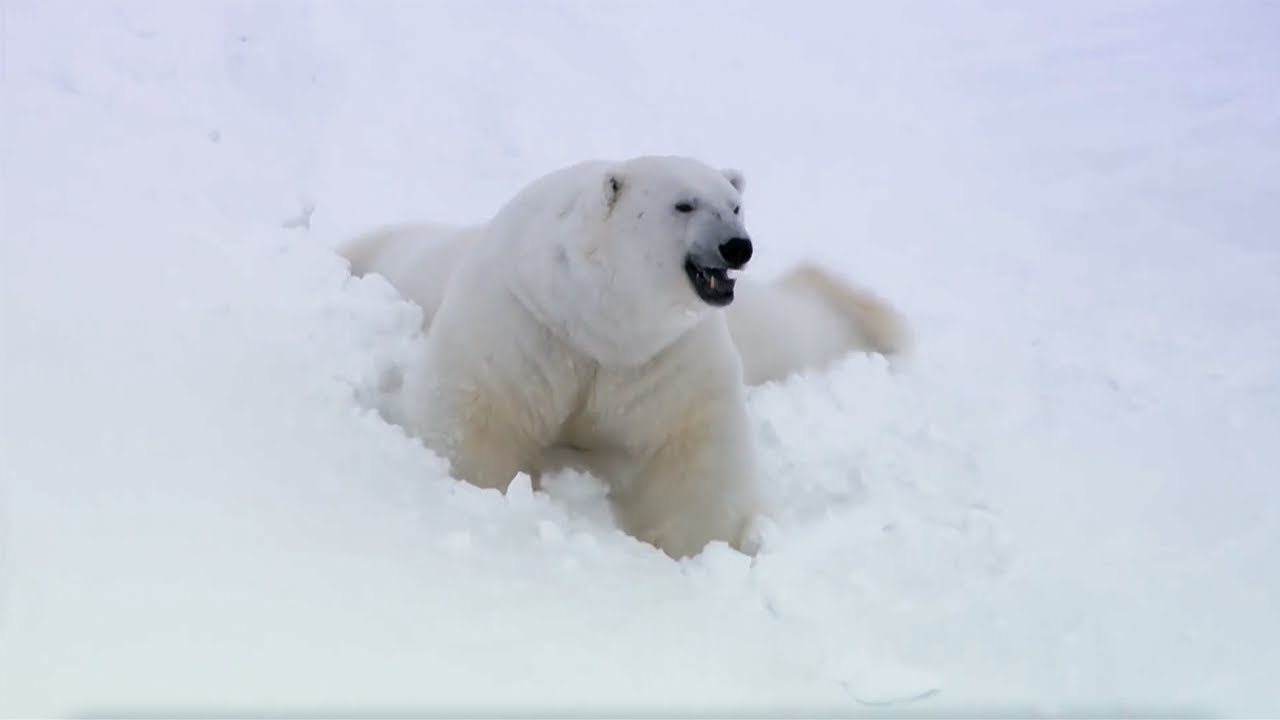
Polar bears' courtship rituals and reindeer pulling sleighs are featured among winter scenes from diverse ecosystems in the BBC Earth archive.
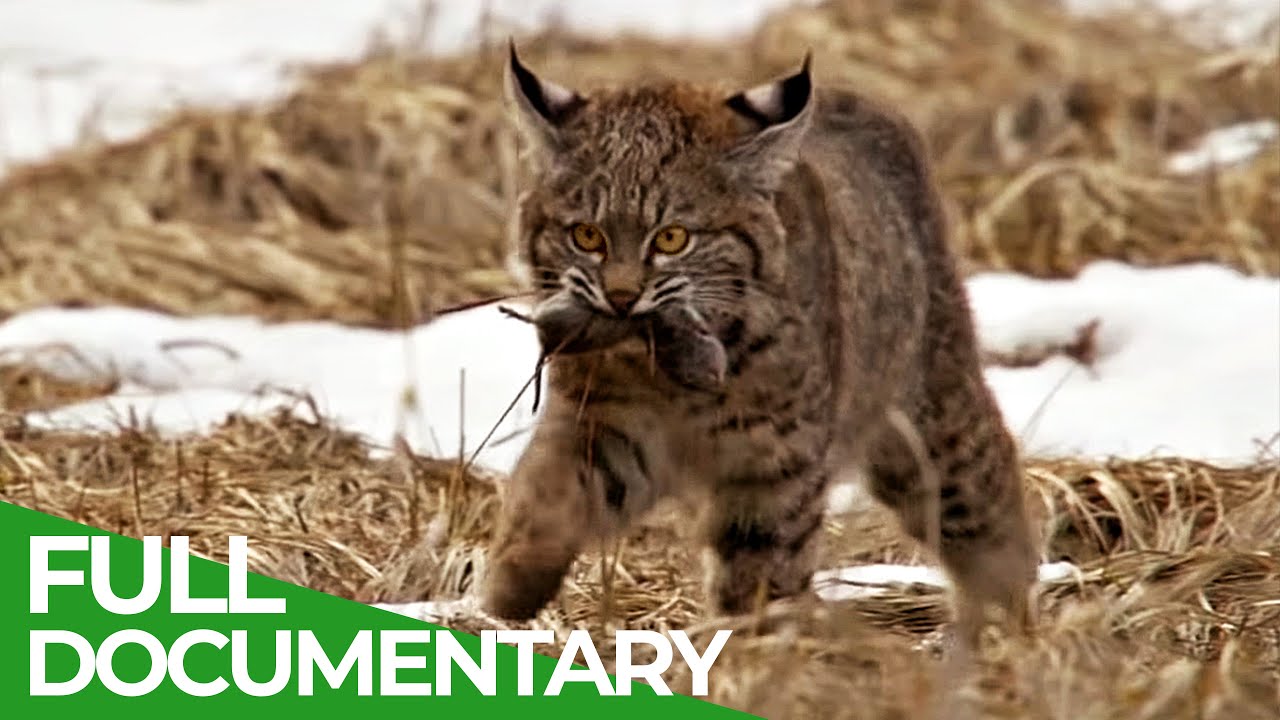
In the Bohemian Forest, a lynx is monitored by 15 cameras set up by local rangers to document its hunting behaviors and mating activities.
Giant Pacific octopuses can weigh up to 600 pounds and have eight arms that can span 30 feet, yet much about their lives remains unknown.
In the Masai Mara Region of Kenya, the annual migration from the Serengeti showcases the dynamic interactions between predators and prey along the Mara River.
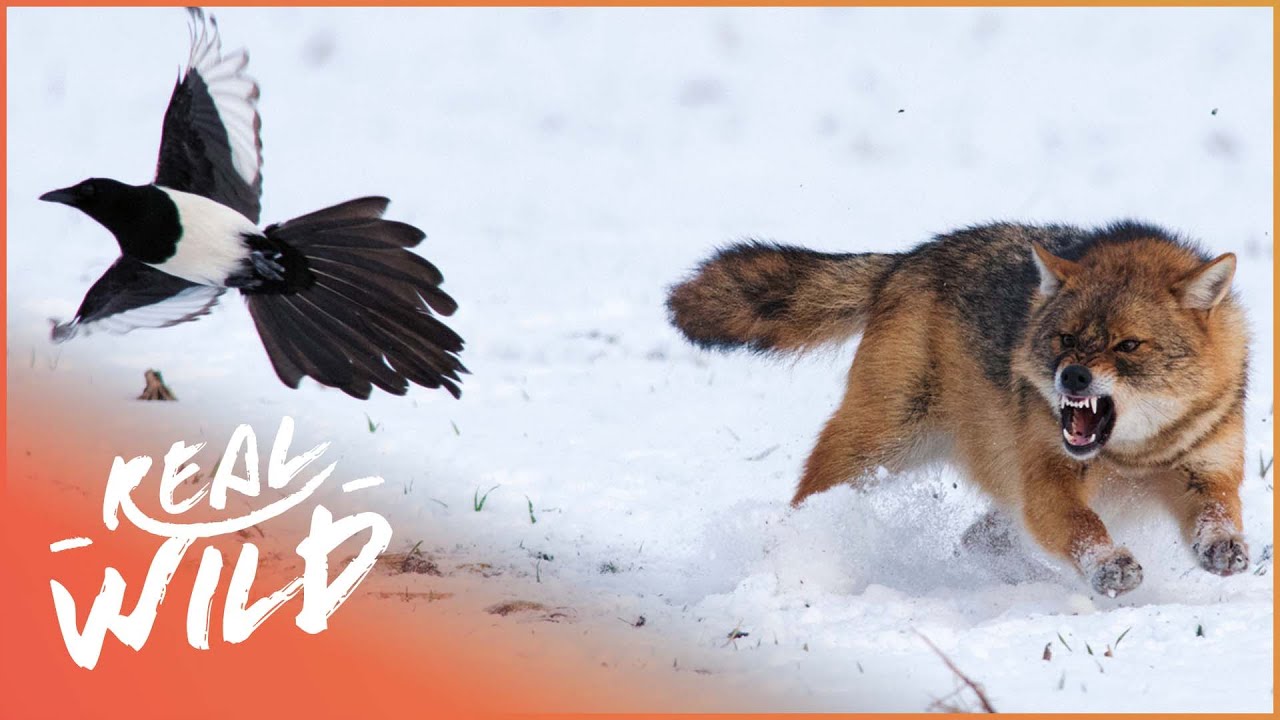
In the high-altitude reserves of the Alps, five fox cubs navigate a harsh environment filled with challenges from predators and territorial disputes.
Colombia's diverse ecosystems, from the Andes to the Amazon, host a remarkable variety of unique plants and extraordinary wildlife.
Nearly 30 million white-tailed deer now inhabit North America, thriving in suburban areas despite challenges from traffic and domestic pets.
Two million bats take to the skies at dusk in the Indonesian jungle, where predators await their chance to strike.
Dogs have formed a unique emotional bond with humans over thousands of years, showcasing their essential roles in various societies through remarkable real-life stories.
In the wild, leopards confront hyenas while fish target birds, showcasing the fierce competition for survival in nature.
Every year, there are up to 100 shark attacks worldwide, prompting scientists to study the behavior of these predators to improve safety for ocean users.
Over 20,000 elk migrate across an area five times larger than Yellowstone National Park, connecting ranch lands and high-alpine meadows.
In Patagonia, viewers can explore the serene beauty of kelp forests, the Southern Ocean, and the intimate moments of a southern right whale and her calf.
In the Grand Bahama Bank, pregnant lemon sharks and white-tip reef sharks exhibit unique behaviors, revealing critical insights into their population dynamics.
Extraordinary interactions among diverse species are captured across various ecosystems, highlighting the importance of wildlife conservation and biodiversity.
In the BBC Earth archive, a compilation showcases winter wildlife moments, featuring caribou, penguins, wolves, and polar bears in their natural habitats.
Over half a million terns crowd during the dry season, while various species employ survival strategies against predators in their environments.
The golden eagle hunts prey while gliding, posing a threat to various animals in its territory.
Antarctica's prehistoric past reveals a lush, forested continent during the early Jurassic period, home to unique dinosaurs like Cryolophosaurus and Glacialisaurus.
A 3-year-old tigress in Madhya Pradesh has lost two sisters to poachers and faces ongoing threats in her struggle for survival.
More than 80 percent of the global population lives with light pollution that disrupts natural ecosystems and threatens various species' survival.
The series 'Elephants Up Close' presents insights into Africa's gentle giants and their behaviors.
A leopardess carries the remains of a young eland through the gallery forest of the Serengeti to provide for her five-month-old cub.
A snowy owl mother must abandon one of her chicks due to a shortage of lemmings on Wrangel Island.
A 24-foot tiger shark, one of the largest predatory fish, is a key focus for divers in the Atlantic Ocean near the Bahamas.
In Grand Canyon National Park, various animal species demonstrate interdependence and adaptability in their survival strategies amid a challenging environment.
Between 1914 and 1918, the British Army requisitioned over a million horses for military service during World War I.
In rural areas, young boys have survived terrifying wolf attacks while sleeping, highlighting the dangers posed by wild predators.
Wild America showcases remarkable instances of animals evading predators, highlighting the extraordinary survival tactics employed in the natural world.
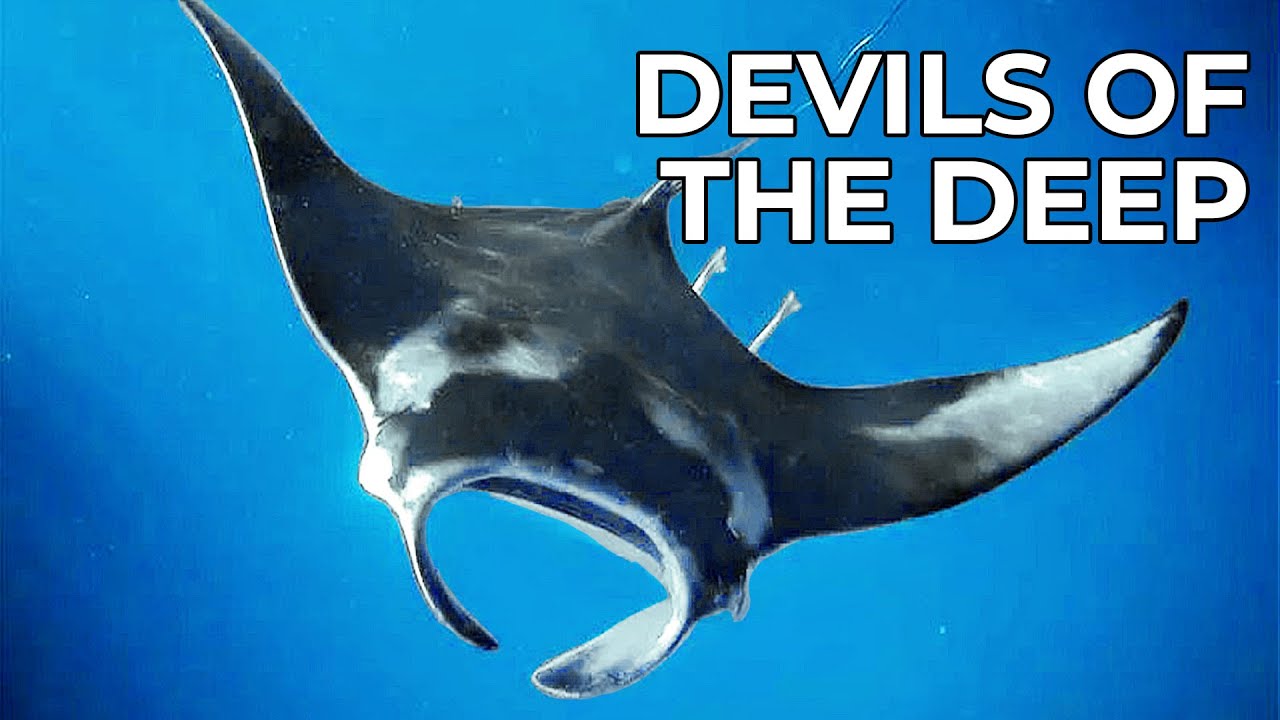
Manta rays, known for their intelligence and complex behaviors, are studied by Dr. Kathy Townsend and her PROJECT MANTA team across locations like Mexico and Australia’s Great Barrier Reef.
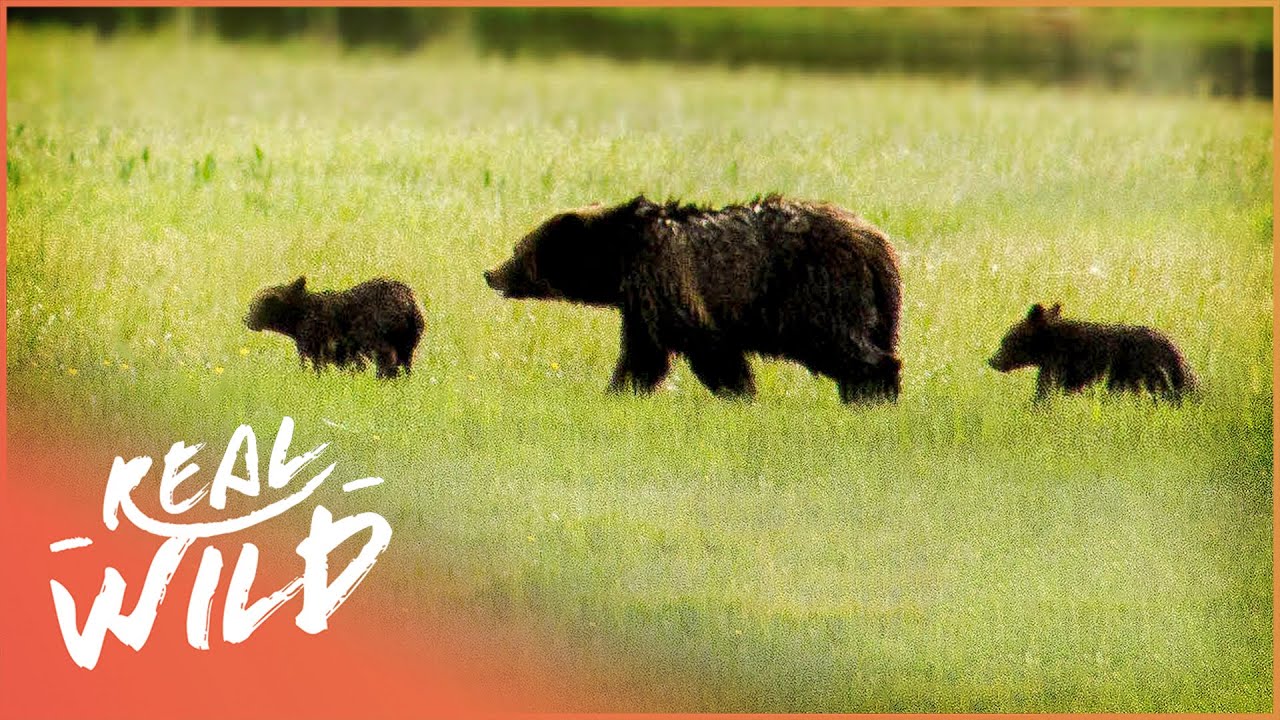
In Forillon National Park of Gaspésie, Quebec, a mother black bear and her two cubs navigate the challenges of survival over three years.
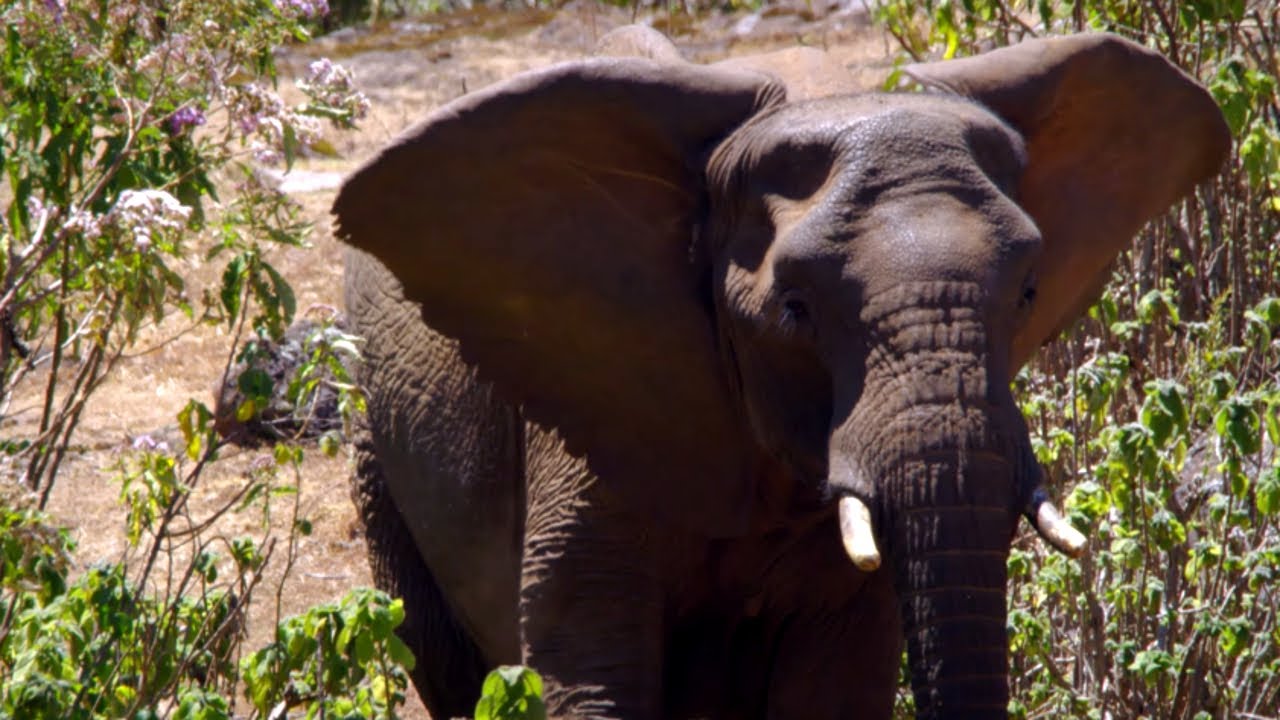
Elephant cows are only fertile every four to six years, creating significant challenges for male elephants seeking to mate on the savannah.
Dinosaurs are examined through their anatomy, evolution, and fossil discoveries, providing insights into their history and significance in paleontology.
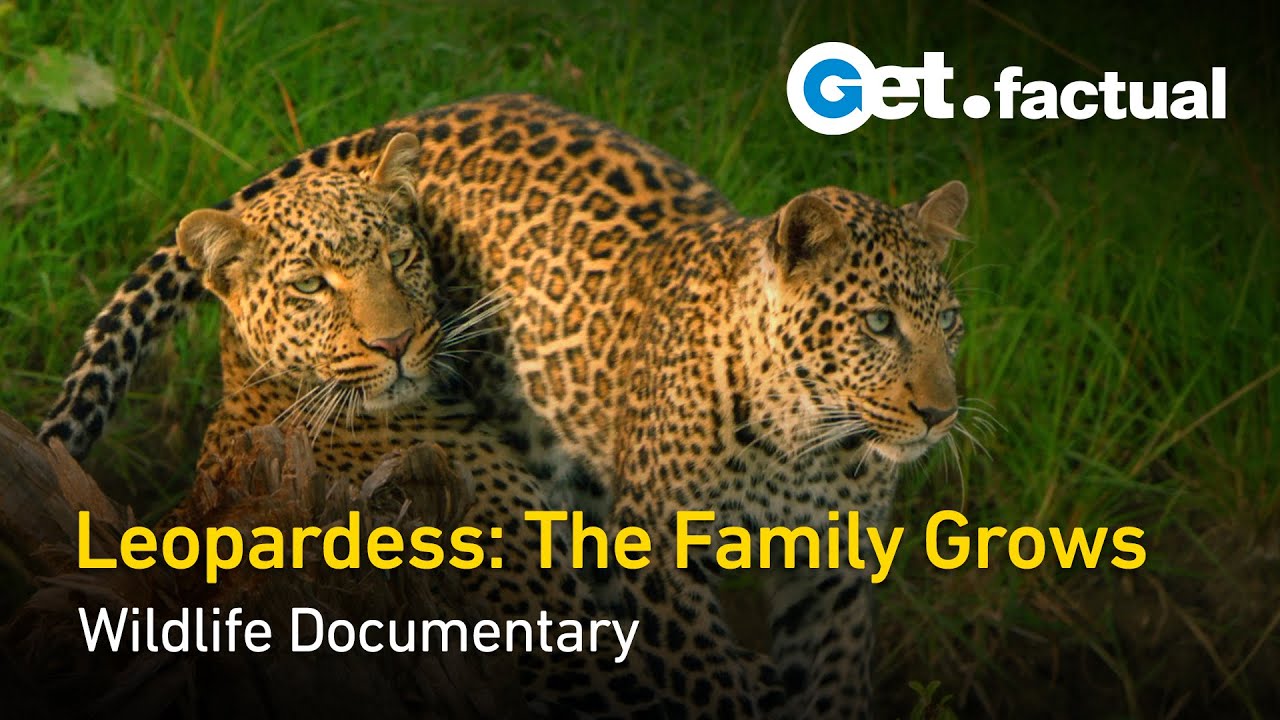
In the Serengeti, a leopardess navigates the challenges of motherhood while raising her son and two new female cubs destined to inherit her territory.
In diverse habitats from Australia to Borneo, species like Bat-eared Foxes and Proboscis Monkeys demonstrate their remarkable auditory abilities.
Animals on the African plains face constant threats and live seconds from disaster.
In the 1950s, David Attenborough's early career in natural history is highlighted through archival footage from the BBC series Zoo Quest.
Male Raggiana birds of paradise take seven years to mature and develop their colorful plumes to attract females during mating displays.
In May 2016, researcher Ian Redmond is injured by an elephant named Carly while studying a unique population of cave elephants in Mount Elgon, Kenya.
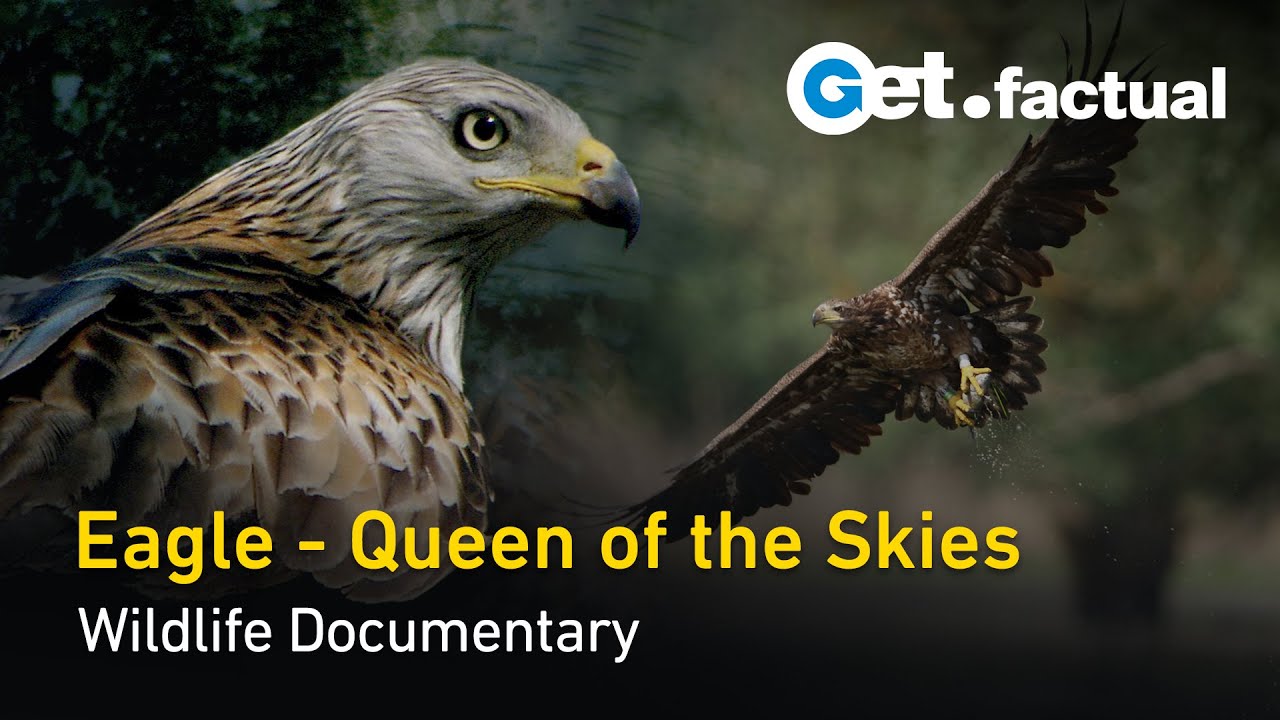
Eagles battle fiercely for survival and work hard to raise their young in this wildlife documentary.
Elephants exhibit remarkable intelligence and emotional depth, as highlighted by research from the African Wildlife Foundation on their adaptive behaviors in changing environments.
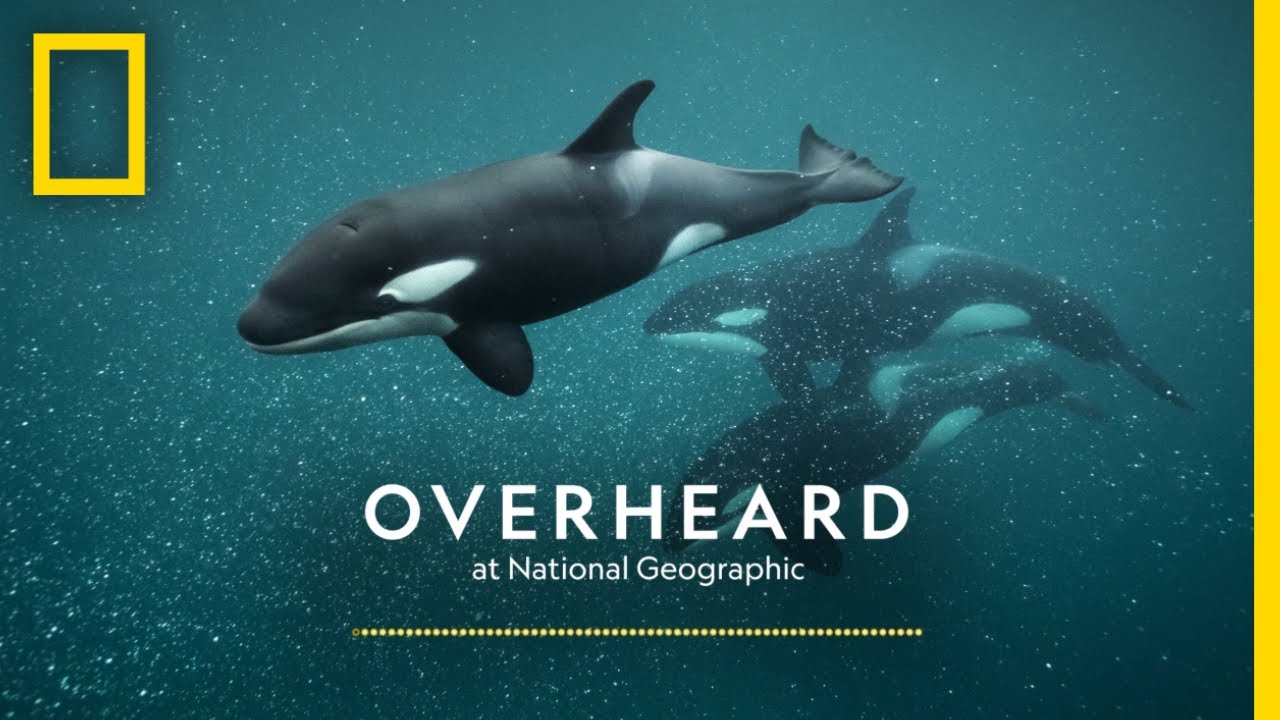
Orcas exhibit unique family structures and behaviors that are passed down through generations, as documented by photographer Brian Skerry.
In eastern Slovakia, the Carpathian Mountains host a diverse range of wildlife, including brown bears, wolves, lynx, and rare species like the Blue slug and Tatra chamois.