From over 100,000 films, discover the handful you'll love.
Free or premium access to the world's largest documentary library.
3259 films(Page 21 of 68)
During winter, surface temperatures on marshes in Northeast Asia rarely rise above freezing, forcing cranes and other wildlife to adapt for survival.
Nelly, a 5-week-old baby Warthog, searches for friends in a wildlife park while 18-month-old Lumholtz Tree Kangaroo Dorothy learns to climb trees with her nanny Margit.
Earth's biodiversity, featuring over 1.6 million animal species from soaring birds to majestic elephants, highlights the interconnectedness of ecosystems worldwide.
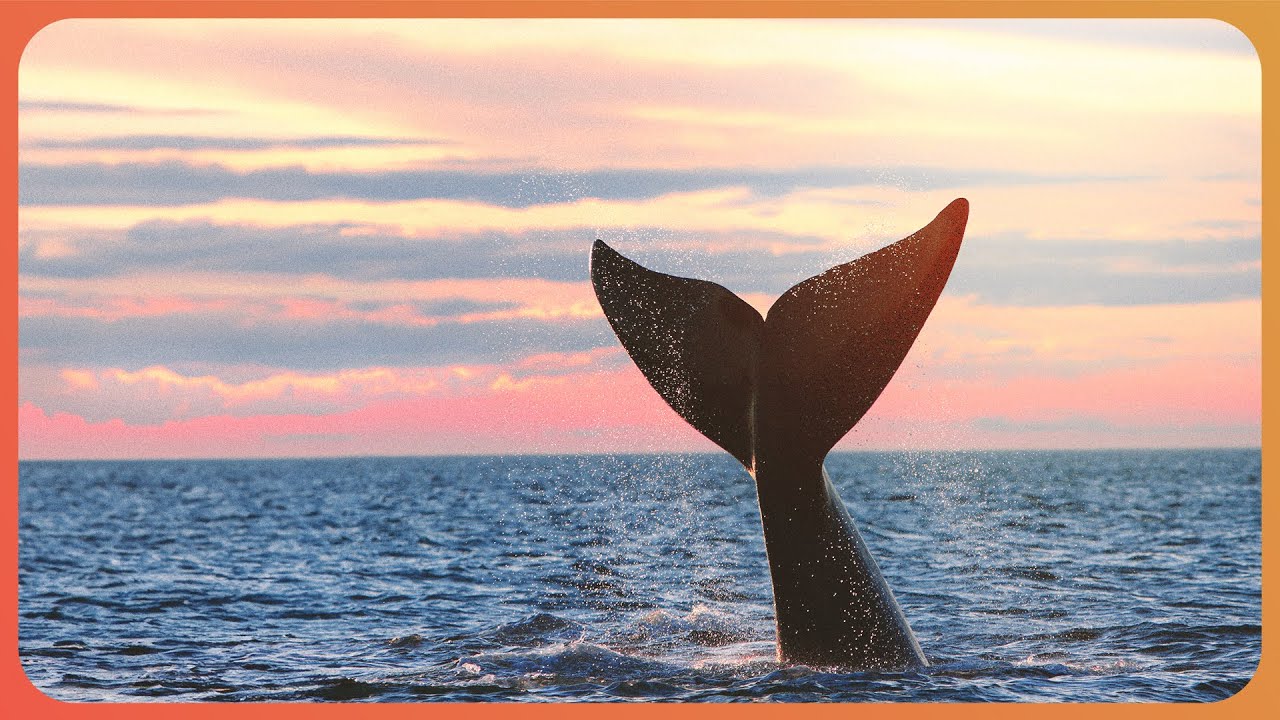
With fewer than three hundred individuals remaining, the Northern Right Whale faces significant threats during its dangerous migration to the Bay of Fundy each summer.
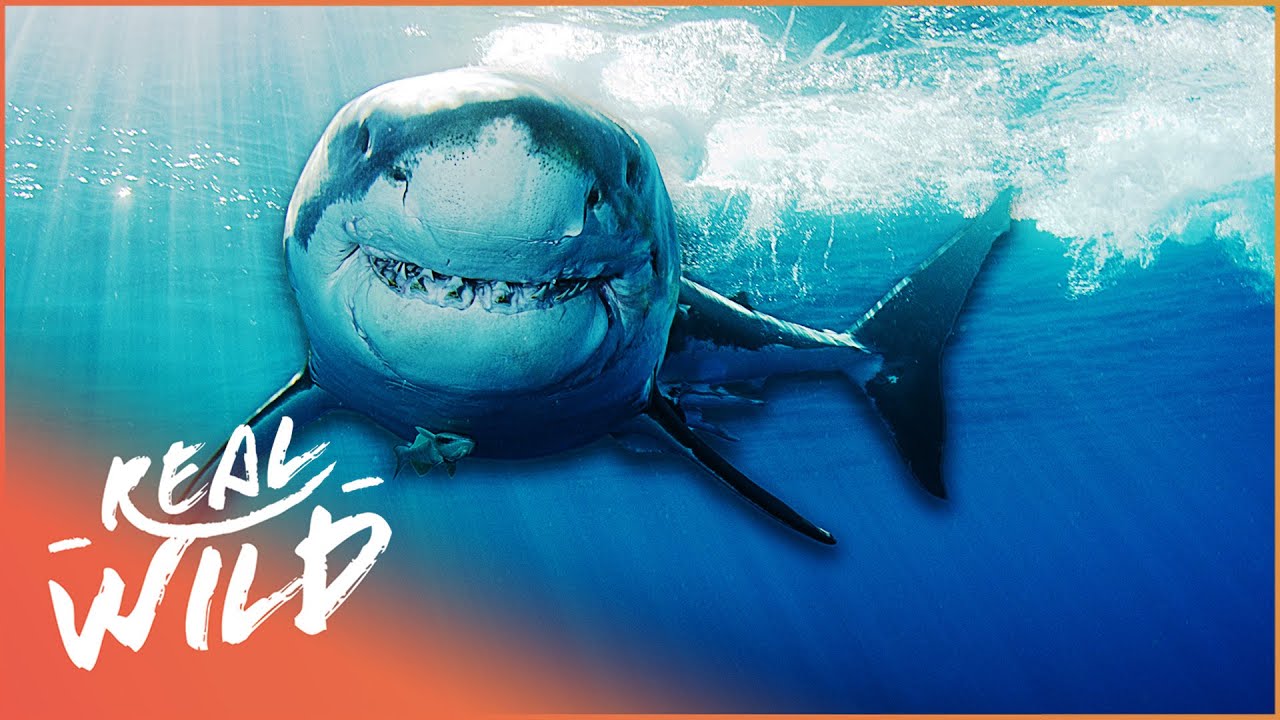
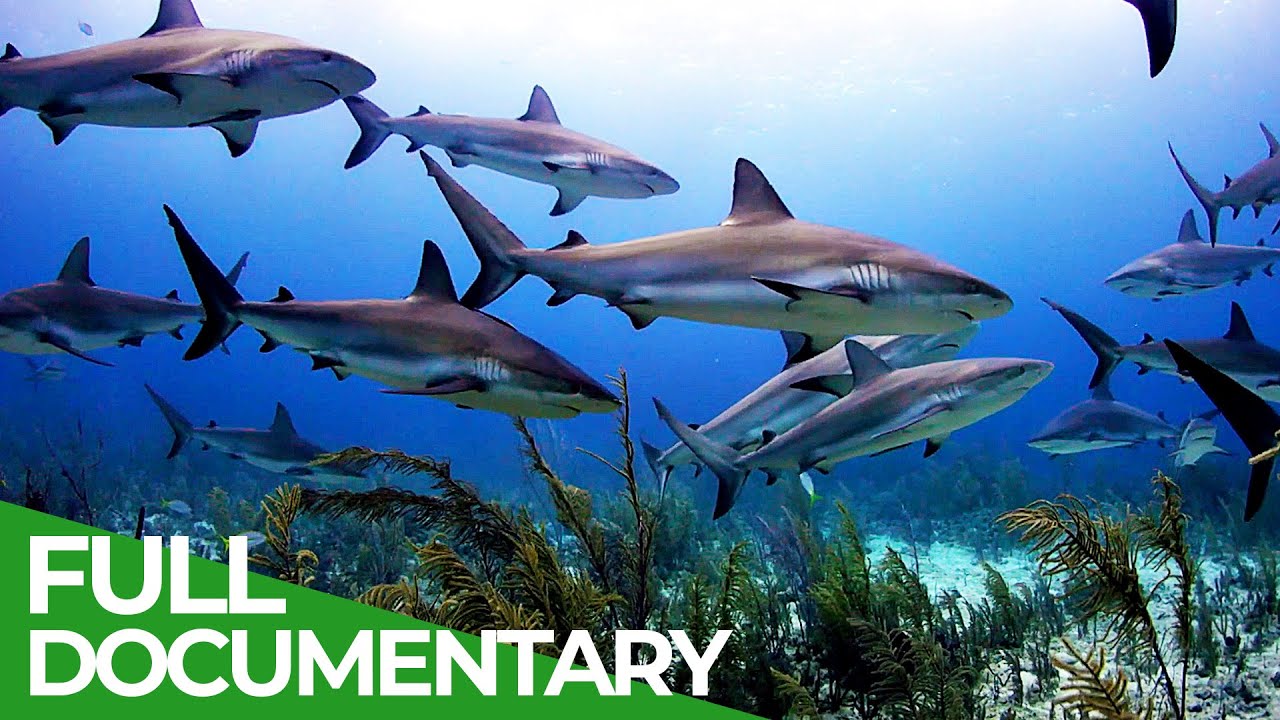
Great white sharks, barn owls, humpback whales, rattlesnakes, and bats showcase their extraordinary hunting abilities and survival techniques in the animal kingdom.
Marty Stouffer examines the extraordinary adaptations and behaviors of unusual animal species, including a spider that has learned to fish.
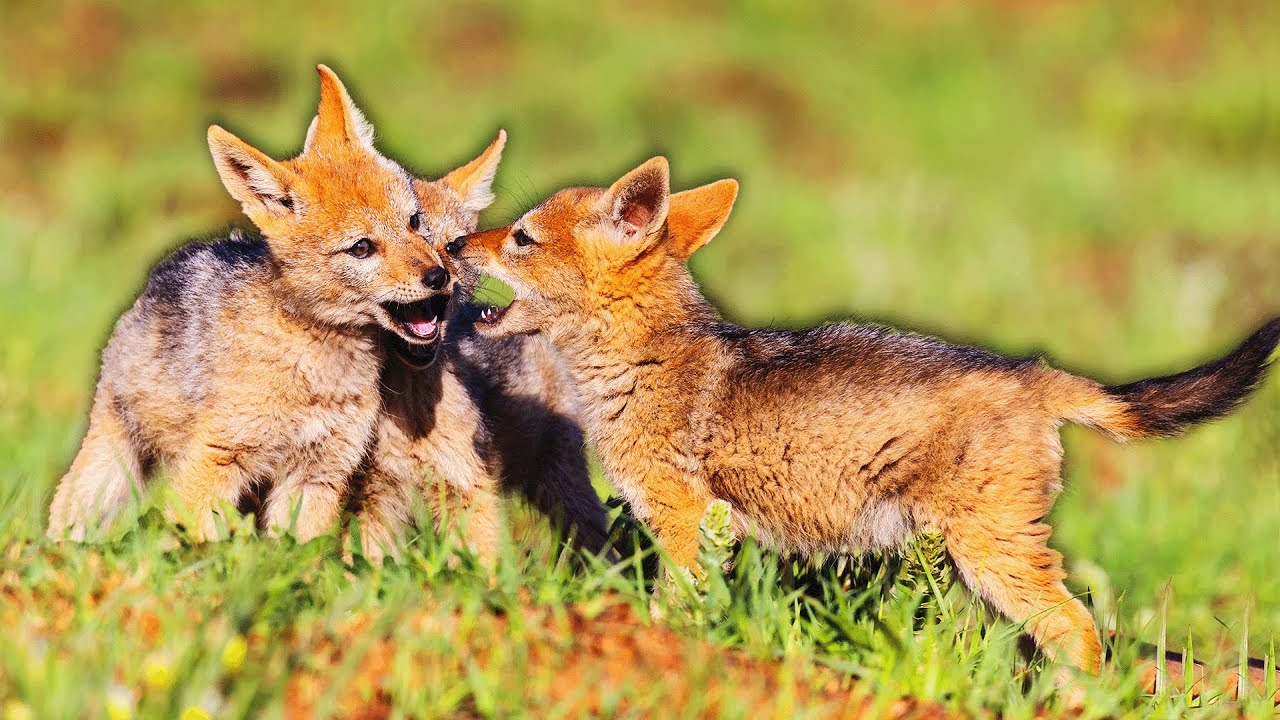
Golden jackal pups in Northern India face the challenges of survival alongside various animal parents, including cheetahs and humpback whales, as they feed their young.
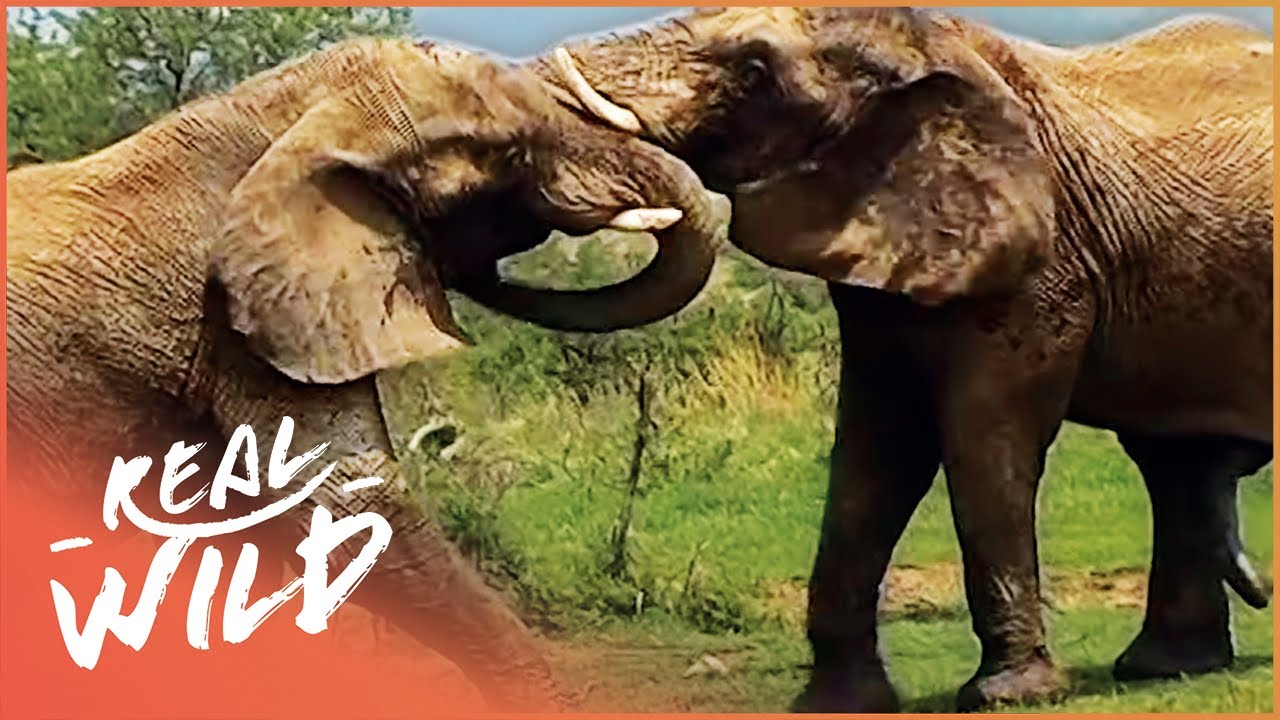
In the African savannah, a young elephant navigates the challenges of survival and social dynamics within its herd.
Spain's unique geographical position between Europe and Africa creates a vital habitat for millions of migratory birds, making it a key area for avian biodiversity.
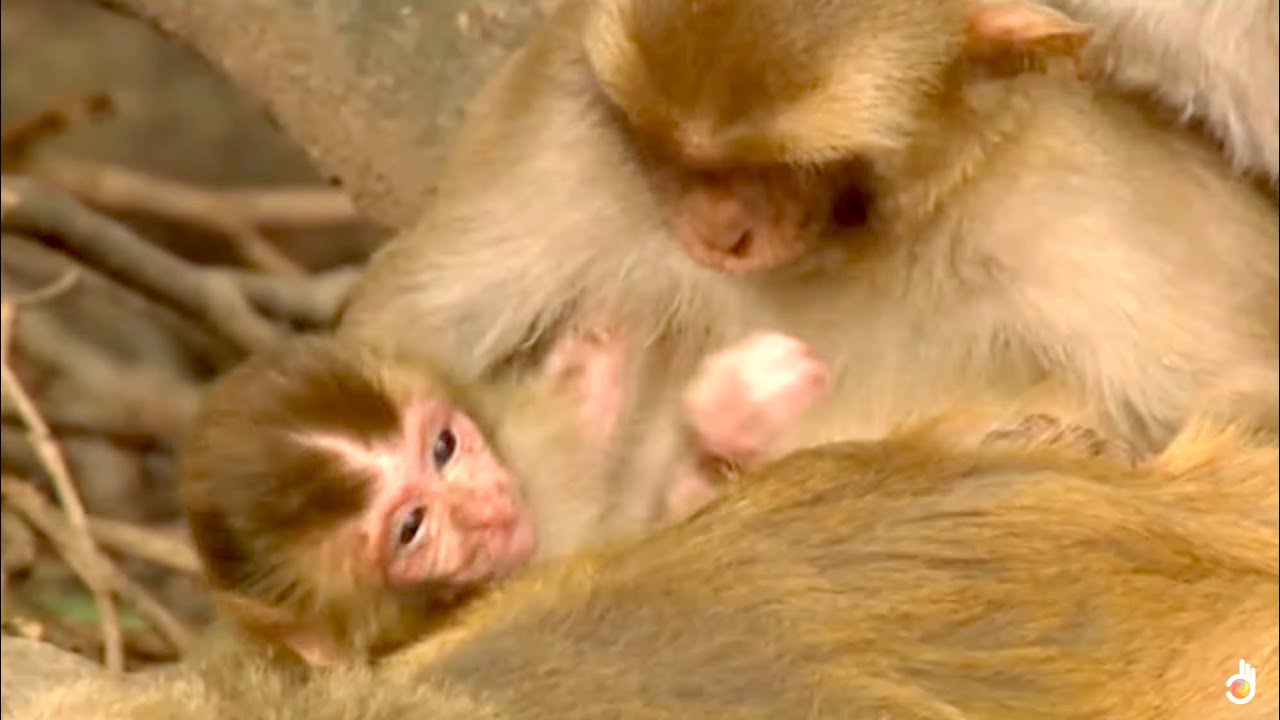
In various natural and domestic environments, a diverse array of baby animals is showcased, highlighting their daily lives and interactions.
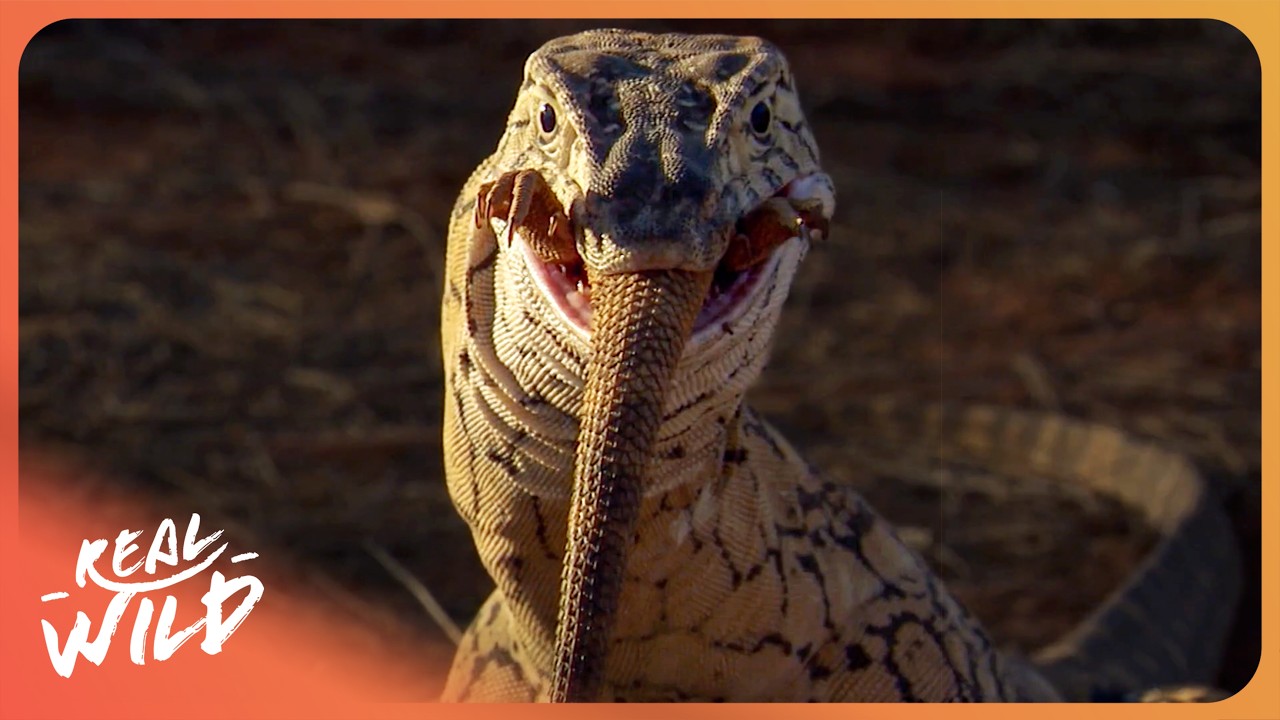
Monitor lizards can grow up to 2 meters long and have survived for 80 million years, adapting to various environments and challenges.
Three sun bear cubs, Bun Bun, Bernie, and Wawa, are rehabilitated in Indonesia's rainforests before being released into their natural habitat.
In one of Africa's last great wilderness areas, the actions of a single elephant transformed the local ecosystem and improved the lives of surrounding communities.
Hooved mammals, including Giraffes, Zebras, and lesser-known species like Tapirs and Okapis, are explored for their unique adaptations and behaviors.
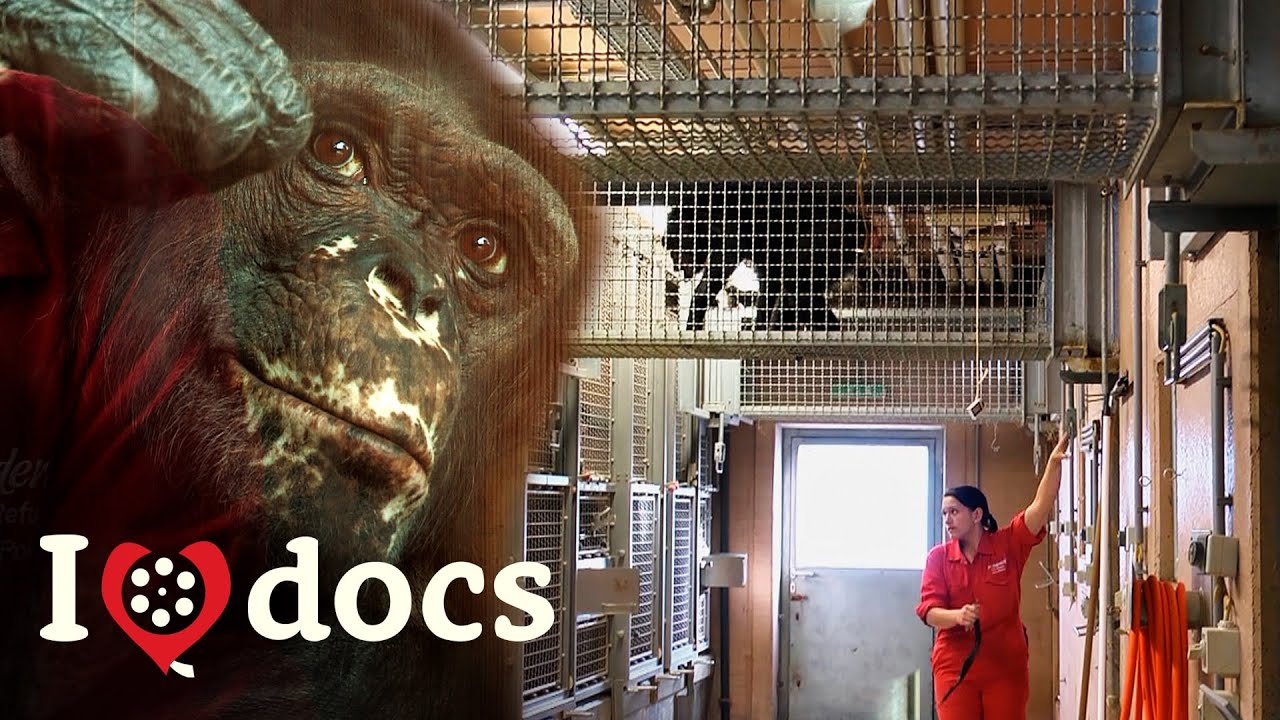
A group of zookeepers in a rehabilitation center works to help former laboratory apes recover from the emotional trauma inflicted by scientific experiments.
Wolves, bears, alligators, and snakes are among the world's most formidable predators, each exhibiting unique social structures and dietary adaptations.
In Argentina, host Nick Baker searches for the elusive and rare Pink Fairy Armadillo, exploring some of the planet's most remote habitats.
A 6-ton orca can strip a giant bluefin tuna in minutes, taking advantage of fishing boats to enhance its hunting success.
In U.S. waters, hundreds of critically endangered manatees are threatened by boats, disease, and cold weather, with only a few thousand remaining in the wild.
Birds of prey in North America exhibit a remarkable variety of species, each with unique adaptations for hunting and survival.
Uwe Anders captures Arctic wildlife on Wrangel Island, showcasing his unique experiences.
A 60-foot leviathan, a prehistoric toothed whale, faces off against the great white shark in a dramatic battle for dominance in ancient oceans.
A young lioness in Samburu National Park adopts an antelope, raising questions about altruism and survival in the animal kingdom.
A leopard can mate as often as every 15 minutes during a five-day period with a female, marking his territory to defend against rivals.
A 3-meter wingspan allows the Andean condor to soar effortlessly above Patagonia, where world-champion hang-glider Judy Leden attempts to fly alongside it.
In the marshes of Australia, wildlife expert Manny confronts venomous snakes and crocodiles, highlighting the dangers of these formidable creatures.
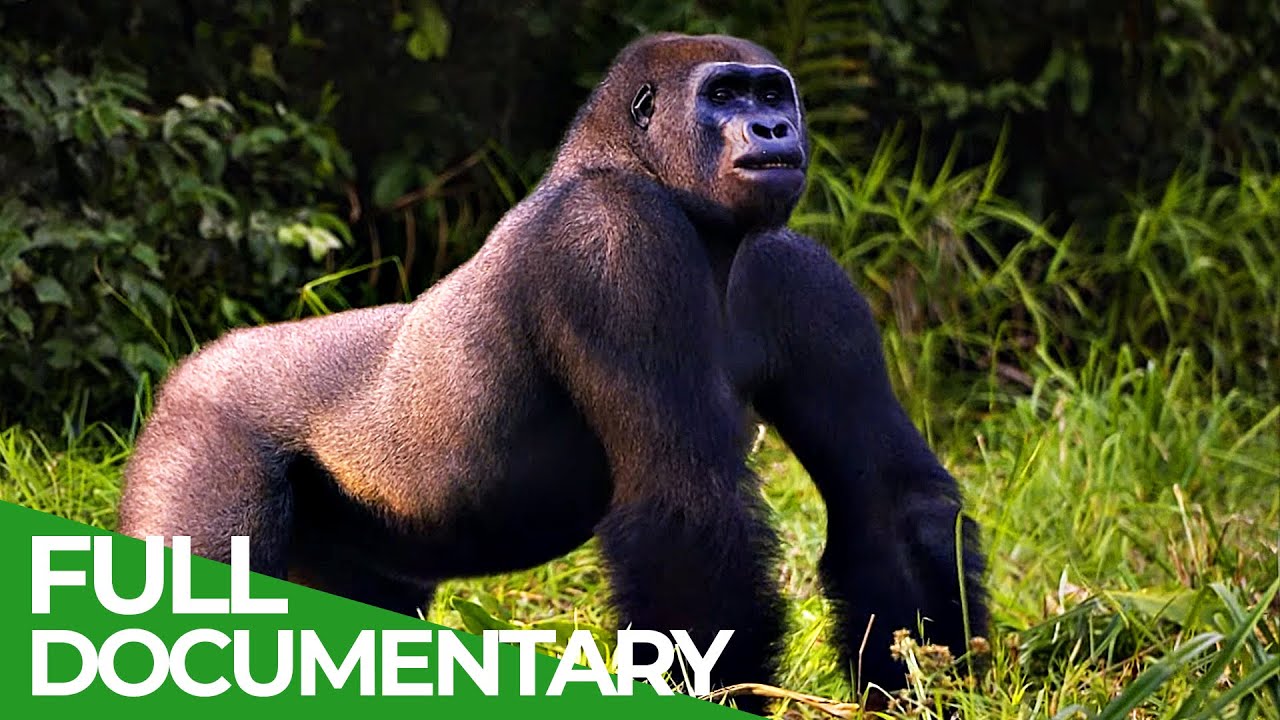
In the Congo River basin, silverback gorilla Makumba leads his family while facing threats from leopards and rival gorillas amid diverse ecosystems.
In Fiordland National Park and the sub-Antarctic Auckland Islands, various penguin species exhibit unique nesting behaviors and survival strategies in their habitats.
Laurent Soulier, a marine mammal parasitologist, aims to save humpback whale populations by studying their lice in New Caledonia's waters.
In Season 4, Episode 6 of The UnXplained, experts examine whether certain animals attack humans for reasons beyond typical defense and hunger.
In the final episode of the series, various animals showcase their extraordinary senses, highlighting how these adaptations enable them to thrive in the wild.
In Guyana, reptile hunter Mark O'Shea explores the dangers posed by the endangered black caiman while promoting coexistence with local communities.
Arctic fox pups, born blind and deaf, must learn to hunt within nine weeks to survive in one of the harshest environments on Earth.
Battersea Dogs & Cats Home, the world's oldest dog shelter, showcases the dedication of its staff in finding loving homes for abandoned puppies, narrated by comedian Paul O'Grady.
A hairy scorpion can travel up to 100 meters in a single night while using its sensory hairs to detect vibrations from several meters away.
From Arctic waters to tropical forests, various animals like walruses, cobras, and jellyfish exhibit unique adaptations for survival and defense.
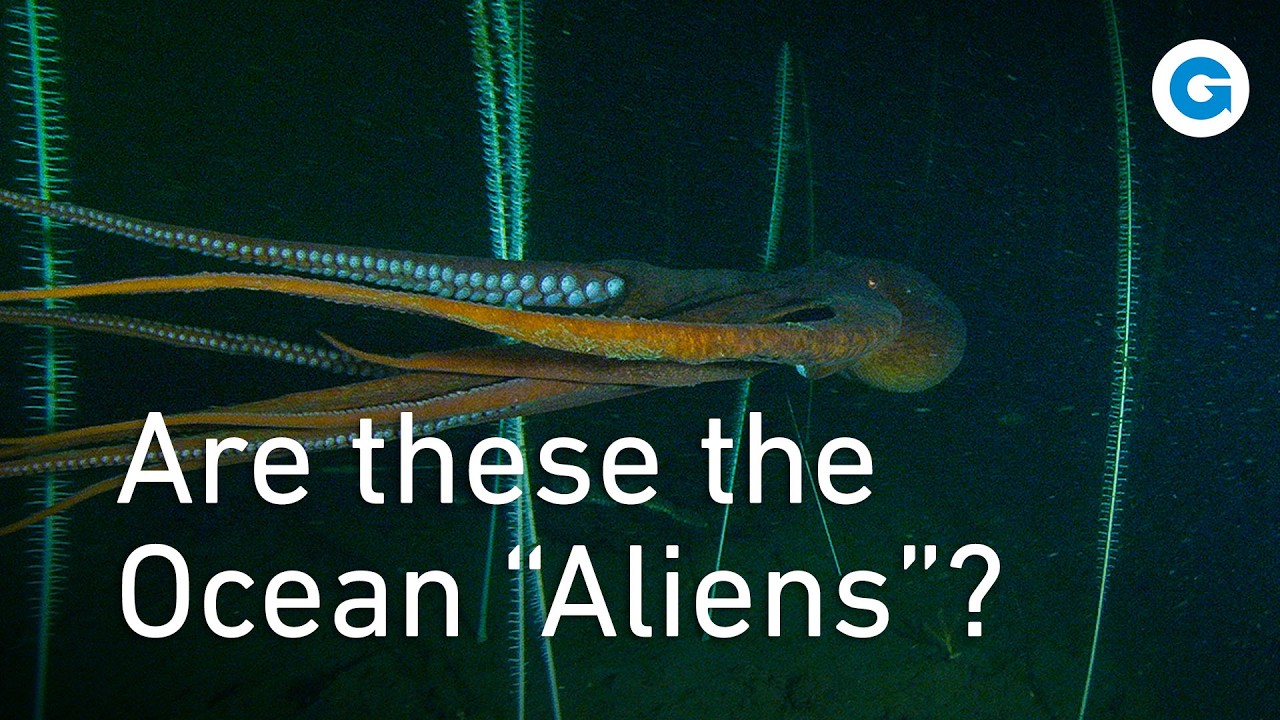
A giant Pacific octopus can weigh up to 600 pounds and reach lengths of 30 feet, making it the largest octopus species in the world.
In Africa, predators such as crocodiles, lions, wild dogs, and hyenas demonstrate lethal efficiency through coordinated hunting strategies.
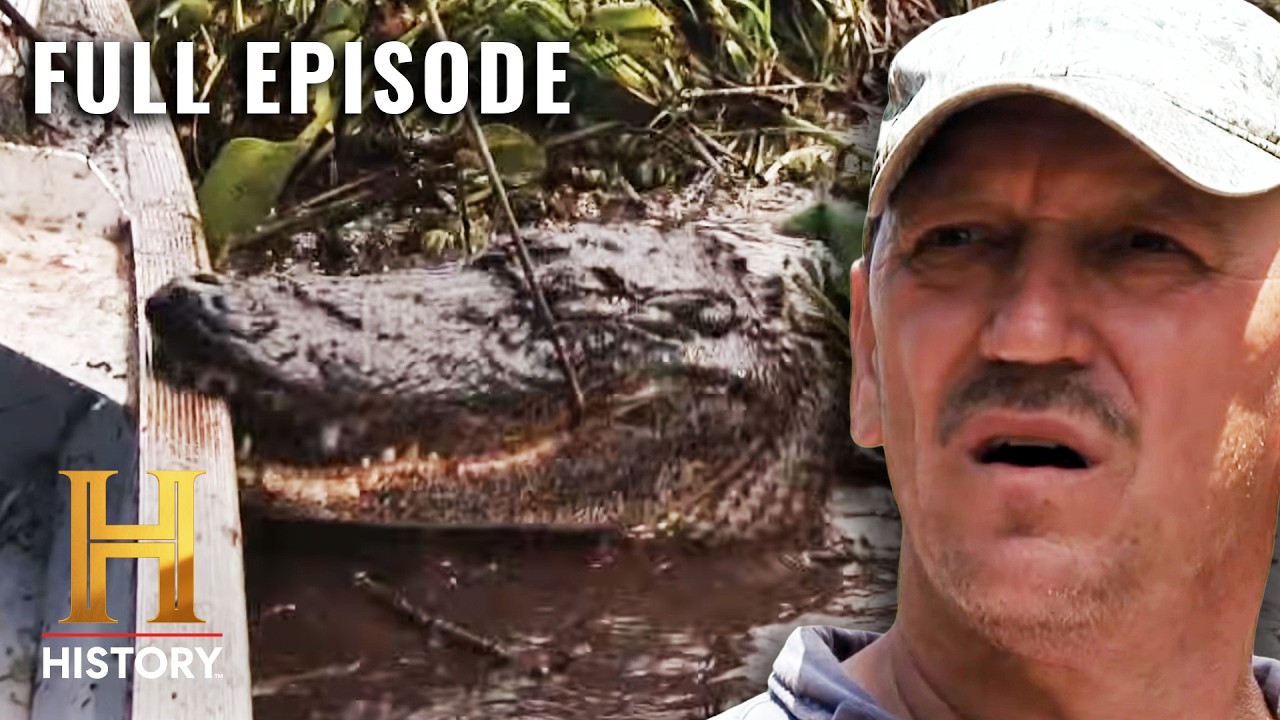
In Season 4, Episode 8 of Swamp People, a high-stakes bet between Texans and Troy Landry culminates in a critical moment for one team facing a health crisis.
Eric Bairao Ruivo leads Beauval Nature's global efforts to reintroduce endangered species, including giant pandas in China and Andean condors in Argentina.
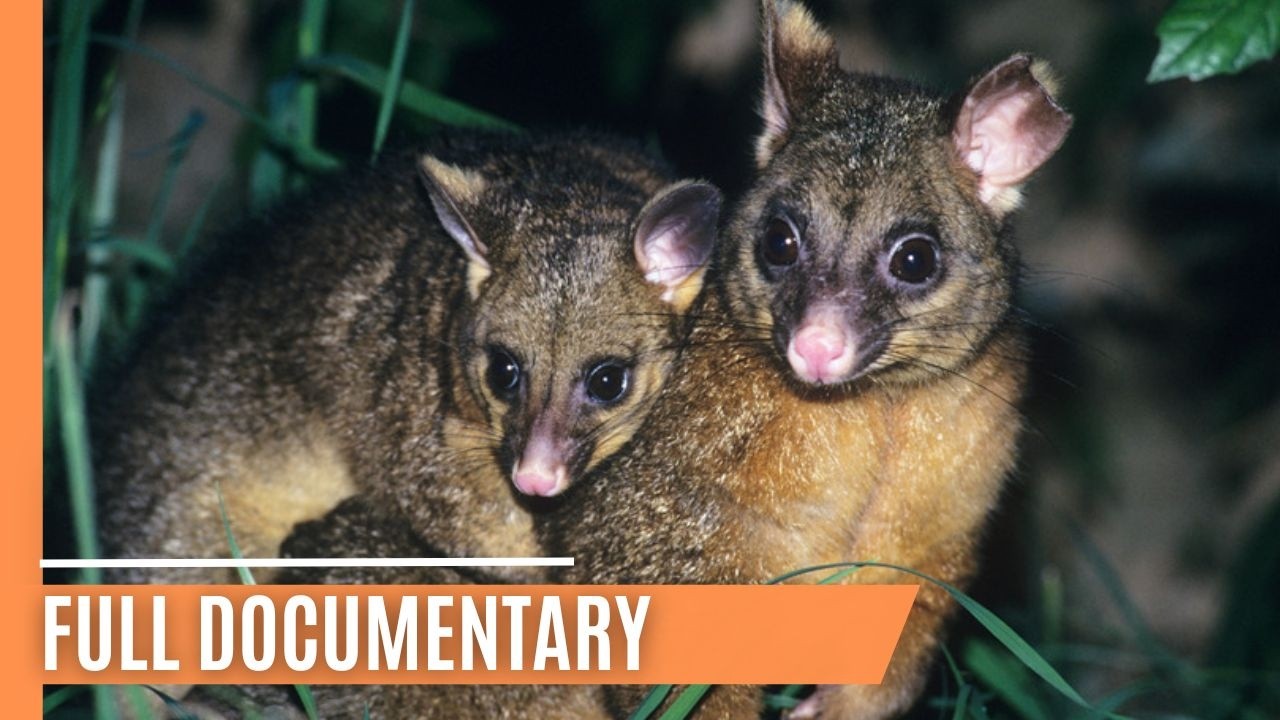
In the Australian wilderness, brushtail possums, sugar gliders, and mountain pygmy possums exhibit complex social behaviors and survival strategies against predators.
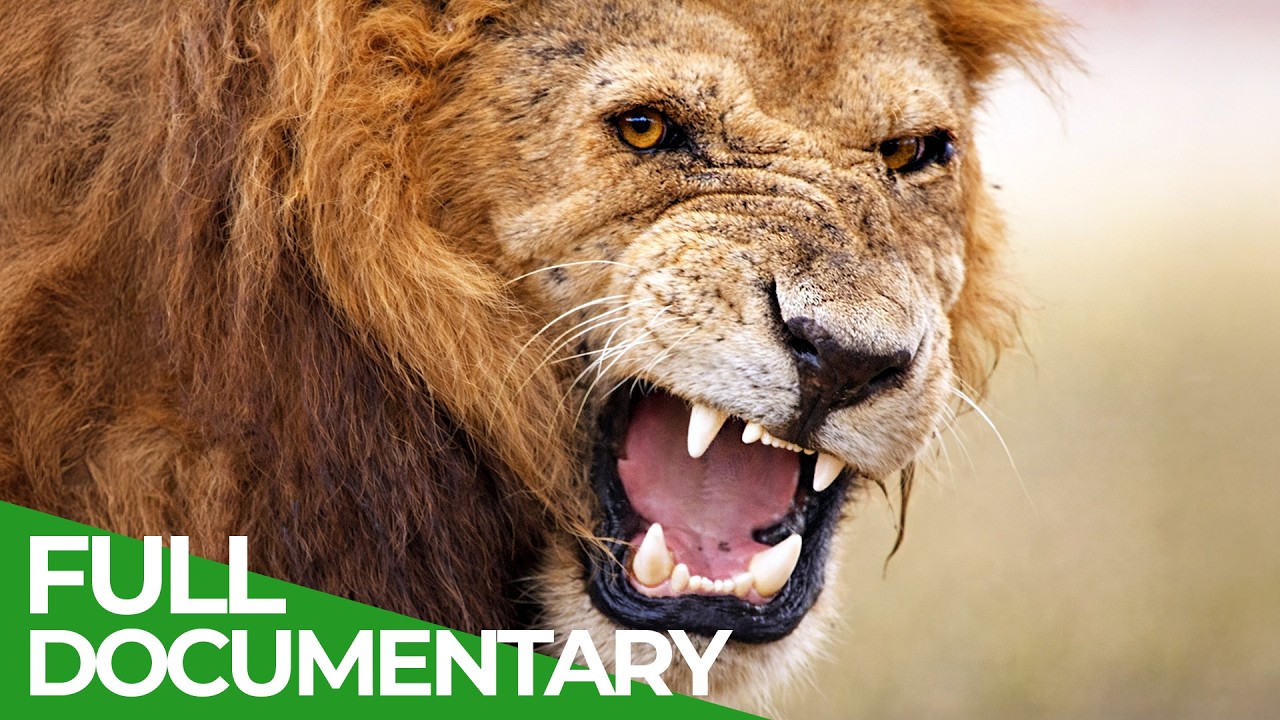
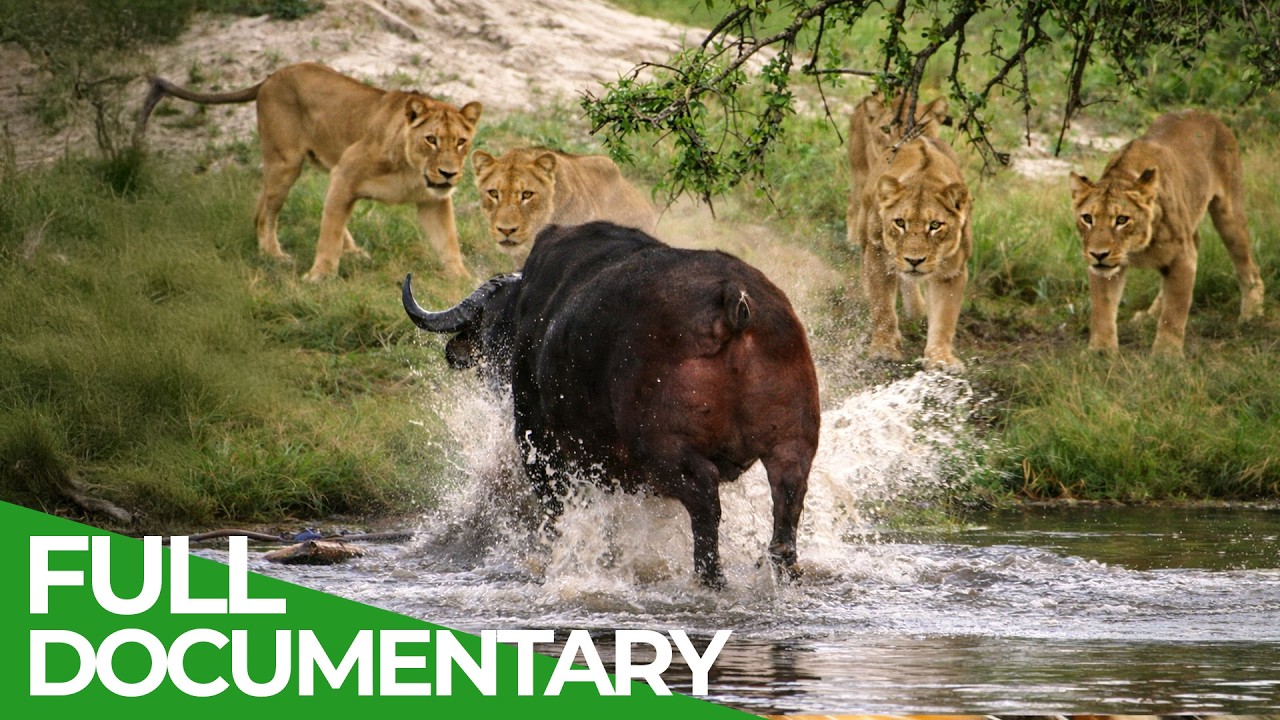
Lions in Africa exhibit complex social dynamics and natural behaviors, while conservation efforts aim to protect their habitats amid human-wildlife conflicts.
Nero and Brutus, two crocodiles, battle for supremacy in a deadly wetland every week.
Chameleons' panoramic vision and servals' exceptional hearing exemplify the specialized survival tactics of various wild animals in diverse environments.
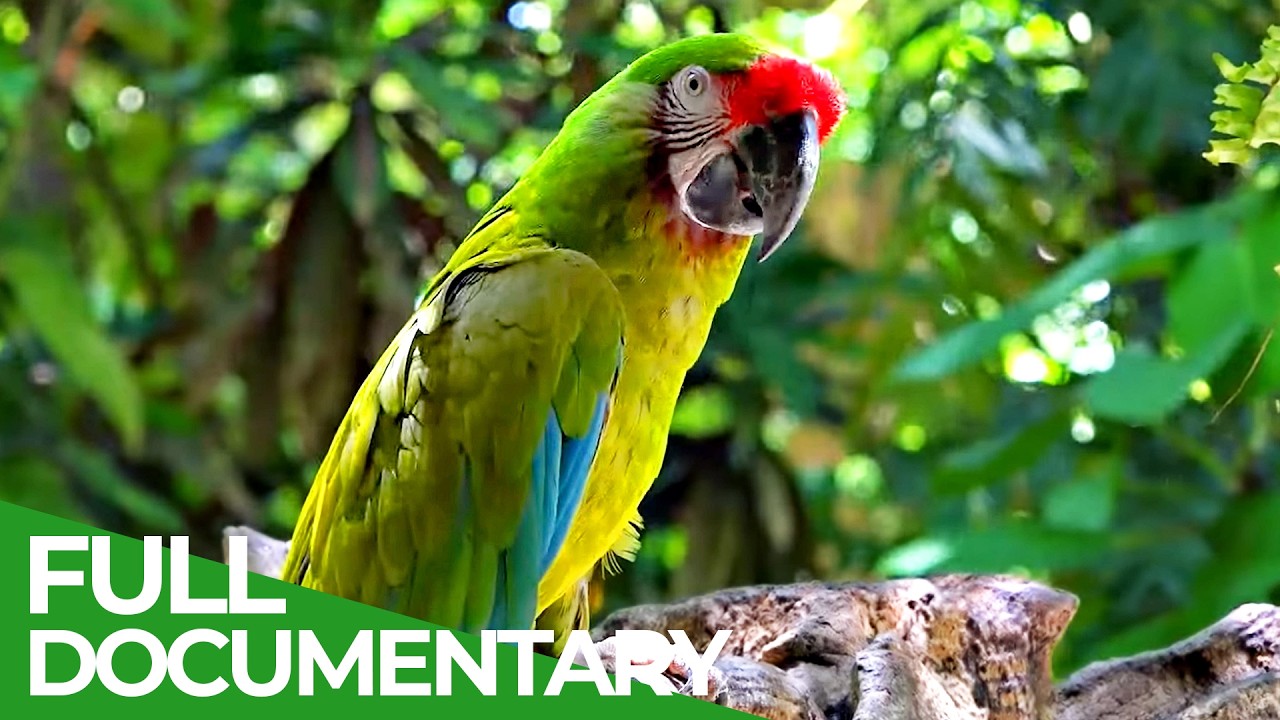
In Brazil, vibrant macaws and other intelligent bird species are examined for their behaviors and interactions within diverse ecosystems.
Manny Puig works with dog experts on Florida farmland to control the feral hog population using specialized hunting techniques.
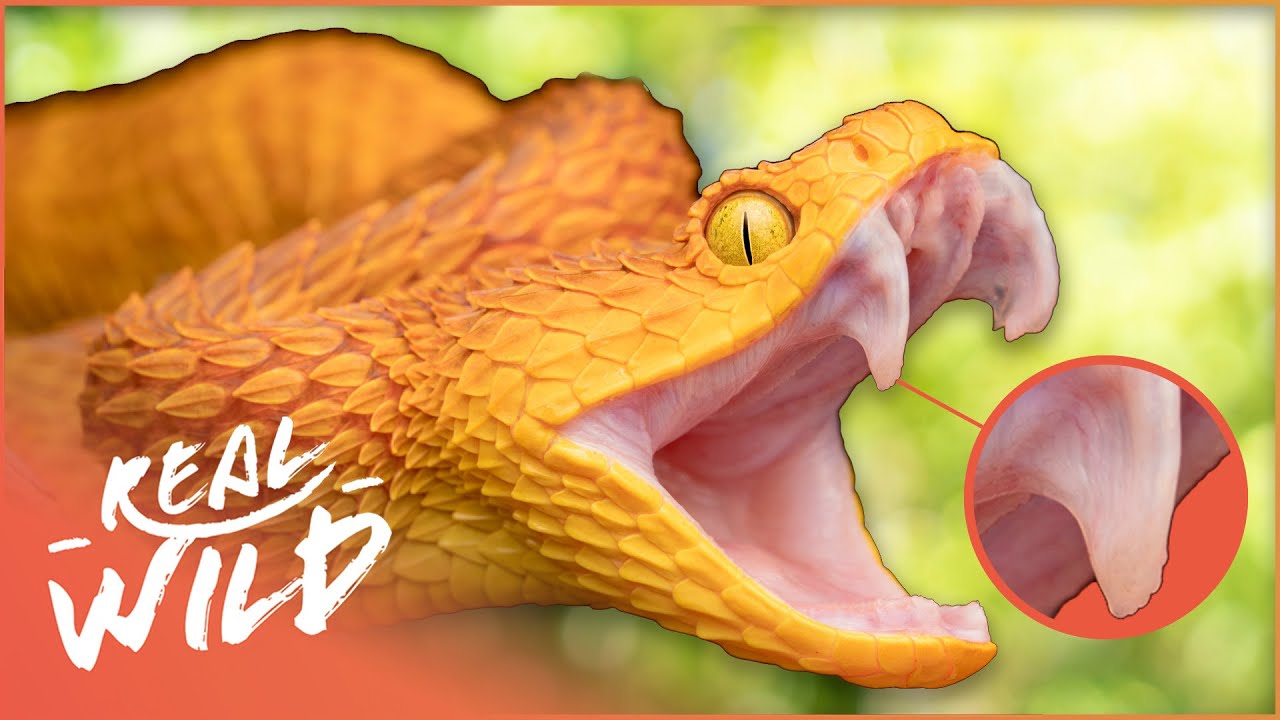
In Malaysia, snake guardian Osman and his family work to change perceptions of the reticulated python and king cobra while protecting them from threats.
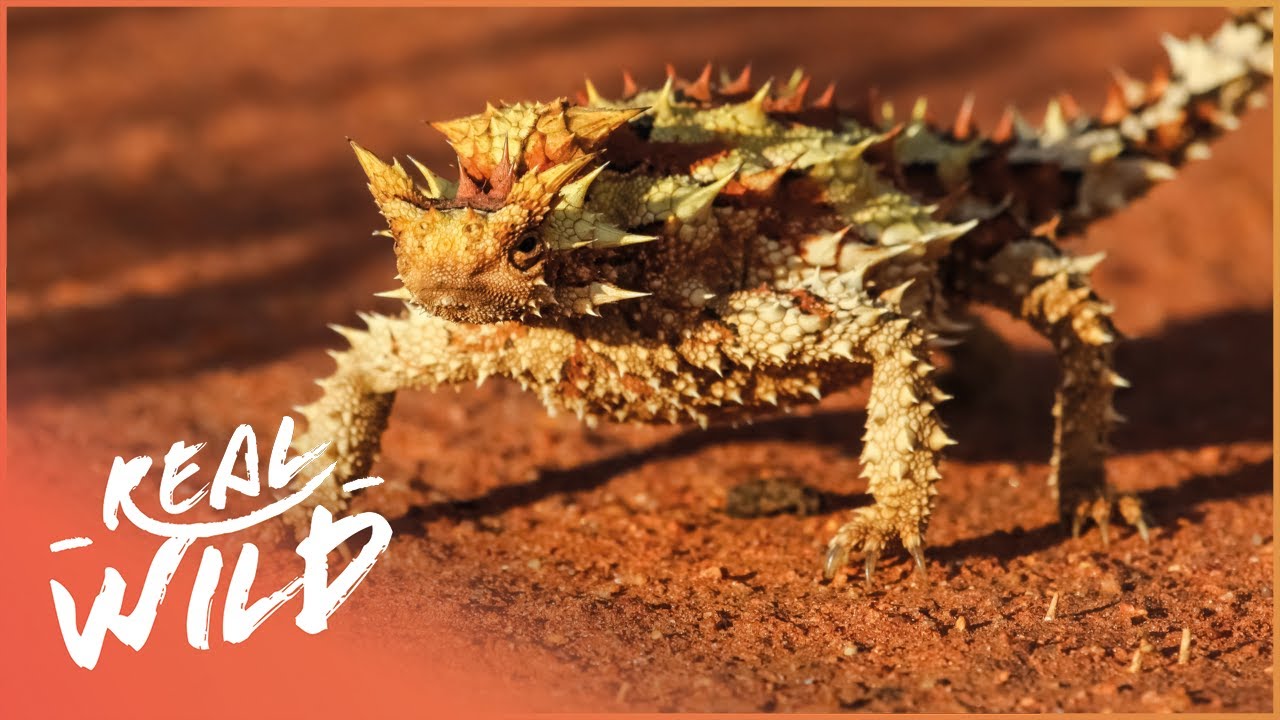
In New Zealand, wildlife such as the Thorny Devil and intelligent parrots must adapt to survive in environments shaped by volcanic activity and earthquakes.