From over 100,000 films, discover the handful you'll love.
Free or premium access to the world's largest documentary library.
3259 films(Page 43 of 68)
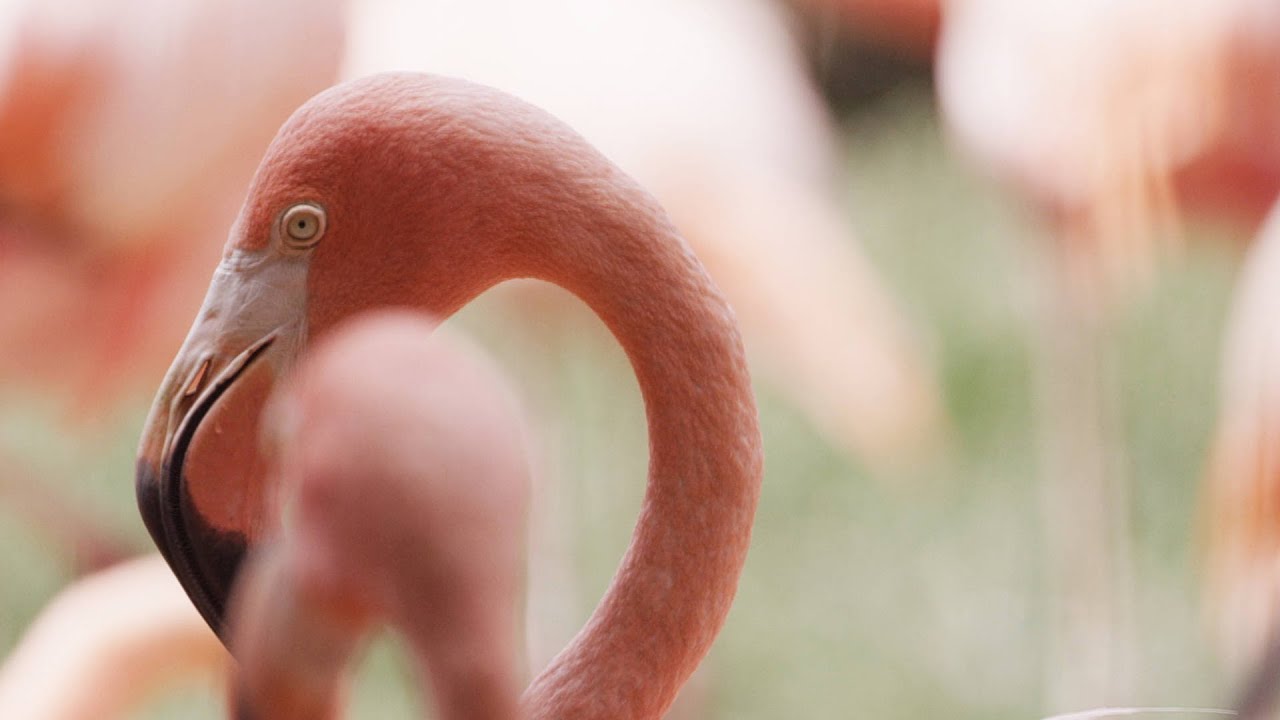
Flamingos must tire of constantly perching, as explained by a caretaker at Smithsonian's National Zoo.
In South Africa, sharkologist Michelle Jewel investigates the communication behaviors of great white sharks, focusing on their breaching patterns.
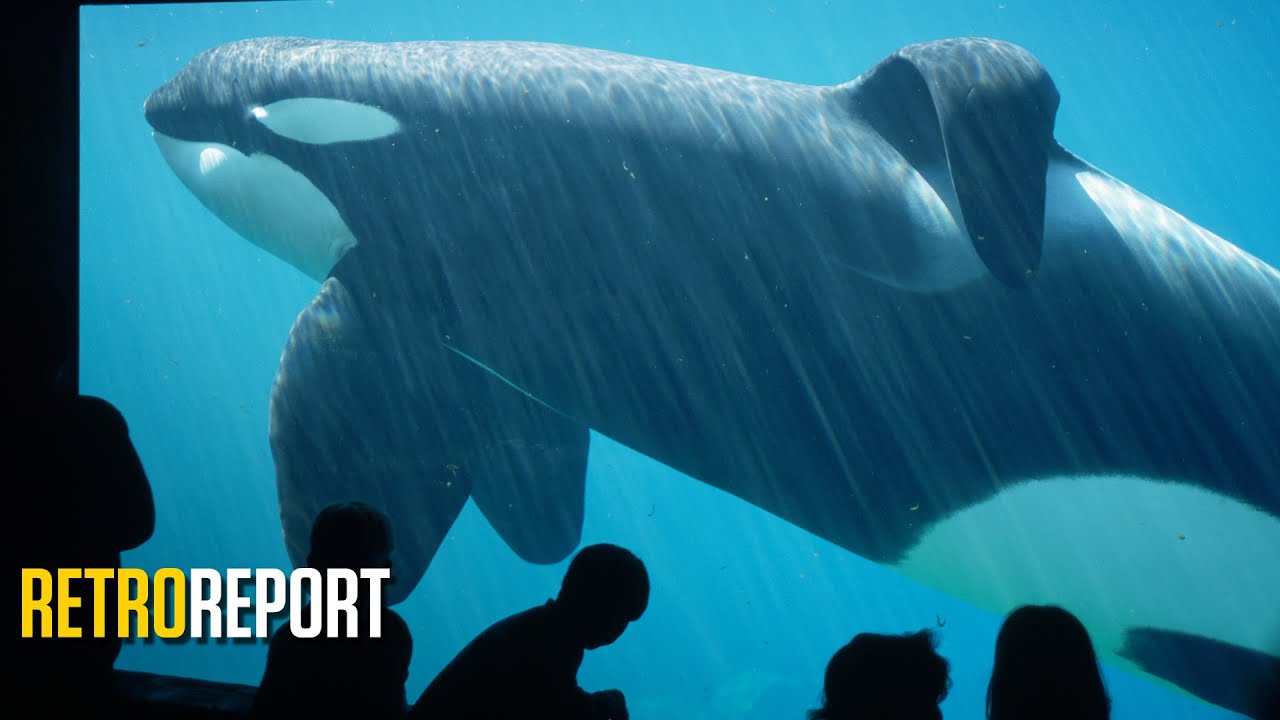
In the summer of 1993, the release of "Free Willy" sparked a campaign by activists and fans to free Keiko, the real killer whale who portrayed Willy.
Young storks along the Danube River in Serbia prepare for their migration to Africa, facing various challenges during their critical two-month preparation period.
The Cape Gannet dives into the ocean, showcasing its unique hunting skills in Nature's Dive Bombers.
Villafáfíla lagoon in Spain serves as a vital stopover for approximately a thousand cranes migrating to Extremadura and Andalusia each autumn.
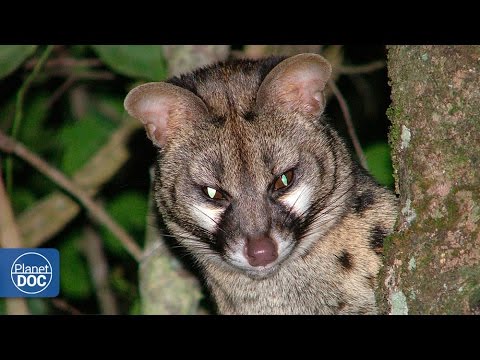
The genet cat is a nocturnal predator known for its keen senses, agility, and climbing skills, primarily feeding on small mammals, birds, and insects.
Gerenuks thrive in Shaba Reserve, adapting to drought with unique feeding habits.
The golden eagle hunts on mountain slopes, targeting prey like rabbits and deer.
The Goliath tigerfish is a terrifying predator, likened to a shark crossed with a piranha.
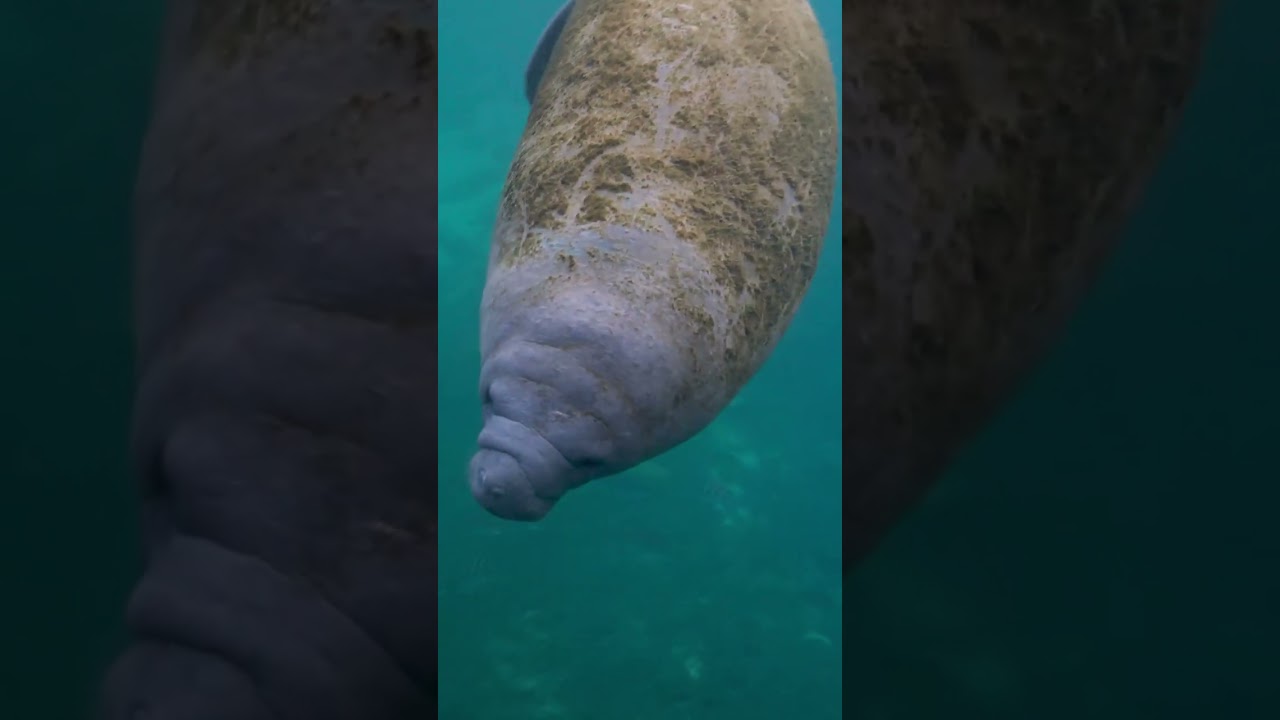
Manatees are shown in their natural habitat, interacting with humans and seeking fresh water, while grazing on seagrass in a serene marine environment.
The goshawk, or Ghost Hawk, hunts prey in lush forests with exceptional precision.
Great white sharks launch out of the water when attacking seals, showcasing their smart behavior.
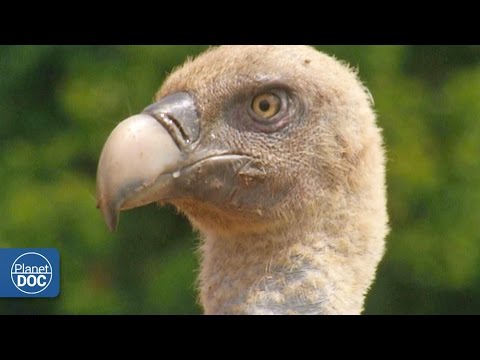
The Griffon vulture uses thermals to fly efficiently, showcasing its impressive adaptation.
Griffon vultures gather to feed on carcasses, creating impressive displays and disputes.
A 2,000-pound Great White Shark named Bruce is closely observed by scientists who aim to challenge misconceptions about shark behavior and intelligence.
A hammerhead shark locates a hiding stingray, prompting a frantic escape attempt.
Hammerhead sharks can hear injured fish from over a mile away using low-frequency sounds.
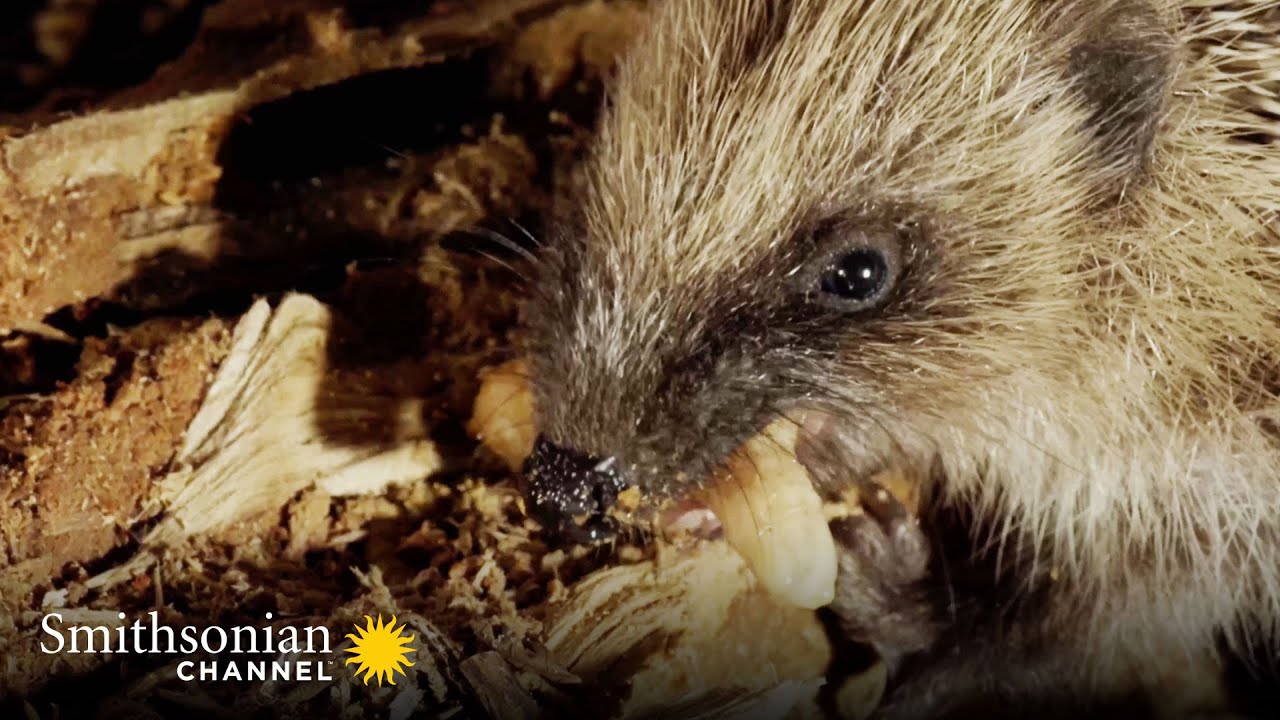
A hedgehog in New Zealand travels nightly for food to prepare for winter hibernation.
World-class scientists and filmmakers from National Geographic explore how science can enhance quality of life and promote sustainable living for the future.
Male Hercules beetles engage in a fierce battle for feeding rights, demonstrating their remarkable strength and competitive behavior in nature.
The Komodo dragon is the largest lizard, known for its powerful claws and deadly bite.
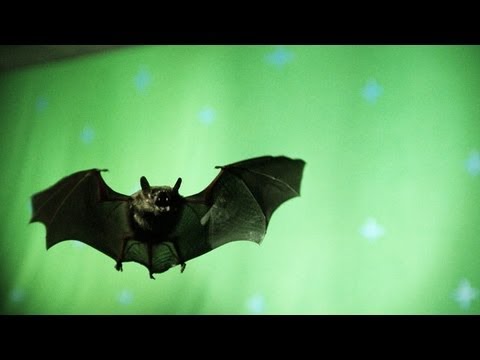
High-speed cameras capture a bat's flight in super slow motion, revealing its unique anatomy and impressive agility as part of the series 'Killer in the Caves.
Hippos are dangerous, often killing more people than sharks each year.
A 15-foot male hippopotamus in Zambia climbs a steep cliff to access water, showcasing the species' agility and adaptability in its natural habitat.
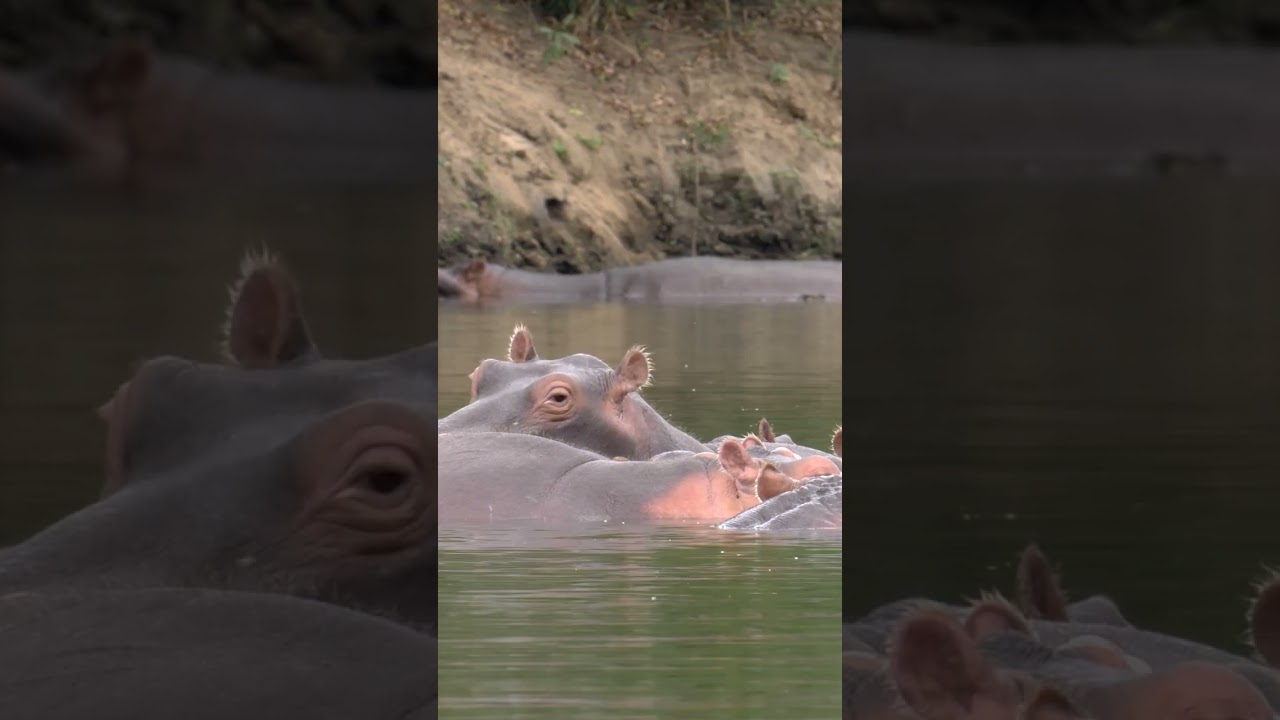
Hippos lead a semi aquatic life, diving for 30 minutes and facing crocodile threats.
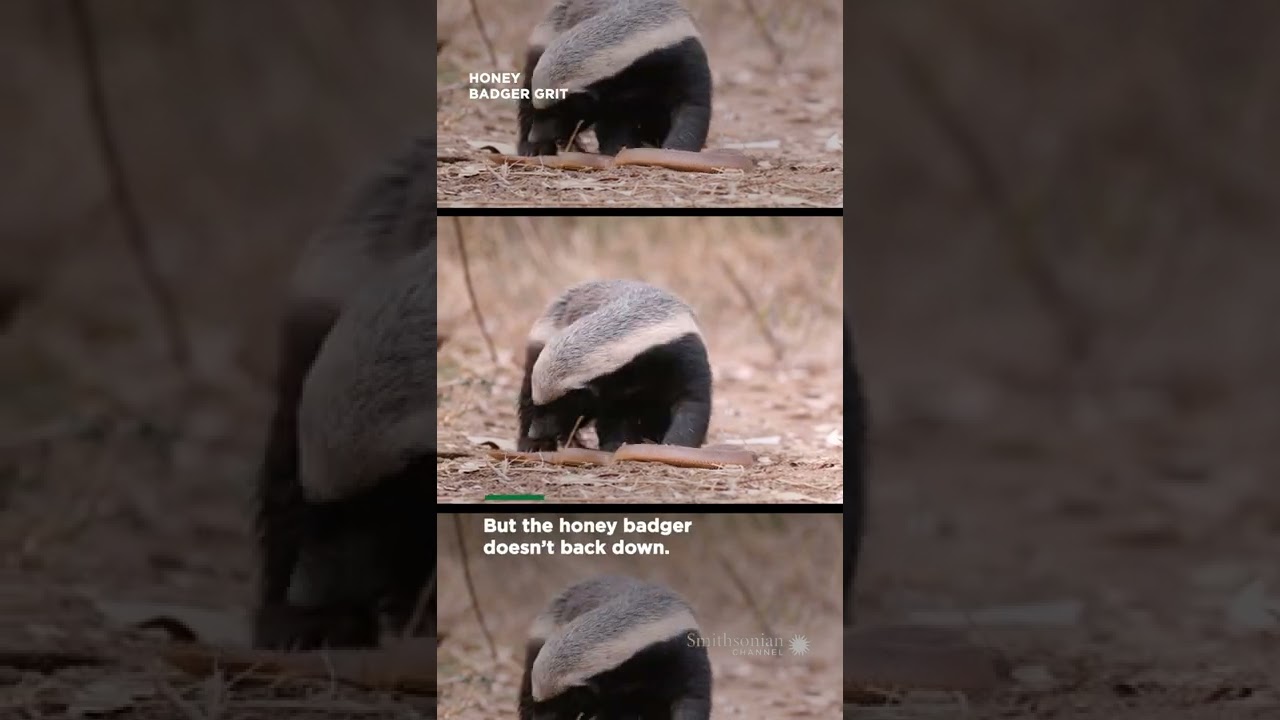
Both predators inflict deadly pain in a fierce battle between a honey badger and a mole snake.
Ireland's horse-racing culture is explored through the lives of three exceptional horses, highlighting their training, personalities, and the human connections that support them.
Caretakers at the Smithsonian's National Zoo explain the difference between seals and sea lions.
Artificial light has been around since fire, impacting civilizations like the Egyptians and Romans.
Orangutan Jungle School orphans learn to avoid snakes in Borneo for their safety.
In Kenya, animals like elephants adapt to survive in the wild, as Mufasa taught Simba.
Eagles engage in combat by using their powerful talons to pin each other down while throwing punches with their muscular wings.
In Tanzania's Ruaha reserve, elephants struggle to survive during extreme drought, competing for scarce resources with hungry lions.
Giant anacondas in the Amazon rainforest exhibit remarkable adaptations that enable their survival during periods of drought and changing environmental conditions.
At the Smithsonian Marine Station in Fort Pierce, staff meticulously manage the diets of various fish species during feeding time to ensure their health and nutrition.
Geladas have unique adaptations for grazing, making them the only true grazing primates.
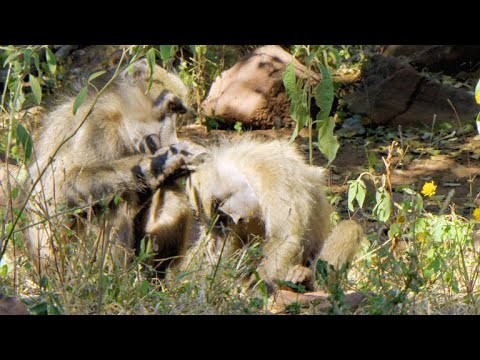
Grooming in baboon society enhances reproduction and group cohesion among Geladas in Ethiopia.
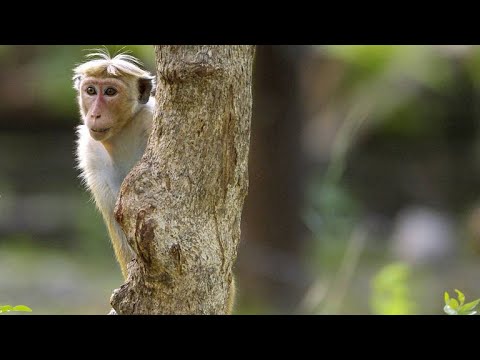
Toque macaques exhibit a strict hierarchical system that dictates their social interactions, mating rights, and feeding order, mirroring human social structures.
Lizard biologists in the Caribbean reveal surprising traits shared among island lizard species.
Kodiak bears, the largest brown bear subspecies, are shown consuming large amounts of salmon during the spawning season on Kodiak Island in Alaska.
In Patagonia, orcas demonstrate advanced hunting techniques and teamwork as they pursue sea lions, highlighting their status as apex predators in the ocean.
Yunnan snub-nosed monkeys adapt to extreme cold with unique physical features.
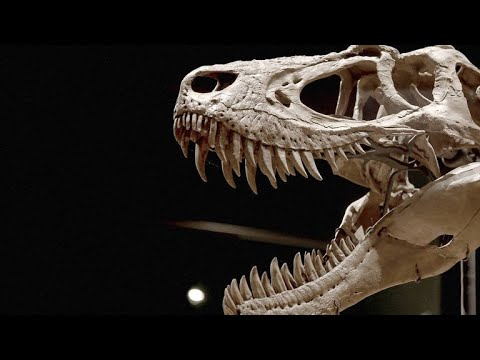
The T-Rex's 400,000 pounds per square inch biting force allows it to prey on Triceratops.
The desert-dwelling oryx survives extreme heat through a unique panting mechanism.
The Peregrine falcon dives at 242 mph to catch prey, showcasing its triumph as the fastest animal.
Pelagornis sandersi, the largest flying bird, uses ocean currents to stay airborne with a 24-foot wingspan.
Great white sharks raise their body temperature to hunt fatty prey in colder waters.